
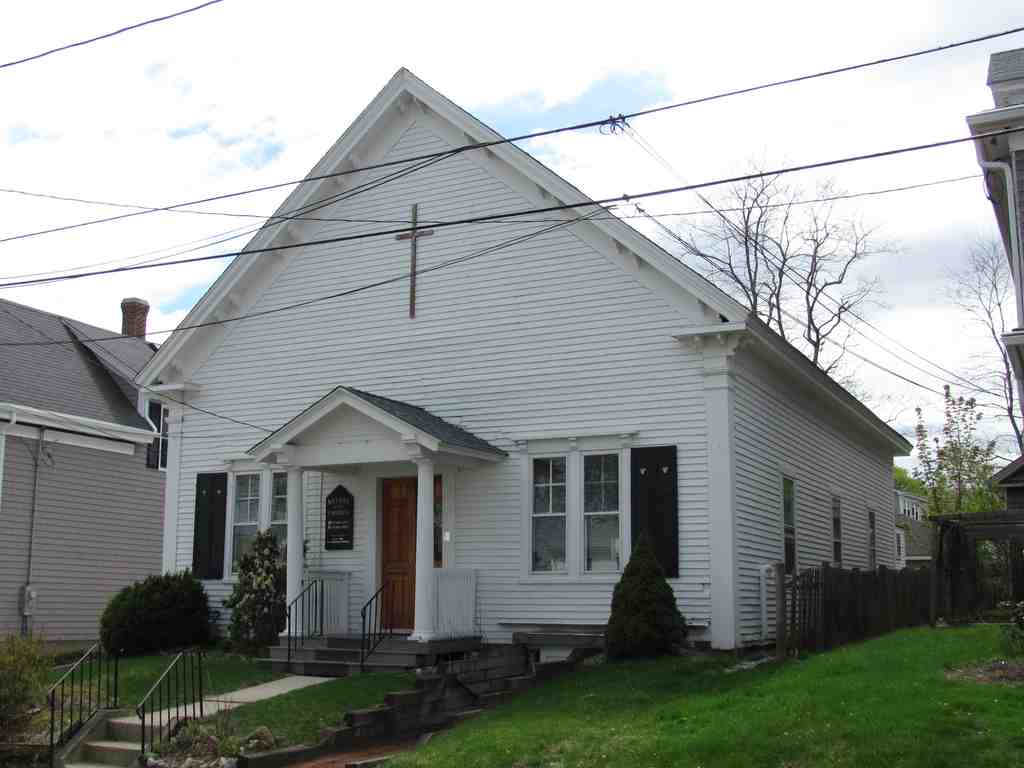
Just ahead is a modest, white clapboard building with a gabled roof and a small portico held up by simple, rounded pillars known as Doric columns. This is the Bethel A-M-E Church. A-M-E stands for African Methodist Episcopal, a Protestant denomination founded by Black Americans seeking religious autonomy and self-determination.
In eighteen fifty, Plymouth had a small African American community of just one hundred and thirty-eight people. Sixteen years later, in eighteen sixty-six, members of this tight-knit group organized their own congregation. They started out gathering in a tiny, converted house, but they soon outgrew it.
If you pull up the photo on your app, you can see the historic exterior of the property they eventually purchased. Surprisingly, this structure was built around eighteen forty for commerce, not worship. Before the congregation bought and consecrated it in eighteen seventy, these walls housed a gymnasium, a shoe shop, and a school.
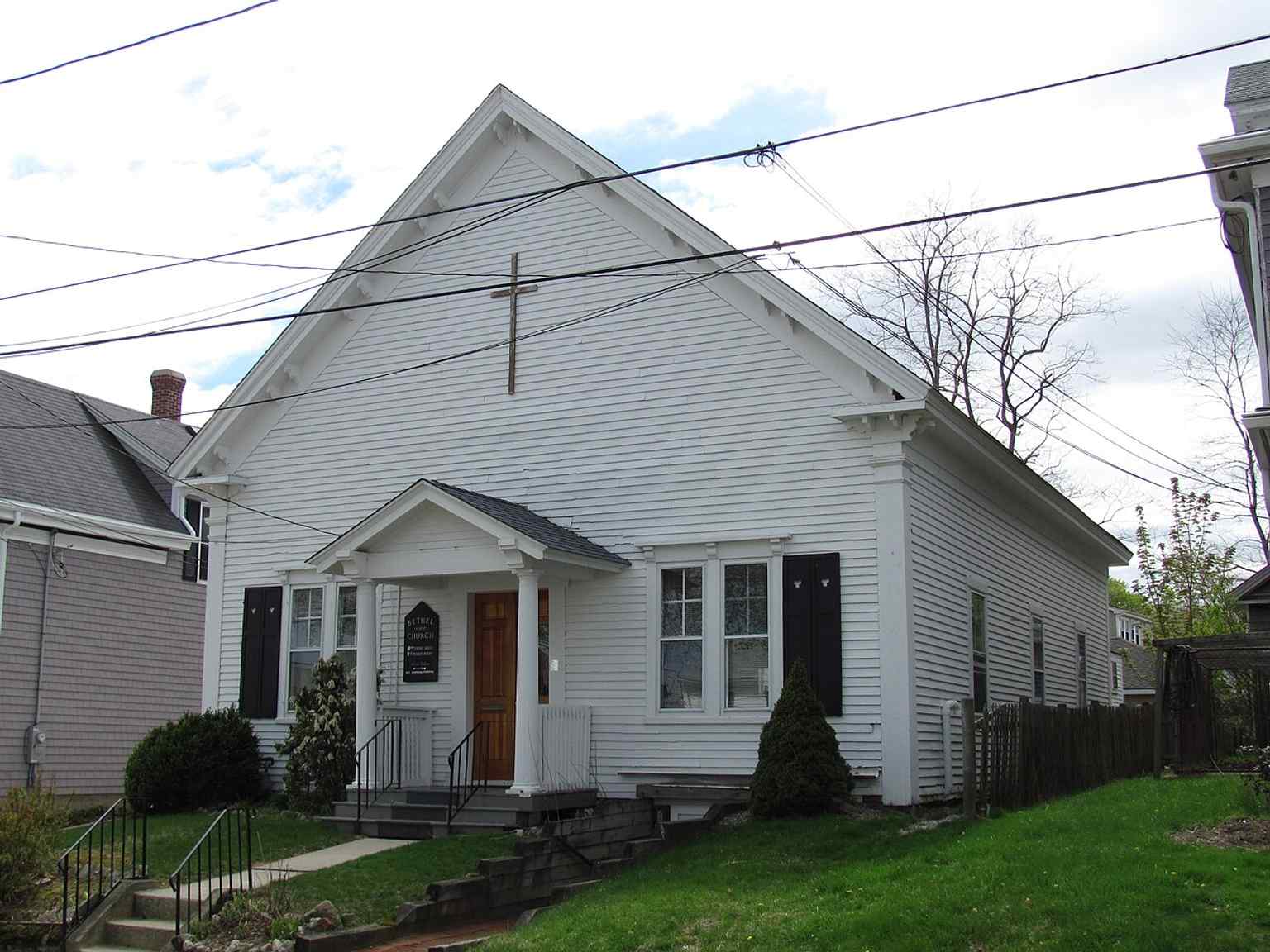
The building displays a blend of Greek Revival and Italianate architecture, which means it pairs the structural symmetry of ancient Greek design with decorative, paired brackets tucked up under the roofline.
Just twenty feet behind the sanctuary sits the parsonage, an everyday residential house added in eighteen ninety-five. The pastors who lived there often worked for little to no pay, taking on heavy labor in town just to survive while leading their flock.
This modest wooden church remains a profound anchor of resilience. The building is generally open from nine in the morning to four in the afternoon on weekdays, and for a few hours on Sunday mornings.
Take a moment to reflect here. Whenever you are ready, we can continue to the next stop.





