
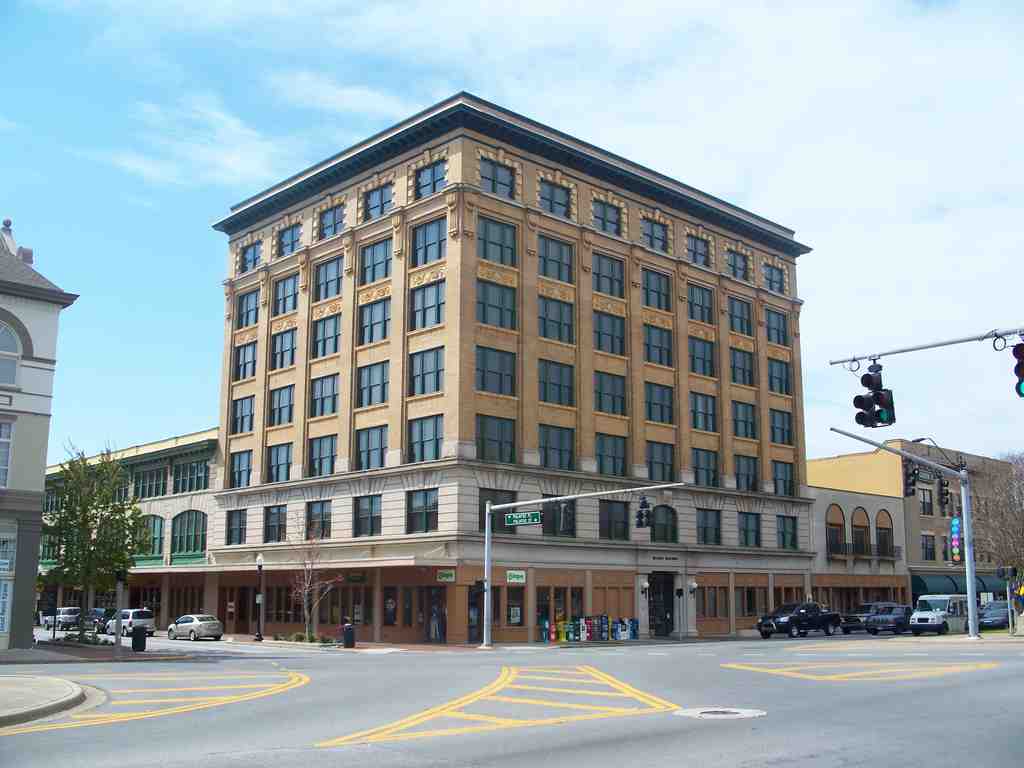
To your left is the Blount Building, a seven story rectangular tower made of tan brick with a heavily decorated roofline ledge, known as a cornice, jutting out at the very top.
On Halloween night in 1905, a devastating blaze tore through this exact spot. It started at a nearby club and completely wiped out the entire block, causing about two hundred and fifty thousand dollars in damage, which is roughly eight point five million dollars today.
From those literal ashes, prominent corporate attorney William Alexander Blount, whose immense wealth came from representing the Louisville and Nashville Railroad, demanded a thoroughly modern, fireproof headquarters. The result is this towering office building, designed with a steel structural skeleton and concrete floors to prevent another tragedy. But there is a bit of a local mystery behind its creation. While historical records credit builder Charles Hill Turner, local whispers claim Blount actually handed the architectural design duties to his own son, Fernando. This dispute highlights just how frantic and poorly documented the city's rapid reconstruction was during that massive building boom.
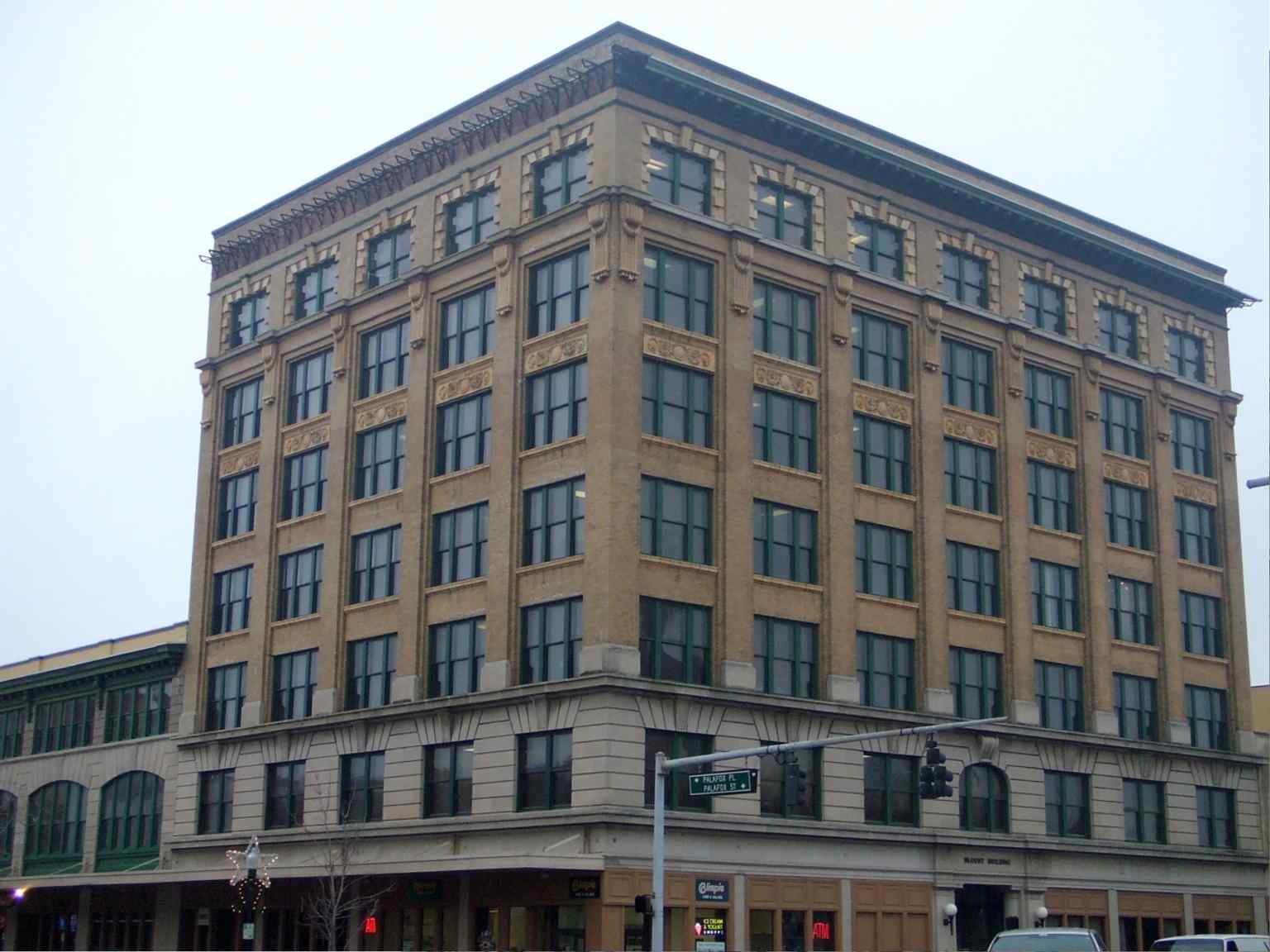
The app has a neat side by side showing what this place looked like back in 1906. If you tap the image, you can slide between how the ambitious steel skeleton looked during construction and the finished building we see today.
Take a look at the exterior. It is cleverly designed to mimic a classical column. The bottom two floors act as the sturdy base, the middle floors are the long vertical shaft, and the top floor is the decorative capital. Blount himself was such a commanding figure that when he passed away, the Florida East Coast Railway stopped all their trains for two full minutes in an overwhelming show of respect.
Decades later, this same address became a pivotal site for a totally different kind of progress. The ground floor Woolworths store maintained a strictly segregated lunch counter, until local teenagers launched a peaceful sit in campaign. The community backed them with a massive boycott that cost downtown stores eighty percent of their business, finally forcing integration in 1962. It is incredible how a single city block can burn to the ground, rise up as a railroad tycoon's fortress, and eventually become a battleground for civil rights. Just so you know, the building is open Monday through Friday from eight AM to five PM. We are now taking a twelve minute walk over to the Lavalle House to see a rare surviving structure from an entirely earlier era.


