
Look for sturdy red-brick warehouse blocks with tall rectangular windows and old loading-door openings, gathered around the fortress-like armory with its brick walls and pale limestone trim.
Armory Square feels like a neighborhood that had to earn its second life. Standing here, you’re in a part of downtown that began as a hardworking commercial and industrial district on Syracuse’s west side. By the turn of the twentieth century, these streets did far more than store goods. More than twenty hotels served railroad travelers here, and the Jefferson Street Armory was not just one building but three, quartering cavalry and infantry. This was a place of freight, uniforms, boarding rooms, and movement.
One of the people who helped shape that earlier world was Jacob Crouse, working with his brother Charles. In eighteen eighty-seven, they put up the Crouse Building, a substantial commercial block that later housed Penfeld and Wilcox Bedding. Around nineteen twenty-seven, labor unions moved in and renamed it the Syracuse Labor Temple. A building can change jobs like a person does... and still carry its old bones.
Then came the fire. In the early hours of the third of November, nineteen forty-eight, around three-thirty in the morning, flames tore through the old Crouse Building. Firefighters said they could see the blaze halfway across the street when they arrived. One person died, two were injured, and the fire kept burning until about seven. In a district like this, survival was never guaranteed.
If you glance at the image on your screen, you can see the kind of warehouse streetscape that made the comeback possible: solid brick, practical windows, buildings sturdy enough to be imagined again instead of erased.
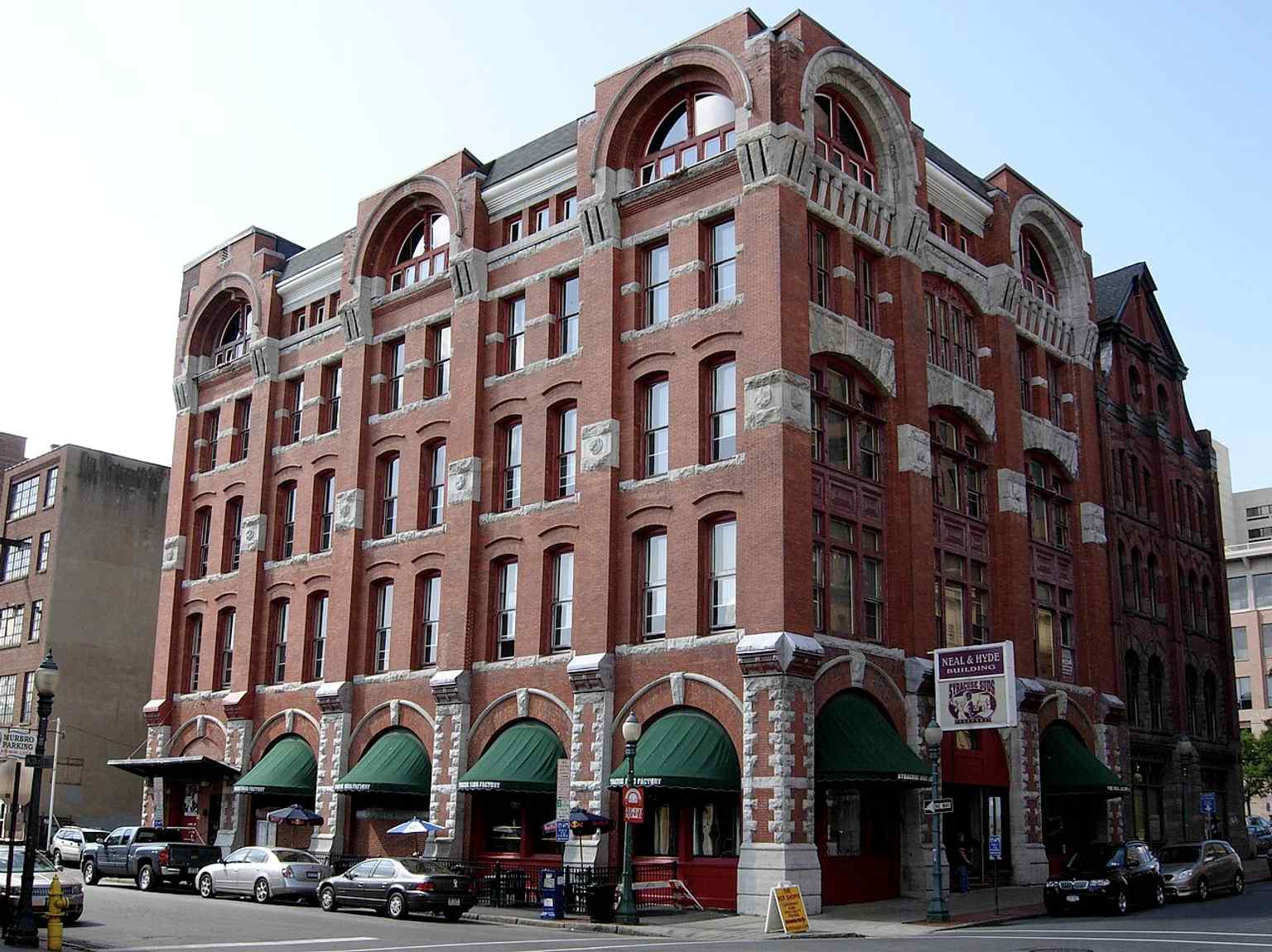
And for a while, erasure seemed more likely than renewal. After the Second World War, people and businesses drifted outward to the suburbs, and downtown thinned out. Armory Square languished. Empty storefronts multiplied. Yet in nineteen eighty-four, the Armory Square Historic District won a place on the National Register of Historic Places, with forty-six industrial and commercial buildings included. That listing mattered. It helped spark real restoration. Developers Robert Doucette and George Curry restored the old Labor Temple under federal preservation standards, and their work won an award the following year.
The comeback did not arrive polished. One early nightlife spot, the Packing House Cafe, sat beside a packing house and chicken rendering plant, which tells you exactly how rough-edged this revival could be. People took chances here. Restaurateur Karyn Korteling later admitted she hesitated to open in Armory Square because so many storefronts still stood empty. Then the momentum changed. Students came. Shops came. Coffeehouses, restaurants, offices, music, tattoos, and late-night energy moved into buildings once meant for freight and factory work.
You can also pull up the Shot Clock Monument on your phone. Its twenty-four-second clock honors the rule first used in Syracuse in nineteen fifty-four, one more reminder that this neighborhood keeps finding new ways to matter.
So here’s the question I want to leave with you: when a district loses the work it was built for, what saves it most... the bricks, the location, or the people willing to tell a new story inside old walls?
Armory Square endures because it learned how to be useful more than once. When you’re ready, head toward Clinton Square, about a seven-minute walk from here.





