
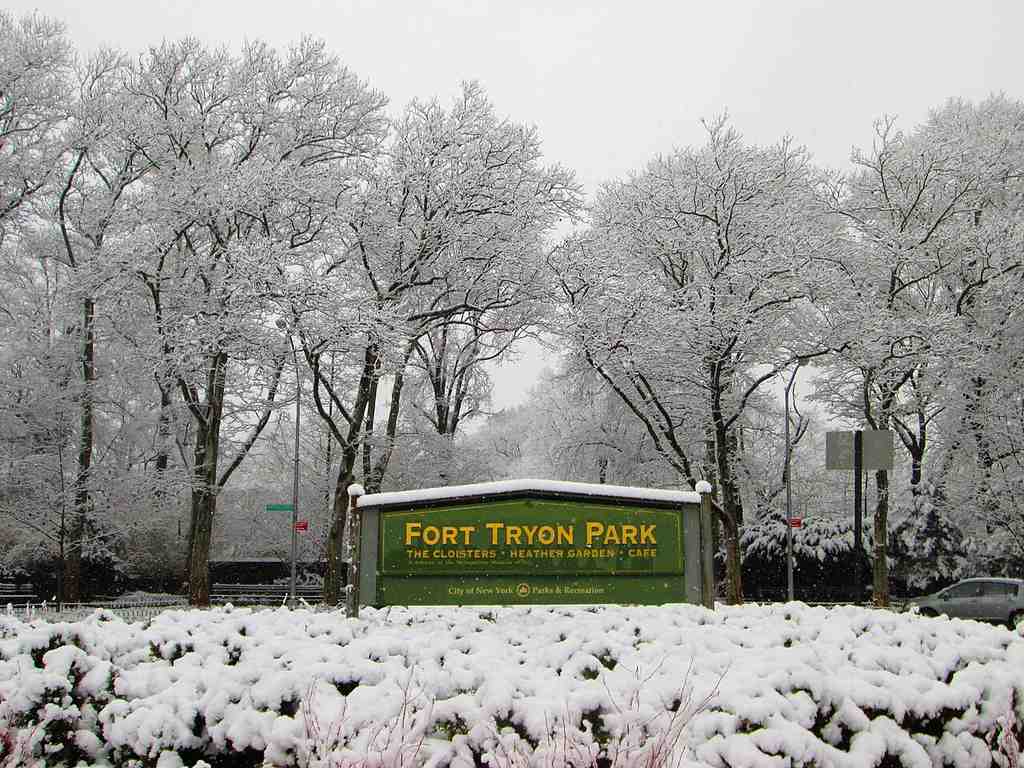
On your right, look for the park’s rough gray stone retaining walls, the sweeping curved drives climbing a long ridge, and the broad terrace overlooks cut into the hillside.
Fort Tryon Park feels peaceful now, but this hill has always attracted people who understood one simple thing: high ground means power. Up here, a ridge above the Hudson gave you reach, visibility, and a kind of authority before you ever built a wall, planted a garden, or hung a tapestry.
Long before any of that, the Lenape knew this place as Chquaesgeck. Their story is the first layer here, and it matters, because the hill did not begin as a blank canvas for colonists, collectors, or philanthropists. Dutch settlers later called it Lange Bergh, or Long Hill... a practical name for a place that kept announcing itself.
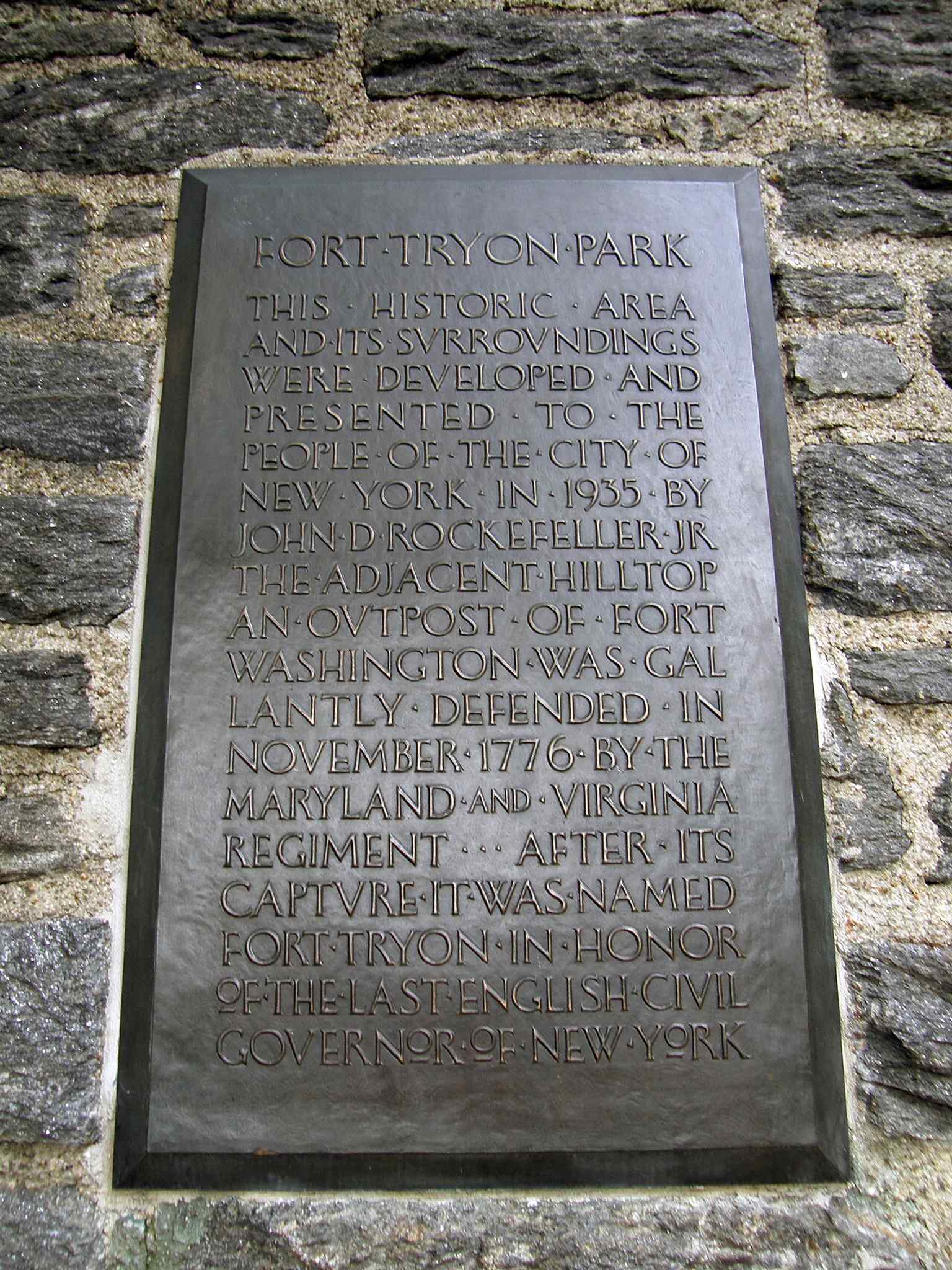
Then came war. During the Battle of Fort Washington on the sixteenth of November, seventeen seventy-six, fighting tore across this ridge while the main American fort stood a little south of here. Margaret Corbin became the human face of that violence. After her husband fell at his cannon, she took his place, kept firing, and suffered terrible wounds of her own. That’s why her name lives on at the park’s main circle: not as decoration, but as memory.
And under all of it is rock older than memory itself. This park sits on Manhattan schist, a hard metamorphic stone, marked by glacial striations, which are scratches left by ancient moving ice. So even the ground under your feet carries drama: first fire and pressure, then ice, then battle, then landscape design.
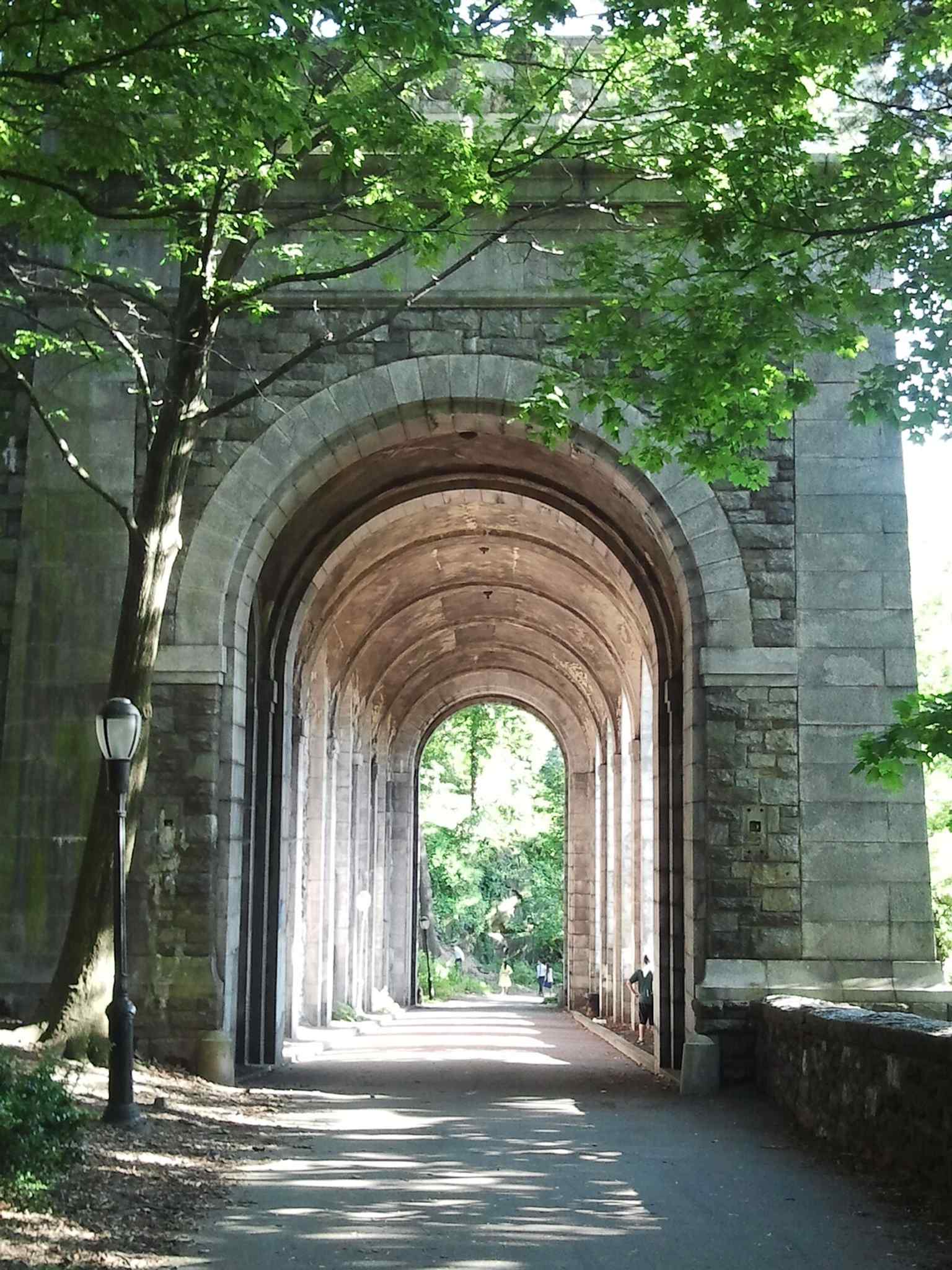
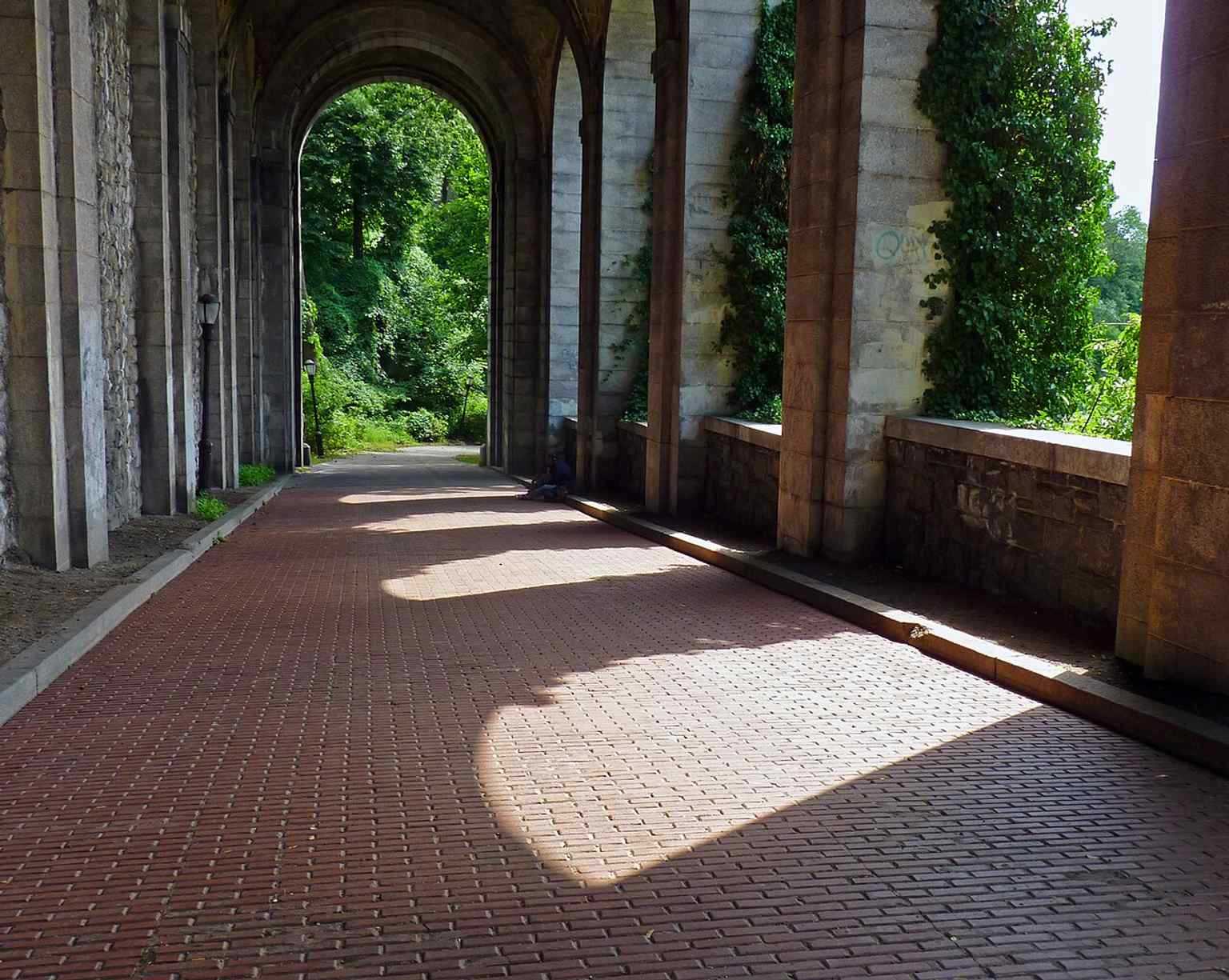
By the early twentieth century, millionaires looked at this same ridge and saw private theater. C. K. G. Billings built Tryon Hall here with stables, boat docks on the Hudson, formal gardens, and a winding driveway meant to impress. If you check your screen, the old Billings Arcade still shows that estate-world peeking through the public park.
Then John D. Rockefeller Junior stepped in. He had loved this ridge since childhood walks with his father, and beginning in nineteen seventeen he started buying the estates, not just to save land, but to shape an experience. He bought George Grey Barnard’s medieval art collection, helped give it to the Metropolitan Museum of Art, and backed the Cloisters here. So the museum and the park were never really separate ideas. One curates history indoors; the other curates feeling outdoors.
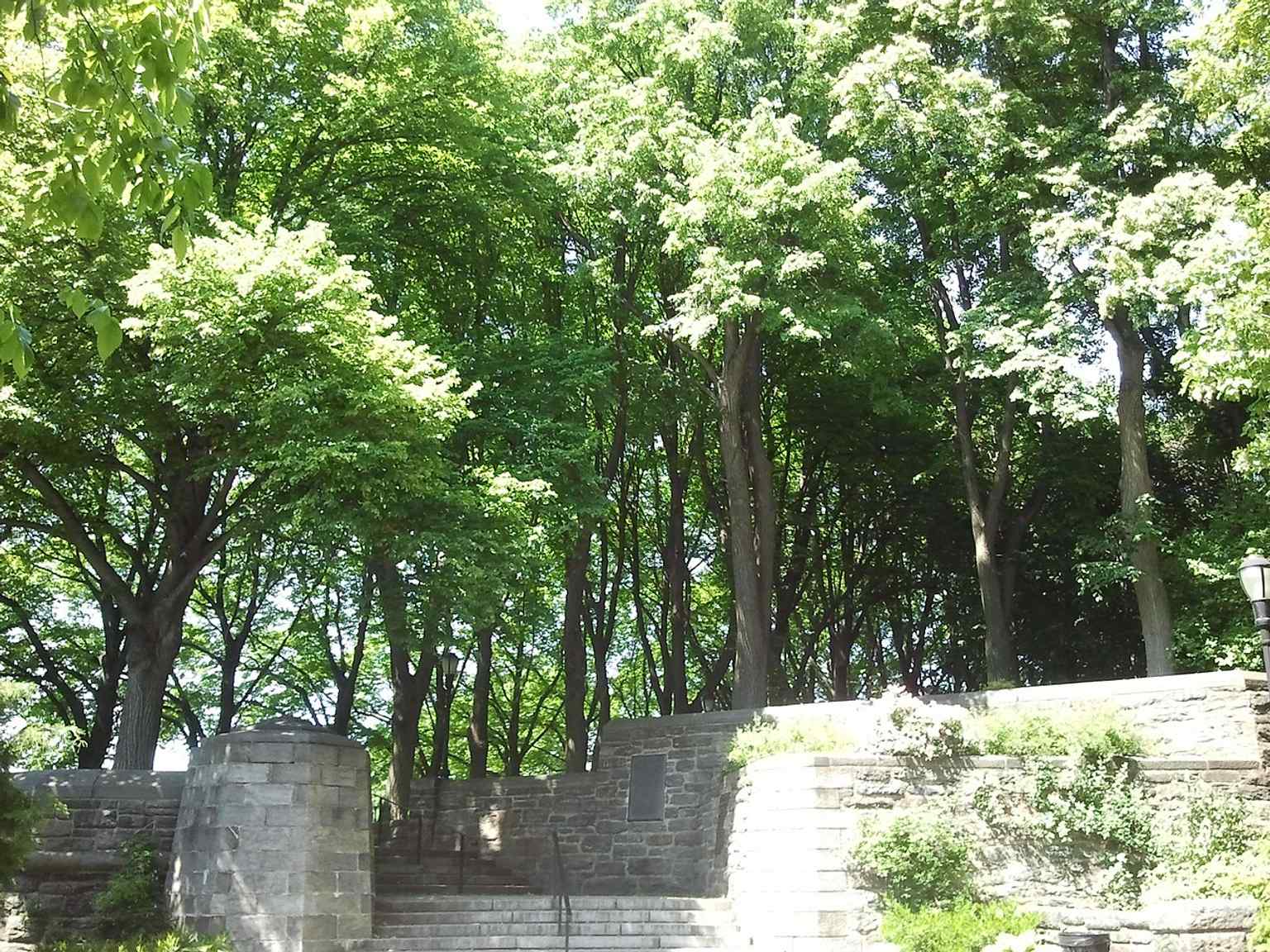
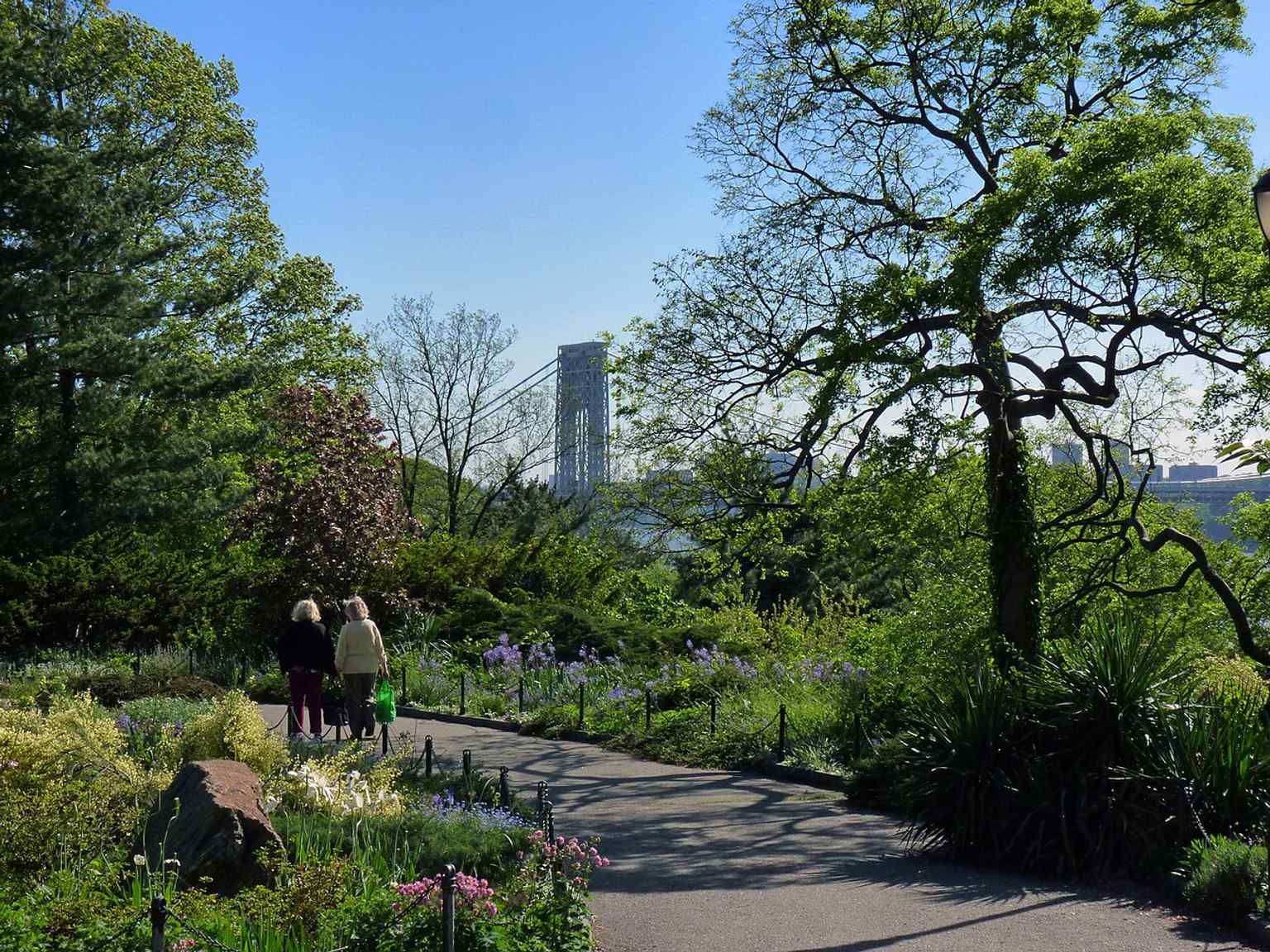
Frederick Law Olmsted Junior and the Olmsted Brothers, with planting designer James W. Dawson, turned that idea into paths, arches, terraces, meadows, and gardens. During the Depression, hundreds of workers carved out roads and overlooks from a huge amount of schist. They planted mature trees and more than sixteen hundred species so the place would feel natural... even though nearly every view was carefully framed. Take a look at Linden Terrace on your phone. That open sweep is not accidental. It’s composition.
So here’s the parting thought. When a hill holds Lenape memory, wartime loss, private wealth, ancient stone, and crafted beauty, what are we preserving... and what are we gently editing?
Maybe that’s the real magic of this ridge. It does not hide its layers. It lets them rest together, until the whole hill feels less like a park beside a museum and more like one long, deliberate act of seeing.
If you want to linger, Fort Tryon Park is open every day from six in the morning until one in the morning.





.jpg)


%2006%20-%20Fort%20Tryon%20Park.jpg)
