
Here it is... the Rubin Museum of Himalayan Art, once one of Chelsea’s most transporting cultural spaces. Standing out here on West Seventeenth Street, you’re looking at a place that invited New Yorkers into the worlds of Tibet, the Himalayas, the Indian subcontinent, and Central Asia through art, ritual, and storytelling. And that mission began with two collectors, Donald and Shelley Rubin, who started gathering Himalayan art in nineteen seventy-four because they didn’t just want to own these works... they wanted people to encounter them.
In nineteen ninety-eight, the Rubins paid twenty-two million dollars for this building after Barneys New York, the designer department store that had occupied it, went bankrupt. Then preservation architects Beyer Blinder Belle helped transform it into a museum, while keeping one glorious survivor from the old store: a six-story spiral staircase in steel and marble by Andree Putman. If you want a peek inside, glance at your screen now. That staircase curled right through the heart of the museum like a ceremonial path.
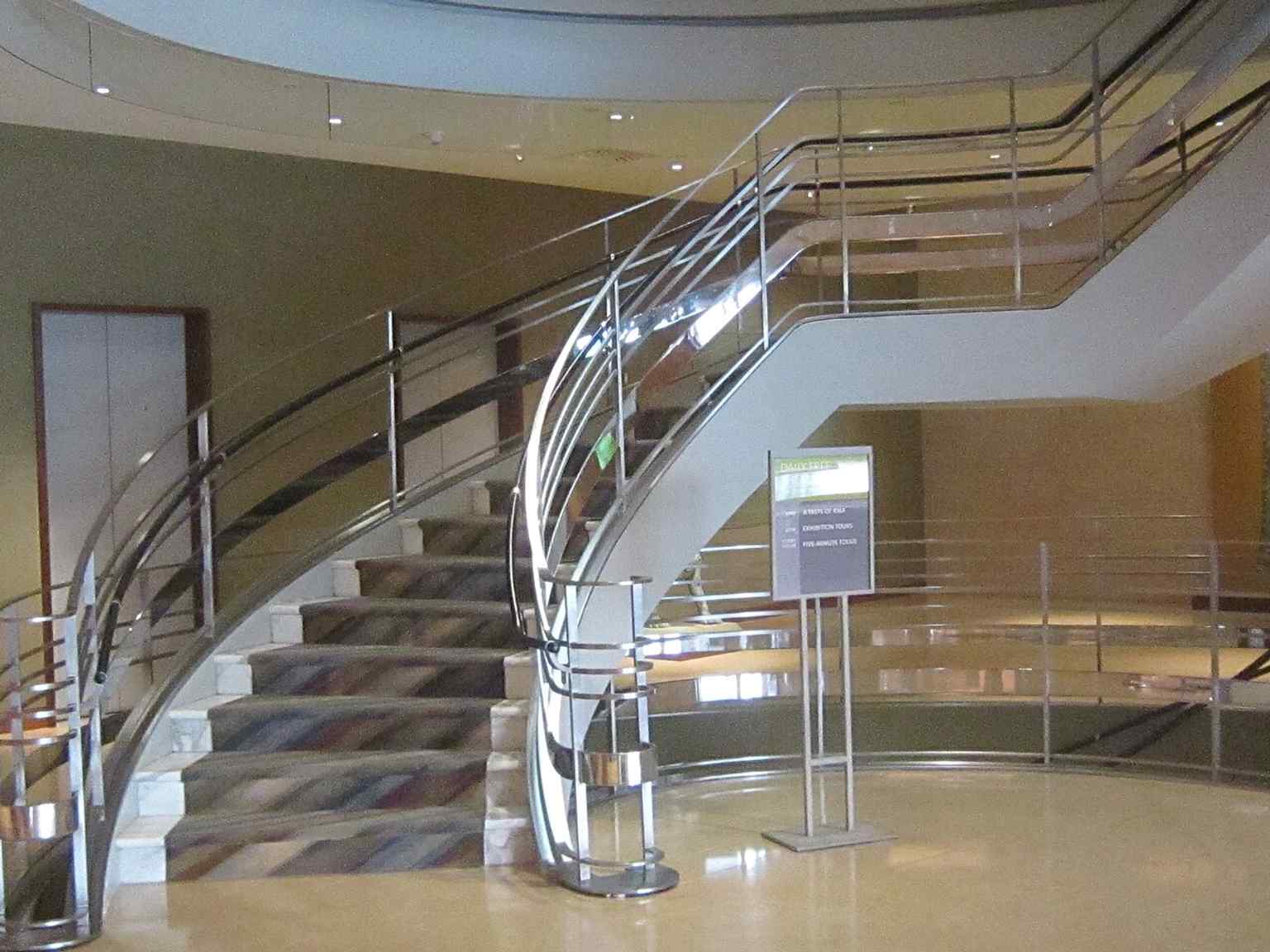
The museum opened on the second of October, two thousand four, and it held more than one thousand objects: paintings, sculpture, textiles, and ritual objects dating from the second century to the twentieth. Ritual objects, by the way, are artworks made for spiritual practice, not just for display. That matters here, because the Rubin never treated these pieces like frozen antiques. It treated them like carriers of devotion, memory, and presence.
Its new facade on Seventeenth Street and its five gallery floors drew inspiration from Tibetan art, with museum designers Celia Imrey and Tim Culbert shaping the experience, and the legendary graphic designer Milton Glaser creating its visual identity. Inside, the museum also made room for photography, an art-making studio, a theater for multimedia performances, a café, a gift shop, and later a big Education Center. It even launched The Eighth Floor, another art project in the building.
The exhibitions could be wonderfully intense: Methods of Transcendence, The Demonic Divine in Himalayan Art, and Holy Madness, which explored siddhas - spiritual adepts in South Asian traditions, people believed to reach extraordinary insight through disciplined practice. Later shows connected art with living communities, like Living Shrines of Uyghur China.
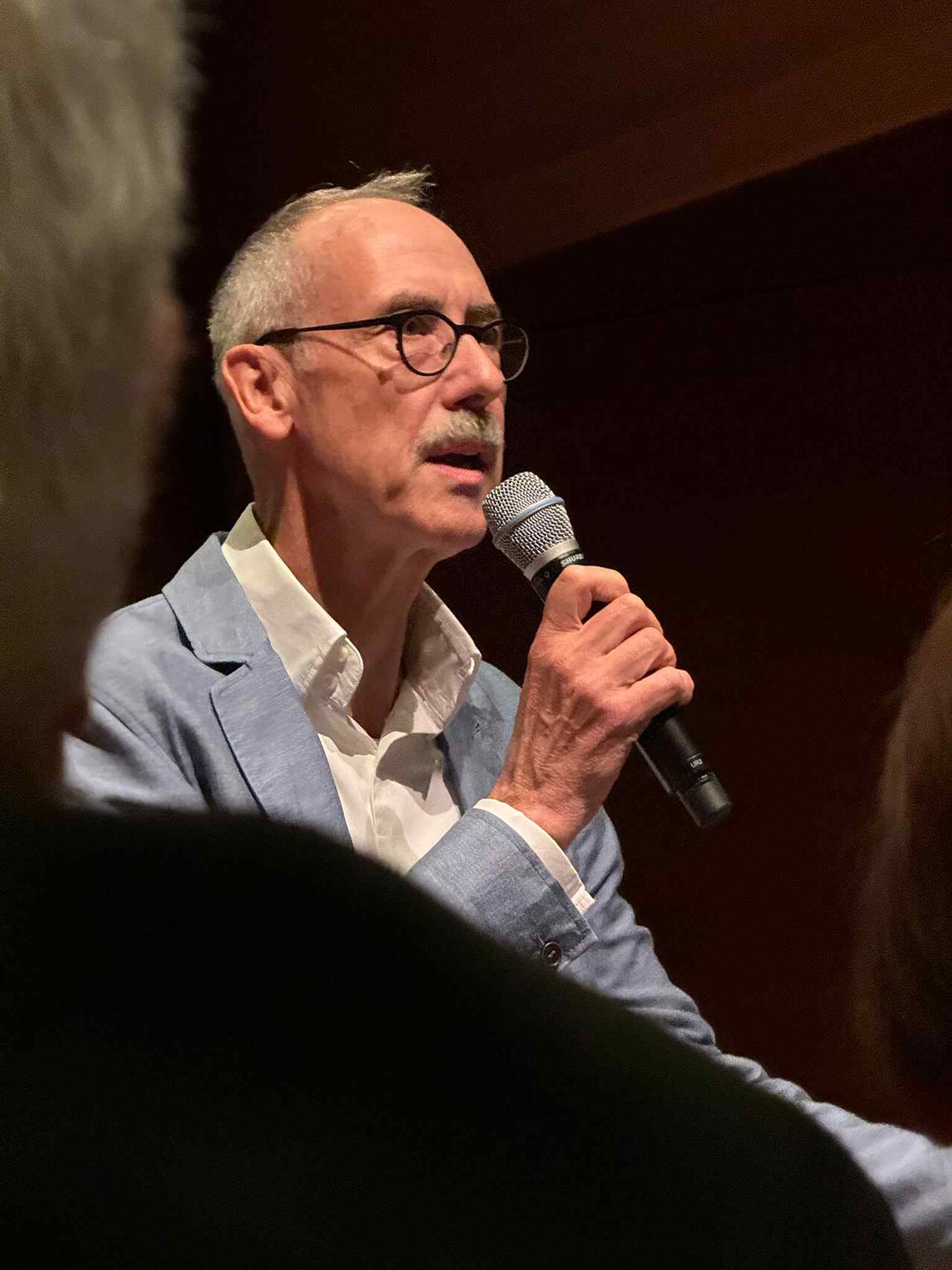
Then came the harder chapter. Budget cuts in twenty nineteen shrank staff and programming, and the pandemic hit finances even harder. In early twenty twenty-four, the museum announced this building would close, and on the sixth of October, twenty twenty-four, it did. But listen to this... the Rubin didn’t choose disappearance. It chose motion: a global museum without walls, sending exhibitions outward through loans, partnerships, and digital work. You can see that turning point in one final image from the closing events.
So even here, outside closed doors, the Rubin still feels alive - less like an ending, more like a prayer wheel still spinning.






