
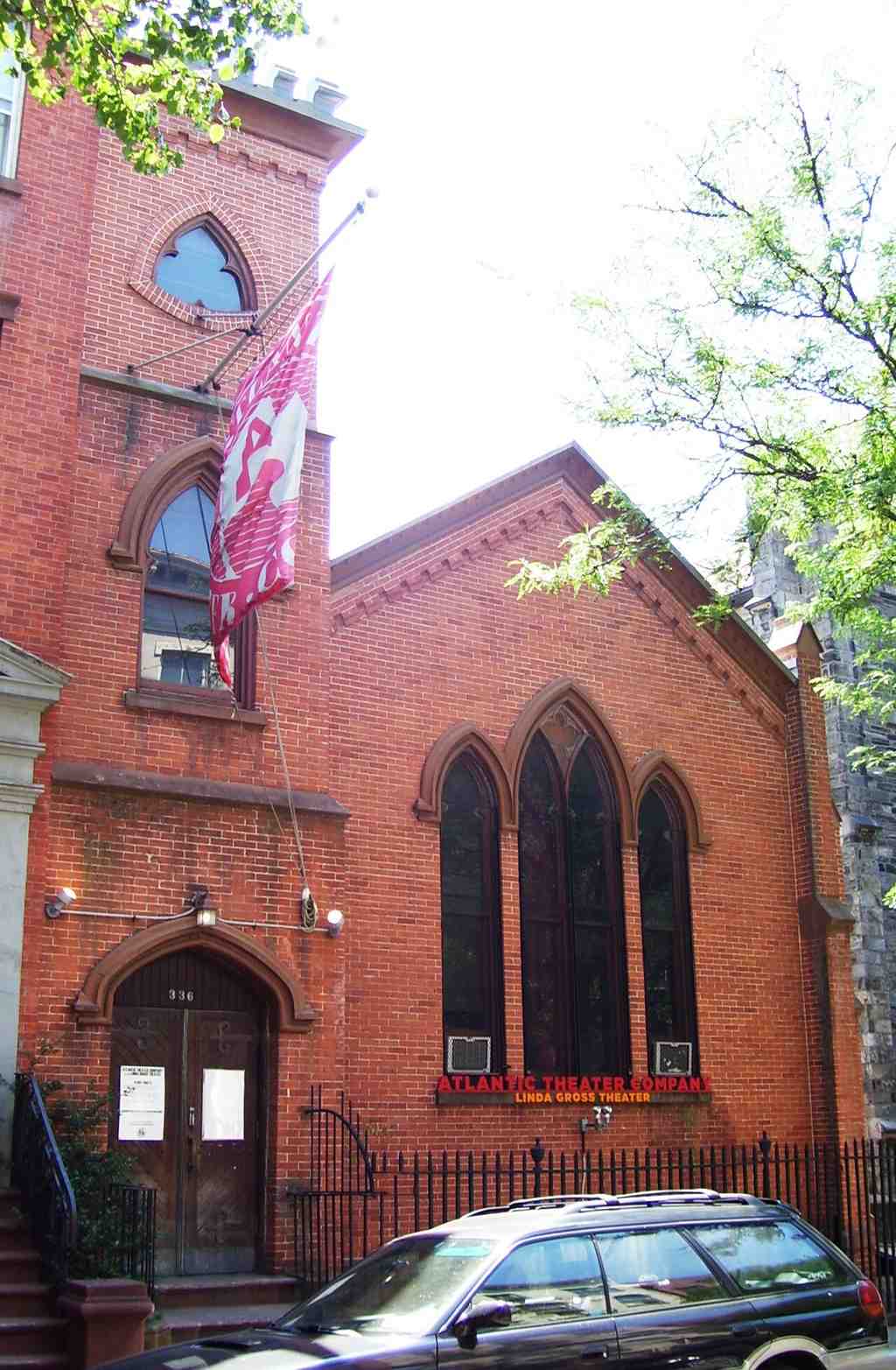
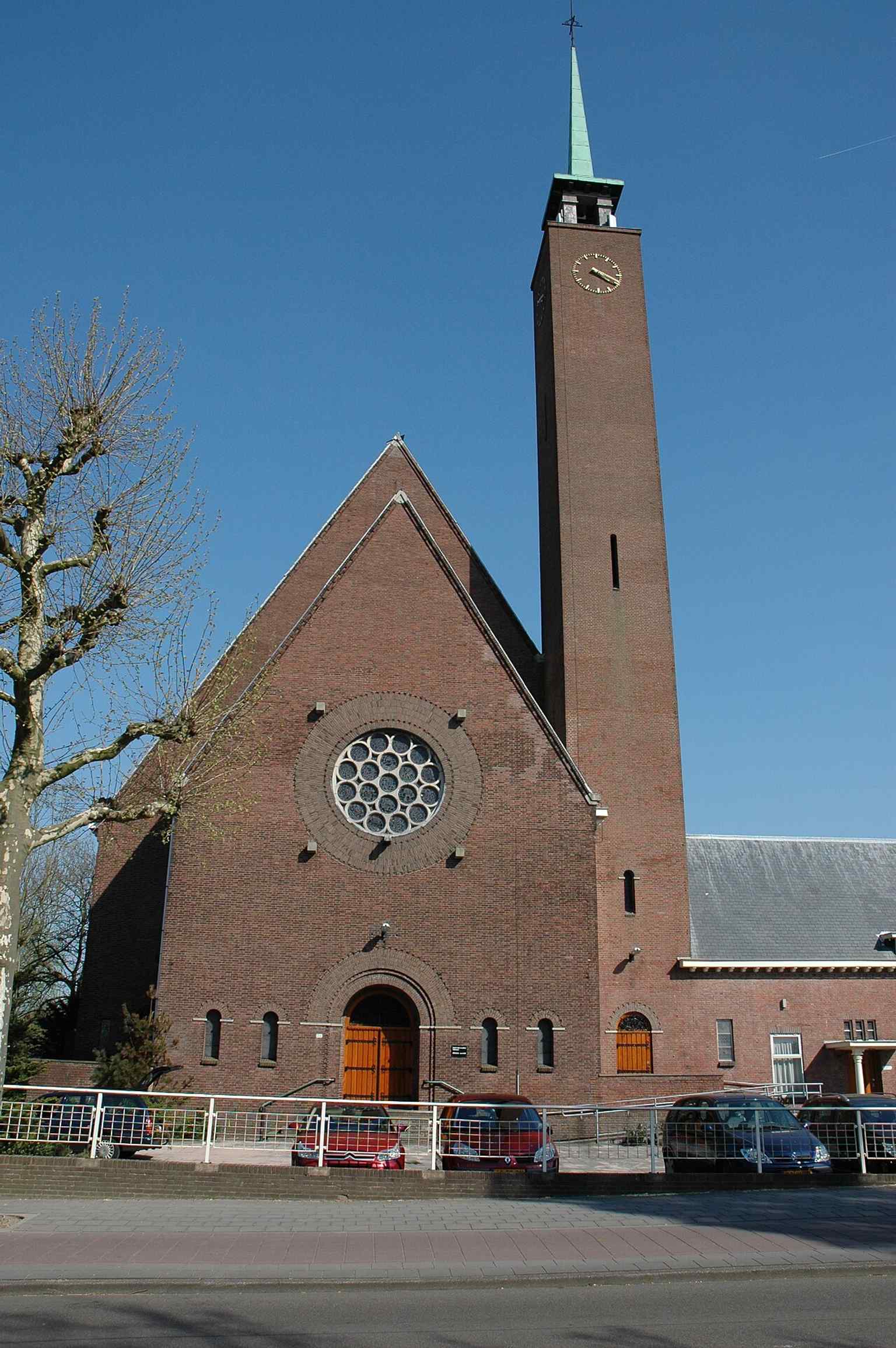
Look for a red-brick church with a long rectangular body, a square side tower, and a spare facade marked by only a few windows.
This stop tells a wonderful story of grit and reinvention. In the spring of nineteen twenty-seven, architects J. P. L. Hendriks and H. C. M. van Beers set out to create Saint Anna Church in Amstelveen, then still part of Nieuwer-Amstel. Even the contractor had to be a Catholic in good standing, so the job went to Doedens and Schilder from ’t Zand. And here is the human part I love: chaplain P. H. Meijnema spent five full years begging and fundraising inside the parish before Bishop Aengenent finally consecrated the church on the twenty-third of August, nineteen twenty-eight, with Mayor Arie Colijn there for the celebration.
A Dutch newspaper called De Tijd practically swooned over it, praising its fresh, sharp outlines in a flat open landscape. Inside, the church could hold seven hundred worshippers in an eighteen-by-thirty-five-meter hall with no columns interrupting the space. That mattered: everyone could see the three simple marble altars and the broad presbytery, the area around the main altar. The paper even singled out the electric lighting as a design feature, which in nineteen twenty-eight felt thrillingly modern. If you glance at the image on your screen, you can catch that bold red-brick confidence and the tower on the north side for yourself.
Then came the drama. In January of nineteen seventy-six, a violent storm tore the roof right off. Church leaders blamed air currents created by the nearby A-nine highway. Repairs cost four hundred thousand guilders, roughly half a million euros in today’s money. Imagine that crash of slate and timber.
And still, the building endured. Amstelveen named it a municipal monument in two thousand ten. After the last Eucharist in two thousand eleven, demolition threatened it, but the fight slowed that down. By two thousand seventeen, it had a new life: brewery, tasting room, meeting spaces, even an event stage. That is a beautiful Chelsea kind of story, isn’t it... a sacred space learning a new rhythm.
If you ever want to return, it’s generally open daily from nine in the morning until ten at night.
Some buildings survive by changing their song. When you’re ready, let’s continue to the next stop.





