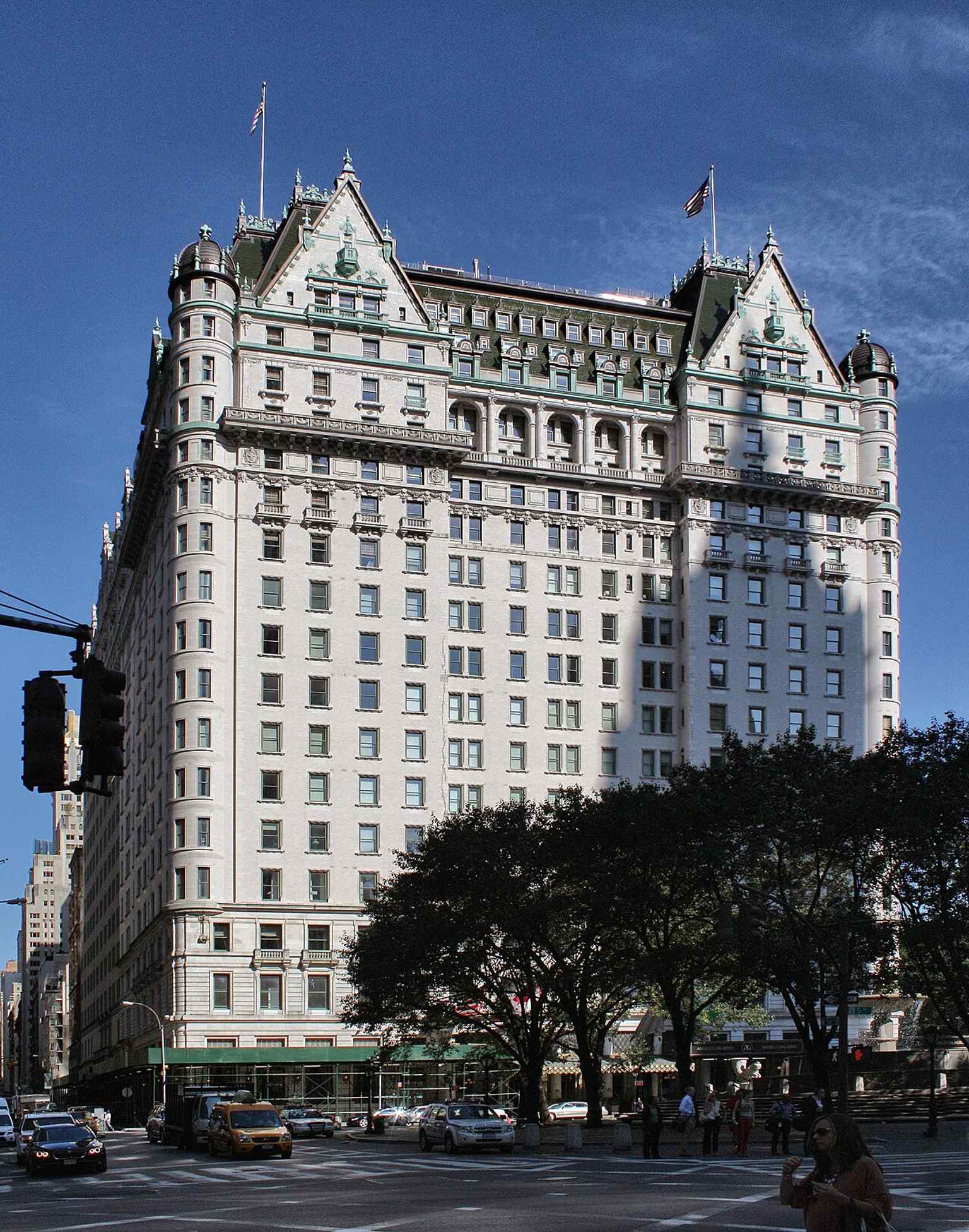
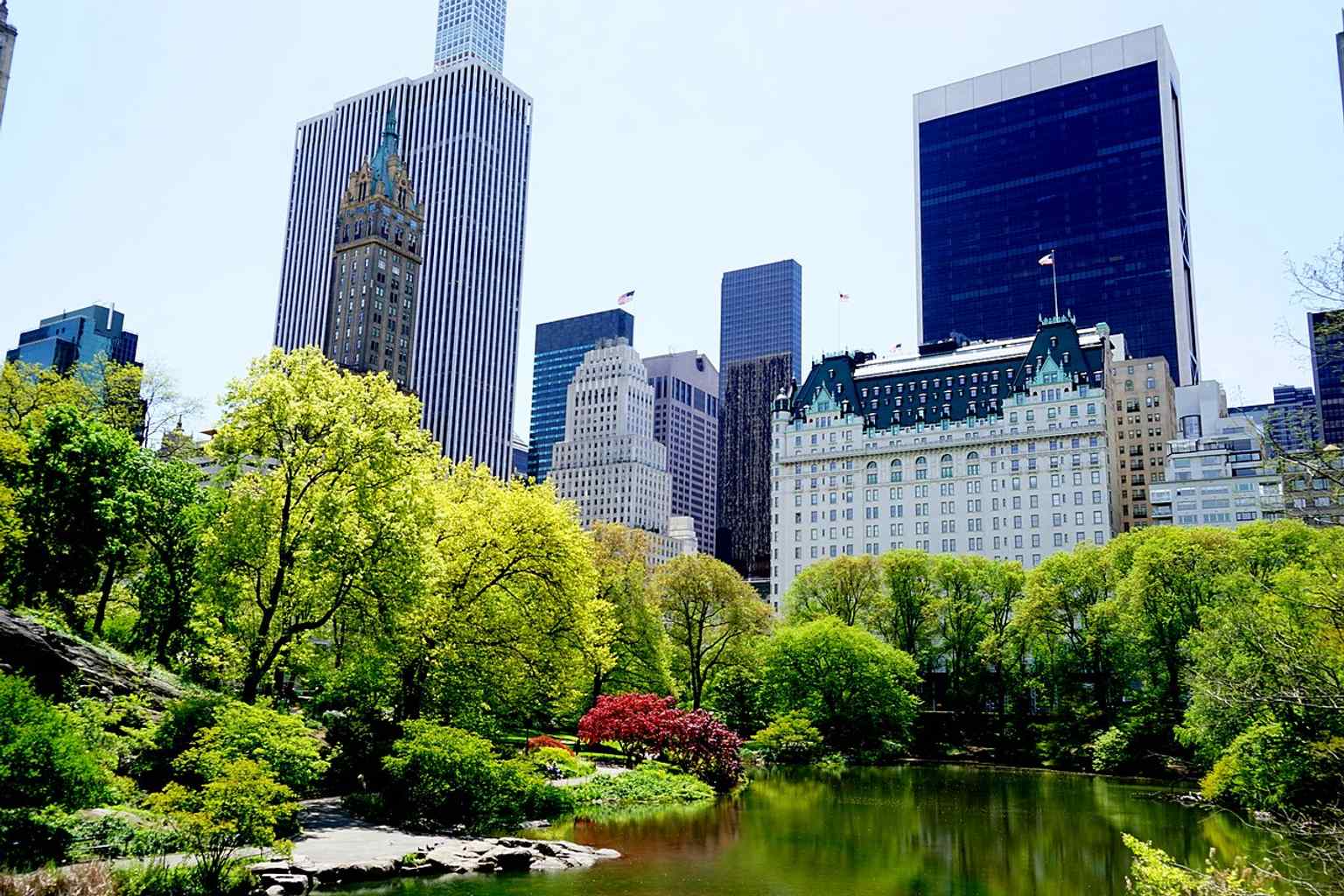
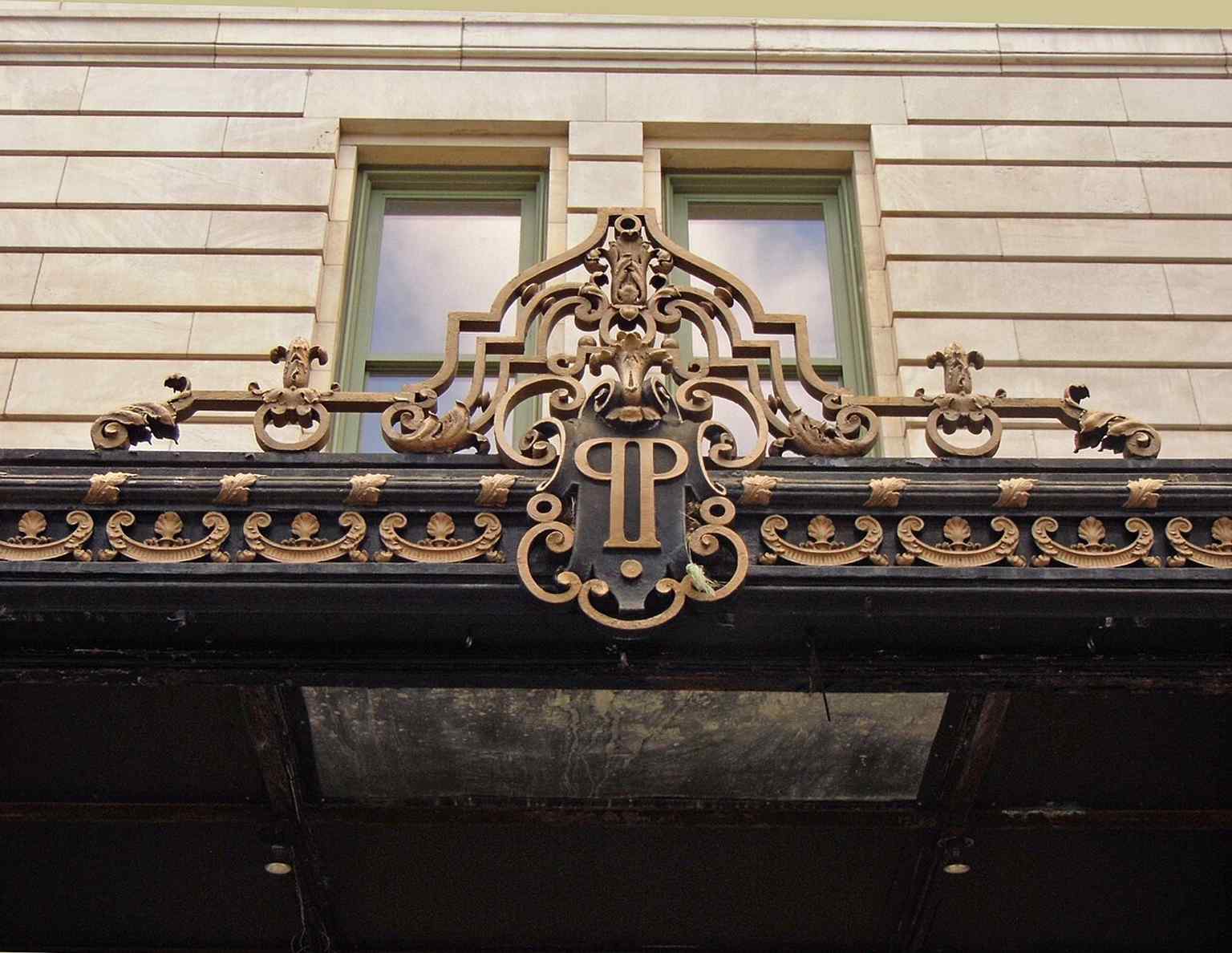
On your left, the Plaza doesn’t simply sit at the edge of Grand Army Plaza... it presides. New York has never been especially interested in modesty, and this building has always understood the assignment.
Henry Janeway Hardenbergh designed it in a French Renaissance château style, which is a fancy way of saying he gave Manhattan something that looks a bit like a Loire Valley palace and taught it to behave like real estate. The base wears rusticated marble, cut in heavy blocks to look solid and aristocratic. Above that, white brick climbs toward a green mansard roof - that steep, elegant roofline with dormer windows poking through - and the rounded corner turrets wear little domes like crowns. If the St. Regis, which we visited earlier, feels like Astor’s polished private mansion, the Plaza feels like the city’s public coronation.
The current hotel opened in nineteen oh seven after developers tore down an earlier Plaza from the eighteen nineties. They spent about twelve and a half million dollars on the new one - well over four hundred million in today’s money - and they meant every cent to show. At opening, it had about eight hundred rooms, ten passenger elevators, marble staircases, pneumatic tubes for mail and room-service orders, and a basement plant that could make fifteen tons of ice every day. Glamour, in other words, rested on a small industrial civilization humming out of sight.
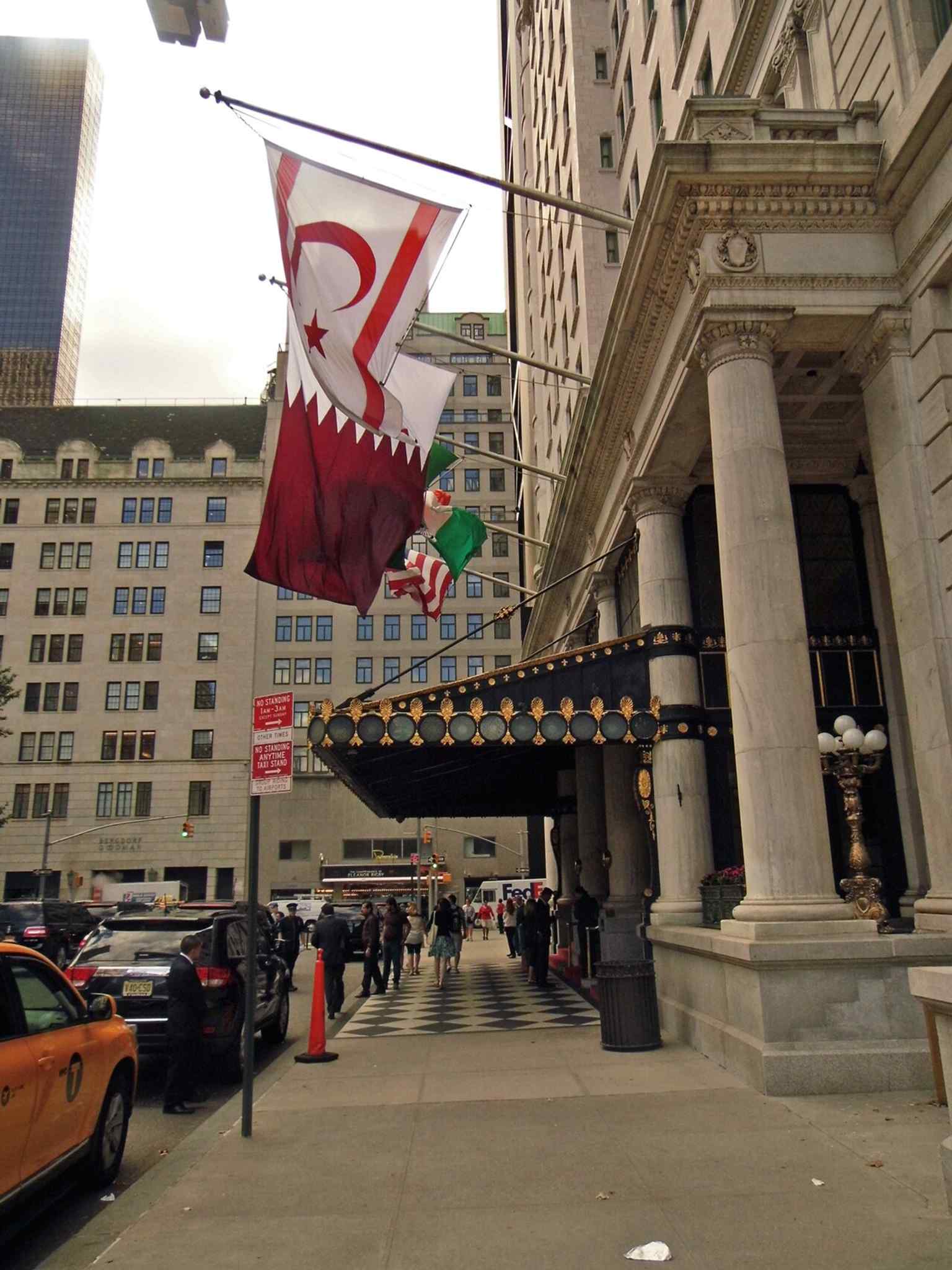
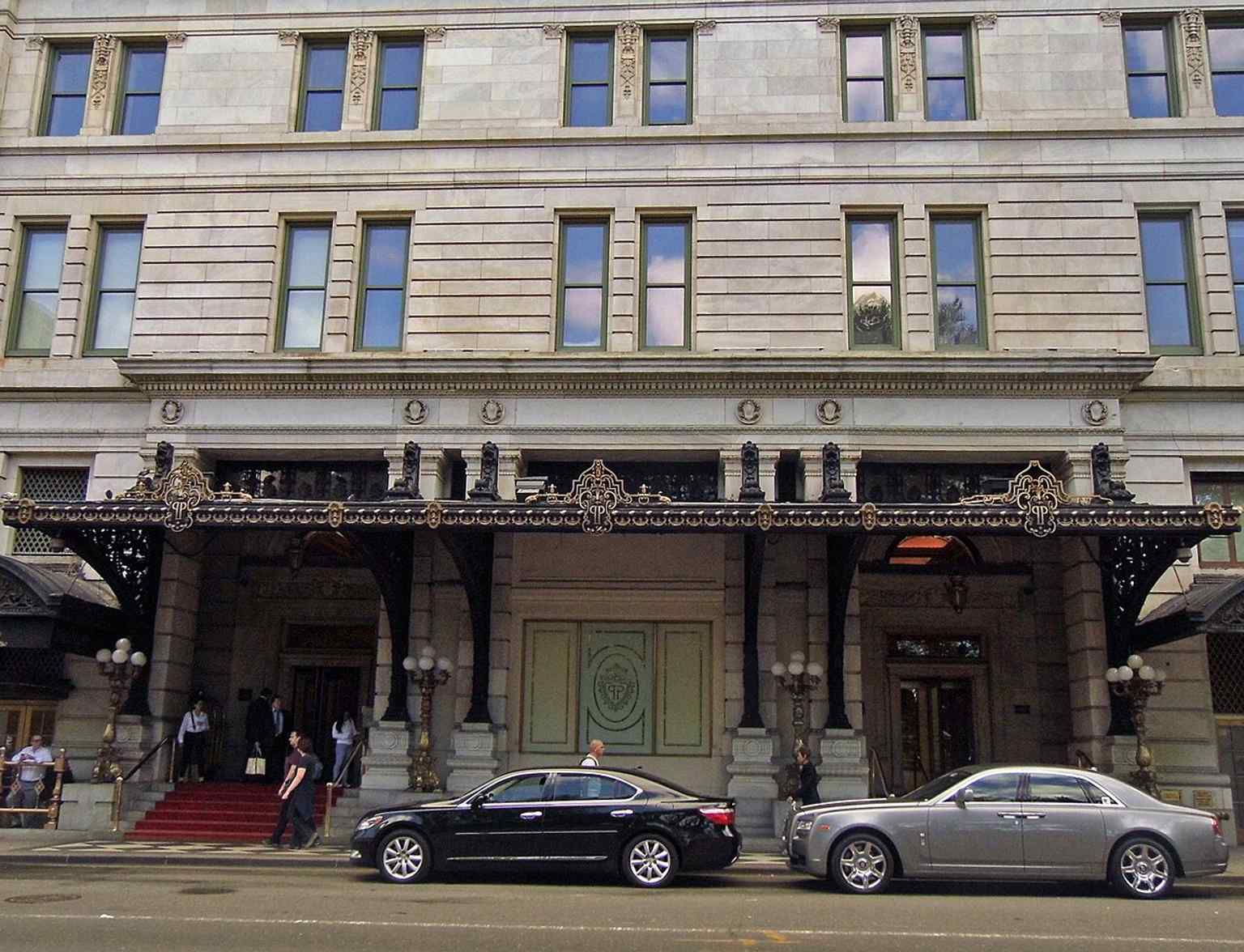
And then came the audience. The Palm Court became such a social magnet that crowds packed in just to watch other people have tea. In nineteen oh eight, thousands gathered to stare at heiress Gladys Vanderbilt and her fiancé as if afternoon tea were grand opera. The hotel’s Champagne Porch, on this plaza side, catered to the very rich with meals that could run from fifty to five hundred dollars - a startling sum then, and still enough to make your eyebrows rise now. In nineteen twenty-one, management removed that porch and installed the grander entrance you see today, with six Tuscan columns holding up a balcony. Even the doorway got promoted.
If you want a quick comparison on your screen, the Plaza barely changes while the street below completely reinvents itself.
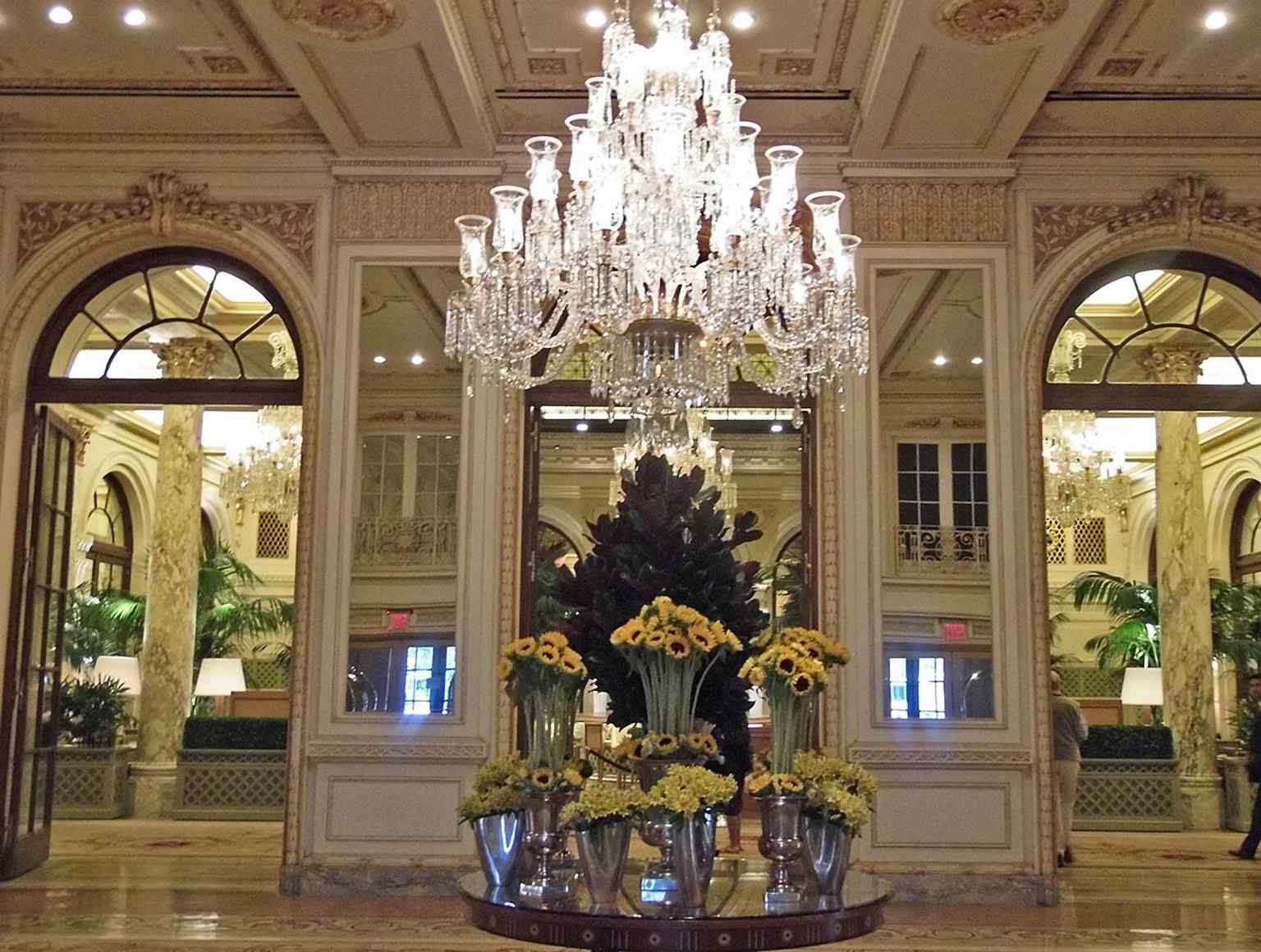
Inside, the performance continued. If you glance at the lobby photo on your screen, you’ll catch the mood: French marble, bronze detailing, mosaic floors, and a crystal chandelier delivering the message that ordinary life should wait outside.
The guest list turned the hotel into folklore. F. Scott and Zelda Fitzgerald haunted it; legend says they took a midnight swim in the Pulitzer Fountain outside. The Beatles stayed here in nineteen sixty-four after the manager reversed himself - thanks, apparently, to his daughter’s furious protest - and police on horseback held back screaming fans. Truman Capote staged his nineteen sixty-six Black and White Ball here, inviting five hundred forty people and, with exquisite efficiency, offending thousands more.
That’s the Plaza’s real talent. It has always been more than lodging. It’s a machine for status, a stage where money, manners, ambition, and spectacle all learned their cues.
When you’re ready, head south along Fifth Avenue, away from the park, toward Fifty-seventh Street. In about four minutes, we’ll reach the Crown Building, where commercial ambition puts on an even shinier suit.