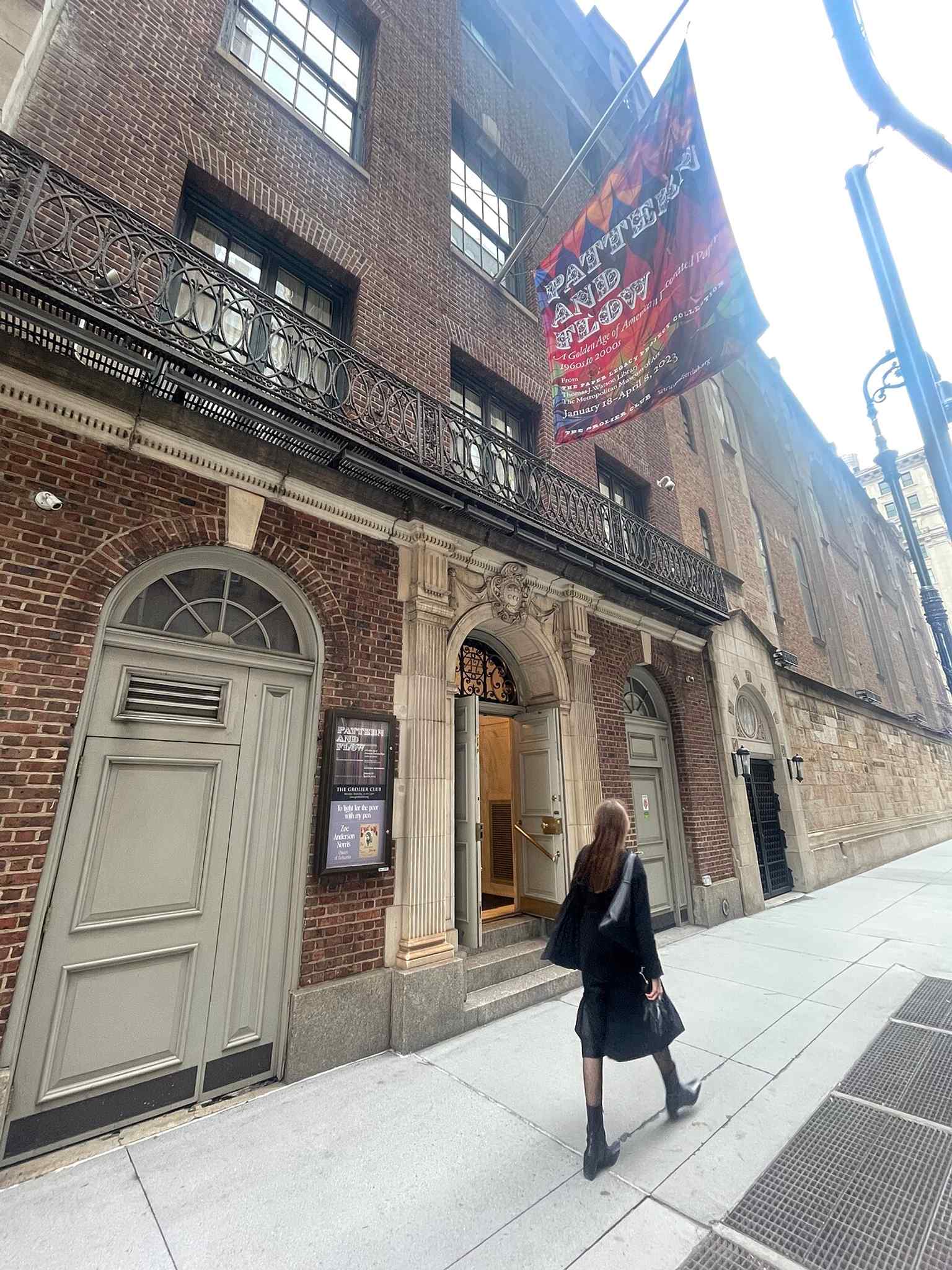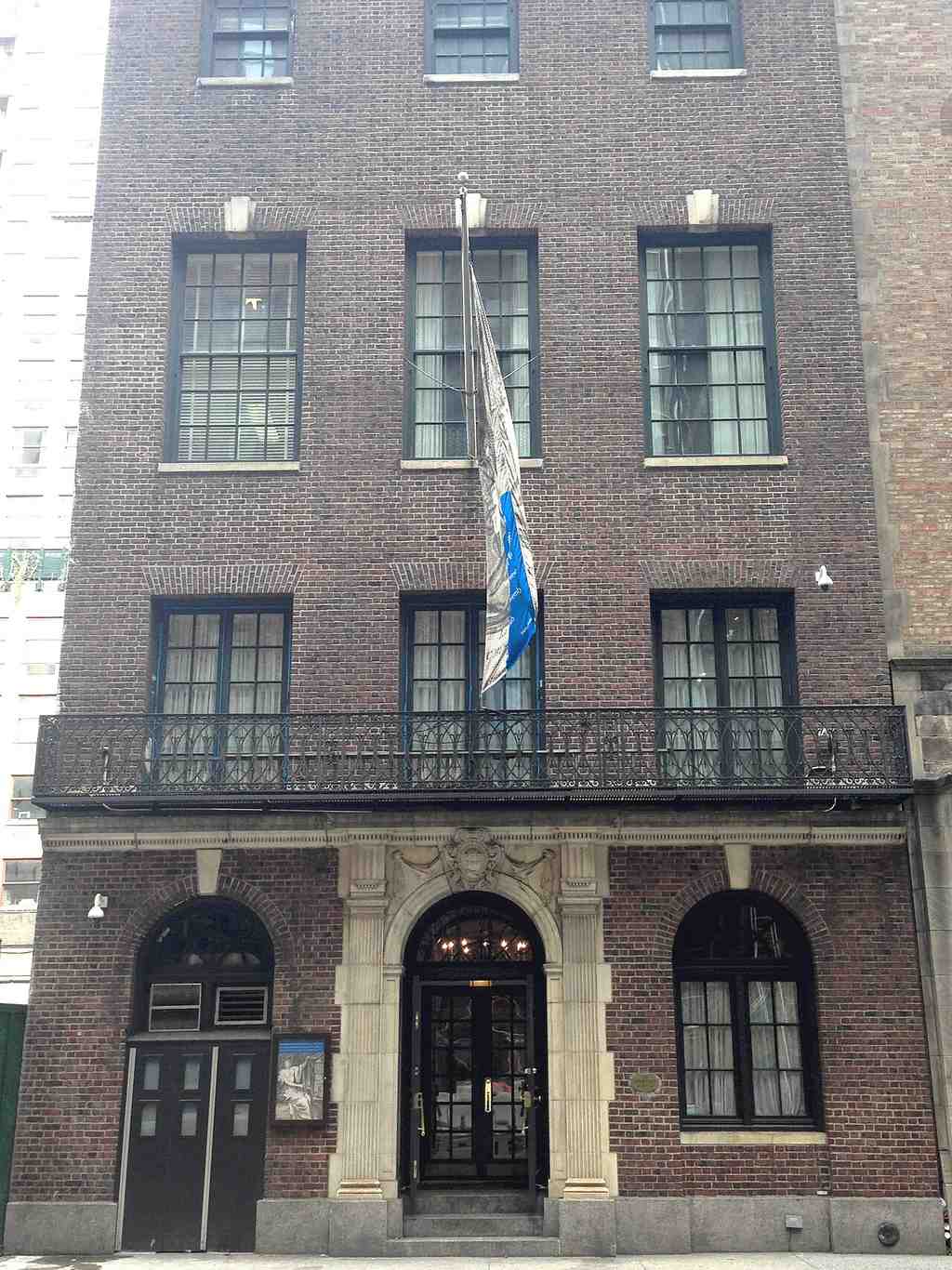
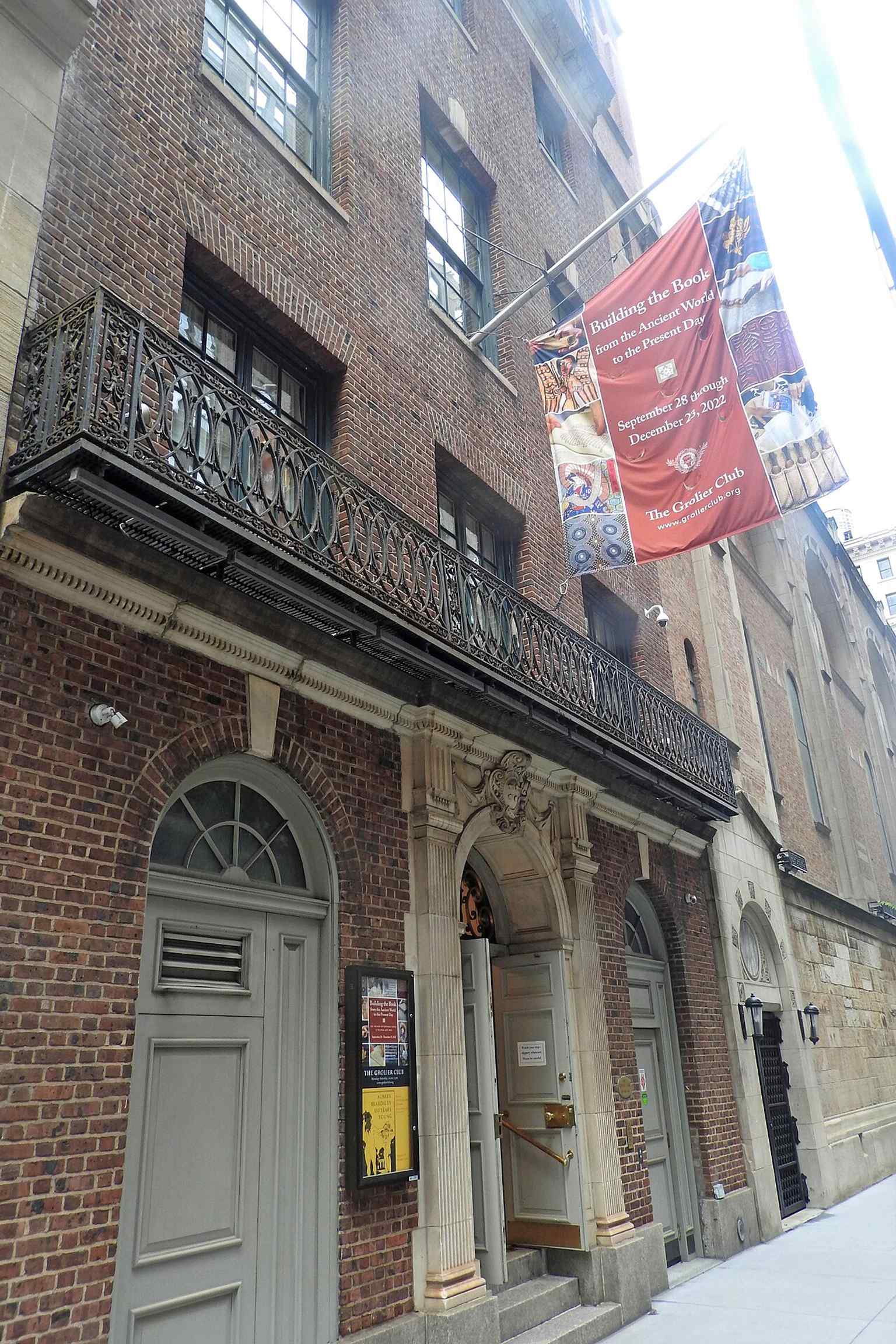
On your right is a restrained pale-stone facade, rising like a narrow townhouse with tall rectangular windows and the name Grolier Club set above the entrance.
This is one of Manhattan’s quietest strongholds of devotion: a club, library, and museum for people who love books so much they organized themselves around paper, type, binding, and ink. The Grolier Club began in January of eighteen eighty-four, when nine men gathered in secret at the home of printer Robert Hoe the Third. They were fed up with what they called the degraded state of American bookmaking, blaming mechanized presses and machine-made paper for turning books into cheap objects. A newspaper observer noted, with a little justified mischief, that these men talked of books and nothing but books... enough to send an outsider gently to sleep.
They named the club for Jean Grolier, a French collector famous not just for owning beautiful books, but for sharing them. His spirit fit the place: serious scholarship, yes, but not hoarding for hoarding’s sake. This current home opened in nineteen seventeen, designed by Bertram Grosvenor Goodhue. If you glance at the image in the app, you can see how understated the exterior is, almost as if the building is trying not to brag about the treasures inside.
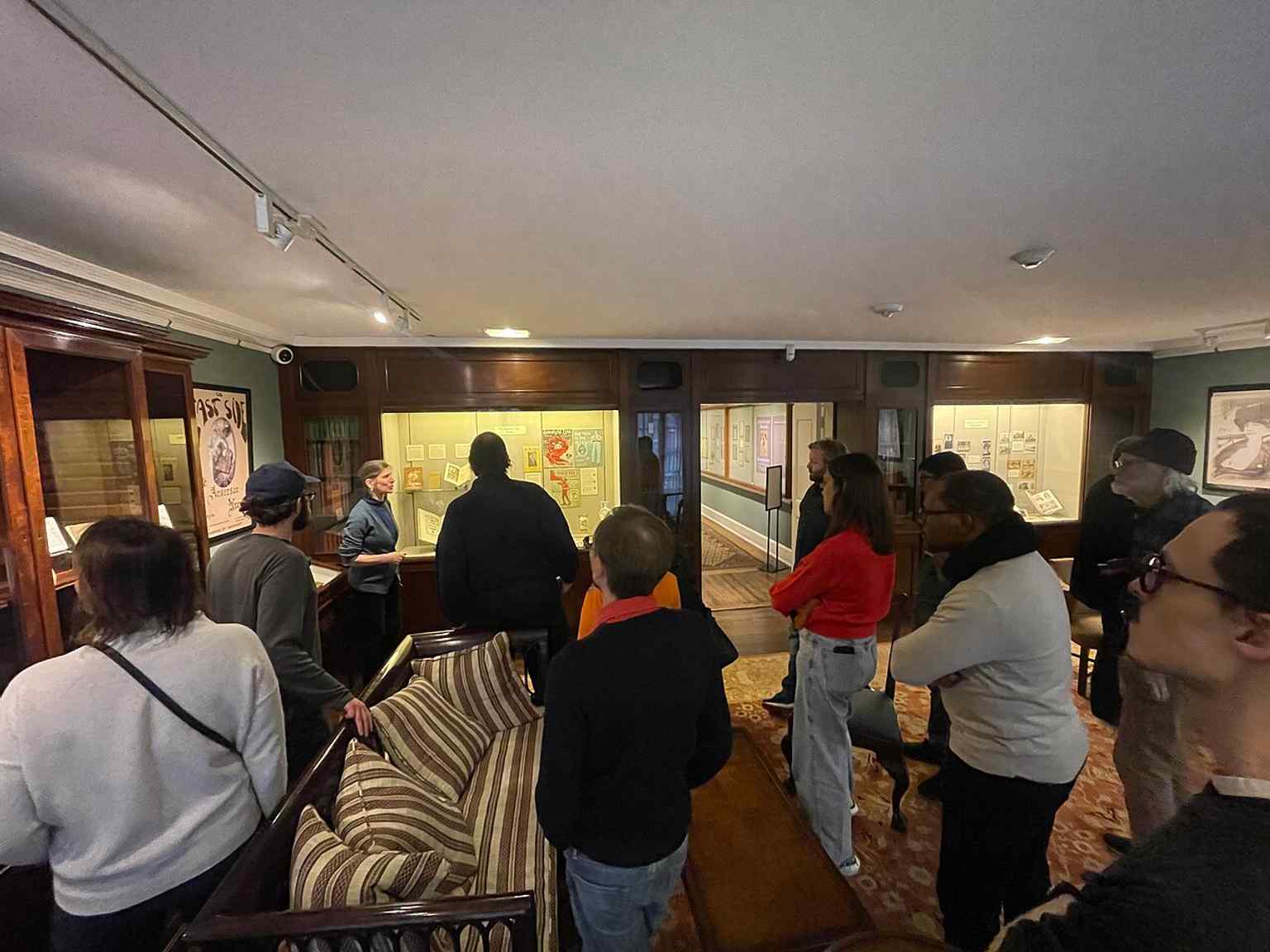
And there are treasures. The club treats books and prints as worthy of display alongside painting and sculpture. Its exhibitions have ranged from Walt Whitman to American menus to imaginary books. On your screen, the gallery image gives you a feel for that idea: books not as background objects, but as art in their own right.
What I like most are the quieter stories. Staff recently rehoused a miniature-book collection of roughly six hundred tiny volumes that had long been stored, in their own words, higgledy-piggledy. Researchers had to squint at spine labels and rummage through boxes like detectives in a dollhouse. In another archival mystery, a curator matched a detached brass-colored case to an Oriental manuscript on vellum by noticing a strangely jointed spine and the same accession number. After decades apart, the case and manuscript fit together perfectly.
The club has preserved memory, but it has also had to revise itself. Women were barred from membership for ninety-two years before the club finally admitted them in nineteen seventy-six. Now its archives include the Hroswitha Club, a group of women book collectors. Even sanctuaries of learning, it turns out, need editing.
After all these towers, fortunes, and guarded rooms, we end with pages. In a city that worships the next new thing, what does it mean to build an institution around saving what can still speak from centuries ago? Hold onto that thought... the tour is nearly ready to say goodbye.
If you want to return, the Grolier Club is generally open Monday through Saturday from ten to five, and closed on Sunday.