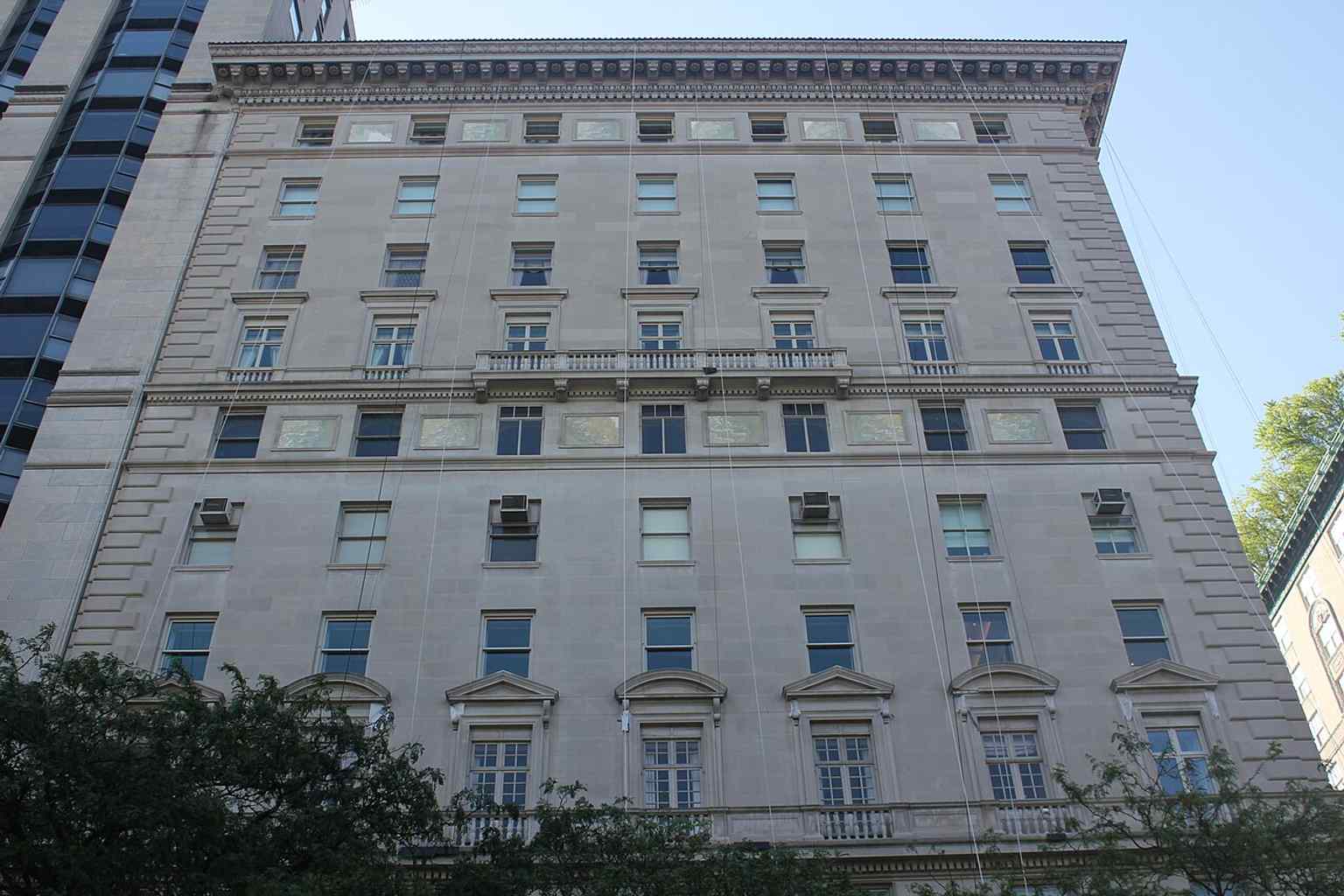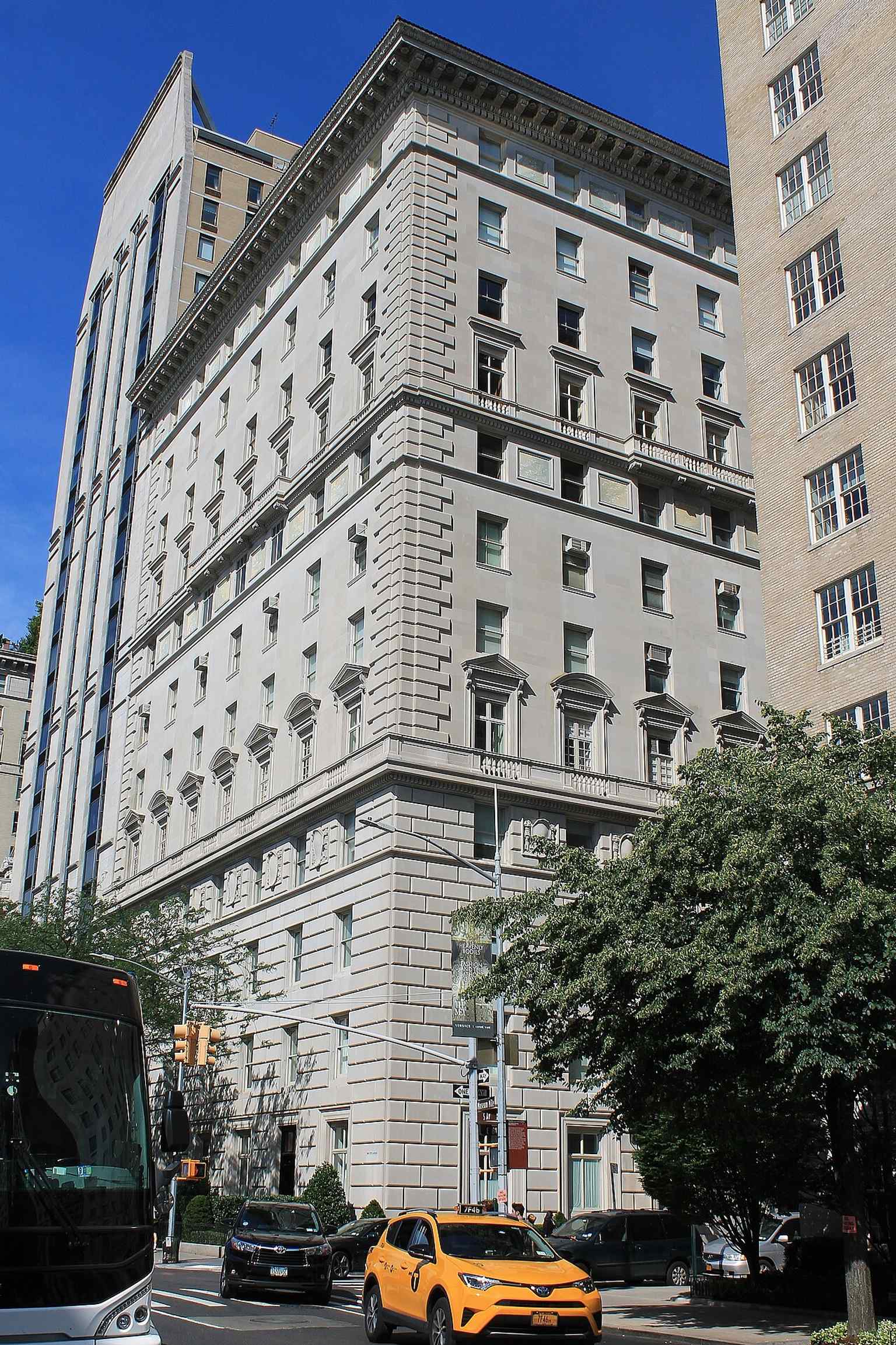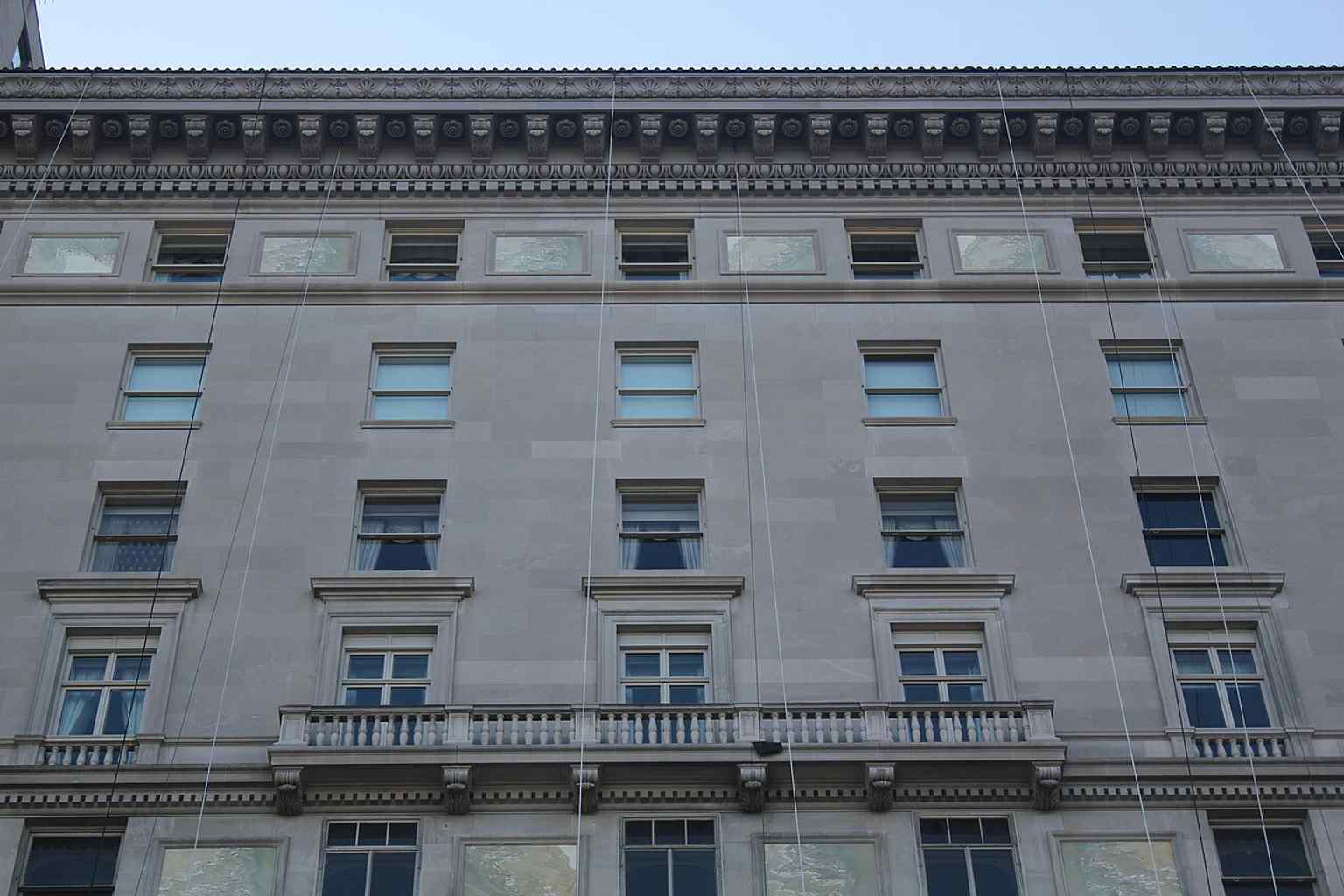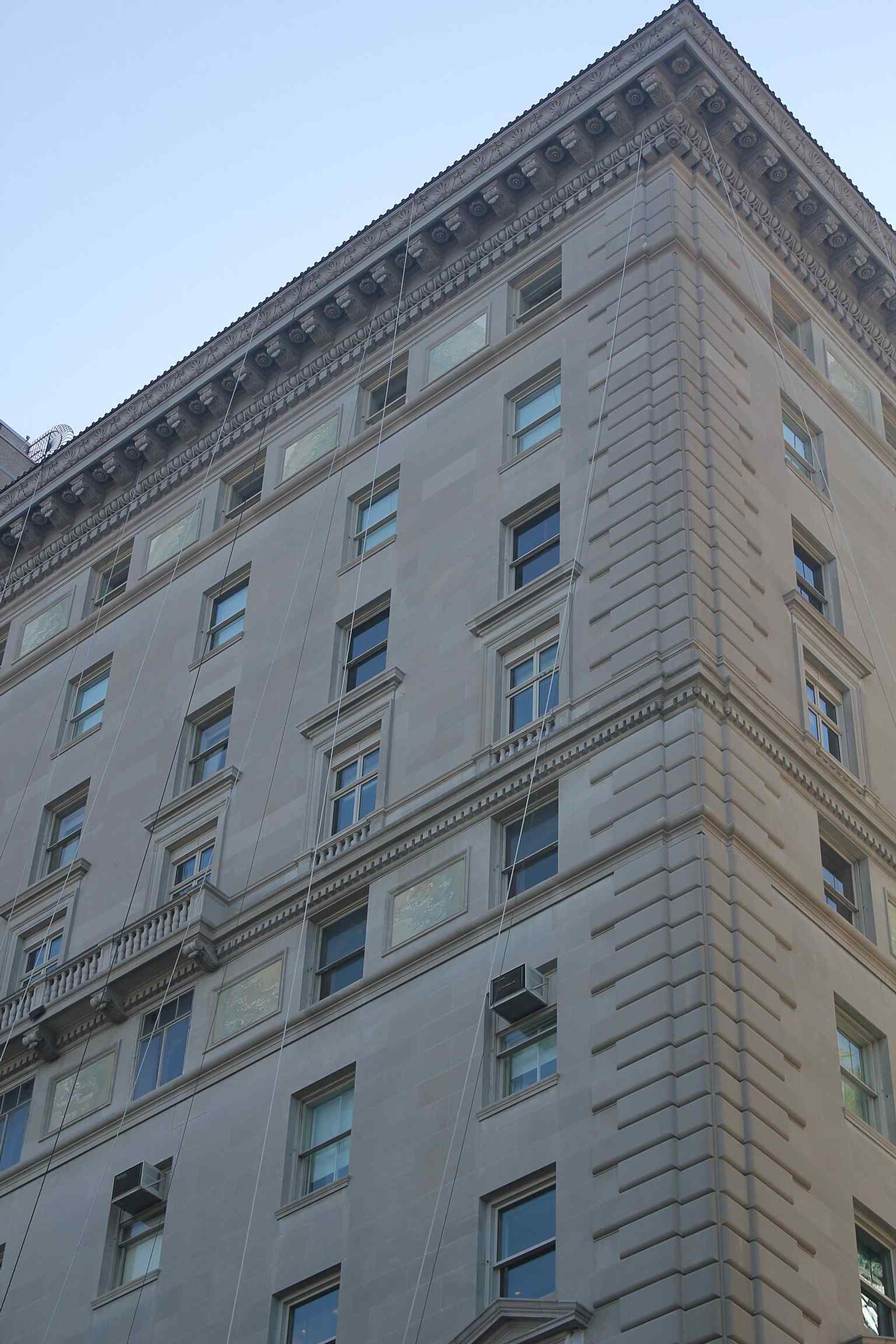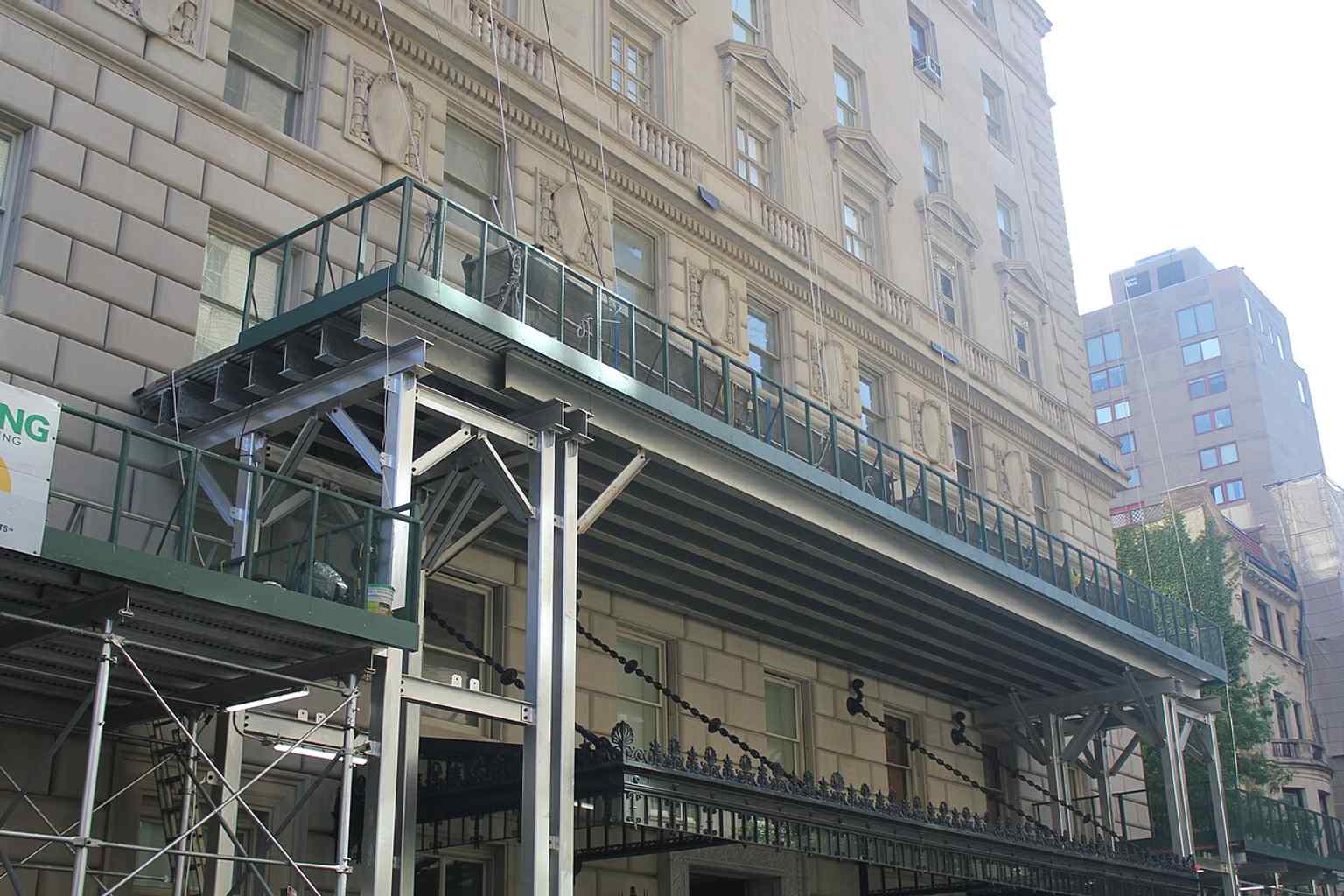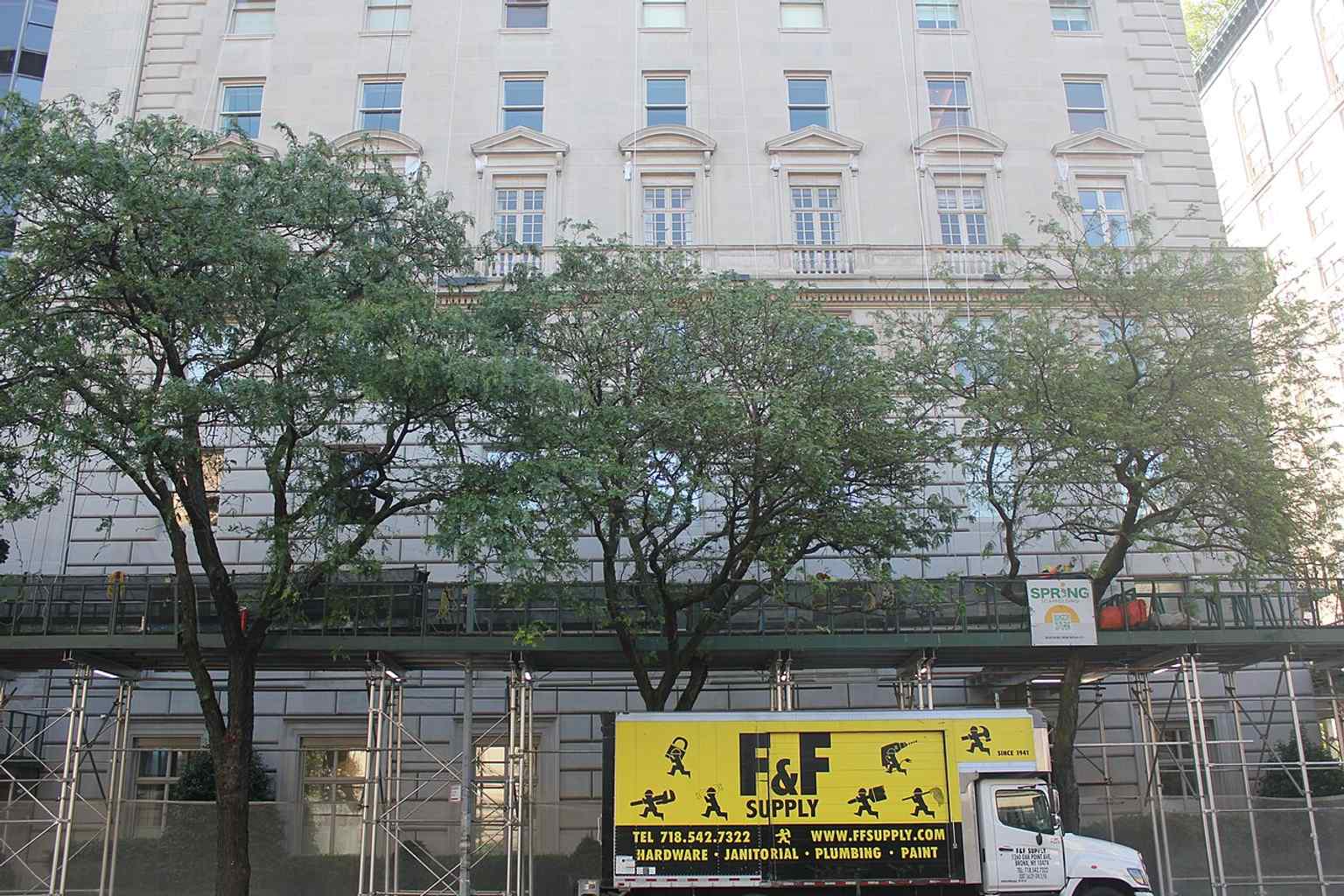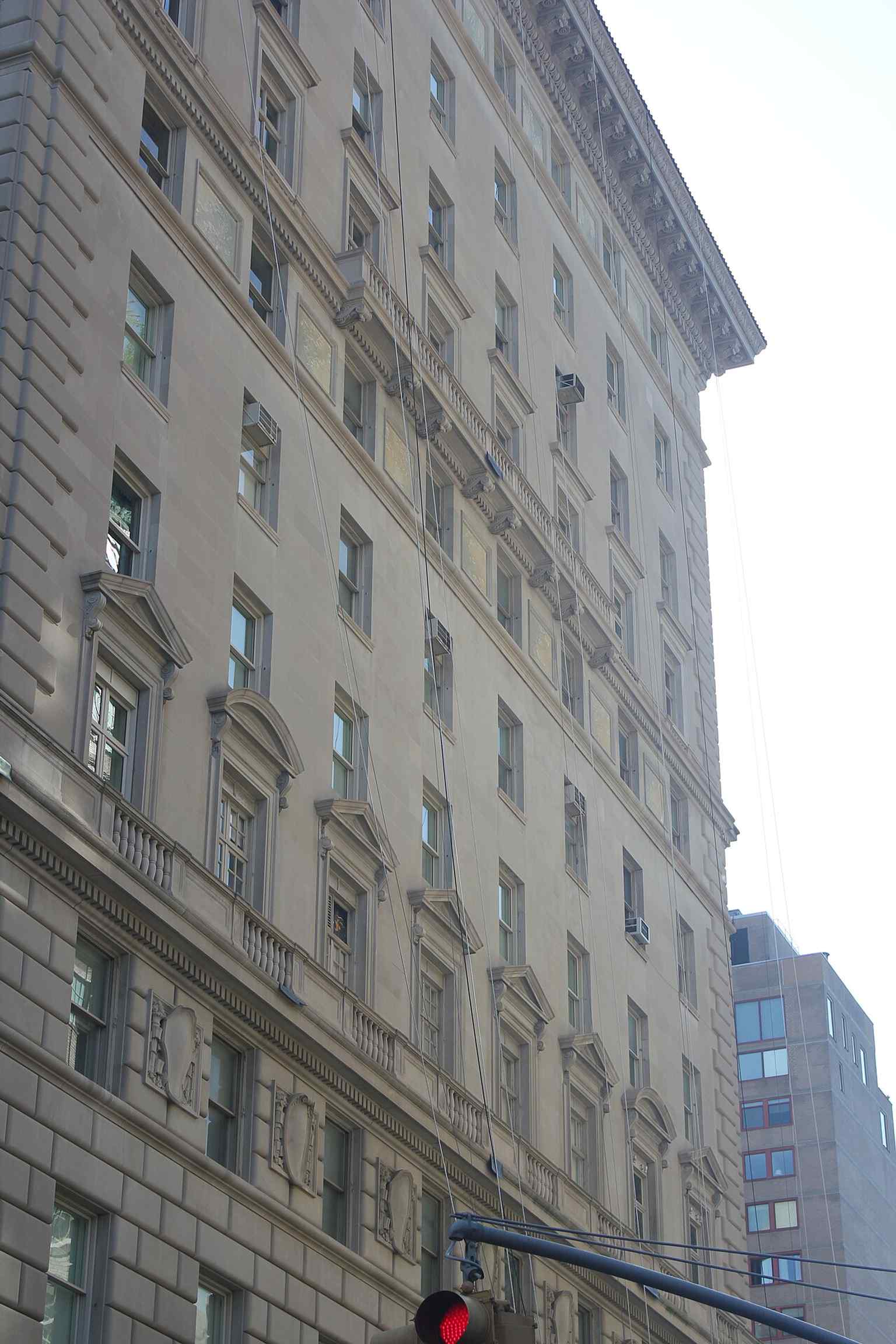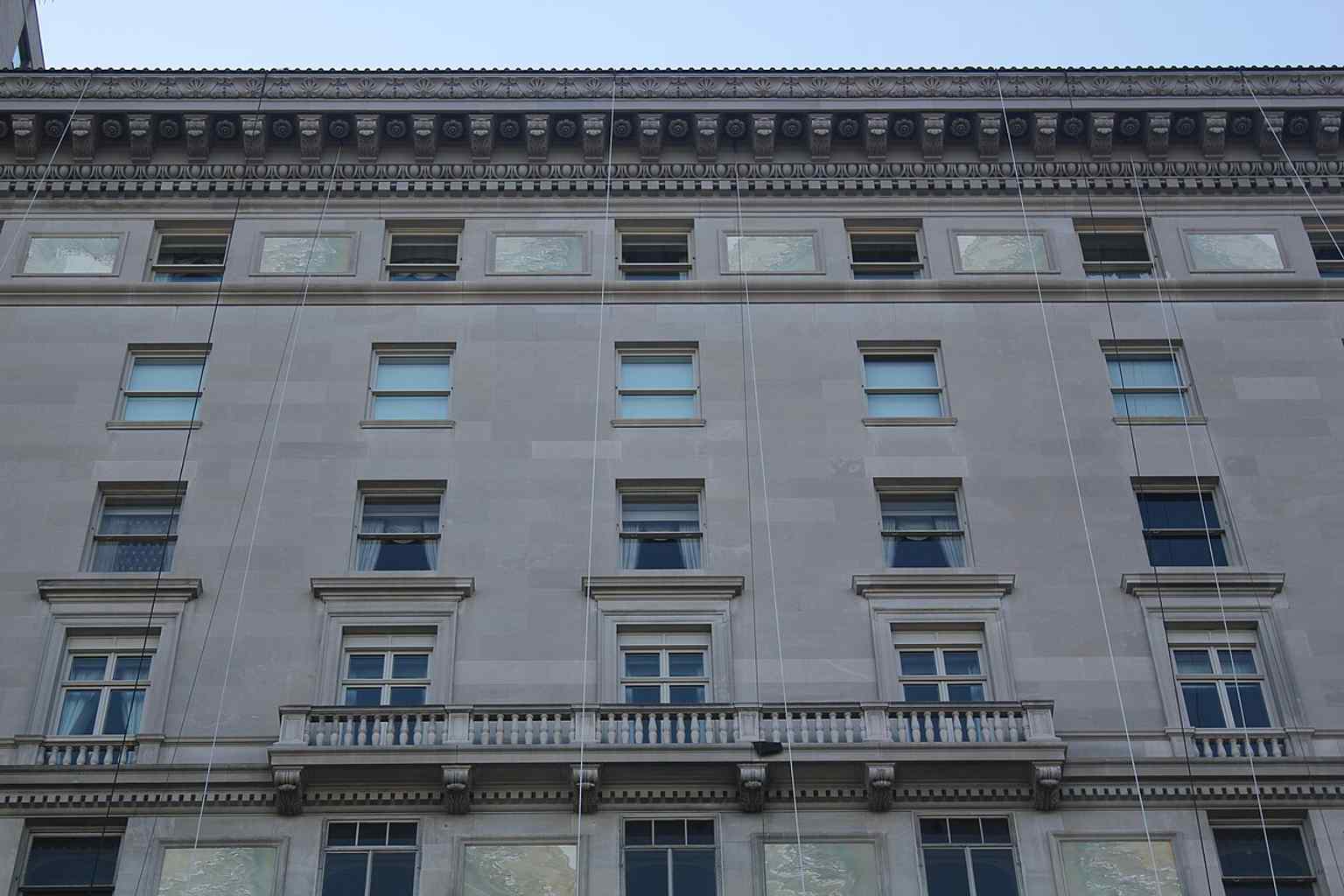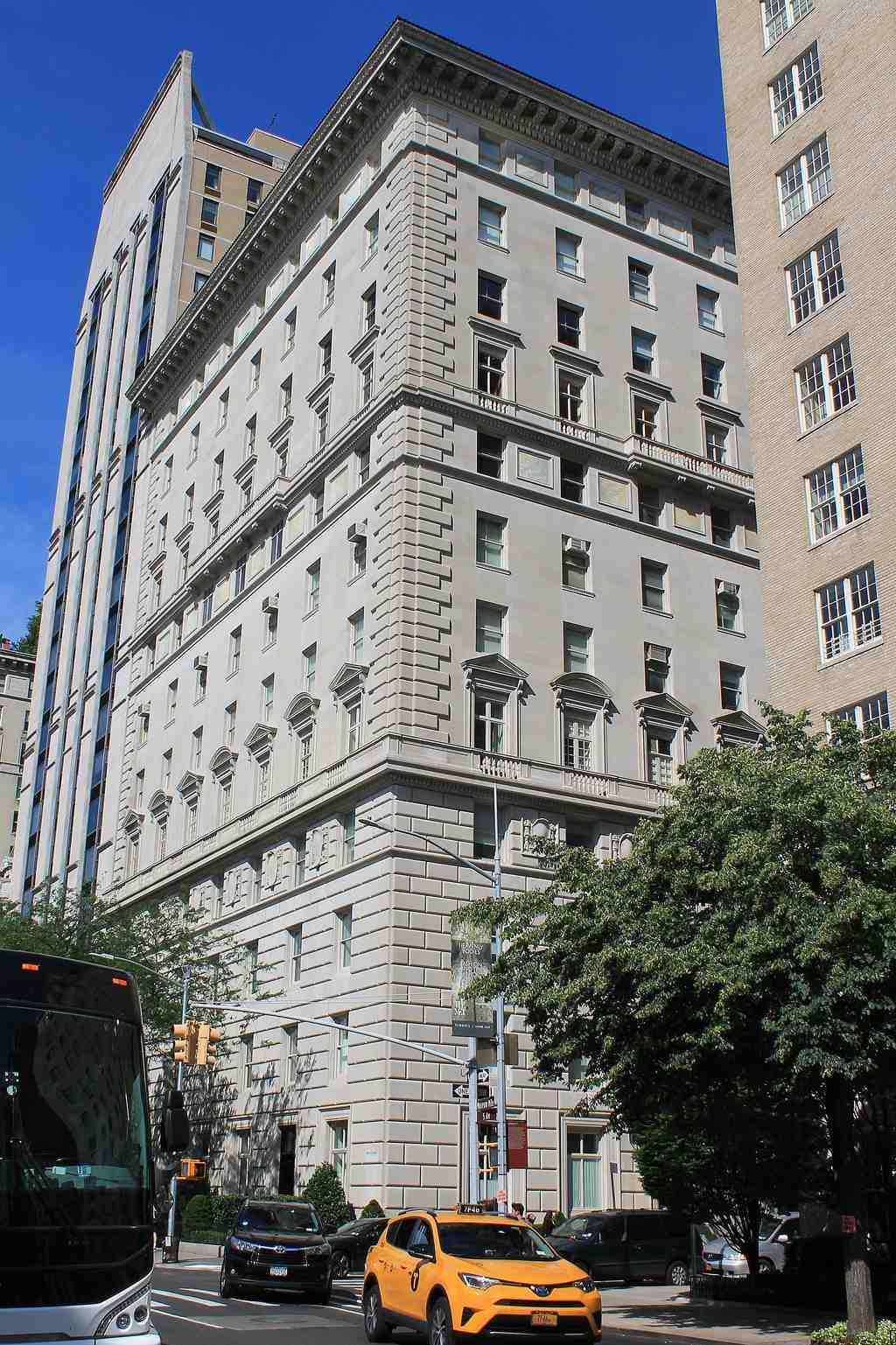
Approaching on your left is a massive twelve-story rectangular fortress of pale limestone, crowned by a deeply overhanging terra cotta roof ledge.
It is nineteen ten. The very idea of New York’s elite sharing a roof with strangers is laughable. They live in private mansions. Apartments are for the nouveau riche, or worse... the middle class. But a sharp real estate lawyer named James T. Lee - who just happens to be Jacqueline Kennedy Onassis's grandfather - decides to roll the dice.
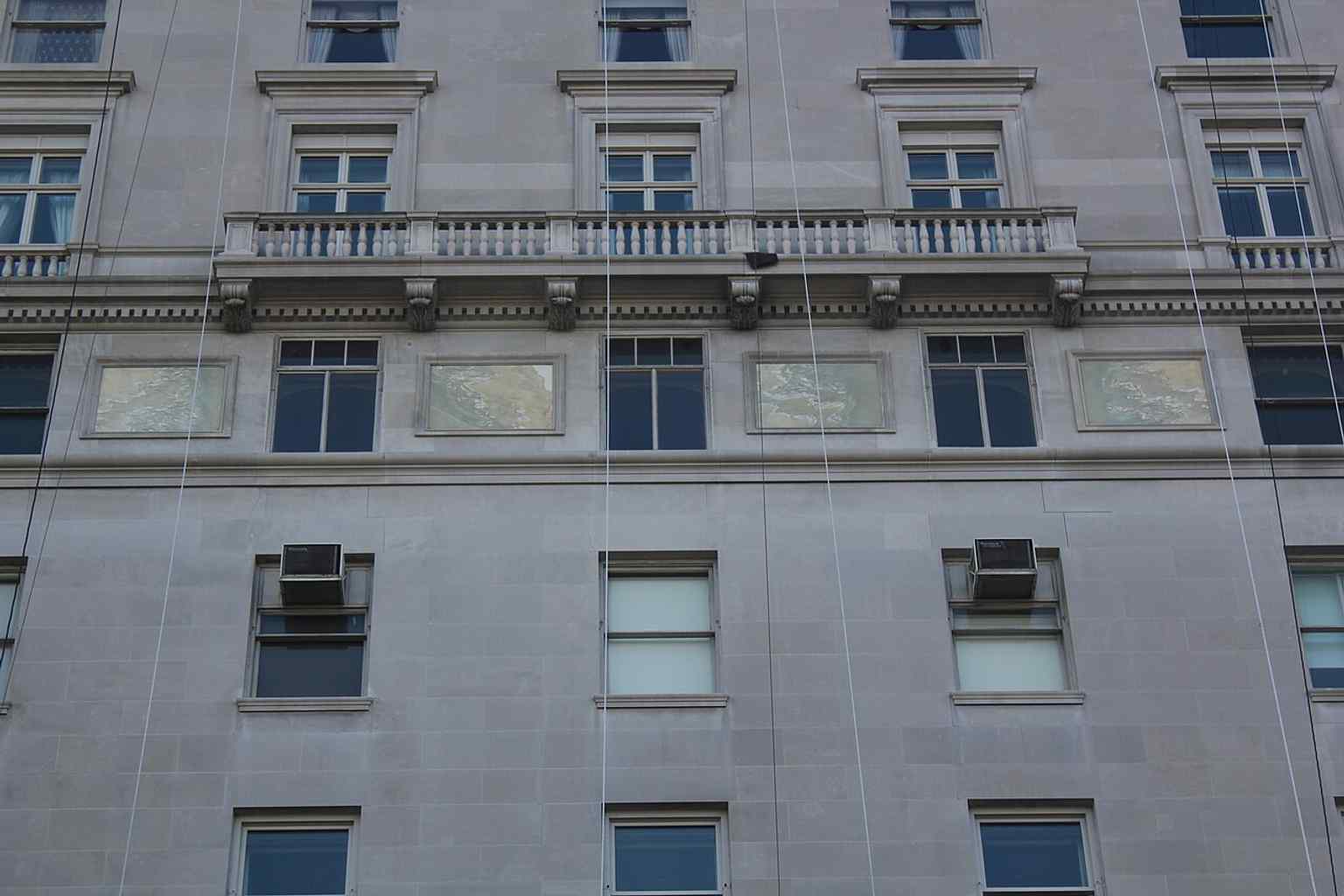
He buys a plot of land way up on Eighty-First Street. Everyone thinks it is too far north, a guaranteed disaster. Lee hires the legendary firm McKim, Mead and White and tells them to build an Italian Renaissance palace, specifically inspired by the sixteenth-century Farnese Palace in Rome. He spares absolutely no expense. Take a look at your screen. Notice those triangular pediments over the windows and the horizontal moldings sticking out from the stone? Architectural critics at the time actually hated them, calling them sliced-off Tootsie Rolls. But Lee knew his audience. He wasn't building for critics. He was building for dynasty makers.
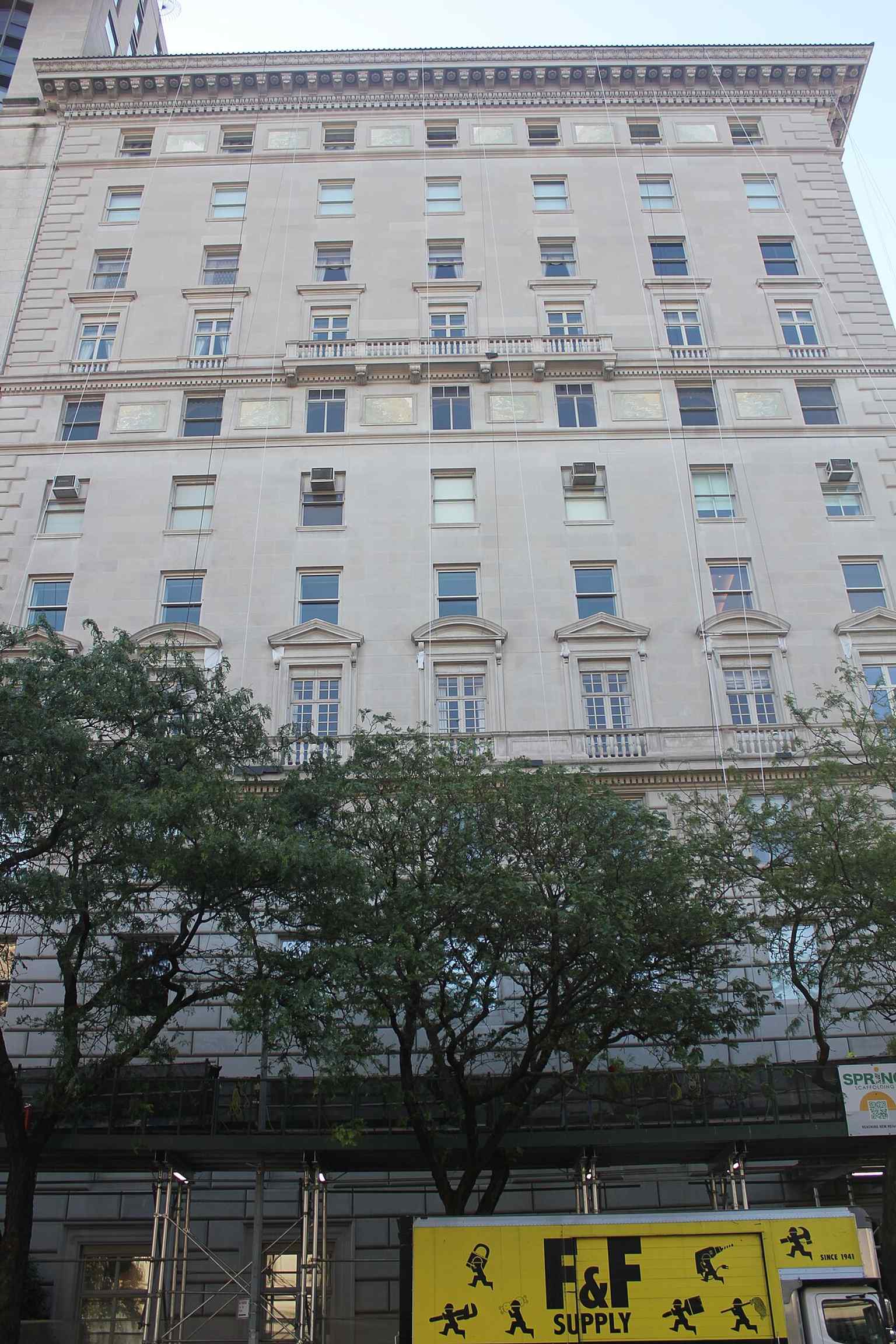
He gave them two-foot-thick fireproof walls, individual refrigerated wine cellars in the basement - an absolute technological marvel in nineteen twelve - and sprawling apartments up to eight thousand seven hundred and fifty square feet. He even faced the interior courtyards with high-grade off-white stone instead of cheap brick, just so the live-in servants would have a dignified view.
To lure the absolute top tier of society, Lee and his broker, Douglas Elliman, needed a loss leader. They offered Senator Elihu Root a heavily discounted lease of fifteen thousand dollars a year, which was ten thousand dollars less than the going rate, roughly four hundred thousand dollars today. Once a man of Root's stature moved in, the floodgates opened. Soon, titans like Murry Guggenheim were moving in and covering their ceilings in gold leaf.
This single building shifted the entire paradigm of the city. Within twenty years, over ninety percent of New York's wealthiest families had abandoned their standalone mansions for multi-story apartment buildings. In nineteen fifty-three, it became a cooperative. Today it commands prices up to forty million dollars, guarded by a notoriously ruthless co-op board that has famously rejected even billionaires looking to buy in. You can see the impeccable quality of the stonework they guard so closely on your app.
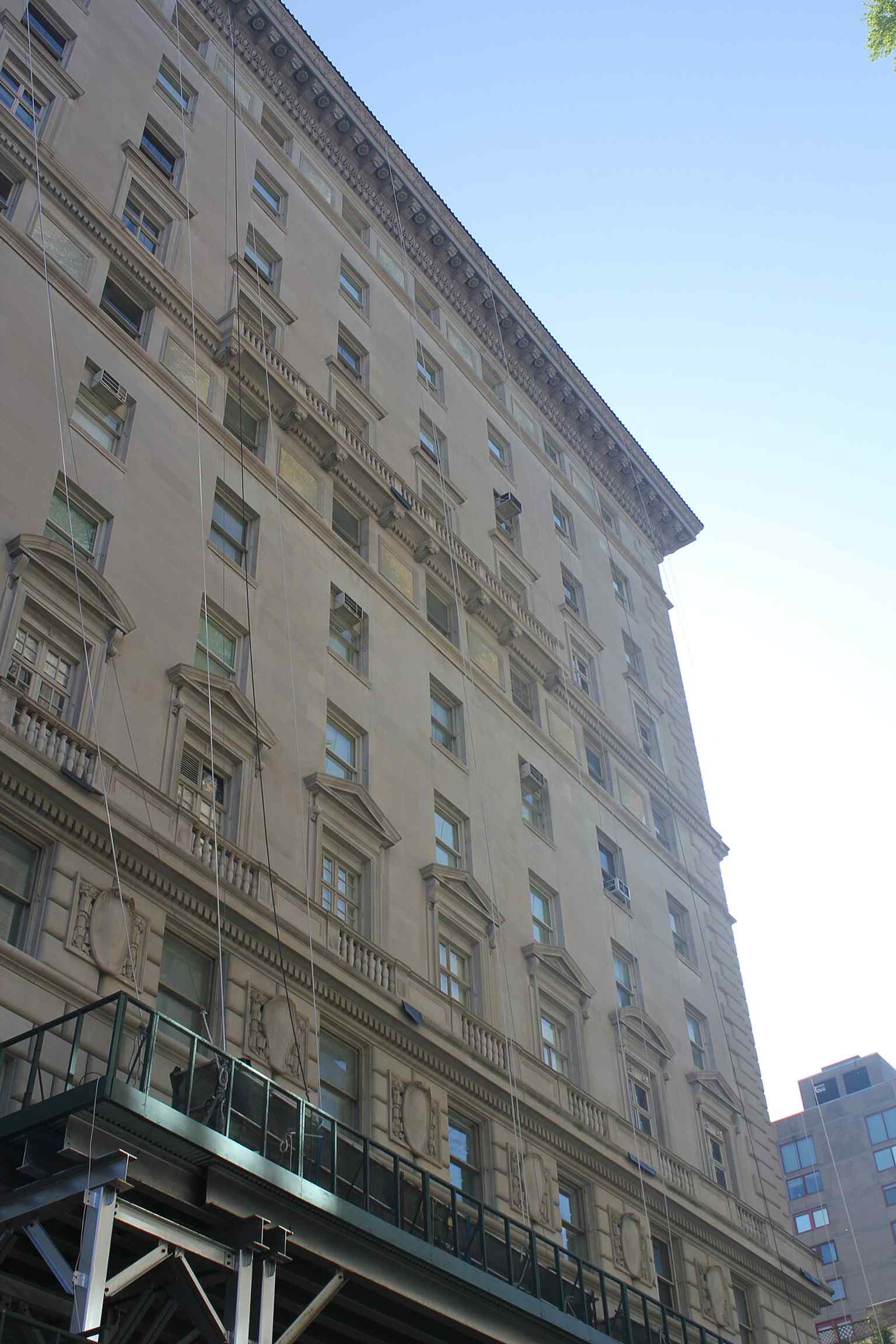
As we conclude our tour, look up at those stone balustrades - the carved railings running horizontally across the facade, dividing the base from the upper floors. Notice how completely it mimics the imposing, impenetrable fortress of an ancient Roman palazzo. It is the ultimate expression of an invented past, convincing the modern titans of industry to stack their mansions on top of each other, forever changing the skyline of the city.