
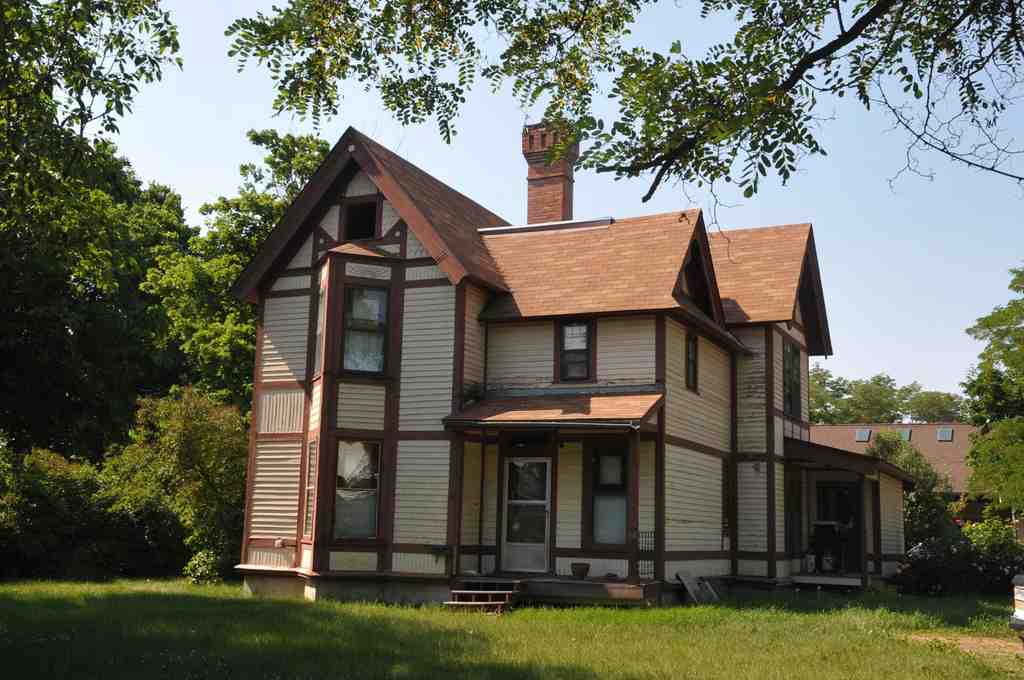
On your left, look for a wooden house with a steep gable, crisp vertical siding, and delicate decorative trim tucked under the roofline.
This is the Fisher House, and its quiet surprise is this: a private family home helped shape both the soul of Kalispell and the ground it stood on. Reverend George McVey Fisher did not arrive as a grand town founder. He came as a Presbyterian minister and missionary. By eighteen eighty-six, he was the only Presbyterian minister in northwestern Montana, and he preached the first sermon in what became Flathead County in the Ashley schoolhouse. A year later, he, Mary Swaney Fisher, and their children moved into a log cabin near Ashley and served roughly seven hundred to eight hundred settlers who had never had regular religious services.
Then necessity altered the story. Church authorities objected to ministers farming and withheld aid, so Fisher leaned on the family homestead. In eighteen ninety-one, he proved up on the land and sold much of it to the Kalispell Townsite Company. In other words, the minister did not simply bless the town’s beginnings; he helped finance and physically enable them. This house rose in the summer of eighteen ninety-two, just as that new town was taking shape.
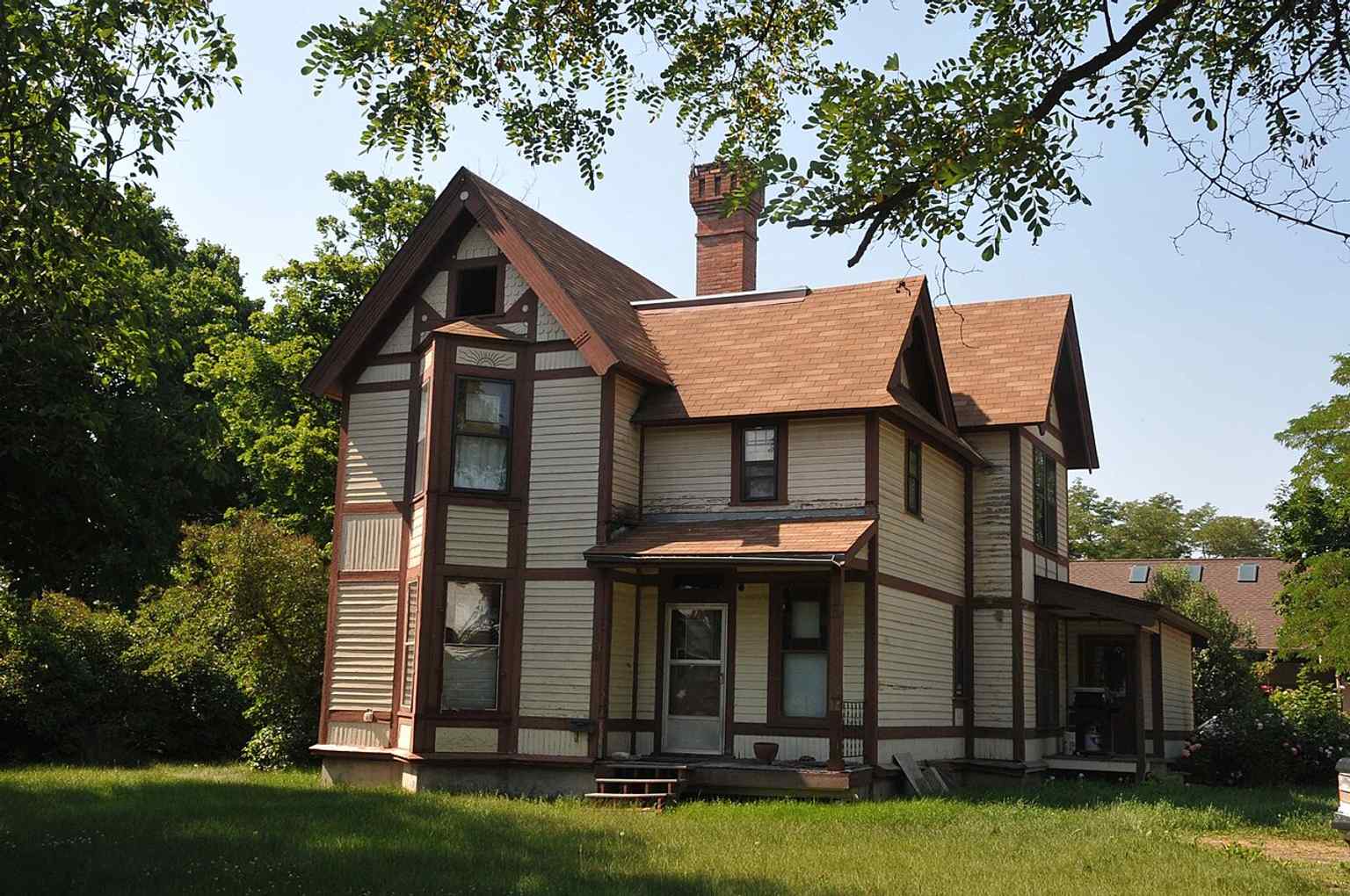
If you glance at the image in the app, you can see the Stick and Eastlake style here, a Victorian look that celebrates wood trim and visible ornament rather than hiding it. Mary Swaney Fisher deserves her own spotlight. Born in Pennsylvania and trained in piano and voice in Pittsburgh, she carried music into frontier worship, playing a portable organ in scattered churches and bringing an early piano into the Flathead Valley, a square Chickering that remained here into the nineteen eighties. The house filled with six children, wedding guests, synod visitors, and even west-side neighbours arriving for Fourth of July fireworks. Later, Mary Heller and James Heller kept it in the family, and a city rehabilitation project in nineteen seventy-nine repaired windows, reinforced walls, and quietly saved the place again.
Next, we move toward the Scandinavian Methodist Church, where faith leaves the parlour and takes architectural form in a congregation’s own sacred space. If you hope to return, the house generally opens from nine to five most days and closes on Sunday.





