
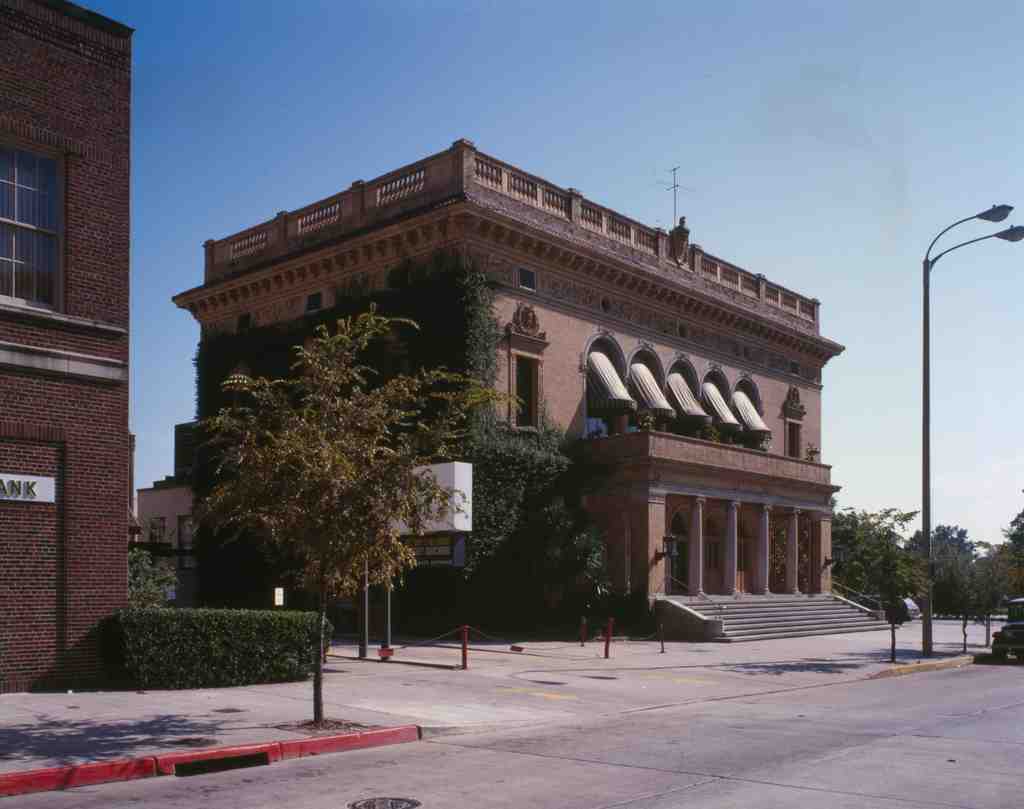
Straight ahead is a grand, rectangular tan brick building, easily recognized by its classical ground floor colonnade and the decorative balustrade lining its flat roof. You are standing in the Downtown Baton Rouge Historic District, specifically looking at the Old Post Office. Built in 1894, this is a masterpiece of Renaissance Revival architecture, a style that deliberately mimics the symmetry and monumental scale of early European palaces.
It is fascinating how this single structure reflects the district's restless energy. Originally a federal courthouse and post office, it was later adapted into City Hall. Then, in 1957, it transformed again into the Baton Rouge City Club, an exclusive men's club for the city's business elite, before finally opening its doors to female professionals late in the twentieth century.
This entire corridor along 3rd Street, from Main Street to North Boulevard, was the commercial heart of the city for nearly a century. Forty-three commercial buildings stand here, mapping a timeline of progress from the 1860s to the 1950s.
But that progress was rarely simple. Check out your app to see a wider shot of this historic avenue.
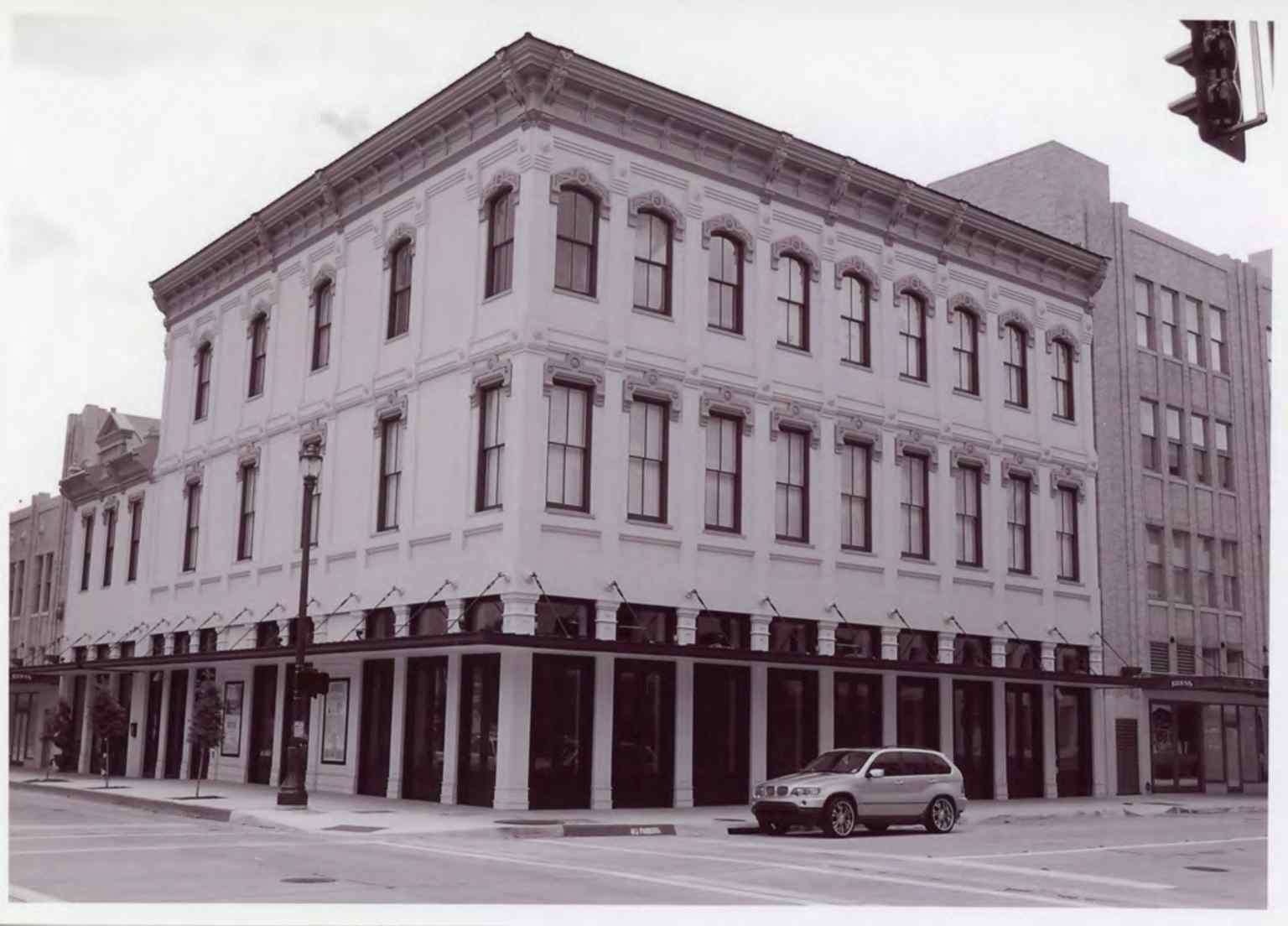
Every brick here holds a story of fierce ambition, and sometimes, spectacular scandal. Down the street is the site of the Mayer Hotel, built around 1910 by brothers Rafe and Louis Mayer. During World War One, they were eager to look patriotic, heavily promoting their compliance with government rationing. That wholesome image vanished overnight in June 1918 when government agents raided the hotel. They discovered the brothers had secretly hoarded 4,700 pounds of sugar in just three months, which was three times their legal limit, sparking a massive local controversy.
There is a delicate tension here between preserving the past and pushing forward. Take a look at your screen again to see the Belisle Building.
It was added to the National Register in 1993 as a beautiful example of early commercial architecture, but it highlights a phenomenon we call an architectural clash. When extensive modern alterations completely strip away a structure's original character, it loses its official historic status, showcasing a brutal battle between old designs and new commercial needs. Because its facade was heavily modernized over the decades, preservationists ultimately excluded the Belisle Building from the district's contributing properties.
This neighborhood is a perfect demonstration of how a metropolis continually overwrites its own history, modifying or burying older eras to construct the next big vision right on top of them.
To see where this collision between historical foundations and modern design is most striking and dramatic, we will head to our next destination. Let us make the three minute walk to the Shaw Center for the Arts.


