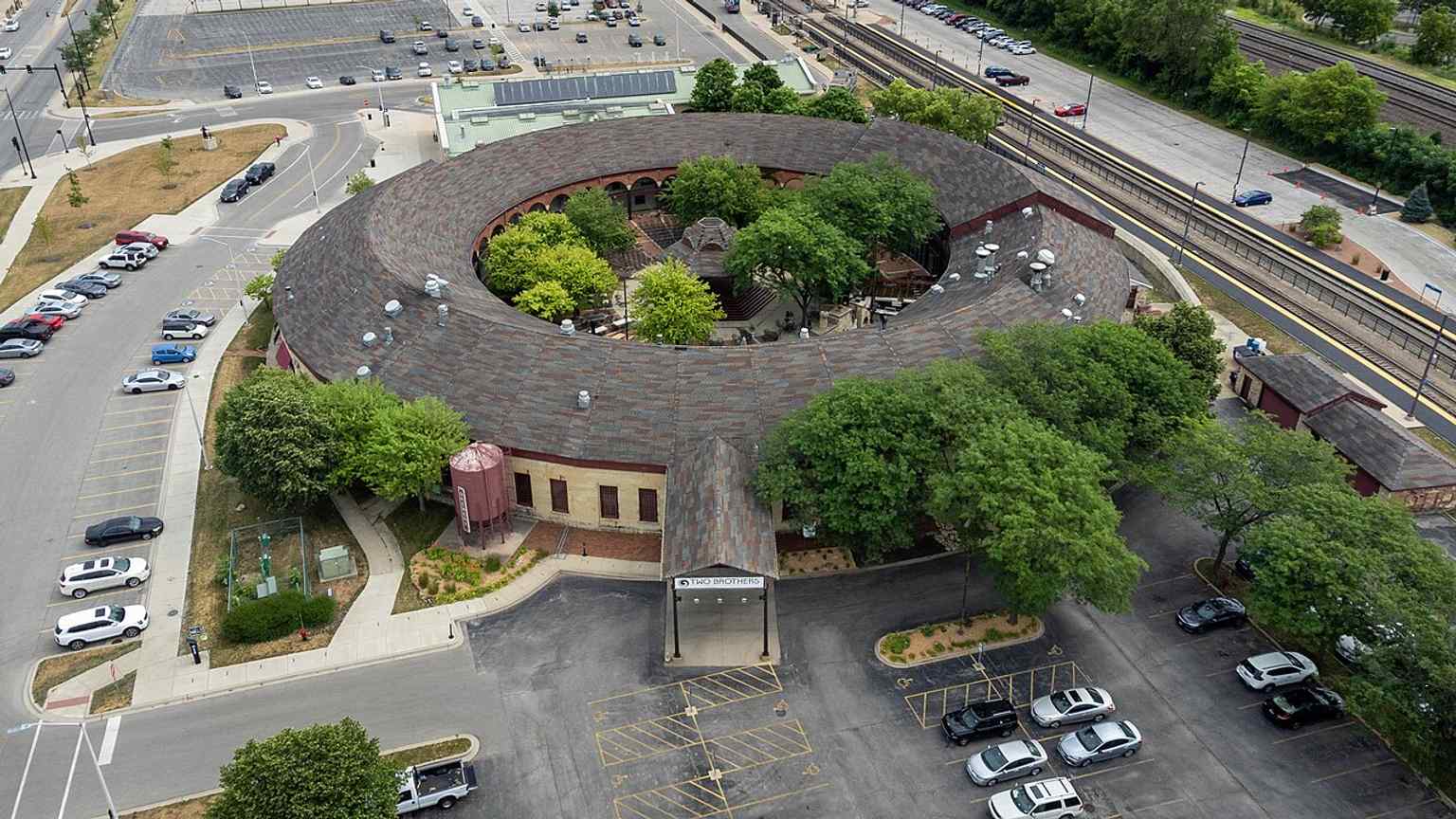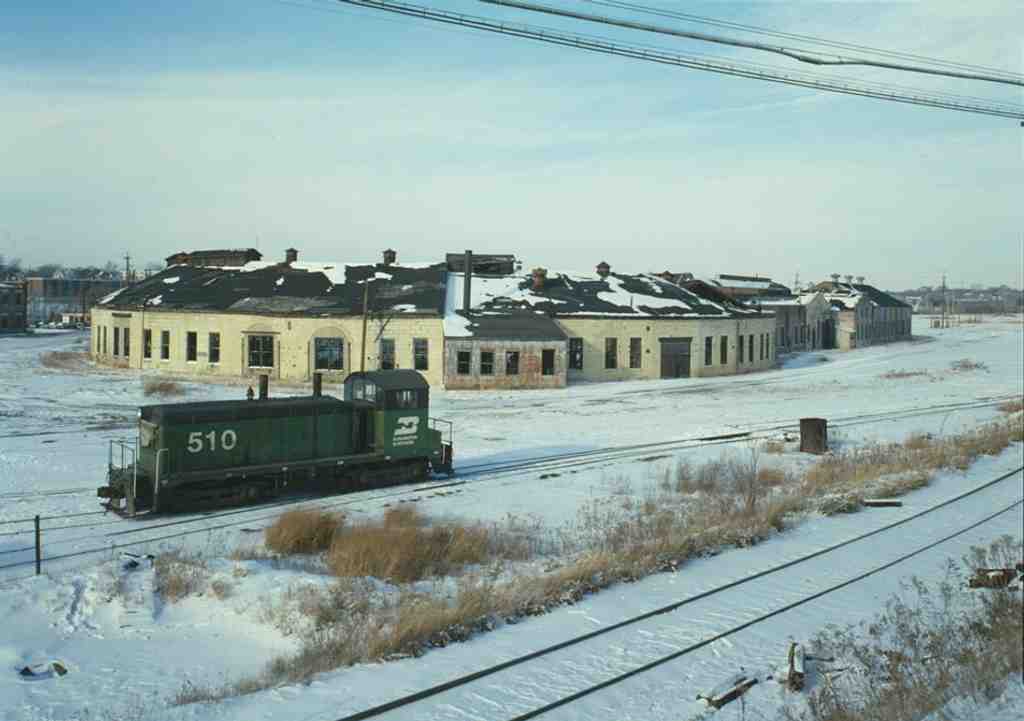
Look for a broad arc of pale limestone walls, a low roof, and a repeating line of old engine-bay openings that still reveal its roundhouse shape.
This feels like the perfect place to begin, because Aurora poured so much of itself into movement... and this building started as a machine for it. In eighteen fifty-six, the Chicago and Aurora Railroad put up this roundhouse as the muscle behind a growing rail empire. Architect Levi Hull Waterhouse gave it that unusual curve, and quarries in nearby Batavia supplied the limestone, which is why the whole place still feels rooted in local ground.
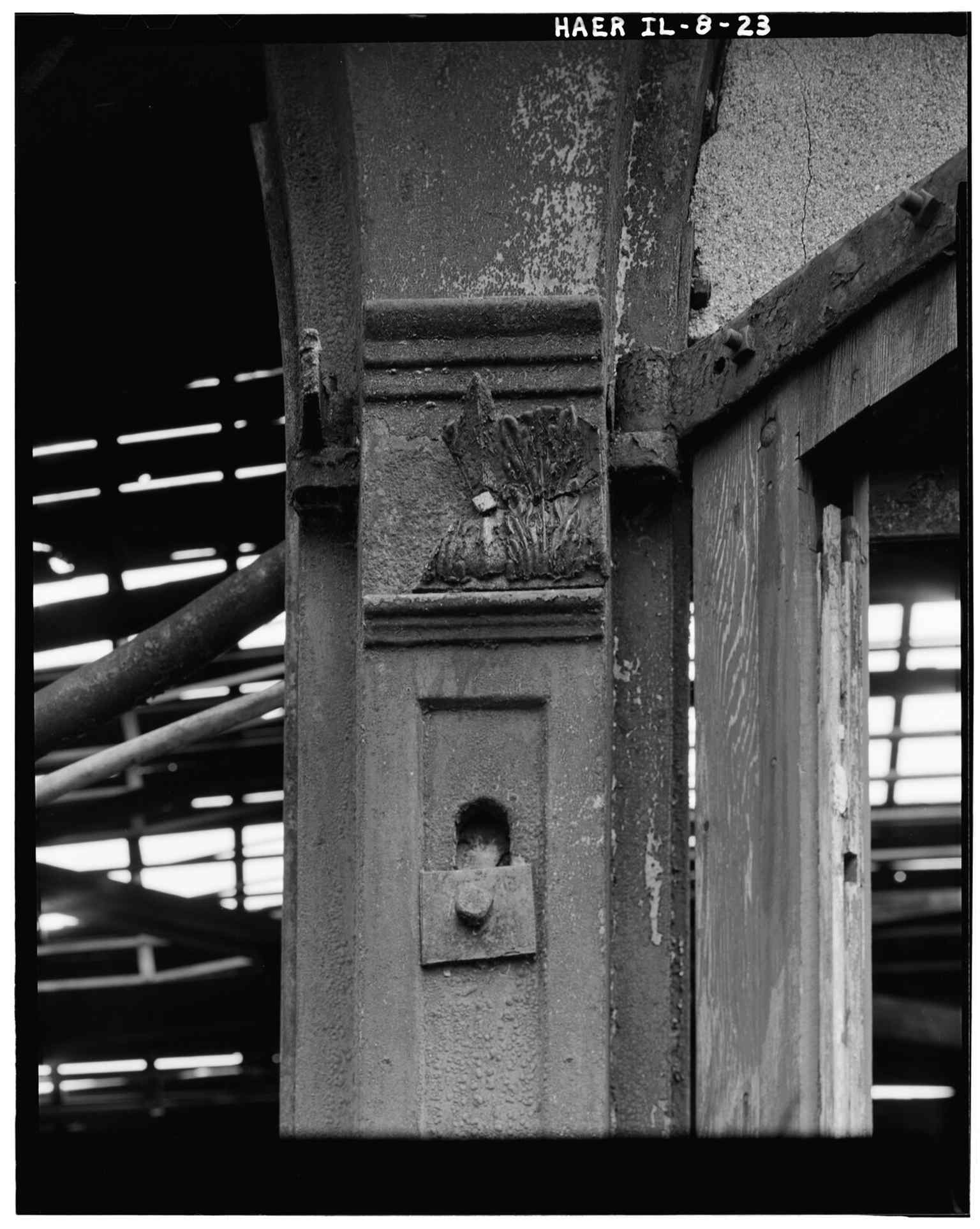
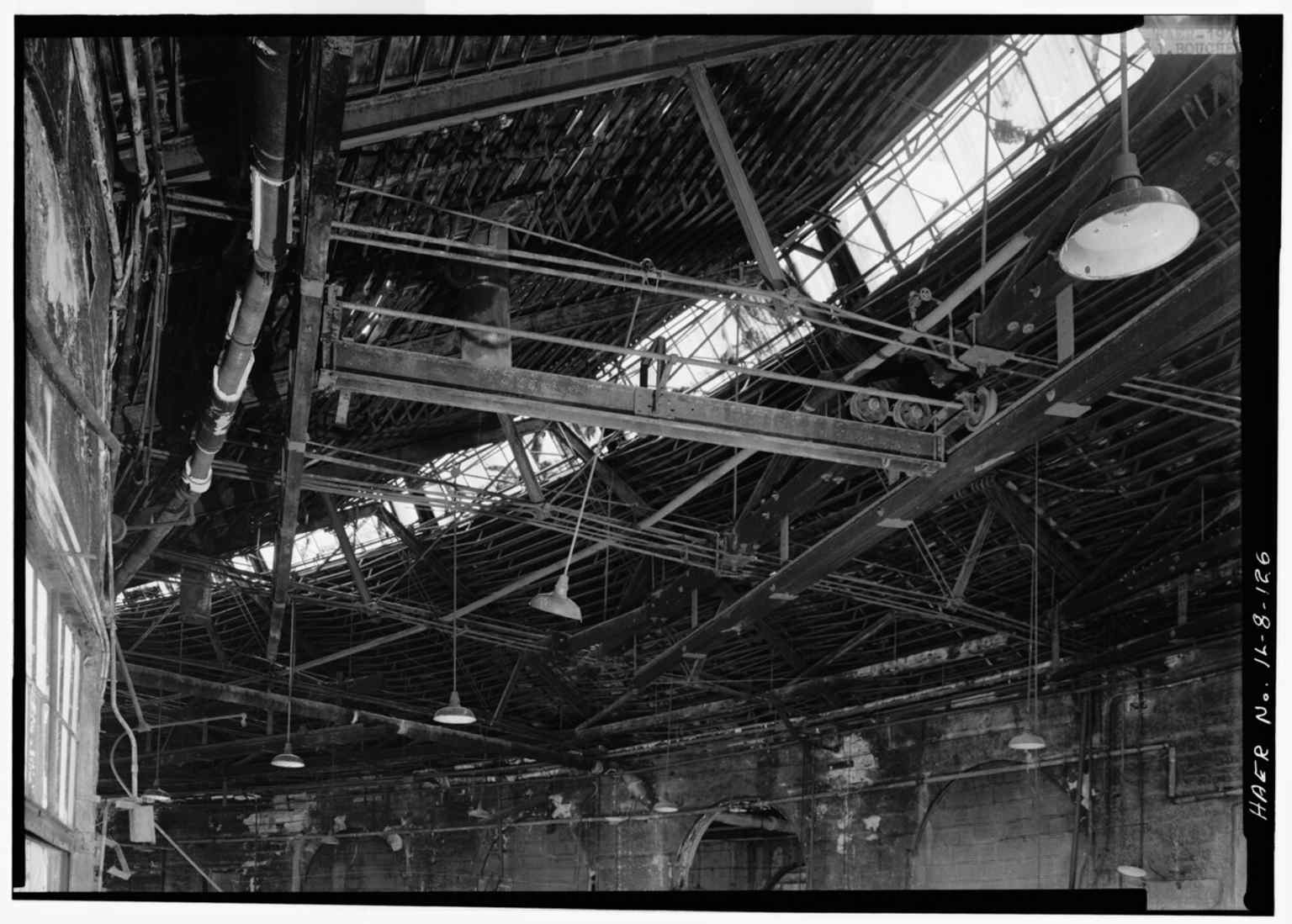
This was never just a shelter for trains. It opened with twenty-two stalls for locomotives, then expanded as Aurora pushed west with the railroad that later became the Chicago, Burlington and Quincy. That line turned Aurora into a true rail city, tied into a much bigger web of travel and freight, not just a town with tracks passing through. By the nineteen thirties, crews here had shifted into the Zephyr diesel age and helped produce passenger cars, including Pullmans and even the first dome car.
From where you’re standing, let your eyes follow the curve for a second... not a perfect circle, but a forty-sided ring. You can still read the original job in the shape: engines once fanned in and out from a central turntable, each bay like a slice cut for speed.
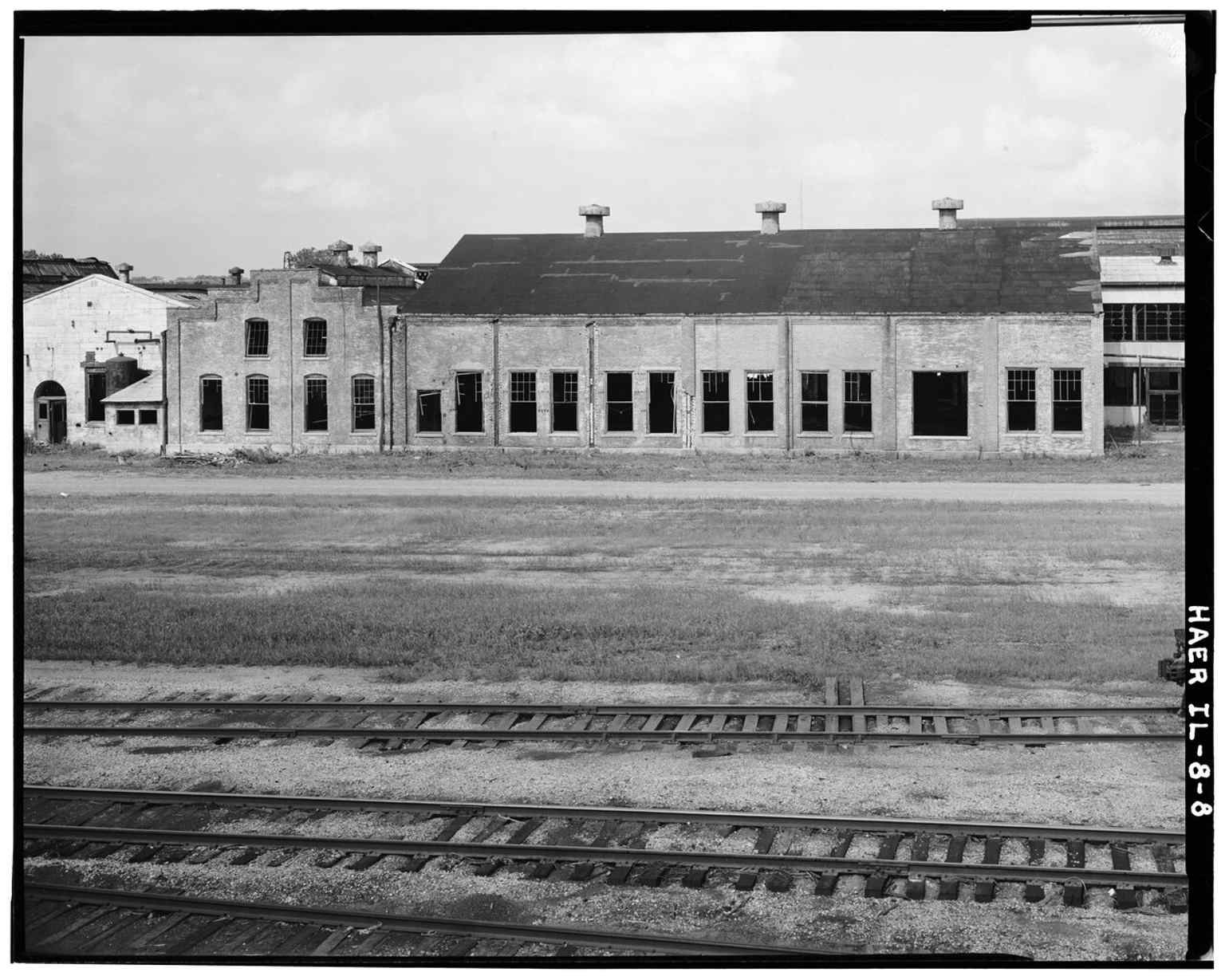
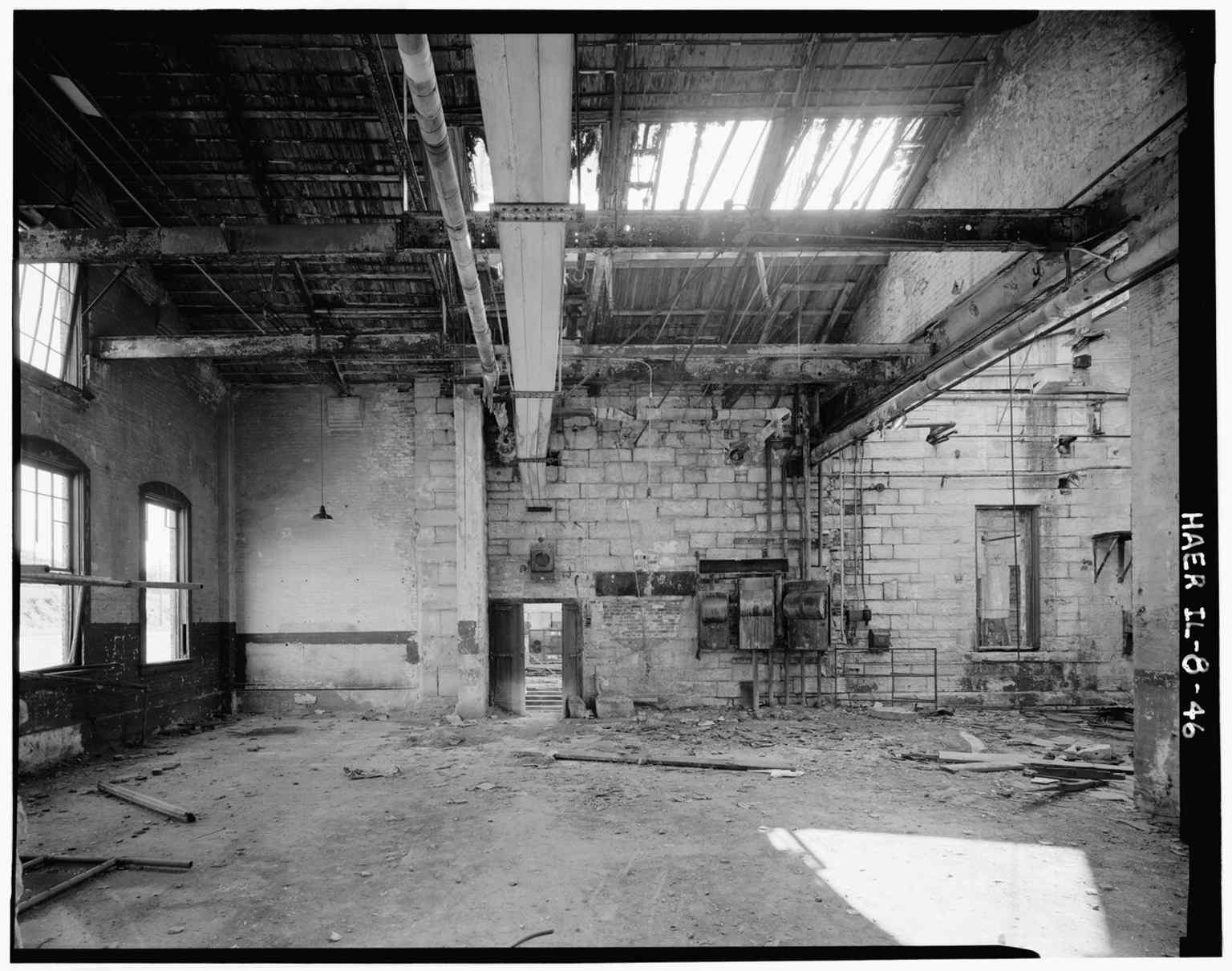
Then the energy drained away. Automobiles took over, rail traffic shrank, and the roundhouse closed in nineteen seventy-four. Most of the surrounding shops disappeared soon after. This one sat empty for twenty-one years, one of the oldest limestone roundhouses in the United States somehow still hanging on. If you want the change in one glance, check the before-and-after image in the app.
Aurora did not let it vanish. The National Register of Historic Places recognized it, the American Society of Mechanical Engineers honored its railroad machine shop, and in nineteen ninety-five Walter Payton led the group that bought it and reopened it as an entertainment complex. That’s a pretty good introduction to this city: buildings here keep getting reimagined without losing their old bones. Railroad roundhouse, America’s Historical Roundhouse, Walter Payton Roundhouse, now Two Brothers Roundhouse... same shell, different heartbeat.
Locals still remember one especially strange layer. In two thousand and six, thieves stole Payton’s Hall of Fame ring and a Super Bowl Twenty replica ring from a display inside. Police recovered both within days from a Chicago pawn shop, two North Aurora men pleaded guilty, and the memorabilia cases got tighter security after that. That’s a wild modern scandal tucked inside a nineteenth-century rail monument.
When money troubles and bankruptcy hit in two thousand and eleven, Two Brothers Brewing stepped in and reopened the complex in stages, letting the old building reveal itself piece by piece.
That’s Aurora in miniature: a city tied to motion, then forced to improvise, then clever enough to give old machinery a new public life. When you’re ready, head to Fox River Pavilion, about a nine-minute walk away; and if you circle back, this landmark now works as a moderate-priced restaurant and brewery, though it closes on Mondays.