
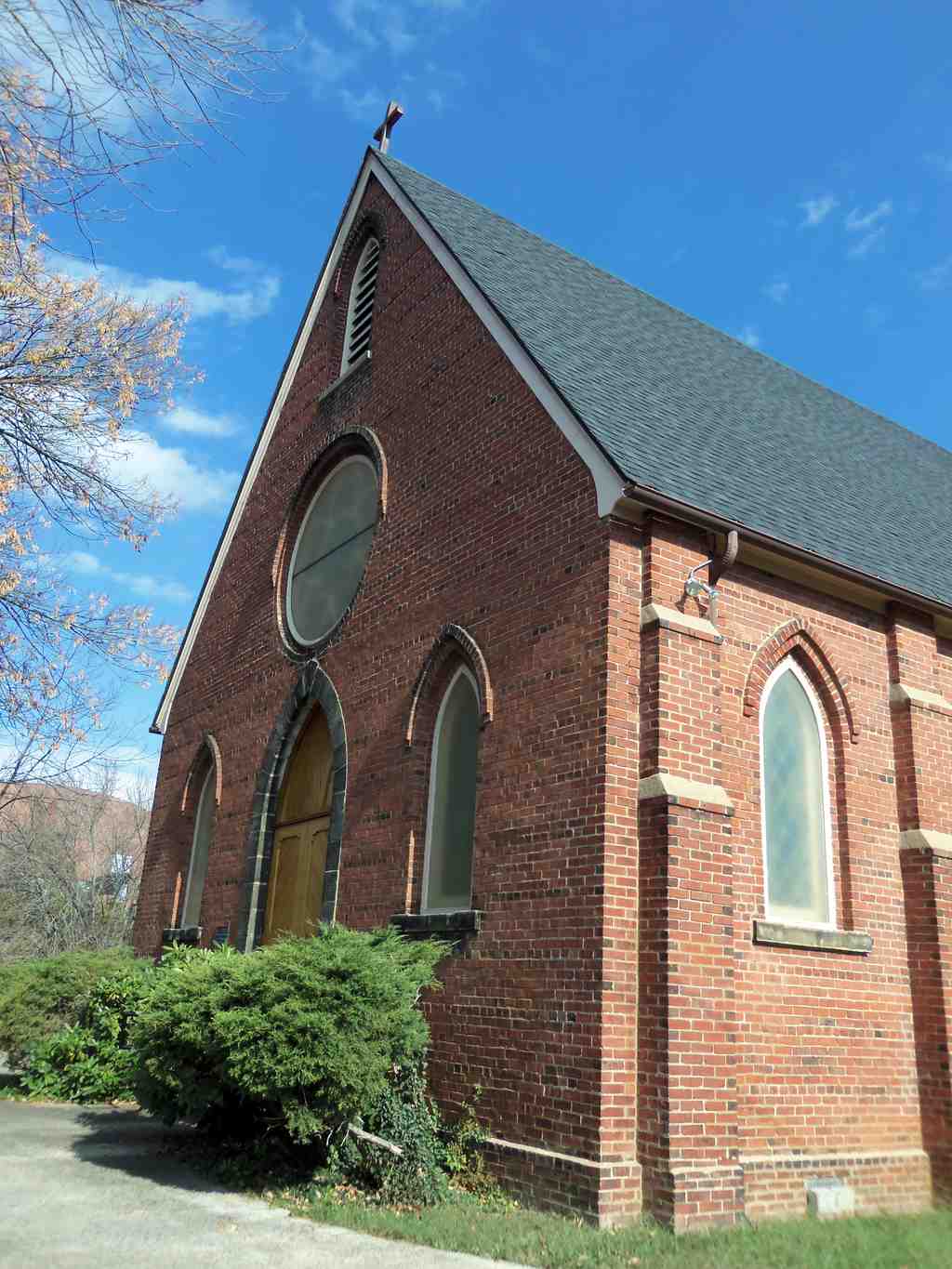
Look for the one-story red-brick church with a steep front gable, pointed Gothic windows, and a small arched entry set into the facade.
This little church holds one of Asheville's deepest stories. St. Matthias believes it is the oldest African American congregation in the city, and its roots reach back to eighteen sixty-five, just after the Civil War. Recently emancipated people first gathered as the Freedmen's Church through Trinity Episcopal Church, with the clear hope that one day they would worship in a place of their own. They met in a small building called Trinity Chapel, where, as founder Thomas W. Patton recalled, people learned the catechism - the basic teachings of the faith - and sang hymns, chants, and responses so joyfully that some outsiders mocked them. Patton believed the years showed who the truly wise people were.
By eighteen seventy-nine, the congregation knew it needed a new home. James Vester Miller took on that work years later. He had been born into slavery, then became one of Asheville's most respected brick masons and contractors. On the twenty-second of February, eighteen ninety-four, the congregation laid the cornerstone, and Bishop Joseph B. Cheshire gave them the name St. Matthias, honoring their new independence.
Here, you can see the sturdy Gothic Revival design - that is, a style inspired by medieval churches - that Miller helped raise here. The church took shape between eighteen ninety-four and eighteen ninety-six, and the National Register of Historic Places recognized it in nineteen seventy-nine.
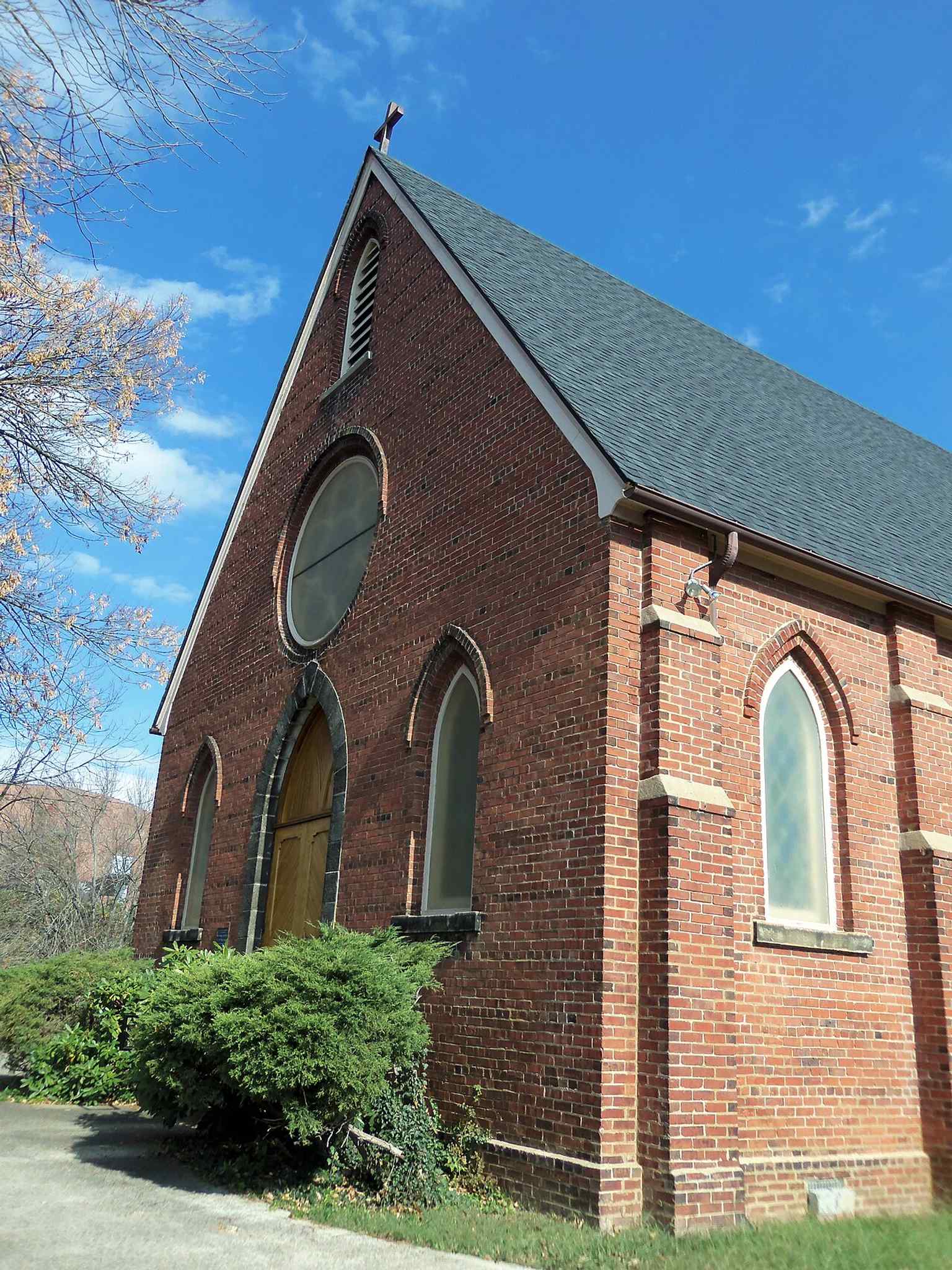
If you hope to return when the doors are open, the church generally welcomes visitors daily from nine forty-five in the morning until twelve thirty in the afternoon.





.JPG)