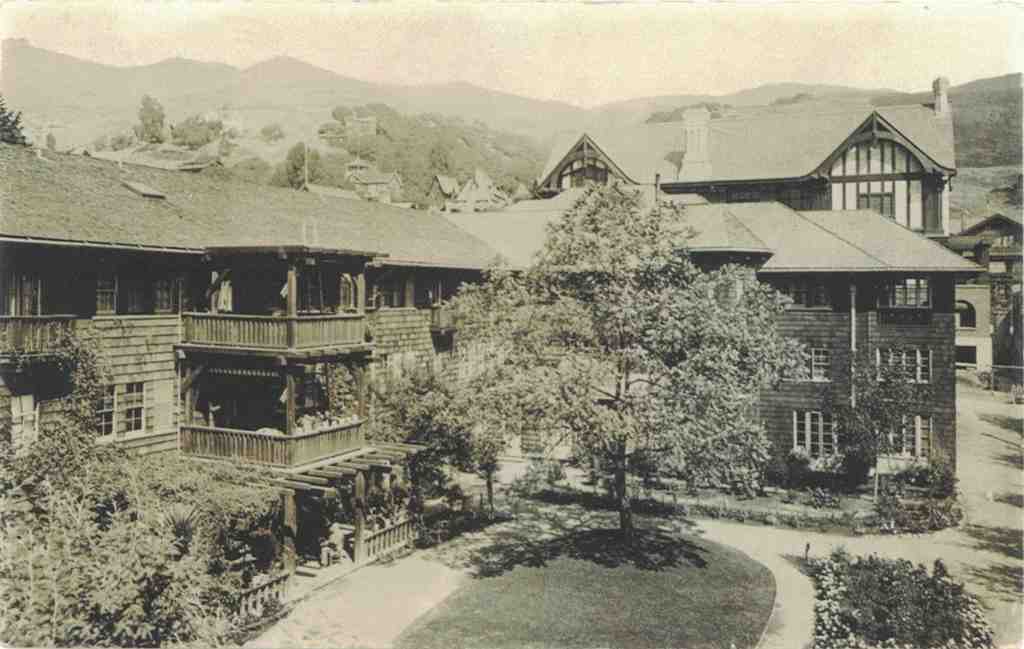
On your right is a broad, wood-shingled building with steep gables, stacked bay windows, and a recessed entry that still reads like an old hotel.
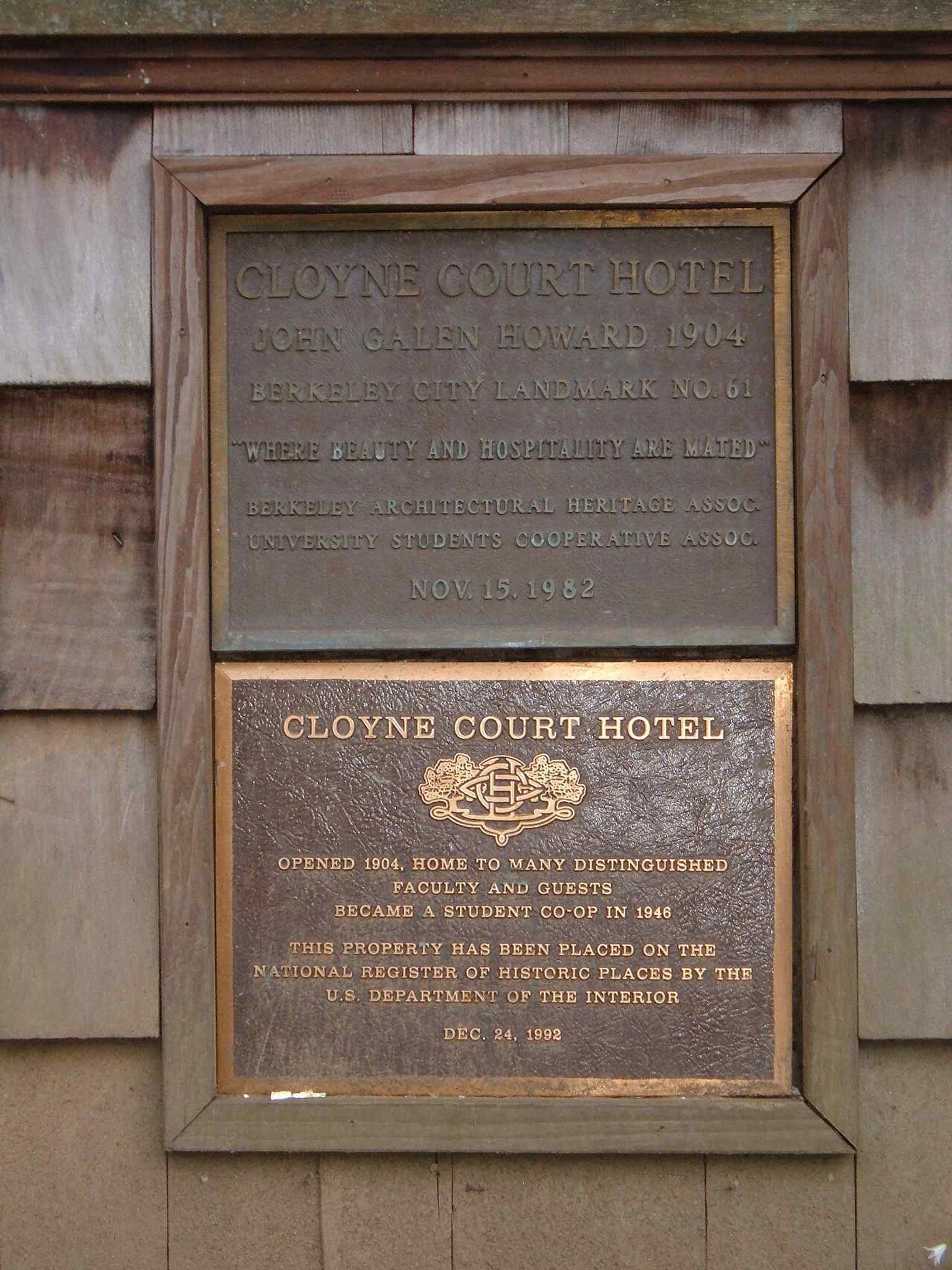
Cloyne began in nineteen oh-four, when John Galen Howard - the architect who gave the university so much of its public face - designed a luxury residence for visiting scholars. It cost eighty thousand dollars, roughly three million today, and you can feel him trying out a Berkeley style here. Locals love this detail: Cloyne was Howard’s first large-scale shingled building in Berkeley, and the only Howard-designed residence listed individually on the National Register of Historic Places.
Its name reaches back to Cloyne in Ireland, where George Berkeley once served as bishop. But the daily life here soon became less formal than the name suggests. The original hotel held thirty-two suites, each with its own bath and telephone, and instead of long corridors, pairs of suites shared private stairways down to the public rooms. In nineteen eleven, a music room opened opposite the entrance for recitals and lectures.
If you want, take a quick look at the before-and-after image in the app.
What changed most was not the facade, but the people. Cloyne survived the Berkeley fire of nineteen twenty-three, which is remarkable when you remember it is made of redwood with wood-shake siding and roofs. Behind it, a protected courtyard once held poplars, cypress, willows, apple and peach trees, even avocado trees... a little enclosed world.
Then, in nineteen forty-six, the old hotel became part of the Berkeley Student Cooperative - a co-op, meaning the residents run much of it themselves. Berkeley’s identity was shaped not only in libraries and labs, but in places like this, where students cooked communal dinners, cleaned, gardened, and argued through house decisions together on Sundays. Housing became its own kind of education.
But Cloyne also reminds you that reinvention can come with pain. For some alumni, this place meant murals, bonfires, and early shows by bands like Green Day. Then in two thousand ten, resident John Bennett Gibson suffered a reported overdose here, and help came too late. His family sued, and the reckoning changed the house. In two thousand fourteen, Cloyne reopened as a substance-free academic house, with more study rooms, lectures, and a makerspace - a shared room for building and tinkering.
So this building keeps changing its answer to the same question: what is a home for? A scholar’s hotel, a co-op, a party house, a study house... Cloyne has been all of them. And on this campus, that happens more often than you’d think.
When you’re ready, head on to the Hearst Greek Theatre, about a seven-minute walk from here.