
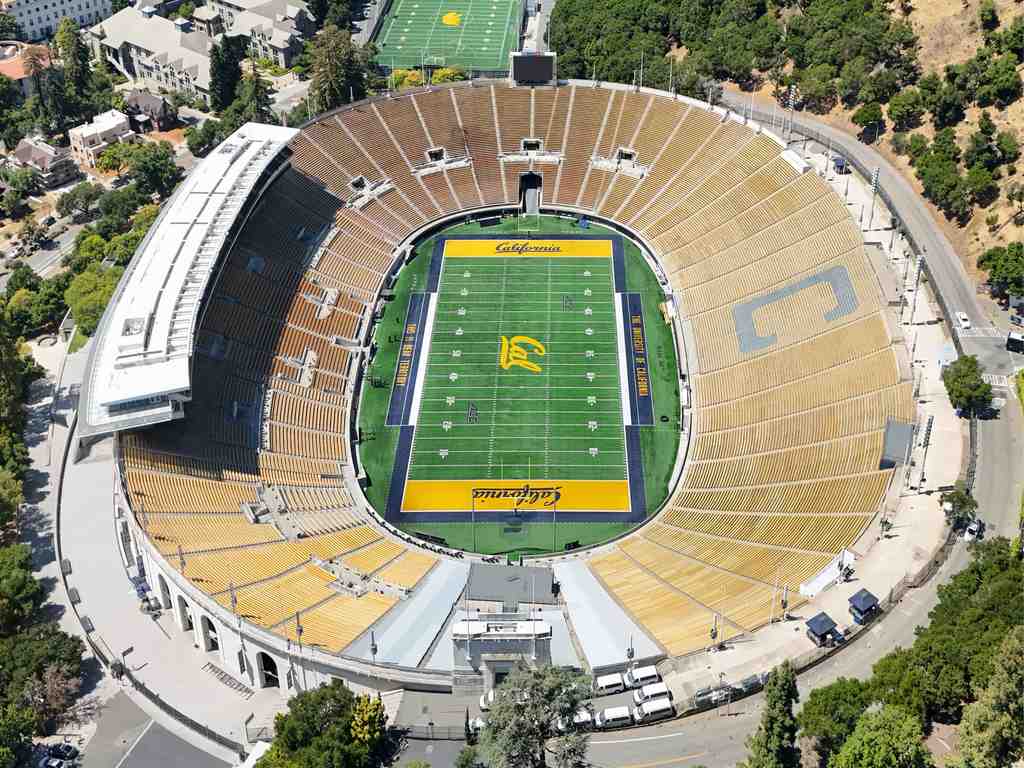
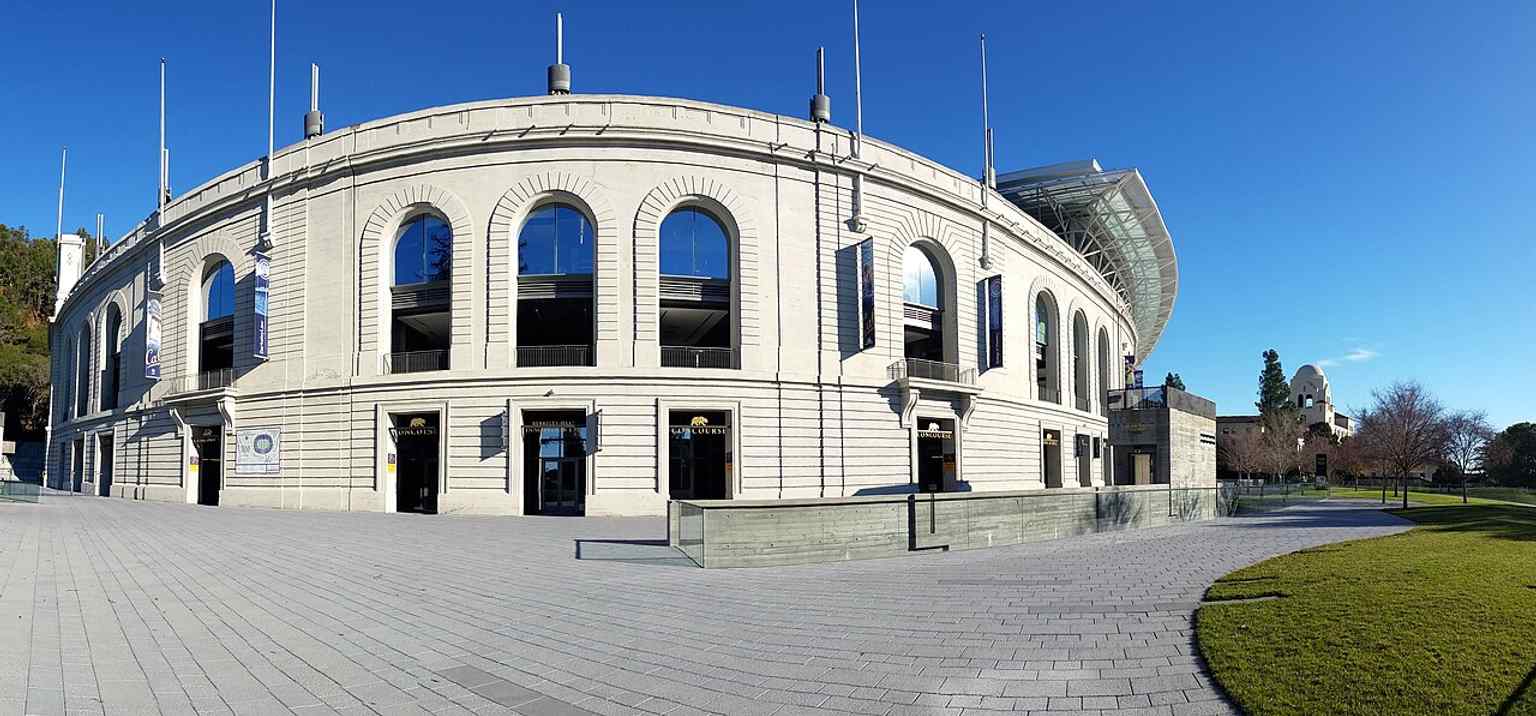
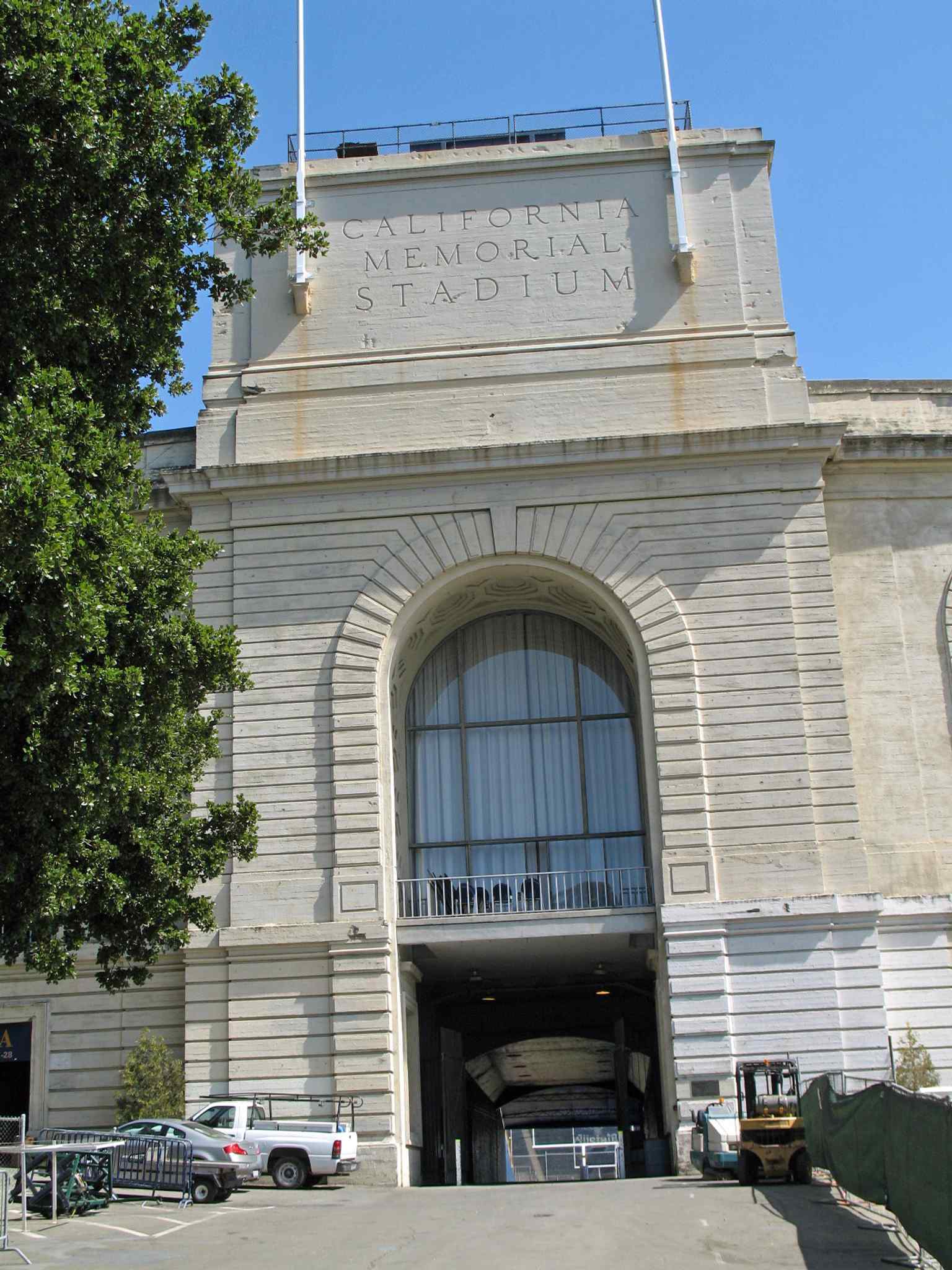
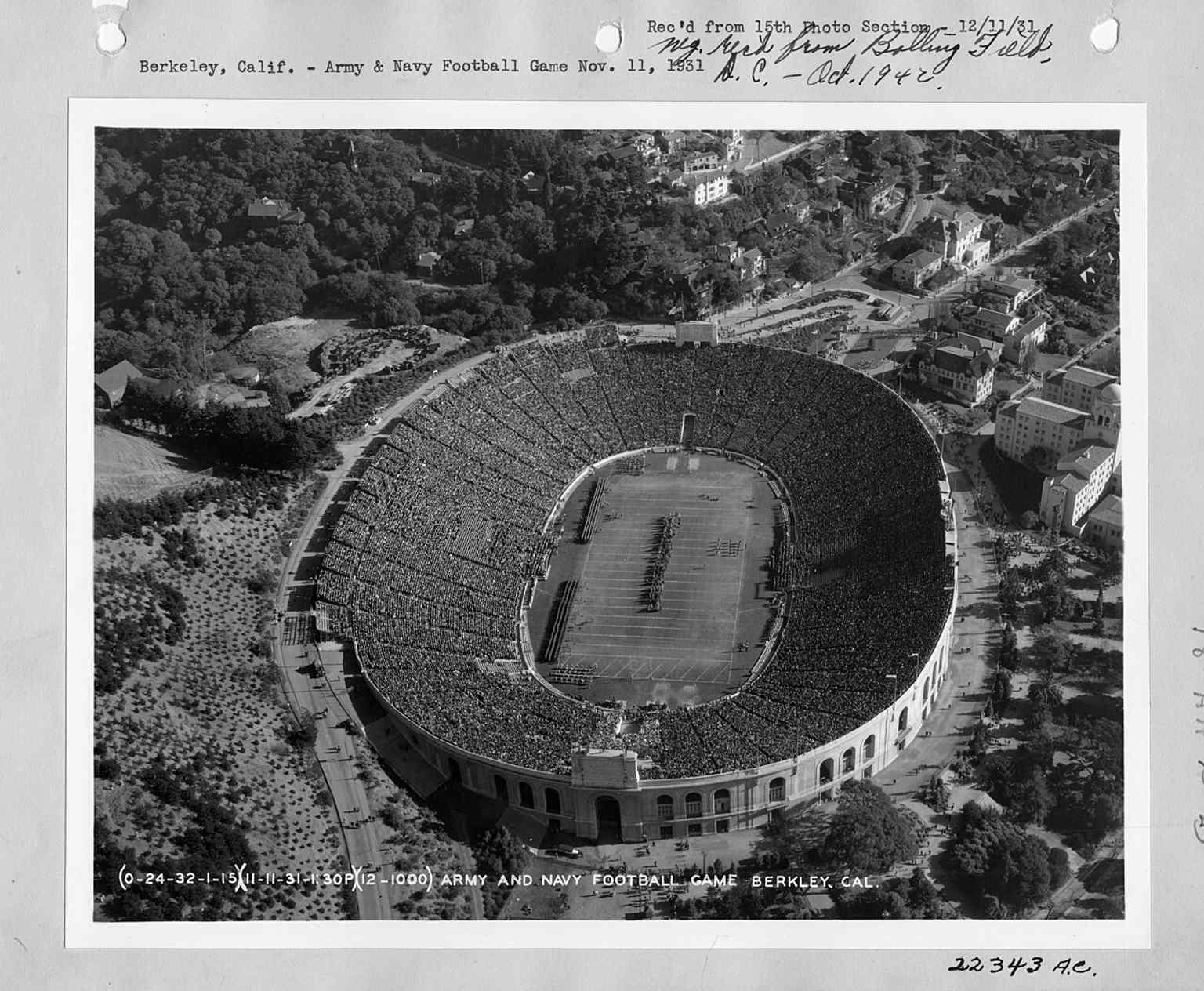
Look for the long pale-concrete bowl with its sweeping oval rim and Roman-style arches, marked by a monumental west façade set against the hillside.
California Memorial Stadium carries a lot on its shoulders. It honors Californians who died in the First World War, but it also holds cheers, rivalries, protests, commencements, and the uneasy knowledge that the ground beneath it does not stay still.
From out here, the building can seem immovable... but John Galen Howard, the university’s chief architect, knew better. He actually warned against this site. The Hayward Fault runs directly under the playing field, nearly from goal post to goal post, and Howard also knew this canyon held birds, trees, and a living landscape people loved. Still, once the university chose Strawberry Canyon, he helped shape this place in the image of an ancient Roman arena, with formal arches and a grand public face.
People paid for it together. In nineteen twenty-two, supporters bought ten thousand seat subscriptions for one hundred dollars each, roughly eighteen hundred dollars today, and every one sold in less than ten days. That public effort raised the money for a memorial that opened in nineteen twenty-three, when coach Andy Smith’s California team beat Stanford in the first game here. Later, the stadium even gained a bench in Smith’s honor, as if Berkeley wanted to remember not only its dead, but also the people whose victories made this giant bowl feel necessary.
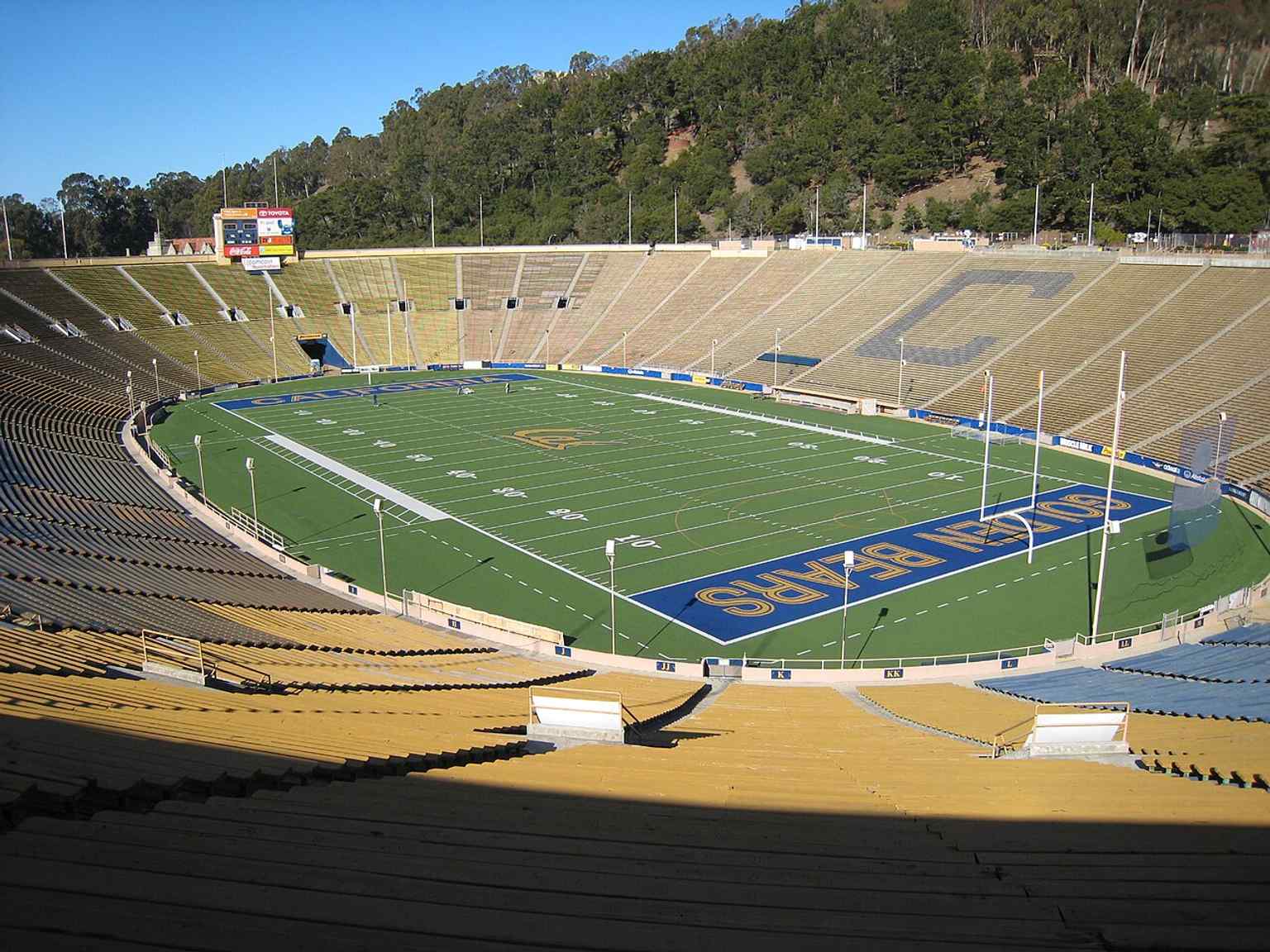
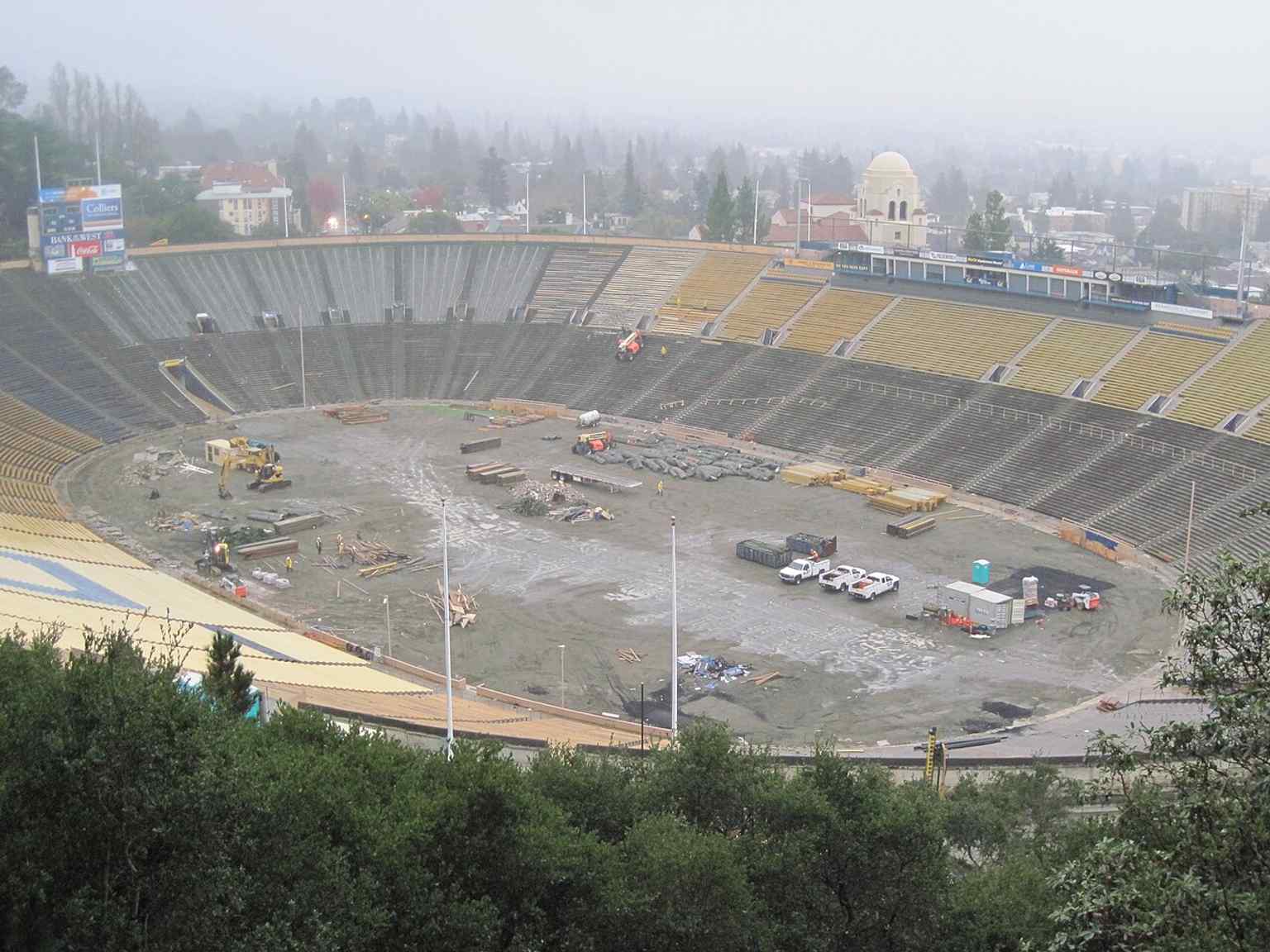
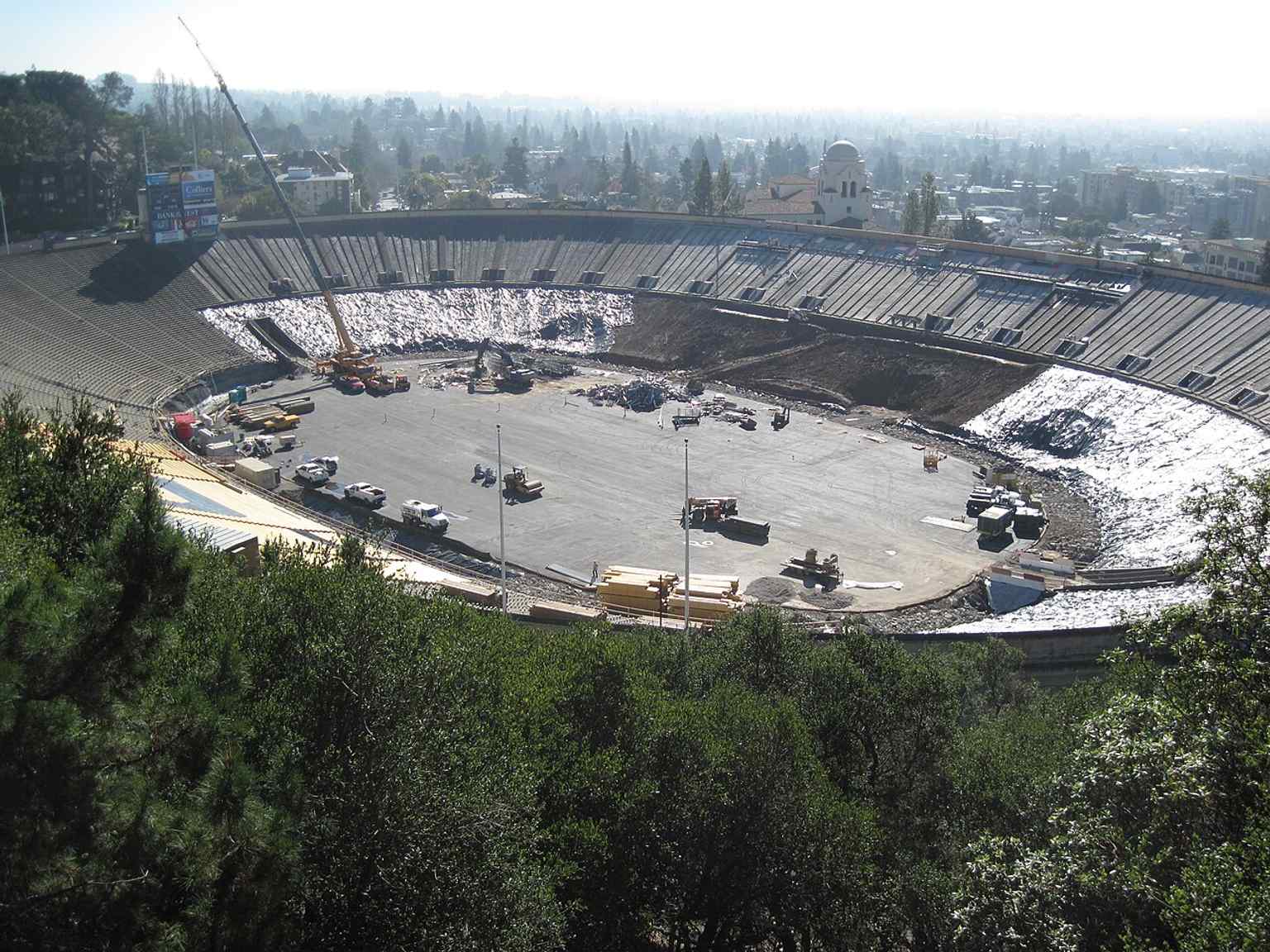
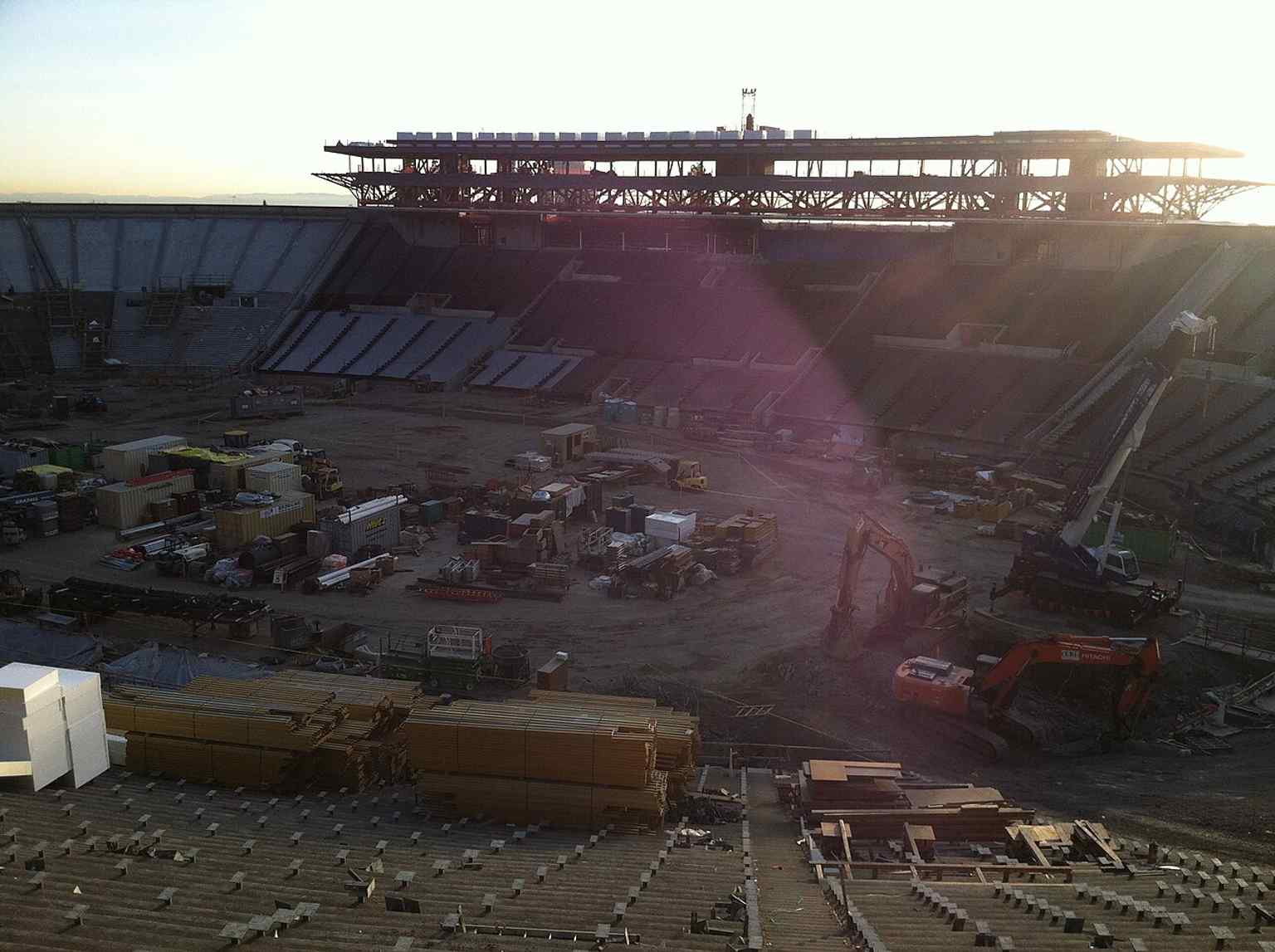
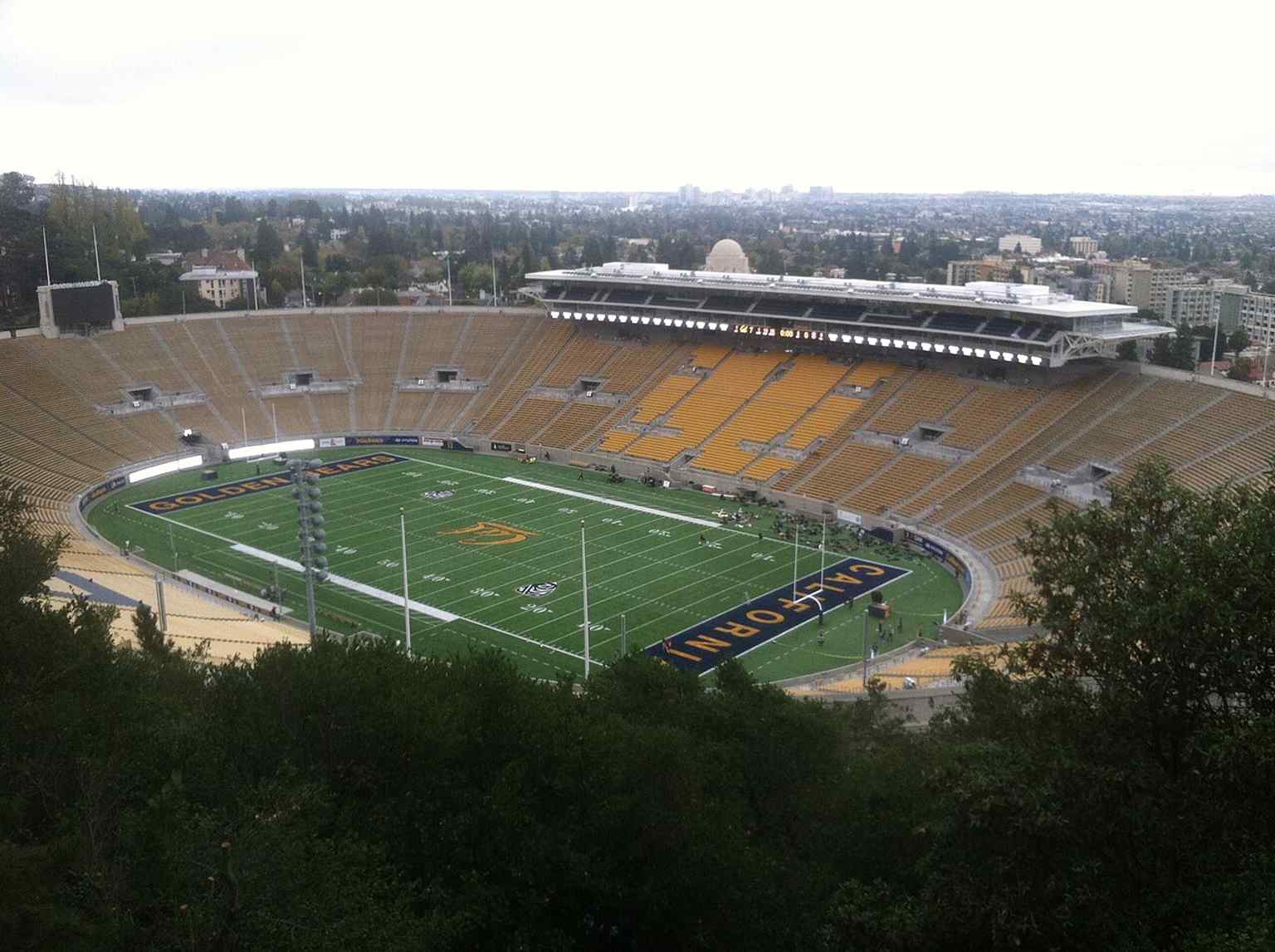
And yet necessity kept colliding with doubt. The stadium straddled a fault from the beginning, so builders split it into sections and left expansion joints, small built-in gaps, so the sides could move separately in an earthquake. By the late nineteen nineties, engineers judged the old structure a serious life hazard. That led to the huge renovation from two thousand ten to two thousand twelve: workers demolished and rebuilt the west side, lowered the field by four feet, and kept the historic outer wall. If you like, take a quick look at the before-and-after image in the app to see how dramatically that side changed.
Safety, though, did not end the argument. The project spilled into the oak grove beside the stadium, where tree-sitters stayed for twenty-one months trying to stop construction and defend the land around it. In two thousand and eight, U-C Police Chief Victoria Harrison finally spoke to the last protesters from a crane basket and coaxed them down. It was one of those moments that felt unmistakably Berkeley: even rebuilding a football stadium became a public struggle over what should survive.
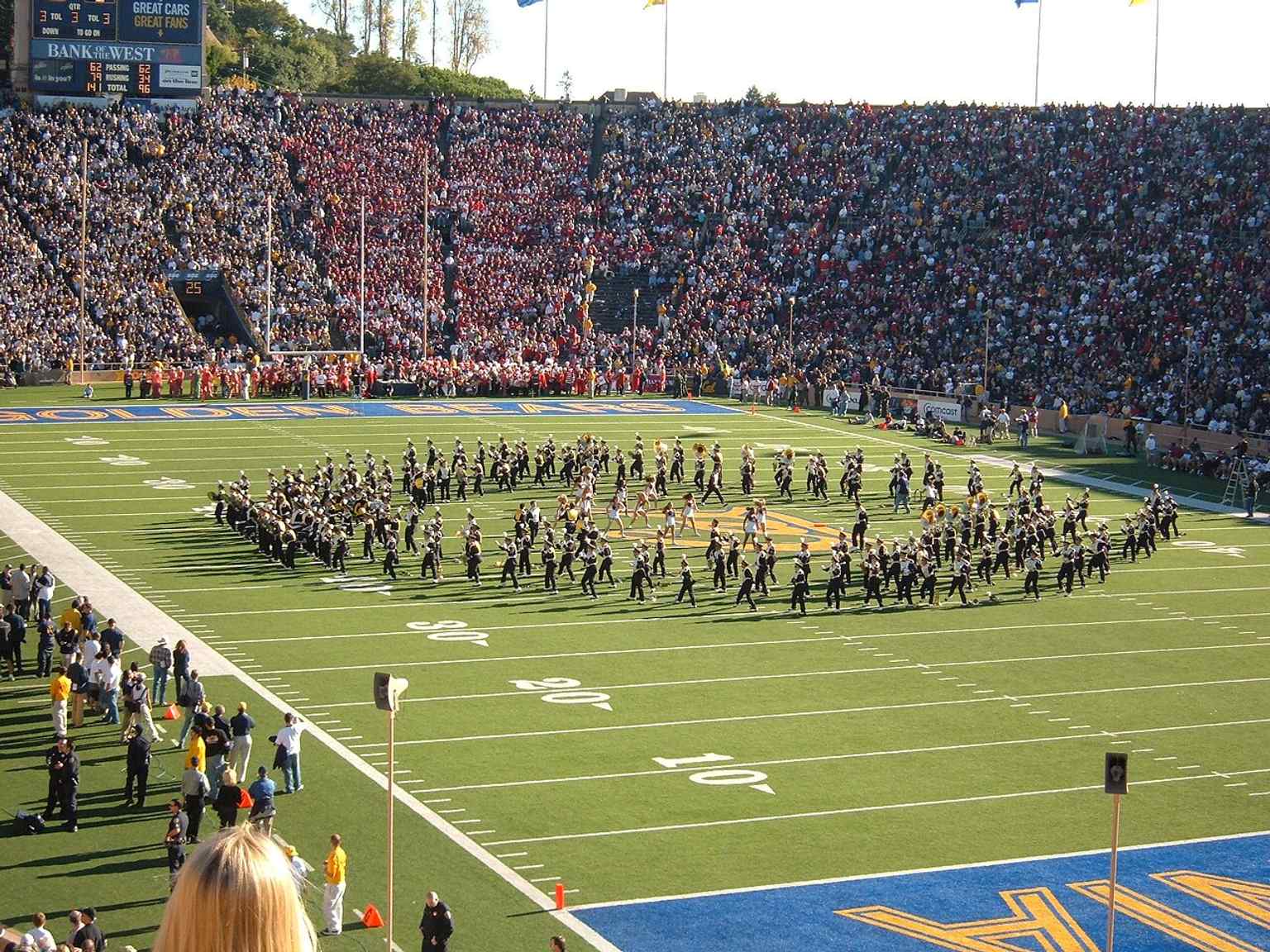
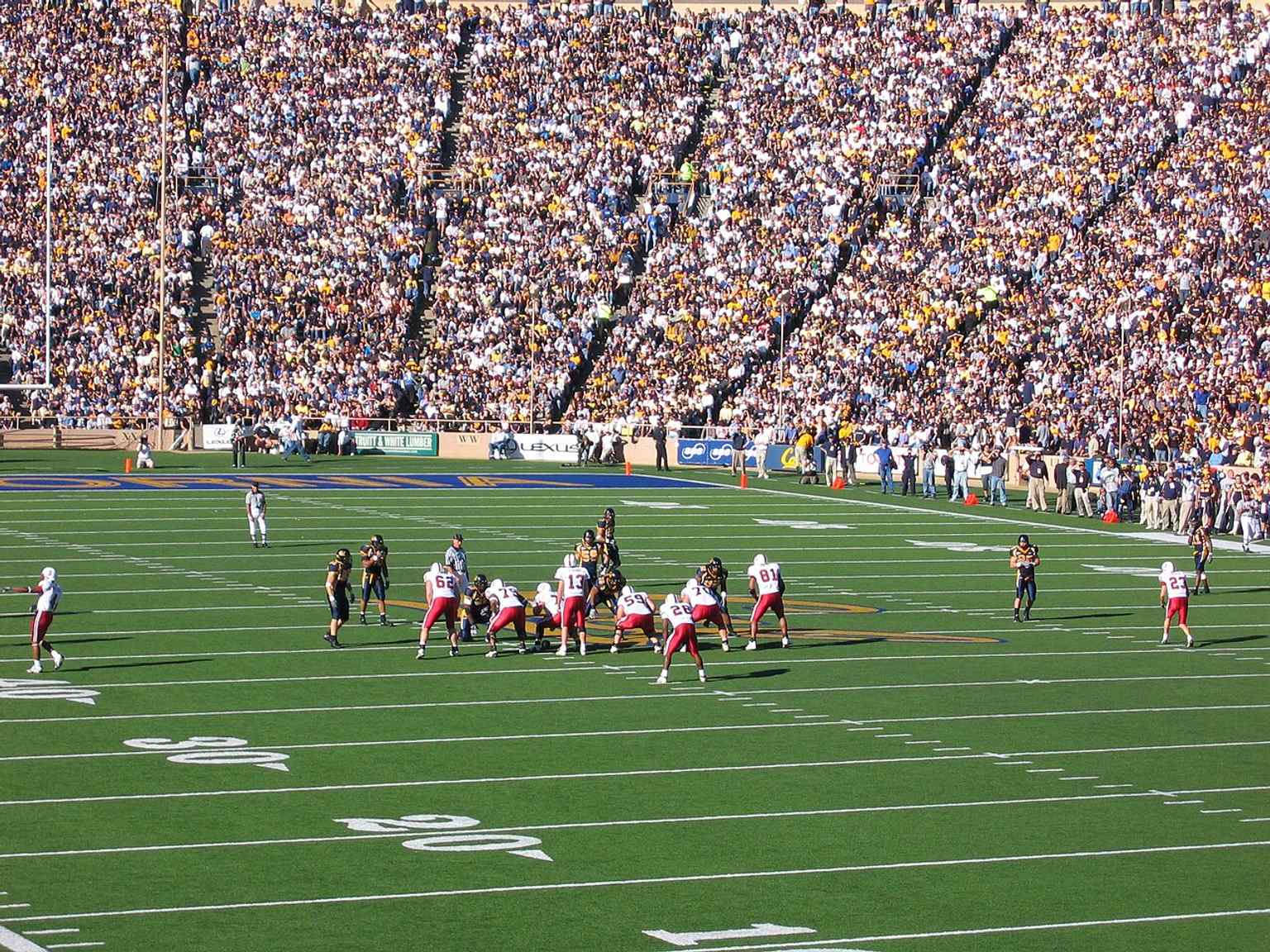
Inside this bowl, generations gathered for far more than football. President John F. Kennedy spoke here to a crowd of eighty-eight thousand. Commencements filled the stands. The roar of nineteen eighty-two’s famous Big Game finish, The Play, still lingers in campus memory.
But the real story never stayed fully inside the gates. Even a stadium this large could not contain Berkeley’s appetite for watching from the edges. Crowds kept gathering beyond the eastern rim, outside the ticketed boundary, proving that the official venue was only part of the ritual.
Before you head on, take in the stadium’s scale... then lift your eyes toward the slope above it. Notice where the architecture ends, and where the spectators’ claim begins. Our next stop is uphill, about a five-minute walk away, on Tightwad Hill.







.JPG)


.jpg)
.jpg)
.jpg)
