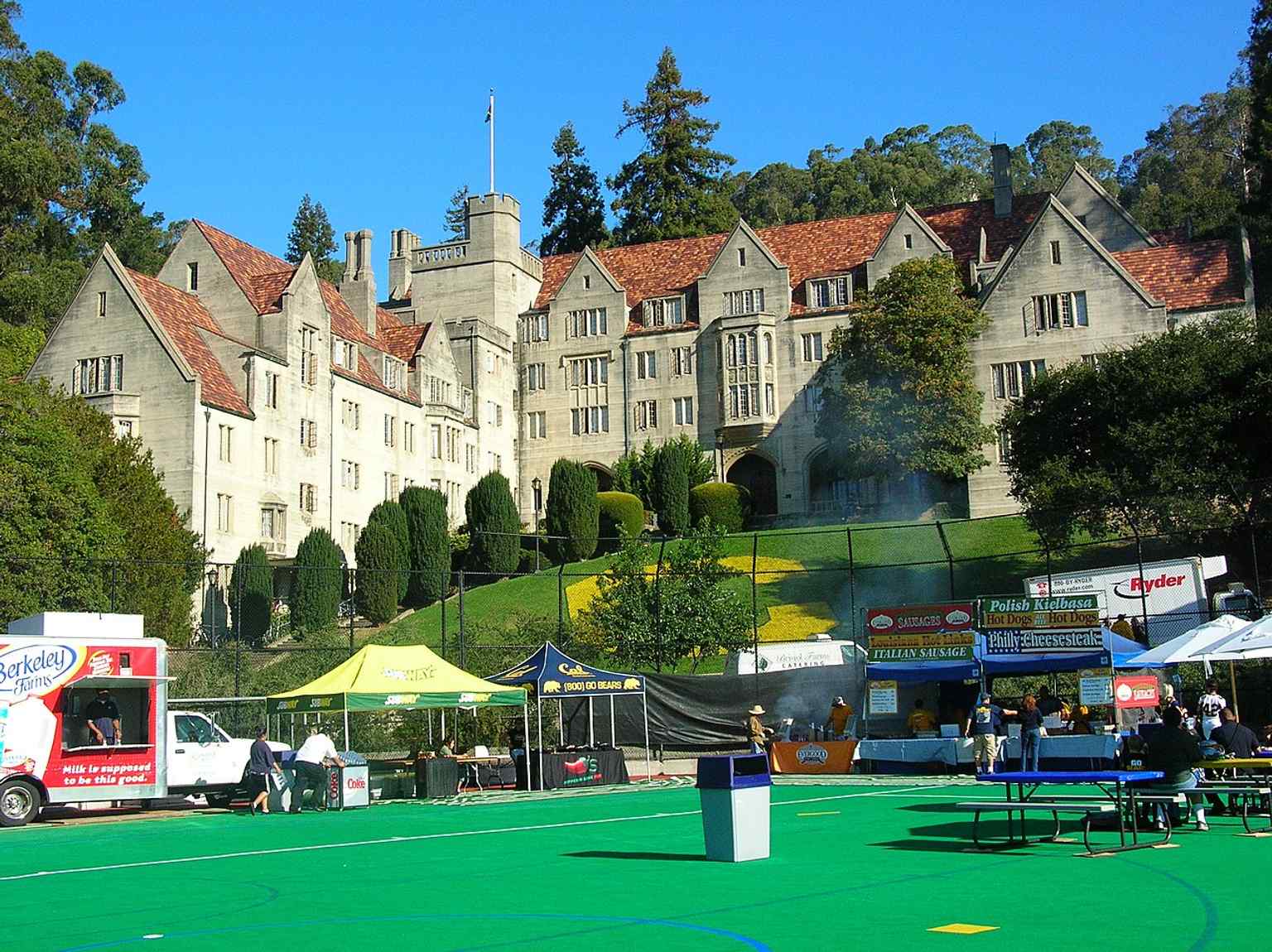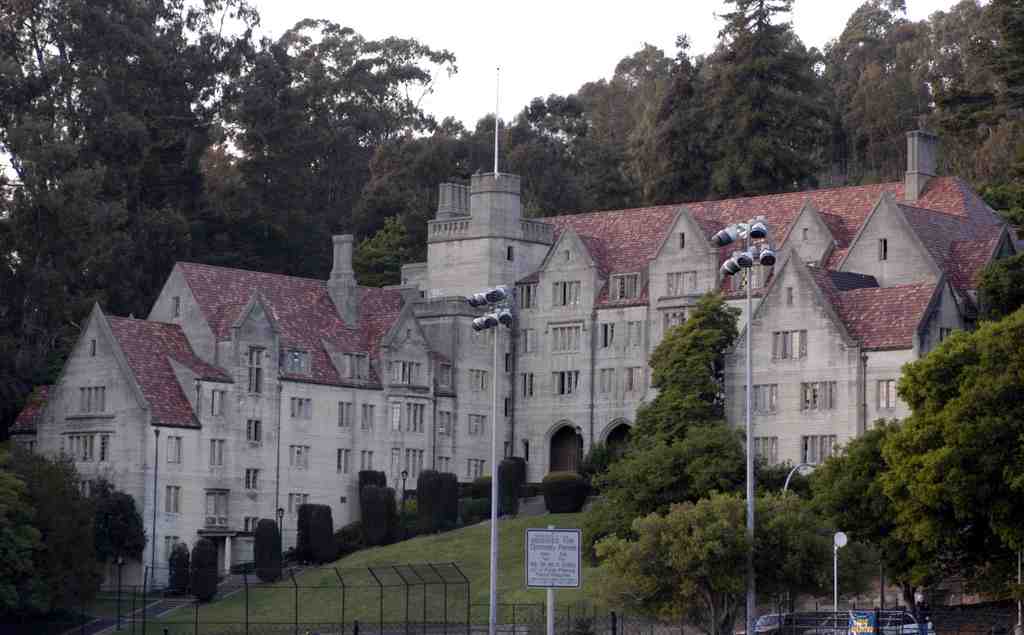
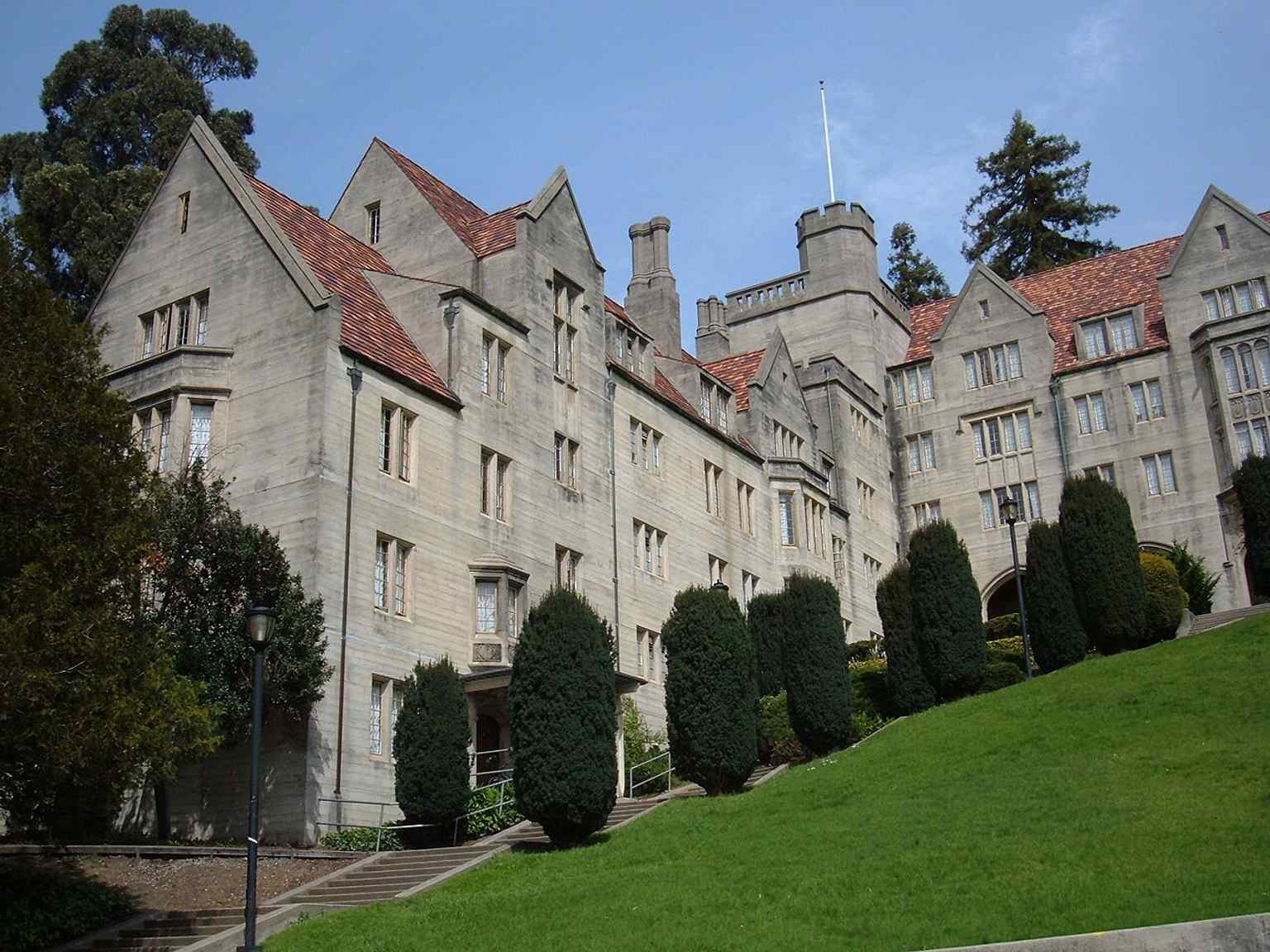
On your right, Bowles Hall rises in pale stone, a long Collegiate Gothic block with a five-arch entry arcade and a crenelated tower that makes it look a little like a compact castle.
Bowles has always carried two identities at once. University officials dedicated it in nineteen twenty-nine as Berkeley’s first residence hall and California’s first state-owned dormitory. But students quickly turned it into something more unruly: a tribe, a stage, a legend.
Mary McNear Bowles gave three hundred fifty thousand dollars for it in memory of her husband, Regent Phillip E. Bowles... about six million dollars in today’s money. Architect George W. Kelham gave that gift a grand shell, eight levels of suites and common rooms, all meant to gather people together. If you glance at the image on your screen, you can see how deliberately stately it looks, almost as if discipline should live here.
But Bowles never settled for discipline alone. In the hall’s early decades, the Blue and Gold yearbook talked about beer-busts, picnics, exchange dinners, dances, and a costume spring dance famous across campus. This place was male-only for most of its life, and its four-man rooms and common spaces gave it a fraternity flavor even though it belonged to the university. The residents called themselves Bowlesmen, and they guarded their rituals like family heirlooms.
One of the best stories tells you everything. After football games, the Cal Band used to stop here and play “By” for Bowles. The tradition supposedly began when football players lived in the hall. Later, when the band tried to skip the stop, some Bowlesmen lay down in the road until the band gave in. That is Berkeley in miniature: official routine meeting student stubbornness... and student stubbornness winning.
There was mischief, too. Alumni remembered swiping the Bowles banner and hanging it upside down on Deutsch Hall, turning a prank into front-page news. And then there was the Halloween party, famous enough to be ranked among the country’s top college parties. That notoriety helped trigger a campus crackdown in two thousand five.
For a while, Bowles nearly slipped away. The university considered stripping out its old purpose, even replacing it. Then alumni fought back. Bob Sayles became the public face of the rescue, and generations of former residents joined him. Their campaign helped protect Bowles as a city landmark and a National Register site, and after a major restoration, it reopened in two thousand sixteen as a coed residential college, welcoming women for the first time.
So this building holds more than stone. It holds repeated gestures: songs, dinners, pranks, loyalties, arguments over what should survive and who gets to carry it forward. Around Berkeley, memory often lives not only in libraries, but in habits people refuse to stop performing.
From here, Thorsen House is about an eight-minute walk away.
If you’re checking access later, Bowles generally keeps weekday hours from ten in the morning to six in the evening and is closed on weekends.