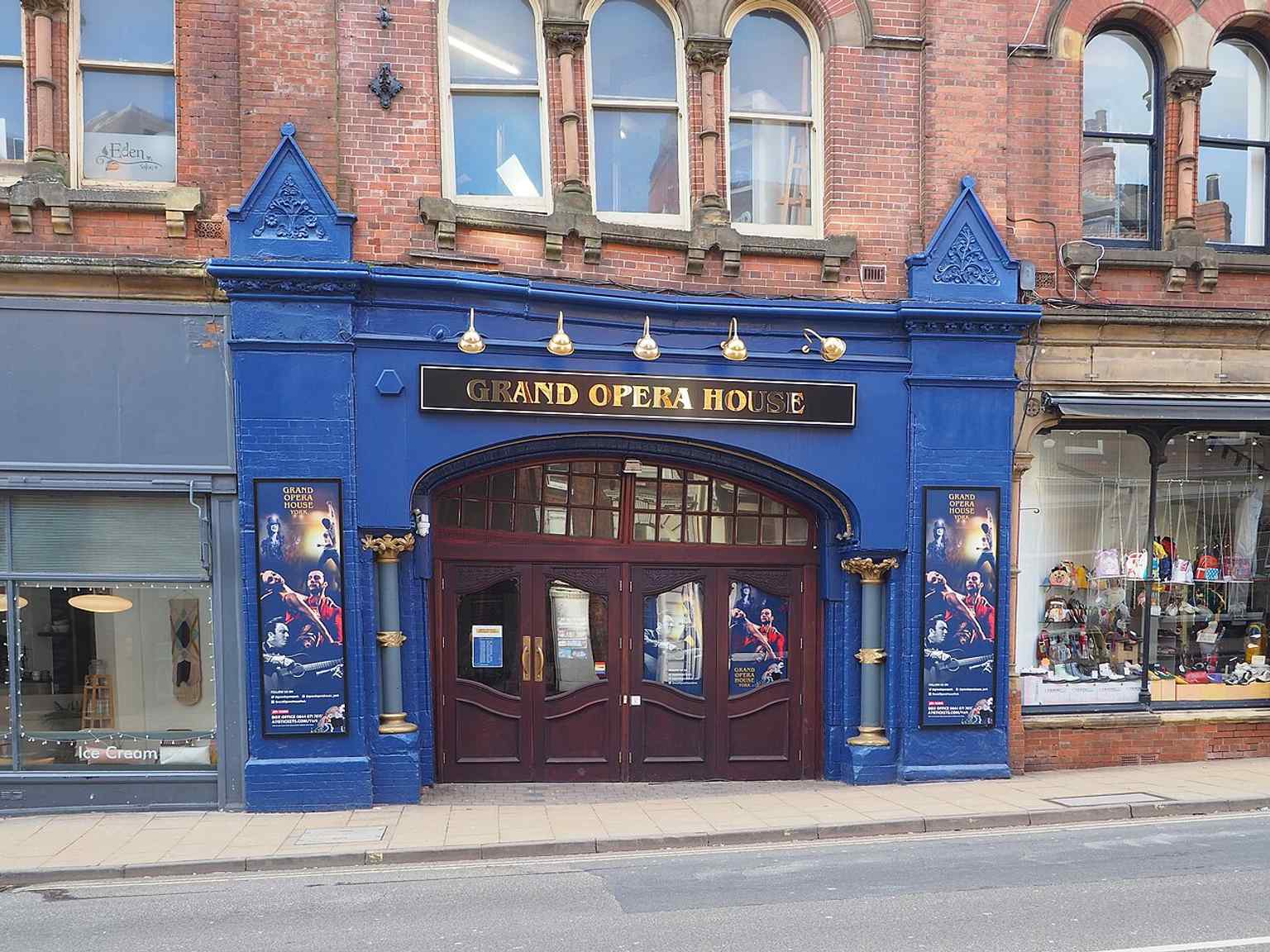
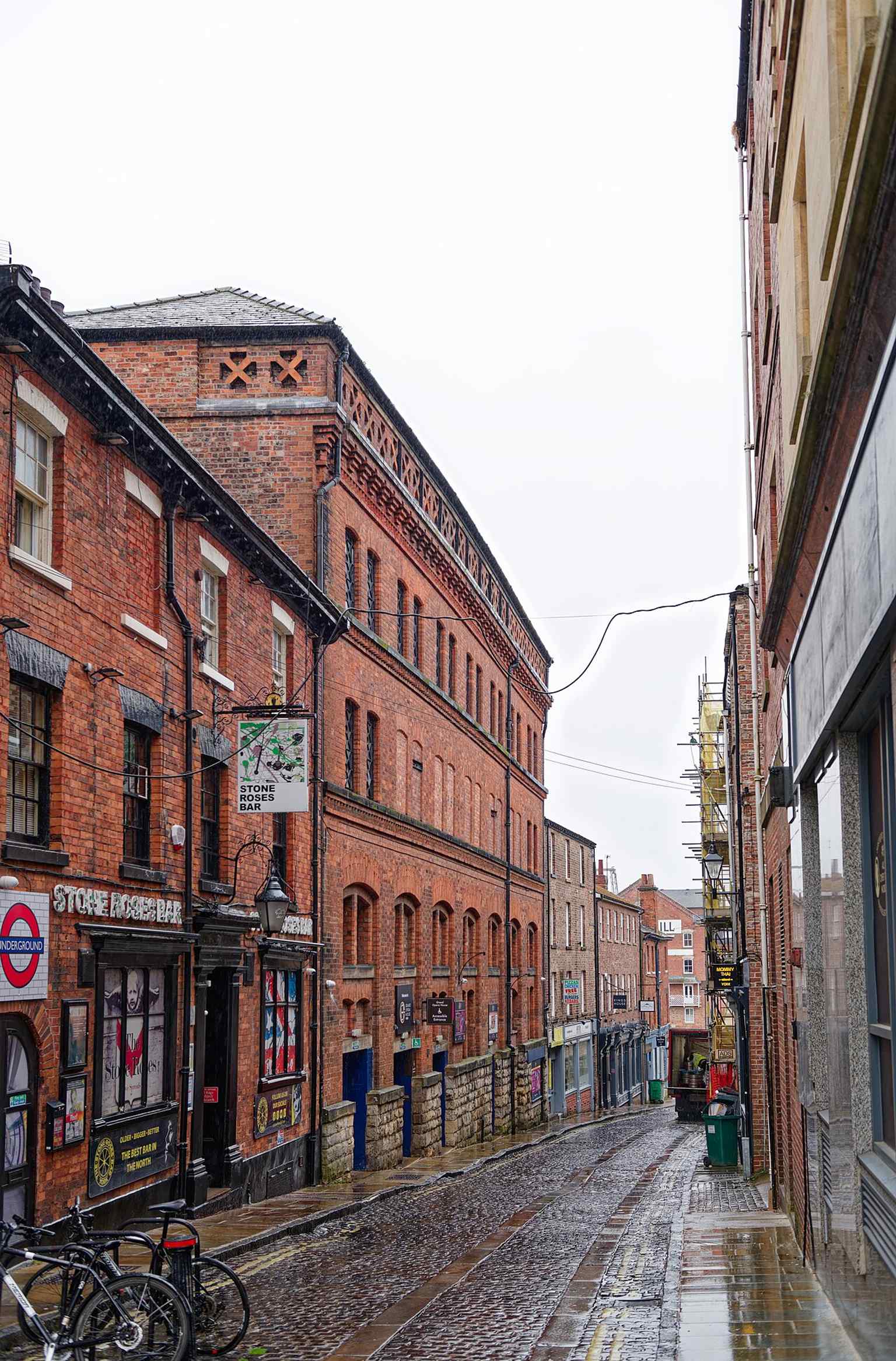
On your right is a red-brick corner building with linked round-headed windows and a side arch entrance, its slightly offbeat frontage hinting that this did not begin life as a theatre at all.
That odd mismatch is the whole point here. York does reinvention of place with a straight face, and this building is one of its best performances. What looks, at first glance, like a respectable row of shops and offices with theatrical ambitions started out as a corn exchange in the eighteen sixties - a trading hall for grain, not applause. George Alfred Dean gave it that Italianate look in eighteen sixty-eight, with the arched windows and asymmetrical front on Clifford Street, but he was designing commerce, not curtain calls.
If you glance at your screen, the side entrance tells on the building a little. Audiences still go in through that arch on Cumberland Street, because this was never given the full swaggering theatre frontage you might expect. York, apparently, likes its drama slightly disguised.
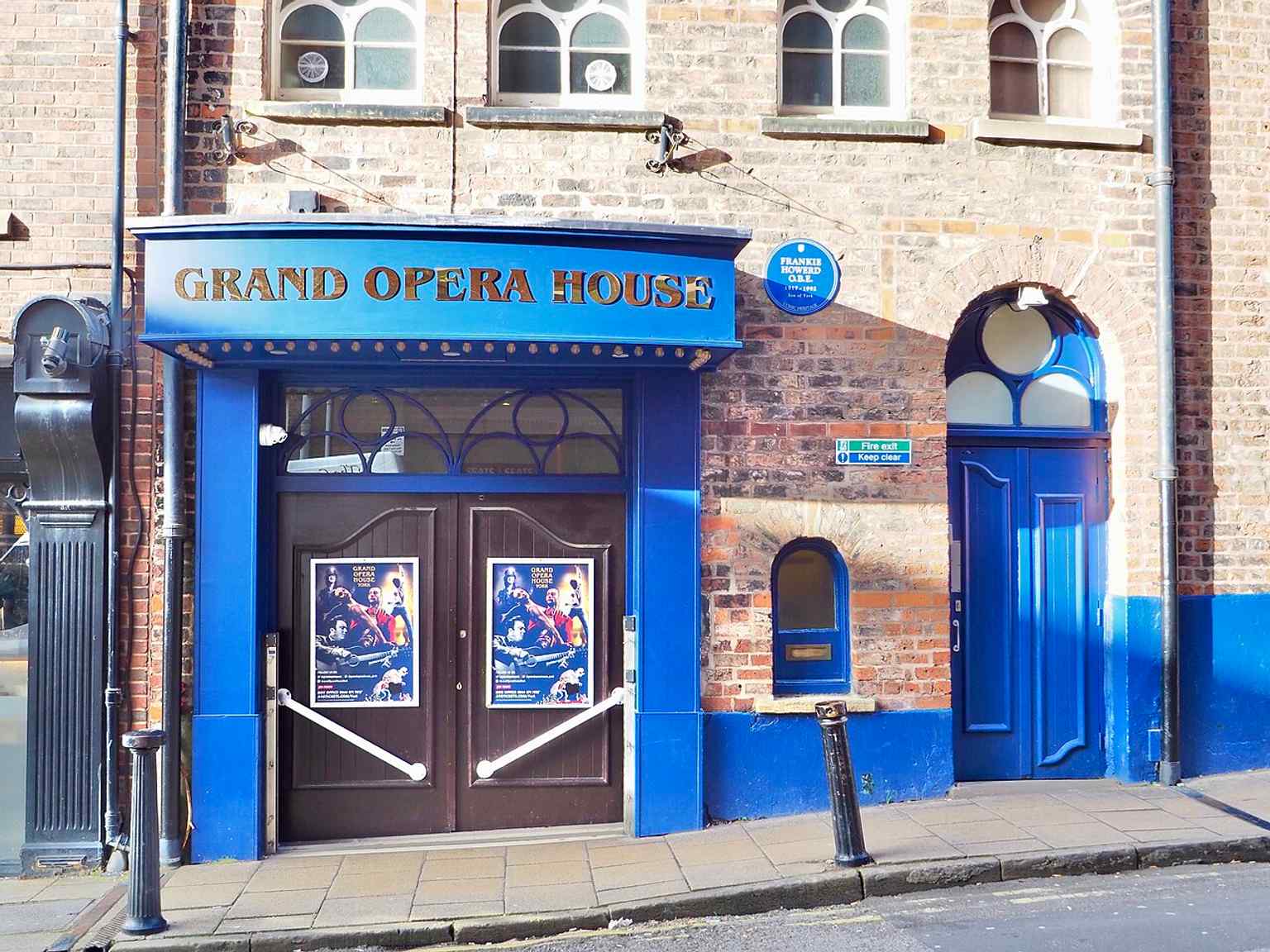
The big turn came when William Peacock bought the corn exchange and the warehouse behind it. He spent twenty-four thousand pounds - roughly three million pounds in today’s money - to stitch the two together into a music hall. Inside, he installed raked seating, meaning the rows rise toward the back so more people can see, plus a proscenium arch, the big frame around the stage. On the twentieth of January, nineteen oh two, the new Grand Theatre and Opera House opened not with lofty opera, but with Little Red Riding Hood. Leading the bill was Florrie Forde, the Australian-born music-hall star. So from the start, this place aimed for delight, not dignity.
And it kept changing. In that same opening season, Professor Herbert brought his “Biograph Box” here for what local sources call York’s first public film showing. Later it screened silent films, then became the Empire Theatre, then shut in nineteen fifty-six under the weight of entertainment tax. Ernest Shepherd - “Shepherd of the Shambles,” no less - took over in nineteen fifty-eight and rechristened it the S. S. Empire. He ripped out the stage and sloping seats so the hall could host bingo, boxing, dancing, wrestling, even roller skating. That is not so much a career change as a full identity crisis.
If you look at the interior photo on your app, you can see the later rescue. Between nineteen eighty-seven and nineteen eighty-nine, new owners spent four million pounds restoring the stage, seating, and art nouveau decoration, and reopened with Macbeth. So the shell still carries several lives at once... market hall, picture house, skating rink, theatre.
Which is a useful thought to carry next door, because York Dungeon turns entertainment into something darker. And if you want to return for a show here, the usual opening hours are six to eight P-M from Monday to Saturday, with Sunday closed.