
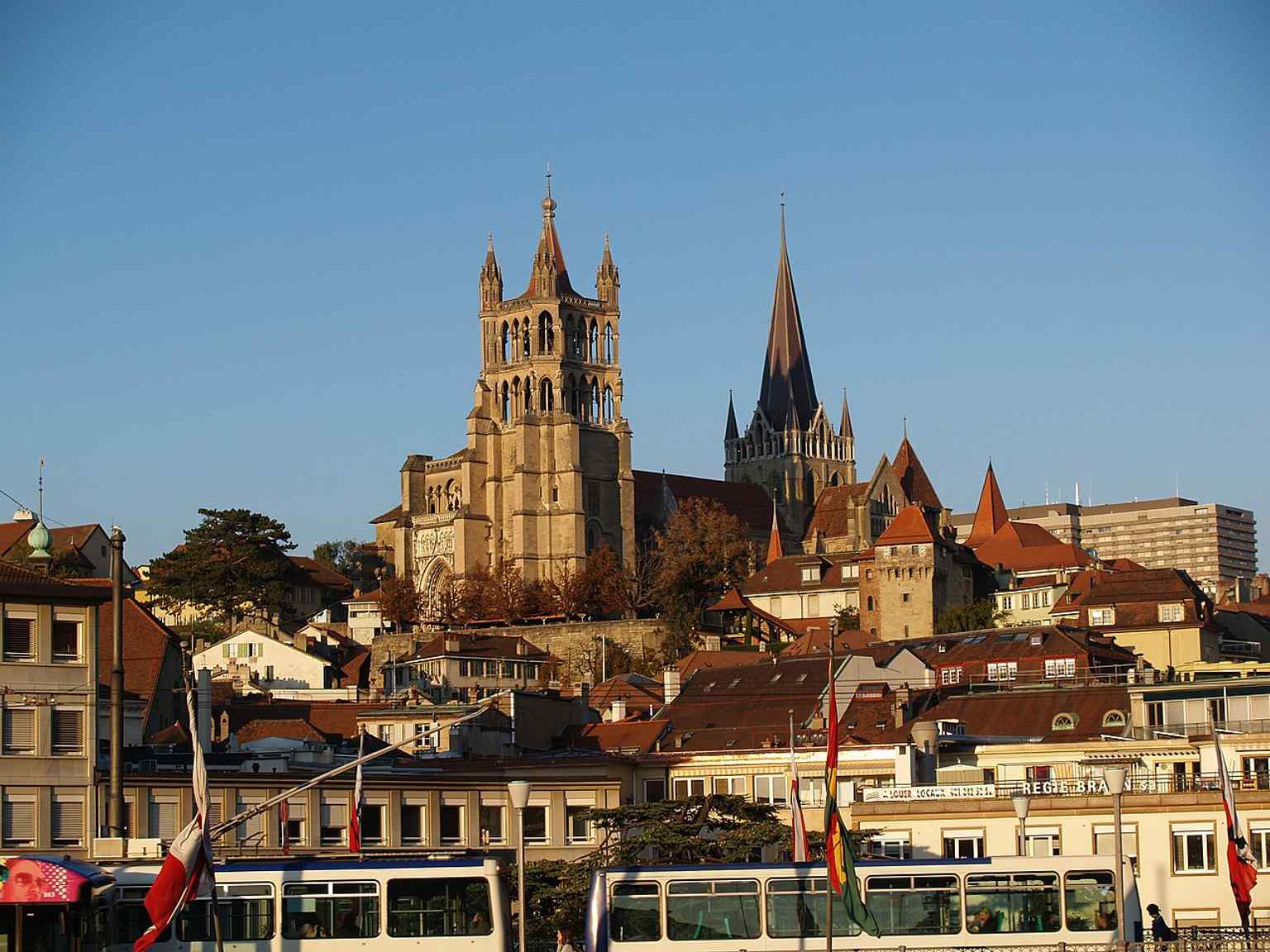
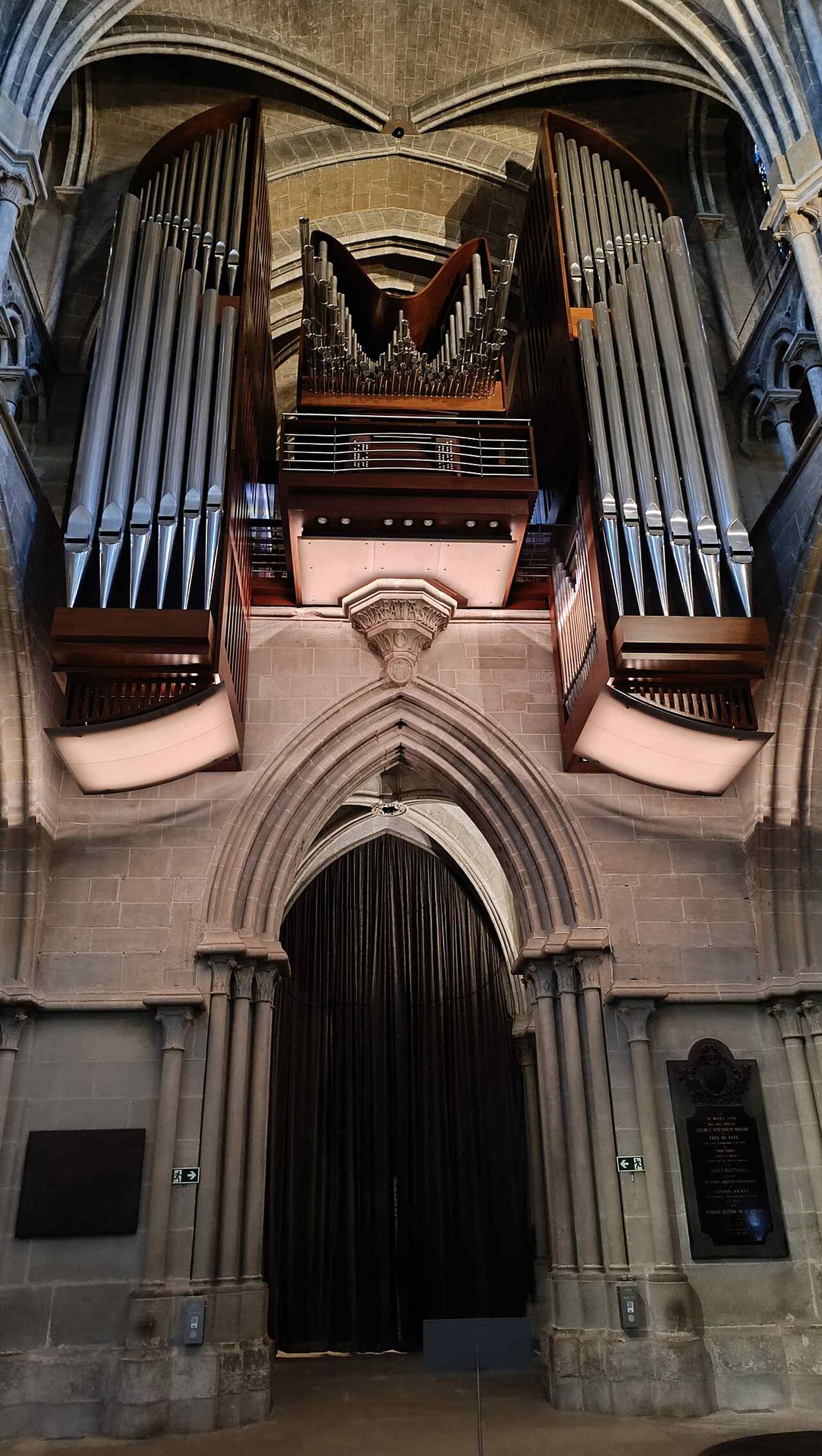
On your left, look for a pale molasse-stone Gothic church with a long steep roof, pointed buttressed walls, and a square lantern tower rising above the center.
This is Notre-Dame of Lausanne, and it reads like a case file written in stone. Before the Reformation, this was the bishop’s church, the sacred center of the bishops’ Lausanne. After the Reformation, it became the city’s main Reformed church. Same building... different authority, different theology, same commanding presence.
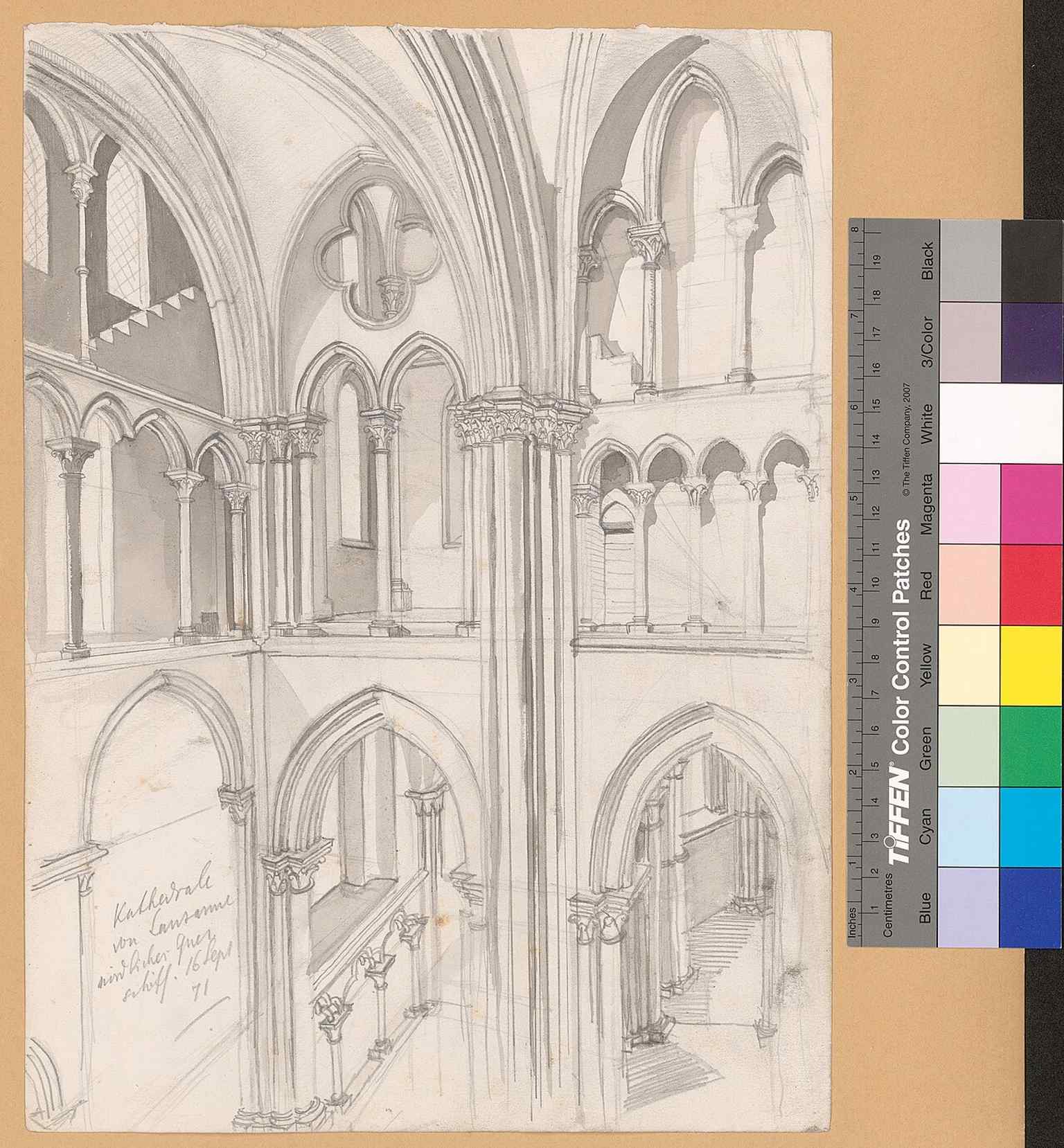
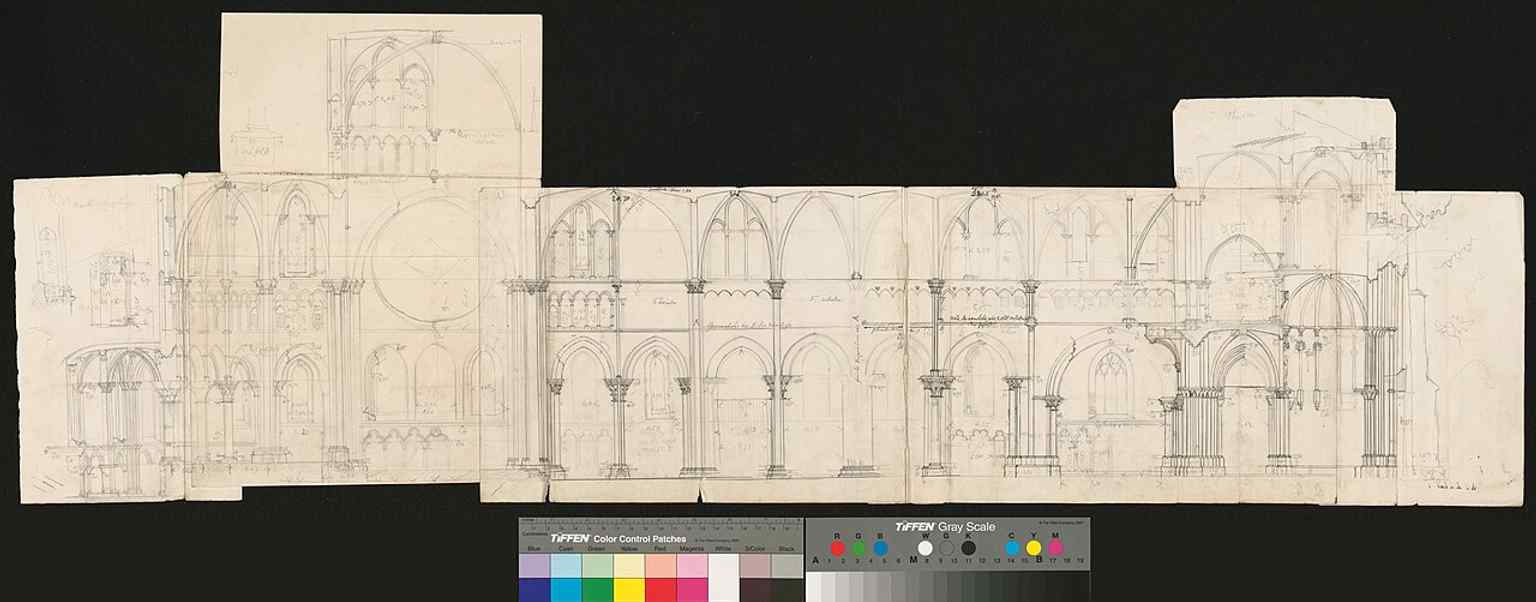
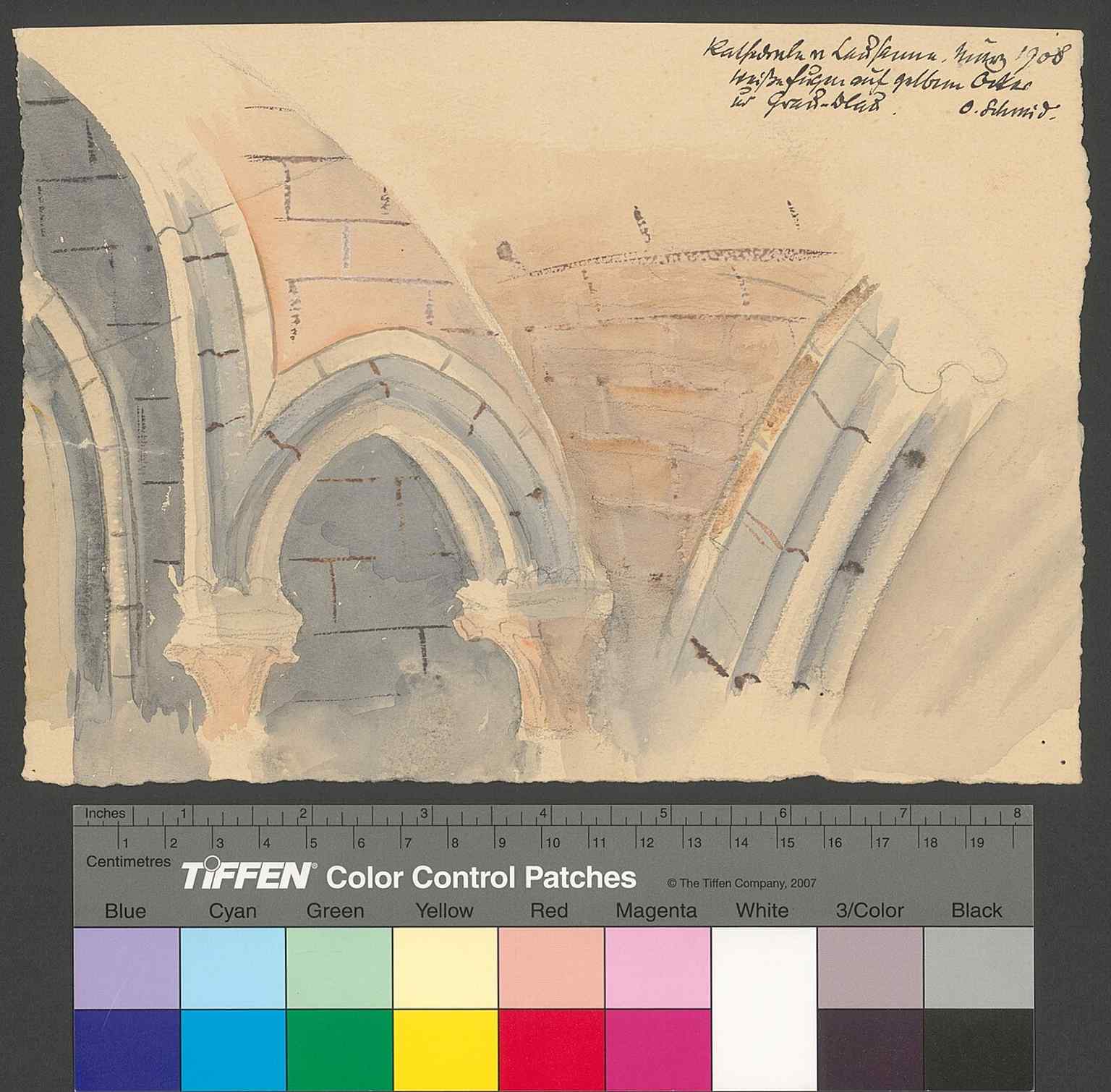
The cathedral’s layered construction matters here. A church had stood on this hill since the sixth century, and the site kept being rebuilt long before the Gothic cathedral rose here. Around the late twelfth century, builders began again in earnest. Under Bishop Landry de Durnes, they shaped the eastern choir, the part around the high altar, with a walkway circling it. From about eleven ninety, the so-called Master of Lausanne pushed the project westward in the new Gothic style: the crossing, where the long central hall and the side arms meet, the transept, and much of the nave, that soaring main interior space. Around twelve fifteen, Jean Cotereel took over and finished the nave and the west end. In twelve seventy-five, Pope Gregory the Tenth and Rudolf of Habsburg stood here for the consecration. Not bad attendance, frankly.
Now let your eyes travel along the building’s length... and trust your instincts. The axis is not perfectly certain. As plans changed, the line of the church shifted slightly. That tiny misalignment is one of the most honest things about this place. It admits that great monuments are negotiated, revised, and occasionally improvised.
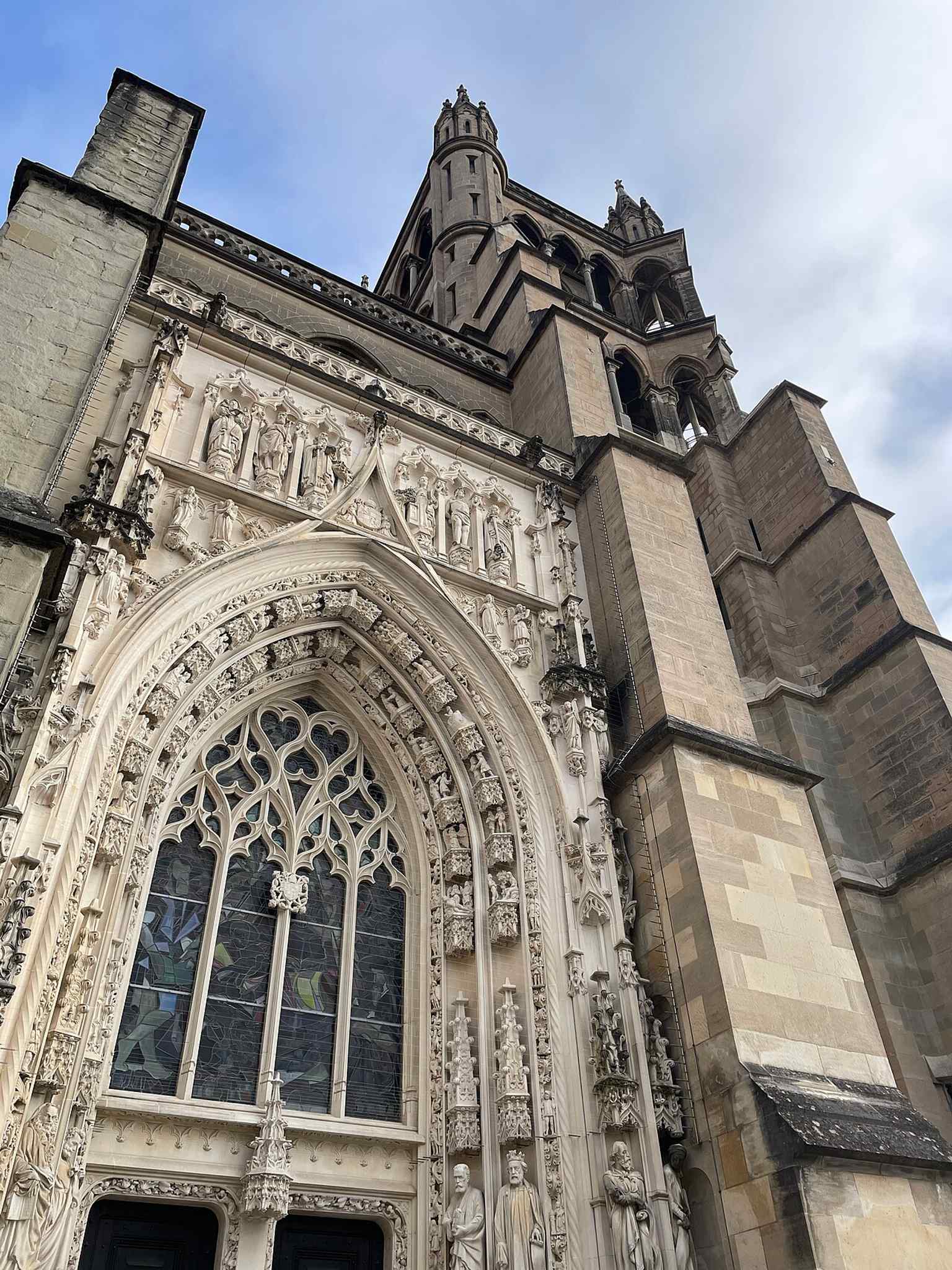
Some ambitions never fully landed. The west front was planned as a two-tower façade, but only one tower was completed. The broad western bay may first have been meant to carry a tower aligned with the nave; later, that idea was dropped, and for a time a road actually passed through part of the church. Medieval urban planning could be wonderfully direct. In the sixteenth century, Bishop Aymon de Montfalcon finally closed that passage and added the rich late-Gothic west portal.
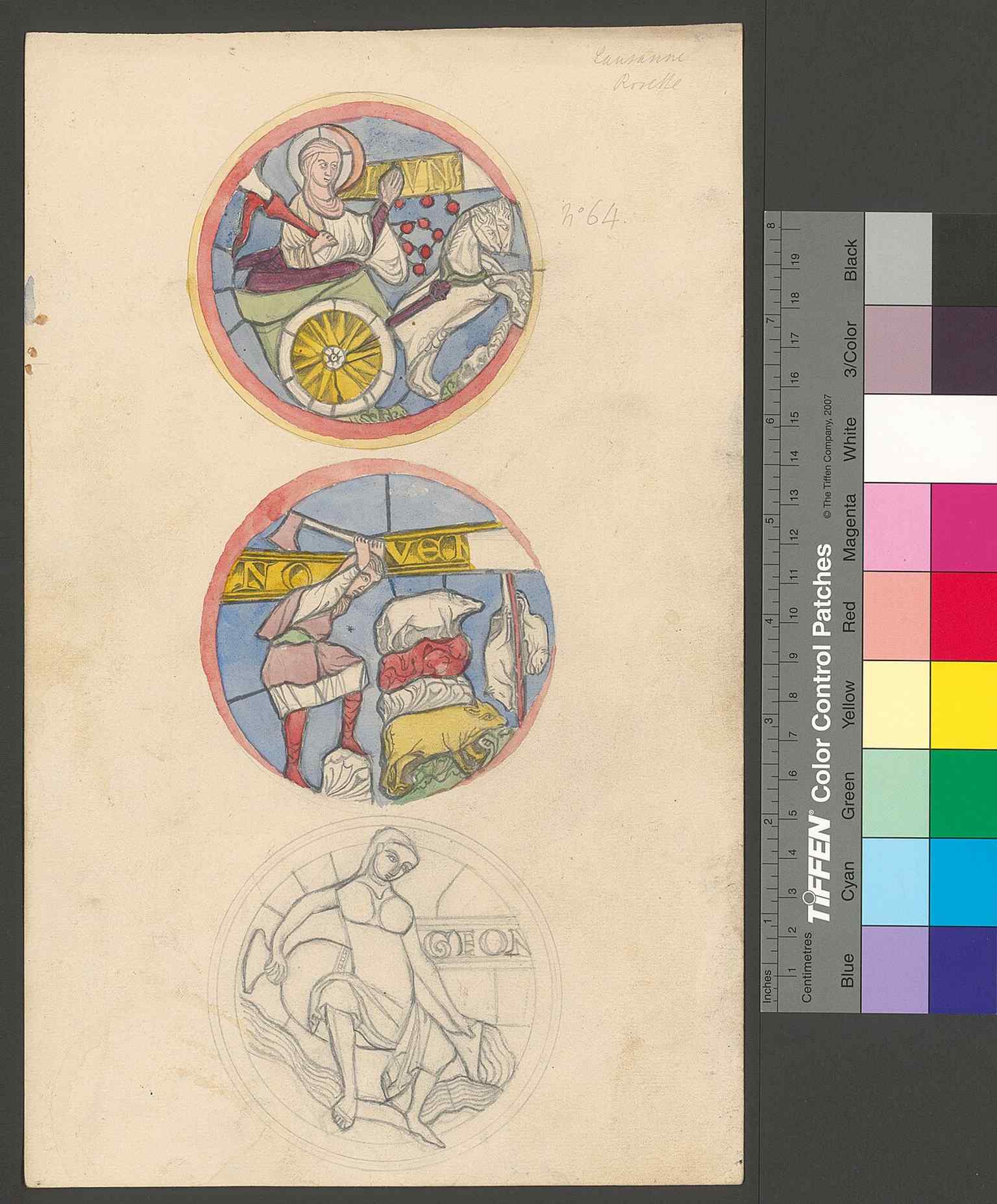
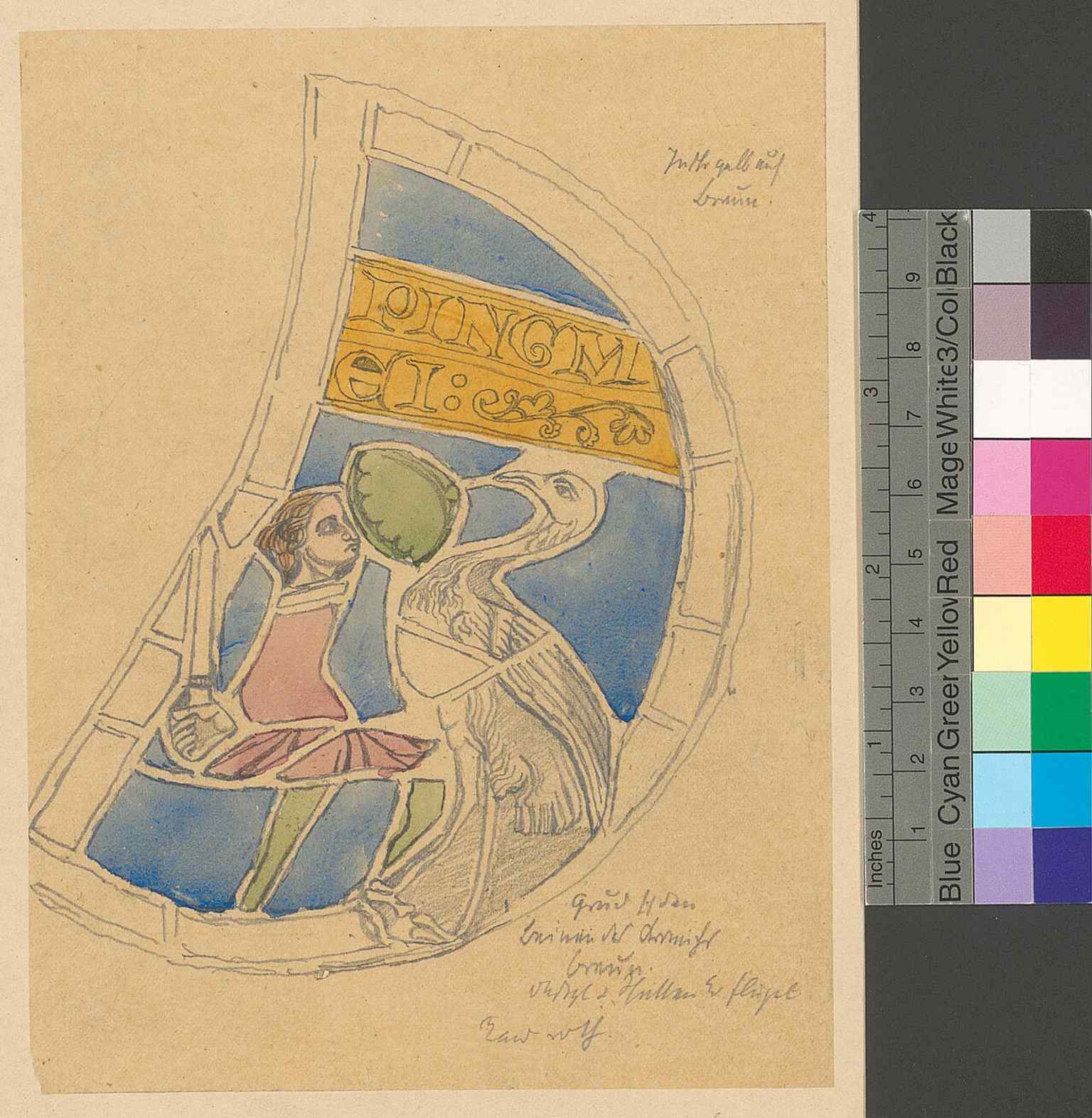
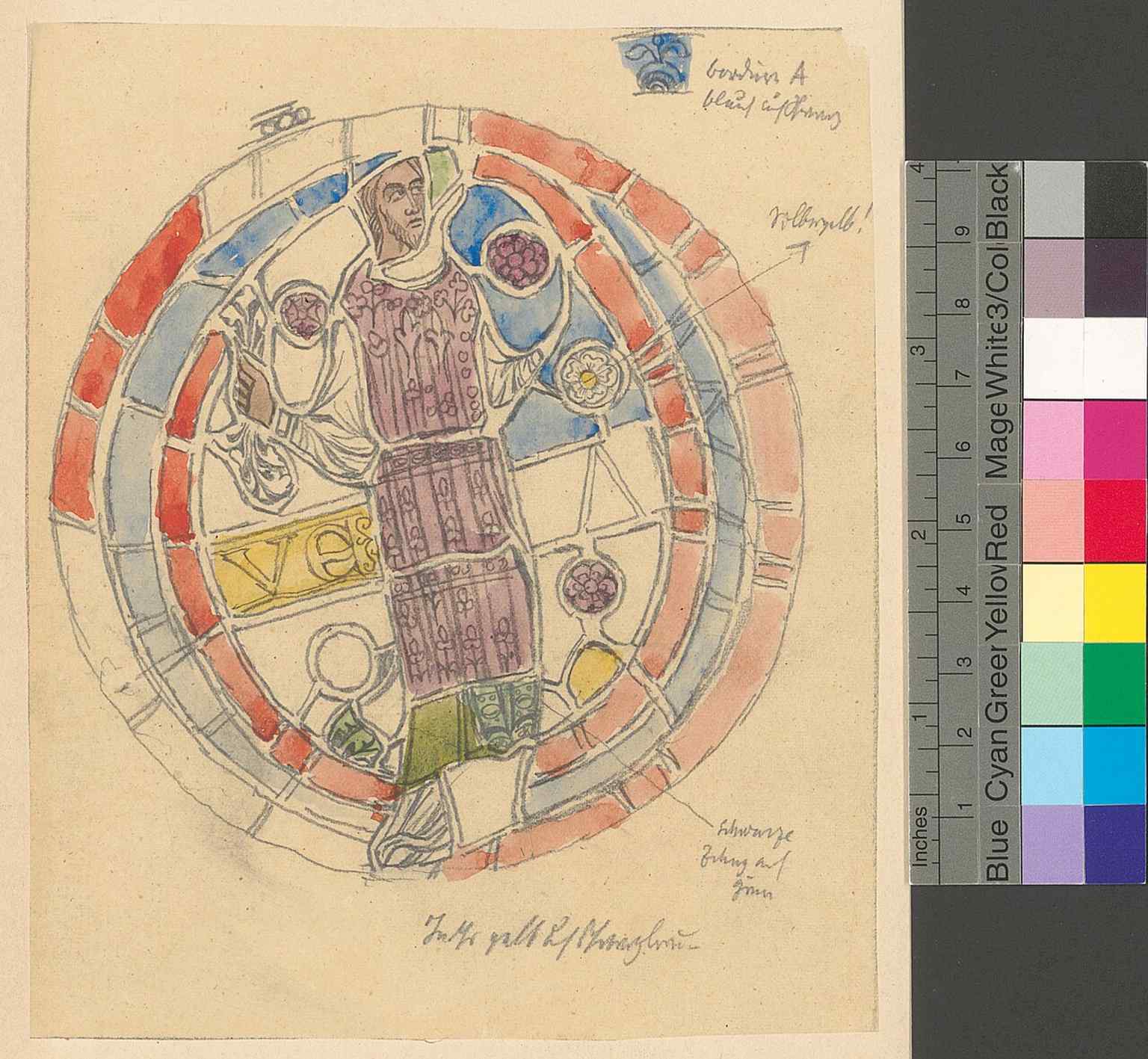
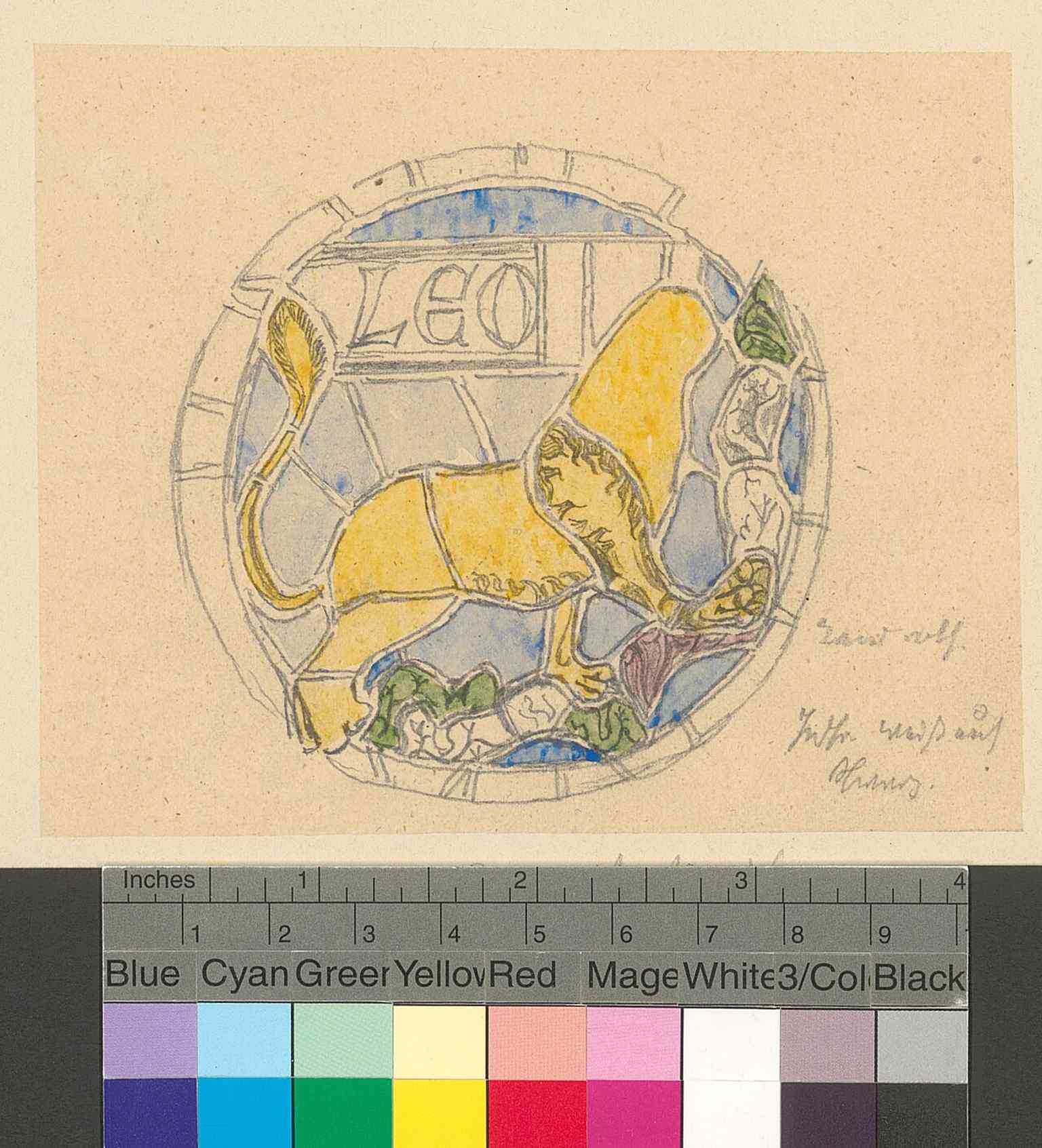
If you want a quick visual cheat sheet, glance at the rose window image in the app; its early thirteenth-century glass tries to picture the whole known world, from seasons and zodiac signs to monsters at the edges. That ambition tells you what this cathedral meant: not just a church, but a model of creation.
And yet it has survived by being stubbornly practical. The stone is molasse, a soft sandstone, beautiful and fragile. So repairs never really end. In the eighteenth century, architect Gabriel Delagrange argued fiercely against removing part of the north tower corner, warning that the odd little turret acted as a structural counterweight. He was right: touch the wrong piece, and the whole body could suffer. If you like, check the before-and-after image in the app to see how the city changed around this mass while the cathedral kept its role in the skyline.
That’s the pattern Lausanne keeps showing us: power changes costume, but the old stage never quite disappears.
Next, we move from memory in stone to memory under careful protection at the Lausanne Historical Museum, about one minute away. If you want to step inside later, the cathedral is generally open daily from nine AM to five thirty PM.






.jpg)


