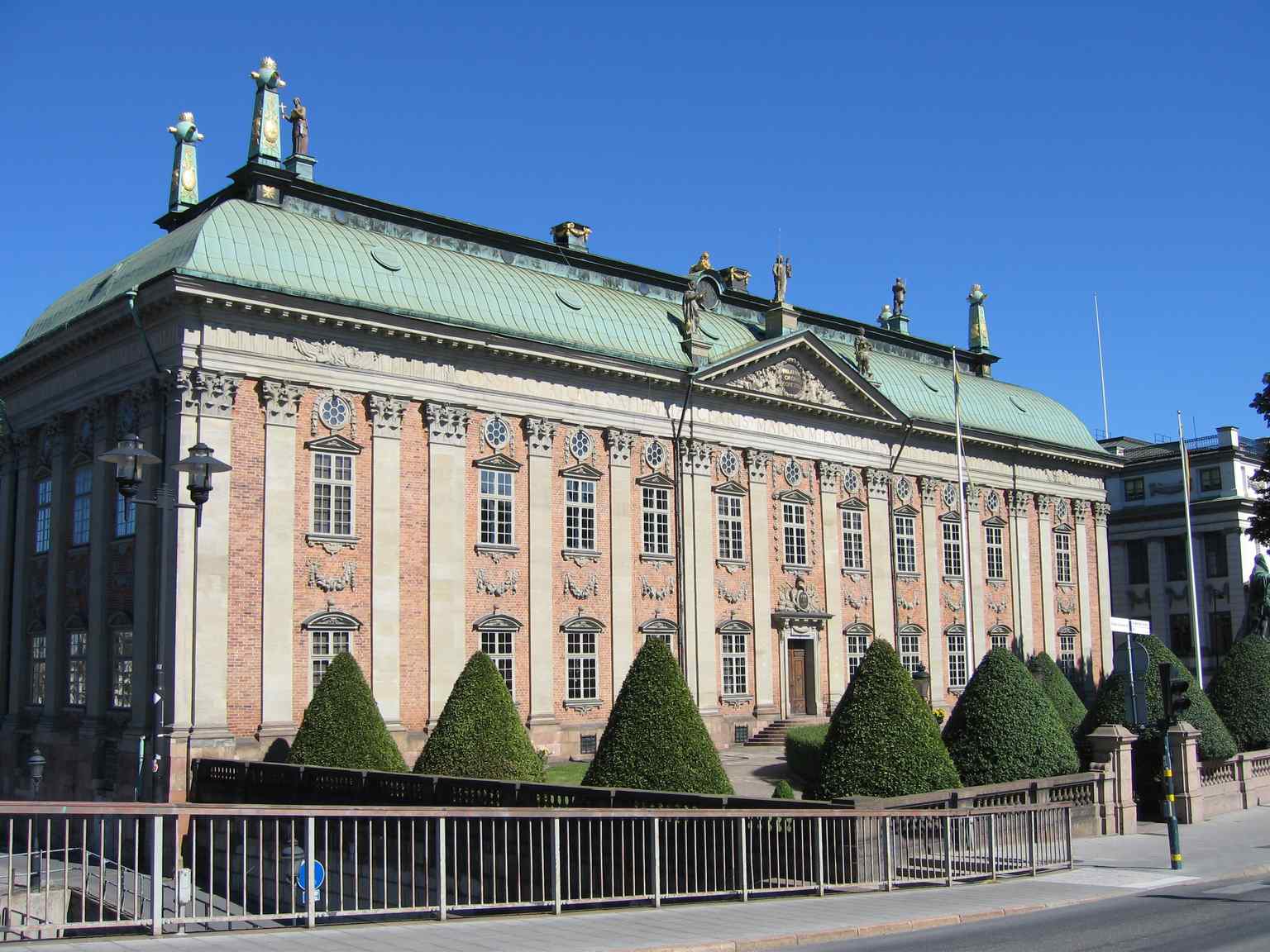
Look to your left, where you will see a grand rectangular palace built from pale sandstone and red brick, topped by a unique curved double roof with four distinct obelisks at its corners. This is the Palace of the House of Nobility.
The land you are standing near was originally bought by the immensely powerful nobleman, Axel Oxenstierna. He initially planned to build his own private residence right here. But realizing the prime location, he sold it in 1641 for three thousand riksdaler. That was a staggering fortune, easily equivalent to millions of dollars today. The plan was to create a grand administrative seat for the Swedish nobility.
To match the monumental ego of the ruling class, they needed a genius. Enter Simon de la Vallee. He was a brilliant French master builder brought in to design an absolute masterpiece. But designing for the elite in seventeenth century Stockholm was a dangerous game. The price of ambition in this era was often fatal. The high stakes world of royal and noble architecture was a maze of massive pressure, volatile egos, and deadly rivalries.
In July 1641, workers began the grueling task of digging the foundation. They had to haul enormous mounds of earth straight out into the water to expand the harbor edge. The project was moving forward. Then, the ambitious dream turned into a nightmare.
Simon de la Vallee's time as the visionary leader came to a horrific and bloody end. In November 1642, a bitter dispute broke out in a nearby public square. The architect was brutally attacked and stabbed in the open street. He lingered for eight agonizing days before dying from his catastrophic injuries. And the man who drove the blade into him? It was Colonel Erik Oxenstierna. In a dark twist of fate, the killer was a direct relative of Axel Oxenstierna, the very man who commissioned the entire project.
The murder of their star architect completely paralyzed the construction. When de la Vallee died, only the foundation had been laid out. For the next five years, the site sat practically abandoned as Sweden plunged deeper into foreign wars.
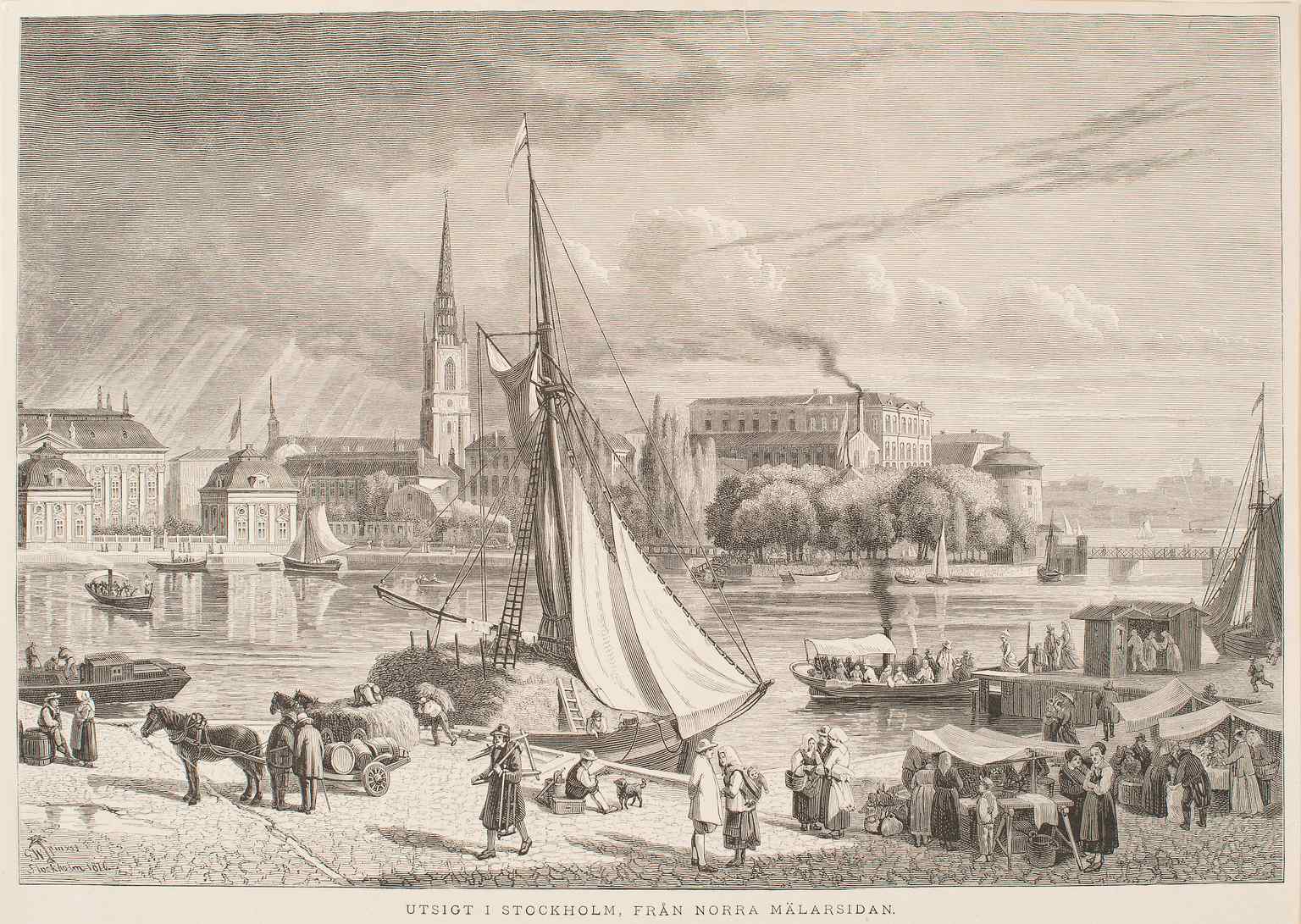
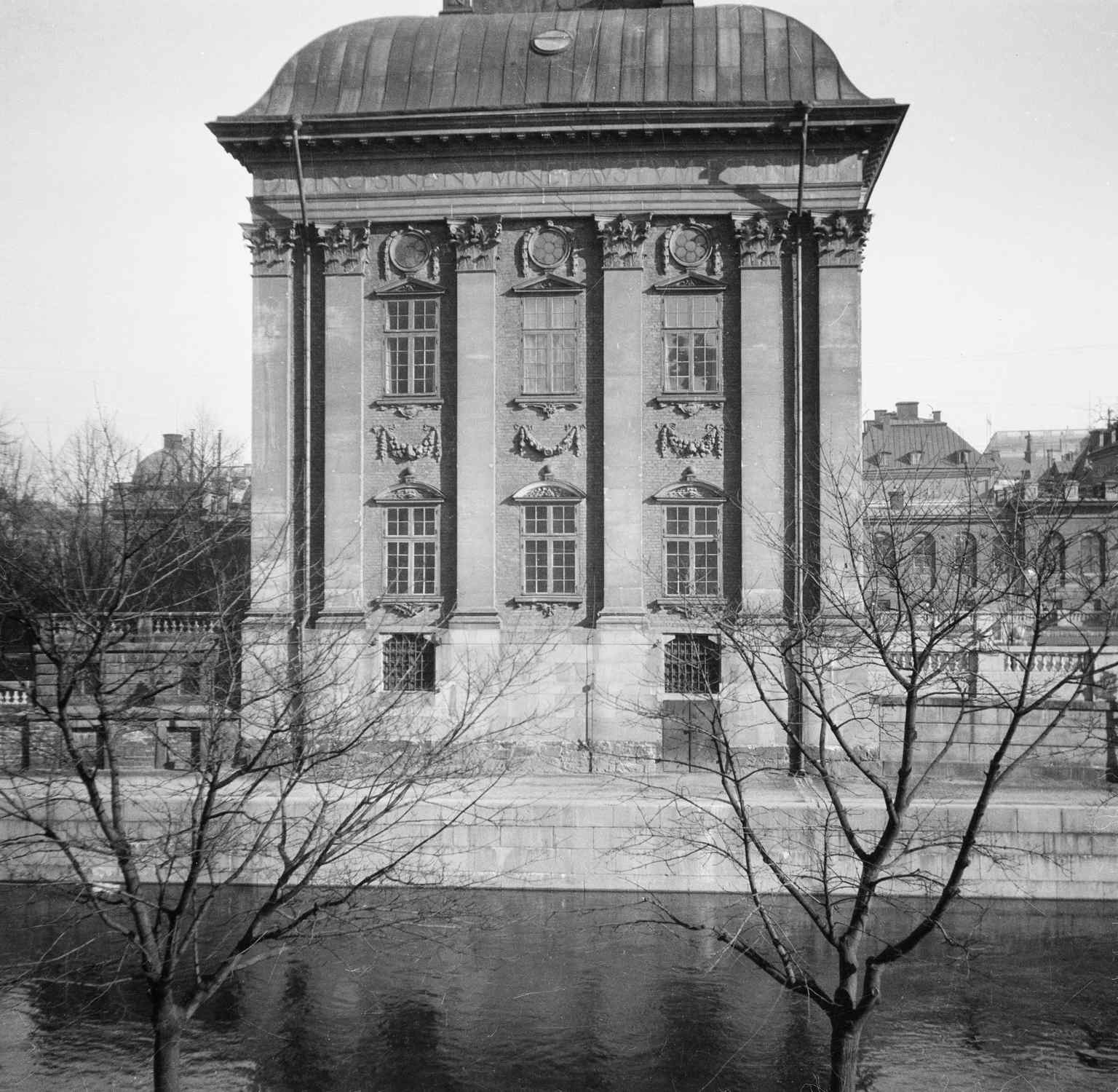
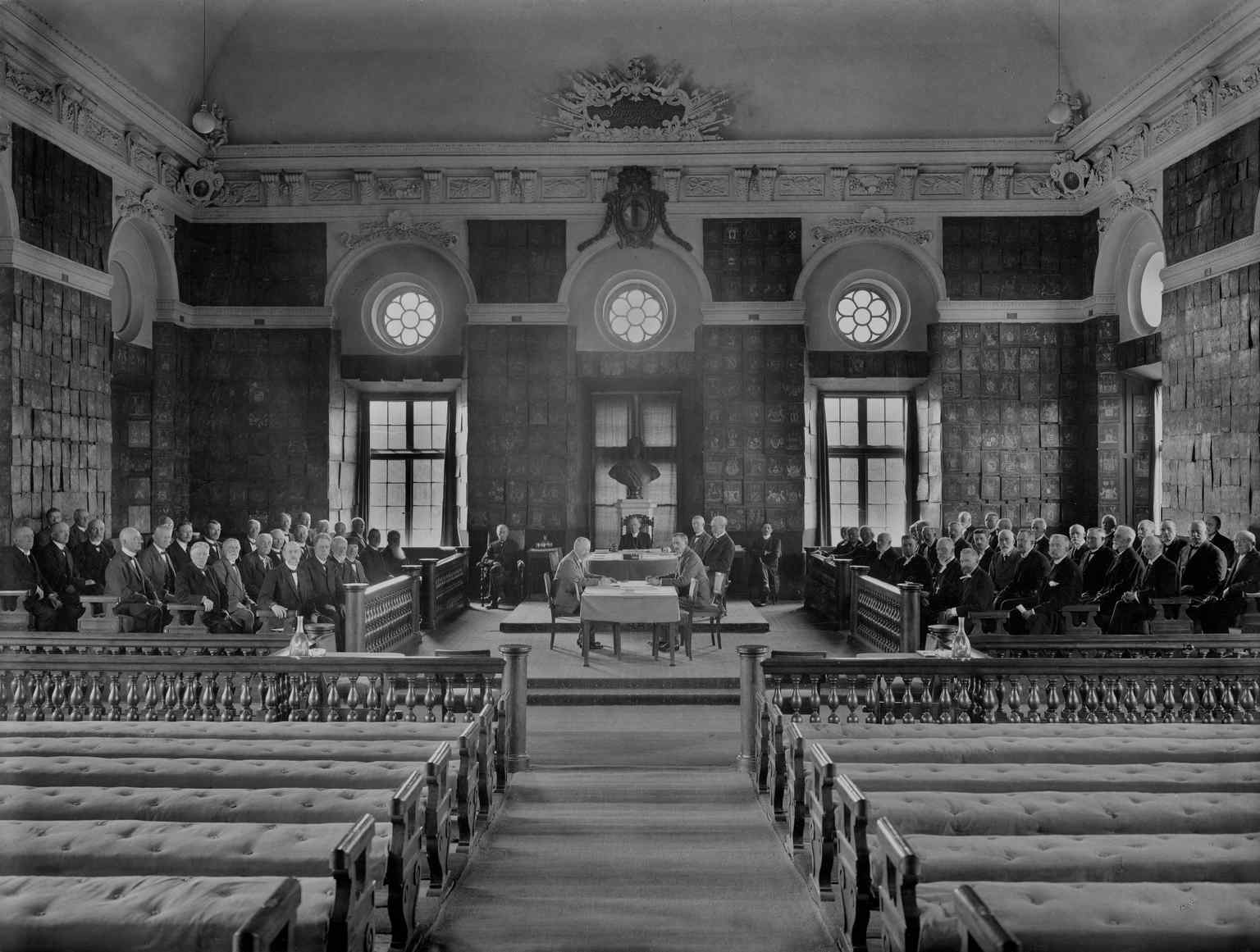
It took a revolving door of replacement architects and bitter personal feuds to finish the building decades later. If you check your screen, you can see a photo from 1918 showing the spectacular interior hall, completely covered in thousands of noble family crests. Over exactly a century, the timeless Dutch Baroque elegance of the House of Nobility has remained a steadfast anchor amidst the shifting urban landscape of modern Stockholm, which you can see for yourself in the comparison picture on your app.
If you ever want to step inside, keep in mind they keep a very tight schedule, opening only on weekdays between eleven in the morning and noon. The brutal murder of its first creator left a wake of legal and financial chaos that haunted this project for years. Let us leave this beautiful but blood-stained origin story behind and take a quick two minute walk to Bondeska Palace.