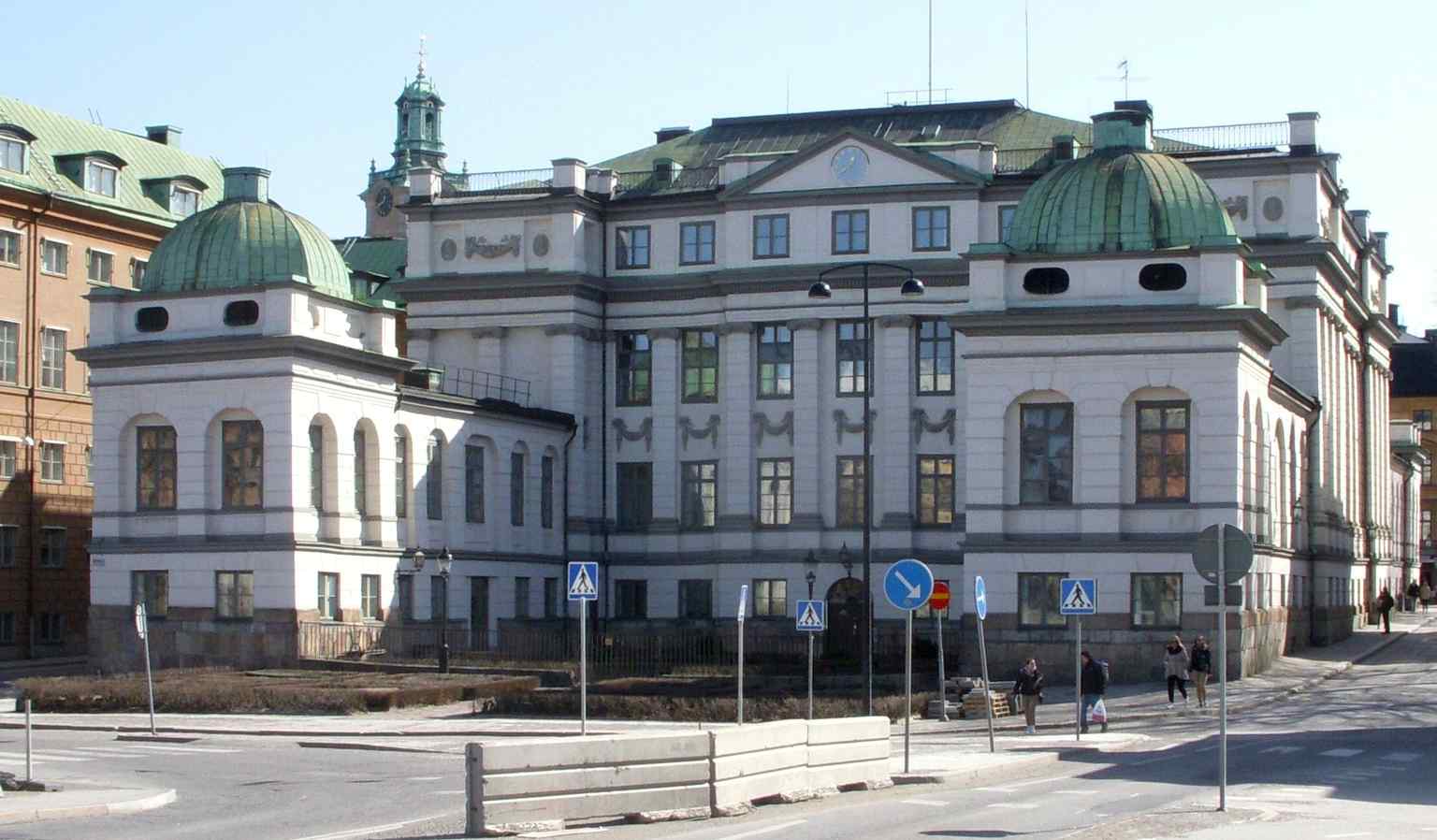
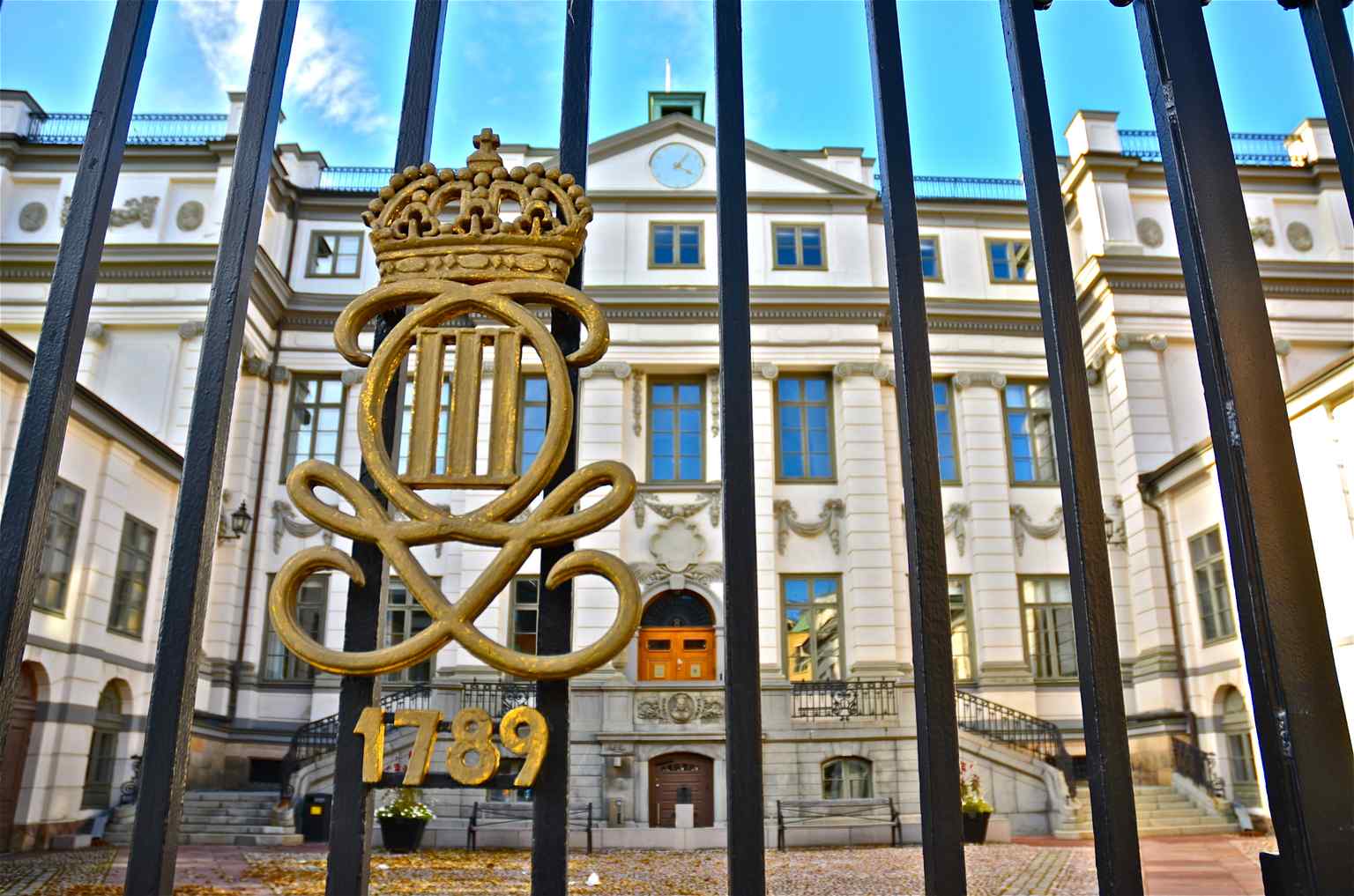
On your left sits Bondeska Palace, an imposing white stone building with a symmetrical H shape layout, featuring a deep courtyard framed by two prominent wings and a classical triangular roof structure over the main entrance.
This was built in the 1660s for Gustaf Bonde. He held the title of Lord High Treasurer, making him essentially the chief financial officer of the Swedish Empire. Now, you might assume the man in charge of the nation's ledger would be a model of fiscal restraint. You would be wrong. At the time, the Swedish state debt was skyrocketing. Yet Bonde decided this was the perfect moment to pour astronomical sums of money into a private residence.
In his testament, Bonde explicitly stated that he did not build this massive palace for his own comfort. He built it for the honor and power of his family name. He desperately needed to manifest undeniable authority. The result was so extravagant that even King Charles the Second of England reportedly remarked that Paris scarcely had a building as beautiful.
But the price of ambition is steep, and the creators who brought this vanity project to life were the ones left holding the bill. Bonde hired two of the era's most brilliant architects, Nicodemus Tessin the Elder and Jean de la Vallée. They designed a masterpiece, but the money simply was not there.
In 1667, the very year Bonde died, the project descended into a bitter legal battle. Jean de la Vallée sued Bonde's estate for unpaid labor, demanding two thousand six hundred and sixty six riksdaler. That was the old Swedish currency, and this was a staggering sum, easily equivalent to hundreds of thousands of dollars today. The architect who built the Lord High Treasurer's palace had to take his wealthy, dead client to court just to get his wages. The rather ironic payoff to this bitter dispute is that de la Vallée's incredibly detailed original blueprints were filed as evidence in the lawsuit, which is the only reason historians still have them today.
Take a glance at your app to see a view of how the stately entrance courtyard is flanked by those southern wings, perfectly designed to intimidate anyone coming to collect a debt.
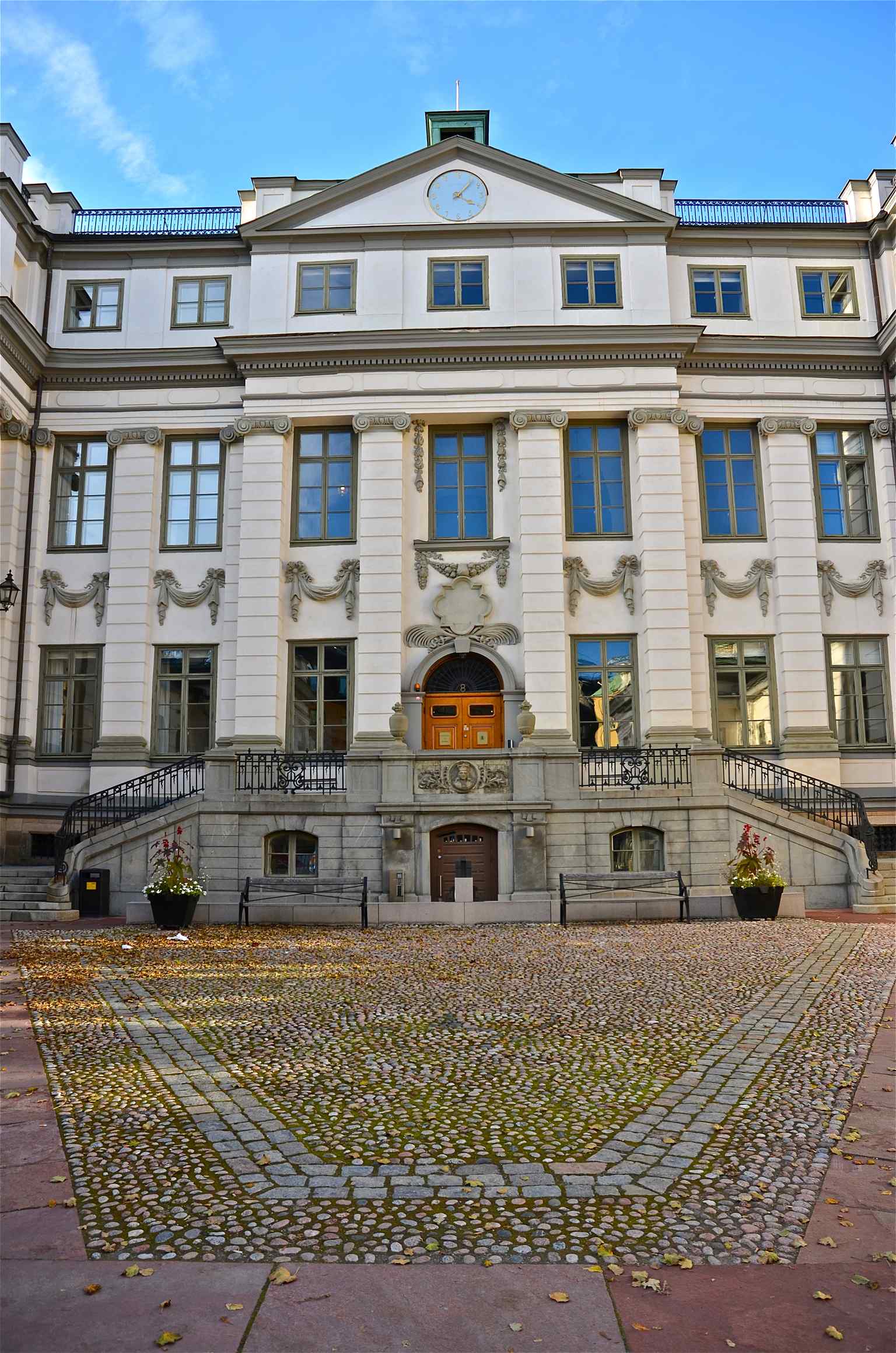
The Bonde family's finances eventually collapsed entirely. They were forced to rent the palace out, and ultimately sell it to the city. For nearly two centuries, the building served as Stockholm's City Hall and courthouse. Today, it houses the Supreme Court of Sweden. It feels incredibly fitting that a building born from unpaid bills and a massive lawsuit is now the highest legal authority in the land.
Bonde's desperate need to project power financially ruined his descendants, but he left behind a spectacular piece of architecture. Let us turn toward the ultimate symbol of that kind of royal power. Stockholm Palace is about a nine minute walk from here.