
On your left, look for a pale, orderly facade with a broad central arch and a symmetrical neoclassical front lined with evenly spaced windows.
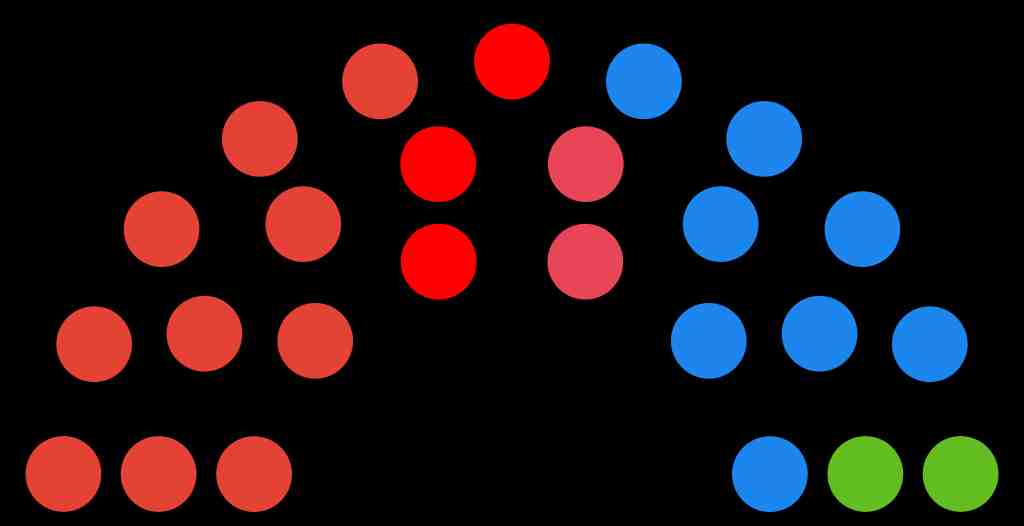
This is Zamora’s Town Hall... and, like many city governments, its story turns out to be part politics, part architecture, and part paperwork. The Town Hall is the public face of municipal power: the mayor and councilors are elected every four years, and the full council of twenty-five councillors debates the big things here, from budgets to urban planning to how the city manages its services. Heroic? Not always. Important? Constantly.
What makes this square interesting is that civic authority did not stay still. The old Town Hall stood opposite, and for centuries that older building carried the weight of meetings, records, weapons, and even punishment. In fifteen twenty-three, fire tore through it and destroyed part of the municipal archive. That sounds dry until you picture what vanished: property records, decisions, disputes, the paper memory of a city. A fire does not only burn wood and shelves; it can punch holes in how a place remembers itself.
The old building kept changing because the city kept outgrowing it. In sixteen oh three, the council decided it needed more room for meetings and for storing the city’s weapons. Then, between sixteen twenty-two and sixteen thirty-seven, they reshaped it completely. Builders gave it two levels of Renaissance galleries - open, elegant arcaded walkways - and replaced solid stone parapets with wrought-iron railings. One part of the upper floor even served as a jail. So the Town Hall was not just a respectable civic palace. It also locked people up. Administration, as ever, came with a sharper edge than the paperwork suggests.
Then came another blow. In eighteen seventy-nine, a major fire hit the Plaza Mayor and changed its appearance again. That disaster pushed the city toward a new municipal headquarters here, in the former Casa de las Panaderas. When officials rehabilitated this building in the early twentieth century, they kept its neoclassical facade and the arch that once allowed Calle del Medio to pass between the Plaza Mayor and the Costanilla. Finally, on the eighteenth of July, nineteen fifty, the old Town Hall stopped serving as the seat of government, and civic power crossed the square into this building.
Even now, city memory keeps being renegotiated here. The city still relies on the secretariat and registry - the modern custodians of records. In other words, someone still has to guard the papers that fire once stole. And in a lighter mood, the city even tuned the Plaza Mayor bells to play “The Final Countdown” for the Z Live Rock festival, proving that municipal authority can, on occasion, develop a sense of humor.
There is one more unfinished thread. The old Town Hall has reappeared in debate as a possible museum for Baltasar Lobo, Zamora’s exiled sculptor. That idea matters because official memory is fragile: archives burn, buildings change jobs, and names outlast functions. In about six minutes, at the Museo de Zamora, we’ll see how a city tries to gather its scattered memory back together.




