AudaTours logoAudaTours

Stop 5 of 15

Zamora Museum

Zamora Museum
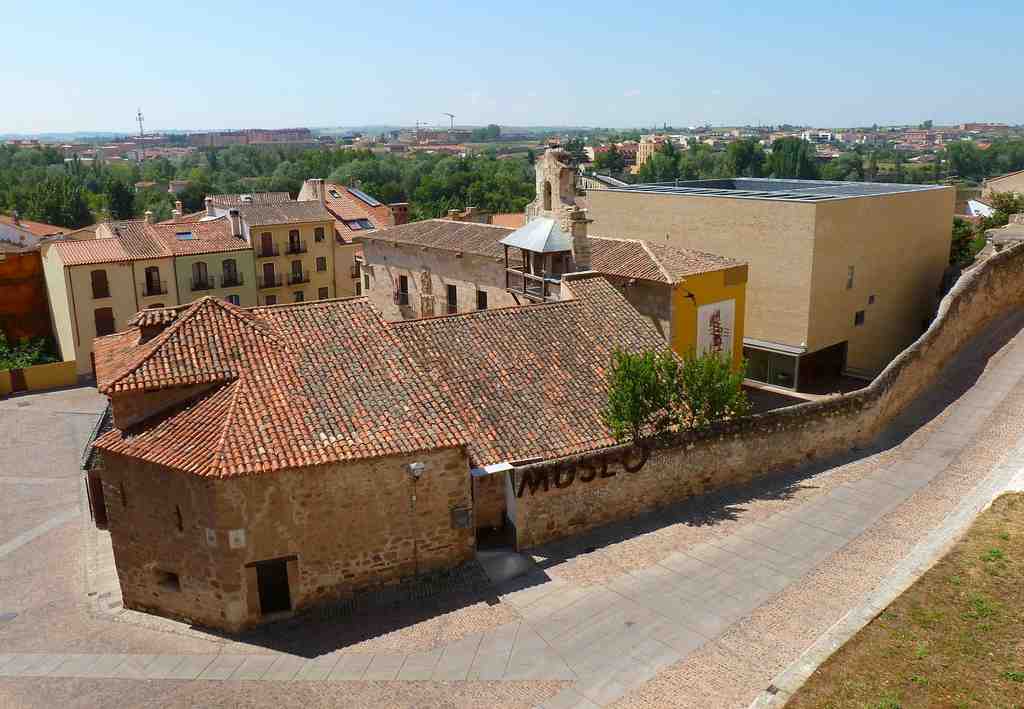
Museo de Zamora
Museo de ZamoraPhoto: Outisnn, Wikimedia Commons, CC BY-SA 3.0. Cropped & resized.

On your left, look for a pale stone palace facade with a long rectangular front and its distinctive horizontal cordon molding, backed by a clean cubic museum volume.

From the street, the Museo de Zamora looks fairly composed... which is impressive, because its life has been one long argument with disappearance.

This is where Zamora keeps a lot of its displaced heritage. By that I mean objects pushed out of their original homes by the nineteenth-century state confiscation and sale of church property, then shuffled again by demolition, delays, and lack of space. The collection does not just tell history; it has survived some of the same instability.

Locals sometimes smile at the museum’s birth certificate. King Alfonso the Twelfth inaugurated it in eighteen seventy-seven... symbolically. In real life, the museum did not properly open to the public until nineteen eleven, and even then it occupied the old convent of Las Marinas on Santa Clara in a pretty fragile setup. Then that building came down in nineteen seventy-five. The collections went into storage in the former Hospital of the Encarnación, and newspapers later recalled that some pieces even endured precarious storage in two churches before they finally found a lasting home here. Cultural memory, in other words, spent decades couch-surfing.

The solution took time. In the early nineteen eighties, people chose this site: part of the old Palacio del Cordón, the neighboring church of Santa Lucía, and a new extension designed by Luis Moreno Mansilla and Emilio Tuñón. Even that rescue stalled. The work stopped, restarted, changed shape, and only on the twenty-eighth of July, nineteen ninety-eight did the museum finally reopen in the form you see now. About sixteen years passed between the grand idea and the actual visitable building. Very Spanish, some might say... though hardly unique.

What matters is how carefully the place wears its scars. Behind the old palace facade, Mansilla and Tuñón raised a new cube and folded into it surviving arches from the original courtyard and part of the staircase. Inside, the route uses ramps across two floors, so the building feels less like a box of treasures and more like a stitched-together memory. Even the materials tell that story: Villamayor stone outside, zinc on the roof, teak underfoot.

The strongest section is archaeology. If you glance at your screen, those Roman mosaics from Requejo show the museum at full strength. There is also the Bell Beaker grave set from Villabuena del Puente, and the pre-Roman treasures of Arrabalde, linked to the lawyer and antiquarian Victorino Llordén, who tracked the find near the Castro de las Labradas. Scholars later rethought what that treasure meant, and in nineteen eighty-four a private donor added six more denarii tied to the same discovery. So even now, the story keeps getting revised.
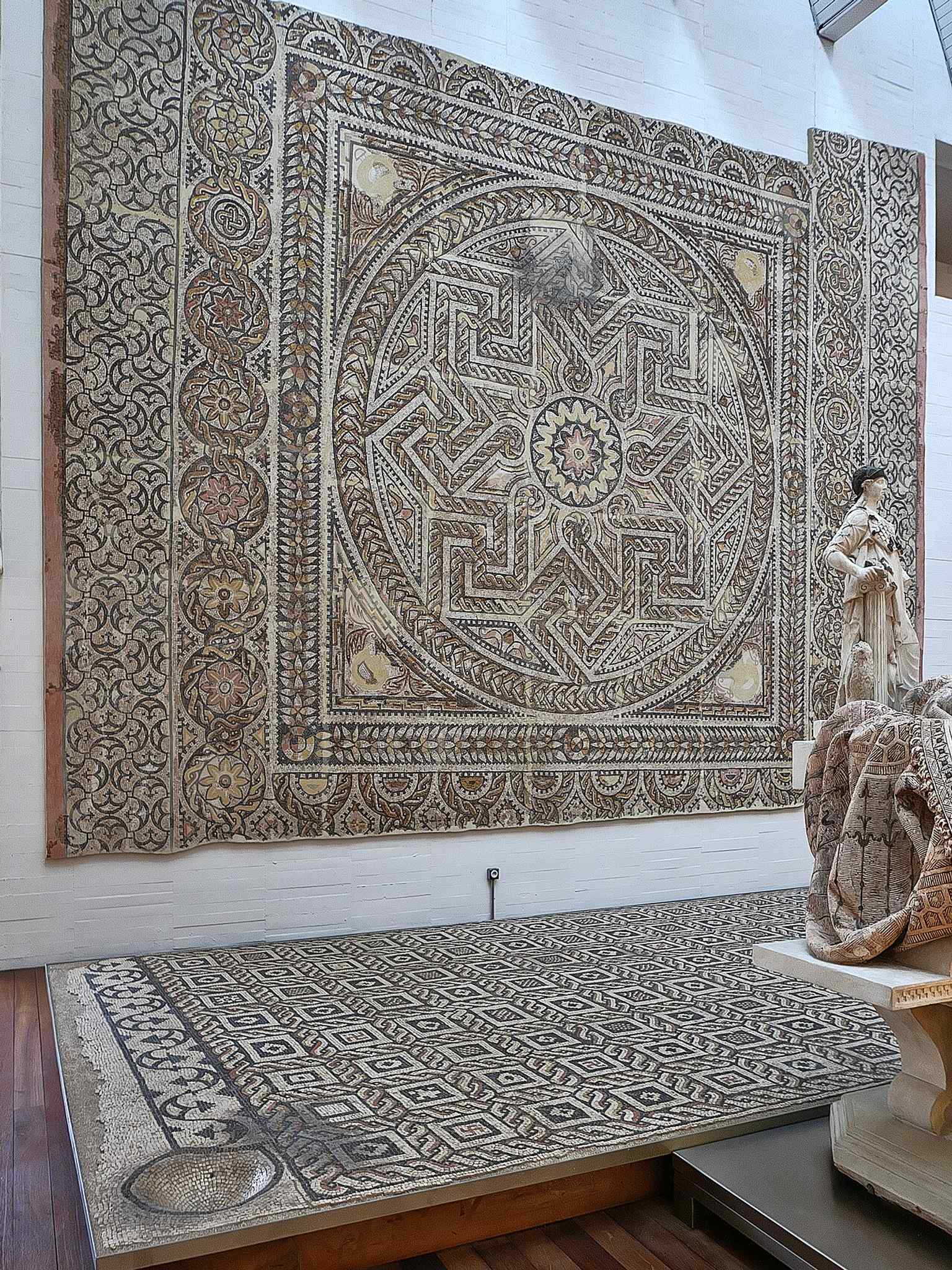
The Roman mosaics from Requejo show why archaeology is the museum’s strongest section, with geometric floors from a luxurious villa in Santa Cristina de la Polvorosa.
The Roman mosaics from Requejo show why archaeology is the museum’s strongest section, with geometric floors from a luxurious villa in Santa Cristina de la Polvorosa.Photo: Jl FilpoC, Wikimedia Commons, CC BY-SA 4.0. Cropped & resized.

Inside you also get Visigothic gold crosses from Villafáfila, still shadowed by mystery, paintings and sculpture gathered after suppressed monasteries vanished, and a room on the city itself with iron weather vanes so beloved they count as local celebrities.

And then there is the lovely twist: not all memory stays indoors. One of Zamora’s best-known public monuments, the bronze Viriato you are heading to next, also connects back to museum culture and even to the Prado’s long reach in this city. In about six minutes, we’ll meet him in the square, where history stops being stored and starts posing.

If you want to come back inside later, the museum is closed on Monday and otherwise opens from ten to two, with afternoon hours Tuesday through Saturday from four to nine.
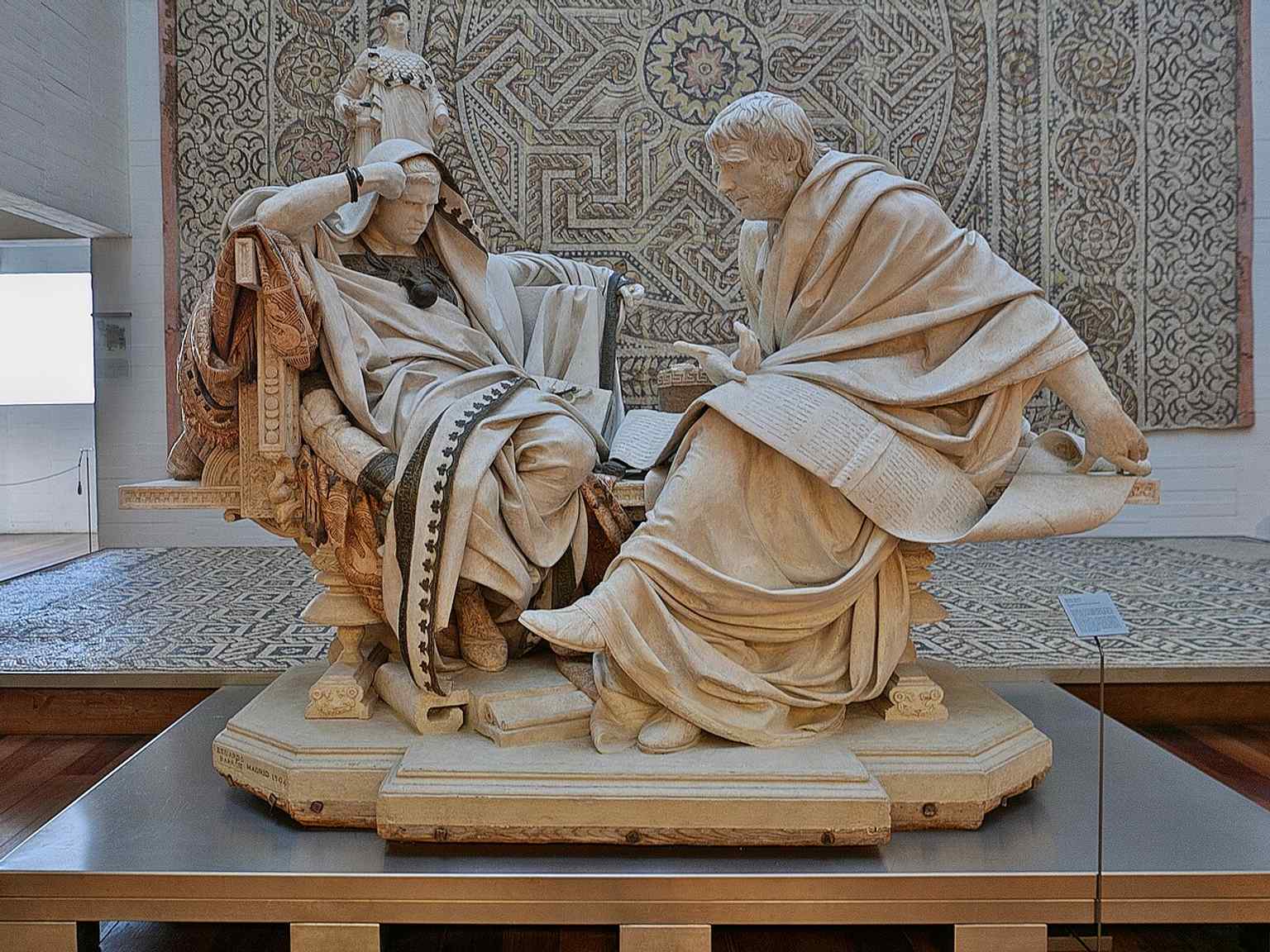
Eduardo Barrón’s plaster model for Nero and Seneca links the museum’s sculpture collection to one of its best-known 20th-century artists.
Eduardo Barrón’s plaster model for Nero and Seneca links the museum’s sculpture collection to one of its best-known 20th-century artists.Photo: Jl FilpoC, Wikimedia Commons, CC BY-SA 4.0. Cropped & resized.
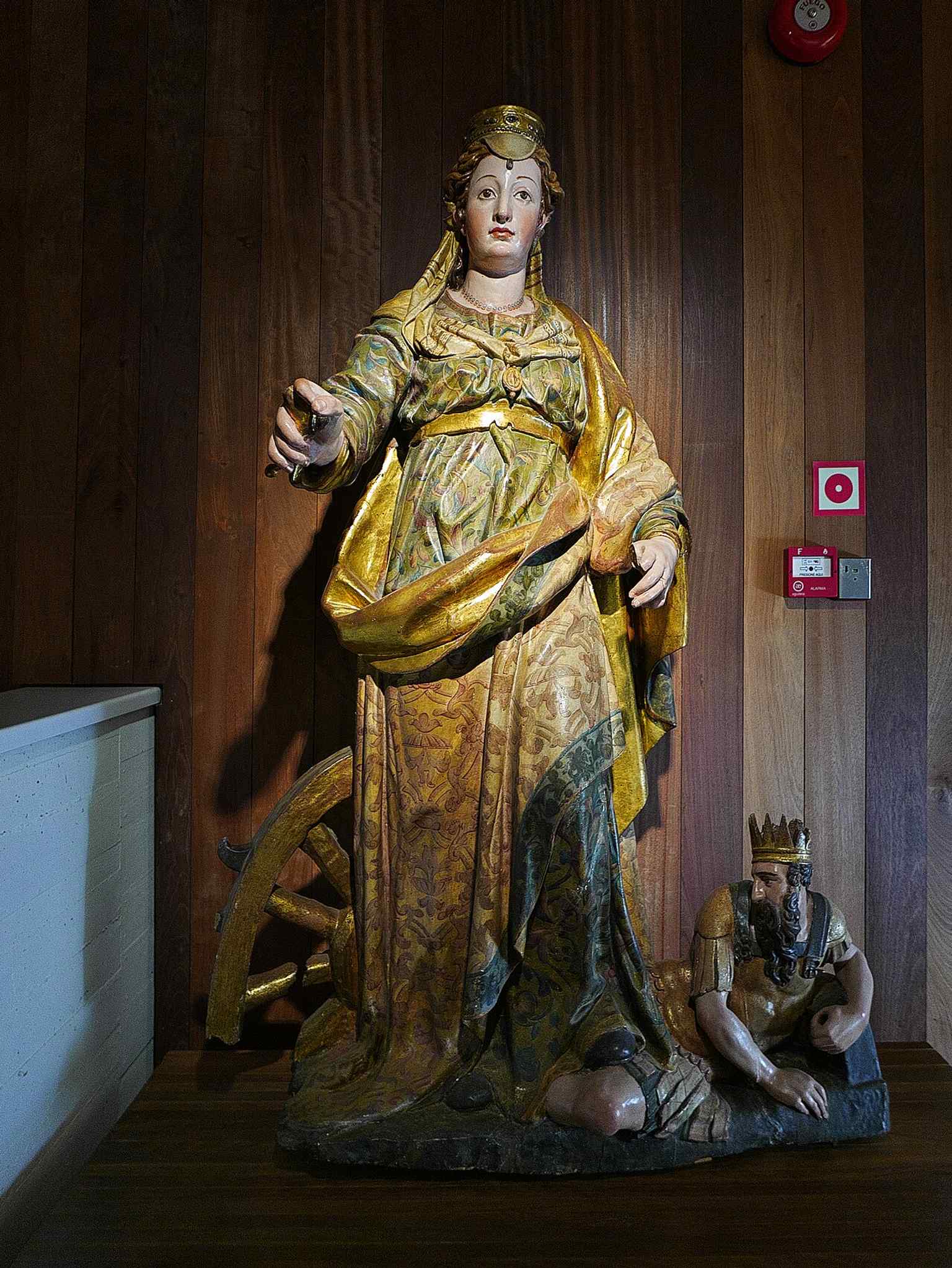
This polychrome 16th-century statue reflects the museum’s bellas artes holdings, built partly from religious art saved after the suppression of local monasteries and convents.
This polychrome 16th-century statue reflects the museum’s bellas artes holdings, built partly from religious art saved after the suppression of local monasteries and convents.Photo: Jl FilpoC, Wikimedia Commons, CC BY-SA 4.0. Cropped & resized.
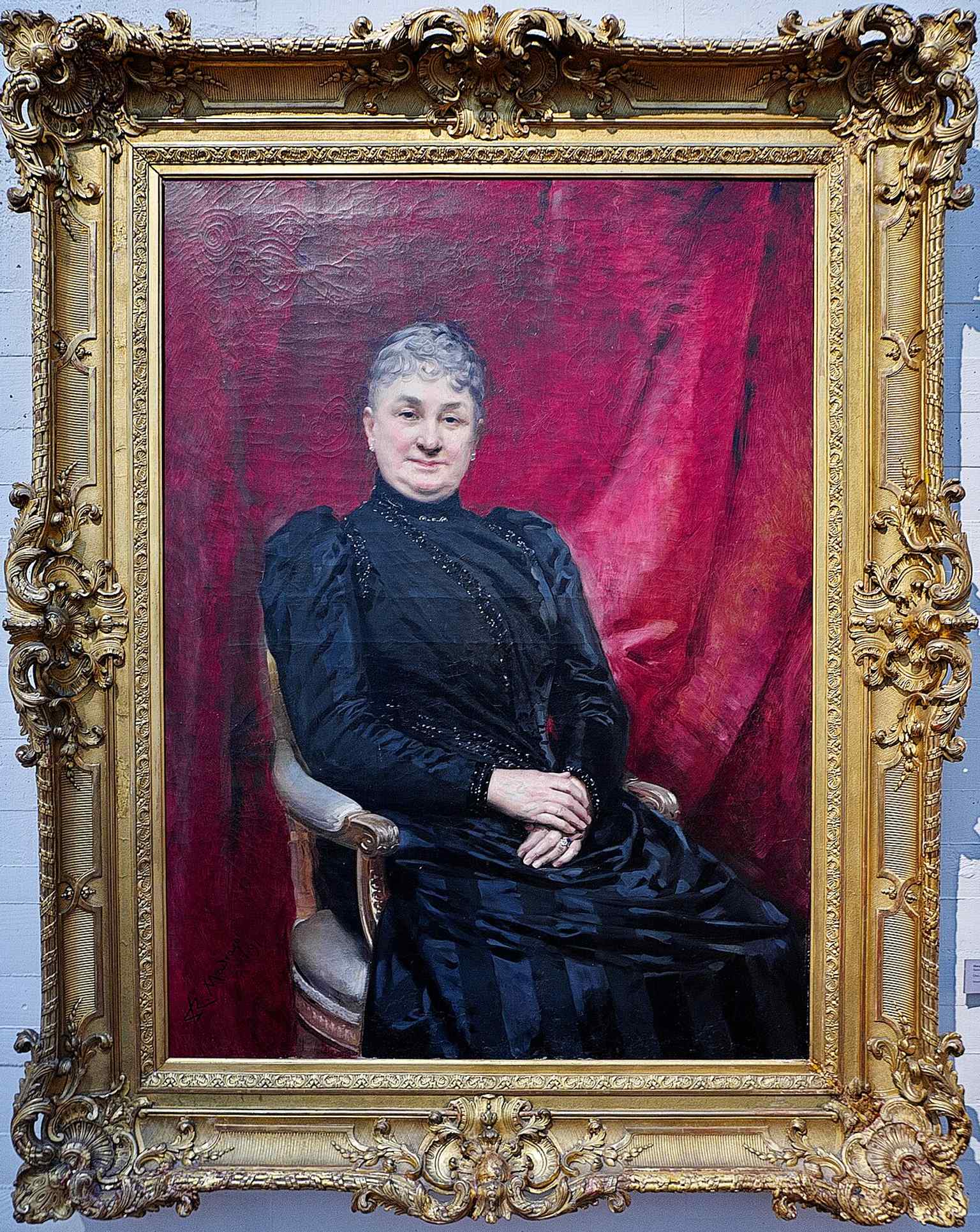
Raimundo de Madrazo’s portrait of the Marchioness of Perinat is one of the museum’s standout paintings from the 19th century.
Raimundo de Madrazo’s portrait of the Marchioness of Perinat is one of the museum’s standout paintings from the 19th century.Photo: Jl FilpoC, Wikimedia Commons, CC BY-SA 4.0. Cropped & resized.
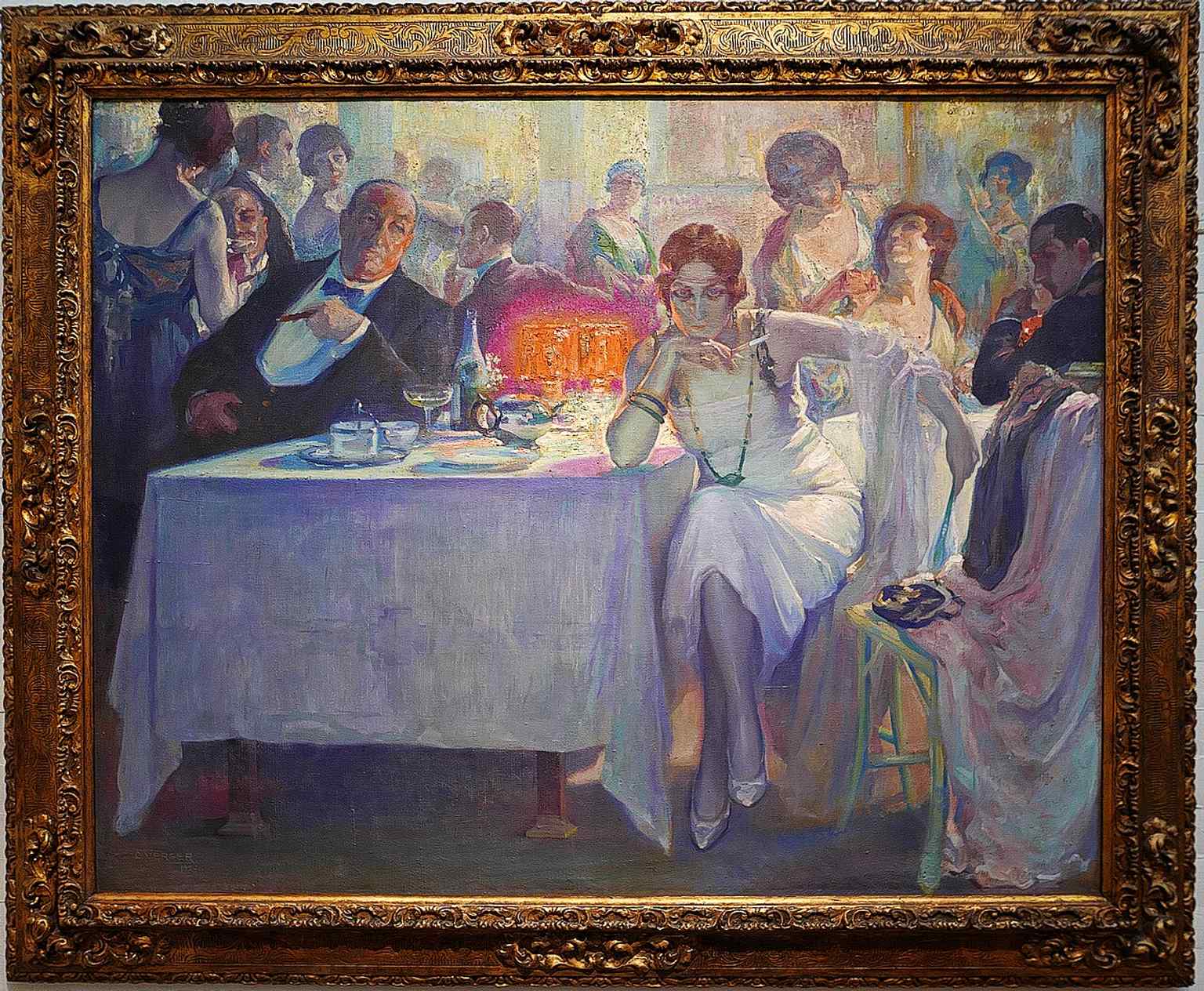
Carlos Verger Fioretti’s 1920 painting adds a later chapter to the museum’s fine arts collection, which spans from the 15th century to the mid-20th century.
Carlos Verger Fioretti’s 1920 painting adds a later chapter to the museum’s fine arts collection, which spans from the 15th century to the mid-20th century.Photo: Jl FilpoC, Wikimedia Commons, CC BY-SA 4.0. Cropped & resized.
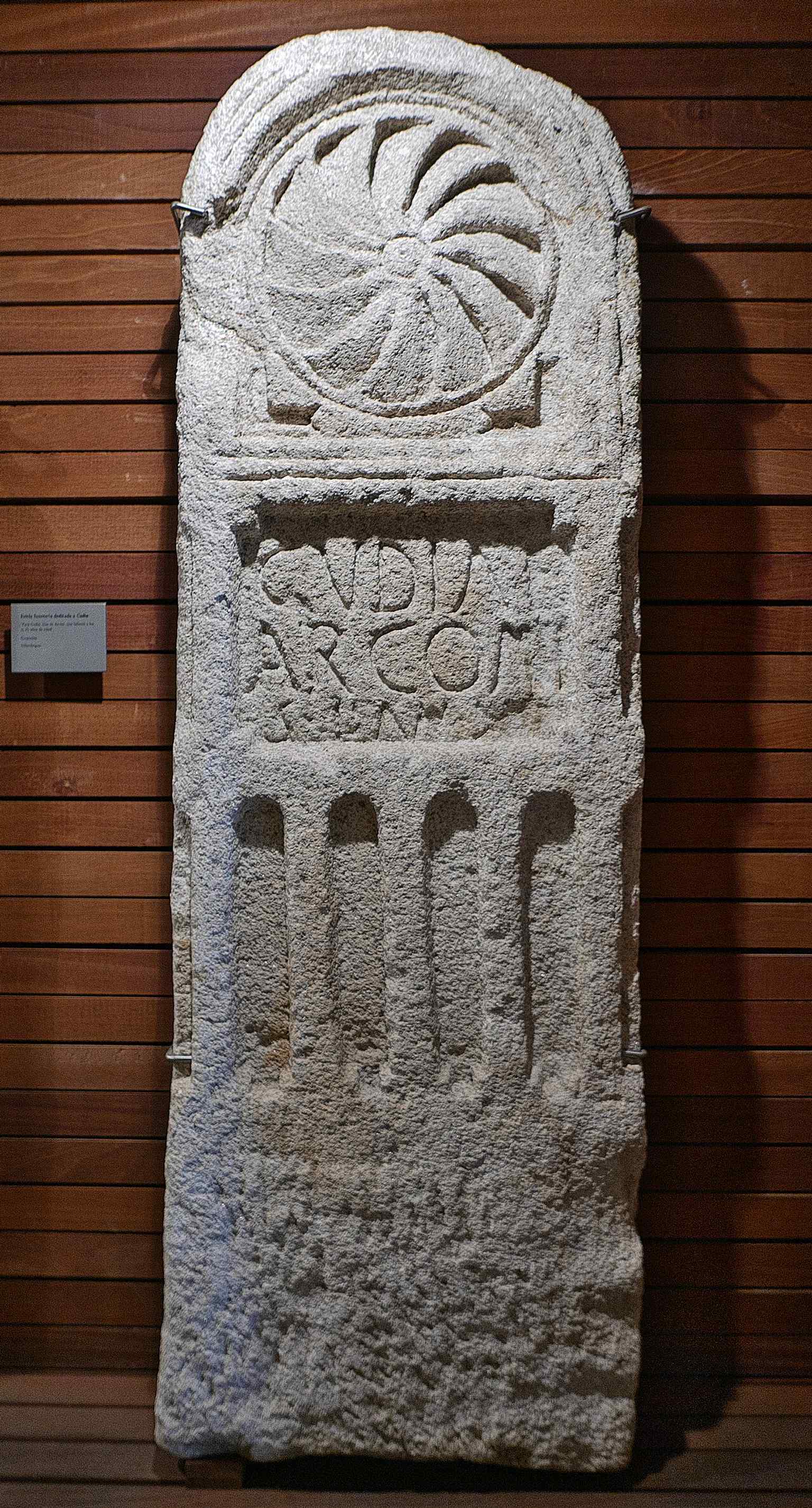
This Roman funerary stele from Villardiegua de la Ribera fits the museum’s archaeology gallery, where inscriptions and stone pieces help tell the province’s ancient history.
This Roman funerary stele from Villardiegua de la Ribera fits the museum’s archaeology gallery, where inscriptions and stone pieces help tell the province’s ancient history.Photo: Jl FilpoC, Wikimedia Commons, CC BY-SA 4.0. Cropped & resized.
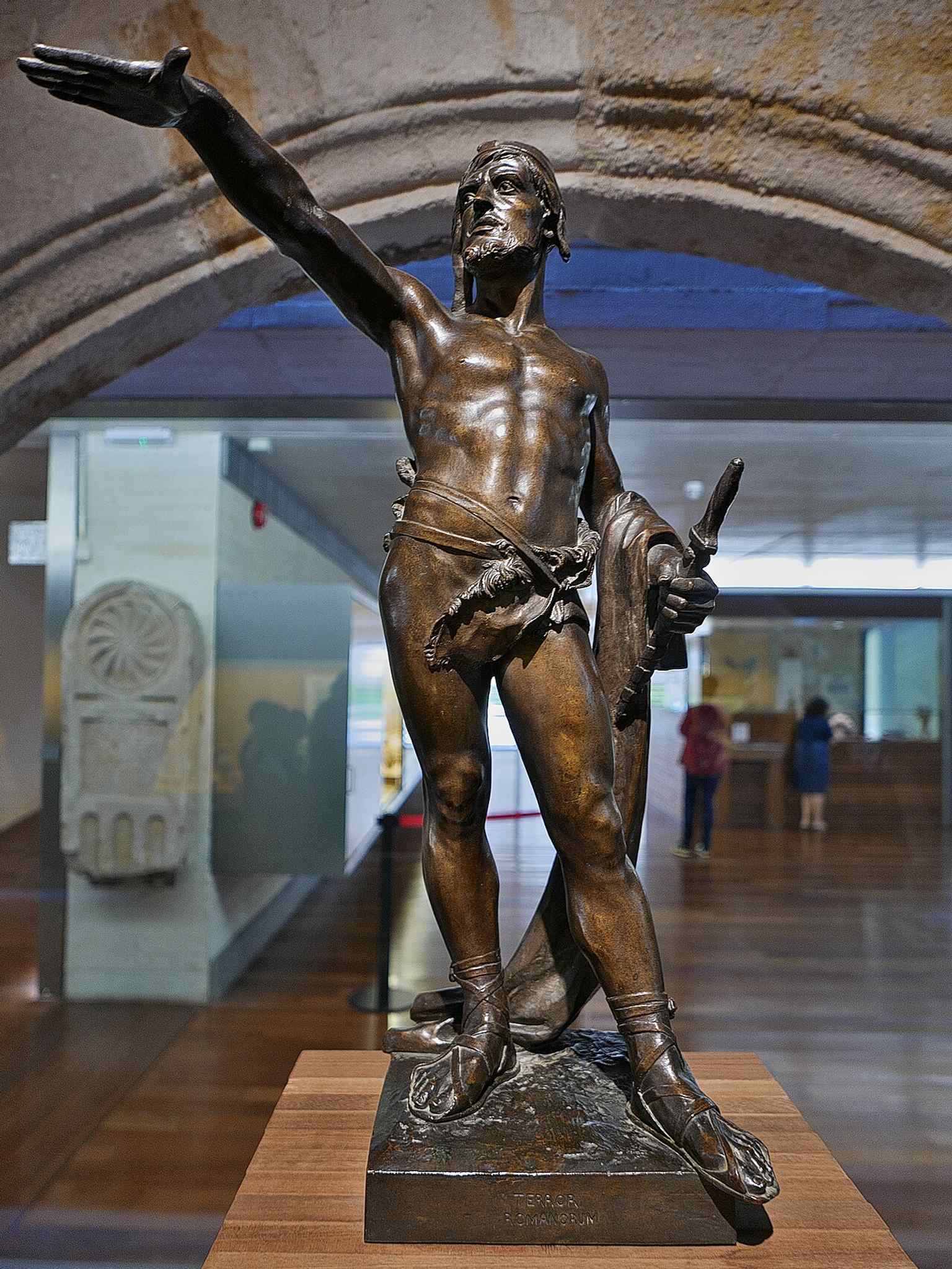
Eduardo Barrón’s bronze Viriato is a key sculpture associated with Zamora, echoing the city’s pride in its legendary warrior hero.
Eduardo Barrón’s bronze Viriato is a key sculpture associated with Zamora, echoing the city’s pride in its legendary warrior hero.Photo: Eduardo Barrón González, Wikimedia Commons, Public domain. Cropped & resized.
arrow_back Back to Zamora Audio Tour: Zamora's Historic Heartbeat
Loved by travellers

Thousands of tours started.
Plenty of opinions.

4.8 across the App Store and Google Play. Here's a few we keep coming back to.

starstarstarstarstar
This was a solid way to get to know Brighton without feeling like a tourist. The narration had depth and context, but didn't overdo it.
Christoph
Christoph
Brighton Tour
starstarstarstarstar
Started this tour with a croissant in one hand and zero expectations. The app just vibes with you, no pressure, just you, your headphones, and some cool stories.
download Get the app

Pop your headphones in.
Step outside.

Free to download. Tours in every city. Start in 60 seconds — no account, no card.

Download on the App StoreGet it on Google Play
starstarstarstarstar_half
4.8
AudaTours app icon
headphones
~ 4 min until your first tour starts
public
1,000+ cities worldwide
all_inclusive
AudaTours
Unlimited

Every tour. Every city. One subscription.

3101 tours2271 cities138 countries50+ languages