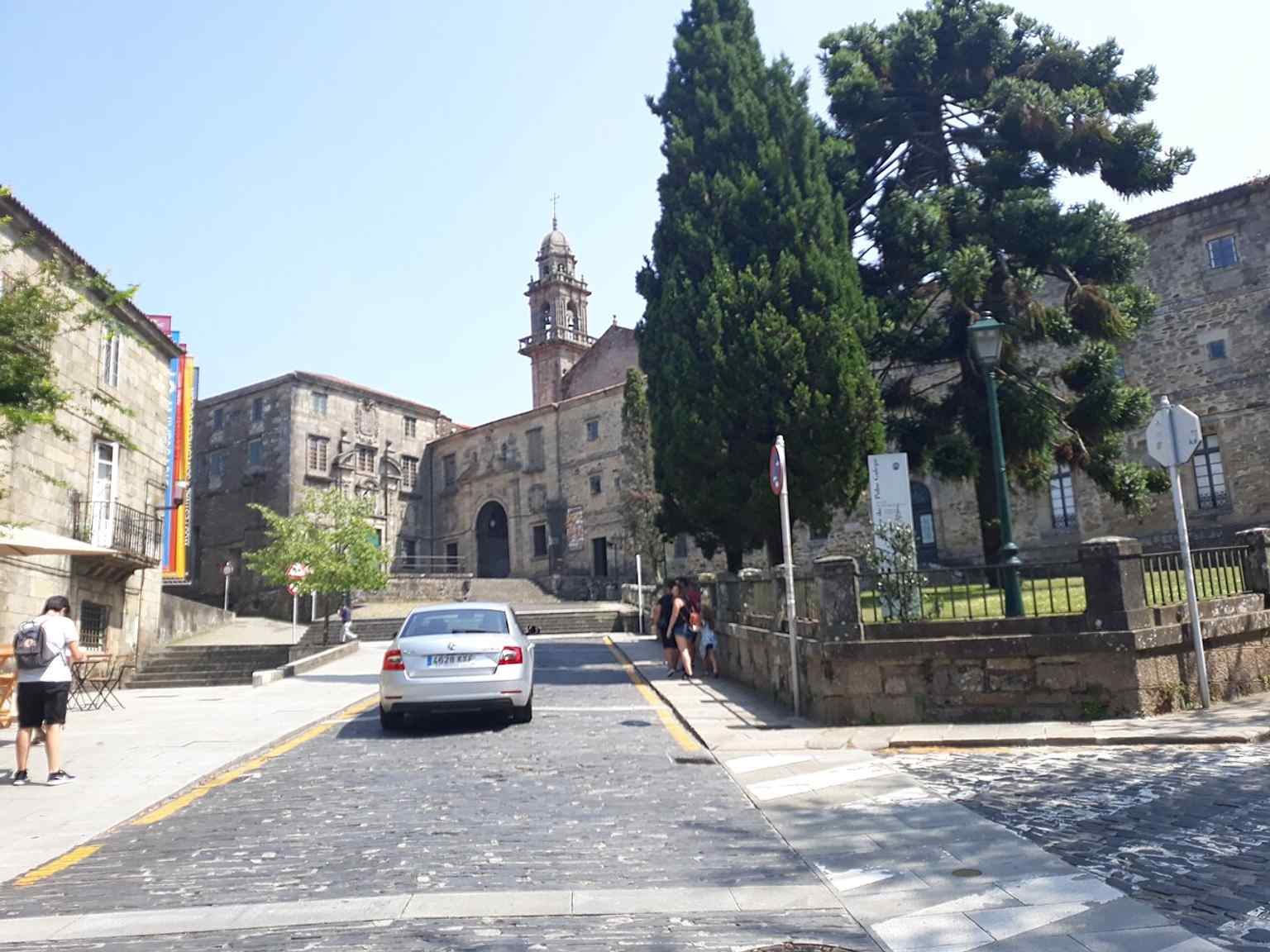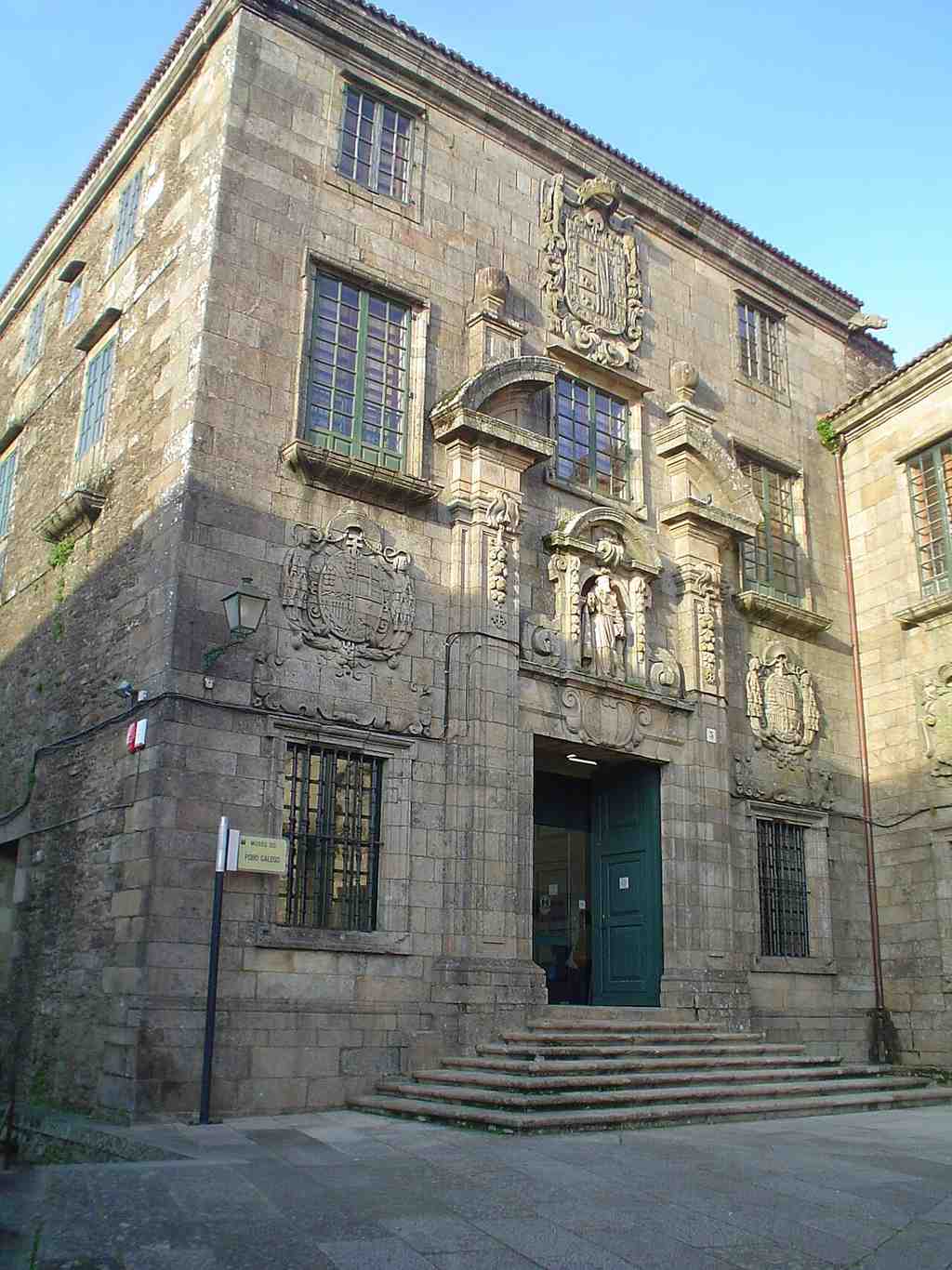
Right in front of you is a sturdy granite building, with thick stone walls flanking a wide arched doorway and a row of rectangular windows on the upper level. The former convent of Santo Domingo de Bonaval hosts the Museum of the Galician People.
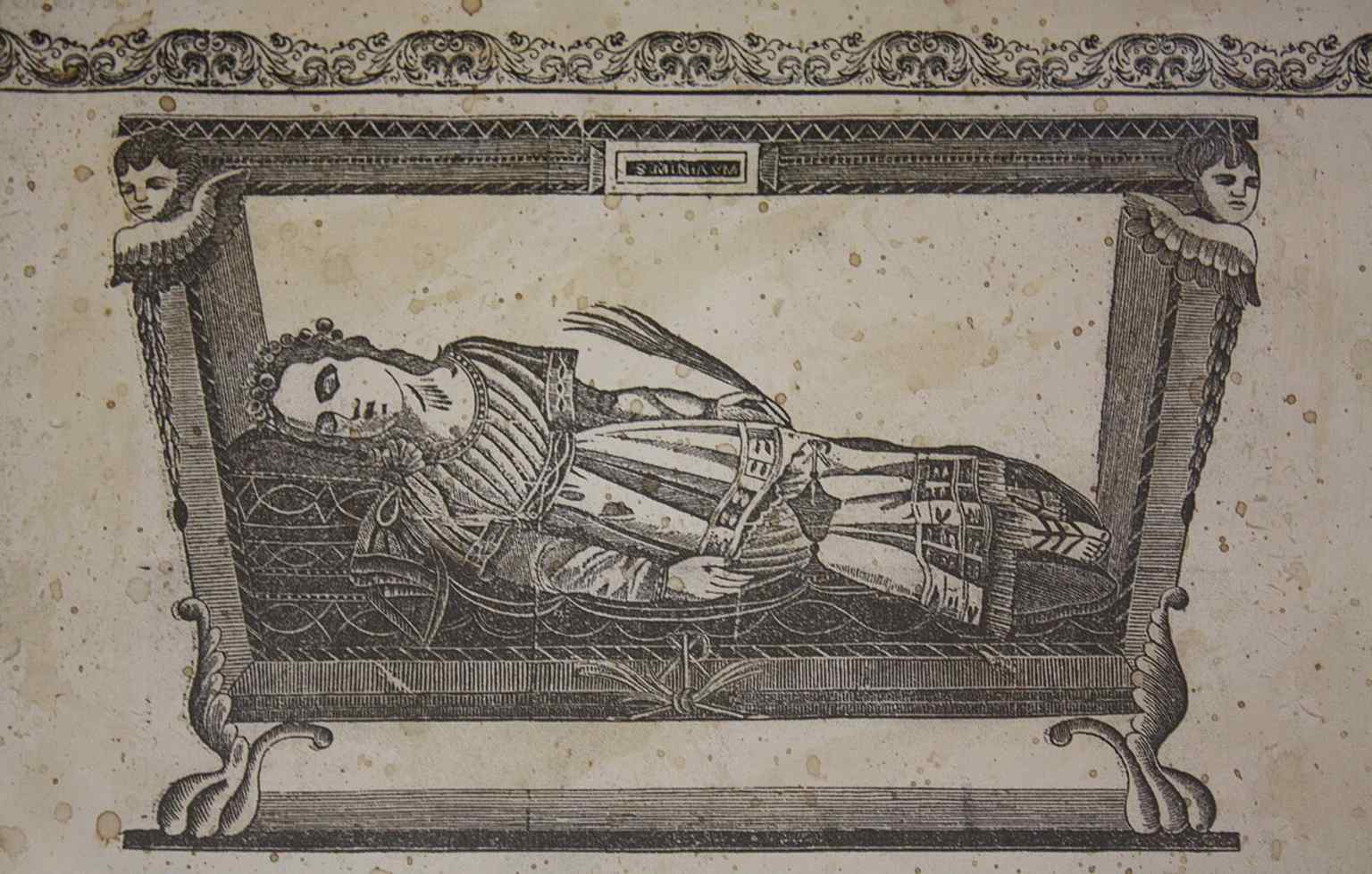
Most visitors do not realize where that name, Bonaval, comes from. It is actually a mashup of a medieval cry, Ven e valme, which means, come and help me. Back in thirteen thirty, a local blacksmith named Juan Tuorum shouted this as a prayer when guards unjustly dragged him to the gallows for standing up to an ambitious archbishop. His prayer worked, the authorities halted the execution, and the name stuck.
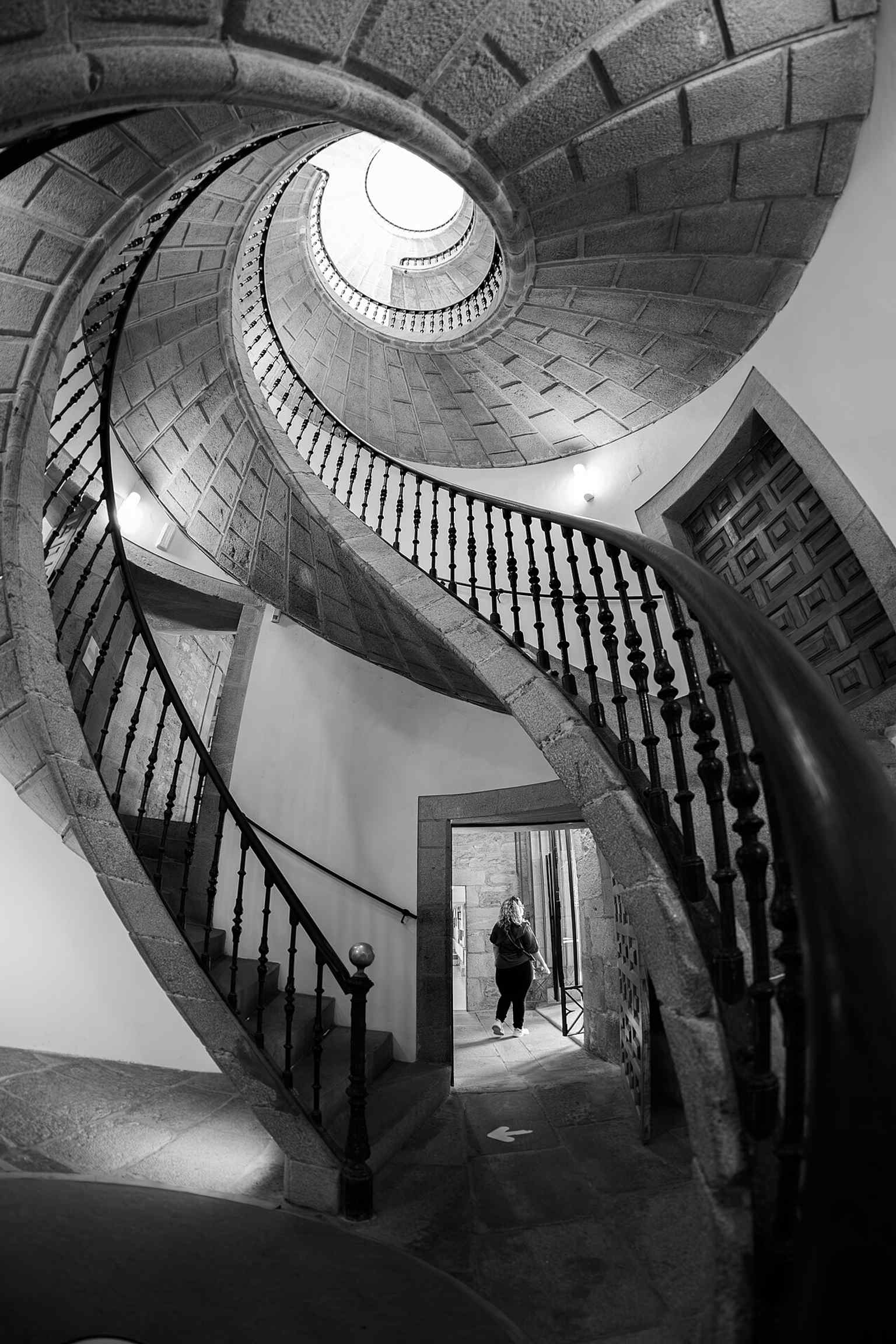
That clash between high-reaching authority and the grounded faith of the locals is baked right into the stones here. Look at your app for a moment to see what sits hidden inside these walls. Domingo de Andrade designed that triple helical stone staircase as a masterpiece of the highly ornate baroque style. Each of the three granite ramps spirals upward without a central column, allowing monks to access different floors without ever crossing paths. Andrade built it to symbolize a pure, spiritual ascent toward the Holy Trinity, completely detached from earthly distractions. Though today, modern engineers are battling a very earthly problem to save it, as underground moisture slowly creeps up through the porous granite.
The religious order has long since departed, and today, this space serves a different kind of devotion. For our entire journey, we have explored grand cathedrals and powerful rulers, but this museum is dedicated entirely to the everyday lives we have been uncovering.
During the nineteen seventies, this convent sat in near ruin. After decades of cultural suppression under the regime of Francisco Franco, local champions like Antonio Fraguas decided to reclaim their heritage. Franco's government had purged Fraguas from his teaching post after the Spanish Civil War, but Fraguas believed that every peasant's wooden clog or tambourine was an open book about survival. He and his colleagues worked without funding to rescue forgotten traditions.
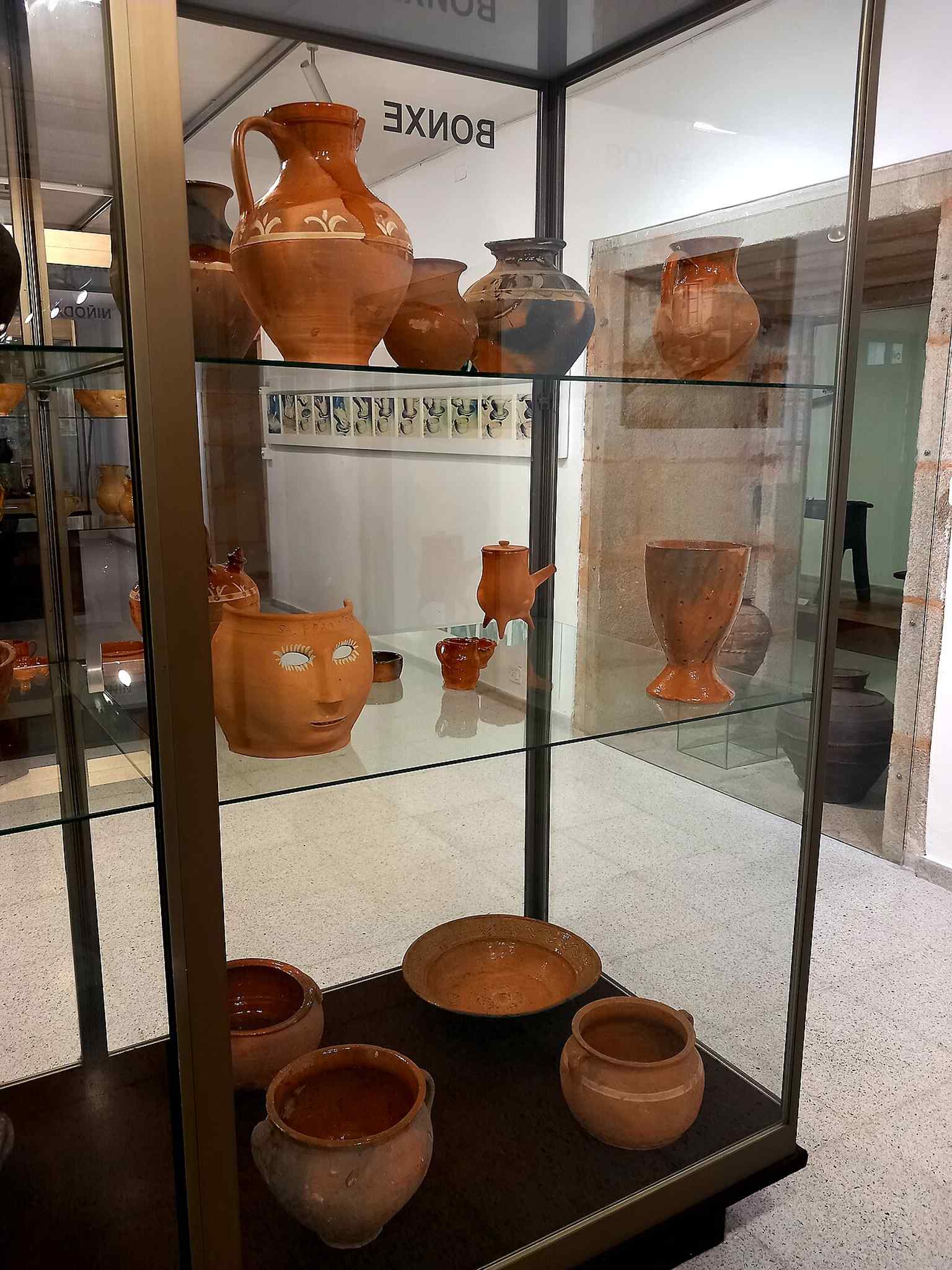
You can check your screen again to see some of what they saved. This is traditional pottery from the village of Bonxe. A man named Luciano García Alén and his wife spent years driving out to remote villages, rescuing these beautiful, practical ceramics just as modern factories began to replace them.
The museum also houses the Pantheon of Illustrious Galicians. It serves as a sanctuary for the poets, leaders, and mapmakers who forged the region's identity. In nineteen eighty-four, the return of the exiled nationalist leader Castelao from Buenos Aires sparked massive protests right at these doors. Locals fought the police to ensure politicians did not manipulate his legacy.
It is a fitting end to our tour. The grand architecture of Santiago is breathtaking, but the true treasure of Galicia is its people. Their quiet resilience and vibrant culture outlast every empire and every ambitious archbishop. If you want to explore the collections, the museum opens from eleven in the morning to six in the evening Tuesday through Saturday, and eleven to two on Sundays. Thank you for walking with me, and enjoy the rest of your time in this incredible city.