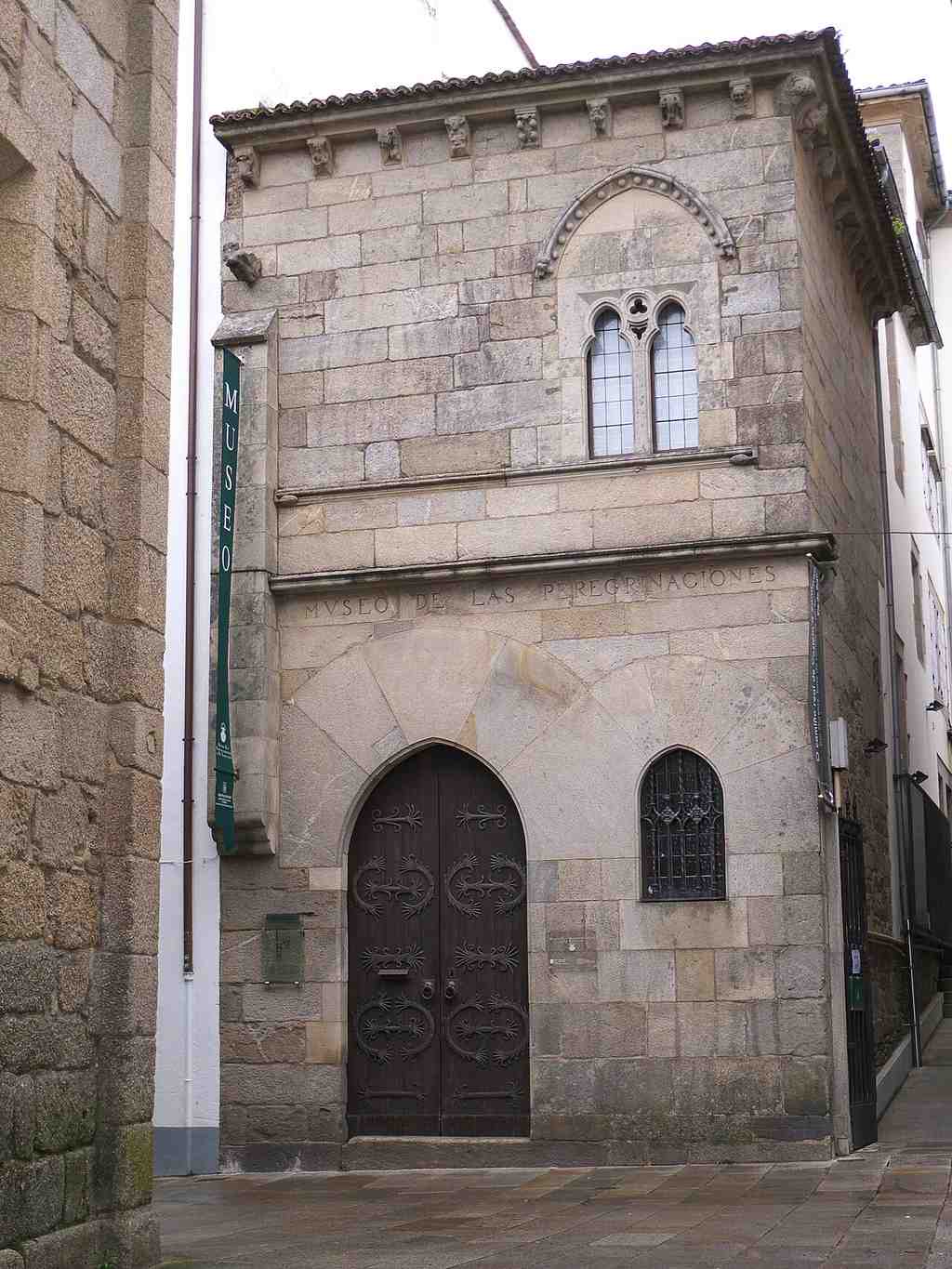
On your left, you will spot a stout, blocky building constructed of rough-hewn stone, featuring a striking double-arched wooden door and an elegant two-light Gothic window on its upper level. This is the historic Gothic House, one of the sites making up the Museum of Pilgrimages and Santiago.
The story of this museum really begins with a man named Manuel Chamoso Lamas. He arrived in the city in nineteen forty-four, not to found an institution, but to mediate a bitter, fierce conflict over whether to tear out the cathedral's baroque choir to restore its original Romanesque purity. He ended up staying to unearth the literal foundations of the city's history.
Chamoso Lamas approved the removal, which gave him the perfect excuse to lead archaeological digs right beneath the basilica. It was a brilliant maneuver. In nineteen fifty-five, his excavations struck gold, or rather, stone. He discovered the burial slab of Bishop Teodomiro, the ninth-century figure credited with originally finding the tomb of Saint James. Suddenly, the ancient legends were backed by hard, archaeological proof.
To house these massive discoveries, this museum was formally created in nineteen fifty-one. But for decades, it lived a sort of phantom existence. Grand heavenly aspirations often run headfirst into tight earthly budgets. For nearly forty-five years, the museum existed mostly on official government paperwork, only briefly opening its doors during special holy years before quietly shutting again.
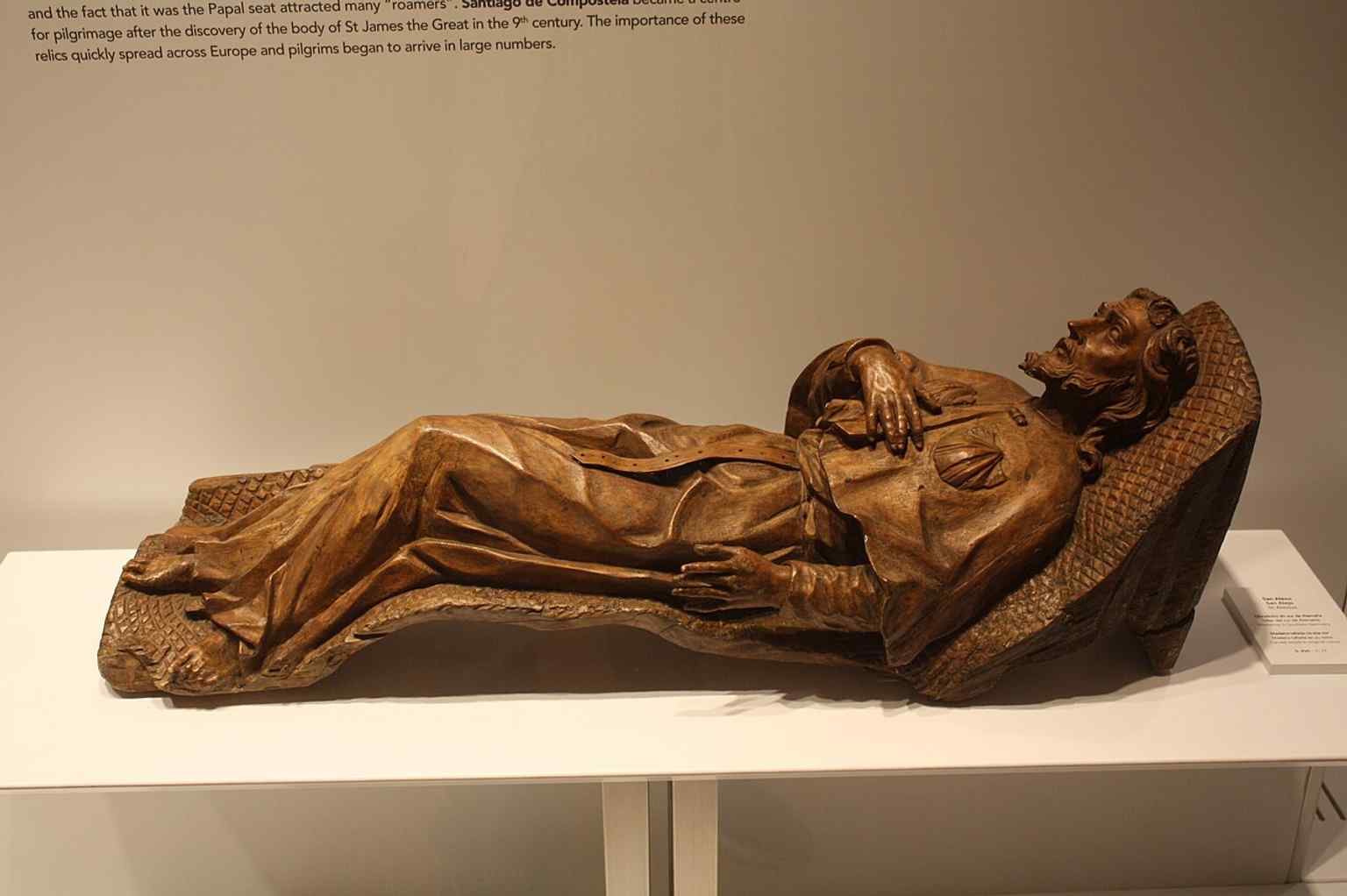
Thankfully, modern efforts to preserve this profound history eventually won out. Today, the museum spans several restored buildings across the city center, meticulously capturing what it meant to walk the Camino across the centuries. Inside, they go far beyond displaying old stones. Experts actually studied the medieval stone sculptures of musicians in the cathedral, and used those carvings to build fully functional, wooden replicas of fiddles and harps. They brought silent stone back to life, allowing modern visitors to hear the exact music that echoed through the nave, the grand central aisle of the church, during the Middle Ages.
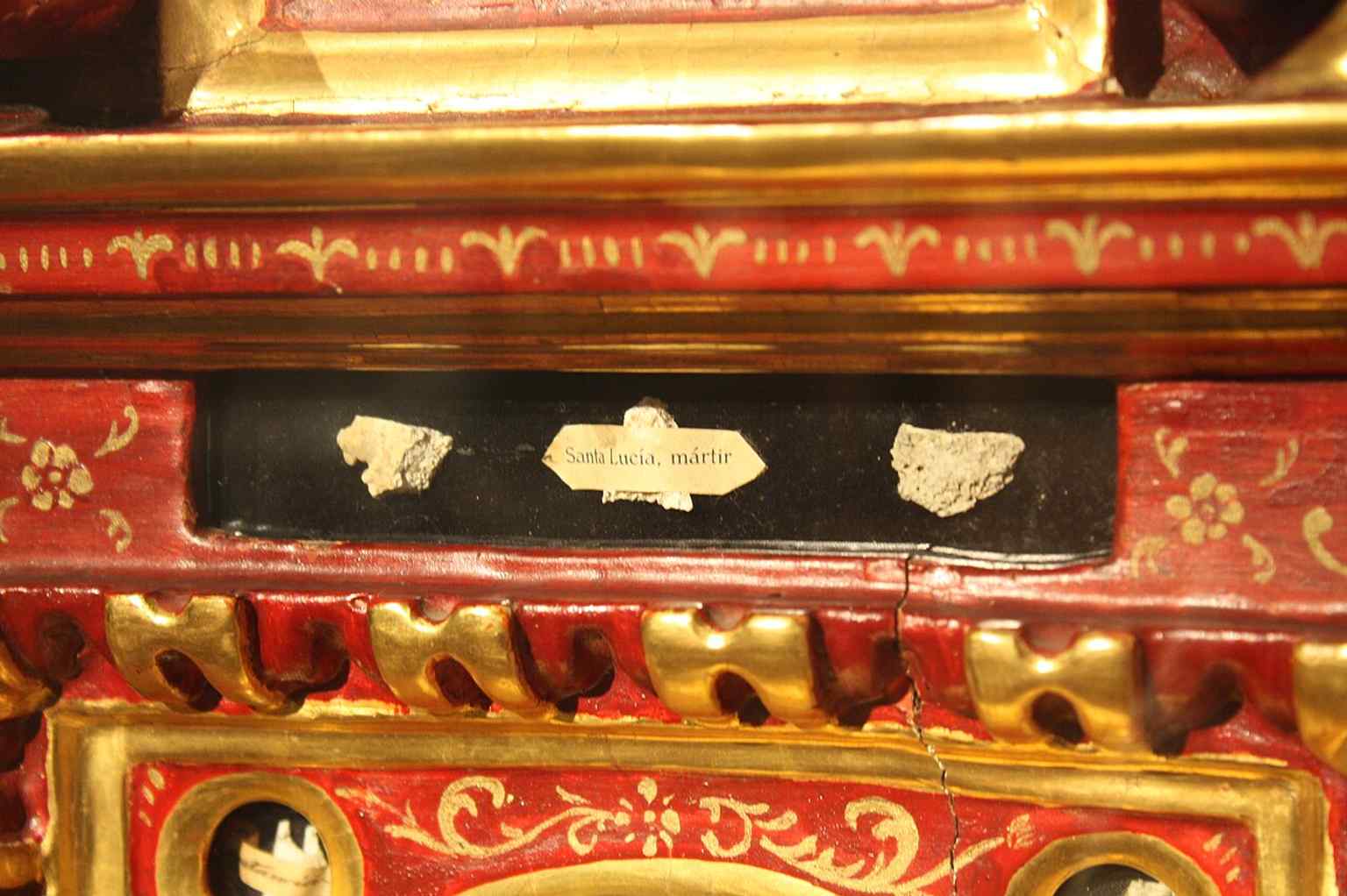
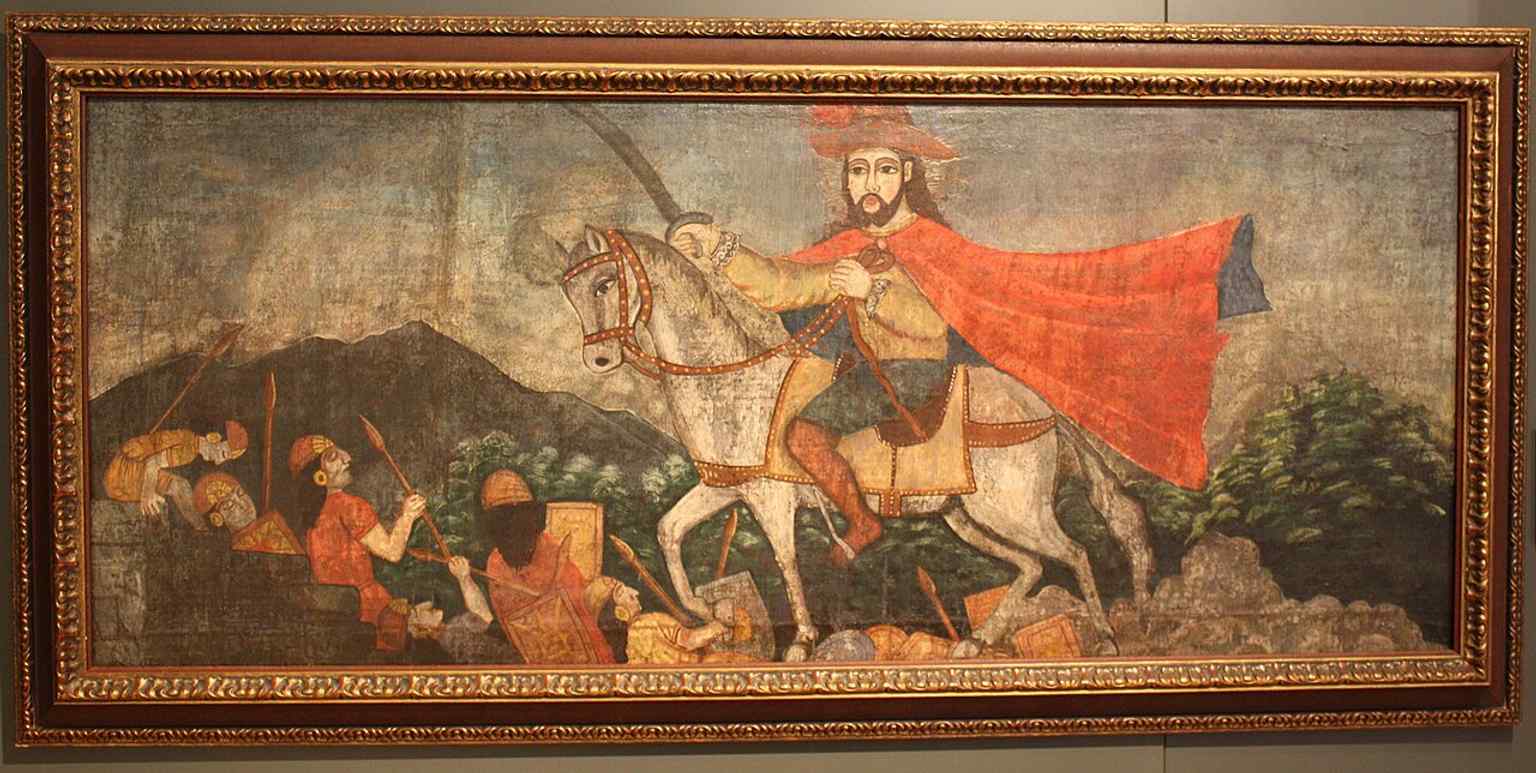
You can look at your phone to see some of the far-reaching artifacts they have gathered, like a nineteenth-century Peruvian painting showing a rather dramatic vision of Saint James. The collection also includes deeply personal items of devotion, if you swipe to see the ornate silver casing holding relics of Saint Lucy.
Perhaps their most incredible piece is a sprawling twenty-square-meter model of thirteenth-century Santiago. Built originally for a world exposition, it maps out the city exactly as medieval pilgrims would have seen it, complete with the bustling workshops of silversmiths eager to sell their wares to weary travelers. It perfectly captures a city built on profound belief, fueled by the everyday hustle of human enterprise.
We are heading to the absolute center of that very enterprise next. The Cathedral of Santiago de Compostela is just a one-minute walk away. Oh, and if you want to explore the museum's collection yourself, they are open every day except Monday, usually from nine thirty in the morning until eight thirty at night.