
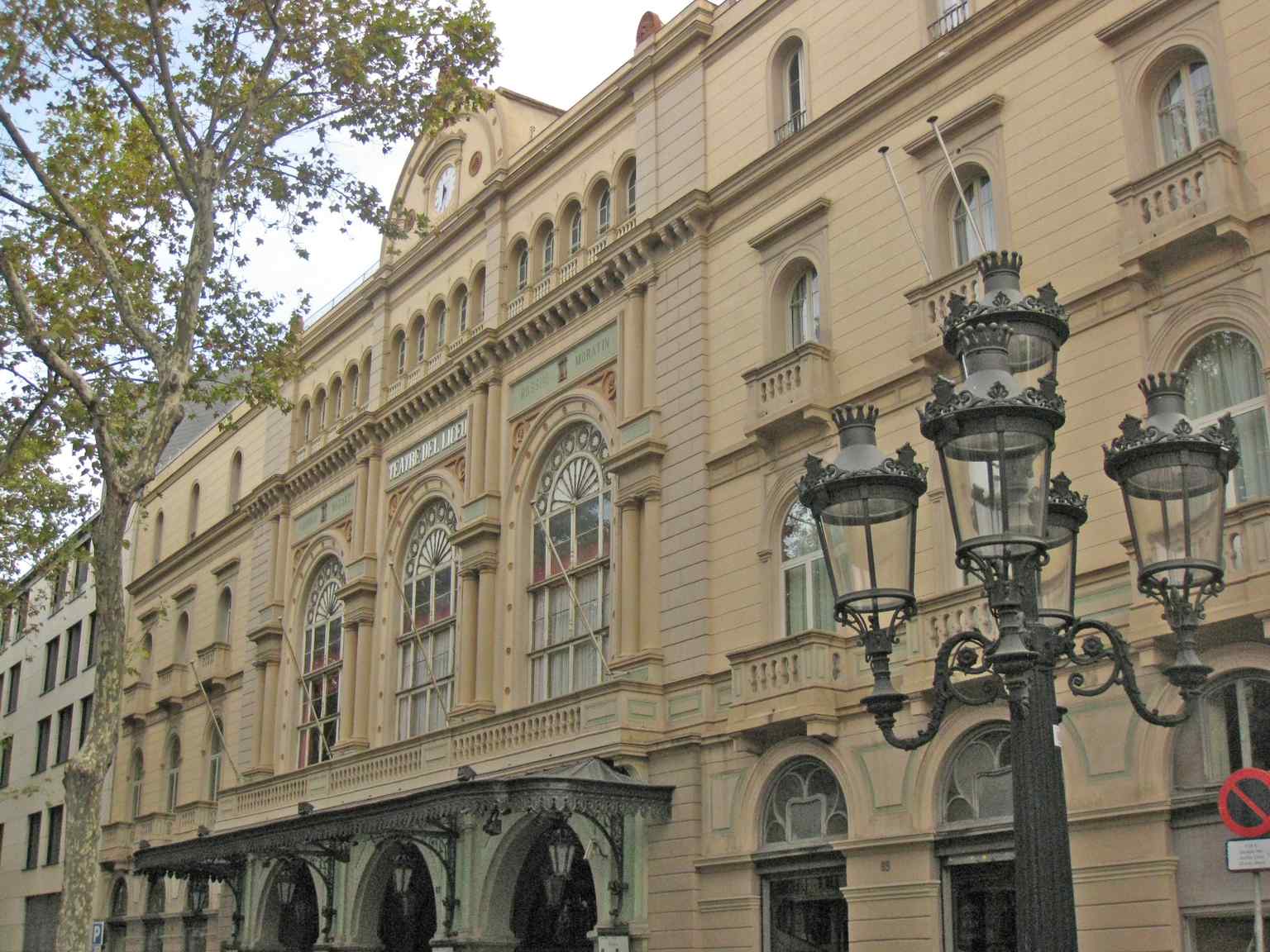
Look to your right, where the grand stone facade of the Liceu rises with its stately arched windows and distinct wrought-iron balconies.
Coming from the vibrant stalls of La Boqueria just a few minutes ago, this building represents a very different side of Barcelona. In the mid-nineteenth century, a new class of wealthy textile tycoons and merchants emerged, eager to display their immense new fortunes. These industrial elites funded the city's cultural explosion, and they demanded a stage to see and be seen. So, they built this opera house as the ultimate symbol of their status.
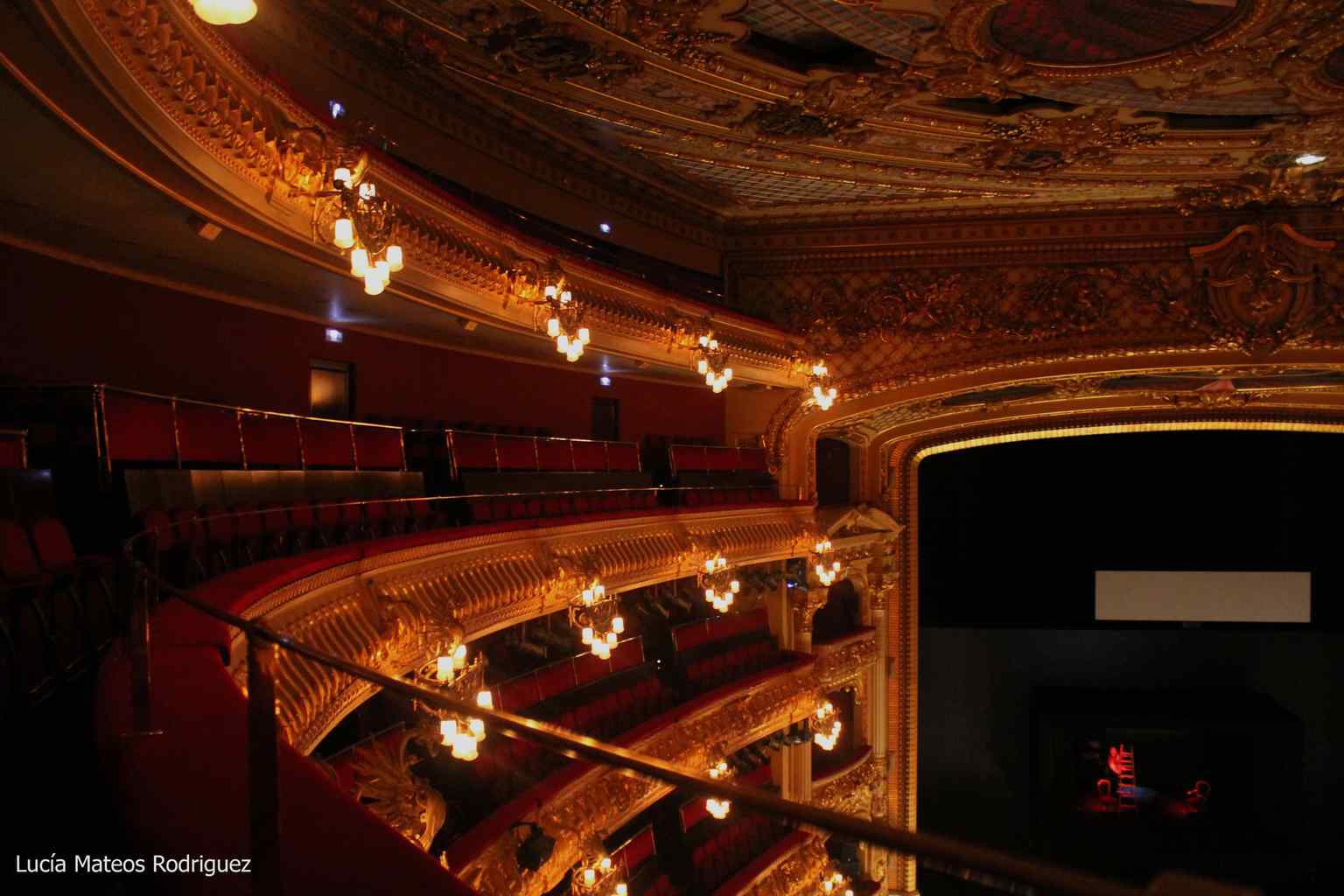
Unlike other European opera houses built by kings and queens, the Liceu was funded entirely by these private shareholders. In fact, if you were to step inside its auditorium, you would notice something highly unusual for a nineteenth-century theater. There is no royal box. The monarchy did not pay for it, so they did not get a special seat.

But building this monument to wealth came with a heavy price. The theater was constructed in 1847 on the former site of a Trinitarian convent. According to local legend, the displaced nuns cursed the grounds, dooming the opera house to burn. Whether you believe in curses or not, the Liceu has certainly had a habit of going up in flames. It burned down in 1861, and then again in 1994. During that second fire, sparked by a workman's blowtorch, famous Catalan soprano Montserrat Caballé stood right here on La Rambla, weeping as huge balls of fire blasted into the sky. Yet, every time it turns to ash, the city stubbornly breathes life back into it, turning tragedy into a chance to reinvent itself.

It was not just fires that tested this building, though. The staggering wealth on display inside bred deep resentment among the working class. On opening night in 1893, an anarchist named Santiago Salvador dropped two Orsini bombs, which are small, spherical, hand-thrown explosives, from the fifth-floor balcony into the diamond-clad crowd below. One exploded, killing about twenty people and filling the theater with smoke and screams. For years afterward, the seats of the victims were left conspicuously empty as a chilling memorial to the city's deep social divides.
This tension between unimaginable wealth and radical unrest is the perfect primer for our next stop. We are going to head into the narrow streets just a two-minute walk away to find Palau Güell, a mansion built for one of those extremely wealthy industrialists. By the way, if you want to peek inside the Liceu later, they are usually open Monday through Friday from ten to seven, Saturdays until two, and closed on Sundays. Now, let us go uncover some darker secrets of the Güell fortune.






