
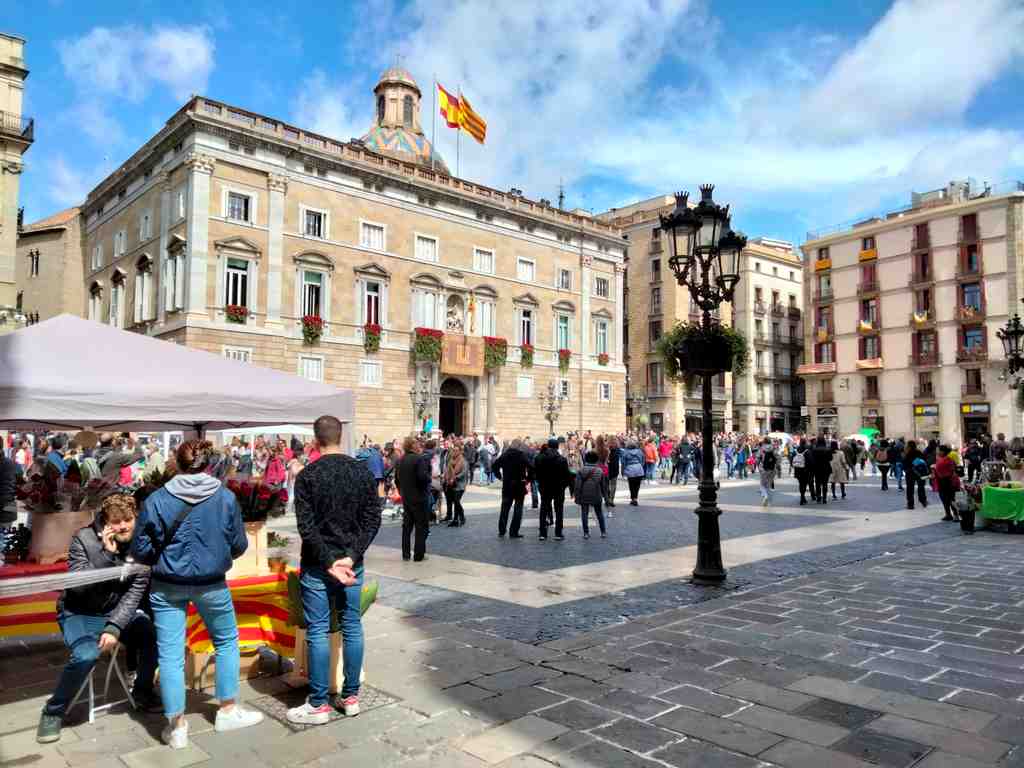
Look to your right at that towering entrance, featuring a monumental wrought-iron arch holding up a vibrant stained-glass city crest over the bustling crowds. This is La Boqueria. Since we left Plaça de Catalunya earlier, you can probably feel the energy shifting. For centuries, Barcelona's old city was dominated by the imposing stone walls of religious institutions, completely restricting how the city could grow. It was only during the nineteenth-century confiscation of church lands, when the state took over religious properties, that these massive plots of urban space were finally freed up for public, secular use. But the way this specific plot opened up was unexpected. This was once the Convent of Saint Joseph. On July 25, 1835, a bullfight took place nearby. The bulls were so small and tame that the crowd grew completely enraged. They killed the last bull themselves, dragged its body through the streets, and turned their frustration into a violent, anti-religious riot. The mob cornered the monks here and set the convent on fire. The military managed to rescue the monks just in time, but the building was left in ruins, eventually making way for this very market.
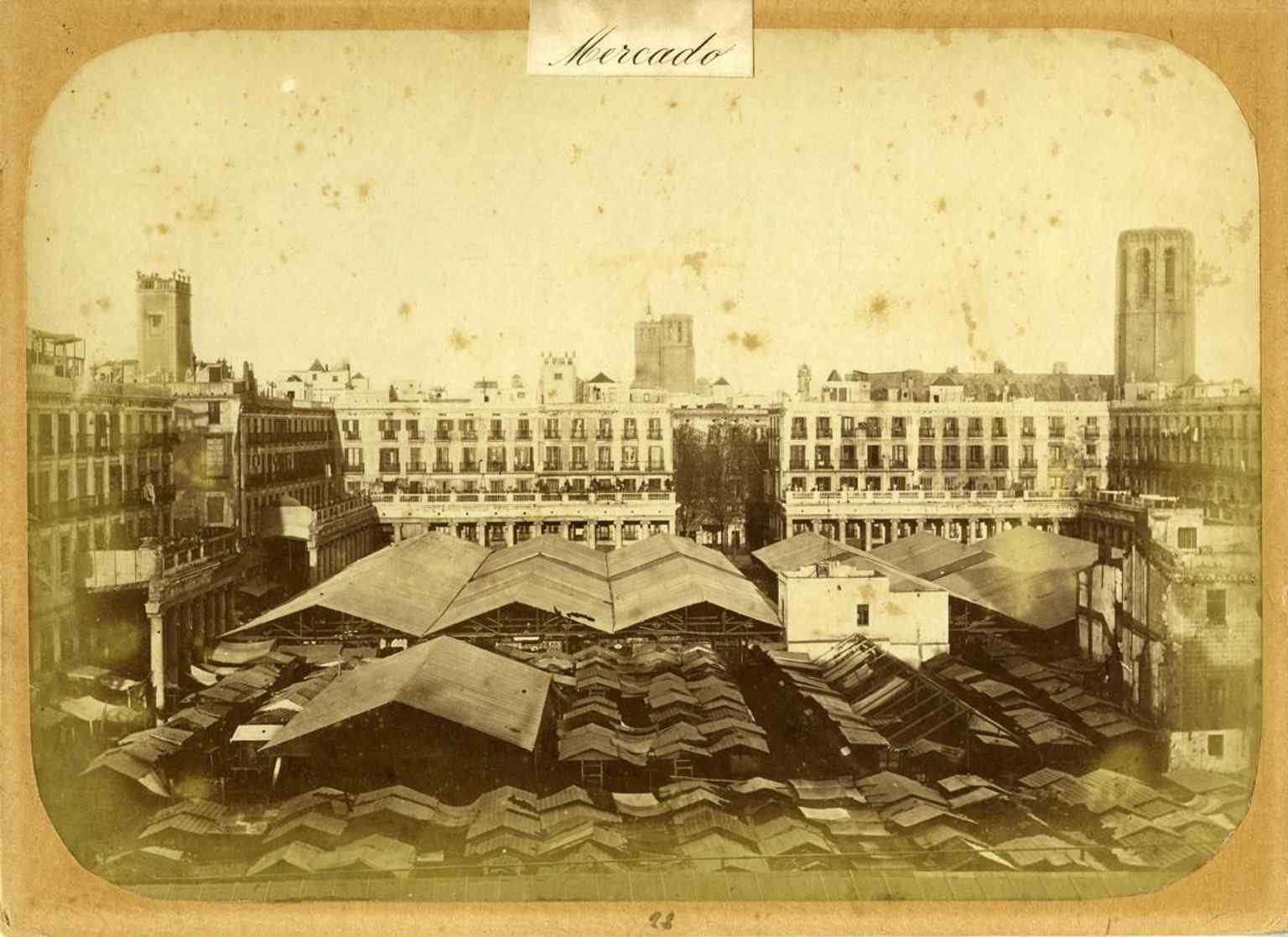
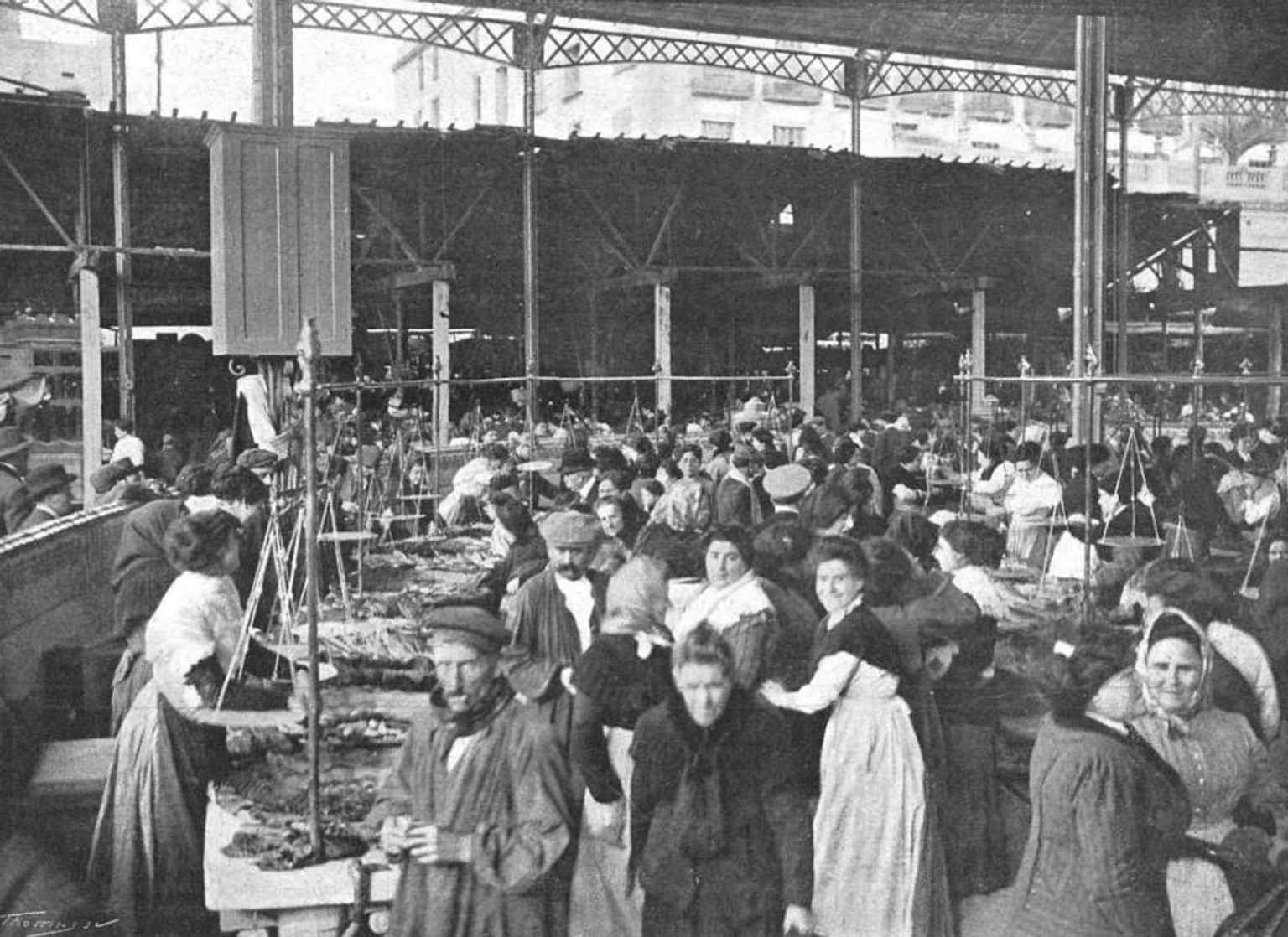
Before moving to this spot, vendors actually gathered just outside the old city walls to dodge local import taxes. Some historians say the name Boqueria comes from boc, meaning goat, since they sold cheaper goat meat. Others prefer the romantic idea that it comes from bocabadat, meaning to leave people open-mouthed in awe. The app has a neat side-by-side showing what this place looked like back in 1874. You can see how the open-air market was dramatically transformed when they added that beautiful modernist iron canopy in 1914.
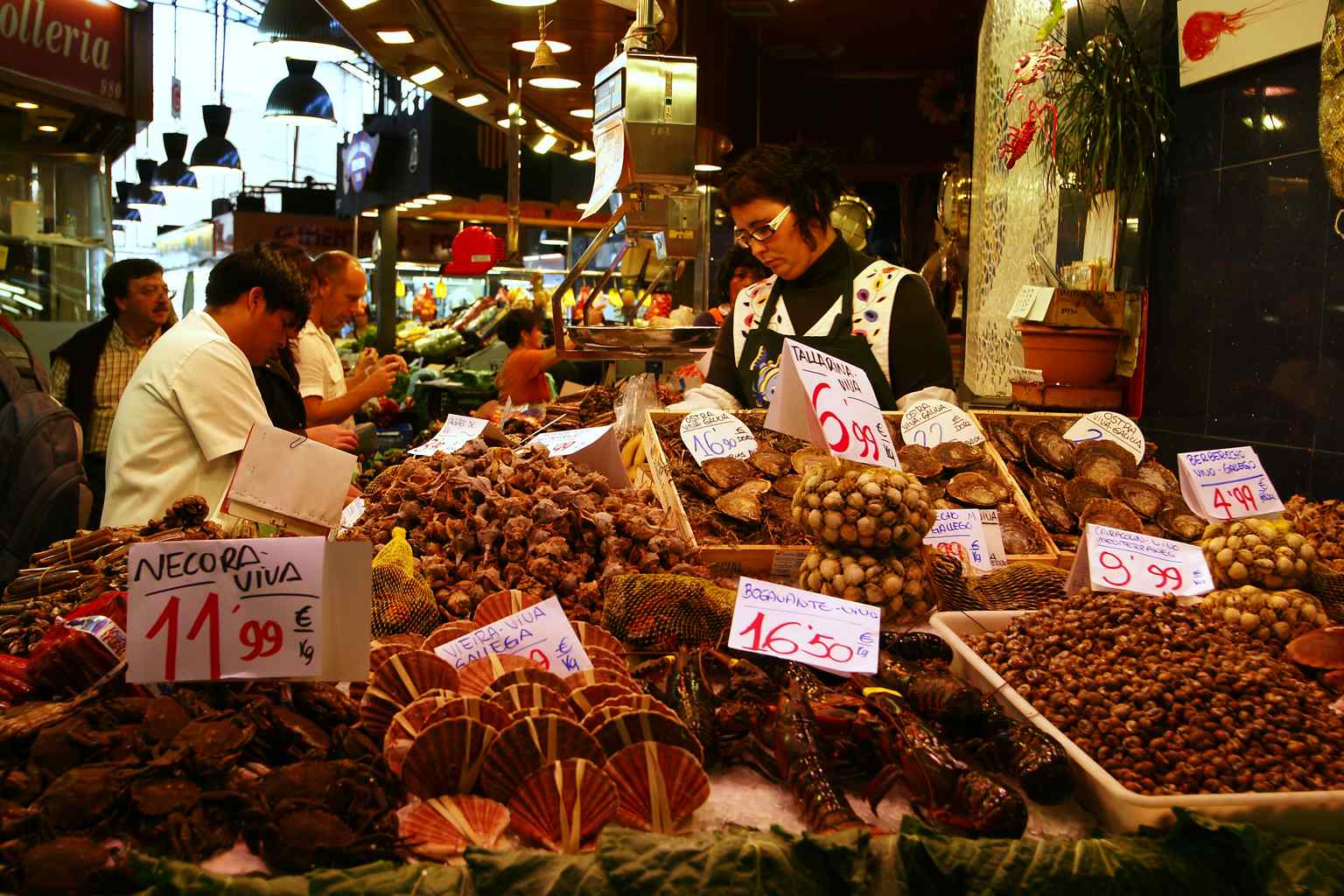
Inside, the market is a chaotic, vibrant maze, but it has always had an undercurrent of refined elegance. Some stalls have been here for generations, like fruit vendor Eduard Soley, whose family has run the exact same stall for over one hundred fifty years. Then there was Ramón Cabau, a pharmacist and lawyer who became the market's resident dandy, an impeccably dressed gentleman who always wore a tailored jacket and bow tie. He was a pioneer of modern Catalan cuisine who even helped legalize the sale of wild mushrooms in the city. But his story ended right where he loved most. In 1987, he walked into the lively market, greeted his friends, and tragically drank a glass of water laced with cyanide. The market mourned him for years. You might also hear locals talk about Juanito, who spent eighty-one years behind the counter at Bar Pinotxo, charming tourists with his colorful vests. This market has seen it all. In 2017, a tragic terrorist attack on the Ramblas ended right in front of the market doors. For the first time in over one hundred eighty years, La Boqueria closed completely. But the very next day, the vendors returned, filling the stalls and the street with flowers. Devastation seems to always give way to something deeply enduring here.
If you plan to shop, the market is open Monday through Saturday from 8 AM to 8:30 PM, and closed on Sundays. Now, let us leave the market behind and continue our walk further down the Ramblas toward the grand opera house, the Liceu, which is just a four-minute stroll away.





.jpg)

