
Ljubljana Audio Tour: Historic Landmarks
Ljubljana hides a dragon beneath its cobblestones, waiting for the shadows to lengthen. This is not just a city of bridges, but a fortress of secrets where history bleeds into the present. Unlock the untold truth with this self-guided audio tour. Wander beyond the postcard views to uncover the scandals and forgotten rebellions that shaped this landscape. You will navigate the heights of Ljubljana Castle, the historic walls of Mahrova trgovska šola, and the quiet path of Zelena avenija. Why did a local uprising turn the castle into a prison for the city’s own elite? What cryptic message lies etched into the forgotten corners of the old schoolhouse? Which scandalous betrayal at the avenue forever changed the path of the capital? Pulse with the rhythm of the streets as you walk through echoes of past defiance. Transform your perspective and claim the city’s hidden narrative. Start your journey into the dark heart of Ljubljana now.
Tour preview
About this tour
- scheduleDuration 60–80 minsGo at your own pace
- straighten2.3 km walking routeFollow the guided path
- location_on
- wifi_offWorks offlineDownload once, use anywhere
- all_inclusiveLifetime accessReplay anytime, forever
- location_onStarts at Casino Building
Stops on this tour
lock_open 3 free previews · 2 unlock with purchase
You are looking at a grand, rectangular building with a pale reddish facade separated by flat white pillars, featuring a prominent stone balcony extending over the main entrance.…Read moreShow less
Open dedicated page →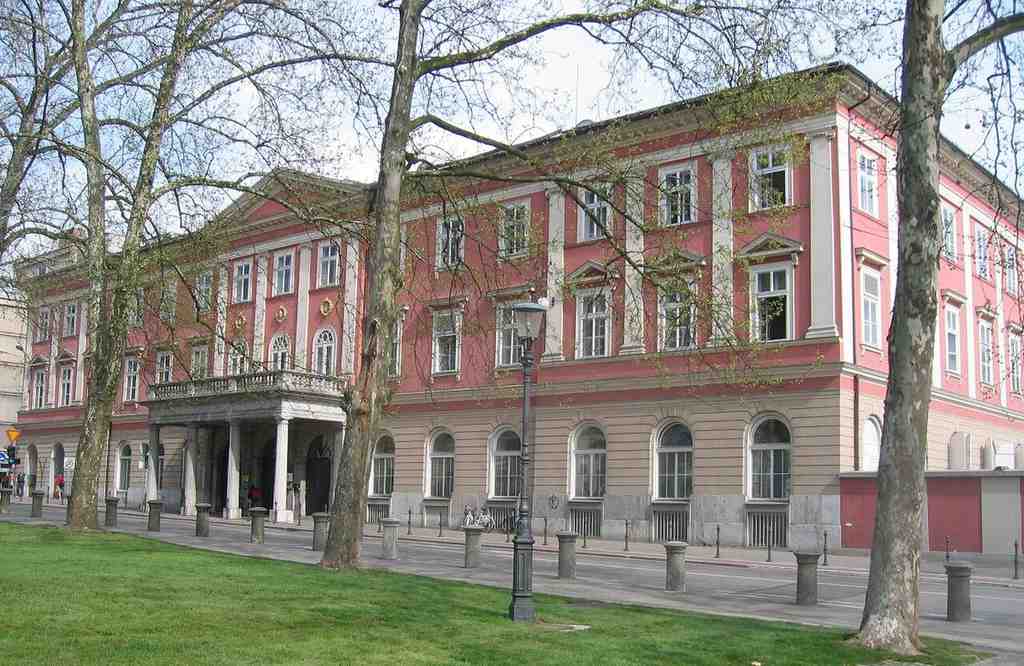
Casino BuildingPhoto: Žiga, Wikimedia Commons, Public domain. Cropped & resized. You are looking at a grand, rectangular building with a pale reddish facade separated by flat white pillars, featuring a prominent stone balcony extending over the main entrance. Built in 1837 at the initiative of the Casino Society, this Neoclassical structure, an architectural style reviving the neat symmetry and columns of ancient Greece and Rome, was designed by architect Venceslav Vadlav to be the absolute premier social hub for the educated elite of the city. It was envisioned as a lavish playground of leisure, boasting a well-stocked reading room, a billiards room, and a magnificently decorated ballroom that was the envy of the entire town. The inner circles of the society wanted a pristine, exclusive space to mingle, drink coffee, and dance the night away.
But before a single waltz could be played, the ground itself revealed a completely different history. While digging the foundations in 1836, workers struck something solid and unearthed a gilded bronze statue of an ancient Roman aristocrat, or patrician. It turned out this very site had originally served as a burial ground for the ancient Roman settlement of Emona.
The elite essentially built their high society club directly on top of an ancient cemetery, perhaps assuming the past would stay quietly buried. But history has a habit of interrupting a good party. When the Spring of Nations swept across Europe in 1848, bringing a massive wave of democratic and nationalistic uprisings against traditional empires, the atmosphere inside these walls abruptly shifted from polite gossip to intense action. The refined reading rooms were suddenly thick with radical debate and revolutionary fervor. Intellectual groups gathered right here to draft the very first political platforms for the Slovene people, demanding an autonomous Unified Slovenia within the Austrian Empire.
Amidst this upheaval, the building management offered its space for free to local male choirs, sparking a deep sense of national cultural identity through song. The building endured quite a journey after that, evolving from a site of violent nationalist riots between German and Slovenian communities in 1903 into a Nazi headquarters during World War Two. Right inside these walls, high ranking officers like Erwin Rosener planned brutal reprisals against the local population, mandating the execution of one hundred Slovenes for every German life lost.
Today, the space has been reclaimed by the arts. The Tone Tomsic Academic Choir, carrying a legacy born from wartime resistance, uses this very building for rehearsals. If you take a glance at your screen, there is a slider showing how a recent renovation beautifully revitalized the grand facade when the building became the new home of the Academy of Music.
It is fascinating to ponder what happens when grand, orderly plans meet the deeply unpredictable nature of human history. Let us leave the revolutionaries behind for a moment and take a five-minute walk over to Green Avenue.
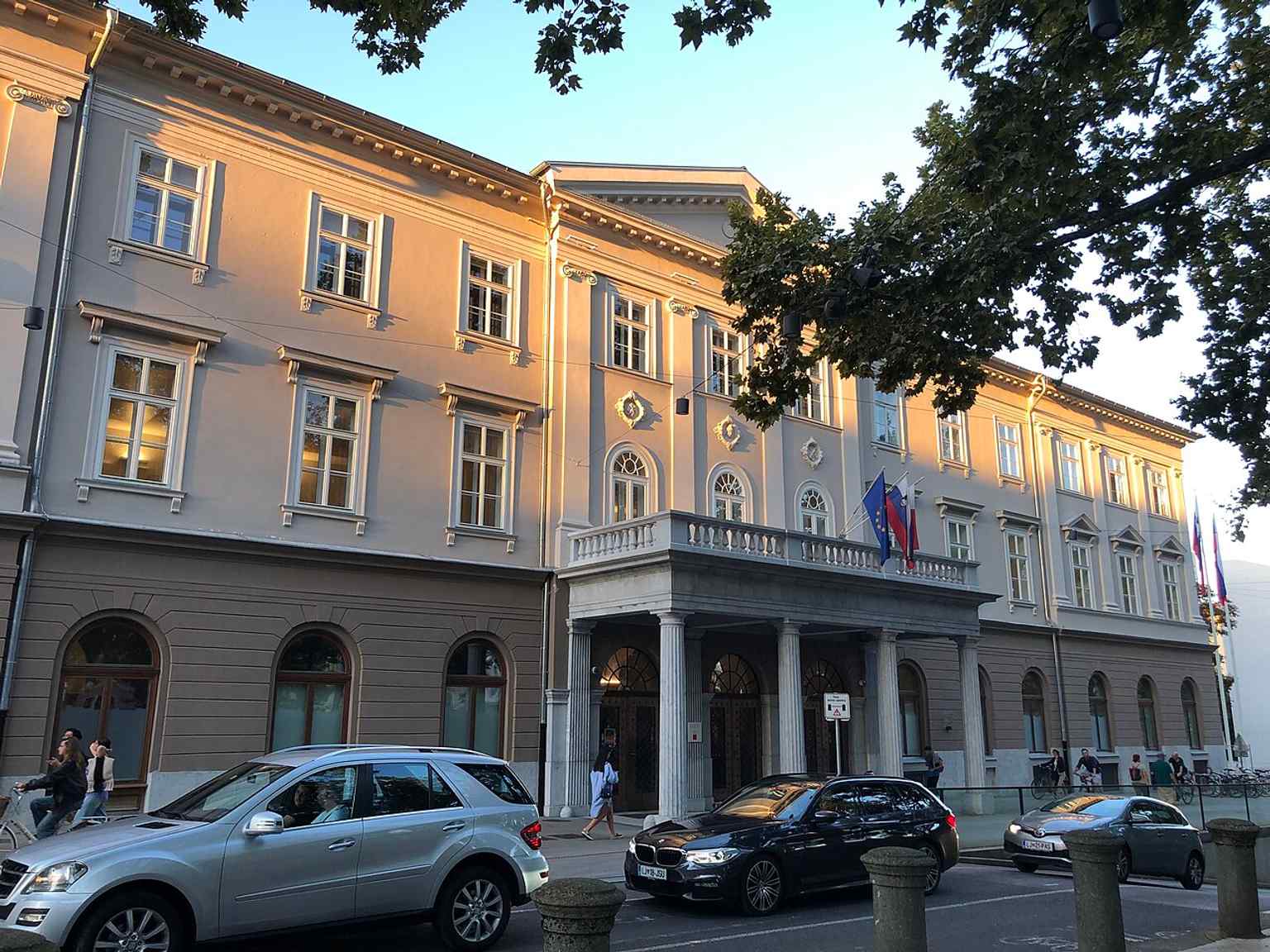
This image shows the Casino Building today, a Neoclassical landmark on Congress Square in Ljubljana, which now houses academic and historical institutions, including the Academy of Music since 2022.Photo: Pumpež, Wikimedia Commons, CC BY-SA 4.0. Cropped & resized. Look for the pale stucco building with the steep reddish pitched roof defined by a unique double-arched wooden entrance right at its base. Take a glance at how perfectly balanced…Read moreShow less
Open dedicated page →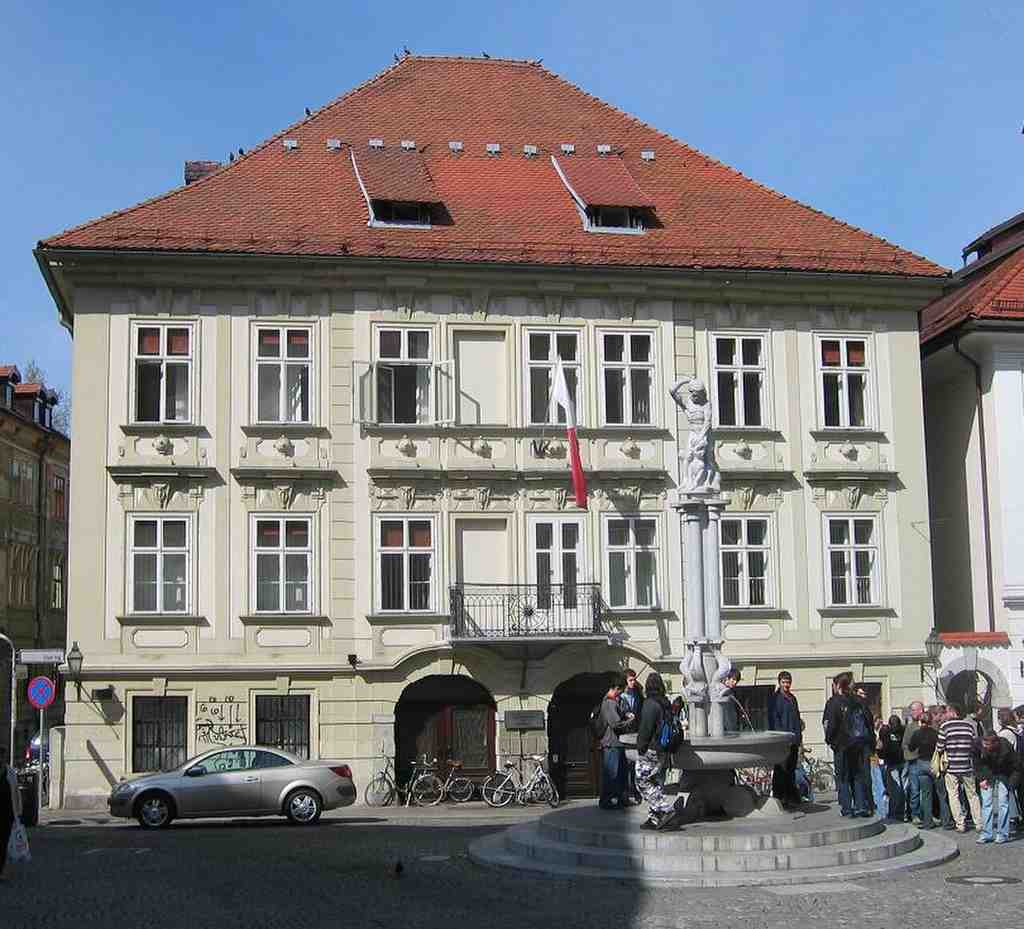
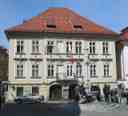
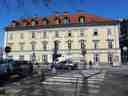
Stična MansionPhoto: Žiga, Wikimedia Commons, Public domain. Cropped & resized. Look for the pale stucco building with the steep reddish pitched roof defined by a unique double-arched wooden entrance right at its base.
Take a glance at how perfectly balanced the front facade looks on your app right here. That symmetry is a complete architectural lie. In the early sixteen-hundreds, builders slammed three completely separate medieval houses together to create a prestigious city hub for the abbots of the local Cistercian monastery, a strict Catholic order. The inside was a notoriously lopsided mess. To hide this from the public, eighteenth-century architects added fake, painted-on windows and that double portal at the bottom, creating an illusion of perfection that absolutely does not exist inside.
The monks hosted high-ranking guests here until Emperor Joseph the Second dissolved the monastery in seventeen-eighty-four as part of his sweeping government reforms. Just like that, a religious sanctuary was secularized into a provincial courthouse. This sudden upheaval shifted the building's entire destiny.
Enter France Preseren, Slovenia's celebrated national poet. He spent years grinding away in these very rooms as a legal assistant, drafting dry court documents after being repeatedly denied his own law firm.
Consider what it would be like to write sweeping romantic poetry while trapped doing administrative paperwork in halls built for silent monks. Does the heavy history of a room subtly steer the ink on the page?
Eventually, the great equalizer arrived. The eighteen-ninety-five earthquake heavily damaged the structure, forcing it out of the legal system and into its next life as a regional craft school. Since then, it has housed government administrators and, up until twenty-twenty-two, echoed with the sounds of student rehearsals from the Academy of Music.
Before we leave, notice the Hercules Fountain in front of the mansion. The seventeenth-century original sat next to a massive lime tree where locals gathered for Sunday dances. That exact spot inspired Preseren to write his famous ballad about a mysterious stranger... the Water Man... who dances an arrogant woman straight into the depths of the nearby river.
From fake windows to phantom dancers, this square holds its secrets well. Now, tip your head back and look up toward the Castle Hill. Let's see what ancient forces are watching over the city as we make our sixteen-minute walk up to Ljubljana Castle.
Show 2 more stopsShow fewer stopsexpand_moreexpand_less
Look up to your right, where a sprawling stone fortress with sloping brown roofs and a prominent square clock tower crowns the hilltop. The structure we see today is mostly a…Read moreShow less
Open dedicated page →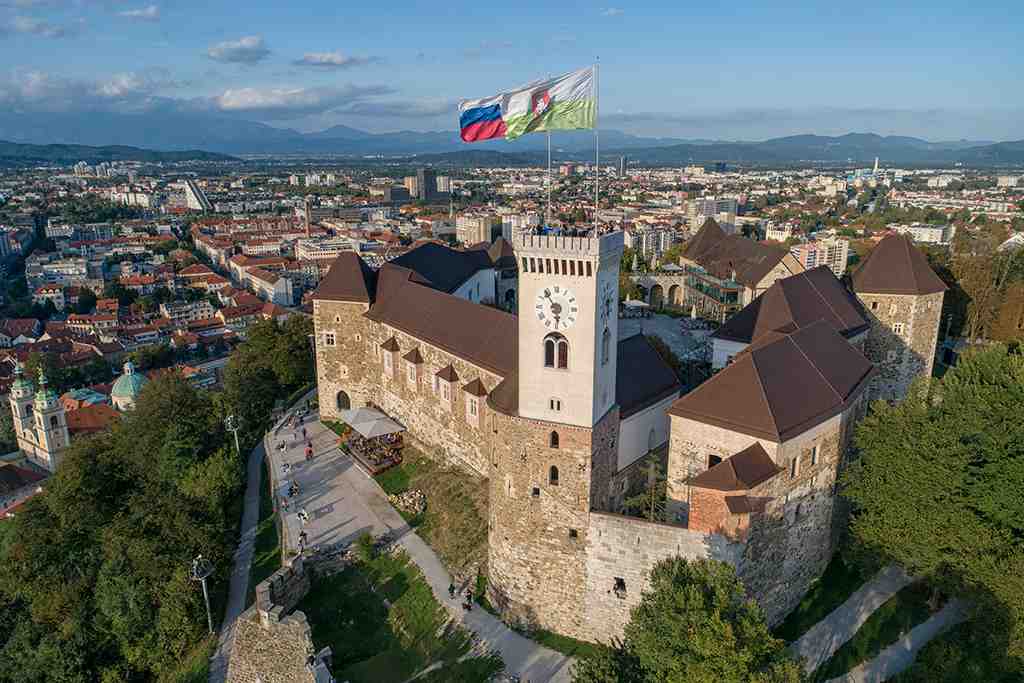
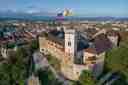
Ljubljana CastlePhoto: LjGrad, Wikimedia Commons, CC BY-SA 4.0. Cropped & resized. Look up to your right, where a sprawling stone fortress with sloping brown roofs and a prominent square clock tower crowns the hilltop. The structure we see today is mostly a fifteenth century creation, rebuilt to fend off Ottoman invasions, but this elevated earth has a much longer, darker memory. Take a look at your screen for an aerial view. From up there, you can see why this spot was an irresistible prize. For over four thousand years, stretching all the way back to the Bronze Age, people have been drawn to this high ground. What started as a tribal vantage point became a Roman watchtower monitoring trade routes, then a medieval stronghold, and eventually a sprawling public prison. It is a site that has constantly morphed from the original designs of ancient chieftains into completely unexpected realities for those who came after. You can observe how the slopes of Castle Hill have become densely forested over the decades, beautifully framing the historic fortress that continues to stand watch over Slovenia's capital.
But before the Romans, before the feudal lords and the mayors, there was the swamp. And according to local lore, there was a monster. The castle is intrinsically tied to the city's coat of arms, which famously features a dragon perched right on top. That dragon's presence as a guardian is rooted in an epic tale of survival. It is said that the legendary Greek hero Jason and the Argonauts sought refuge in the treacherous Ljubljana marshes during a brutal winter. Their makeshift village was suddenly terrorized by a bone-chilling shriek. A giant, flying beast rose from the swamp waters, spitting fire and noxious fumes, destroying half their settlement before Jason heroically engaged the monster and choked it with its own flames.
Over the centuries, that terrifying beast underwent a dramatic transformation. It shifted from a nightmare of the marshes into a revered symbol of power, courage, and wisdom. This creature gave the city its mythic identity, shifting from a feared enemy to a fierce protector.
From a mythic battleground to a towering fortress, and eventually to the vibrant cultural venue it is today, this hill has seen it all. If you are planning to head inside to look around, the complex is open every day of the week from nine in the morning until seven in the evening.
Now, let us bring our focus back down from the clouds to the city streets below. We are going to head toward our final stop to explore another tale of visionary ambition. It is about a ten minute walk to the Mahr School of Commerce, so let us get moving.
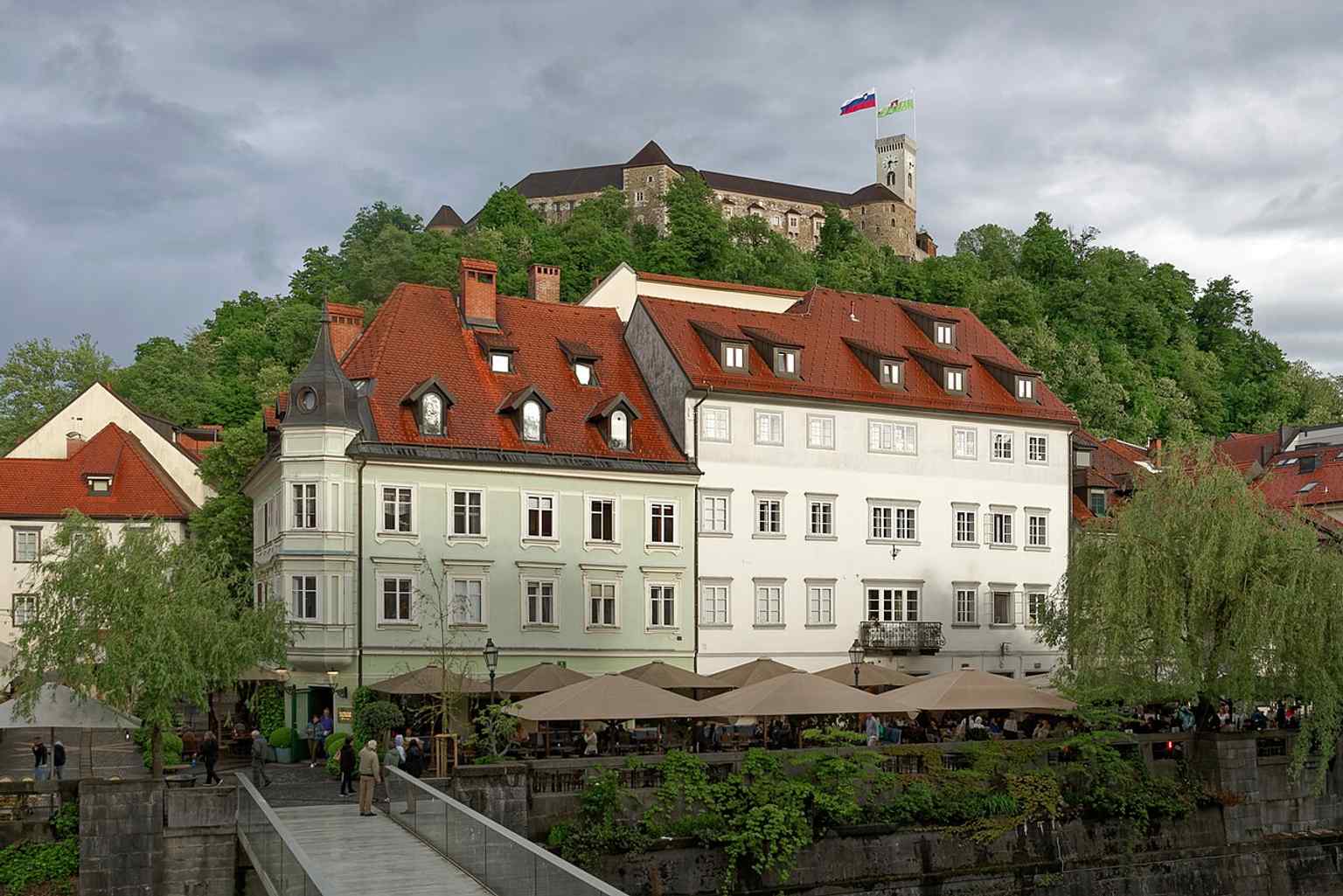
A classic panoramic view of Ljubljana Castle perched atop Castle Hill, highlighting its long-standing role as the capital's defining landmark.Photo: Arths-at, Wikimedia Commons, CC BY-SA 4.0. Cropped & resized. 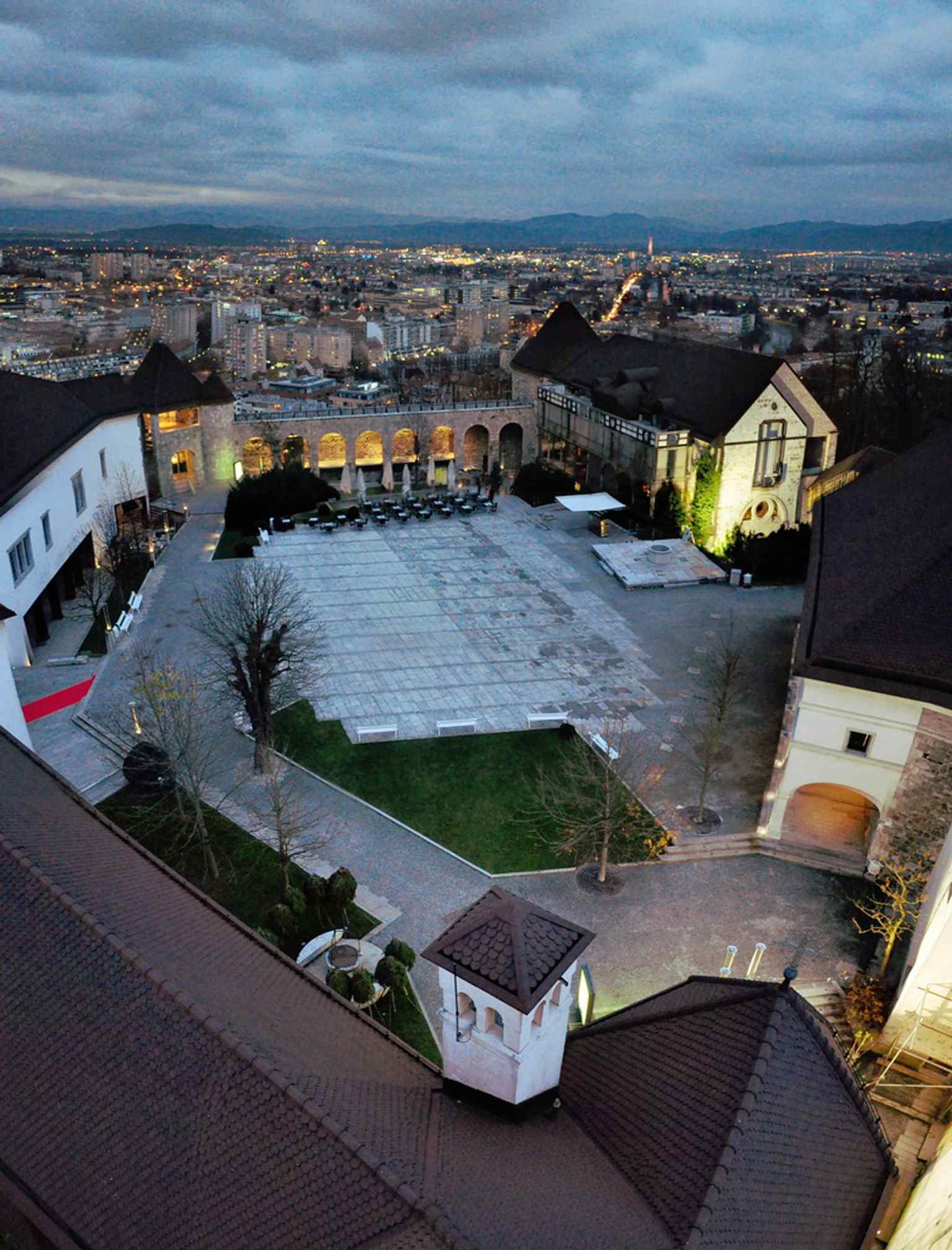
The unique double spiral staircase of the Panoramic Tower, designed so soldiers wouldn't cross paths, once housed a fire watchman who warned the city with cannon fire.Photo: Sumitsurai, Wikimedia Commons, CC BY-SA 4.0. Cropped & resized. 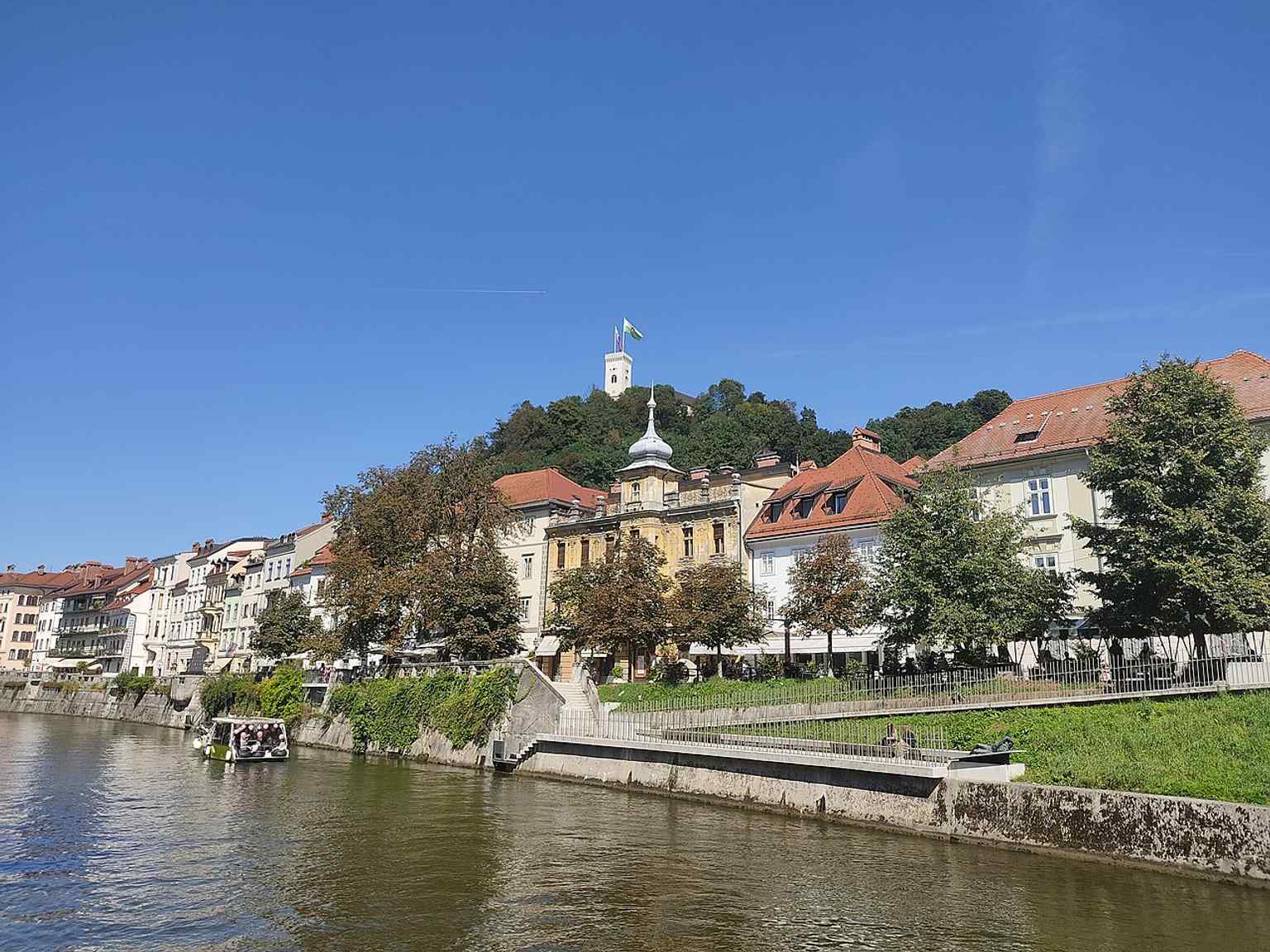
A stunning sunset view over Ljubljana from the castle's vantage point, offering a glimpse of the city the castle has overseen for centuries.Photo: Saška Grušovnik, Wikimedia Commons, CC BY-SA 4.0. Cropped & resized. 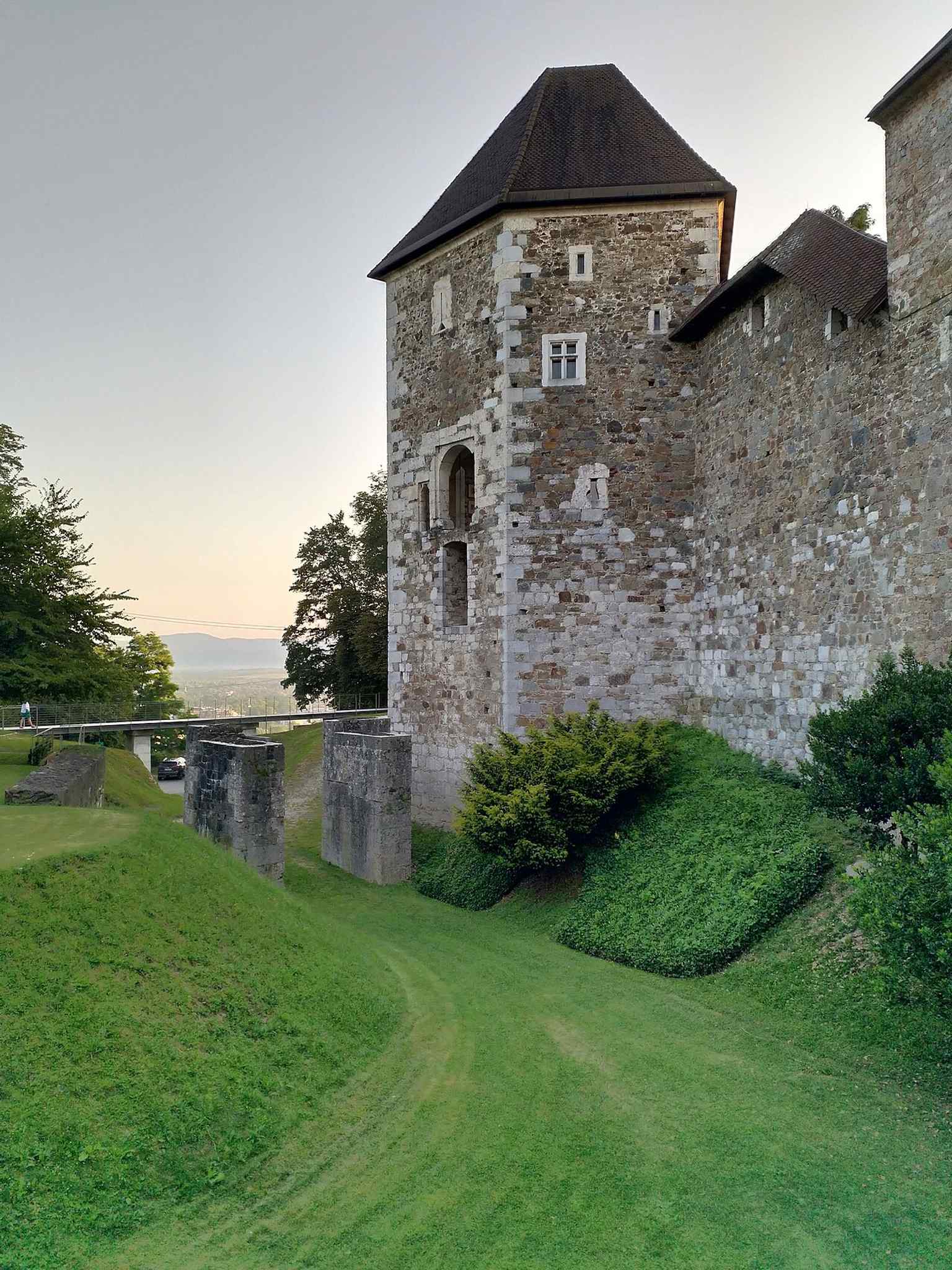
The spacious castle courtyard, historically a gathering place for the army and later a walking area for prisoners, now serves as a dynamic hub for visitors and events.Photo: Robert Jahoda, Wikimedia Commons, CC BY-SA 4.0. Cropped & resized. 
A glimpse into one of the castle's renovated interior spaces, reflecting its current use as a major cultural venue for concerts, exhibitions, and events.Photo: Antimuonium, Wikimedia Commons, CC BY-SA 4.0. Cropped & resized. 
Ljubljana Castle illuminated at night, transforming the ancient fortress into a beacon above the city, a testament to its enduring presence.Photo: Saška Grušovnik, Wikimedia Commons, CC BY-SA 4.0. Cropped & resized. 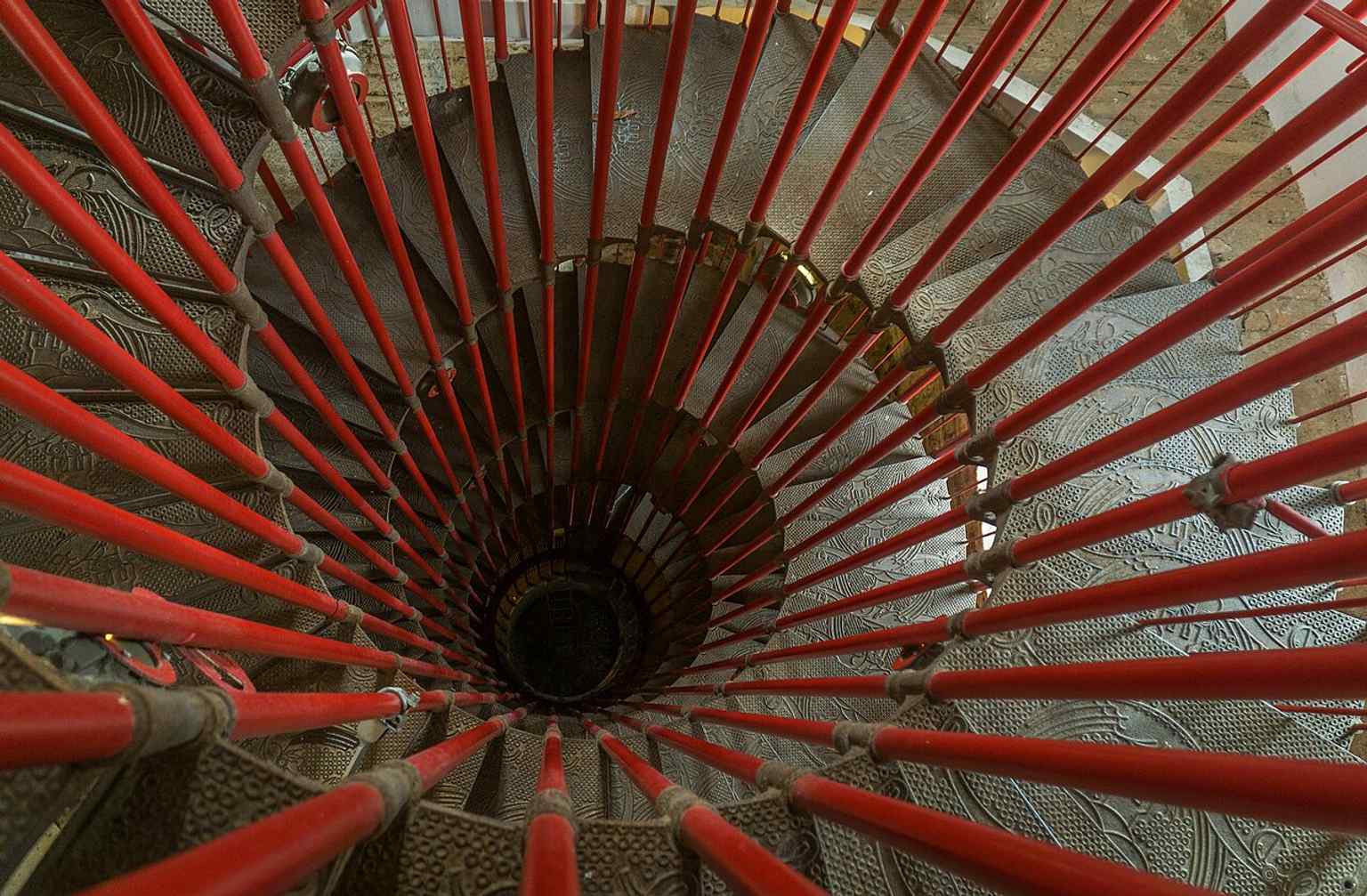
A detailed view of one of Ljubljana Castle's towers, showcasing the sturdy stone architecture of this medieval fortress which was rebuilt extensively in the 15th century.Photo: Jakub Hałun, Wikimedia Commons, CC BY 4.0. Cropped & resized. 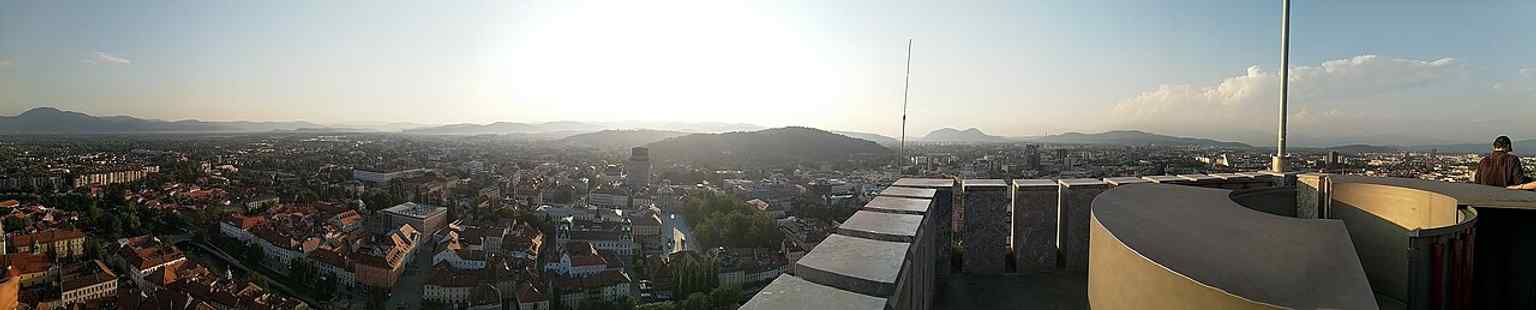
Ljubljana Castle viewed from the city, illustrating its dominant position as a backdrop to urban life, a role it has played since its medieval origins.Photo: Jakub Hałun, Wikimedia Commons, CC BY 4.0. Cropped & resized. 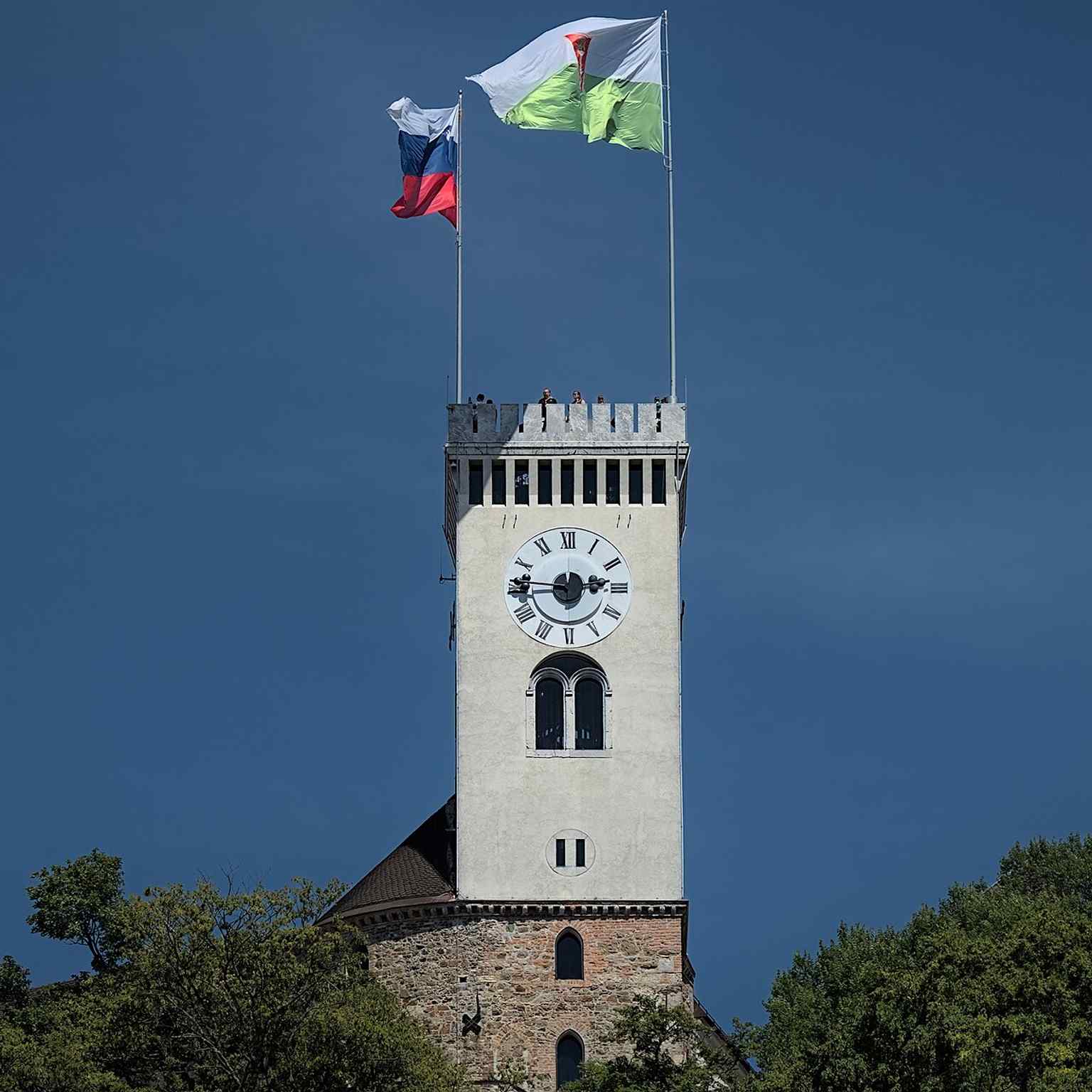
Ljubljana Castle viewed from Tivoli Park, demonstrating its prominent position overlooking the city, a key landmark visible from many parts of Ljubljana.Photo: This Photo was taken by Miha Peče. Feel free to use my photos, but please mention me as the author. I would much appreciate if you send me an email [email protected] or write on my talk page, for my information. Please do not upload an edited image here without consulting me. I would like to make corrections only at my own source to ensure that the changes improve the image and are preserved.Otherwise you may upload an edited image with a new name. Please use one of the templates derivative or extract., Wikimedia Commons, CC BY-SA 4.0. Cropped & resized. Look to your left for a large, pale yellow rectangular building with a red tiled roof punctuated by small windows projecting from the slope, easily spotted by the flat white…Read moreShow less
Open dedicated page →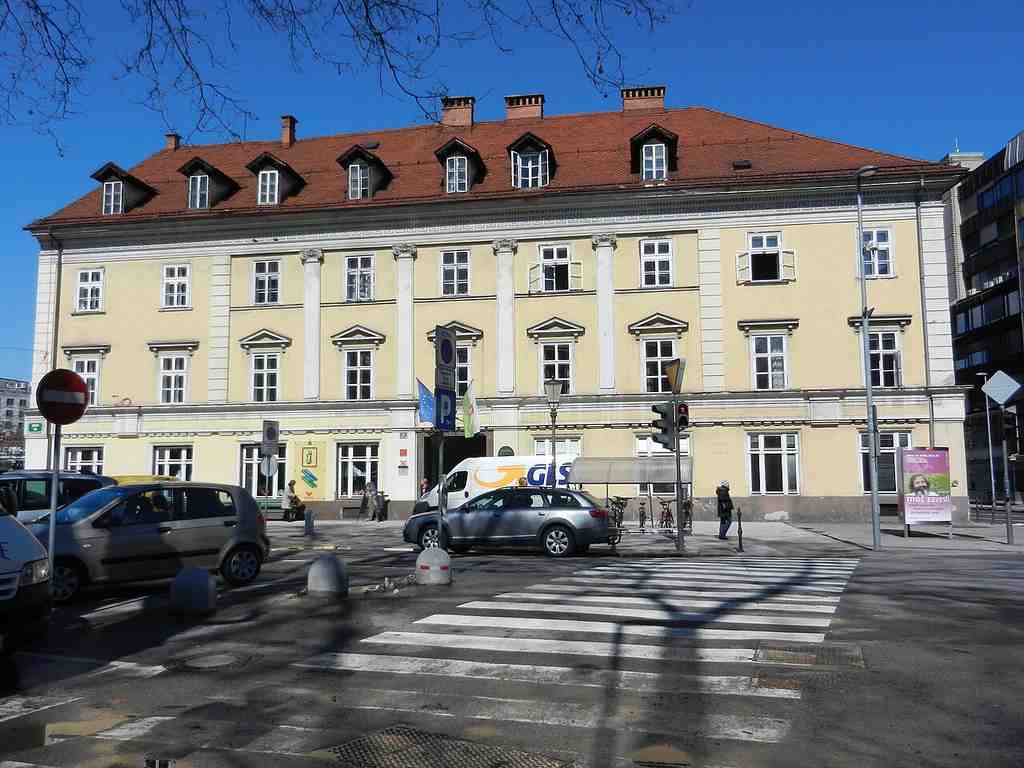
Mahr School of Commerce, LjubljanaPhoto: Ljuba brank, Wikimedia Commons, CC BY-SA 4.0. Cropped & resized. Look to your left for a large, pale yellow rectangular building with a red tiled roof punctuated by small windows projecting from the slope, easily spotted by the flat white decorative columns stretching across its upper facade. This is Mahr House, and it has worn many faces over the centuries.
It actually began its life as a simple granary to store wheat. But by the middle of the nineteenth century, it had been transformed into one of the city's most elite hotels. During the Spring of Nations in 1848, the hotel even served as a makeshift royal residence for an exiled Spanish prince. You can imagine the local gossip when a royal baby was baptized right here in the hotel. It was a place of high society, hosting famous astronomers, Austrian field marshals, and the poet France Prešeren, who worked in a law office downstairs.
But the building's most defining era began in 1855, when it was purchased by Ferdinand Mahr. He needed a permanent home for the trade school founded by his predecessor, Jakob Franc Mahr. Jakob had established the school with a grand goal of modern trade education. He wanted to build a cosmopolitan center that looked far beyond local borders. And his visionary ambition worked. The school became an international beacon, drawing future merchants from Italy, Croatia, Greece, and Bohemia. They came here to learn not just ledger books, but the fine art of cross cultural communication. To match this serious academic prestige, Ferdinand completely altered the building in 1865, adding two massive upper floors to give the structure a strict, imposing presence, effectively erasing the glamorous hotel of the past.
For decades, it was the premier institution of its kind in the Austrian Empire. But history moves fast, and institutions that fail to adapt are often left behind. The school primarily taught in German, which had long been the language of commerce. However, the Slovenian national identity was rapidly growing. This led to a sudden upheaval in 1909. The government opened a new, state run trade school in Ljubljana that taught entirely in Slovenian. Almost overnight, the local students abandoned Mahr's classrooms. In a single year, their numbers plummeted from one hundred fifty nine to a mere thirty nine. It was a financial blow the proud institution never truly recovered from.
The school limped along until 1918. When it finally closed its doors forever, its end mirrored the collapse of the Austro Hungarian Empire itself. The grand classrooms that once trained the Mediterranean's merchant elite were quietly partitioned into mundane offices for the city's water utility. The old world order had ended, and this once visionary space had to adapt to a far more ordinary reality. Today, the ground floor serves as a tourist information center, which is open Monday through Friday from eight AM to five PM.
Frequently asked questions
How do I start the tour?
After purchase, download the AudaTours app and enter your redemption code. The tour will be ready to start immediately - just tap play and follow the GPS-guided route.
Do I need internet during the tour?
No! Download the tour before you start and enjoy it fully offline. Only the chat feature requires internet. We recommend downloading on WiFi to save mobile data.
Is this a guided group tour?
No - this is a self-guided audio tour. You explore independently at your own pace, with audio narration playing through your phone. No tour guide, no group, no schedule.
How long does the tour take?
Most tours take 60–90 minutes to complete, but you control the pace entirely. Pause, skip stops, or take breaks whenever you want.
What if I can't finish the tour today?
No problem! Tours have lifetime access. Pause and resume whenever you like - tomorrow, next week, or next year. Your progress is saved.
What languages are available?
All tours are available in 50+ languages. Select your preferred language when redeeming your code. Note: language cannot be changed after tour generation.
Where do I access the tour after purchase?
Download the free AudaTours app from the App Store or Google Play. Enter your redemption code (sent via email) and the tour will appear in your library, ready to download and start.
If you don't enjoy the tour, we'll refund your purchase. Contact us at [email protected]
Checkout securely with 






.jpg)


![This Photo was taken by Miha Peče. Feel free to use my photos, but please mention me as the author. I would much appreciate if you send me an email [email protected] or write on my talk page, for my information. Please do not upload an edited image here without consulting me. I would like to make corrections only at my own source to ensure that the changes improve the image and are preserved.Otherwise you may upload an edited image with a new name. Please use one of the templates derivative or extract.](https://upload.wikimedia.org/wikipedia/commons/d/d5/Tivoli_park_in_Ljubljan.jpg)
