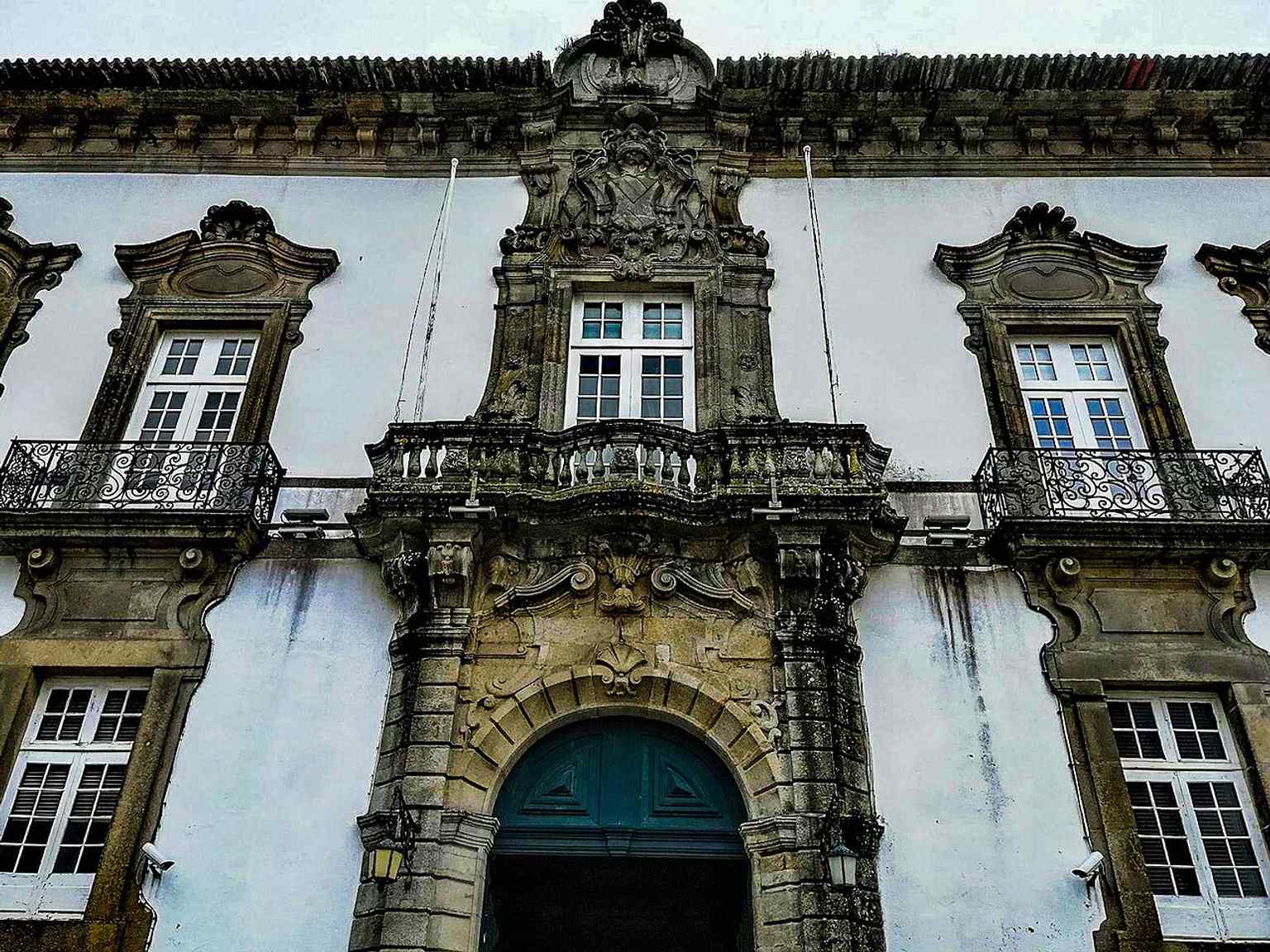
On your right, look for a pale granite palace with a long rectangular façade, rows of tall baroque windows, and a central curved pediment crowned by a stone coat of arms.
This is the Episcopal Palace of Porto, the old residence of the bishops of Porto, men who were not only church leaders but lasting urban powers, shaping both the skyline and the politics of this hill. Here, beside the cathedral, sacred authority and civic authority stood almost shoulder to shoulder.
The palace you see is grand, but it stands on top of an older memory. Before this baroque residence took shape, a medieval fortified palace occupied this same site. In drawings from sixteen sixty-eight, the artist Pier Maria Baldi showed it as a defensive building with towers, more fortress than refined residence. One bishop, Dom Frei João Rafael de Mendonça, chose to sweep that structure away and commission a new palace. It was a bold decision, and a ruthless one too: centuries of medieval history vanished, apart from small traces, including a narrow Romanesque slit window near the main entrance.
If you glance at the image on your screen, you can study the façade more calmly. Much of its outward character carries the hand of Nicolau Nasoni, the Italian architect so closely tied to Porto. He received payment for the design in seventeen thirty-four, but he did not control the whole build. Miguel Francisco da Silva directed the work from seventeen thirty-seven, and as the years dragged on, other hands simplified and altered the plan. That helps explain why the palace feels both majestic and slightly unsettled, elegant without complete unity.
And then history kept interrupting it. In eighteen oh eight, during the French invasions, the palace became headquarters for the Provisional Junta of the Supreme Government of the Kingdom, led here by Bishop Dom António de São José de Castro, who declared the restoration of Portuguese authority against Junot. A generation later, during the Siege of Porto in eighteen thirty-two and eighteen thirty-three, bombardment battered the still unfinished building and left it in serious decline. Only later restoration rescued it.
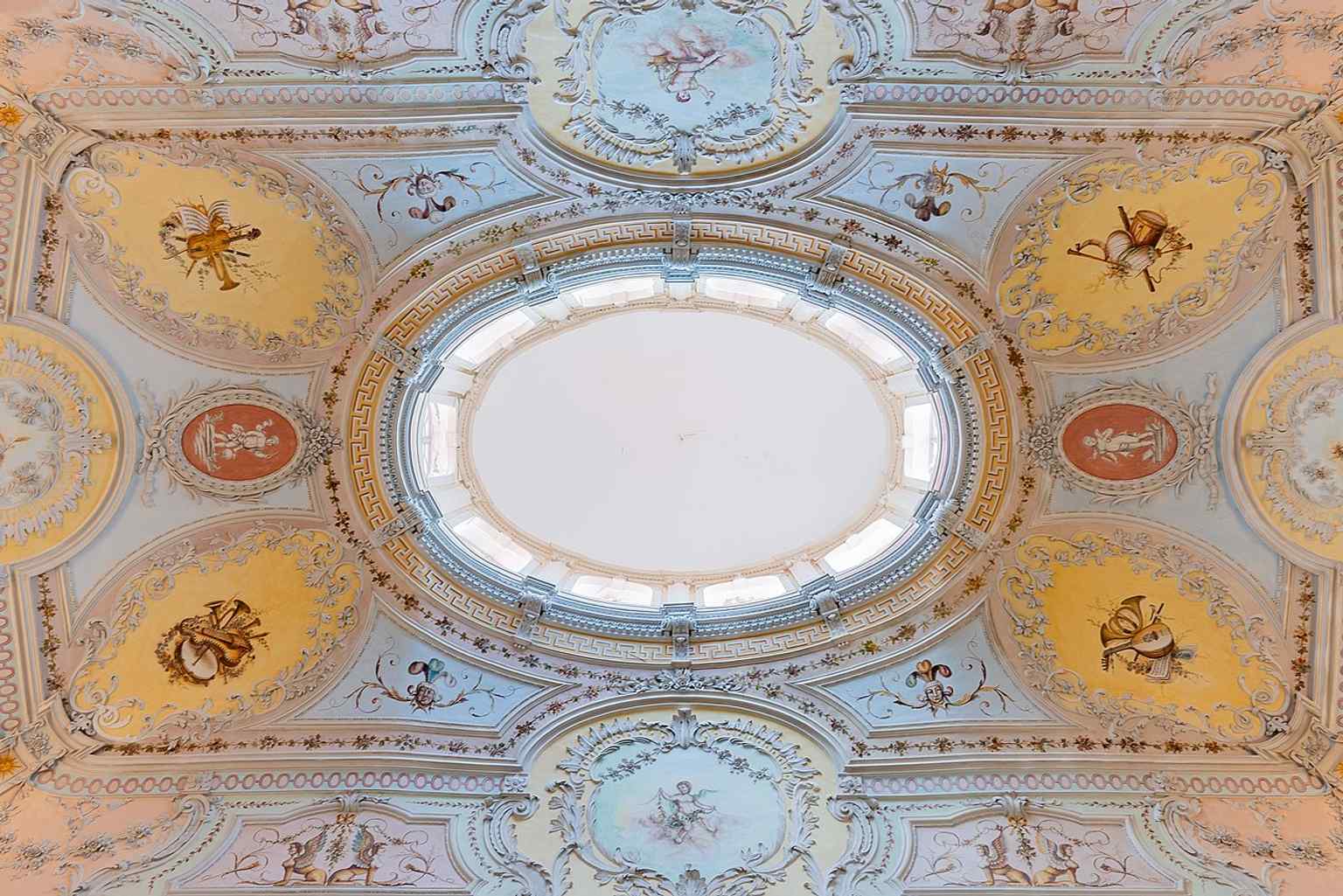
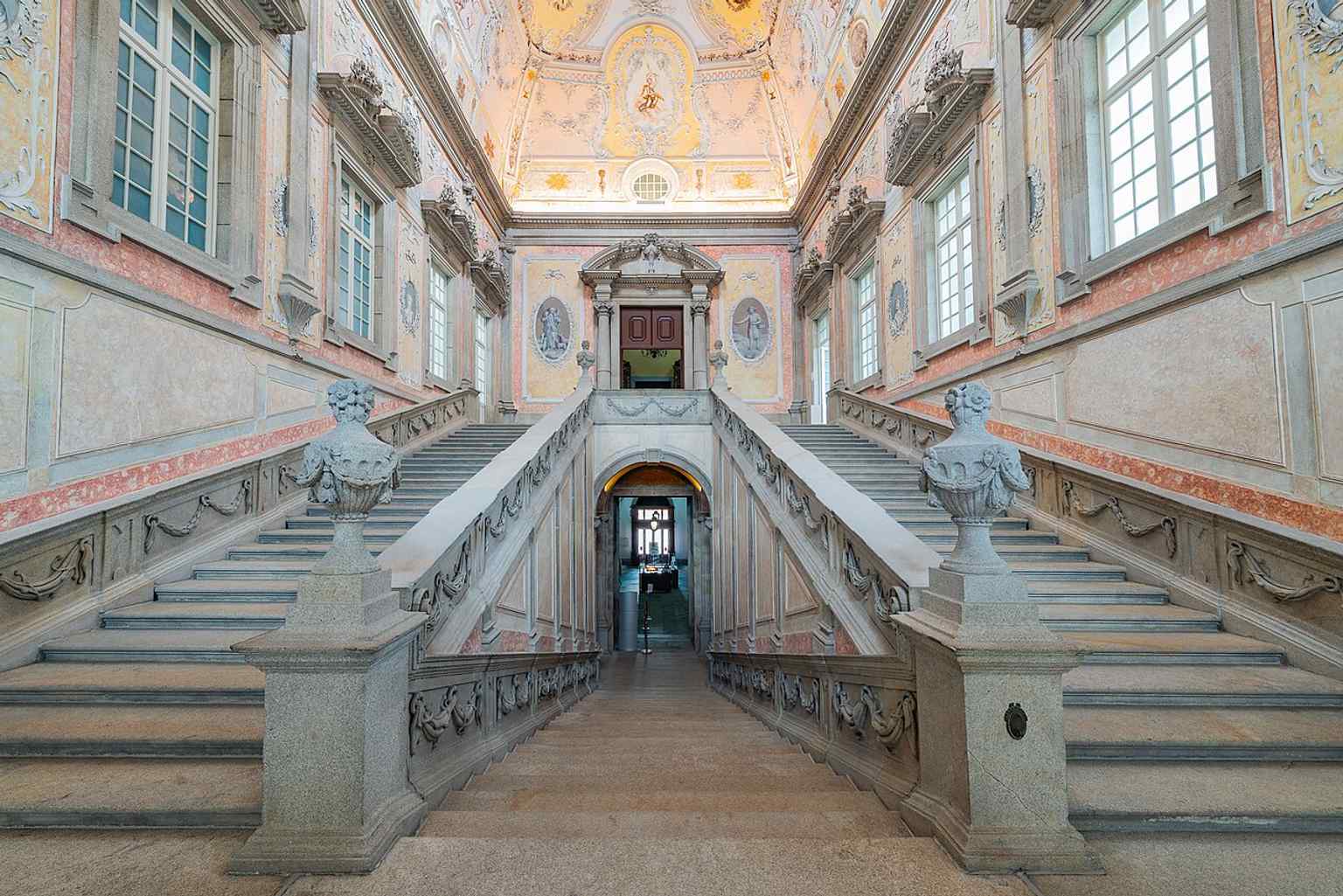
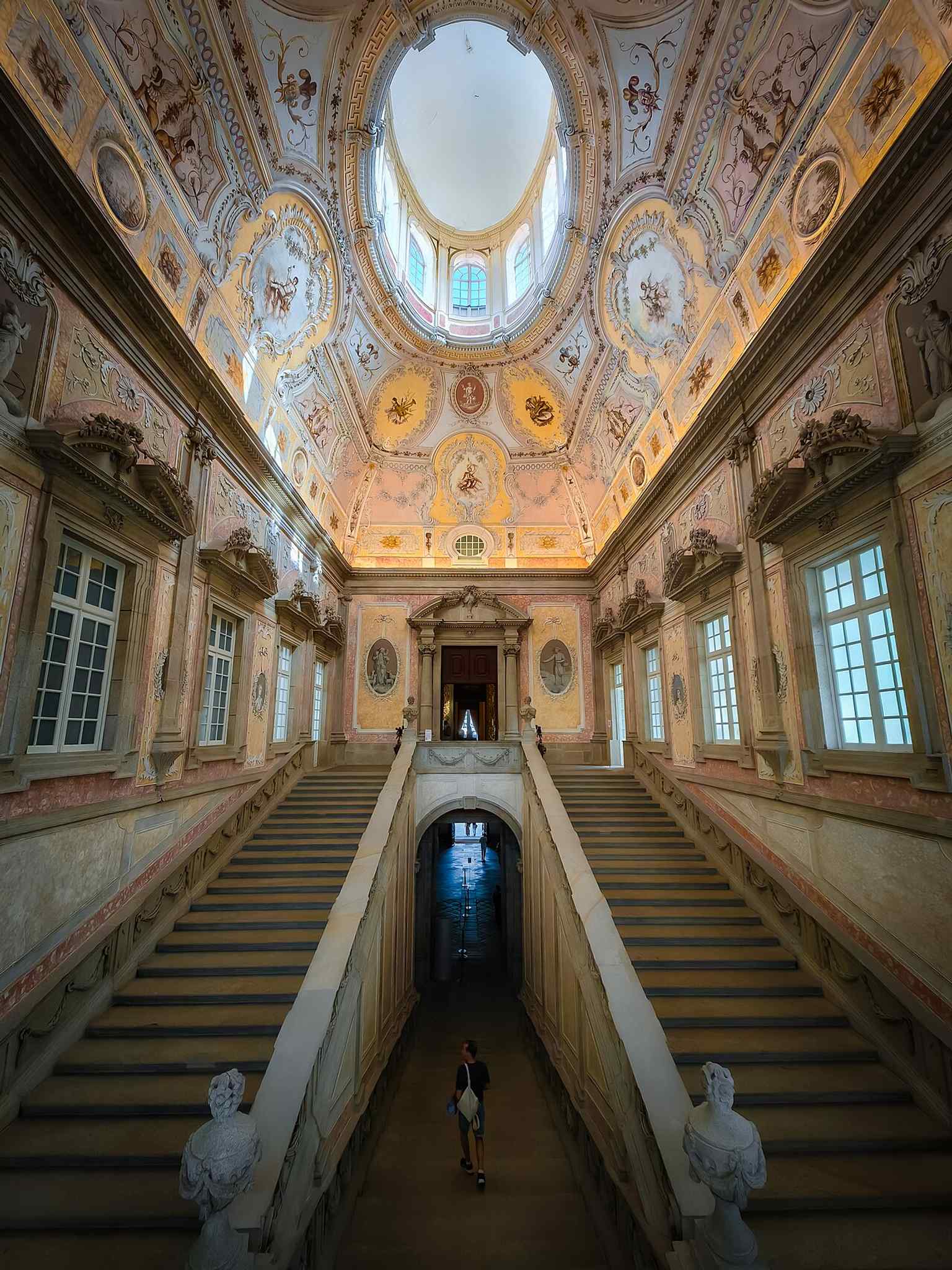
The building changed roles again in the twentieth century. After the Republic nationalised church property in nineteen ten and pushed the bishops out, Porto’s city hall moved in and stayed here from nineteen sixteen to nineteen fifty-six. So this palace of bishops briefly turned into a machine for municipal paperwork. If you look at the interior photo in the app, you can sense that layered life: domestic rooms, ceremonial scale, and a house adapted for bureaucracy before later recovery.
One bishop’s story lingers here with particular force. Dom António Ferreira Gomes lived in this palace and, in nineteen fifty-eight, wrote to Salazar criticising poverty and the lack of freedom in Portugal. Salazar answered with punishment, barring him from the country in nineteen fifty-nine. The bishop spent ten years in exile and only returned here in nineteen sixty-nine, after Salazar left office. So even in the modern age, this commanding residence remained a stage for conflict between conscience and authority.
From this seat of power, our attention now narrows to a nearby survivor with a more uncertain identity: the Tower of Dom Pedro Pitões.
If you want to visit the interior later, the palace usually opens from nine to one-thirty and from two to five-thirty, Monday to Saturday, and closes on Sunday.