
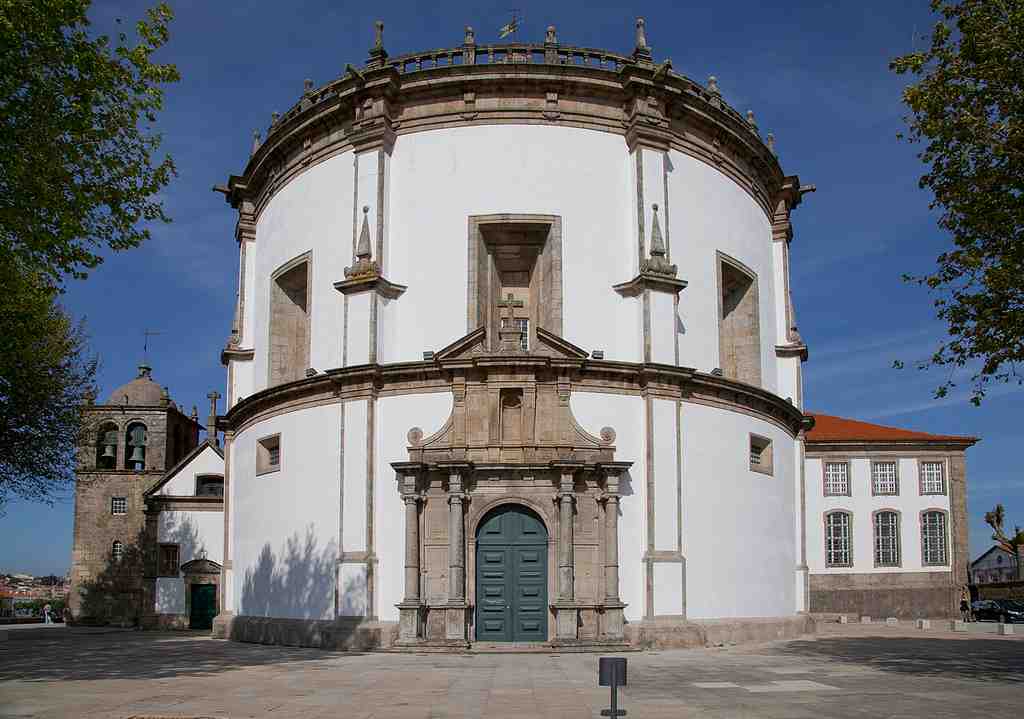
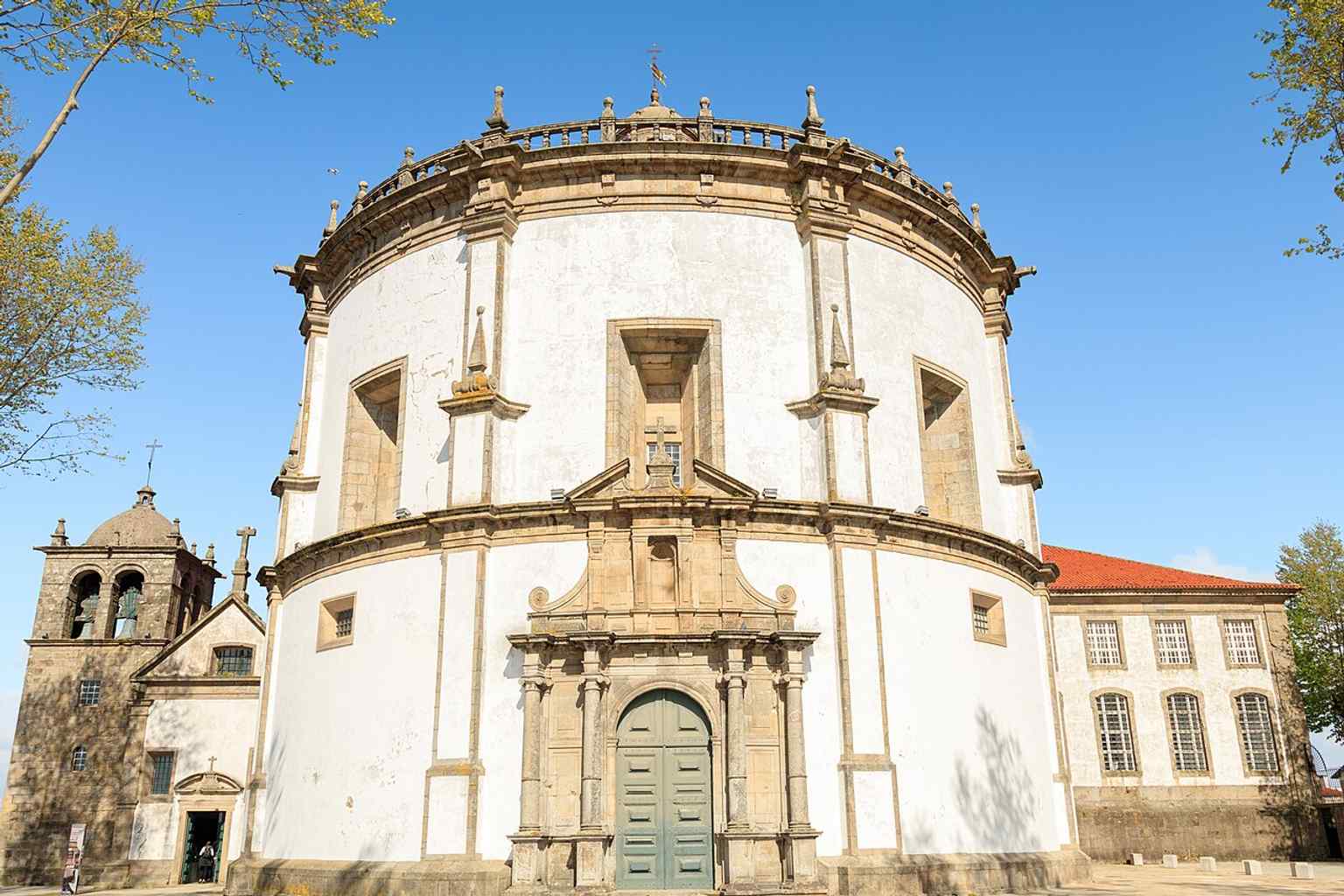
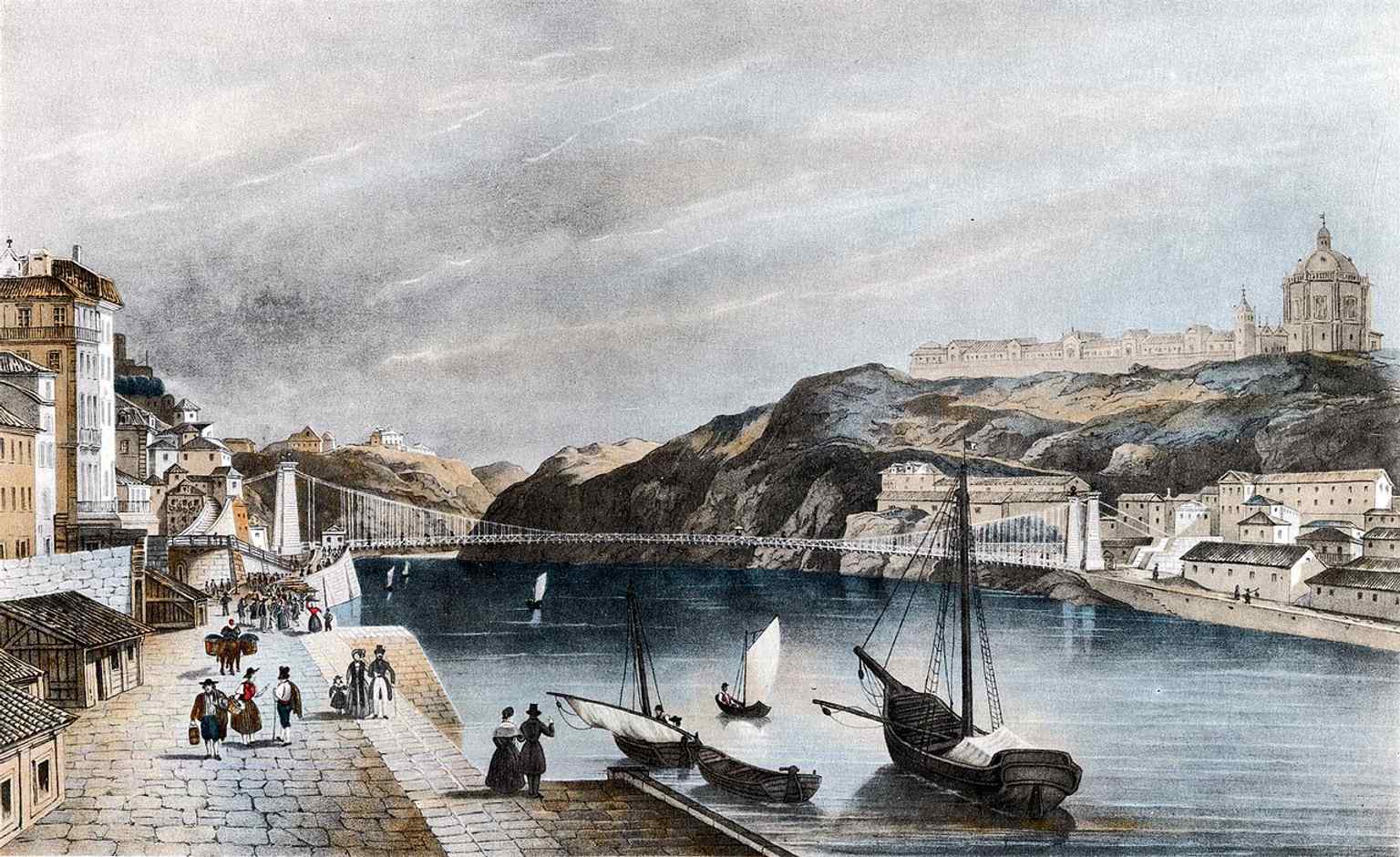
On your right rises a pale stone monastery marked by a round church dome, a matching circular cloister, and a square bell tower set high above the river.
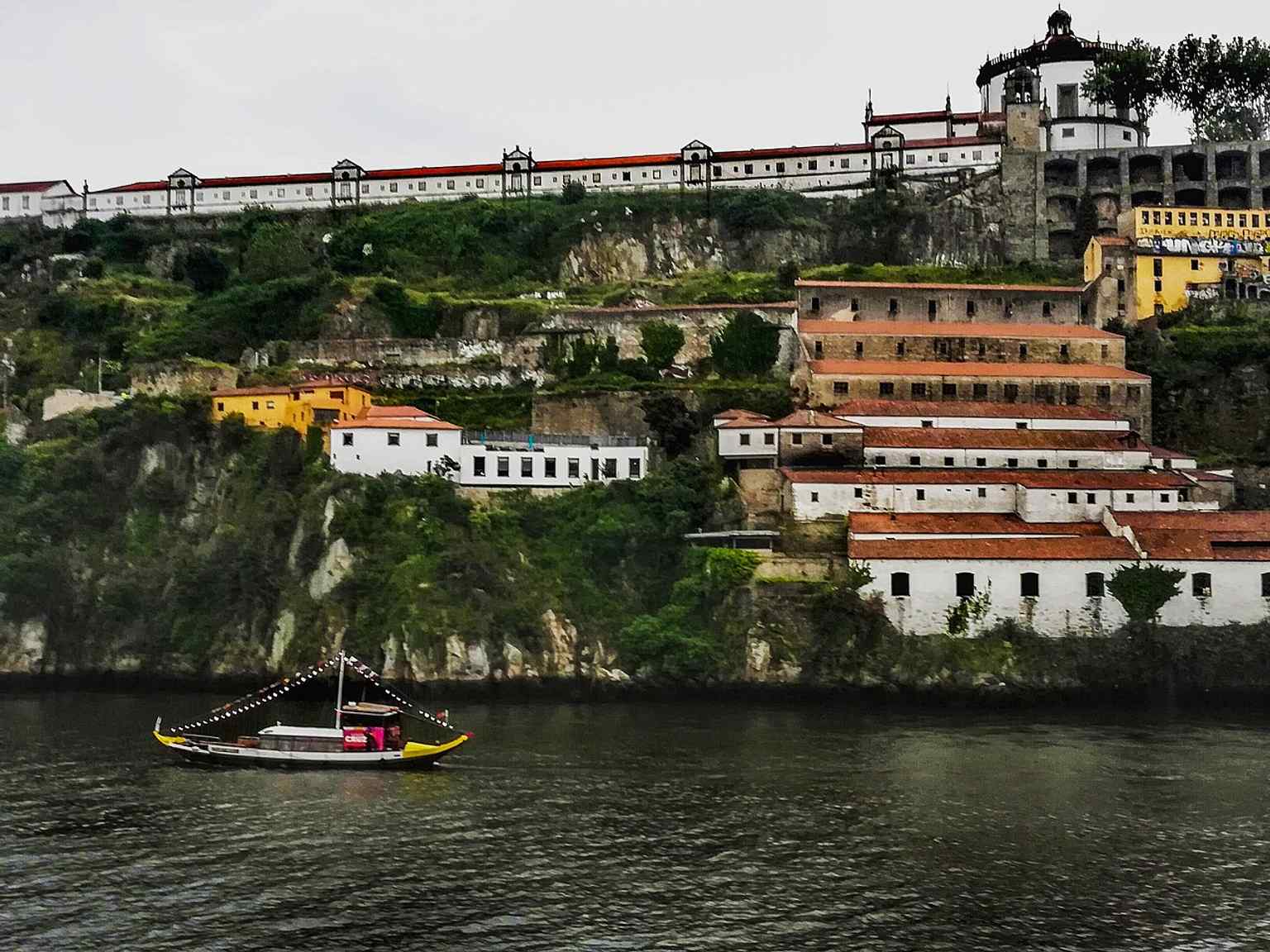
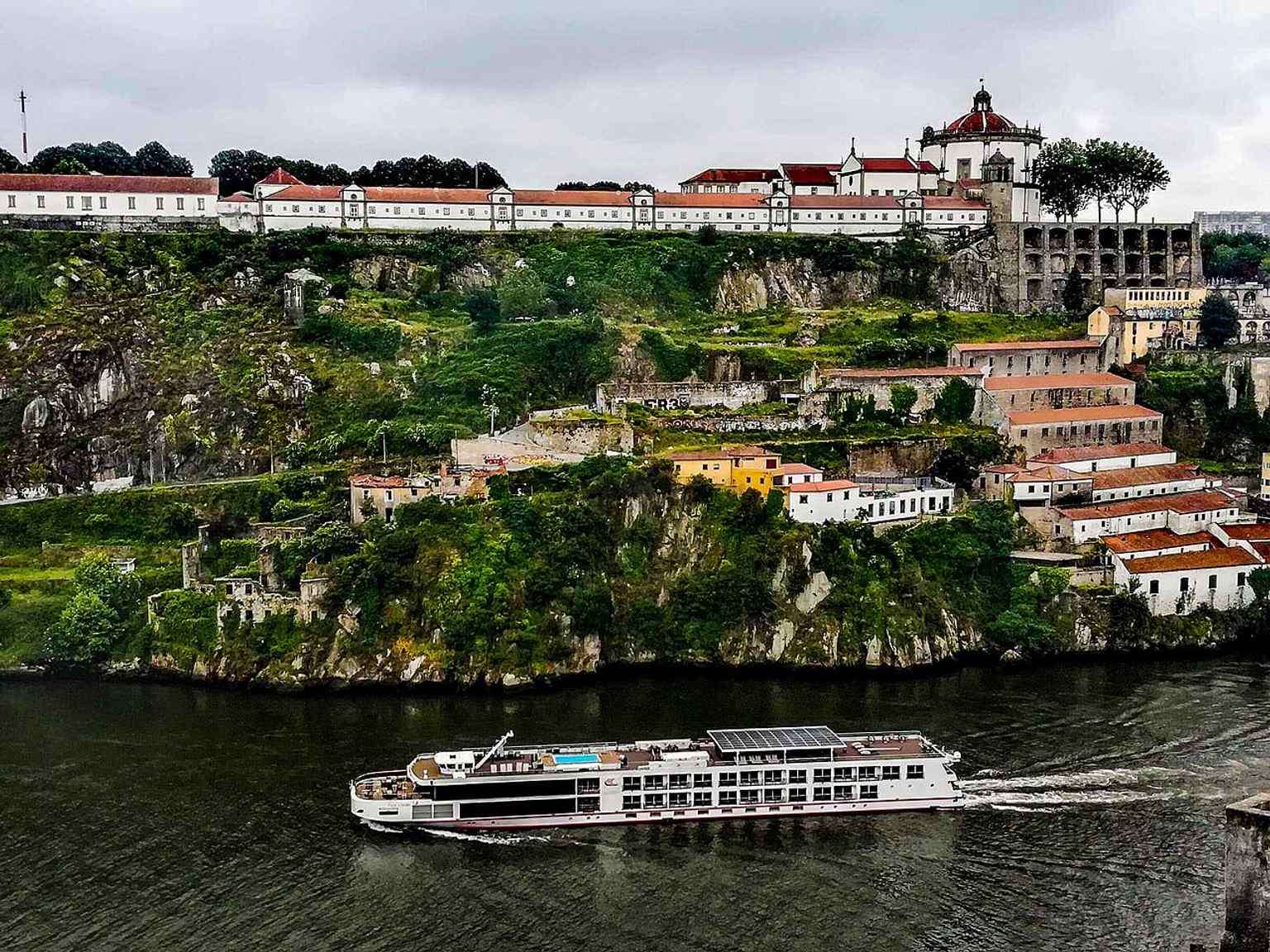
Serra do Pilar has the sort of silhouette that makes architects smile and generals take notes. This former monastery stands in Vila Nova de Gaia, directly opposite Porto, on a rocky height overlooking the Douro, the Dom Luís the First Bridge, and the old city beyond. In nineteen ninety-six, UNESCO, the United Nations Educational, Scientific and Cultural Organization, placed it within the World Heritage listing for Porto’s historic centre, the bridge, and this monastery together, which tells you something important: this hilltop matters not only as a building, but as part of the whole river landscape.
Its story began as a practical royal fix. King João the Third ordered the monks of São Salvador de Grijó to move here after their old monastery fell into poor condition. Builders began the first monastery in fifteen thirty-eight, finished it in fifteen sixty-four, and completed the cloisters in fifteen eighty-three. Then came the awkward truth: it was already too small. So in fifteen ninety-seven, they began again, enlarging the complex in stages. The new circular church opened on the seventeenth of July, sixteen seventy-two, and the final works continued to the end of the seventeenth century.
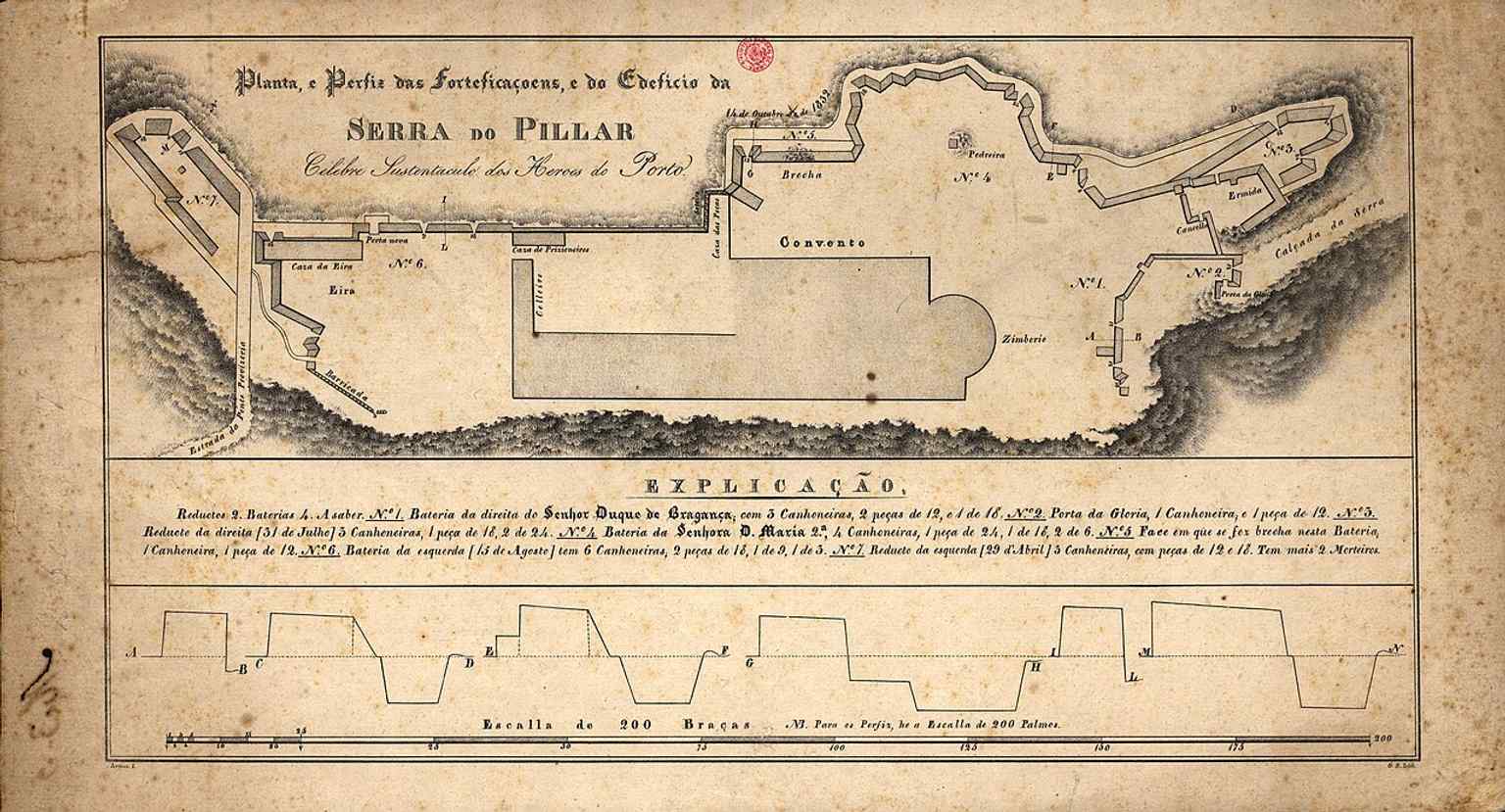
That unusual plan is the key to the place. The church and cloister are both circular, with the same diameter, joined by a rectangular section for the choir and chapel. If you glance at the plan in the app, the geometry becomes wonderfully clear. And yet geometry alone did not define Serra do Pilar. Height did. In eighteen oh nine, General Arthur Wellesley used this commanding ground during his surprise Douro crossing to strike the French and retake Porto. A monastery designed for enclosure suddenly served as a lookout over the river crossings. During the Siege of Porto in eighteen thirty-two, the same hill became the main Liberal stronghold on the south bank, and the complex turned into an improvised fortress. Fortress or residence? Rather inconveniently for tidy categories, it proved to be both.
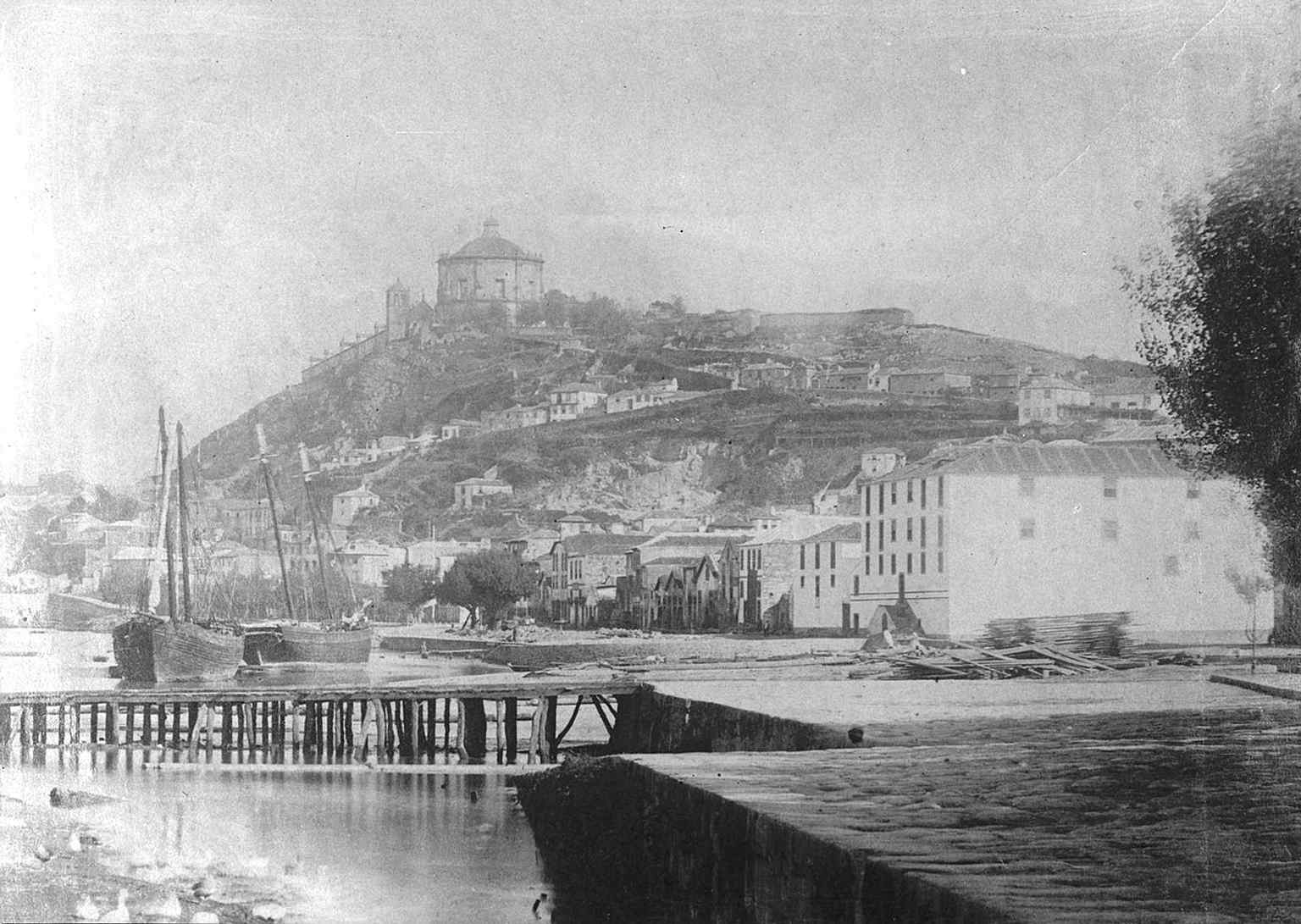
If you like, check the before-and-after image in the app; it shows how a war-damaged ruin returned to the skyline as a whole monument again.
Declared a National Monument in nineteen ten, restored from nineteen twenty-seven onward, and partly adapted as military barracks in nineteen forty-seven, Serra do Pilar never entirely shed its martial afterlife. Even so, the church still holds Sunday Mass. That is the marvel of this height: it offers seclusion for prayer, a platform for surveillance, and an advantage in war, all at once. From here, the river below begins to look less like scenery and more like destiny, which is exactly what we will follow next to Ponte das Barcas, about eleven minutes away. And should you return later, the grounds are accessible at any hour.






.jpg)


