
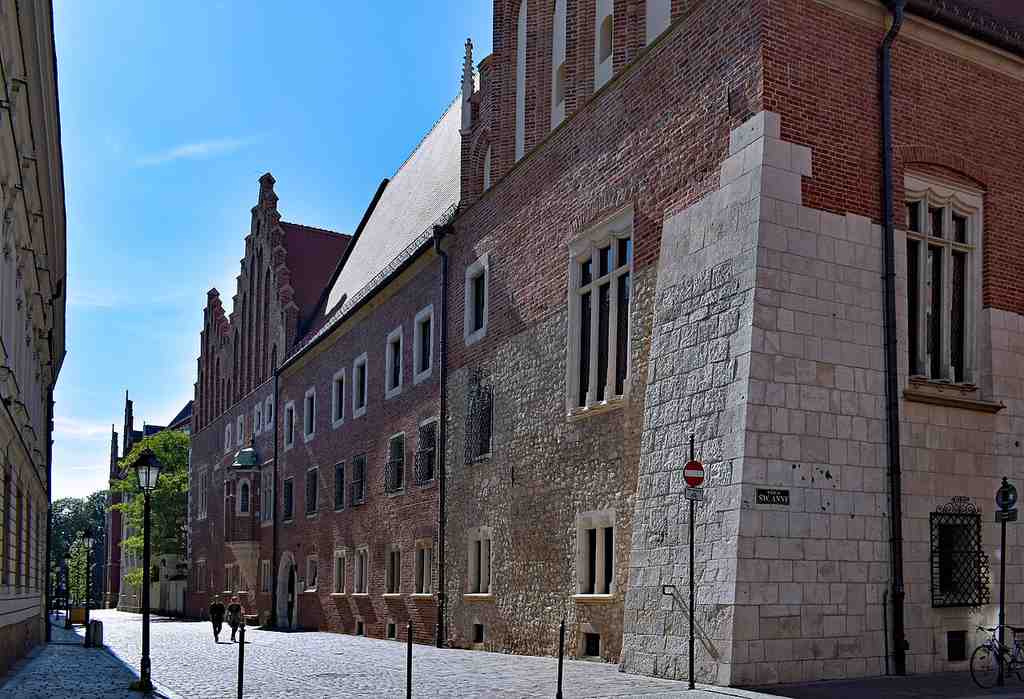
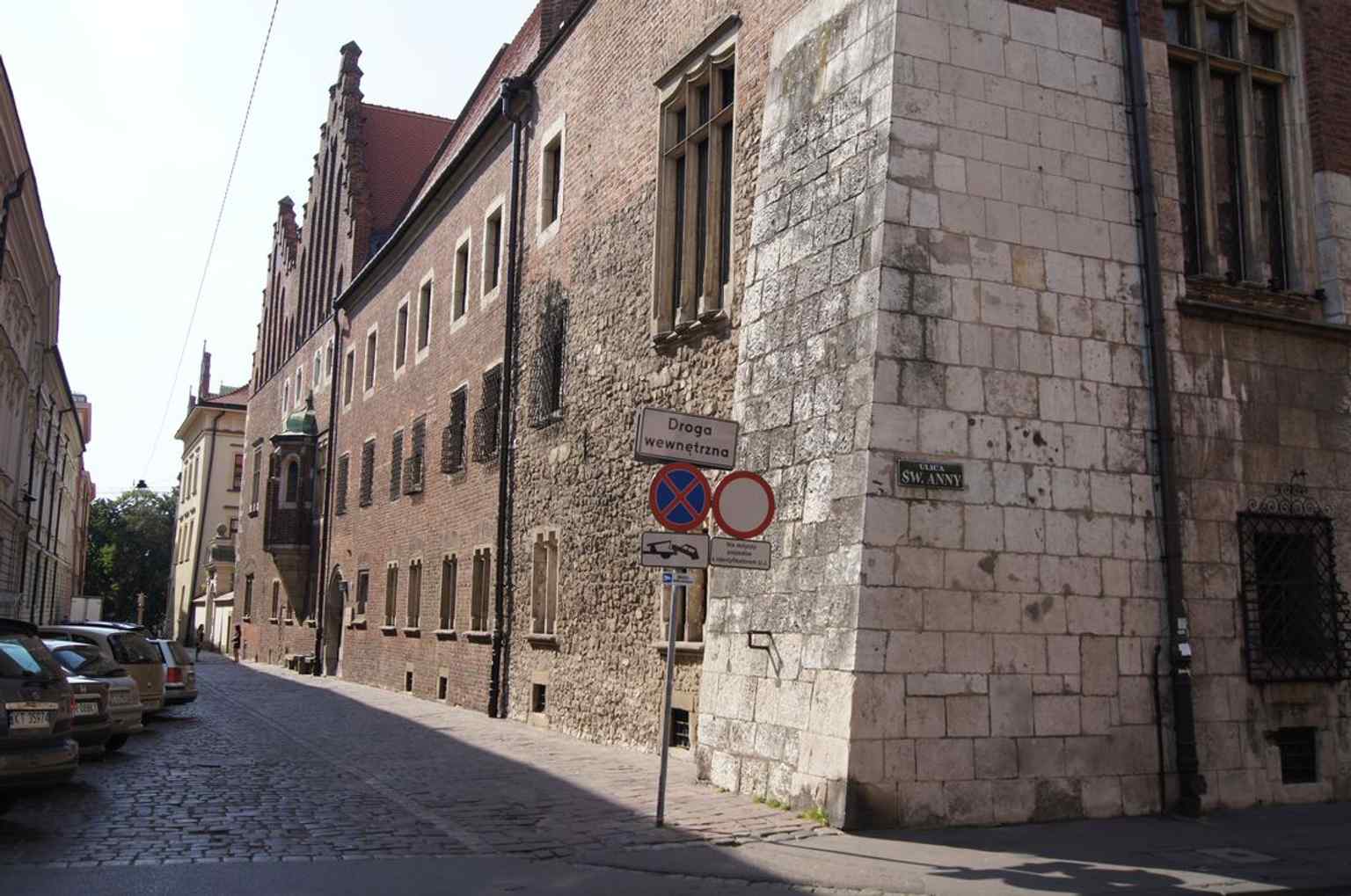
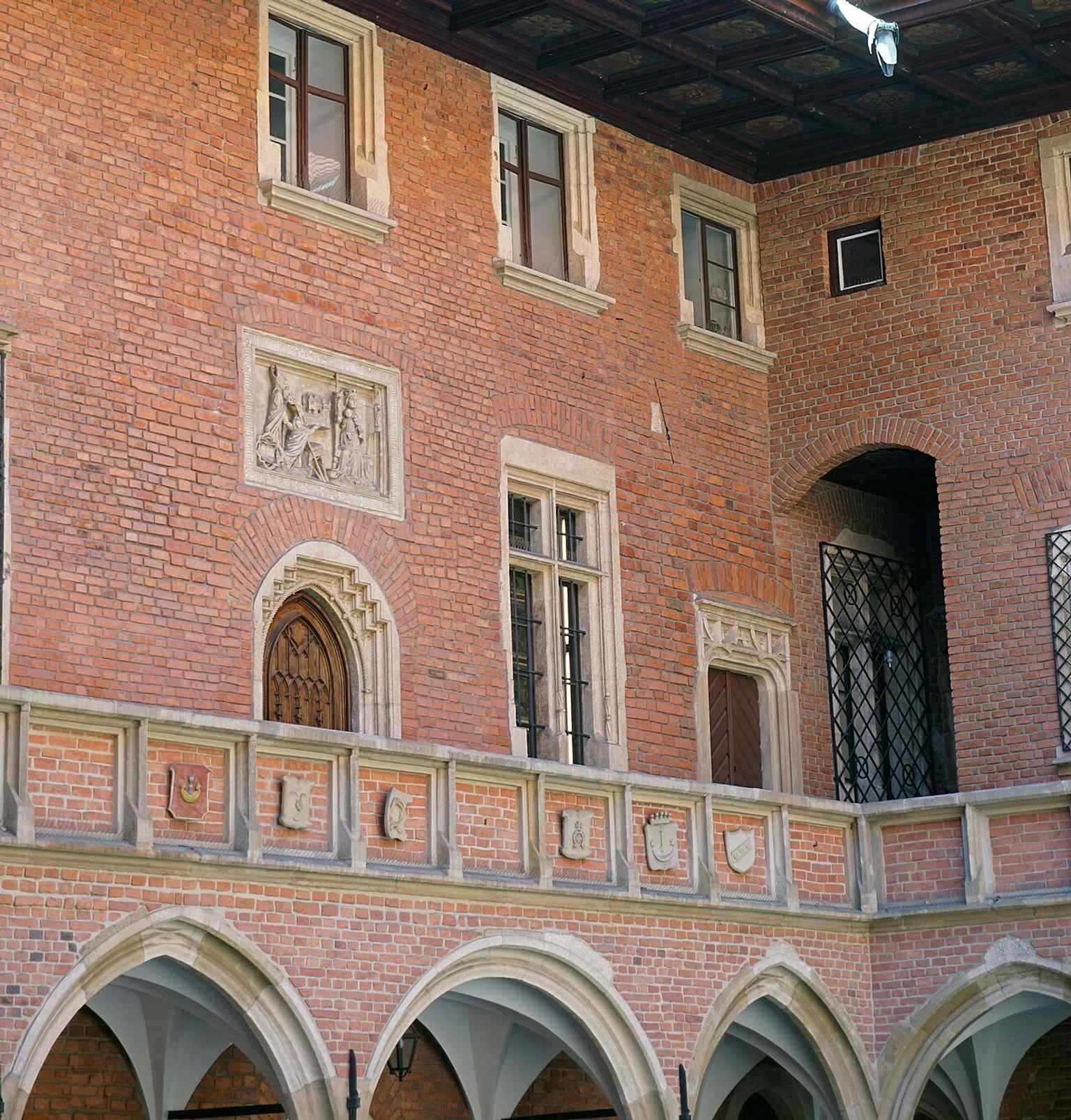
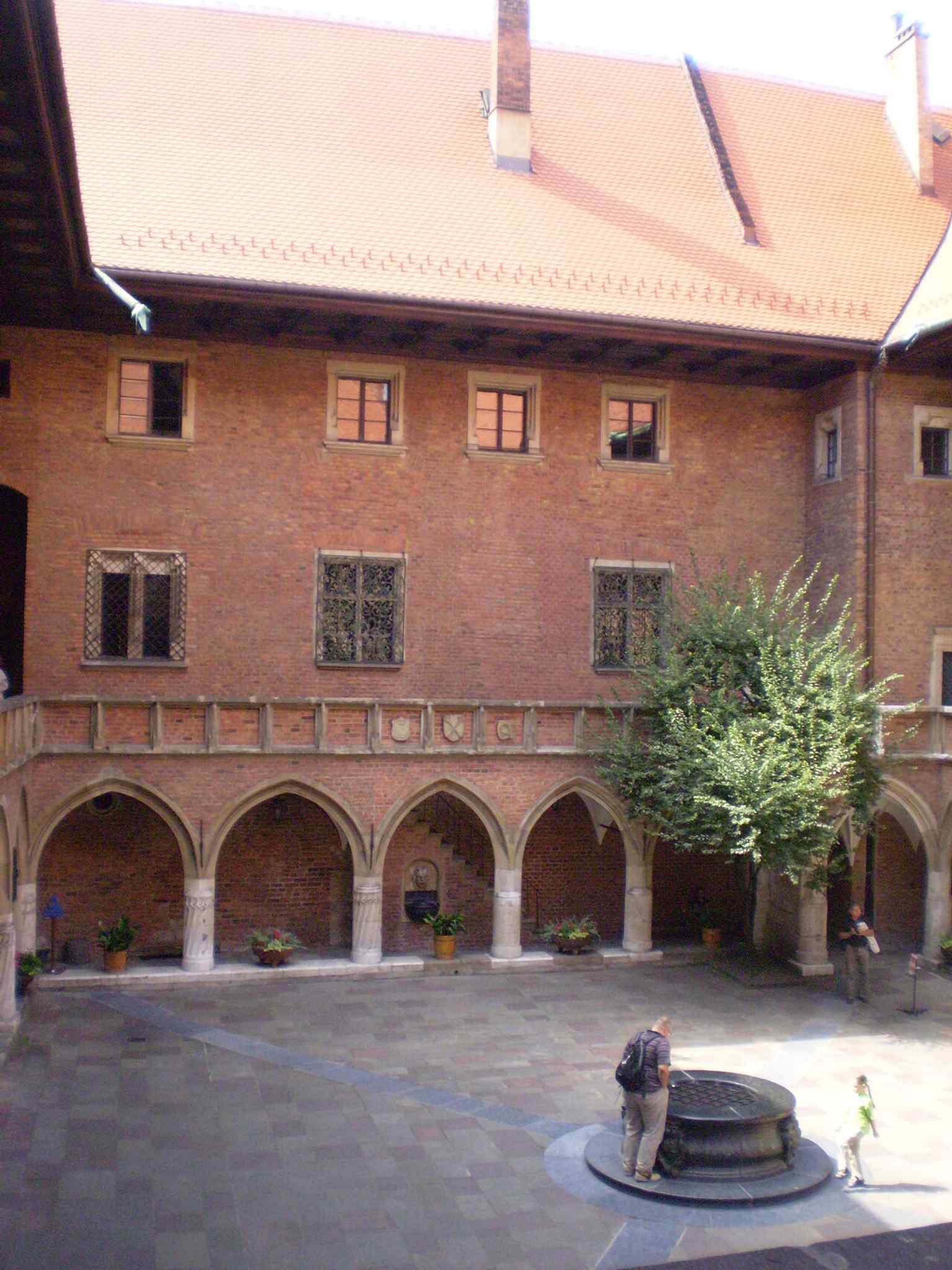
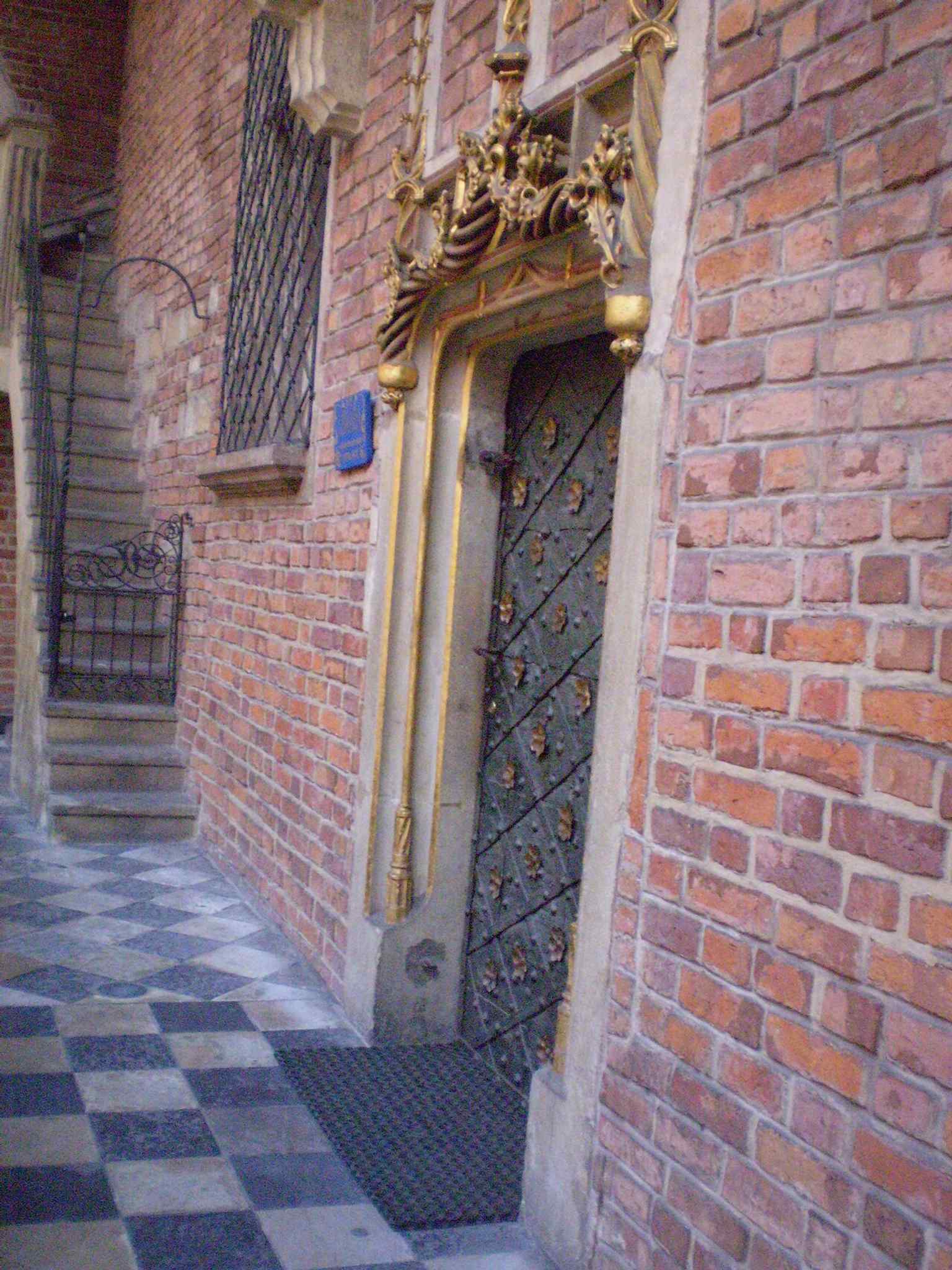
On your left is a red-brick Gothic college with stepped gables, pointed windows, and a carved stone portal that leads into its famous inner court.
This is Collegium Maius, the oldest building of the Jagiellonian University. In fourteen hundred, when Kraków renewed its academy, King Władysław Jagiełło bought a corner townhouse here from the Pęcherz family, using six hundred grzywnas from Queen Jadwiga’s bequest - a sum large enough to buy a prestigious city property.
That purchase says a lot about Kraków. Royal power mattered here, church power mattered here, but scholarship became its own kind of status. The city did not only crown rulers and raise altars; it also trained people to count, compare, and test what they thought they knew.
Most people picture medieval learning as dusty theory. Collegium Maius was less dreamy than that. A rooftop terrace linked to this complex served as a place for observing the sky, and many treat it as Kraków’s earliest observatory-like site. That detail is easy to miss from the courtyard below, but it matters: astronomy here meant real watching, not just copying old books.
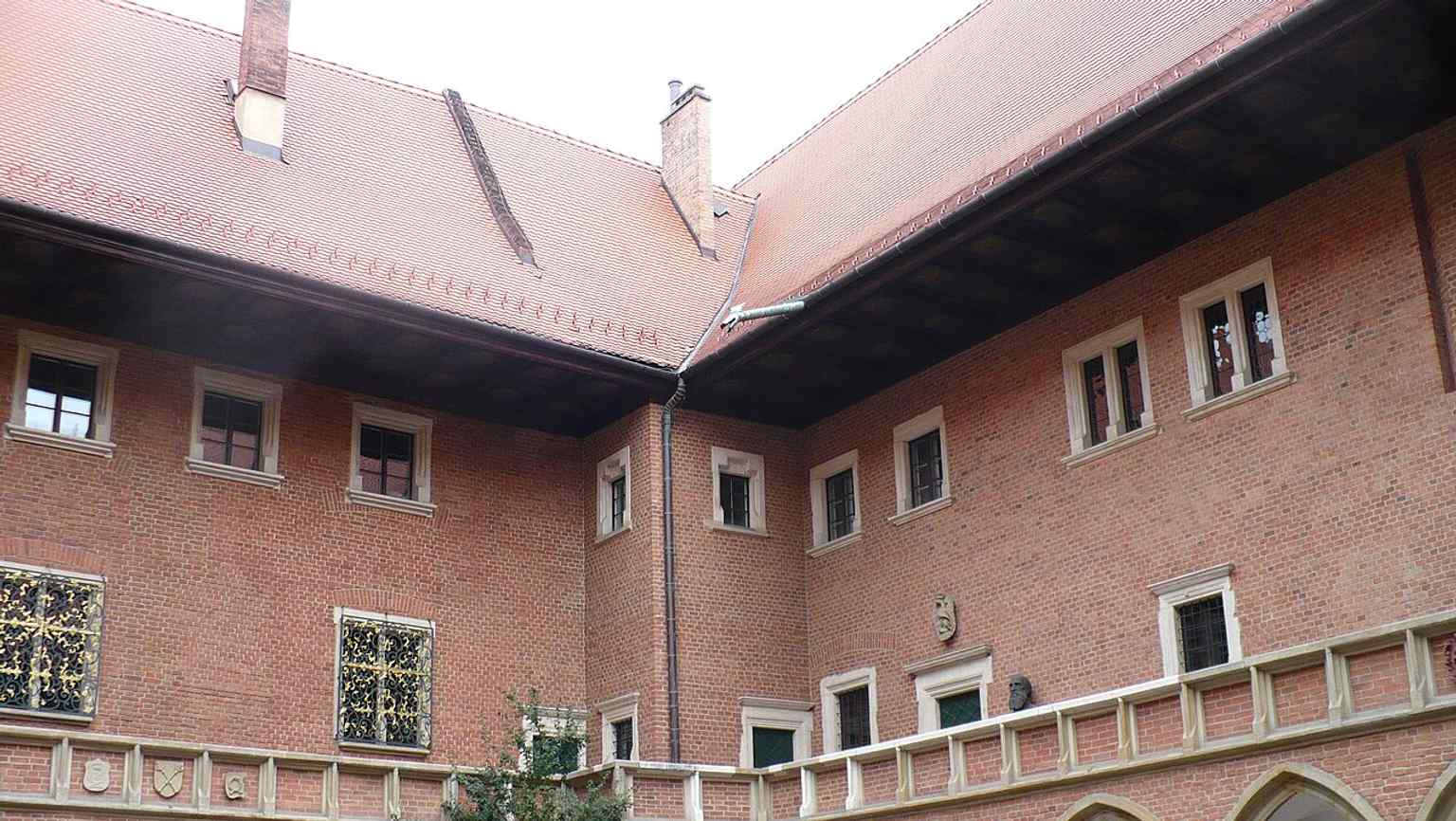
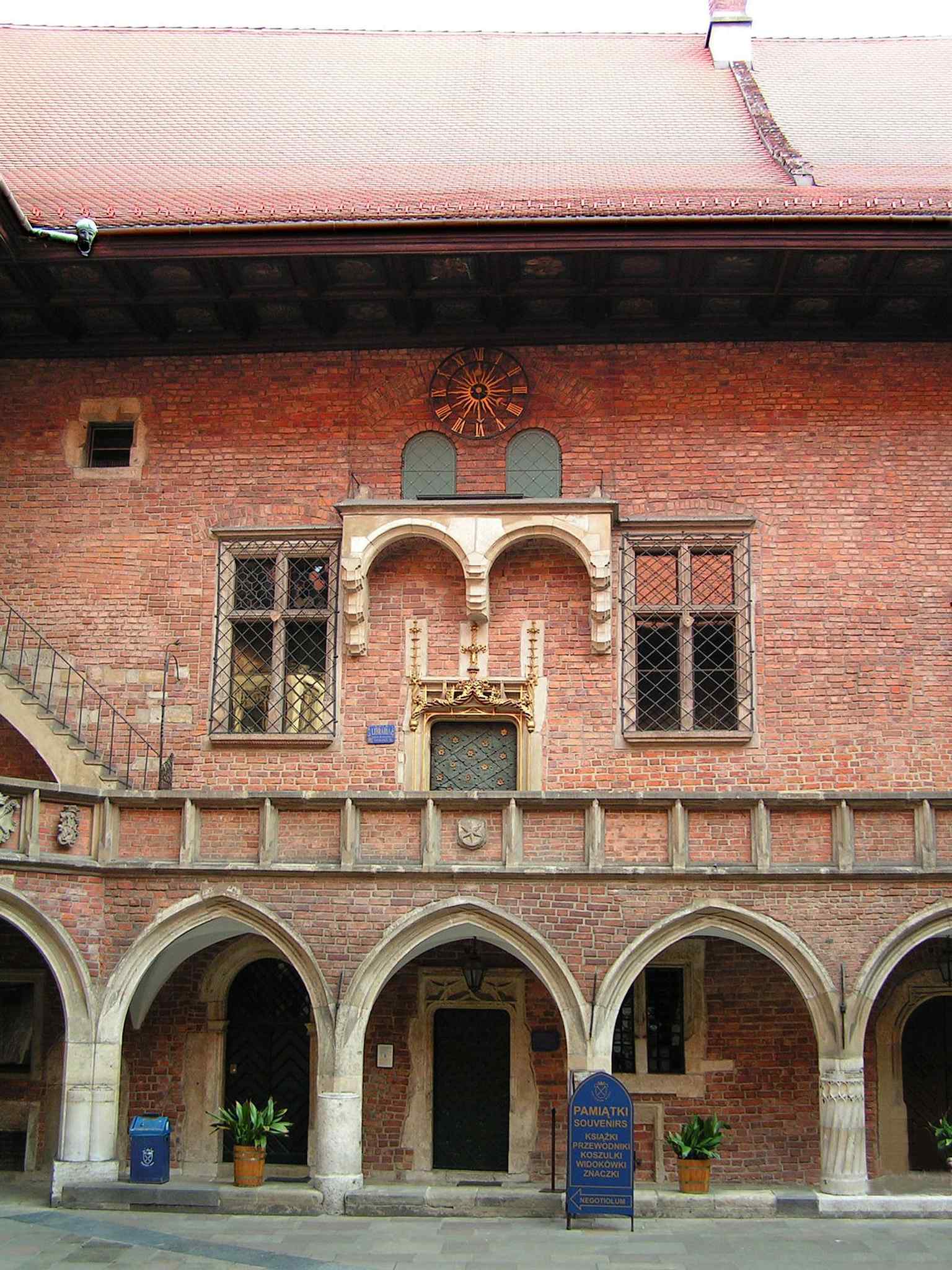
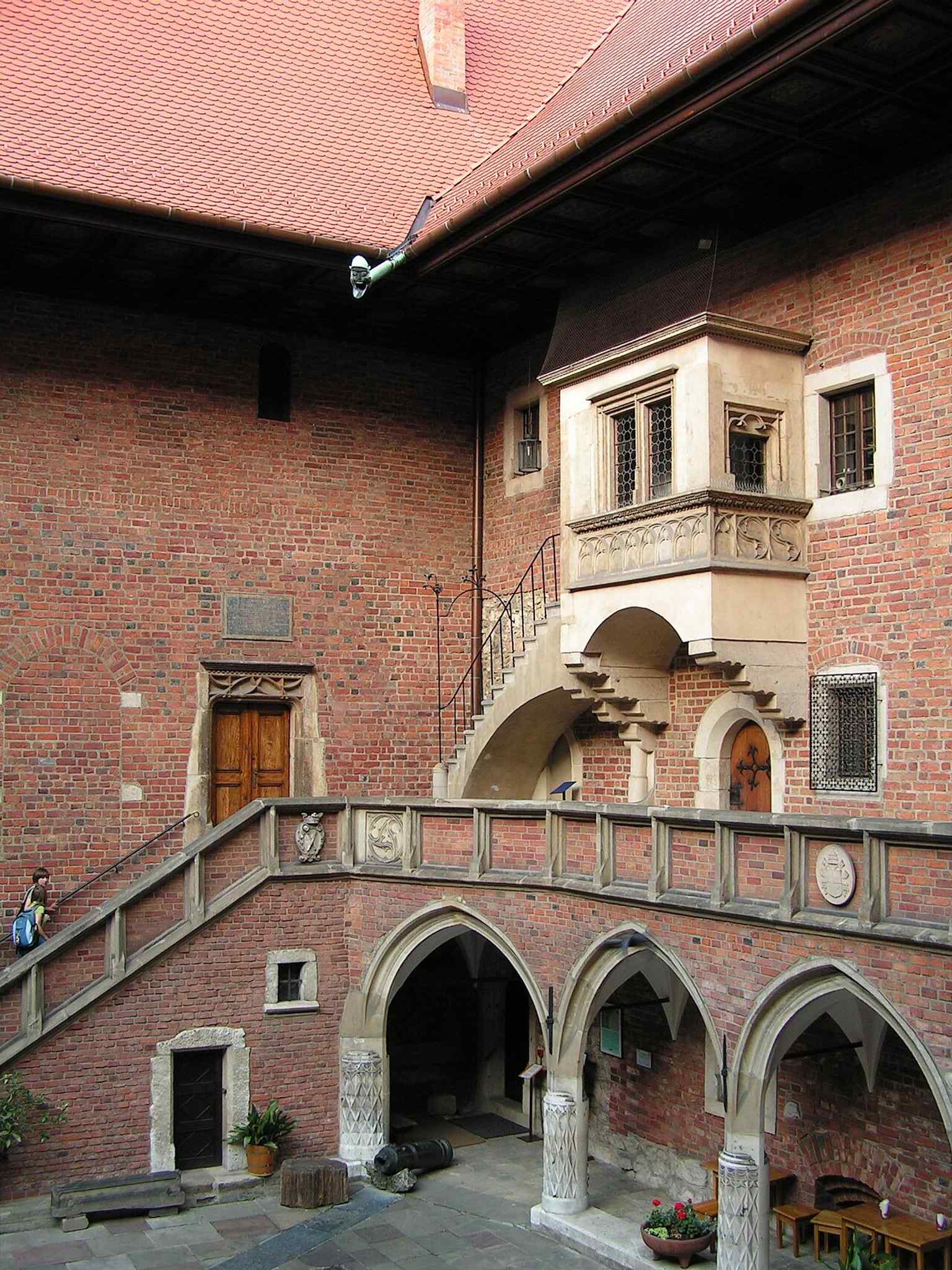
The building itself grew the Kraków way - by layering. During the fifteenth century, the university kept buying neighboring houses and folding them in. After a fire in fourteen ninety-two, builders joined the complex, added floors, and created the inner courtyard with late Gothic galleries and those sharp, crystal-patterned vaults overhead.
Mikołaj Kopernik enrolled here in fourteen ninety-one, right into that atmosphere of disciplined curiosity. Collegium Maius was a main center for the liberal arts, mathematics, and astronomy, and the university had two chairs in astronomy - two senior teaching posts - which was unusually serious for the late medieval world. Kraków helped train a mind that would later question the inherited map of the cosmos. Not bad for a student address.
Near the portal, the courtyard clock adds a little academic theater. At set hours it plays a sixteenth-century piece by Jan of Lublin and Gaudeamus igitur, the old university song, while figures of Jadwiga, Jagiełło, Jan of Kęty, Hugo Kołłątaj, Stanisław of Skarbimierz, and the university beadle pass by. Even scholarship likes a small procession. If you want a closer look, check the clock image in the app.
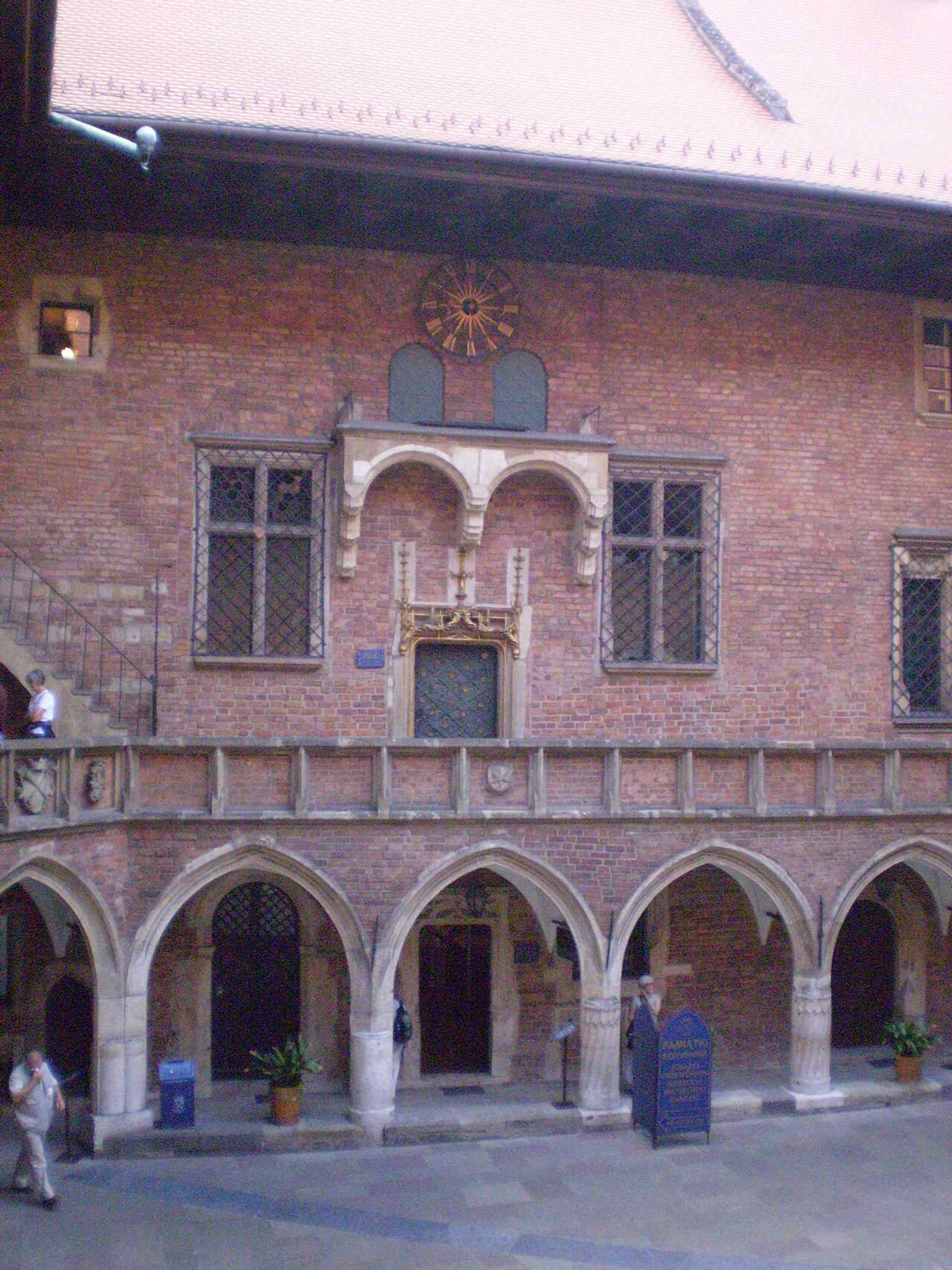
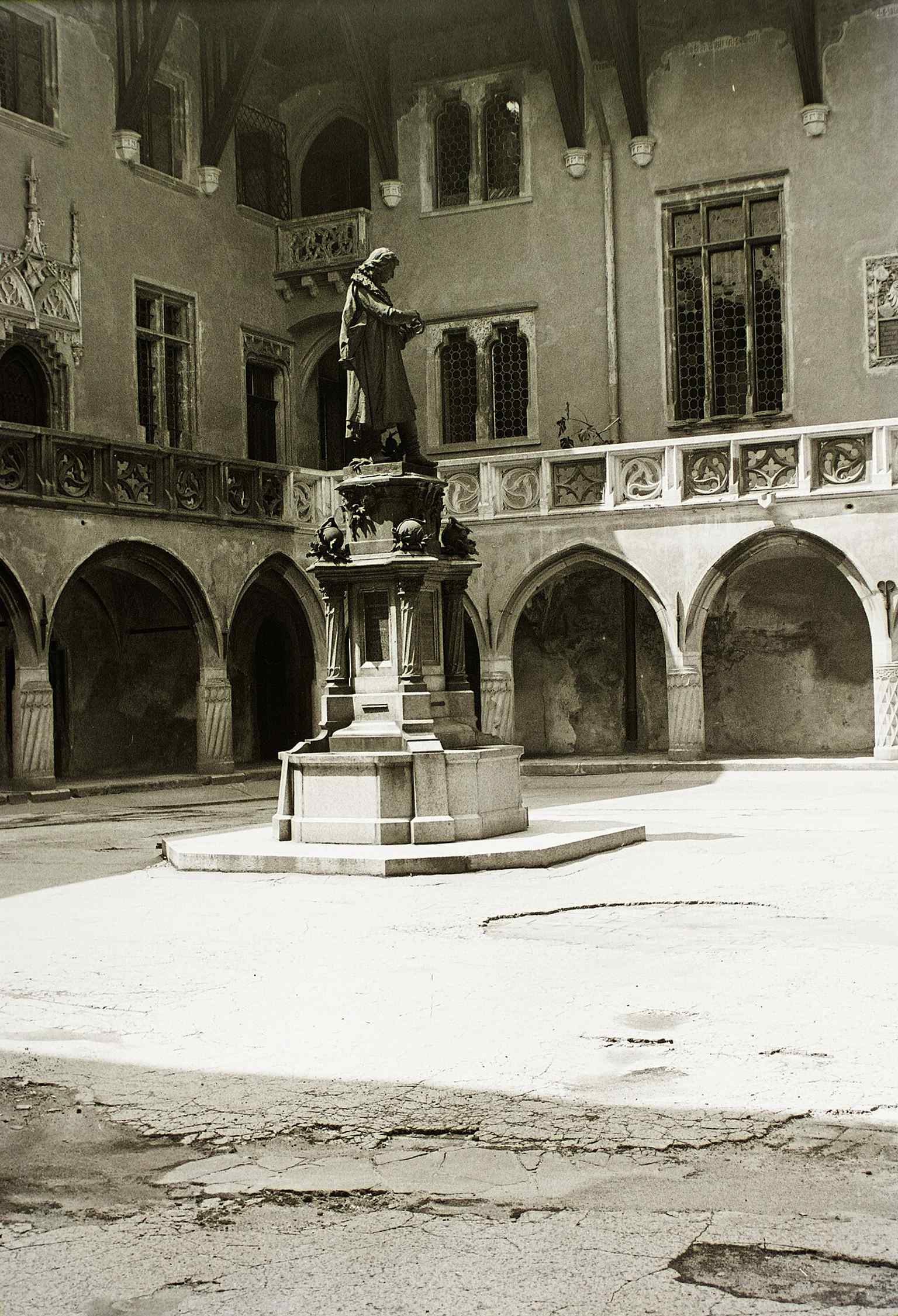
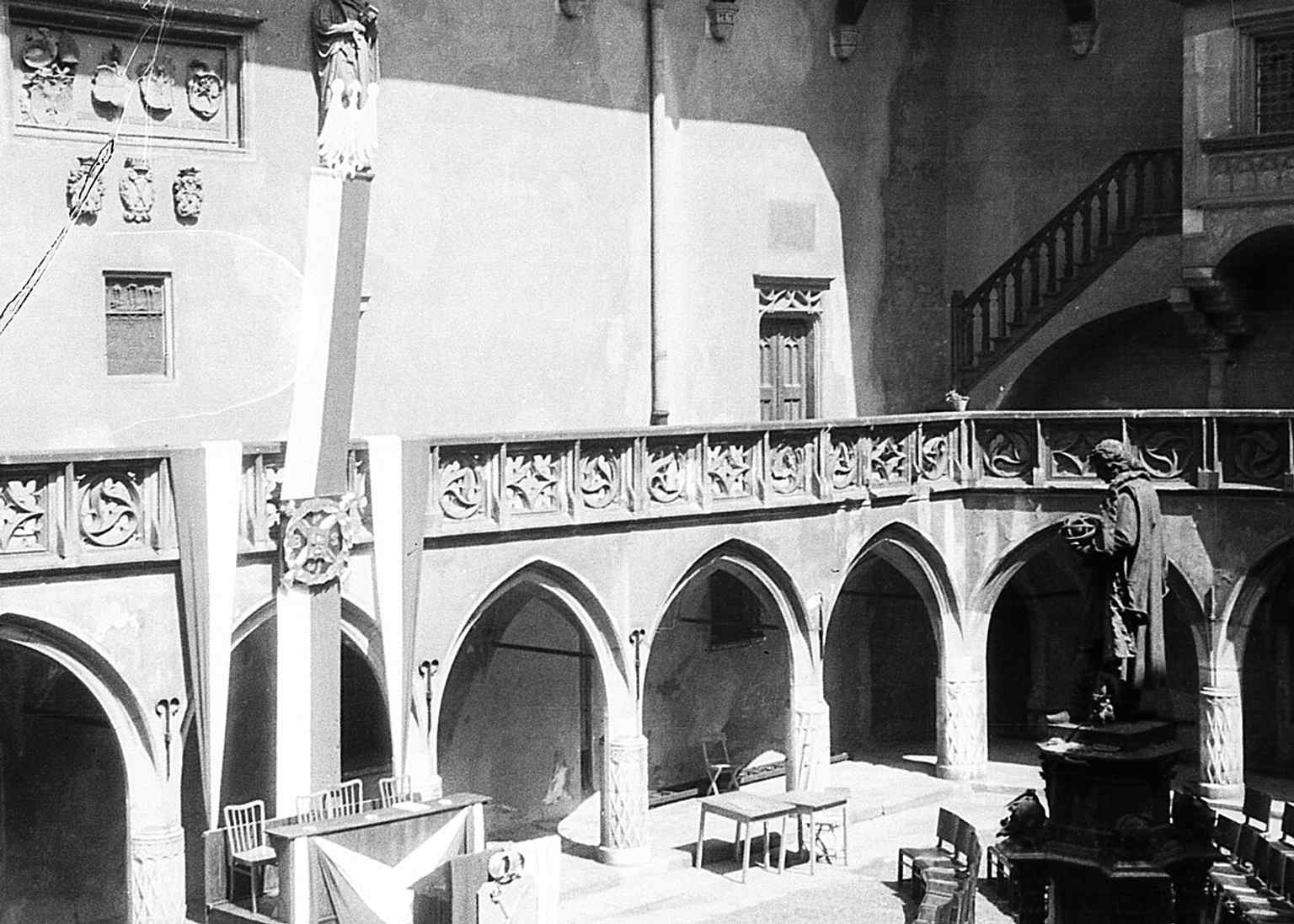
The place changed again in the nineteenth century, when architects refashioned it in neo-Gothic style for the university library. After the Second World War, Karol Estreicher led a determined restoration to recover its earlier Gothic character and make it the university museum. Have a quick look at the before-and-after image in the app; you can see how the courtyard shifted from a plainer academic space into the carefully staged museum setting of today.
Inside are astronomical instruments, an Arabic astrolabe from the eleventh century, and the Jagiellonian Globe, one of the earliest globes to label America.
The museum usually opens Monday through Friday from nine to four thirty, and Saturday from ten to three thirty. Next, we head to Town Hall Tower, where knowledge gives way to the rougher business of civic memory.






%2C%202019%2C%2002.jpg)


.%20Fortepan%2095530.jpg)


.jpg)