AudaTours logoAudaTours

Stop 6 of 16

Basilica of St. Francis of Assisi

Basilica of St. Francis of Assisi
Basilica of St. Francis of Assisi in Krakow
Basilica of St. Francis of Assisi in KrakowPhoto: Zygmunt Put, Wikimedia Commons, CC BY-SA 4.0. Cropped & resized.

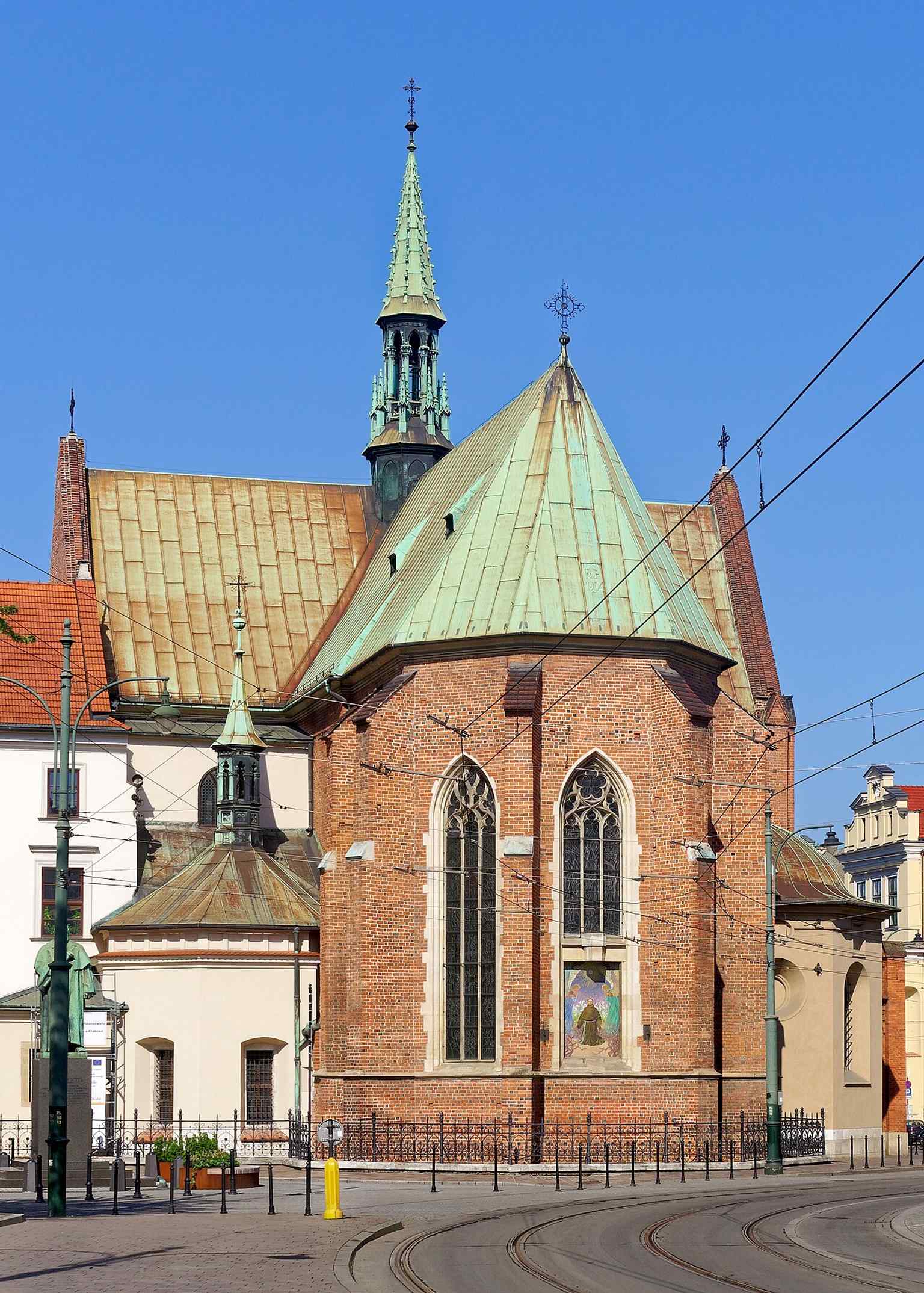
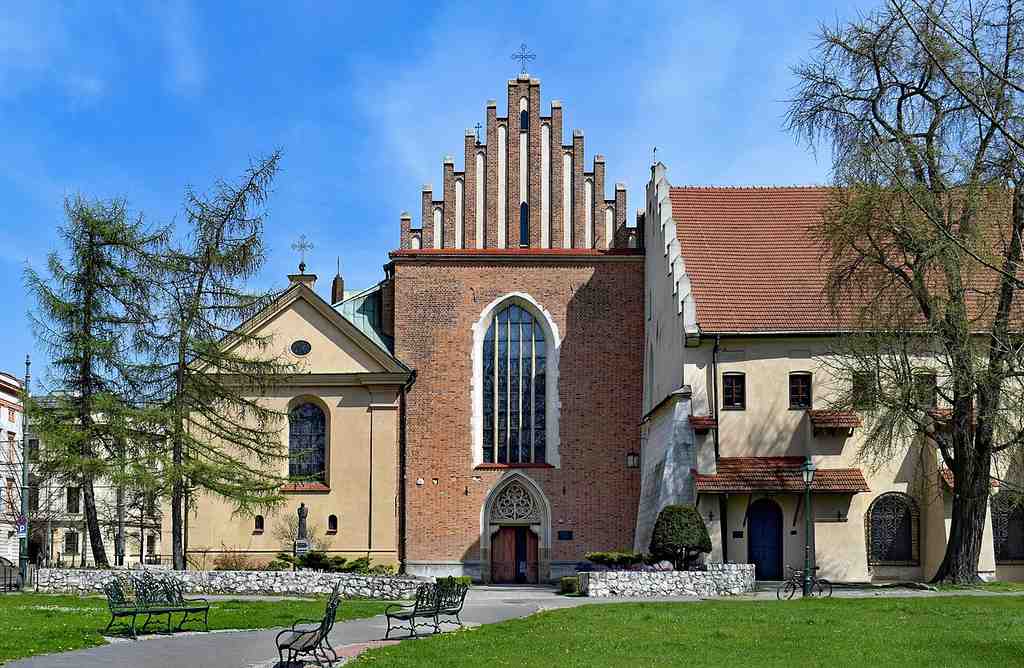
On your left stands a red-brick Gothic church with a steep roof, a broad pointed-arch facade, and an attached monastery wing that makes the whole complex feel more like a working religious house than a showpiece.

This is the Basilica of Saint Francis of Assisi, one of Kraków’s oldest Franciscan sites. Duke Henry the Pious brought the friars here from Prague in the twelve-thirties, and before long the church became something more than a parish church. It turned into a burial place, a sanctuary, and a kind of memory vault for the city. Duke Bolesław the Chaste was buried here in twelve seventy-nine, alongside his sister, Blessed Salomea. For medieval rulers, resting near holy people was not subtle branding.

And yet this church never stayed fixed. Fire hit it in the fourteen-sixties... then again in fourteen seventy-six... then in sixteen fifty-five... and the great fire of eighteen fifty nearly ruined it altogether. Each repair changed it. So what you see is not one clean medieval idea, but centuries of rescue work layered into brick, chapels, and rebuilt vaults.

Now, here’s the turn that makes this place special. In the late nineteenth century, the friars were not chasing artistic glory. Father Samuel Rajss simply begged for money to replace ruined windows because drafts were sweeping through the interior. Very practical. Very unromantic. And then Kraków got Stanisław Wyspiański.

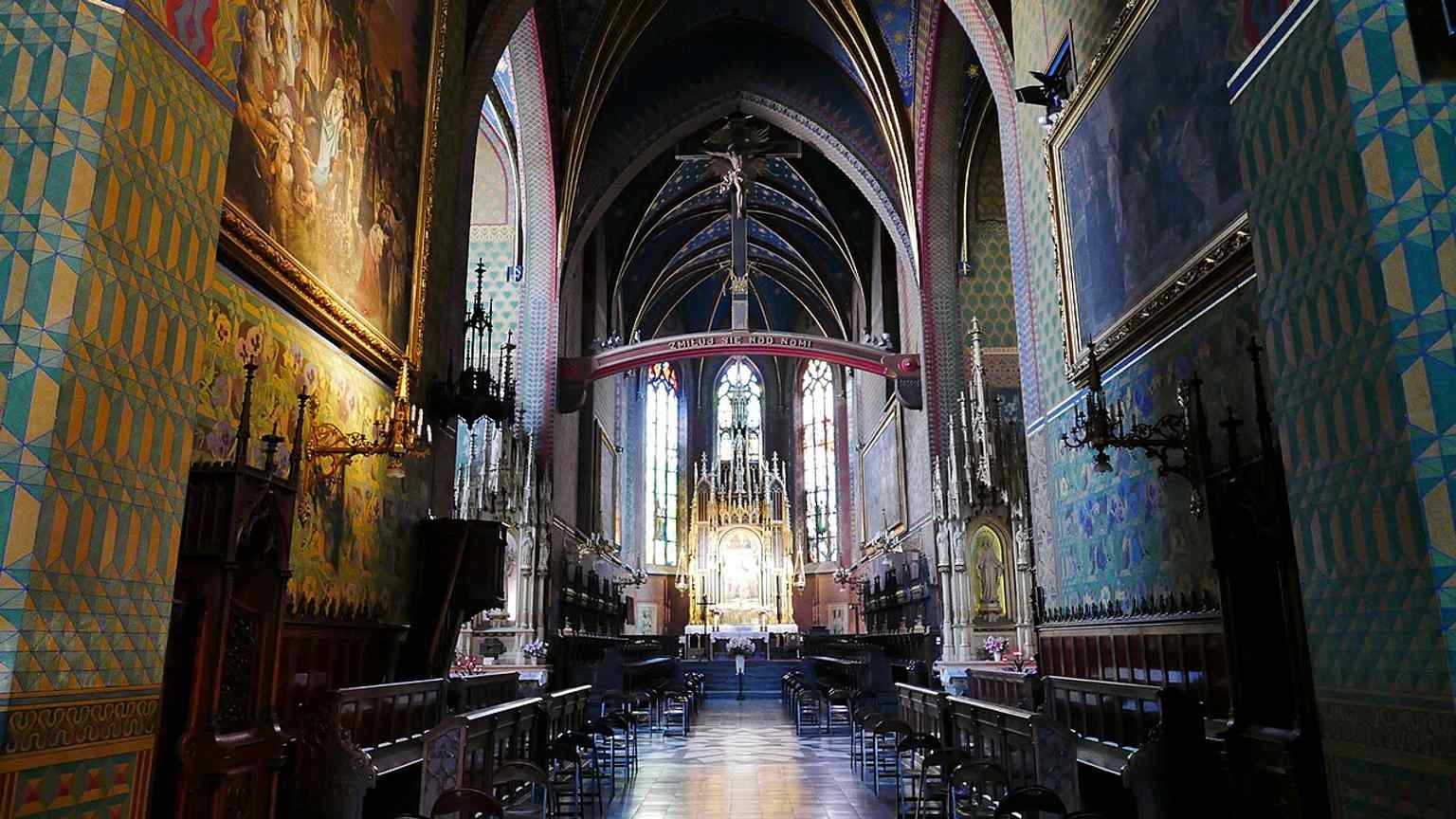
Wyspiański was a modern artist, playwright, and designer, and he did something clever here: he did not “update” the church by scrubbing out the past. He poured new energy into it. His stained glass and painted walls made the old building feel newly alive. If you glance at the image on your screen, you can see how color spreads across the interior almost like a second architecture.
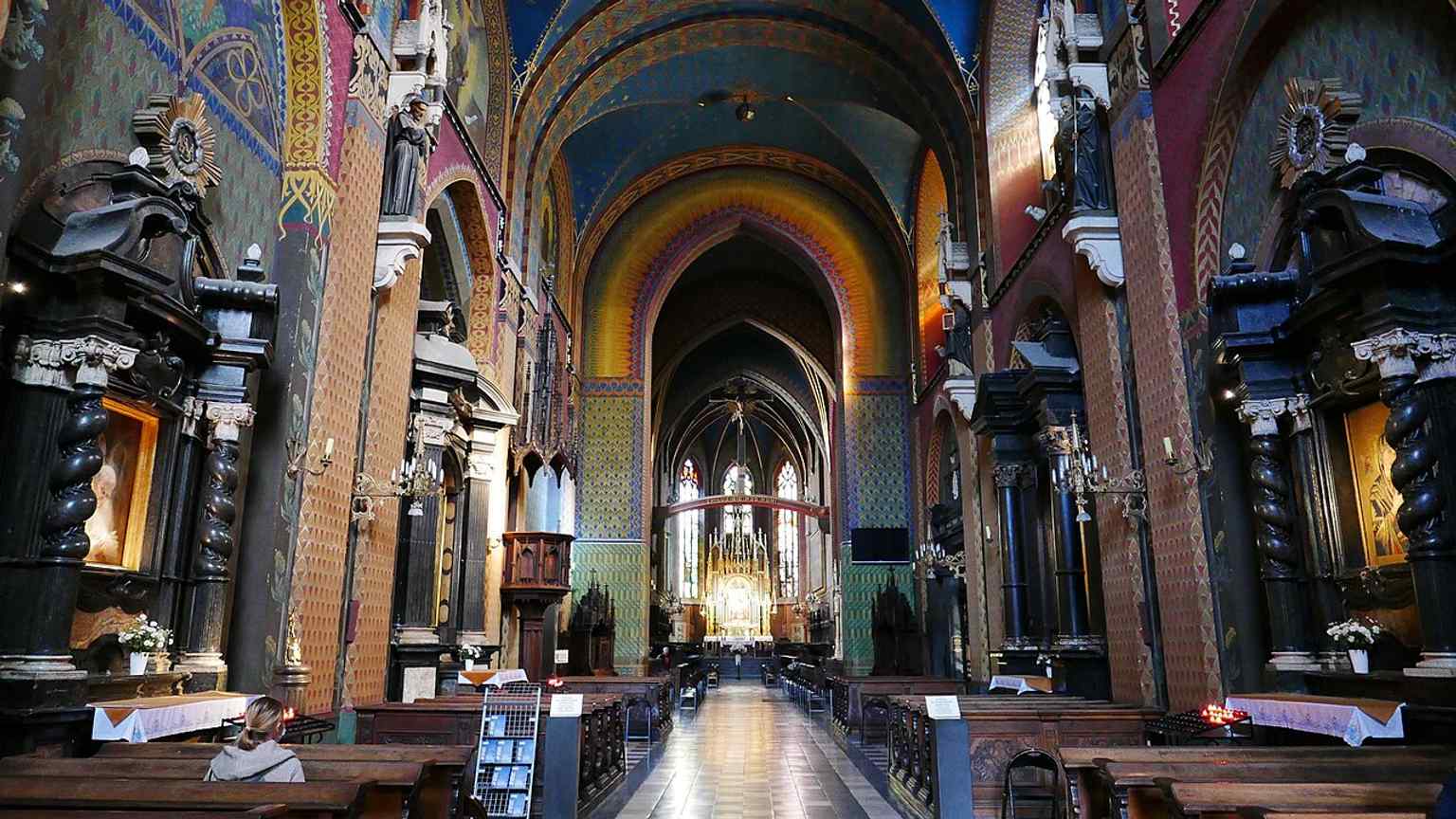
A wide interior view that sets the scene for Wyspiański’s polychromies and the basilica’s richly layered nave.
A wide interior view that sets the scene for Wyspiański’s polychromies and the basilica’s richly layered nave.Photo: Ken Eckert, Wikimedia Commons, CC BY-SA 4.0. Cropped & resized.

Inside, the effect is immediate: the central hall and nave rise above you... old Gothic structure, but with Wyspiański’s glass and polychrome changing the emotional temperature of the room. In the west window he created God the Father, with the famous command “Be,” installed later after a careful design process. Another image in the app gives you a sense of that restored light.
A detailed contemporary interior view that helps show the basilica’s restored space and the dramatic light inside.
A detailed contemporary interior view that helps show the basilica’s restored space and the dramatic light inside.Photo: Dwxn, Wikimedia Commons, CC BY-SA 4.0. Cropped & resized.

The church still carries older devotions too. It is a triple sanctuary: for Our Lady of Sorrows, known in Kraków as the Sorrowful Benefactress, for Blessed Salomea, and for Blessed Aniela Salawa. Pilgrims still come. Beneath one chapel, explorers even found hidden crypts in two thousand and fifteen, with about twenty coffins waiting below the floor. Because of course Kraków keeps secrets under its churches.

Young Karol Wojtyła prayed here often before he became Pope John Paul the Second, and he returned as pope in nineteen seventy-nine. So this place never stopped gathering meaning; it just kept accepting new layers.

Next, we trade sacred imagination for scholarly imagination at Collegium Maius, about a five-minute walk away. If you want to come back later, the basilica is generally open daily from six in the morning until eight in the evening.
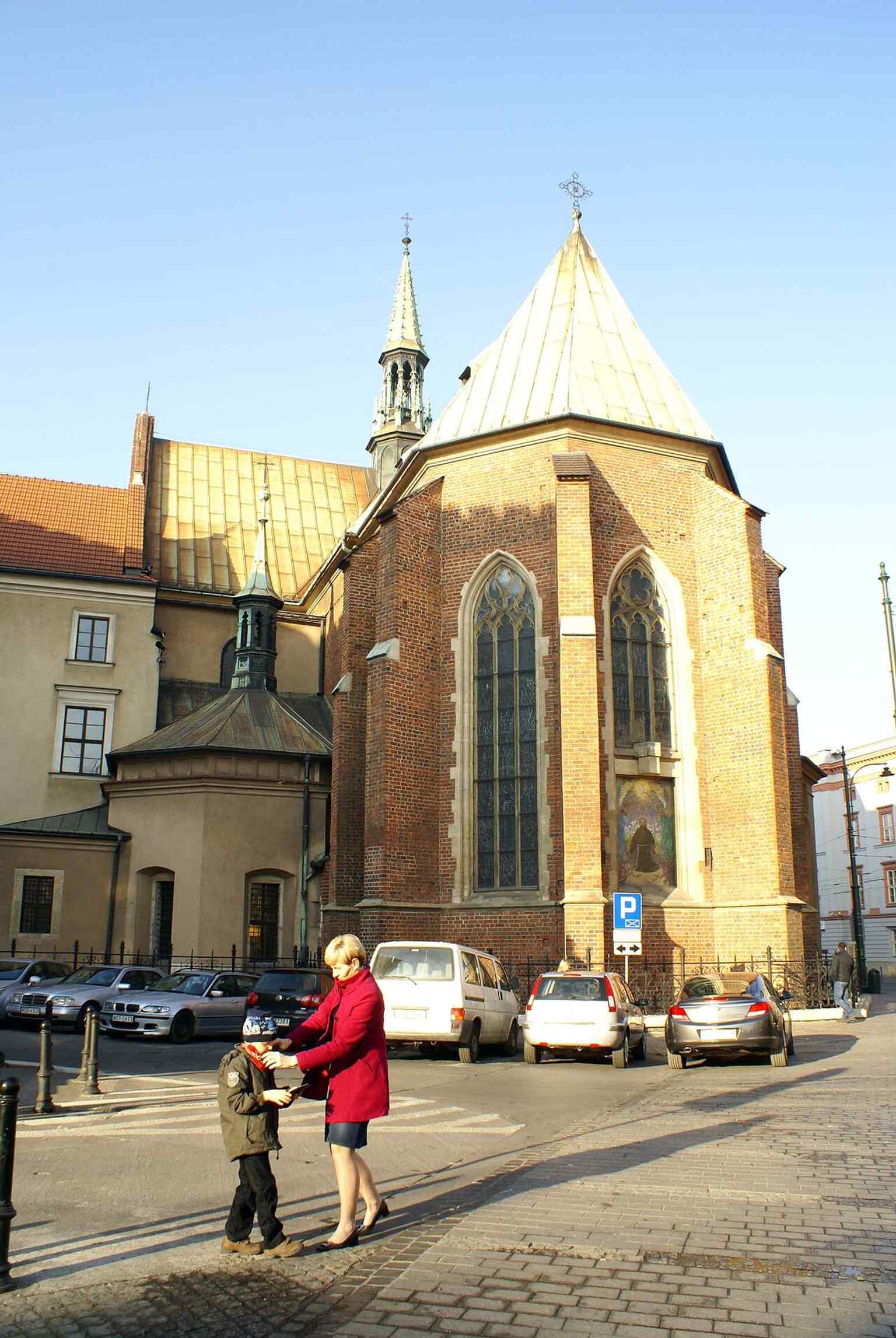
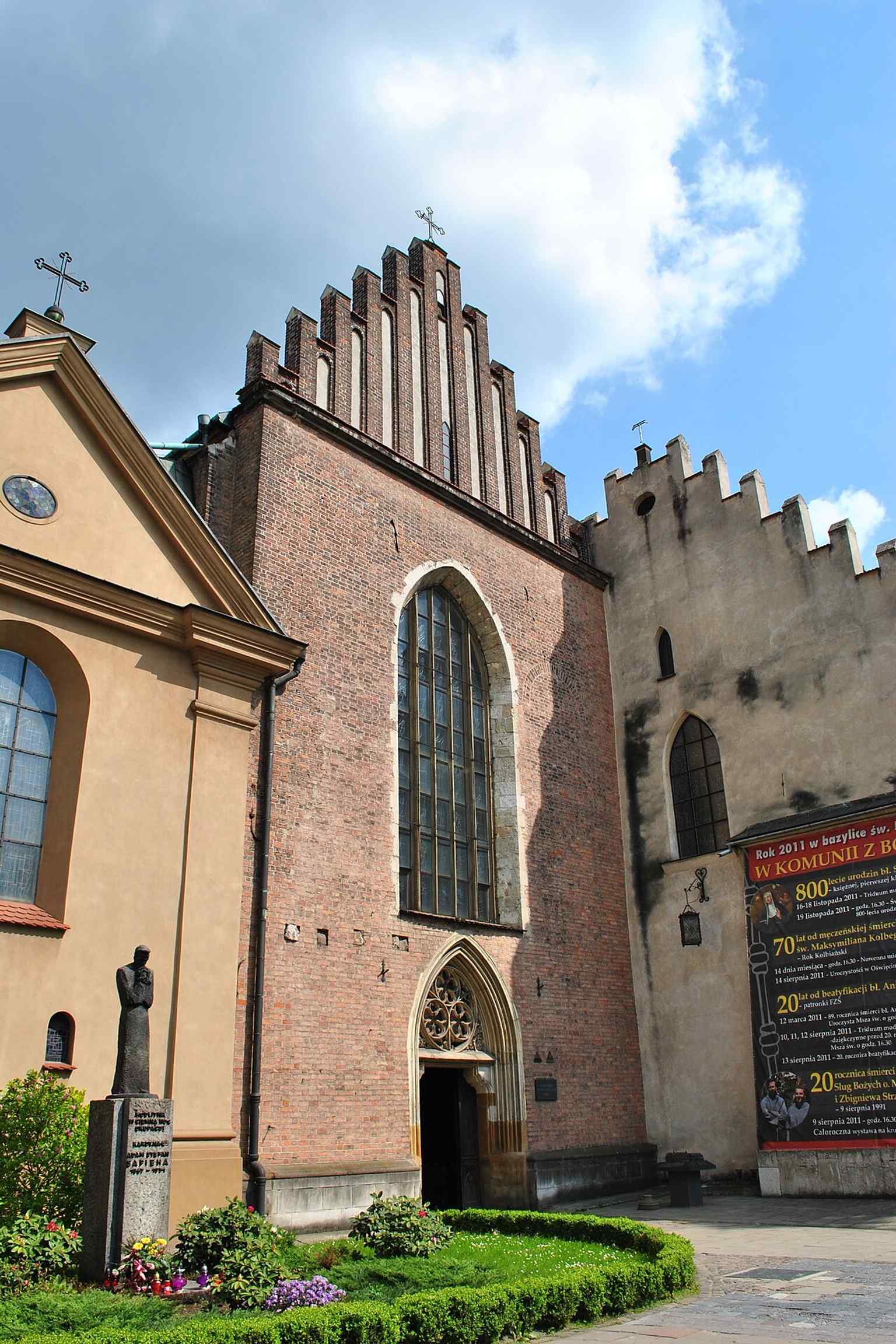
A clear street-side view of the church facade in Kraków, useful for introducing the basilica’s place on the edge of the Old Town.
A clear street-side view of the church facade in Kraków, useful for introducing the basilica’s place on the edge of the Old Town.Photo: Barbara Maliszewska, Wikimedia Commons, CC BY-SA 3.0 pl. Cropped & resized.
The church from Franciszkańska Street in 2011, giving a compact urban view of the basilica in its historic setting.
The church from Franciszkańska Street in 2011, giving a compact urban view of the basilica in its historic setting.Photo: Marek Mróz, Wikimedia Commons, CC BY 4.0. Cropped & resized.
The main altar area, matching the tour’s focus on the high altar and the sacred heart of the church.
The main altar area, matching the tour’s focus on the high altar and the sacred heart of the church.Photo: Ken Eckert, Wikimedia Commons, CC BY-SA 4.0. Cropped & resized.
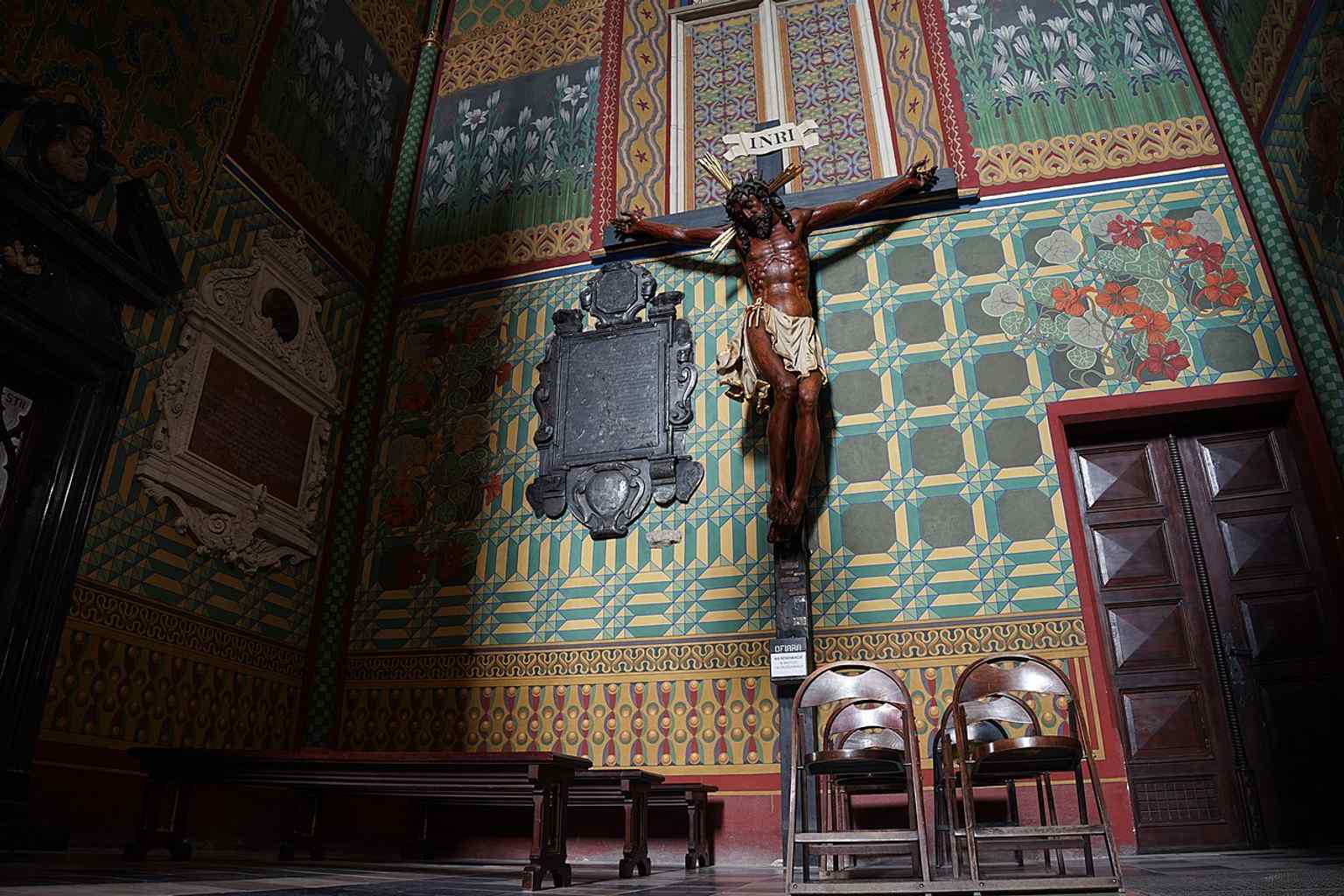
Another close interior perspective, good for illustrating the church’s asymmetrical Gothic nave and ornate decorations.
Another close interior perspective, good for illustrating the church’s asymmetrical Gothic nave and ornate decorations.Photo: Dwxn, Wikimedia Commons, CC BY-SA 4.0. Cropped & resized.
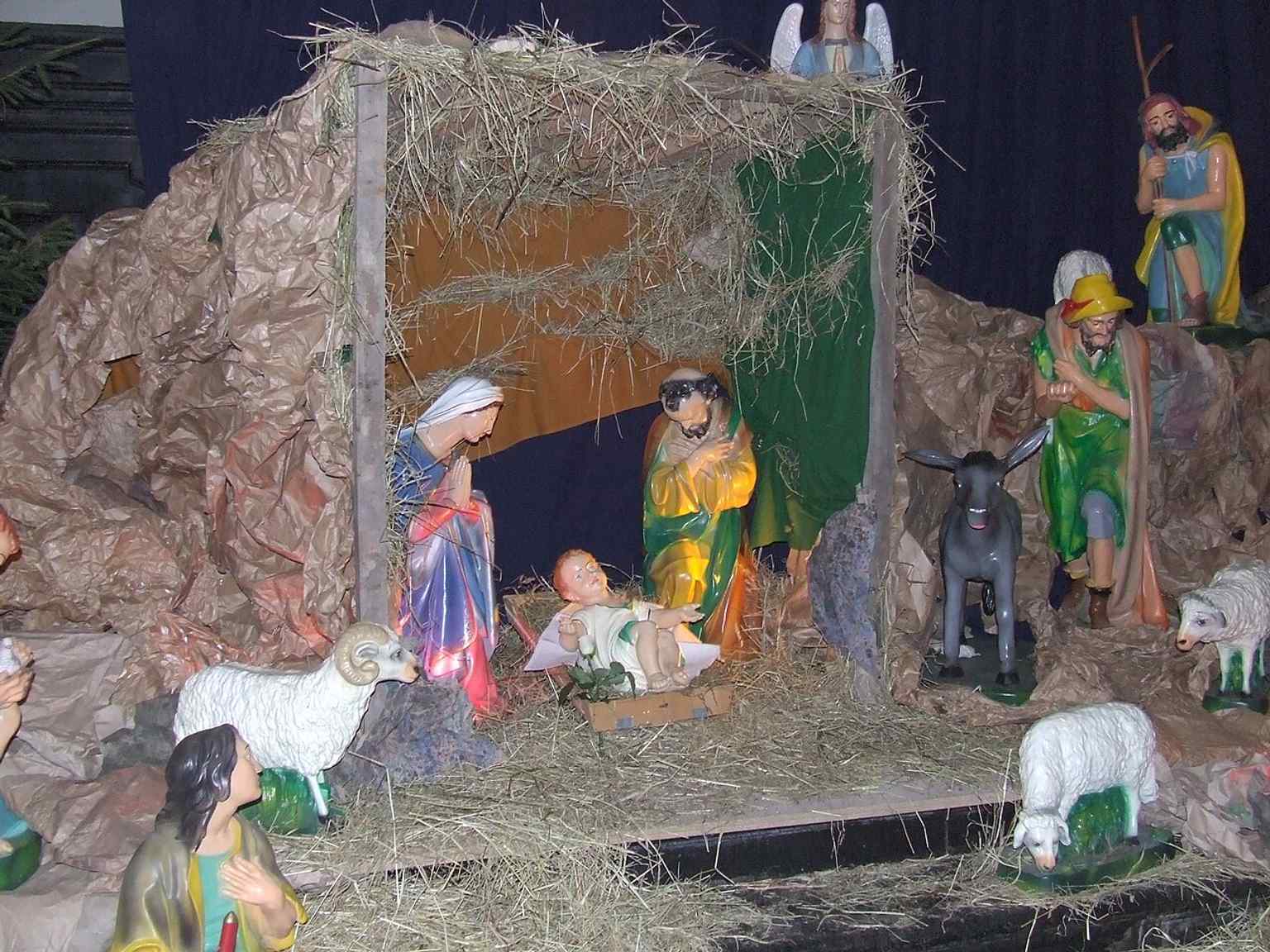
The Franciscan nativity scene inside the church, echoing the convent’s well-known annual living crib tradition.
The Franciscan nativity scene inside the church, echoing the convent’s well-known annual living crib tradition.Photo: own work, Wikimedia Commons, CC BY-SA 3.0. Cropped & resized.
A broader interior view from 2021, useful for the basilica’s grand scale and its 20th-century religious art.
A broader interior view from 2021, useful for the basilica’s grand scale and its 20th-century religious art.Photo: Strumyczek, Wikimedia Commons, CC BY-SA 4.0. Cropped & resized.
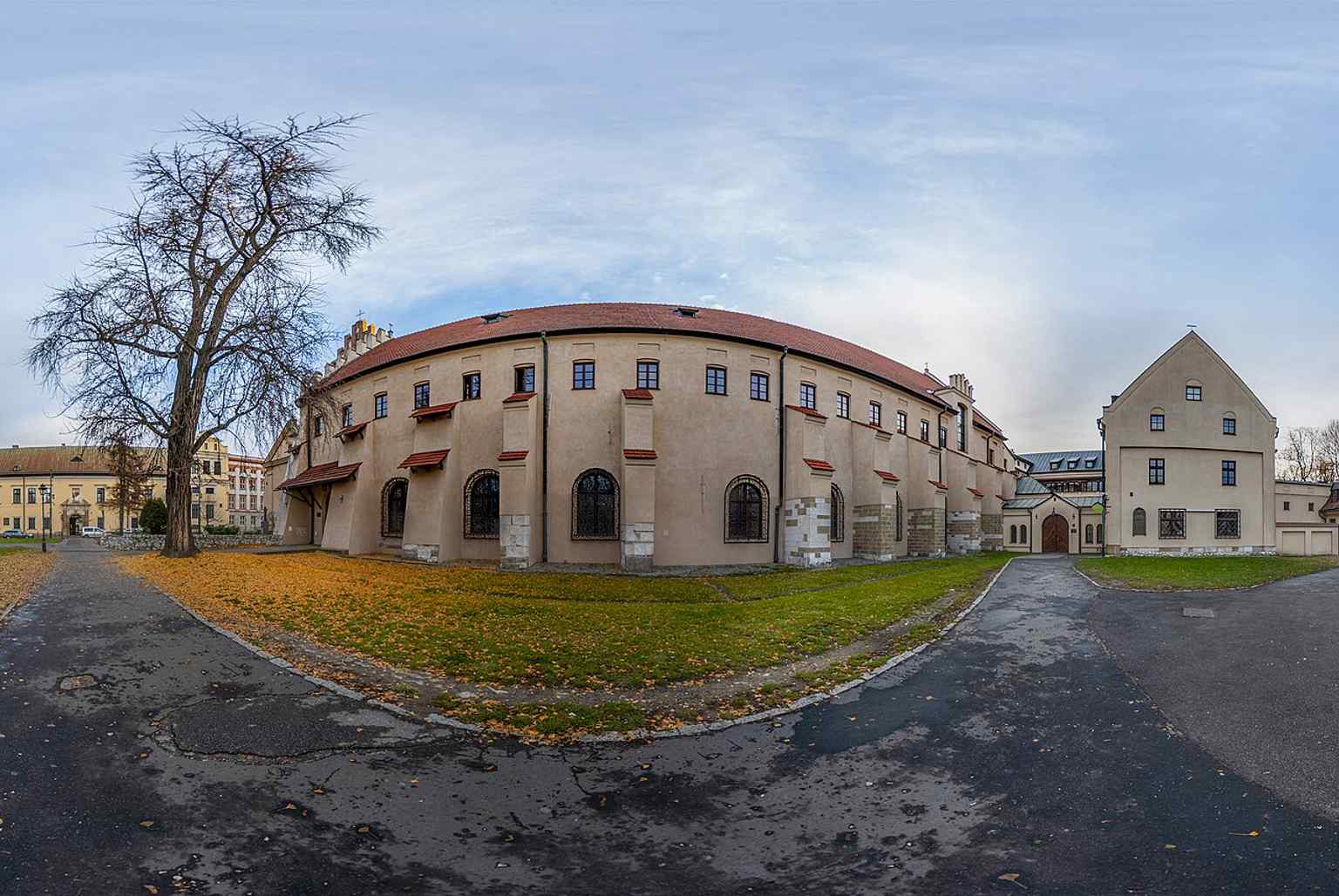
A modern exterior photograph from 2020, showing the basilica’s facade and its urban setting near the Old Town.
A modern exterior photograph from 2020, showing the basilica’s facade and its urban setting near the Old Town.Photo: Jakub Hałun, Wikimedia Commons, CC BY-SA 4.0. Cropped & resized.
A clean contemporary facade view of the basilica, helpful for a general architectural introduction.
A clean contemporary facade view of the basilica, helpful for a general architectural introduction.Photo: Panoramer360, Wikimedia Commons, CC BY-SA 4.0. Cropped & resized.
arrow_back Back to Krakow Highlights Audio Tour: Royal and Architectural Heritage
Loved by travellers

Thousands of tours started.
Plenty of opinions.

4.8 across the App Store and Google Play. Here's a few we keep coming back to.

starstarstarstarstar
This was a solid way to get to know Brighton without feeling like a tourist. The narration had depth and context, but didn't overdo it.
Christoph
Christoph
Brighton Tour
starstarstarstarstar
Started this tour with a croissant in one hand and zero expectations. The app just vibes with you, no pressure, just you, your headphones, and some cool stories.
download Get the app

Pop your headphones in.
Step outside.

Free to download. Tours in every city. Start in 60 seconds — no account, no card.

Download on the App StoreGet it on Google Play
starstarstarstarstar_half
4.8
AudaTours app icon
headphones
~ 4 min until your first tour starts
public
1,000+ cities worldwide
all_inclusive
AudaTours
Unlimited

Every tour. Every city. One subscription.

3101 tours2271 cities138 countries50+ languages