AudaTours logoAudaTours

Stop 6 of 17

Tadeusz Rejtan Monument in Kraków

Tadeusz Rejtan Monument in Kraków
Monument to Tadeusz Rejtan in Krakow
Monument to Tadeusz Rejtan in KrakowPhoto: Paberu, Wikimedia Commons, CC BY 3.0. Cropped & resized.

On your left stands a dark iron monument shaped like a tall Gothic chapel, rising from a two-step granite base, with Tadeusz Rejtan’s bust held inside its pointed frame.

Tadeusz Rejtan became one of Poland’s great human symbols because, in seventeen seventy-three, he made resistance visible with a single dramatic protest against the partition of the country. Later, Jan Matejko fixed that gesture in the national imagination. This monument turns that moral outcry into something solid, public, and strangely fragile.

Its story began with family devotion. Most likely Stefan Rejtan, one of the last of the line, pushed for it as a lasting sign that the family memory should not simply close and vanish. Between eighteen fifty-six and eighteen fifty-nine, workers at the Lilpop, Rau and Loewenstein factory in Warsaw cast this Gothic revival form in iron, with a bust by the little-known sculptor Teodor Zakrzewski. It may first have been meant for Rejtan’s grave in Lachowicze. Instead, the Rejtan family gave it to Kraków in the late eighteen eighties.

When the city unveiled it in June of eighteen ninety, people were oddly cool about it. Some dismissed it as too funerary, too much like a cemetery chapel. And yet that criticism tells you something essential: public memory is never neutral. Even monuments arrive arguing for their right to stand here.

If you glance at the before-and-after image, you can see how the setting changed while the monument’s silhouette stayed hauntingly familiar. And if you look at the close detail on your screen, the chapel-like ironwork makes that old criticism easier to understand. Then came the break. A storm in February of nineteen forty-six wrecked the structure, and the city removed it. Most tourists never realise the most important original piece survived: Rejtan’s bust went into the National Museum, and that rescue made the later return possible. In two thousand and seven, sculptor Czesław Dźwigaj rebuilt the monument from archival photographs, documents, and a matching copy on the Lilpop tomb in Warsaw. He even left a discreet conservator’s signature: one lock of Rejtan’s hair turns in a different direction.
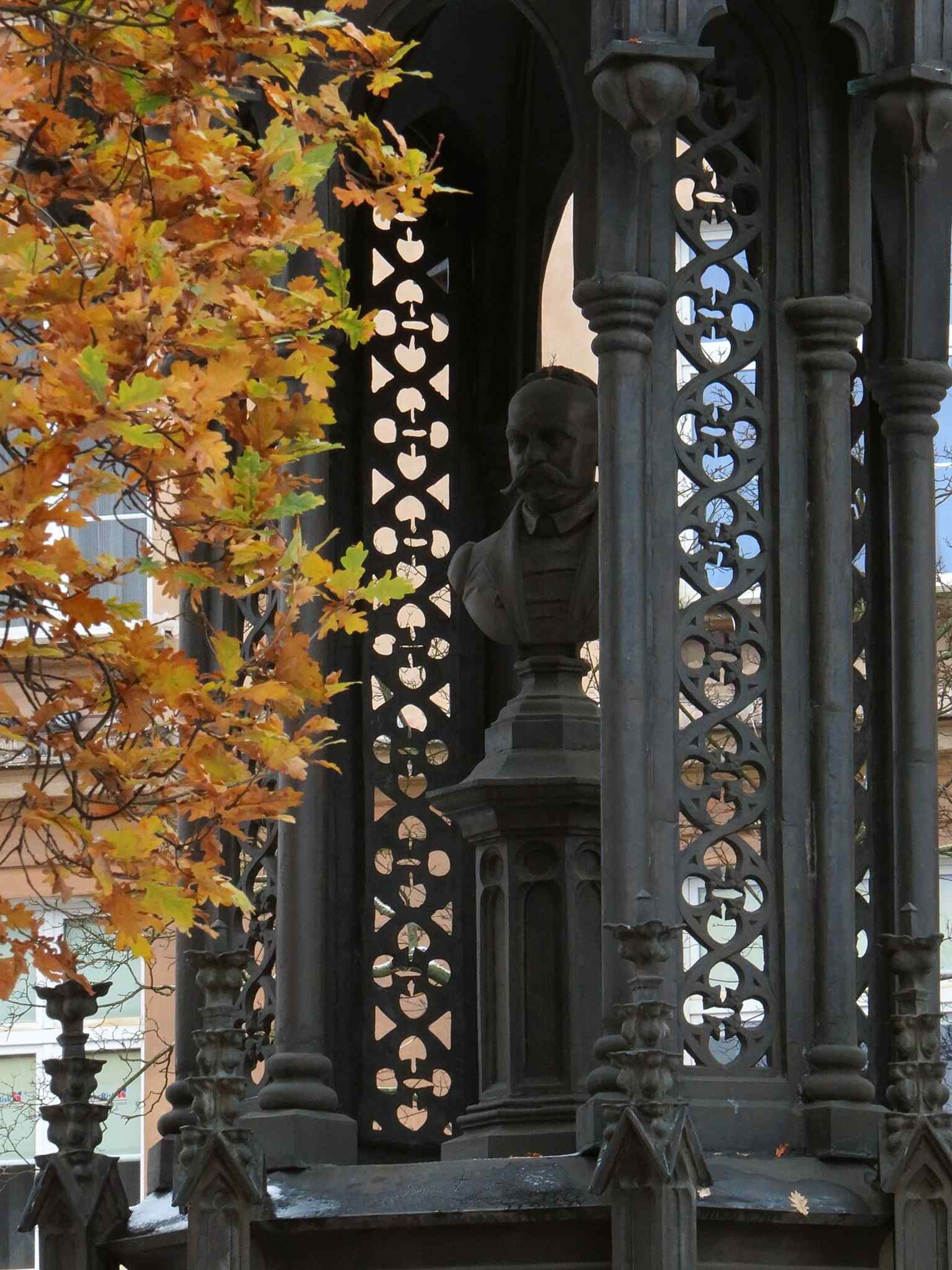
A closer angle that helps reveal the ornate neo-Gothic structure and the bust inside — the part preserved in the National Museum after the 1946 storm damage.
A closer angle that helps reveal the ornate neo-Gothic structure and the bust inside — the part preserved in the National Museum after the 1946 storm damage.Photo: Аимаина хикари, Wikimedia Commons, CC0. Cropped & resized.

So when something disappears for decades and then reappears, has memory been restored, or quietly rewritten? We’ll carry that question with us as we slip into Garbarska Street, where ordinary façades hold more than they first confess. This square, by the way, is always open.
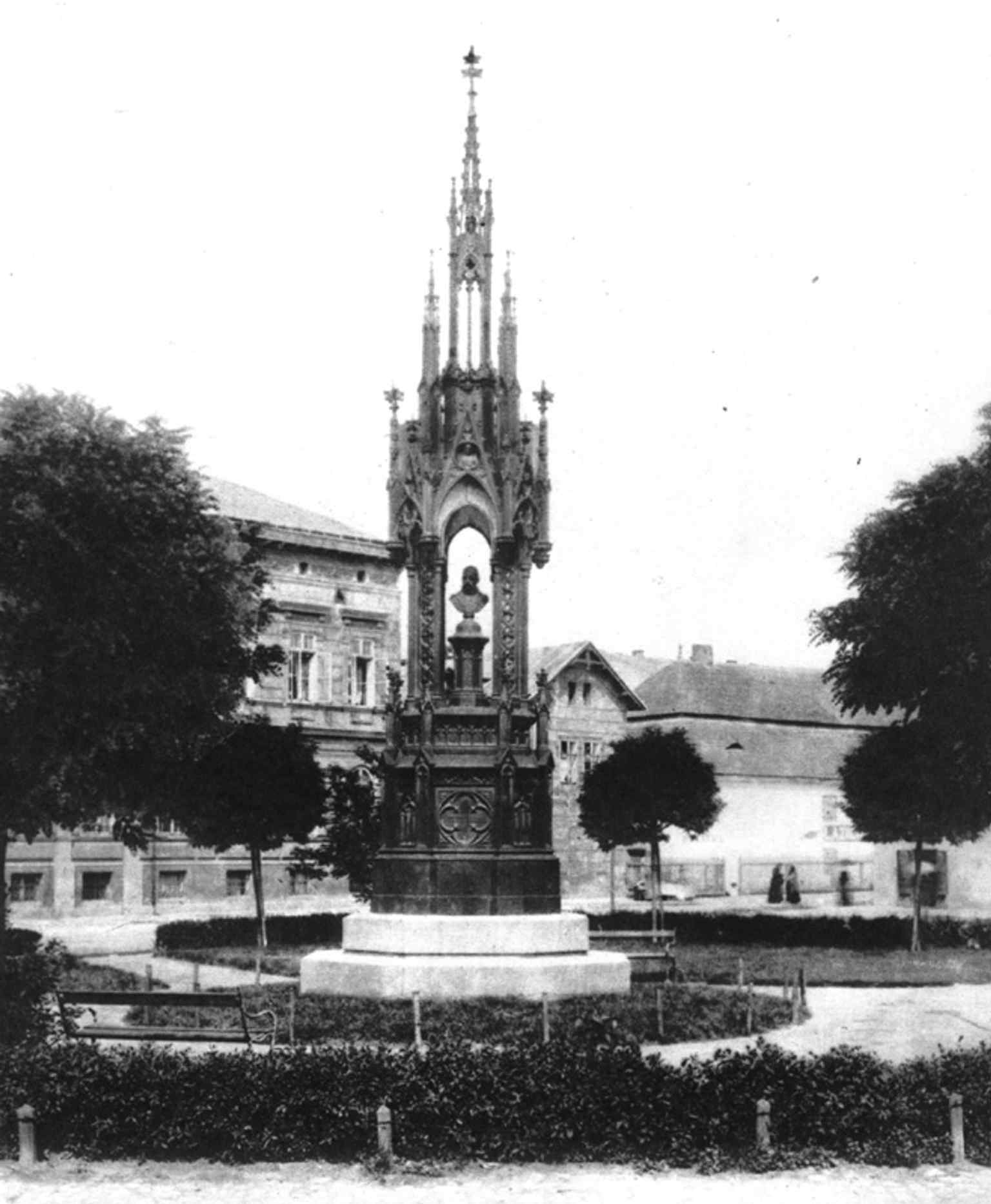
An 1889 view of the original monument before its Kraków unveiling in 1890 — a rare glimpse of the neogothic iron chapel form that critics once called too funerary.
An 1889 view of the original monument before its Kraków unveiling in 1890 — a rare glimpse of the neogothic iron chapel form that critics once called too funerary.Photo: Ignacy Krieger (1817-1889), Wikimedia Commons, Public domain. Cropped & resized.
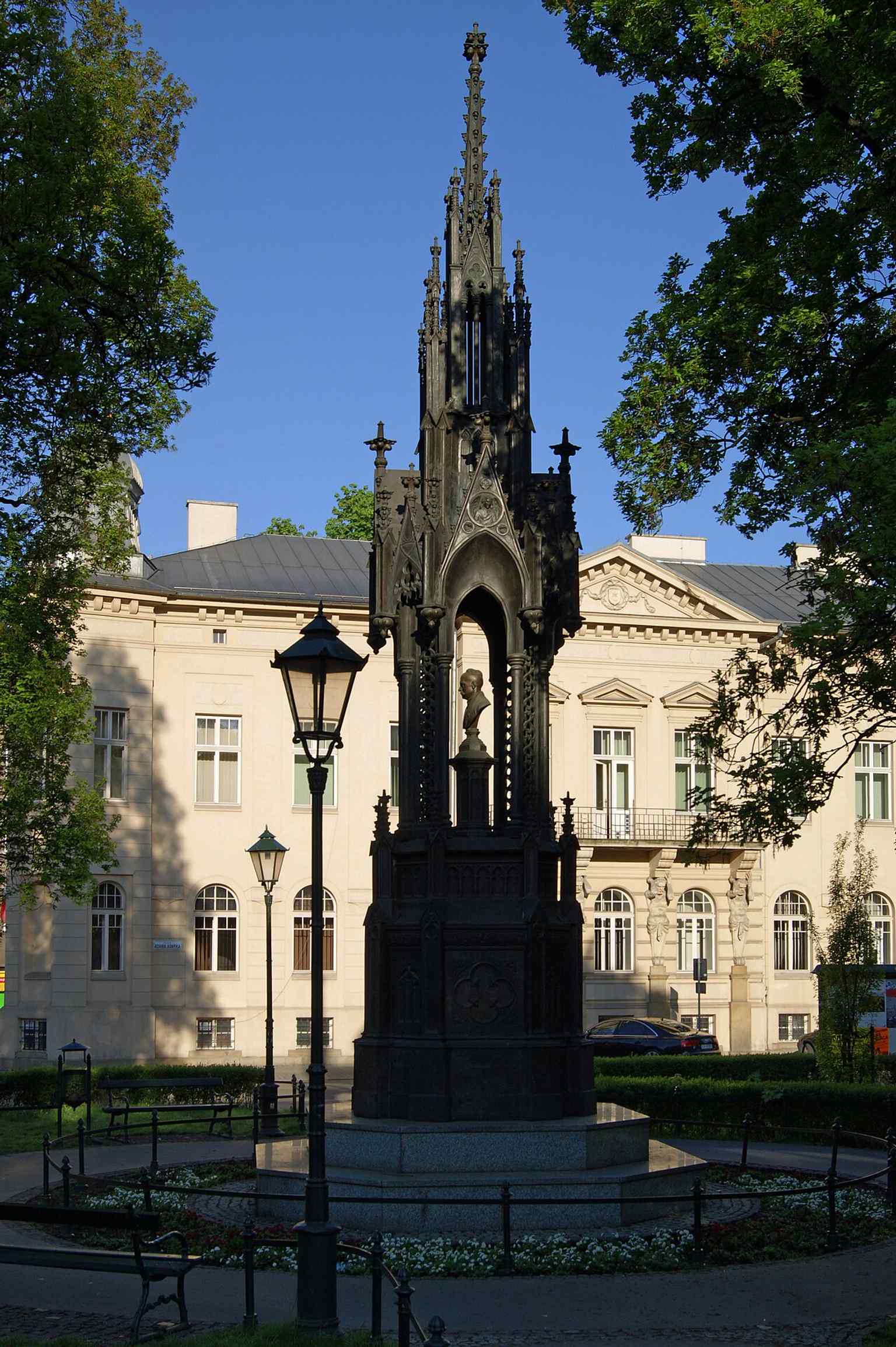
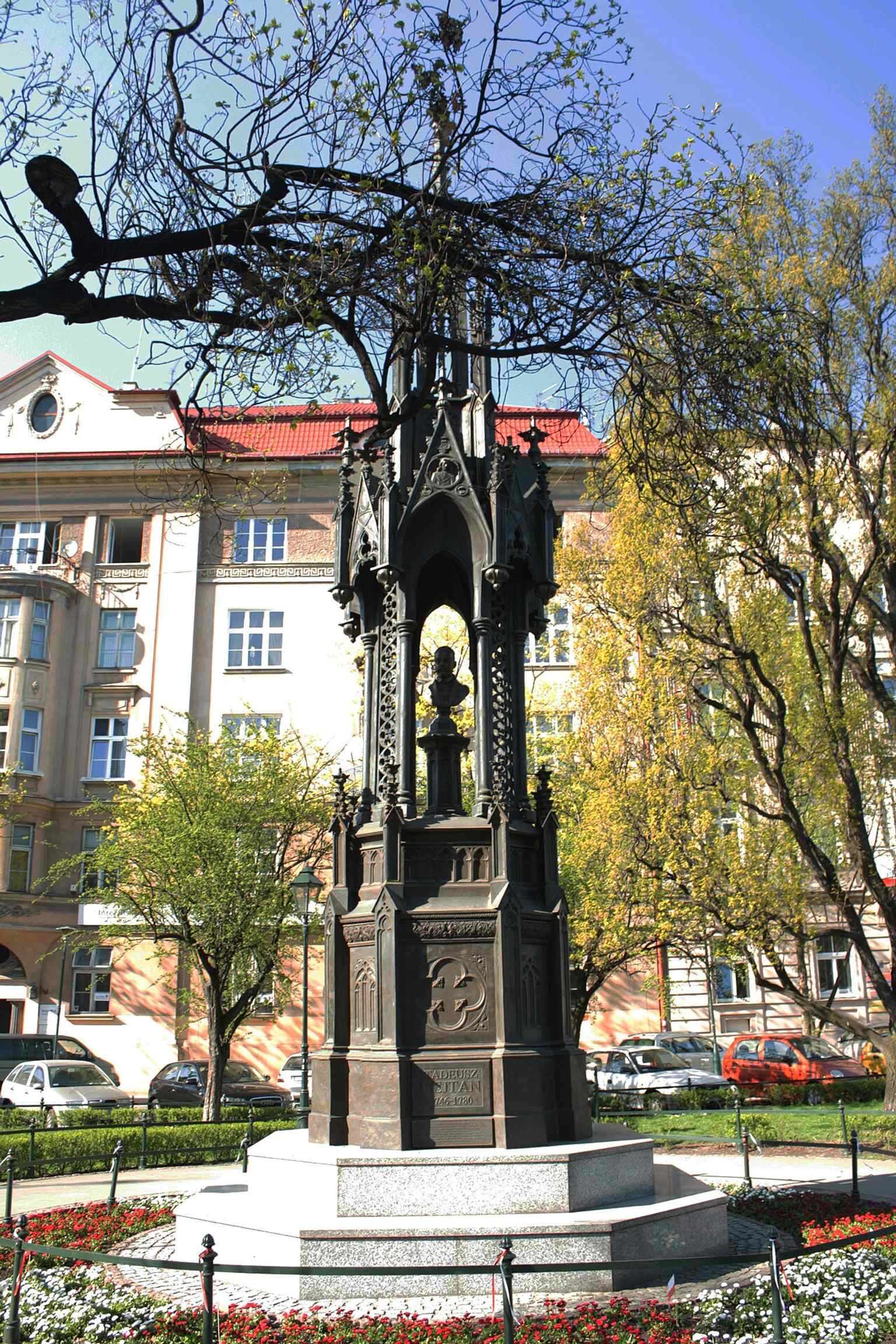
A clear full view of the reconstructed monument standing on the square, matching the tour’s story of the 2007 return of Rejtan to Kraków.
A clear full view of the reconstructed monument standing on the square, matching the tour’s story of the 2007 return of Rejtan to Kraków.Photo: Pawel Swiegoda (Paberu), Wikimedia Commons, CC BY 3.0. Cropped & resized.
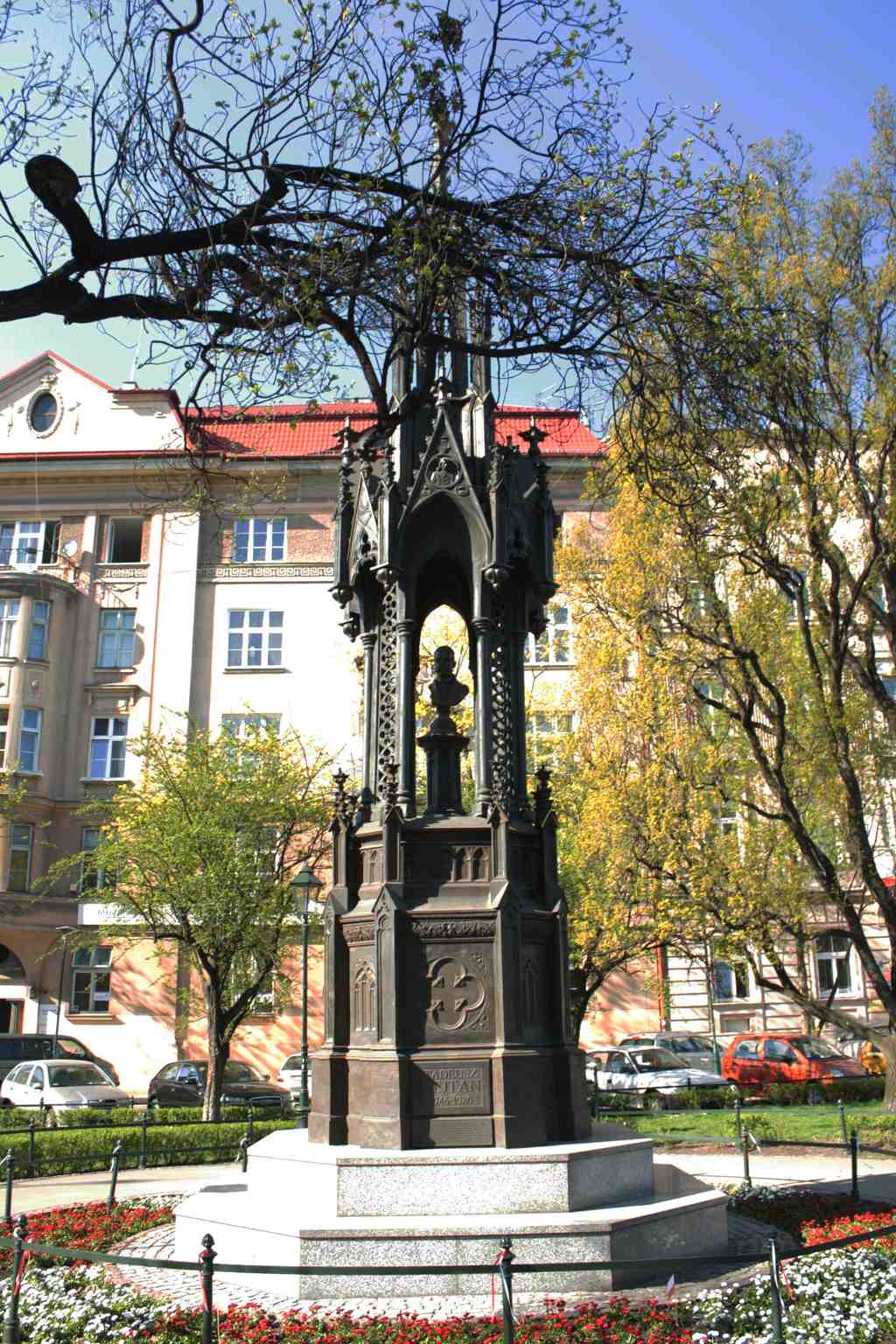
The monument from Garbarska Street, emphasizing the tall, chapel-like silhouette that was recreated from archival photos and the Powązki copy.
The monument from Garbarska Street, emphasizing the tall, chapel-like silhouette that was recreated from archival photos and the Powązki copy.Photo: Zygmunt Put Zetpe0202, Wikimedia Commons, CC BY-SA 4.0. Cropped & resized.
A tighter cropped view of the monument’s decorative ironwork, ideal for highlighting the detailed reconstruction work done from historical documentation.
A tighter cropped view of the monument’s decorative ironwork, ideal for highlighting the detailed reconstruction work done from historical documentation.Photo: Аимаина хикари, Wikimedia Commons, CC0. Cropped & resized.
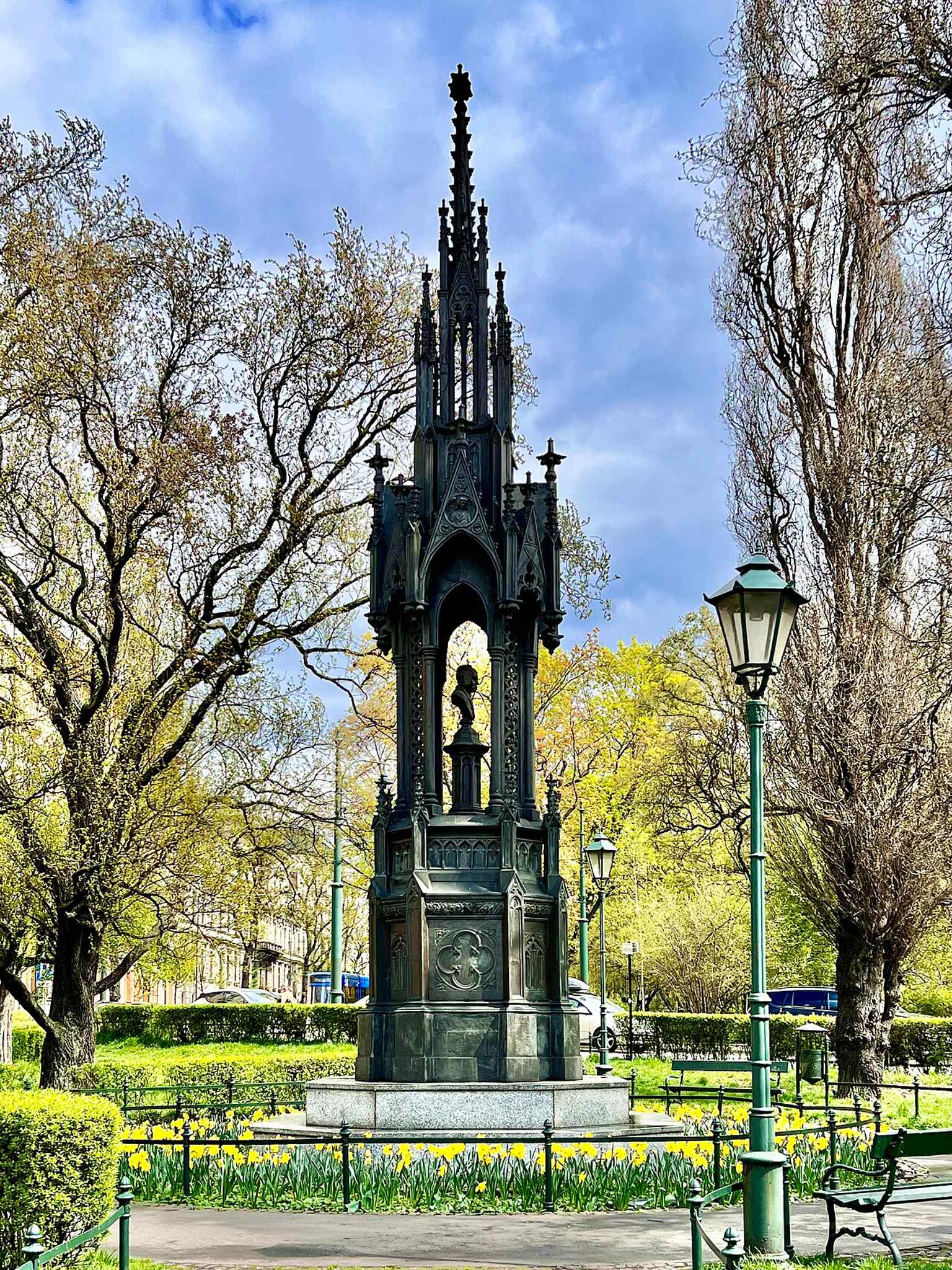
Another contemporary full-height view, showing the monument’s scale: 11 meters tall and mounted on a two-step granite base.
Another contemporary full-height view, showing the monument’s scale: 11 meters tall and mounted on a two-step granite base.Photo: Аимаина хикари, Wikimedia Commons, CC0. Cropped & resized.
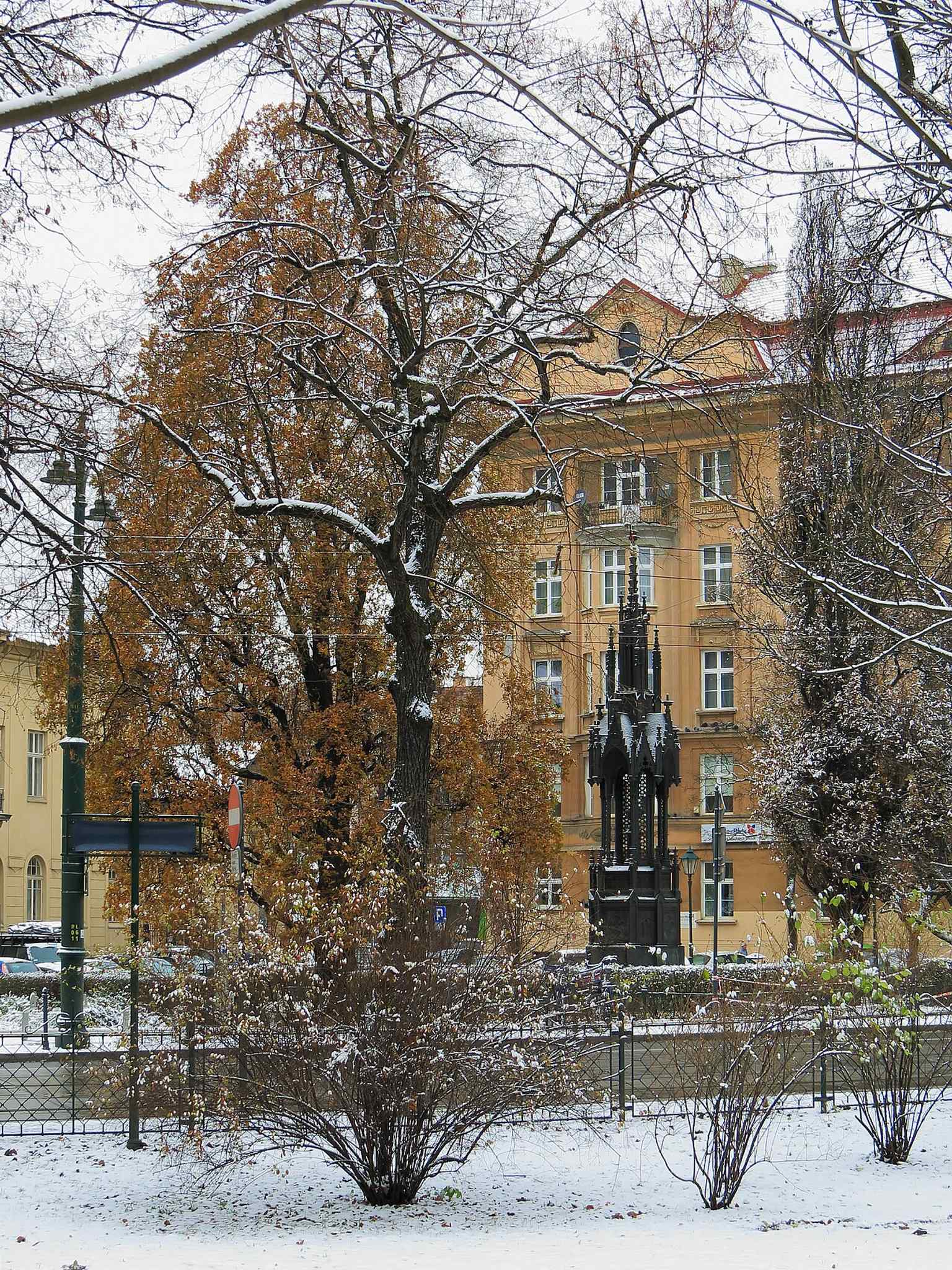
A recent winter view of the monument in Kraków, giving a strong sense of the square’s everyday setting rather than just a ceremonial portrait.
A recent winter view of the monument in Kraków, giving a strong sense of the square’s everyday setting rather than just a ceremonial portrait.Photo: Chris Olszewski, Wikimedia Commons, CC BY-SA 4.0. Cropped & resized.
A close look at the monument’s sculptural center, where Czesław Dźwigaj recreated the bust using archival photographs and the Warsaw copy as guides.
A close look at the monument’s sculptural center, where Czesław Dźwigaj recreated the bust using archival photographs and the Warsaw copy as guides.Photo: Kgbo, Wikimedia Commons, CC BY-SA 4.0. Cropped & resized.
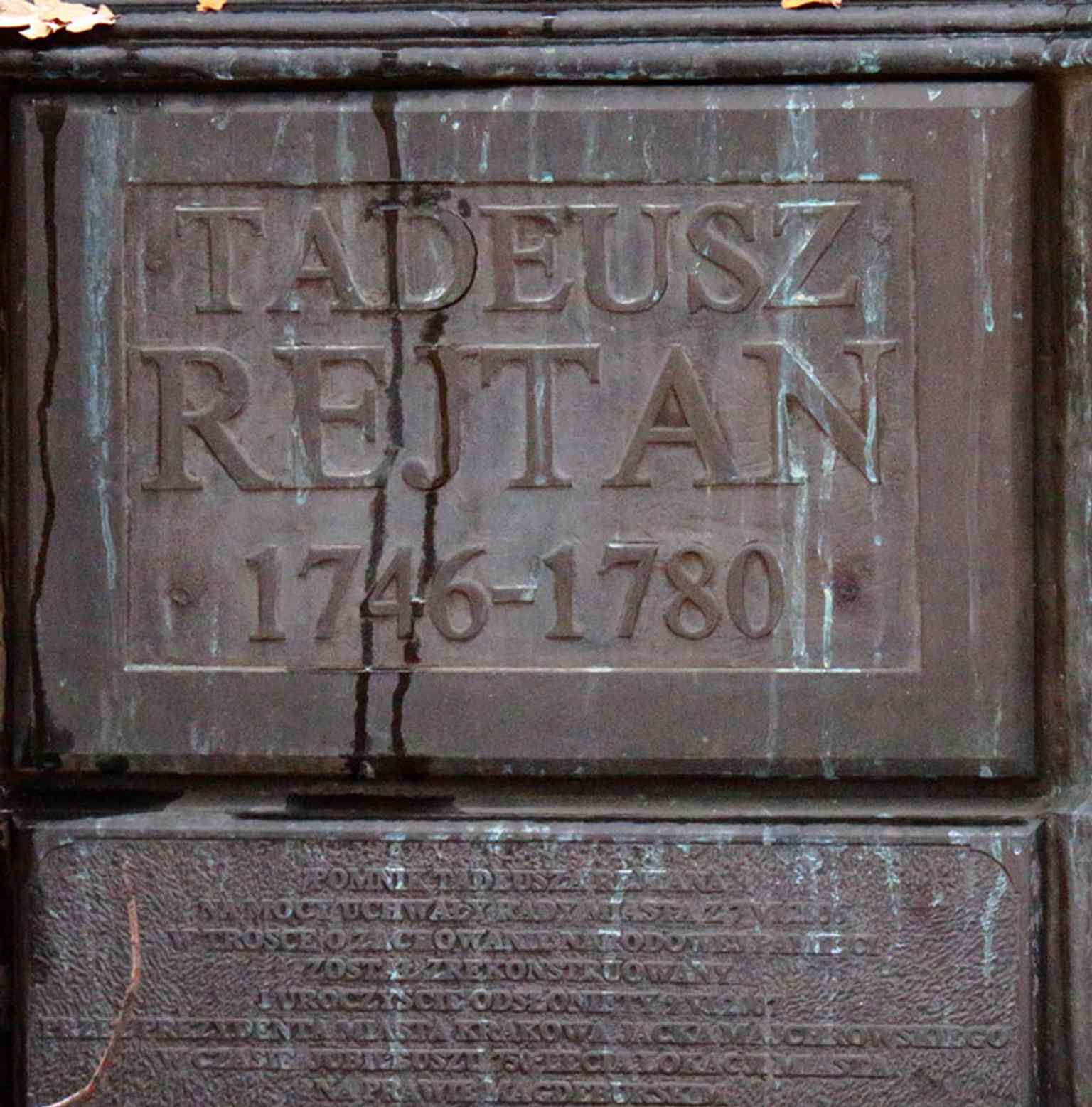
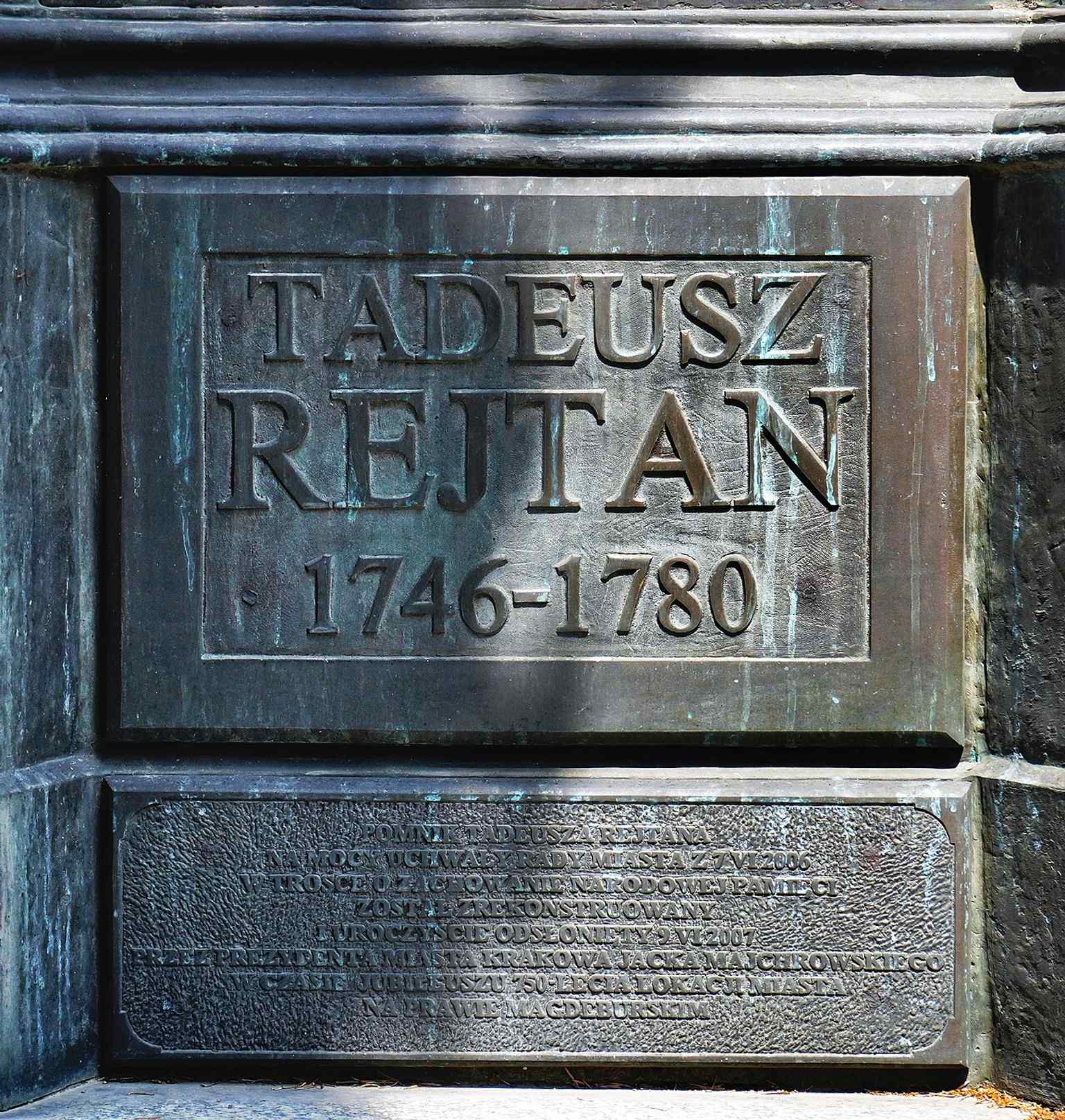
The commemorative plaque for the monument site — a useful contextual detail for the story of the 1890 unveiling, wartime loss, and 2007 rebirth.
The commemorative plaque for the monument site — a useful contextual detail for the story of the 1890 unveiling, wartime loss, and 2007 rebirth.Photo: Mach240390, Wikimedia Commons, CC BY 4.0. Cropped & resized.
arrow_back Back to Krakow Audio Tour: A Journey Through History and Culture
Loved by travellers

Thousands of tours started.
Plenty of opinions.

4.8 across the App Store and Google Play. Here's a few we keep coming back to.

starstarstarstarstar
This was a solid way to get to know Brighton without feeling like a tourist. The narration had depth and context, but didn't overdo it.
Christoph
Christoph
Brighton Tour
starstarstarstarstar
Started this tour with a croissant in one hand and zero expectations. The app just vibes with you, no pressure, just you, your headphones, and some cool stories.
download Get the app

Pop your headphones in.
Step outside.

Free to download. Tours in every city. Start in 60 seconds — no account, no card.

Download on the App StoreGet it on Google Play
starstarstarstarstar_half
4.8
AudaTours app icon
headphones
~ 4 min until your first tour starts
public
1,000+ cities worldwide
all_inclusive
AudaTours
Unlimited

Every tour. Every city. One subscription.

3101 tours2271 cities138 countries50+ languages