AudaTours logoAudaTours

Stop 4 of 17

High Synagogue

High Synagogue
High Synagogue
High SynagoguePhoto: Jeremiah Z. Cockroach, Wikimedia Commons, CC BY-SA 4.0. Cropped & resized.

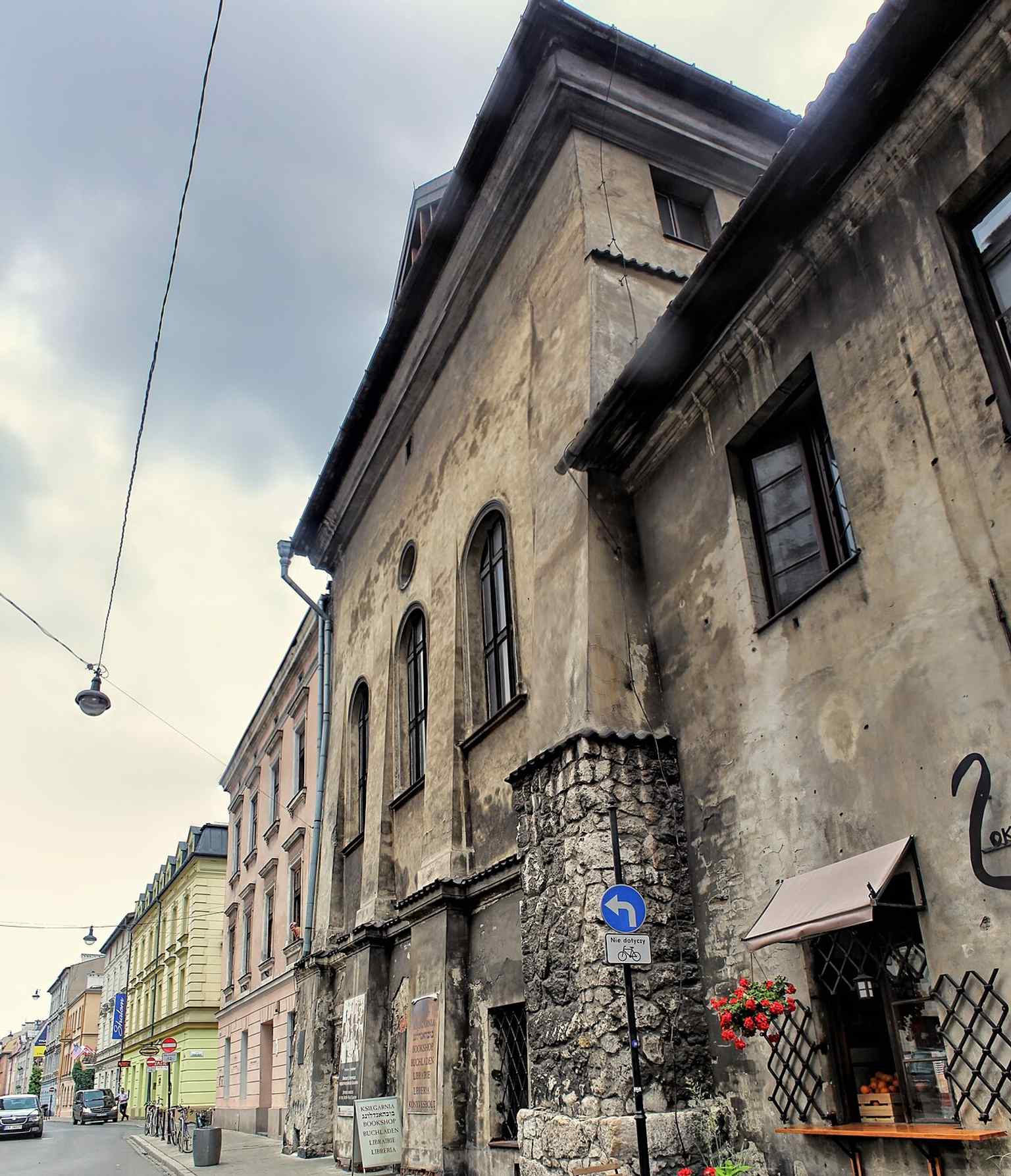
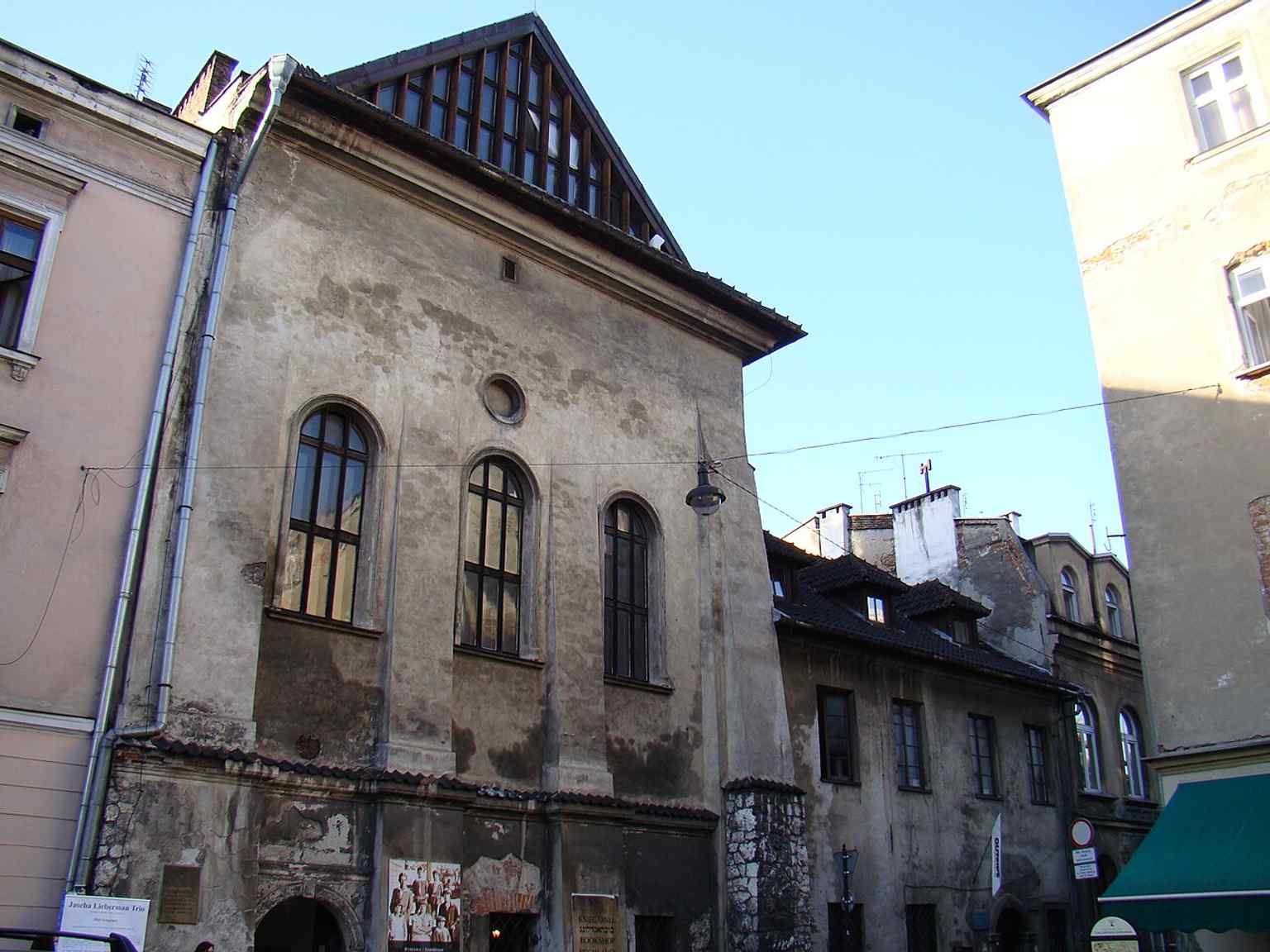
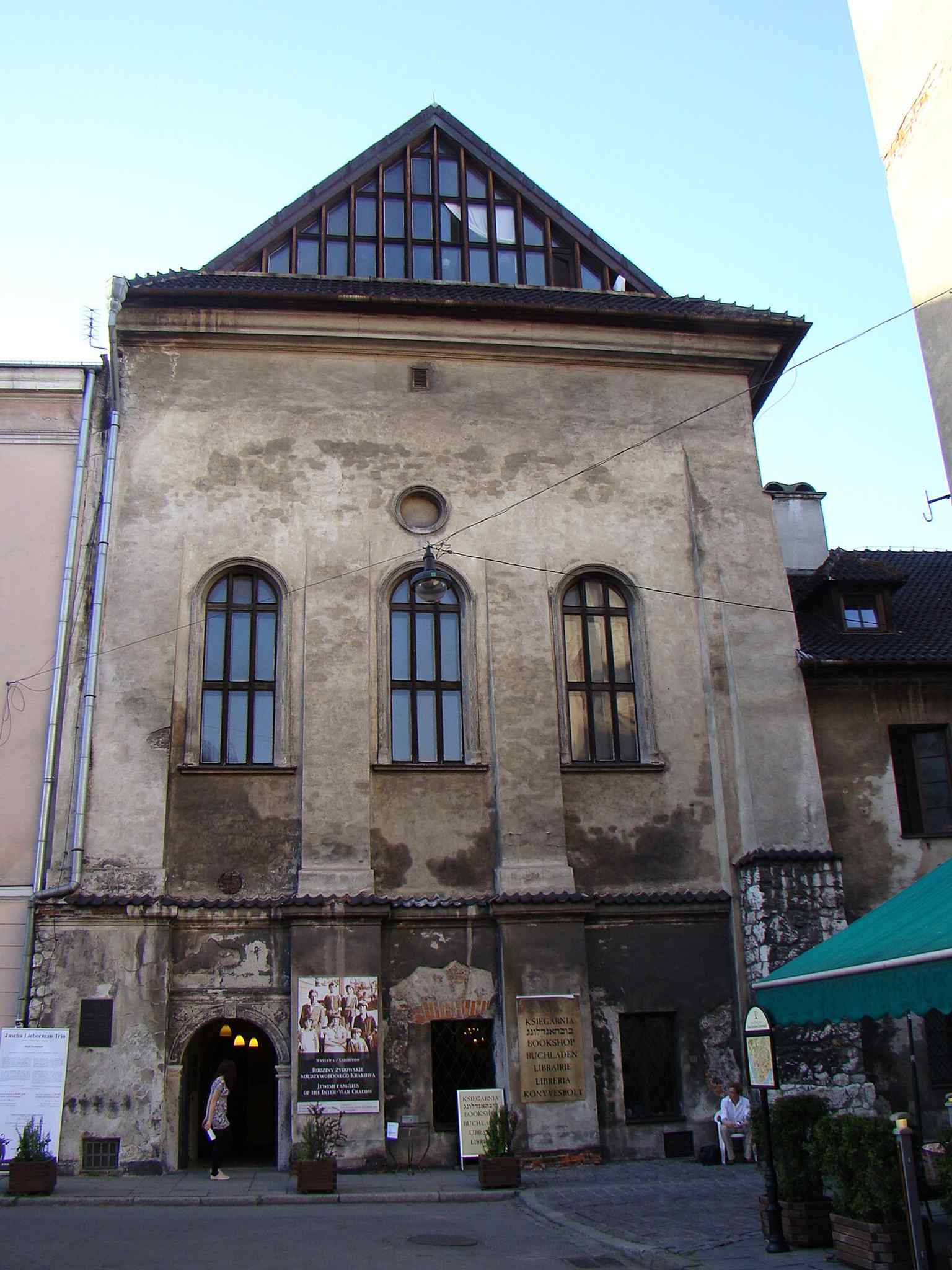
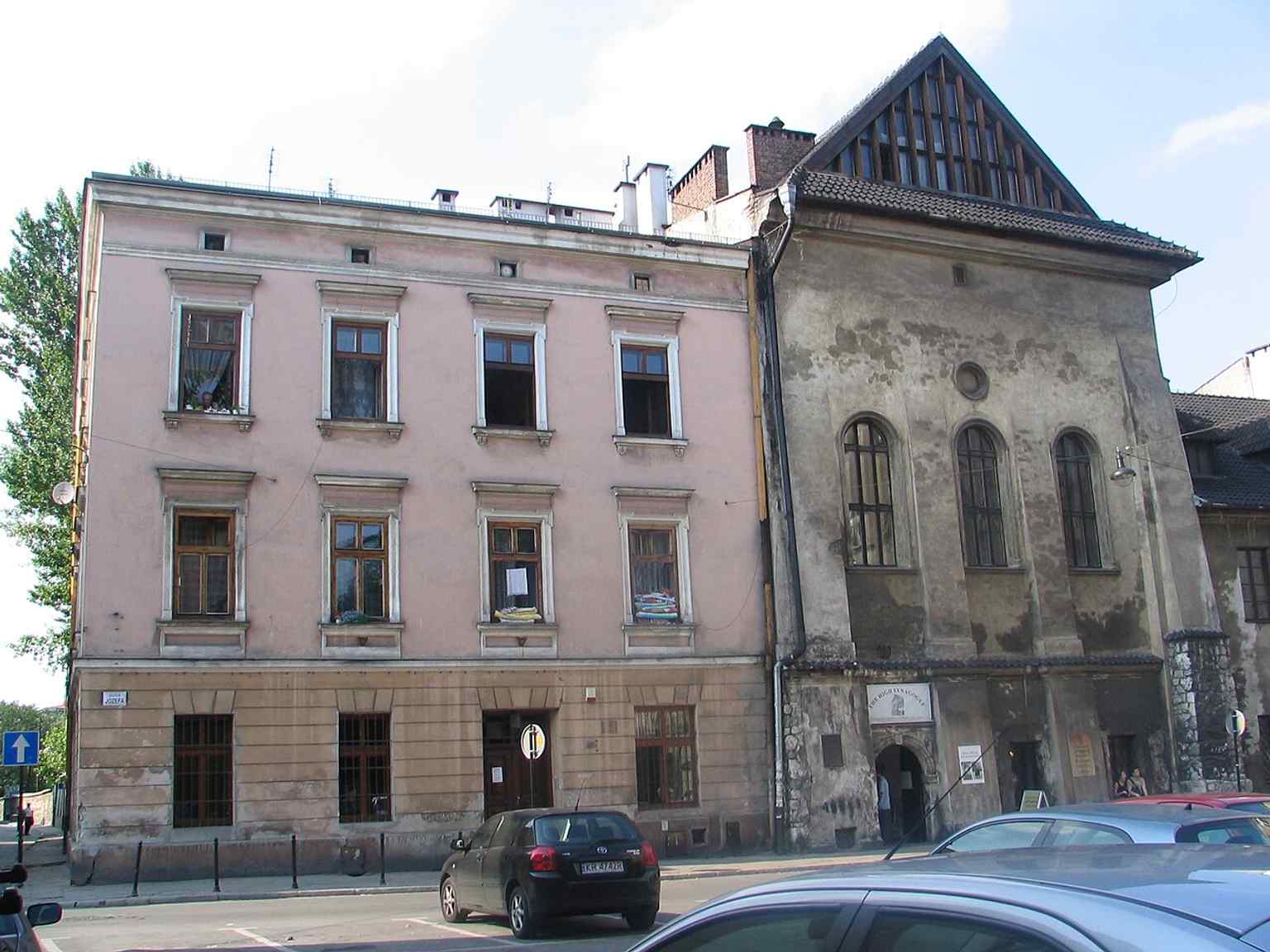
On your left, look for a tall, pale plastered Renaissance building with a broad rectangular front and rows of simple windows set above the ground-floor level, its unusual height giving away why people called it the High, or Tall, Synagogue.

This building tells its story first through shape. The prayer hall sat above street-level shops, and that arrangement was not merely an architectural quirk. It likely gave the congregation privacy, dignity, and a measure of practical protection from unfriendly Christian neighbors. In other words, the elevation helped worshippers gather slightly apart from the street without vanishing from the city altogether.

A wealthy merchant, known to us only as Israel, set that story in motion in the second half of the sixteenth century. He petitioned King Sigismund the Second Augustus for permission to build a Jewish house of prayer here in Kazimierz. He received consent, and by fifteen sixty-three the synagogue stood complete in the late Renaissance style. Some historians suspect Sephardic Jews, perhaps from Greece or Italy, shaped its beginnings. If so, this modest facade holds a surprisingly wide map of Jewish movement across Europe.

Pause for a moment and notice the building’s height in relation to the street. Even from where you stand, across the road, the separation still changes the feeling of approach. It is not lofty in the grand church sense; it is lifted, guarded, deliberate. If you glance at the image on your screen, the raised prayer level becomes especially clear.
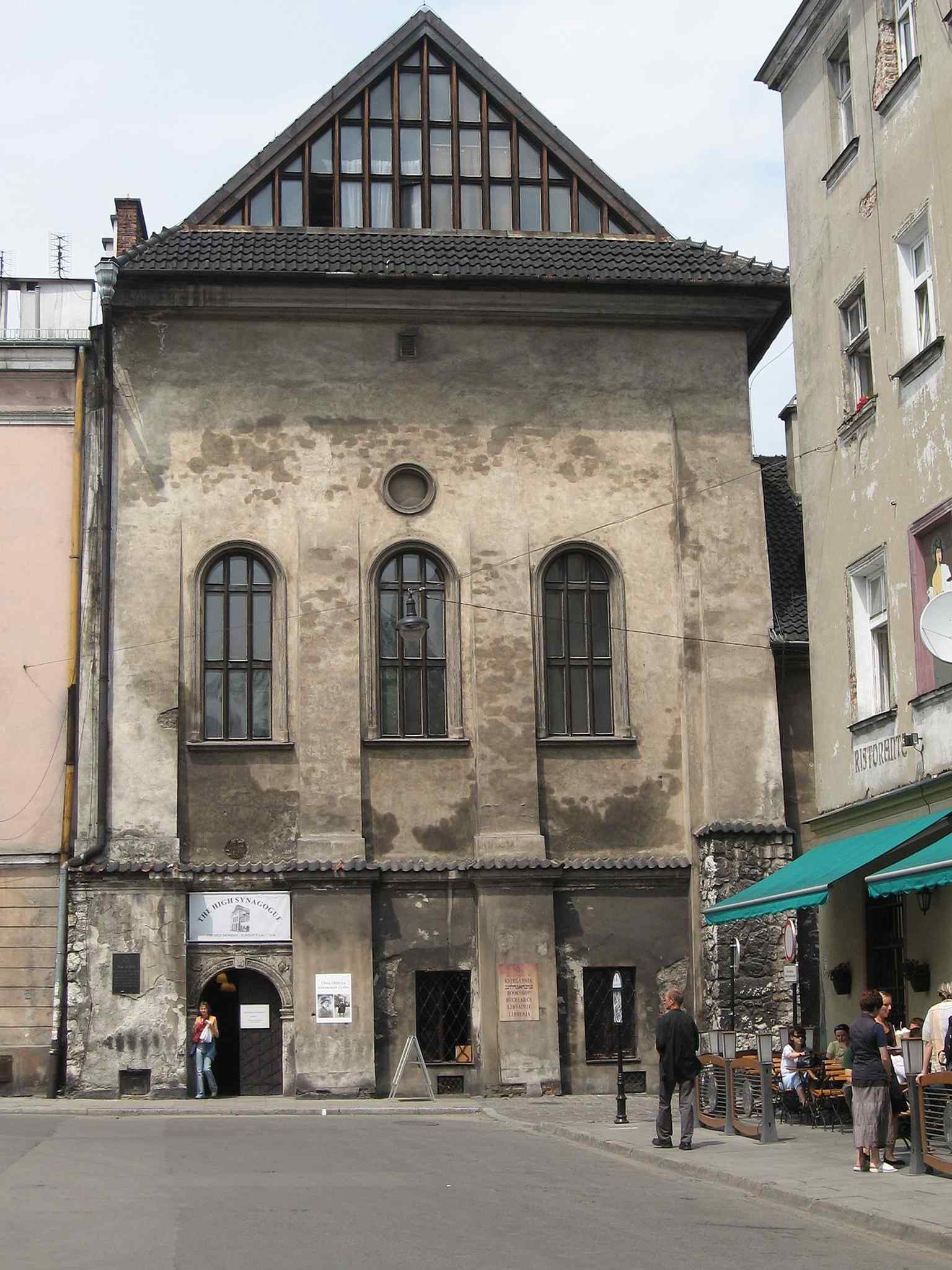
A closer exterior angle from the street, highlighting the elevated prayer level above the ground-floor frontage described in the source.
A closer exterior angle from the street, highlighting the elevated prayer level above the ground-floor frontage described in the source.Photo: Ludek, Wikimedia Commons, CC BY-SA 3.0. Cropped & resized.

Inside, the sanctuary once carried far more colour than the exterior suggests. The walls showed scenes of Jerusalem, including the Western Wall and the Tomb of the Israelite Kings, and the women’s gallery included a handsome pair of lions. The sacred focal point was the Aron HaKodesh - the cabinet that holds the Torah scrolls - on the eastern wall. Remarkably, its stone niche survives, and it is considered the oldest and largest Renaissance Aron HaKodesh in Poland. It has channeled pillars, composite capitals, and above the frame, griffins that once supported the Crown of the Torah inscription. If you open the interior view, you can sense how the prayer room once hovered above the commerce below.
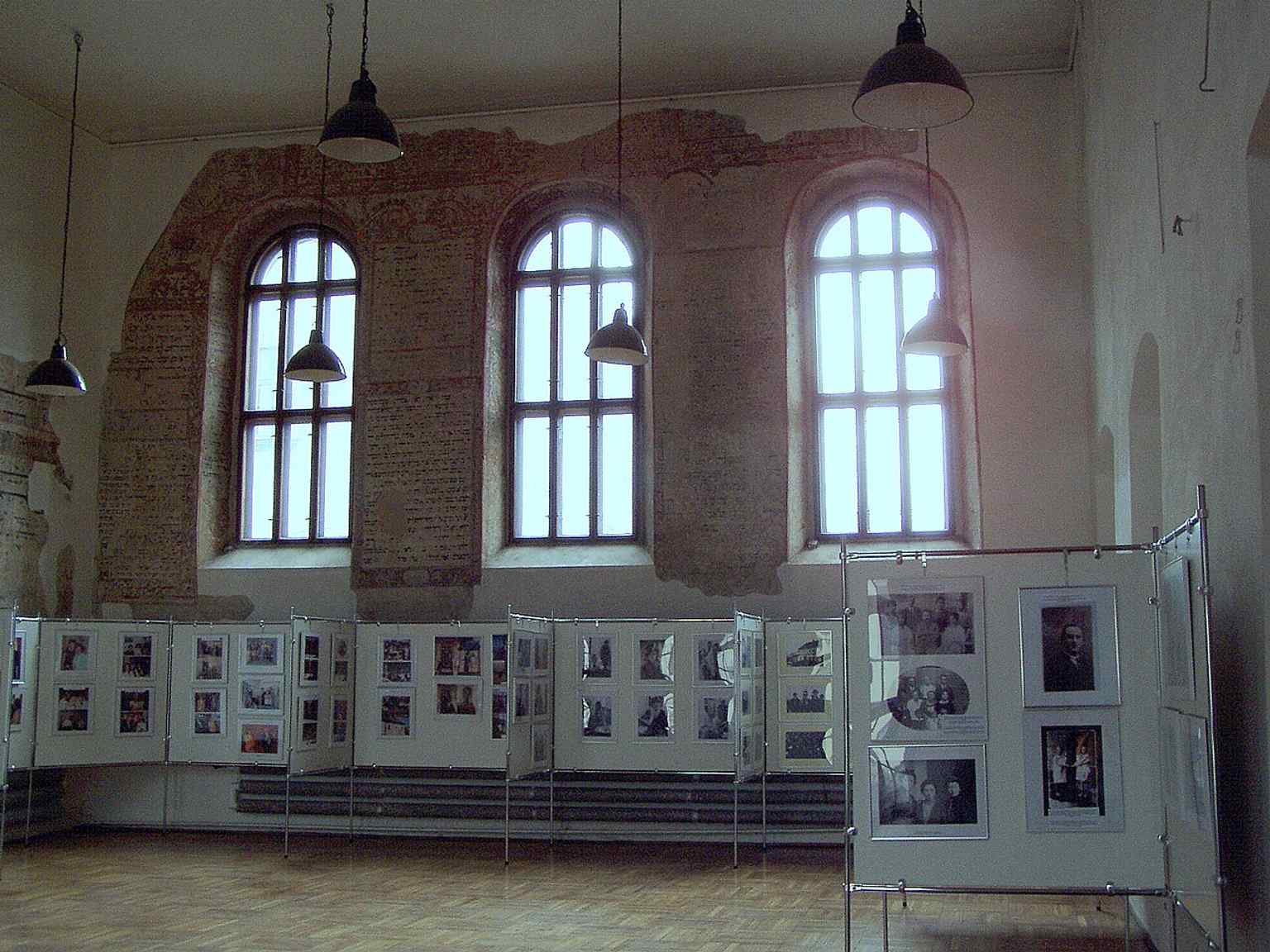
The prayer hall interior, where the congregation once worshipped above street-level shops before the wartime destruction.
The prayer hall interior, where the congregation once worshipped above street-level shops before the wartime destruction.Photo: Birczanin at Polish Wikipedia, Wikimedia Commons, Public domain. Cropped & resized.

Then came rupture. In nineteen thirty-nine, the Nazis stripped the synagogue interior, turned the building into warehouses and a locksmith’s shop, and in nineteen forty-one they intensified the destruction. Iron fittings went for scrap. Textiles, documents, books, and ritual objects were carried off. One rare survivor, a seventeenth-century Baroque Hanukkah lamp, was taken on Hans Frank’s order to Wawel Castle; we will meet that survivor again later at the Old Synagogue.

What followed was not one neat restoration, but a long argument on behalf of the building. Władysław Łuszczkiewicz began early conservation research in the nineteenth century. Jan Ertl designed new roofs. Jan Sas-Zubrzycki proposed another facade plan. By nineteen hundred, Samuel Tilles, Józef Sare, and Stanisław Tomkowicz formed a reconstruction committee, and Zygmunt Hendel prepared the renovation project. After the war, conservators such as Józef Jamroz and Józef Ptak rebuilt vaults, the bimah - the platform where the Torah is read - the eternal lamp, portals, doors, and stone details. Later restorers uncovered painted curtains beside the Aron HaKodesh and wall paintings hidden for decades.

So when you look at this altered building, do not treat the changes as flaws. Think of them as pressure marks: proof that a damaged sacred place can still be argued back into view. When you are ready, continue on to the Bobov Synagogue, about three minutes away.
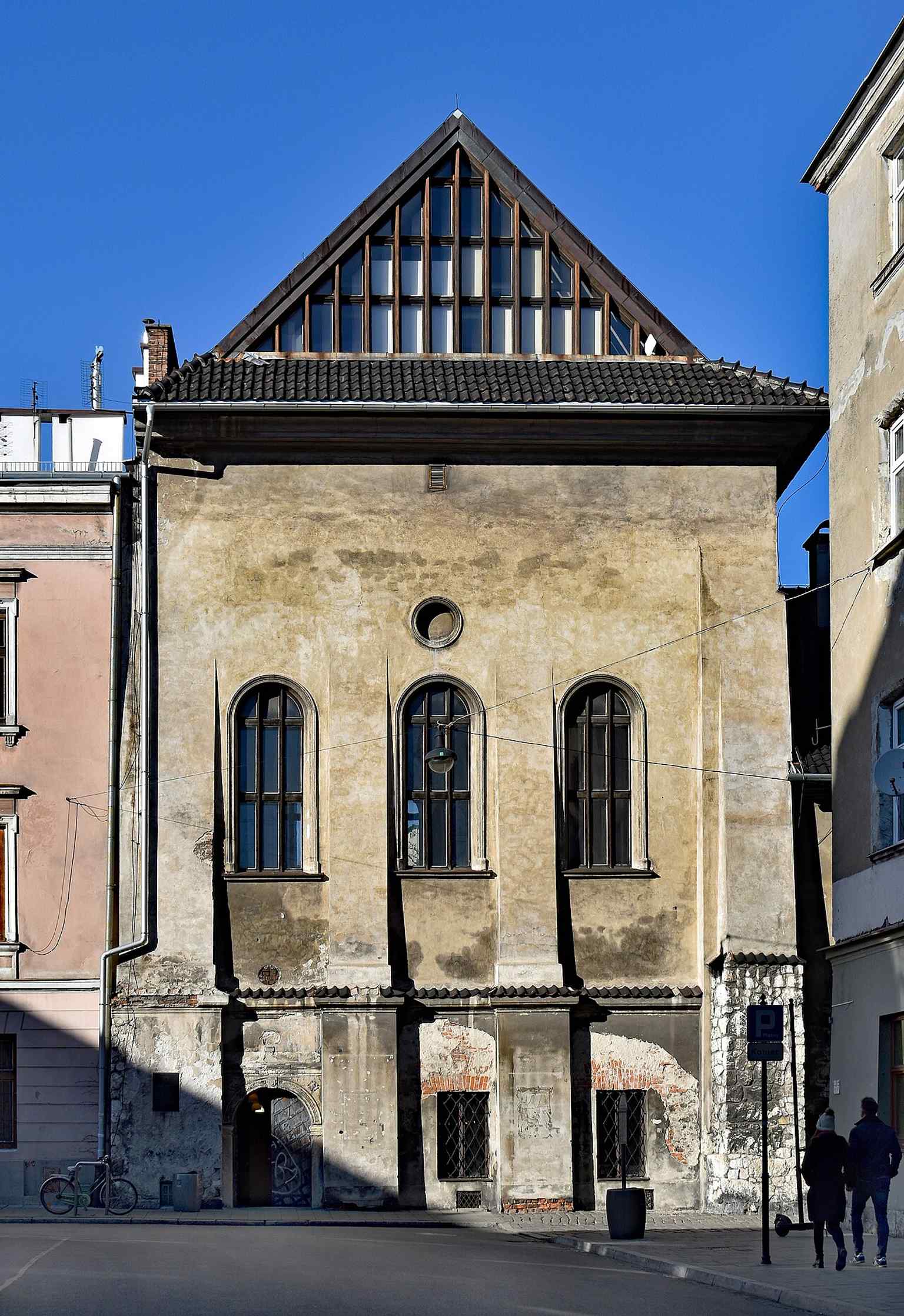
Clear street-level view of the High Synagogue on Józefa Street, showing why it was called the “Tall Synagogue” in Kazimierz.
Clear street-level view of the High Synagogue on Józefa Street, showing why it was called the “Tall Synagogue” in Kazimierz.Photo: Zygmunt Put, Wikimedia Commons, CC BY-SA 4.0. Cropped & resized.
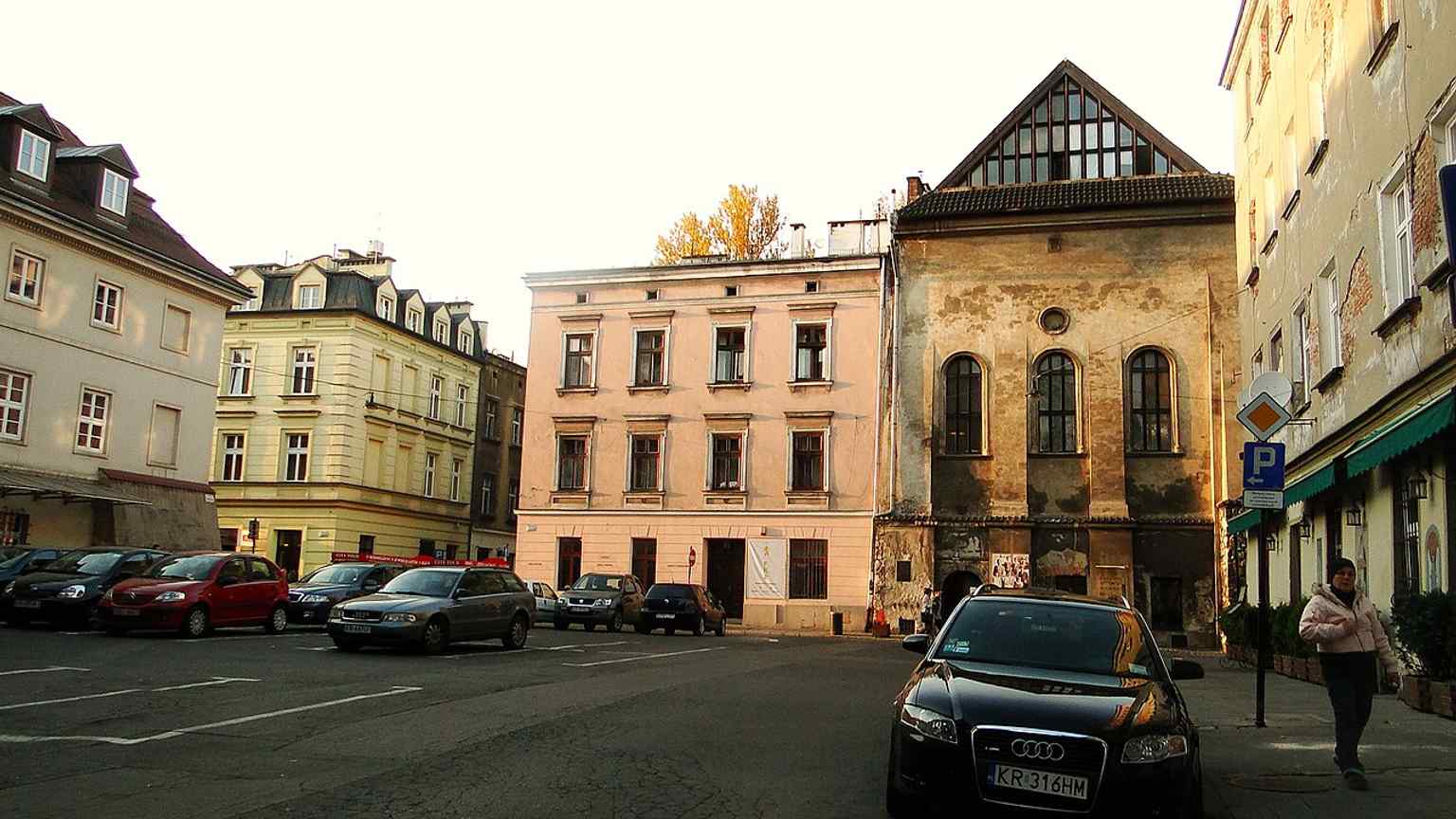
The synagogue and the small square by Wąska Street, giving context to its place in the Kazimierz streetscape.
The synagogue and the small square by Wąska Street, giving context to its place in the Kazimierz streetscape.Photo: Mateusz Giełczyński, Wikimedia Commons, CC BY-SA 3.0. Cropped & resized.
A large, detailed modern exterior view of the landmark, useful for showing its restored façade and scale.
A large, detailed modern exterior view of the landmark, useful for showing its restored façade and scale.Photo: Abri Pix, Wikimedia Commons, CC BY-SA 4.0. Cropped & resized.
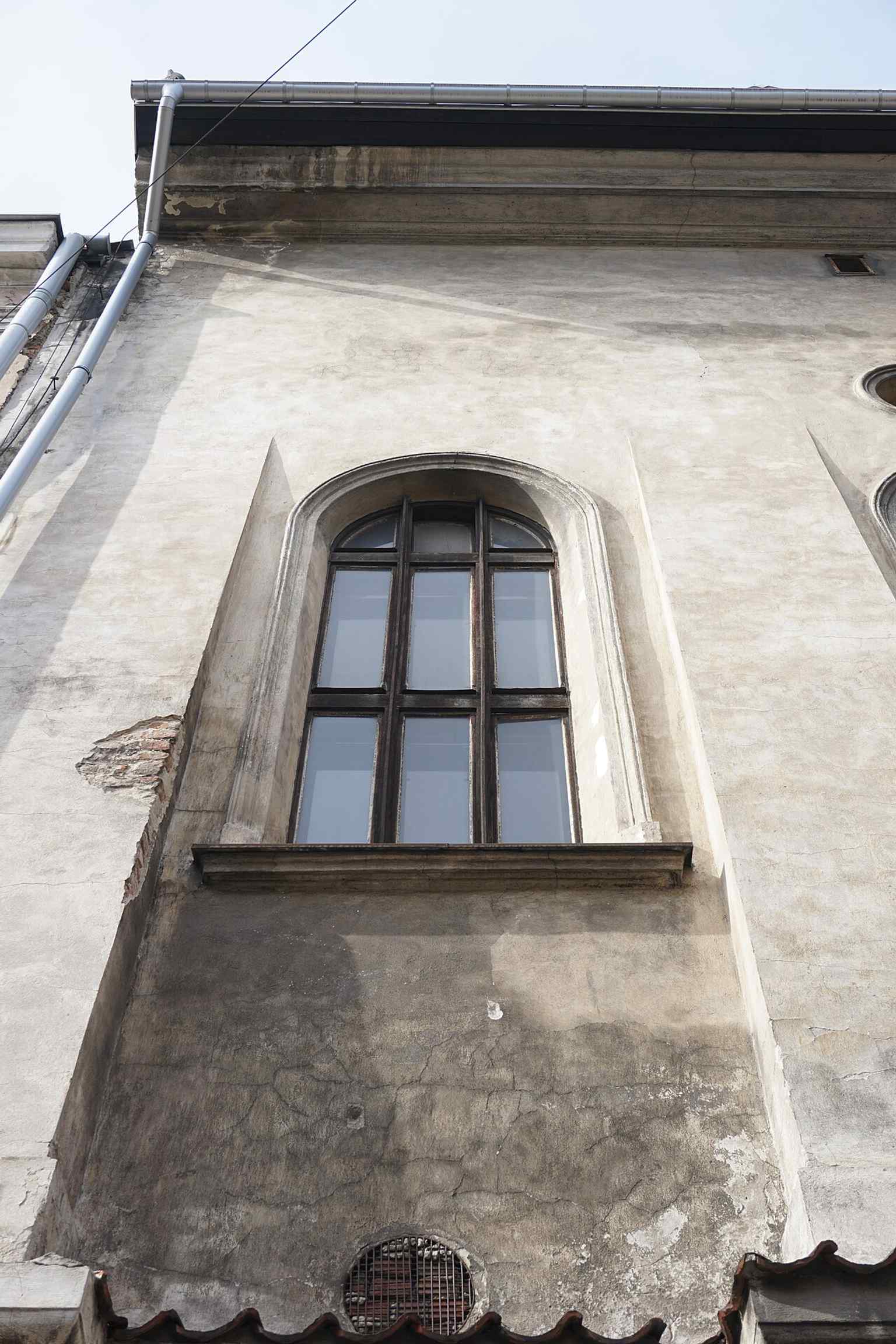
Conservation detail from the building, reflecting the long restoration history that began in the 19th century and continued after the war.
Conservation detail from the building, reflecting the long restoration history that began in the 19th century and continued after the war.Photo: Polar123, Wikimedia Commons, CC BY-SA 3.0 pl. Cropped & resized.
Another conservation close-up, useful for showing surviving historic fabric from the synagogue’s layered restorations.
Another conservation close-up, useful for showing surviving historic fabric from the synagogue’s layered restorations.Photo: Polar123, Wikimedia Commons, CC BY-SA 3.0 pl. Cropped & resized.
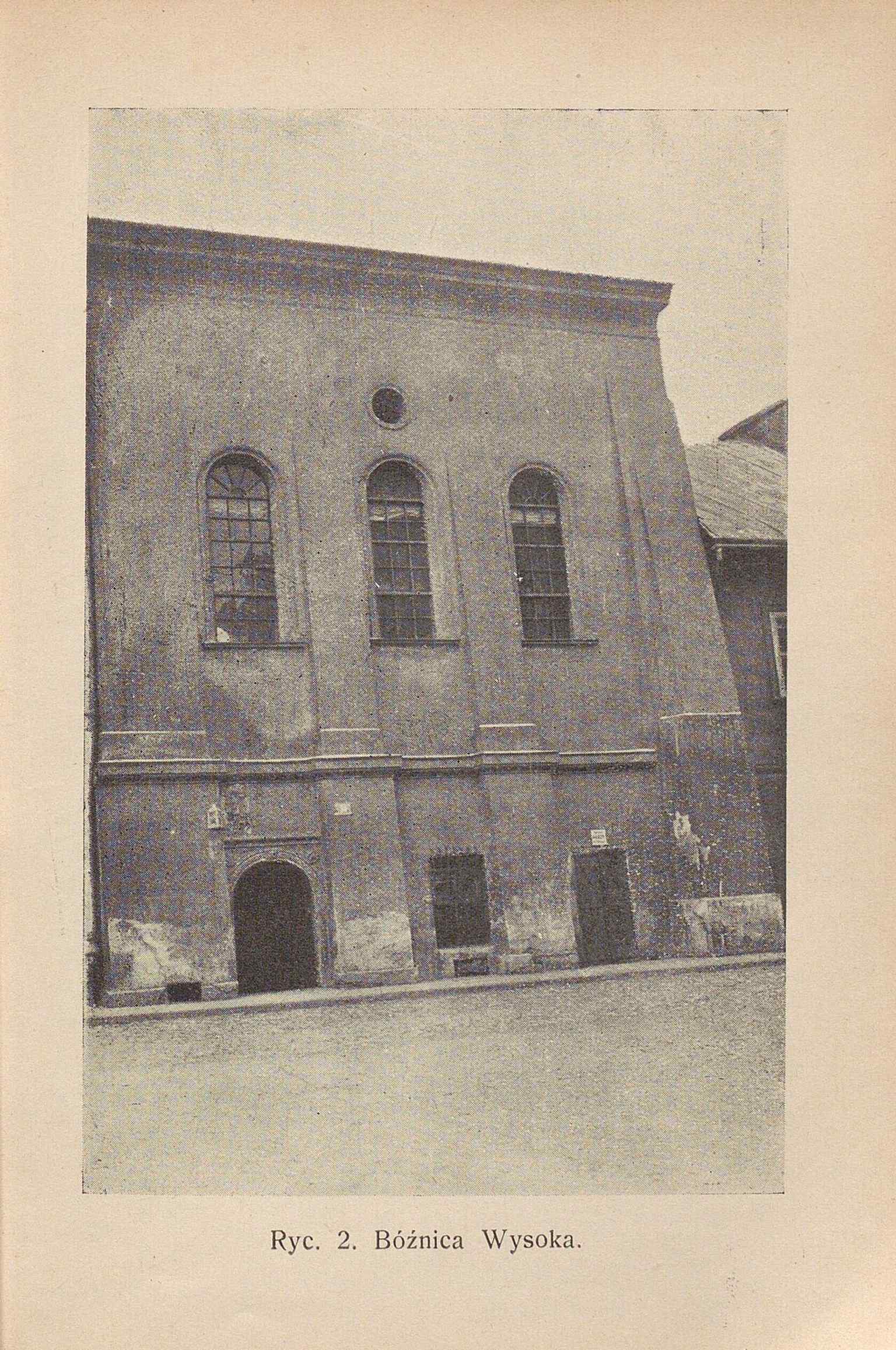
A 1935 Jewish heritage guide, capturing how the High Synagogue was presented before World War II and museum use.
A 1935 Jewish heritage guide, capturing how the High Synagogue was presented before World War II and museum use.Photo: Ozjasz Mahler, Wikimedia Commons, Public domain. Cropped & resized.
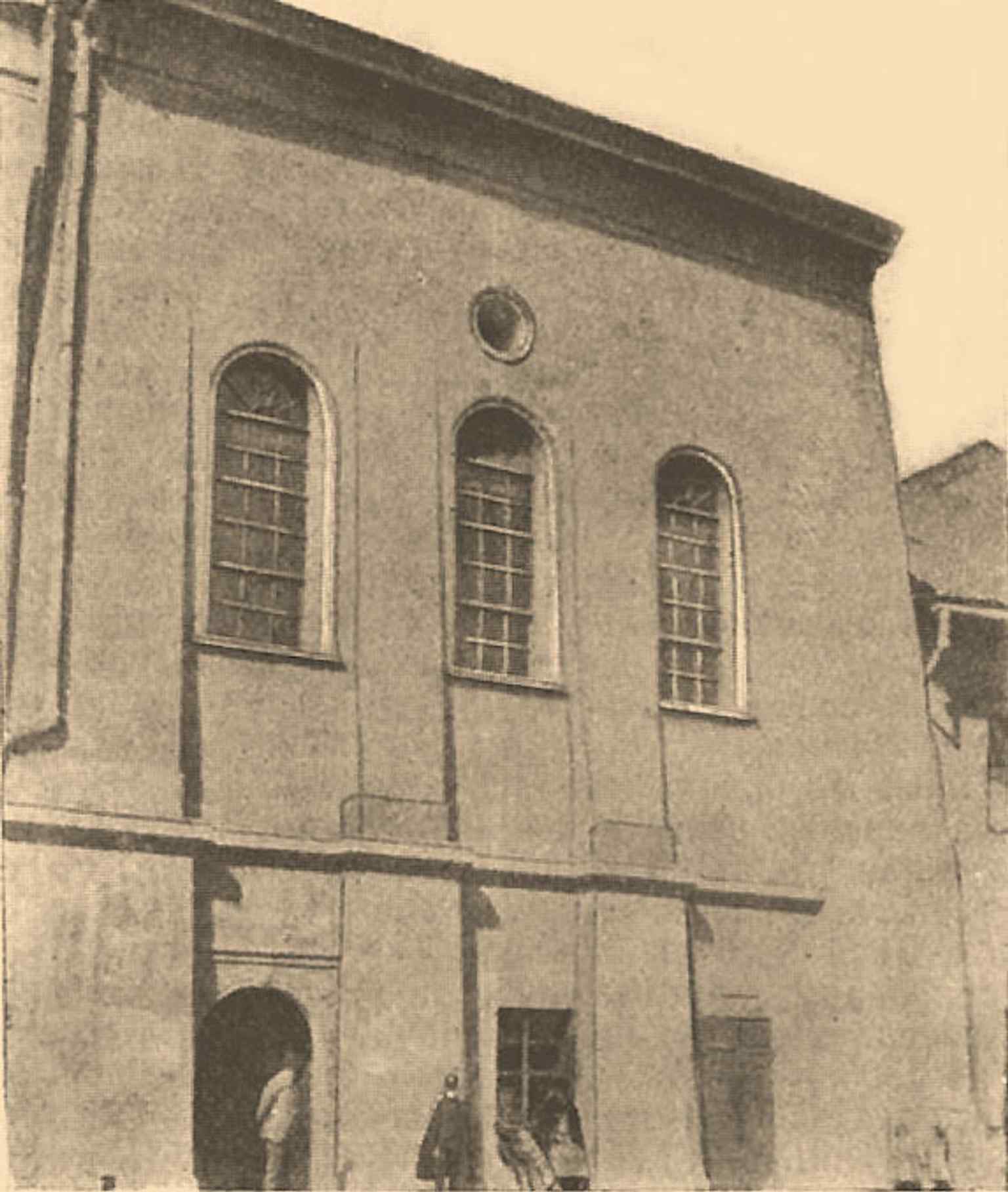
An old encyclopedia illustration of the High Synagogue, showing the building’s longstanding fame in printed sources.
An old encyclopedia illustration of the High Synagogue, showing the building’s longstanding fame in printed sources.Photo: Unknown authorUnknown author, Wikimedia Commons, Public domain. Cropped & resized.
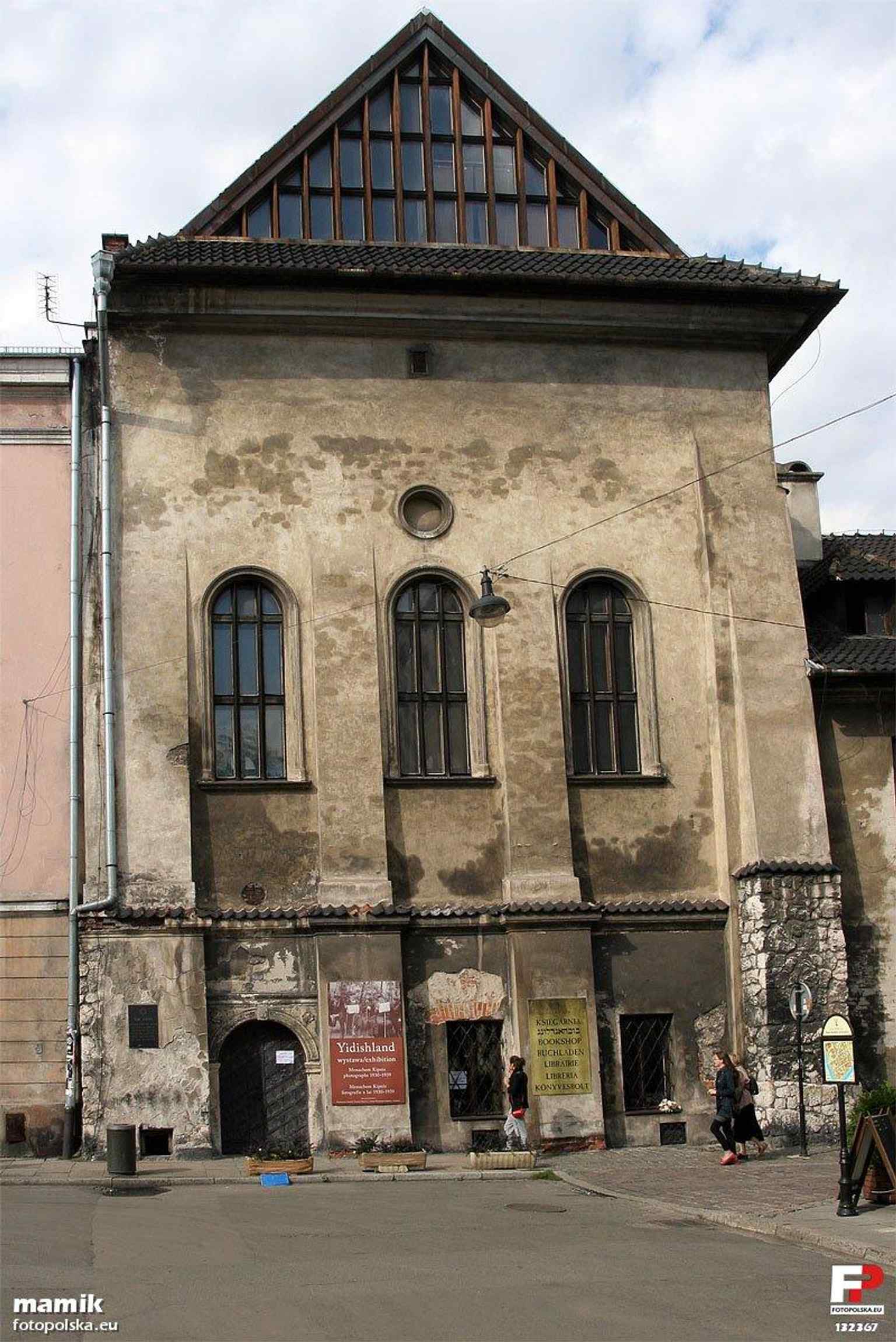
View from Wąska Street that emphasizes the synagogue’s urban setting and its elevated, defensive-looking massing.
View from Wąska Street that emphasizes the synagogue’s urban setting and its elevated, defensive-looking massing.Photo: mamik, Wikimedia Commons, CC BY-SA 3.0. Cropped & resized.
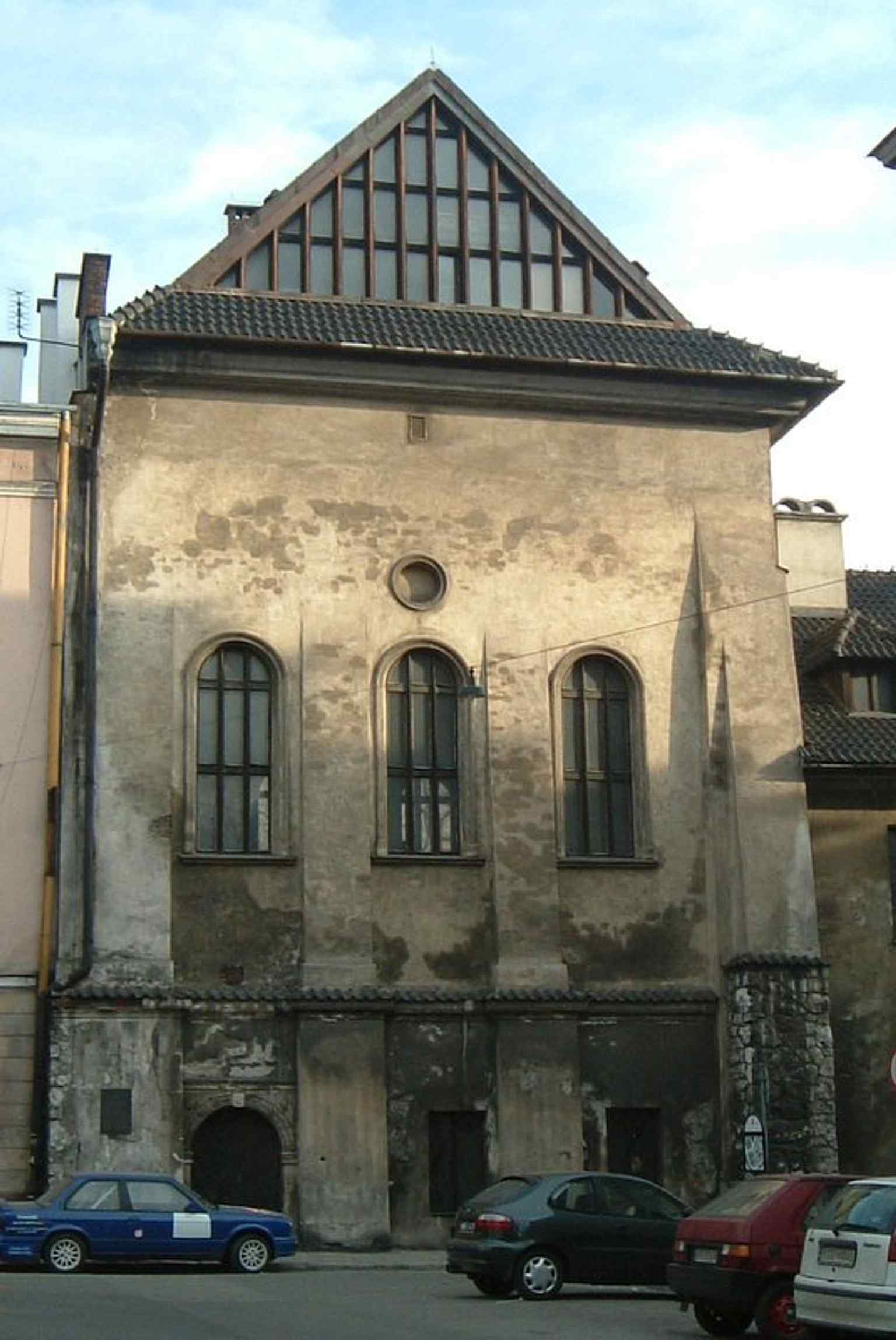
A compact exterior image that clearly identifies the High Synagogue and its distinctive tall profile.
A compact exterior image that clearly identifies the High Synagogue and its distinctive tall profile.Photo: No machine-readable author provided. Tukan~commonswiki assumed (based on copyright claims)., Wikimedia Commons, CC BY-SA 3.0. Cropped & resized.
A broader exterior perspective from 2007, useful for showing the synagogue’s restored appearance in Kazimierz.
A broader exterior perspective from 2007, useful for showing the synagogue’s restored appearance in Kazimierz.Photo: Jakub Hałun, Wikimedia Commons, CC BY-SA 3.0. Cropped & resized.
Another strong exterior view of the High Synagogue, helping round out the modern look of the building.
Another strong exterior view of the High Synagogue, helping round out the modern look of the building.Photo: ekeidar, Wikimedia Commons, CC BY-SA 3.0. Cropped & resized.
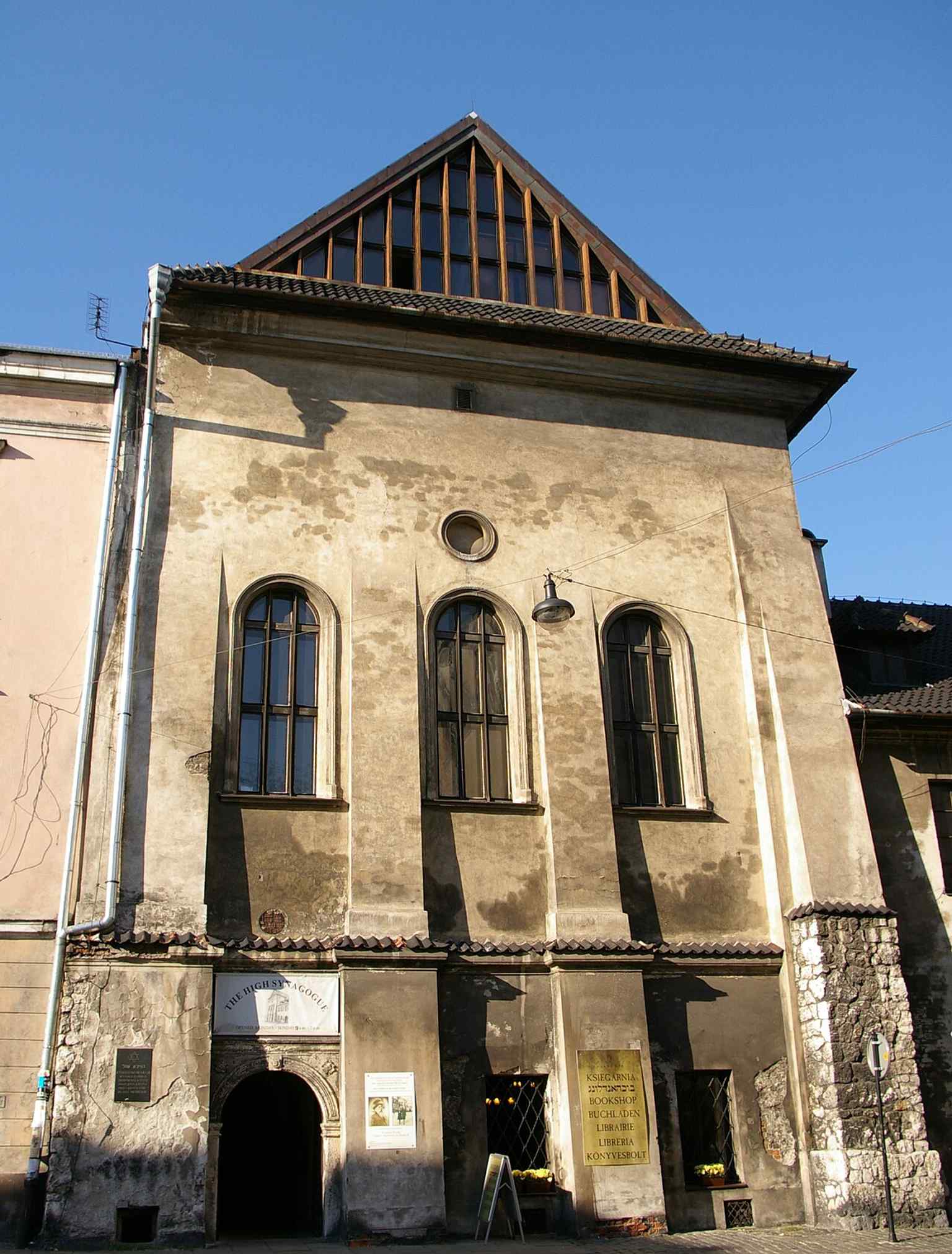
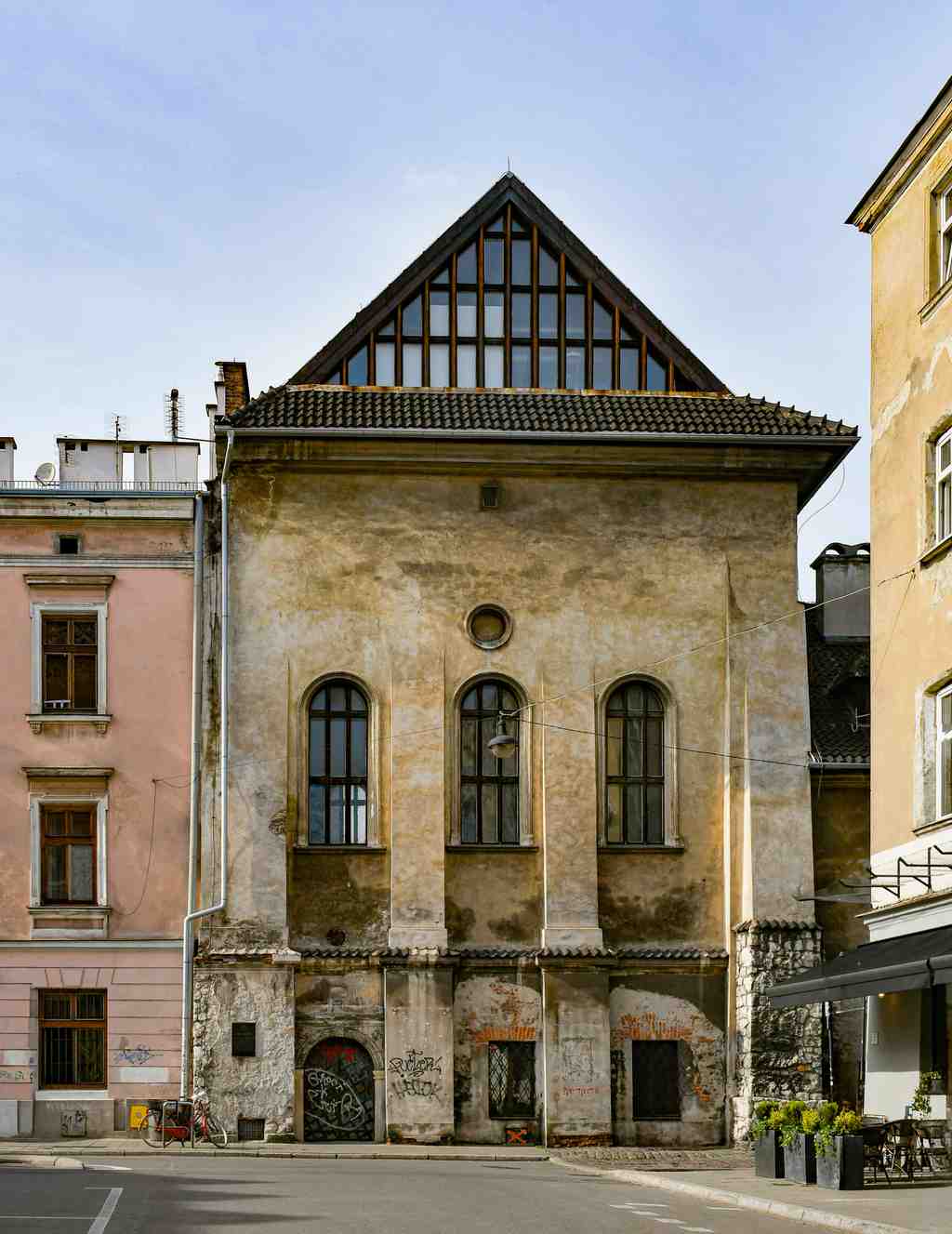
A recent high-resolution street view of Józefa 38, showing the synagogue as it appears to visitors today.
A recent high-resolution street view of Józefa 38, showing the synagogue as it appears to visitors today.Photo: Igor123121, Wikimedia Commons, CC BY 4.0. Cropped & resized.
arrow_back Back to Krakow Audio Tour: A Mosaic of Jewish Heritage and Culture Tour
Loved by travellers

Thousands of tours started.
Plenty of opinions.

4.8 across the App Store and Google Play. Here's a few we keep coming back to.

starstarstarstarstar
This was a solid way to get to know Brighton without feeling like a tourist. The narration had depth and context, but didn't overdo it.
Christoph
Christoph
Brighton Tour
starstarstarstarstar
Started this tour with a croissant in one hand and zero expectations. The app just vibes with you, no pressure, just you, your headphones, and some cool stories.
download Get the app

Pop your headphones in.
Step outside.

Free to download. Tours in every city. Start in 60 seconds — no account, no card.

Download on the App StoreGet it on Google Play
starstarstarstarstar_half
4.8
AudaTours app icon
headphones
~ 4 min until your first tour starts
public
1,000+ cities worldwide
all_inclusive
AudaTours
Unlimited

Every tour. Every city. One subscription.

3101 tours2271 cities138 countries50+ languages