
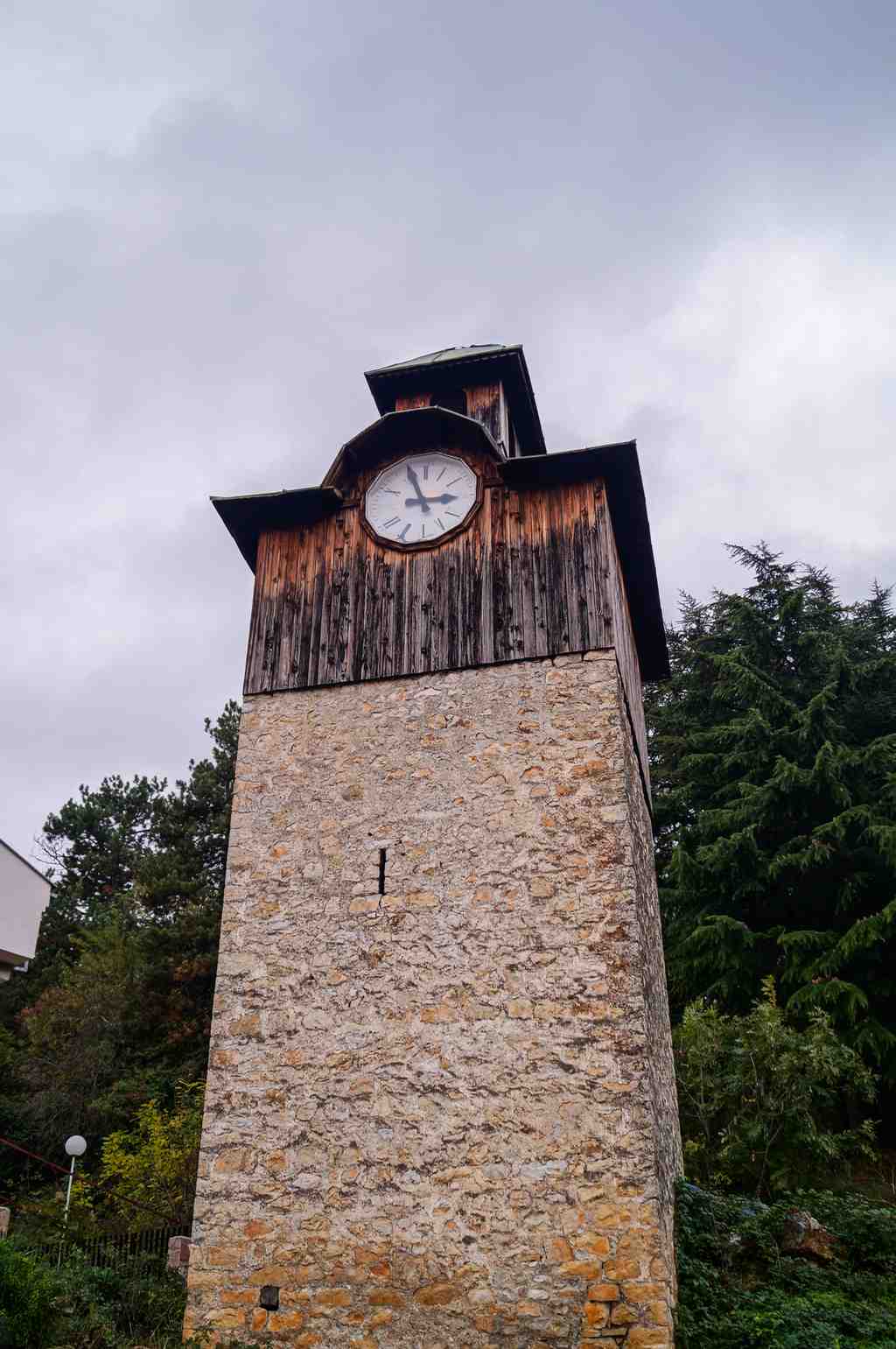
On your left, you will see a twelve-meter tall, square stone base topped with a wooden upper section holding a classic white clock face. Take a glance at your screen to see the rugged, unadorned stone up close. This tower went up in 1726, right during the Ottoman Empire's Tulip Era, a time famous for extravagant, highly decorated architecture. Yet this structure is completely stripped back.
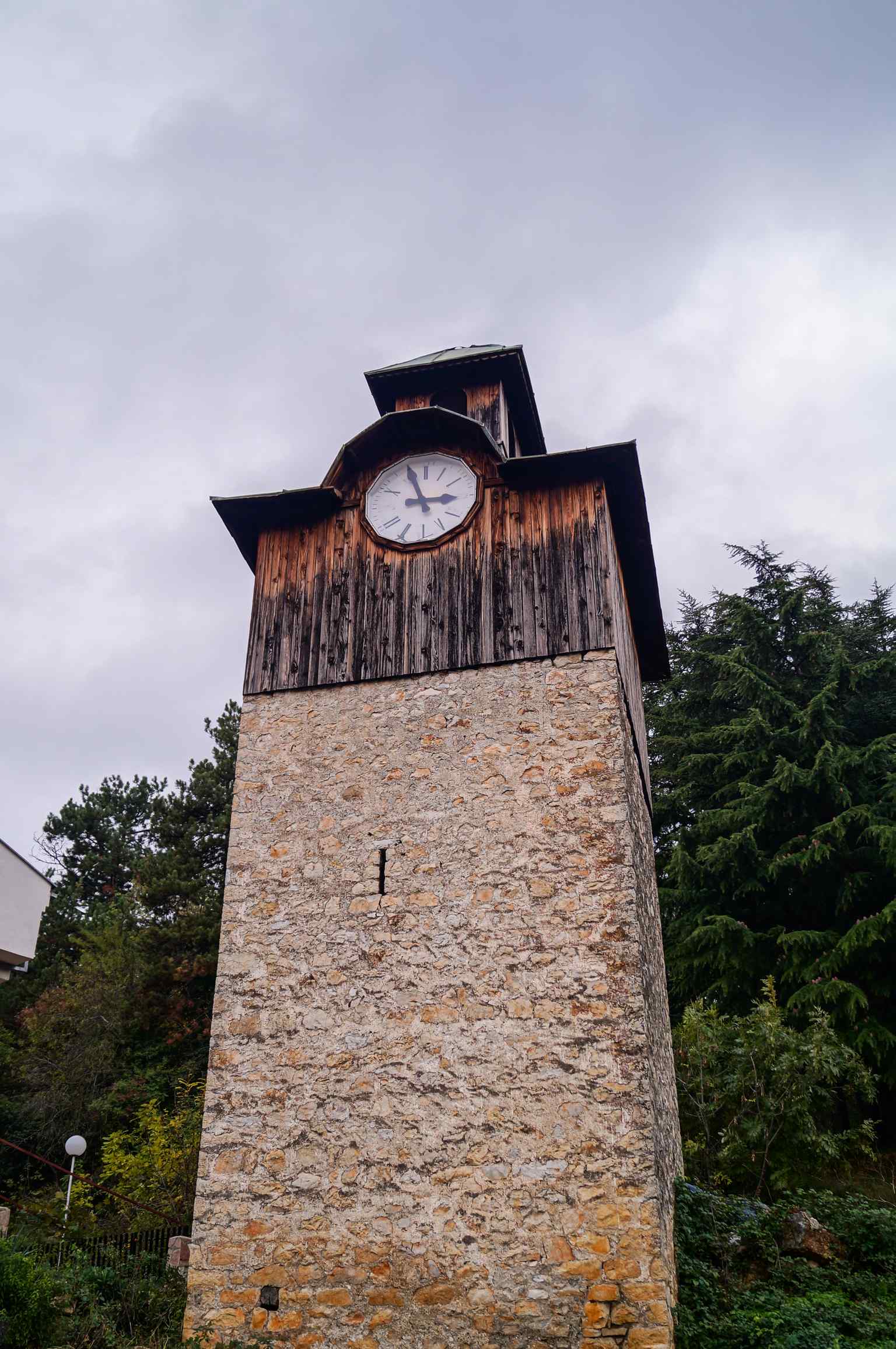
The story goes that a local bey, a provincial Ottoman governor named Suleyman-aga, had a daughter who fell desperately ill. As she lay fading, she found a strange, peaceful comfort in the simple sound of a ticking clock. When a local herbalist miraculously brought her back from the brink, the overjoyed father did not throw a lavish party. Instead, he built this tower. Public clocks were incredibly rare and expensive back then. He wanted that steady heartbeat of time to ring out over Deboj Hill, offering the same comfort to anyone lying awake in the dark.
Originally, it ran on an ala turca system, an old lunar calendar mechanism driven by heavy weights, which paced the daily prayers. If you check out the second picture on your app, you can spot narrow slits in the lower stone. Those are loopholes for rifles. Since this neighborhood was outside the main city walls, the tower had to double as a guardhouse.
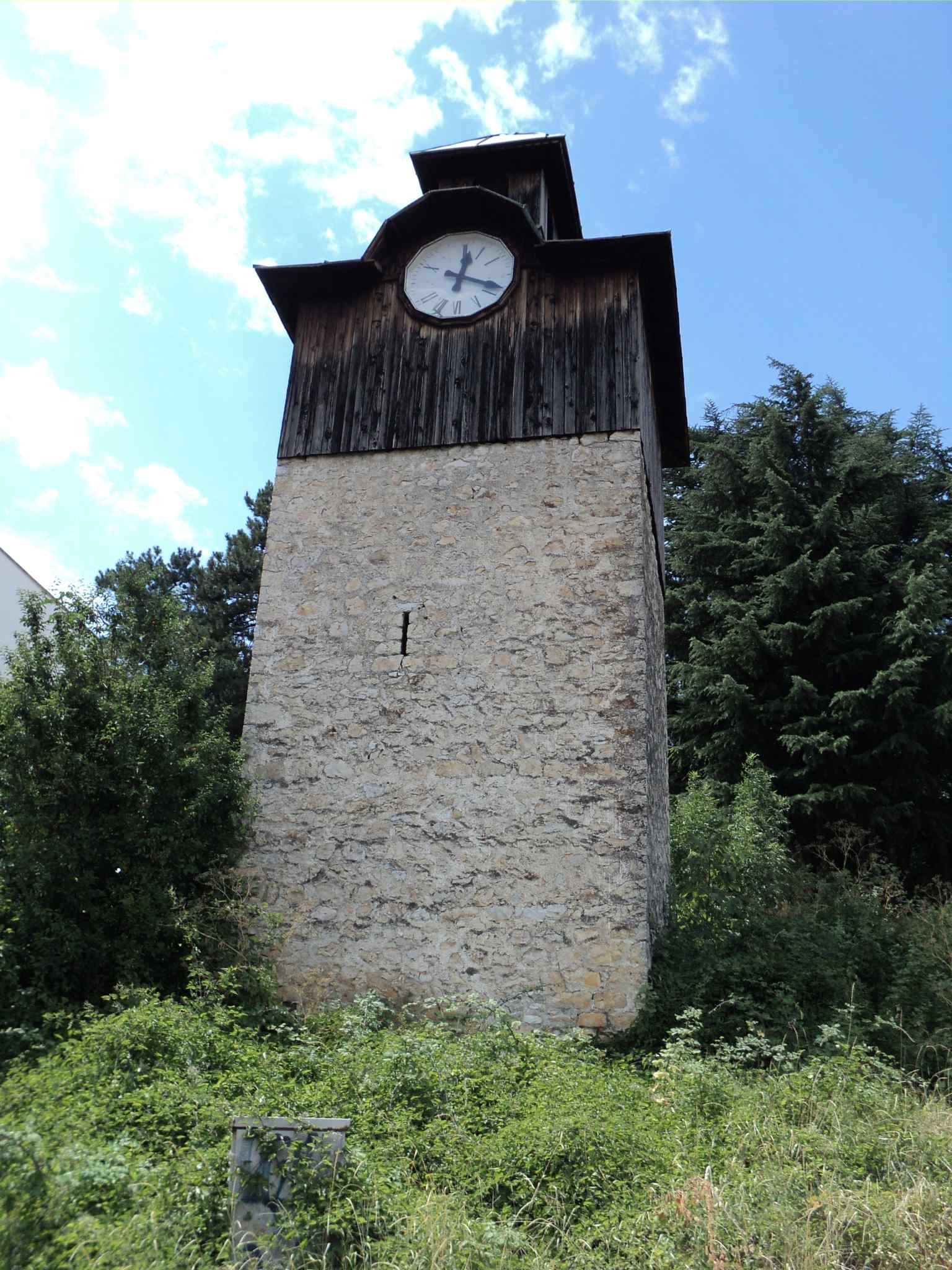
The original clock was violently dismantled during the Second World War, and the building survived a fire in the sixties. But a city is only as strong as the people who remember it. A new Czech mechanism was later donated, and today, a dedicated local guy voluntarily maintains it, adjusting the gears by hand so the heartbeat keeps going. You can come by to see it anytime, since the exterior is open twenty-four hours a day, all week.
Listen to the quiet around the tower for a second. If you had the wealth of an empire, what monument would you build to comfort someone you loved?
Let us leave the Ottoman era behind and see how this city holds onto its fragile memories. The Institute for Protection of Cultural Monuments and National Museum is a nine-minute walk from here.






