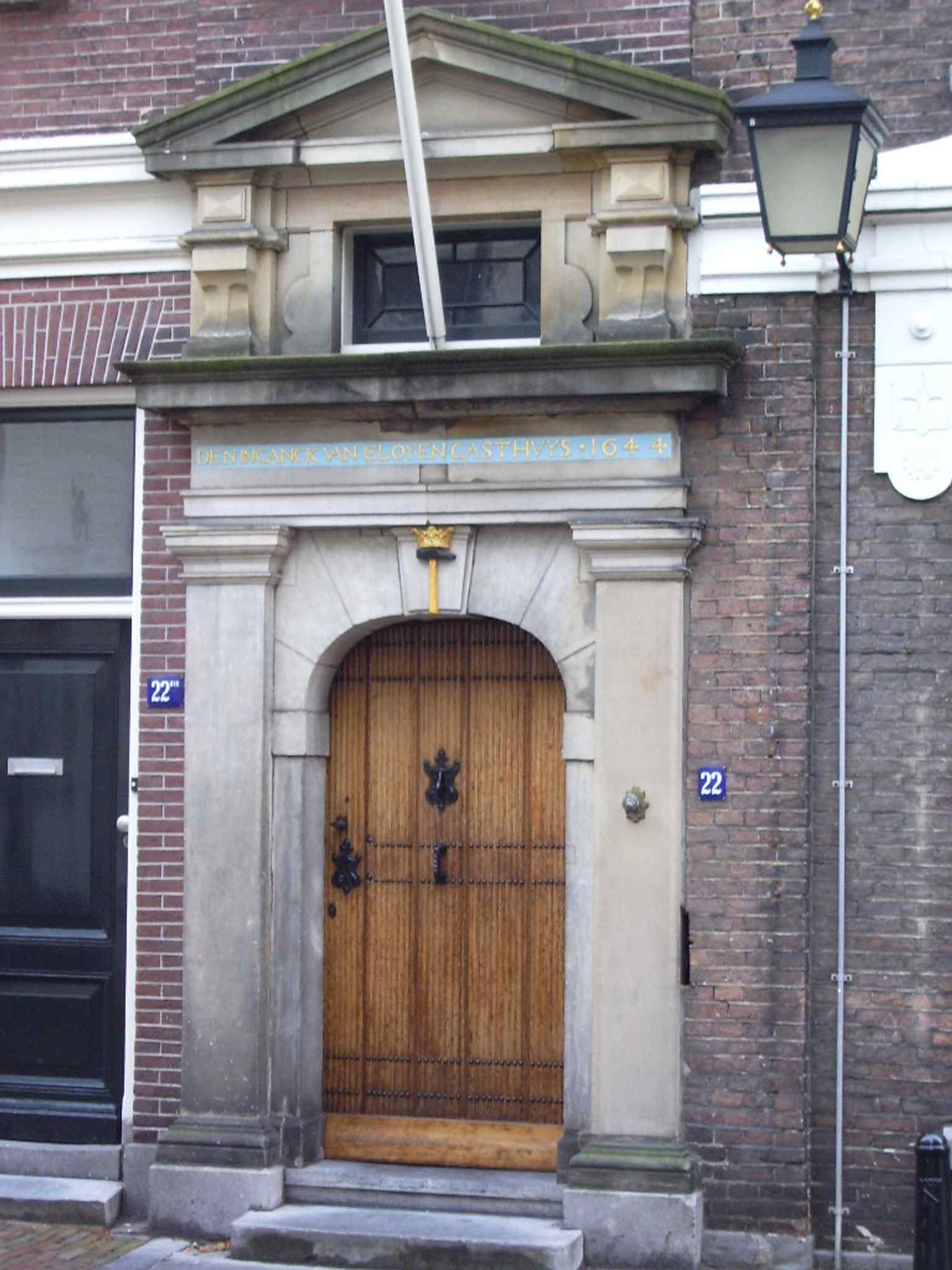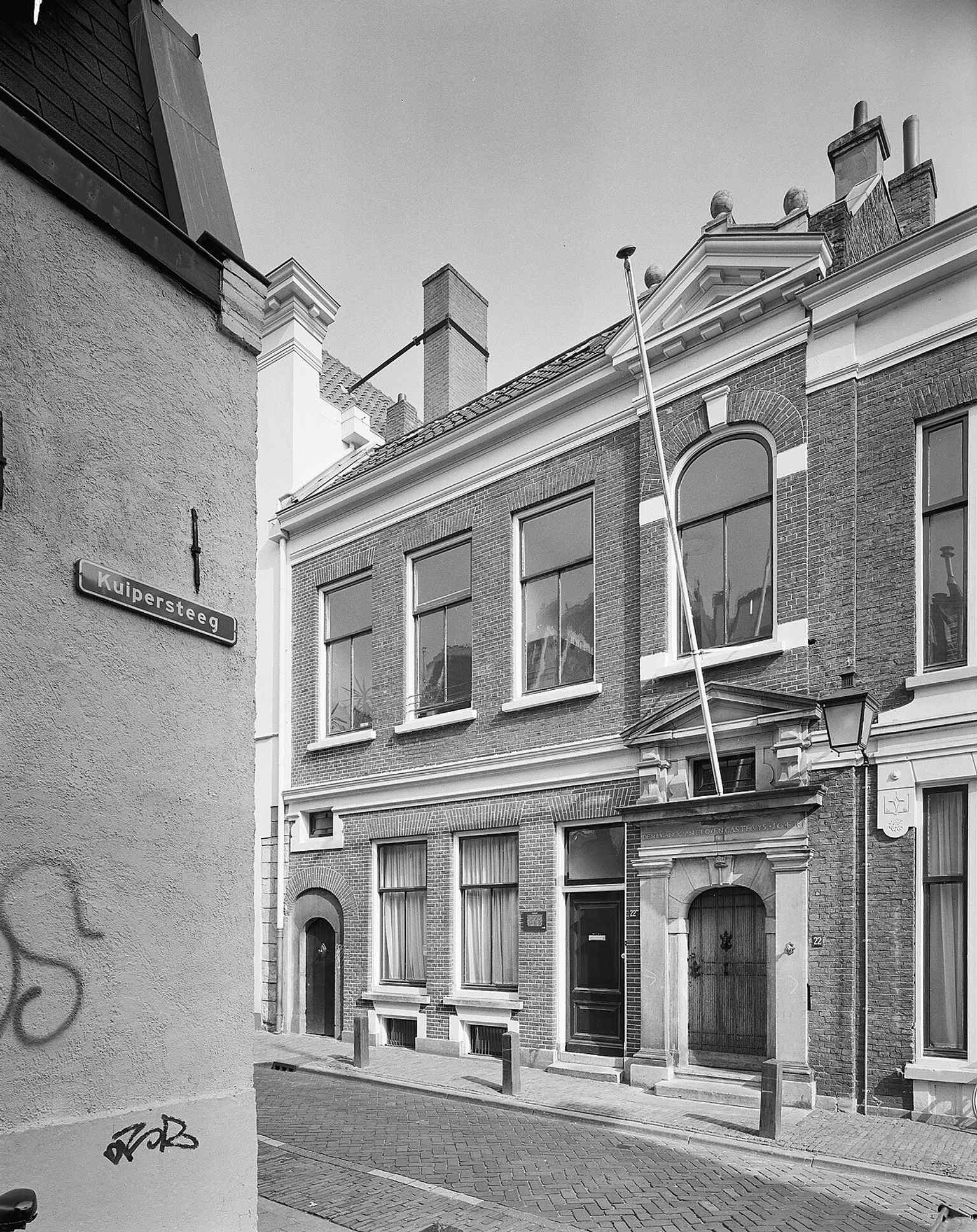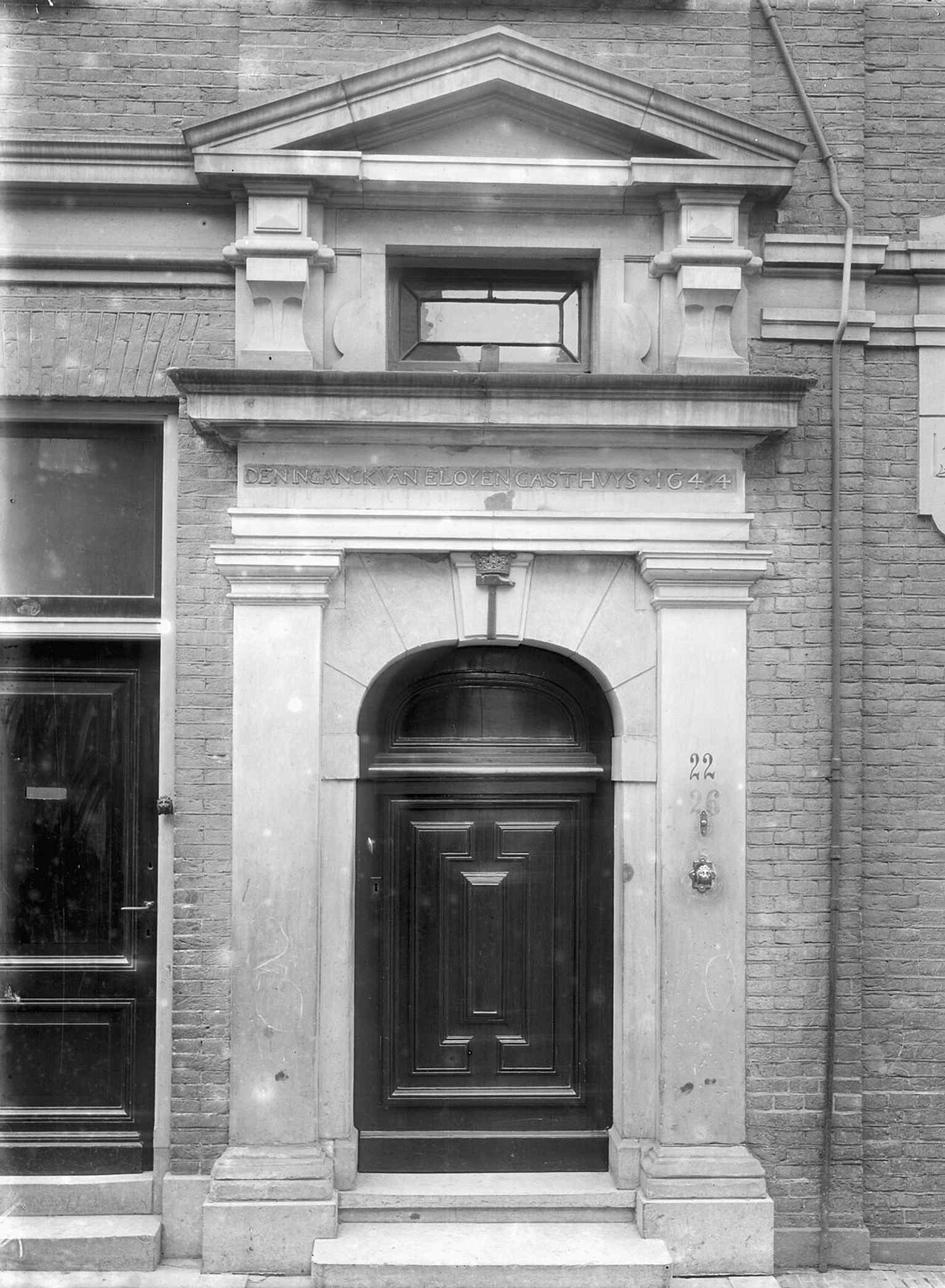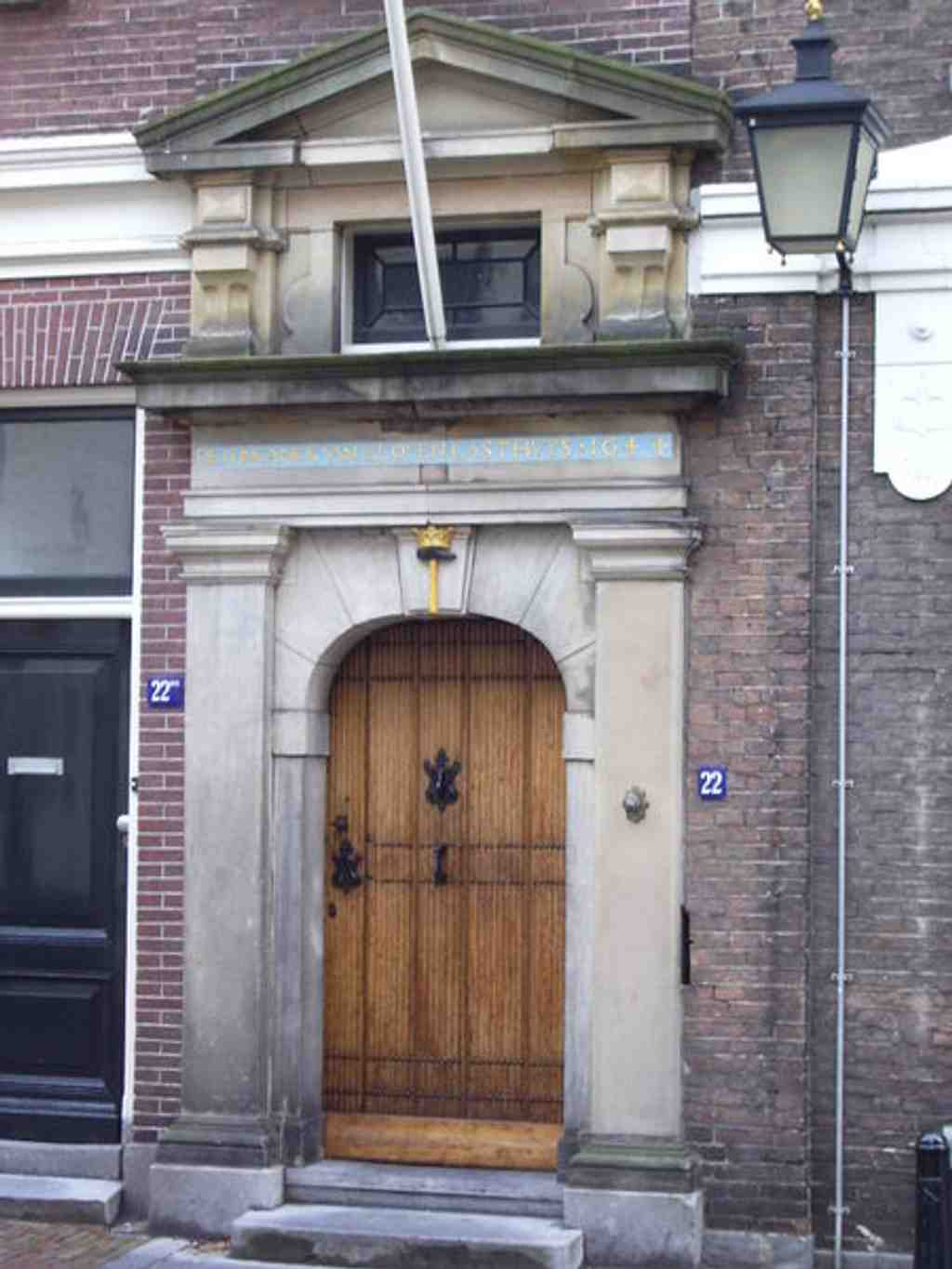
Look for the sturdy arched wooden door set inside a light stone frame, topped by a classic triangular peak and a small golden crown and hammer floating right above the entrance. You are standing in front of Saint Eloy's Hospice, the home of the very last surviving medieval guild in the entire Netherlands.
Back in the Middle Ages, guilds were powerful associations of craftsmen who essentially controlled their trades. The Guild of Smiths was an absolute heavyweight. It included everyone from heavy-hitting blacksmiths and weapon forgers to delicate gold and silver smiths. They controlled the local market, enforced strict quality standards, and trained members step by step from raw apprentices up to master craftsmen. They were a massive political force, too.
But they also took exceptional care of their own. In fourteen forty, the guild bought this exact property on Boterstraat to create a hospice. It was a safe haven designed to lodge and care for aging, poverty-stricken smiths and their widows. It was effectively a medieval forerunner to mutual medical and funeral insurance. You can take a quick peek at your screen to see how this beautiful gate has stood firm while the street around it modernized over the last century.
The real question is, how did this specific guild survive when every other guild vanished?
For that, we have to thank a spectacular bureaucratic loophole. In seventeen ninety-eight, Napoleon Bonaparte abolished all guilds across the lands he conquered, effectively wiping out centuries of tradition overnight. The blacksmiths of Utrecht, however, simply crossed out the word guild on their paperwork, officially renamed themselves the Blacksmith Trade Organization, and quietly carried on. Napoleon never noticed, and the brotherhood survived.
Even today, the governing brothers, known as regents, continue the charitable work they started centuries ago. Way back in fifteen seventy-one, a brother named Adriaan Willemszoon van Dashorst left them an inheritance to buy bread for the poor. The guild honored that exact will until nineteen sixty-two, handing out weekly bread coupons to struggling locals.
Inside, past that heavy wooden door, the modern brothers still meet every Monday. They talk, have a drink, and play an old traditional Dutch game called kolf. Check out the image in your app to see their private, centuries-old playing court. Kolf is a bit like a mix between golf and ice hockey, played with heavy curved bats and solid wooden balls. The brothers bought that very court in seventeen thirty, and it even features a beautiful brass inlay in the floor.
This building is a living time capsule, carrying a brotherhood of metalworkers straight through the centuries. Appreciate this rare survivor. When you're ready, we can head to the next stop.