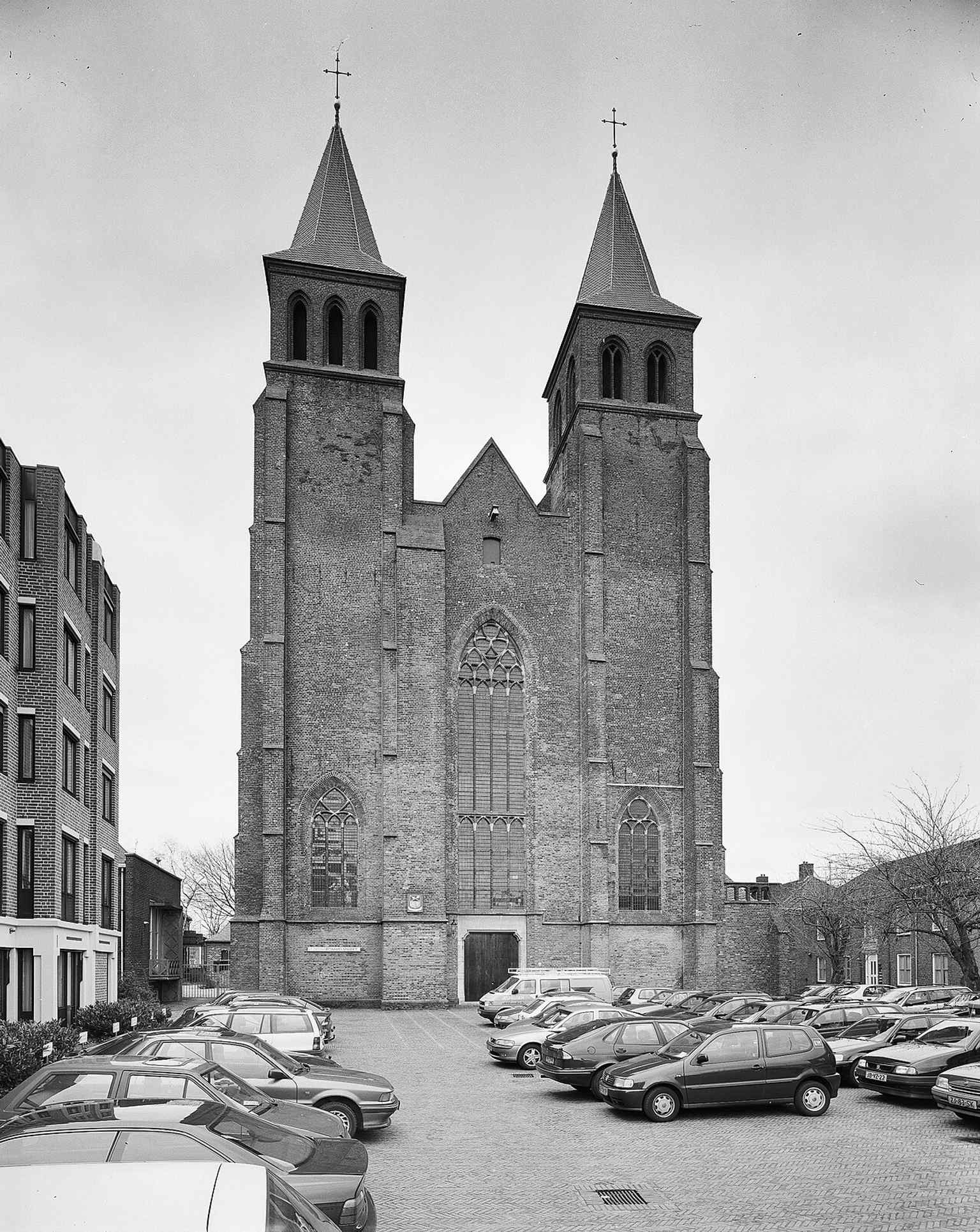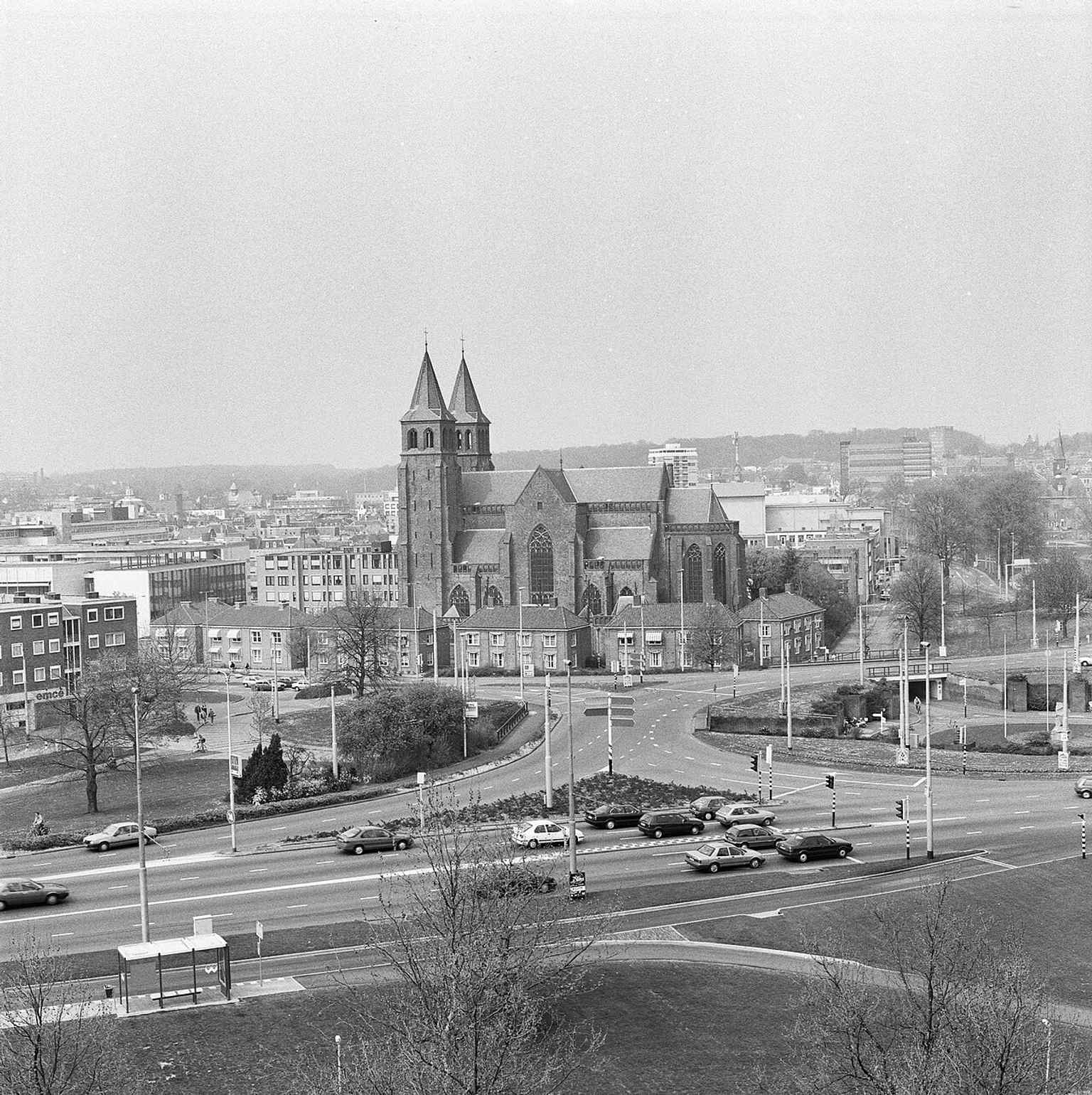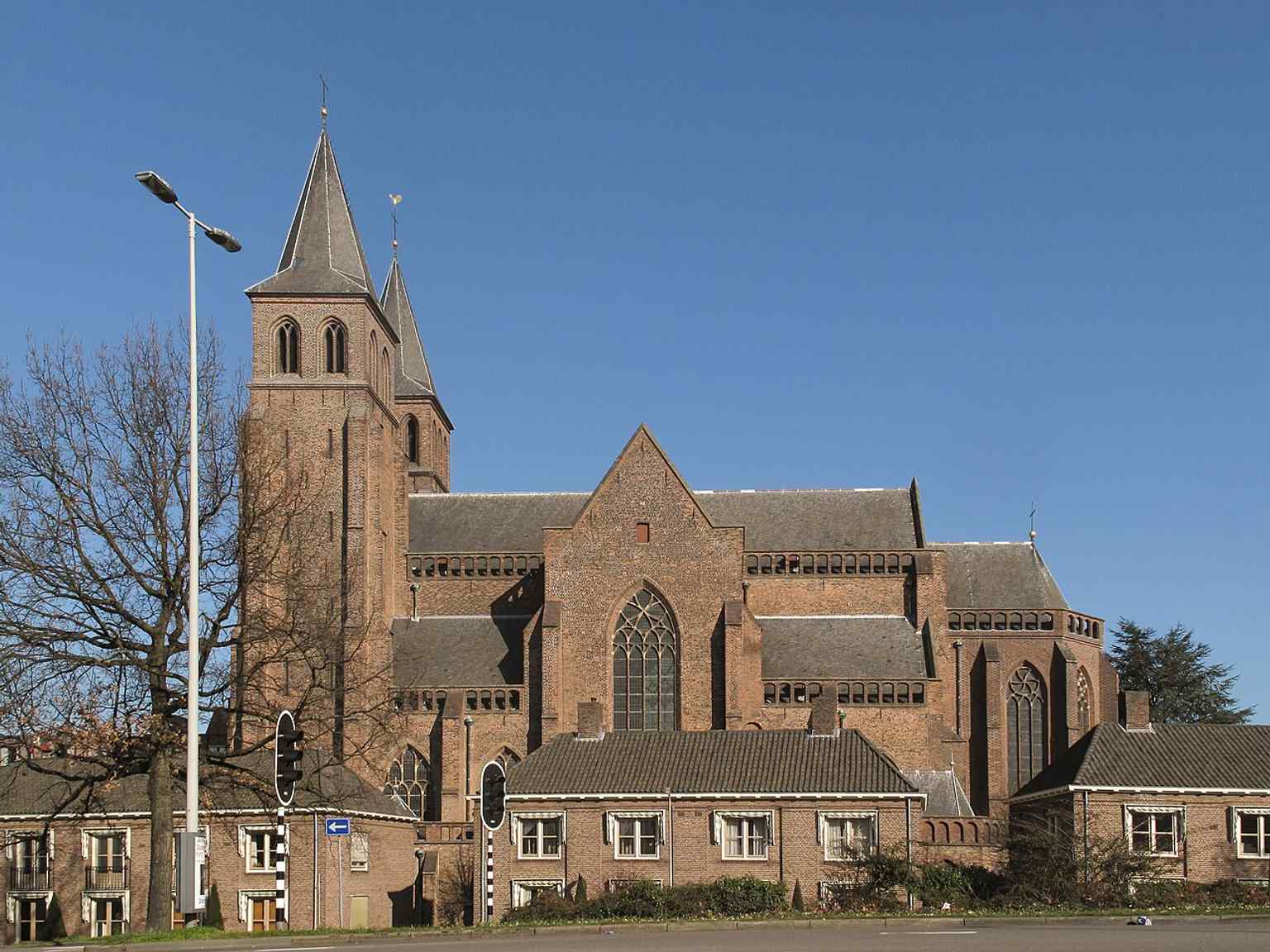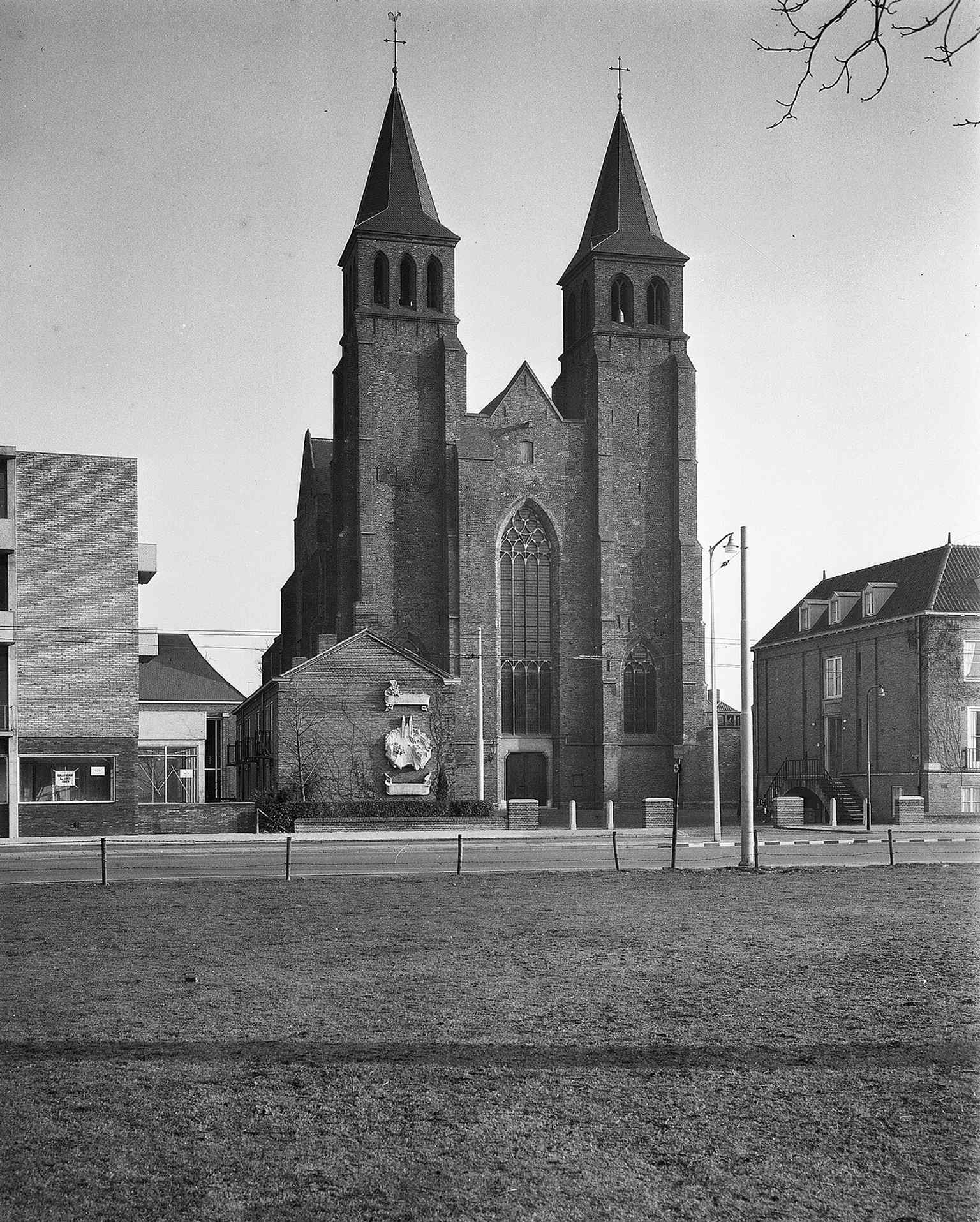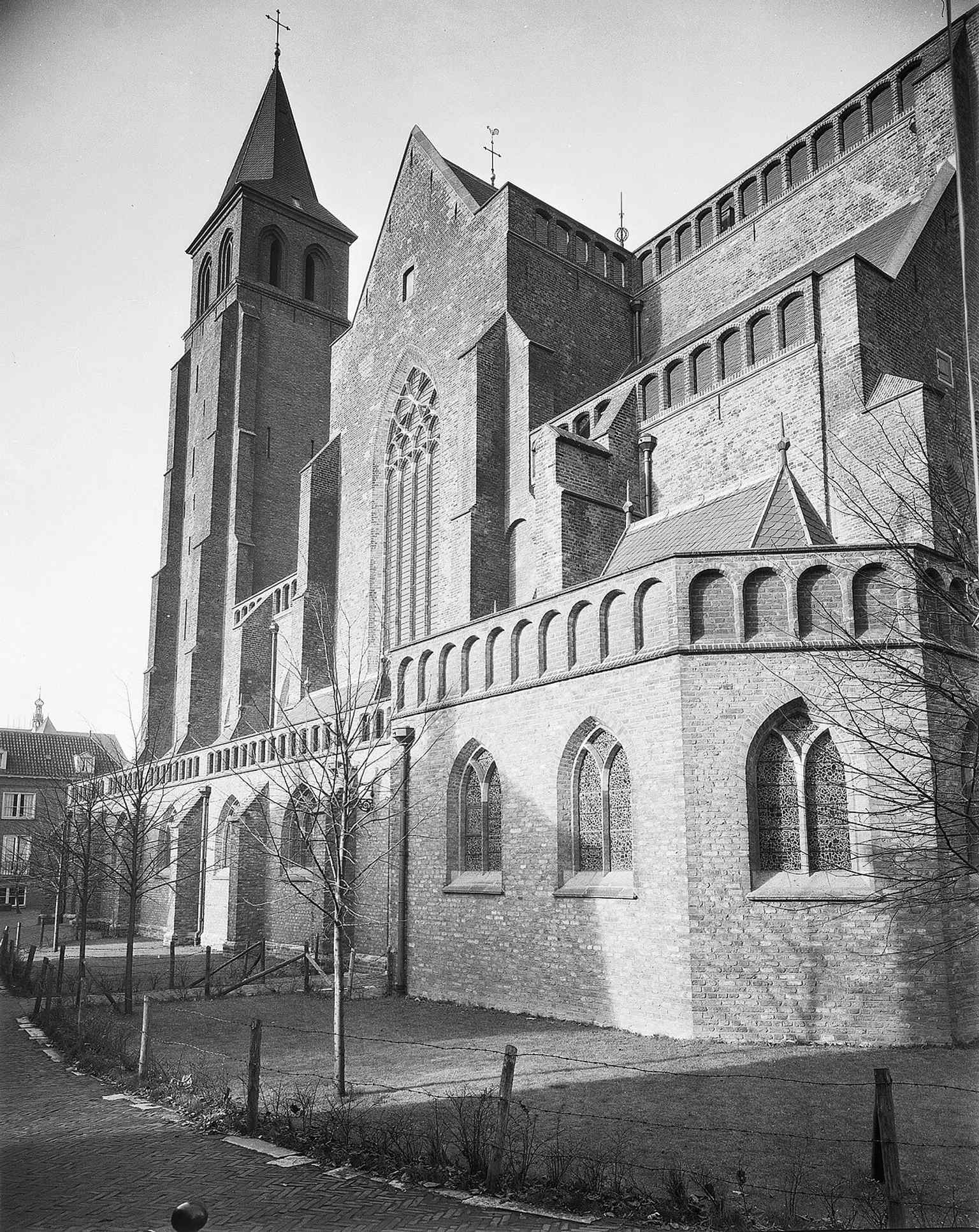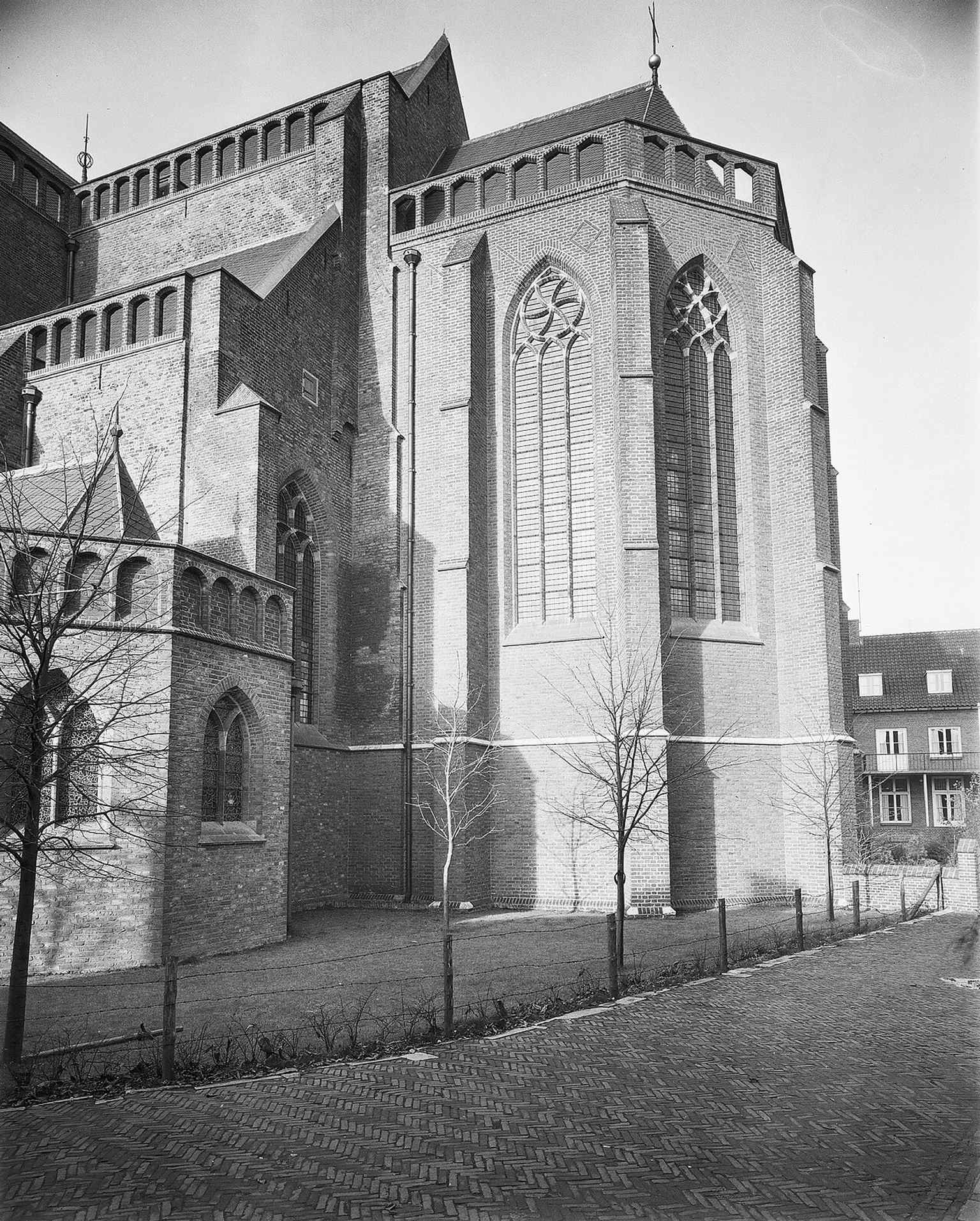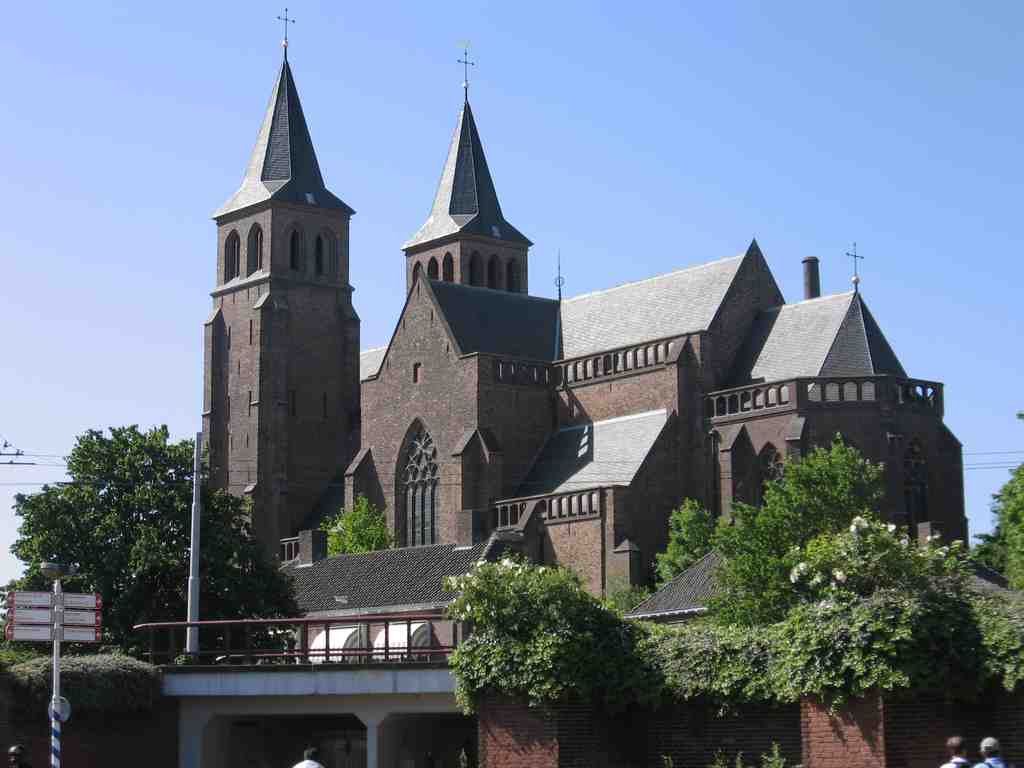
In front of you stands a sturdy Gothic church of pale stone and dark brick, shaped by a broad façade with twin square towers and marked by the rare double-tower front that makes Saint Walburga instantly recognizable.
This is the oldest surviving church in Arnhem... and it carries itself like someone who has heard every version of the family story and keeps them all. The church rose here on the old count’s court, the residence of Reinald the First of Guelders. Official history tells us that in thirteen fifteen, the chapter of Saint Walburga - a community of canons, churchmen who lived and worshipped together - left Tiel and settled in Arnhem. But Arnhem loves a legend too. In the local telling, the move was not peaceful at all: angry people in Tiel stormed the church there and threw several canons from a tower. Whether every detail is true or not, the story says something important about this place: Saint Walburga arrived here through upheaval, not calm.
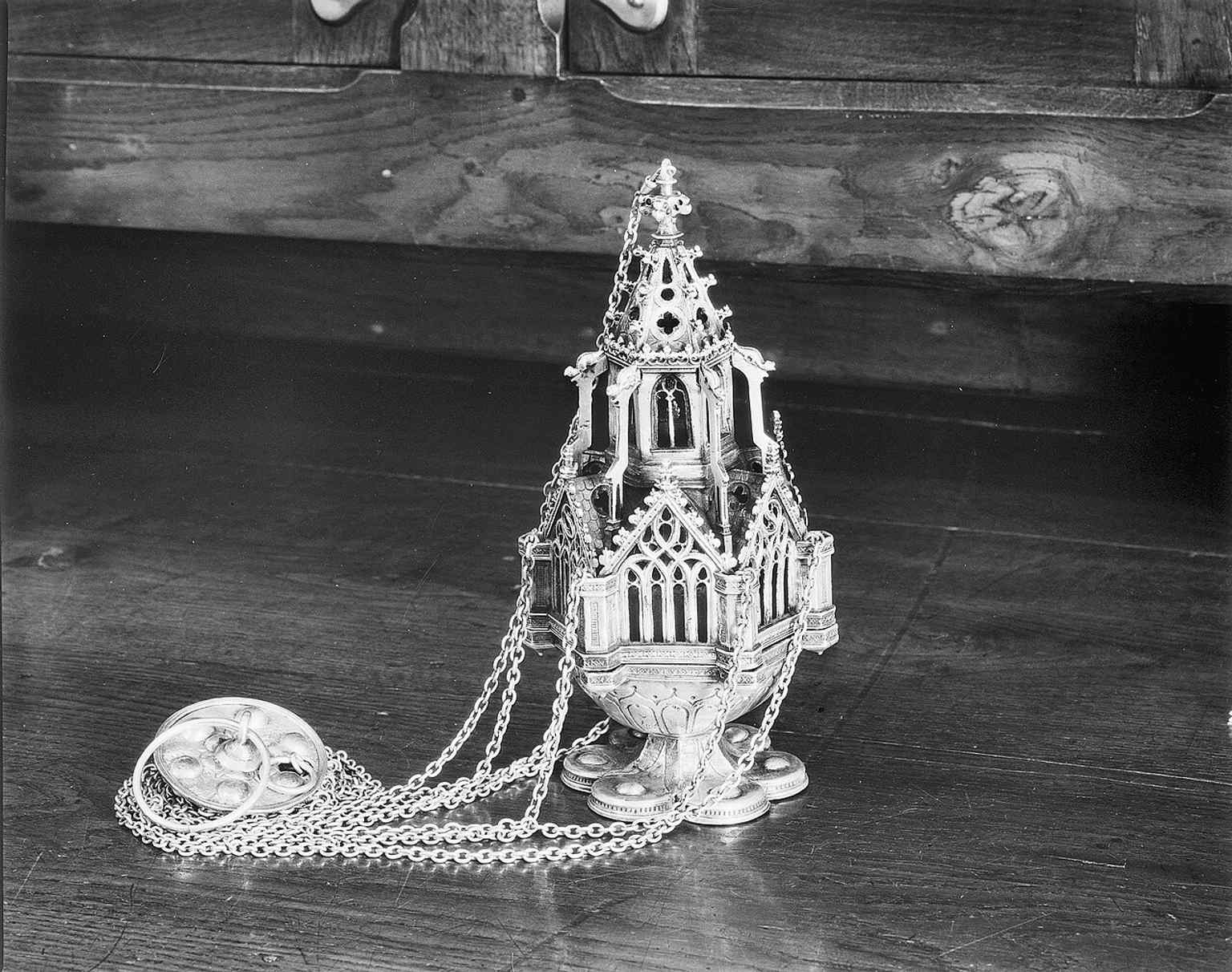
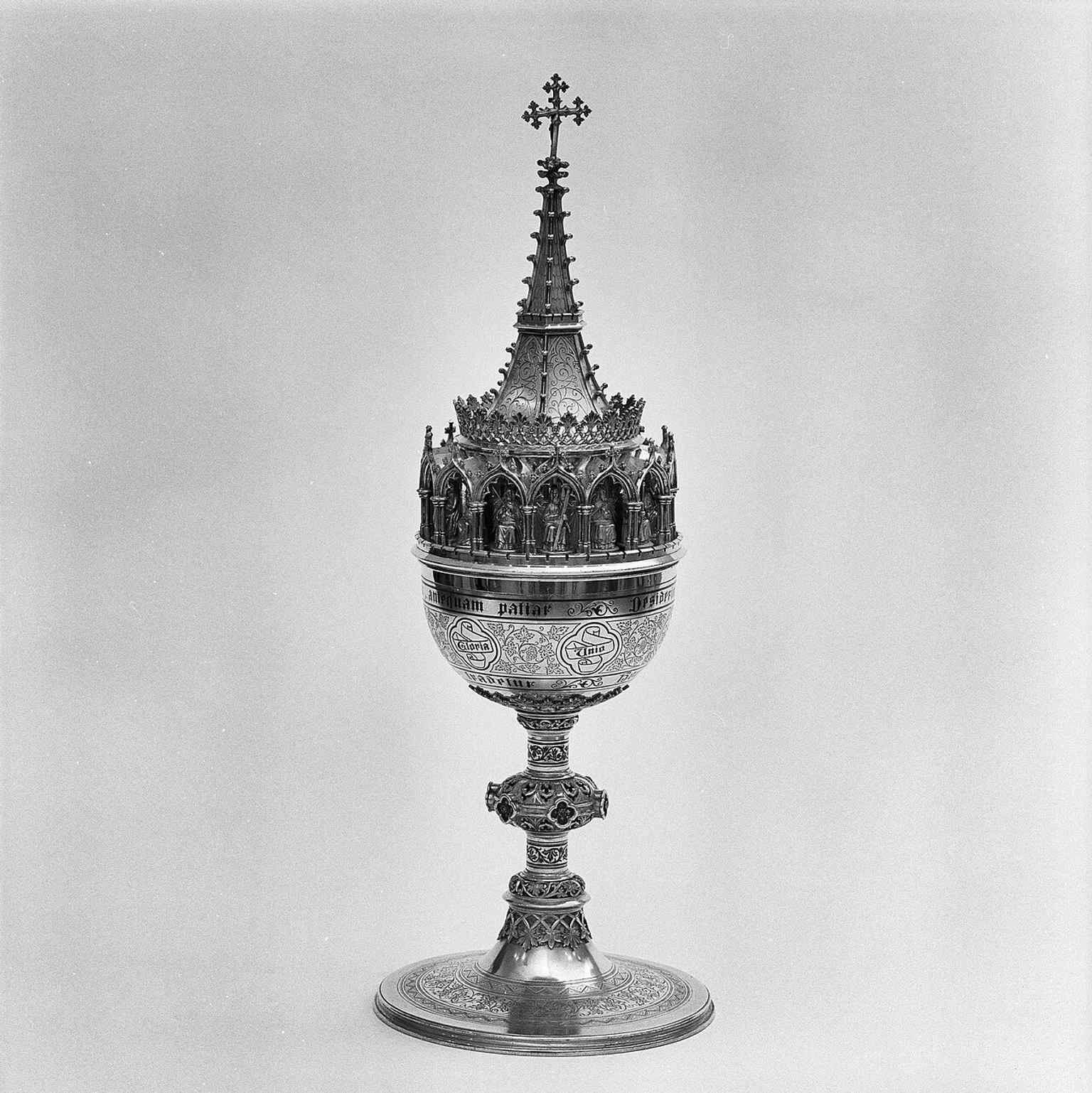
And then Reinald enters the scene like a man out of a medieval tale. He offered the displaced canons his property in Arnhem, with one very earthly condition... his horses had to keep their place there. He also gave them a relic of the Holy Cross, a sacred object that helped root their new home in dignity and devotion. If you’d like, take a quick look at that relic in the app; it’s a tiny object with a very long shadow.
The church came into use around thirteen seventy-five. Its Gothic style is relatively simple, but that west front with two towers is astonishingly rare in the Netherlands. Because the canons used the church themselves, it originally had no separate priest’s choir. Later, when Catholic worship was banned, this same building served as a prison and even a weapons storehouse. Like Eusebius and the Koepelkerk, it shows how sacred places here kept their memory even when their purpose changed.
Then came the nineteenth century, and one of the strangest chapters of all. Architect Theo Molkenboer restored the church between eighteen fifty-one and eighteen fifty-four. He meant well, but he misunderstood Gothic construction - the way a Gothic church balances weight through its pillars and vaults. He had several square piers cut down into round columns, weakening the whole structure. On the eighth of November, eighteen fifty-four, the north tower collapsed. The service had just ended, the congregation was already outside, and a few workmen saved themselves by diving under the altar. No one died. In a building so full of legends, that almost feels like one more.
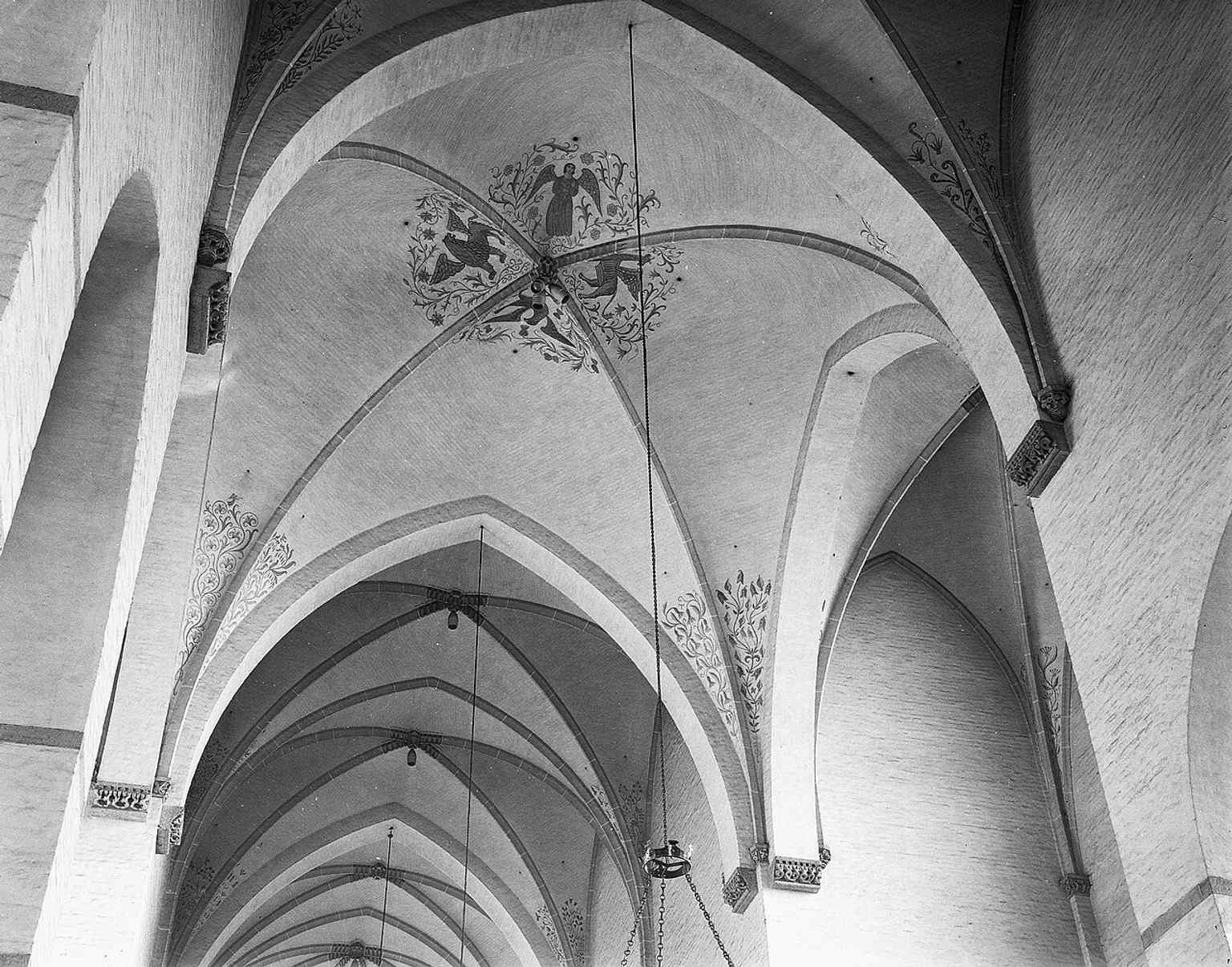
After later repairs by Pierre Cuypers, the church endured its greatest wound in September nineteen forty-four, when the fighting left it burned out completely. After the war, G. M. Leeuwenberg gave it back its fourteenth-century character, rebuilding the interior with ribbed vaults and a medieval feeling, even while accepting some newer layers. If you glance at the before-and-after image, you can see how the church held its ground while the city around it changed almost beyond recognition.
Pope Paul the Sixth later honored it as a minor basilica, an official title of distinction, but in two thousand thirteen the building left active church use. Since then, it has searched for another life: museum plans, new ideas, and finally, after Theo de Rijk bought it in two thousand eighteen, hotel residences in the towers and, more recently, a restaurant in the church hall itself.
But hold onto the war-scarred version of Saint Walburga for a moment. We’re about to step away from medieval legend and straight into the memory of nineteen forty-four. Airborne Square is about a three-minute walk from here... and the story sharpens there.