
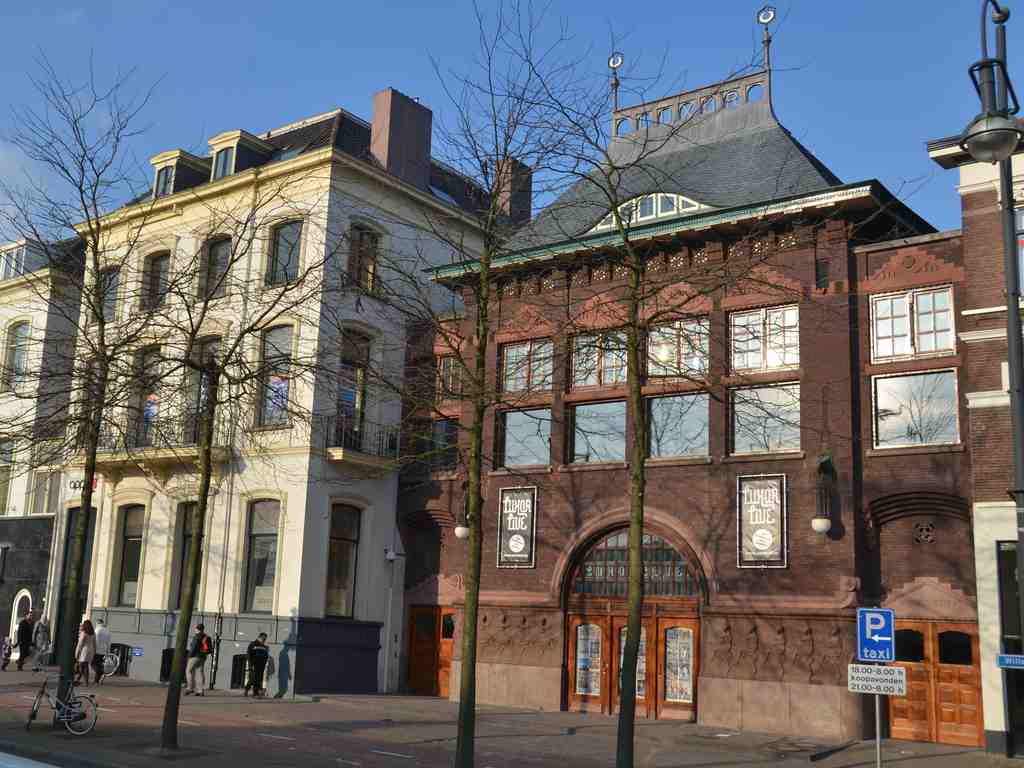
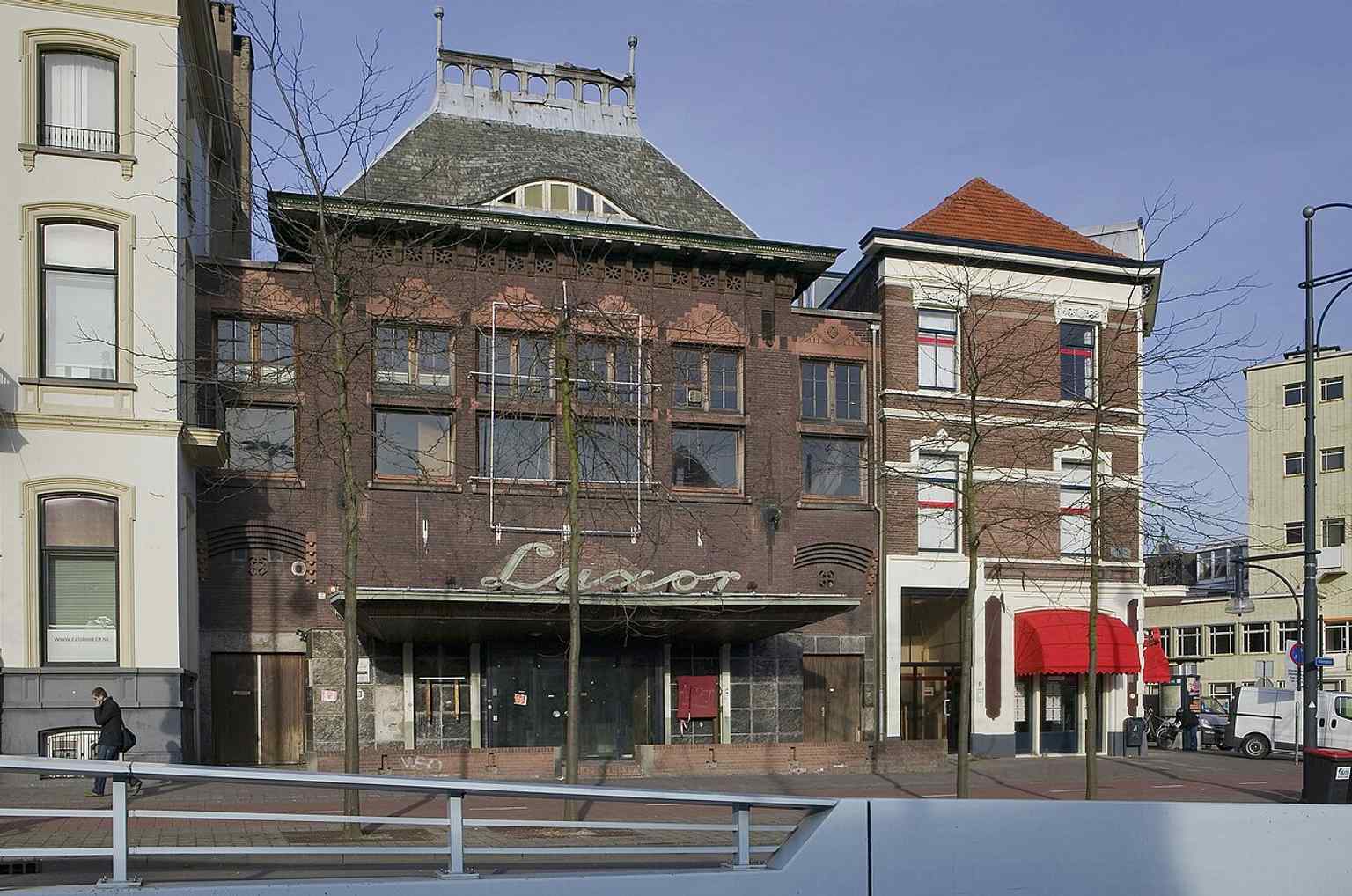
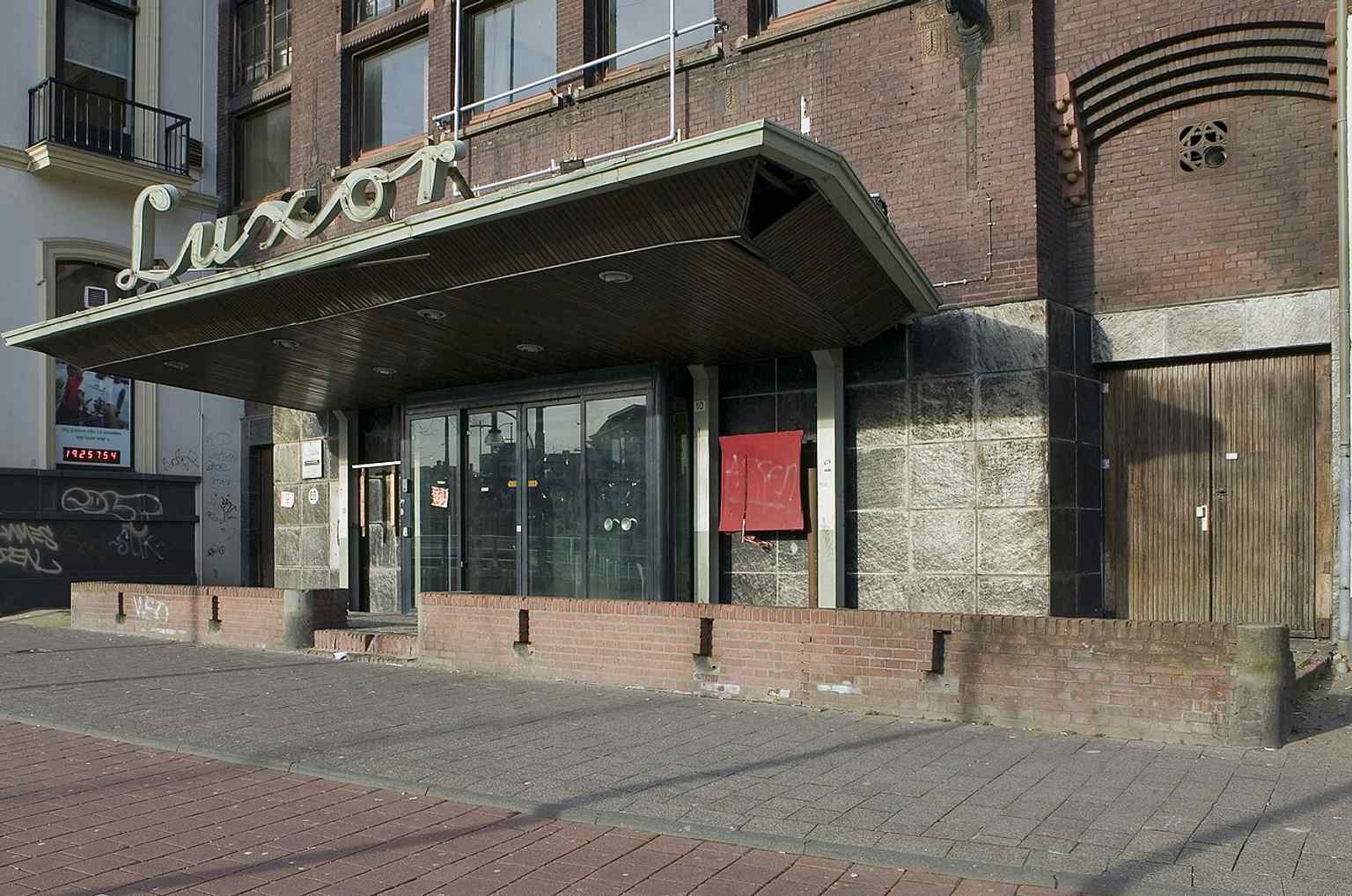
On your left, Luxor Live shows itself as a pale stone-and-brick facade with a broad rectangular front, a projecting entrance canopy, and tall vertical windows that still carry old cinema swagger.
Few buildings in Arnhem wear their changing lives as boldly as this one. Luxor has been a screen, a nightclub, and a music venue, and that sequence tells you something important about this city: Arnhem keeps taking familiar places and teaching them new roles.
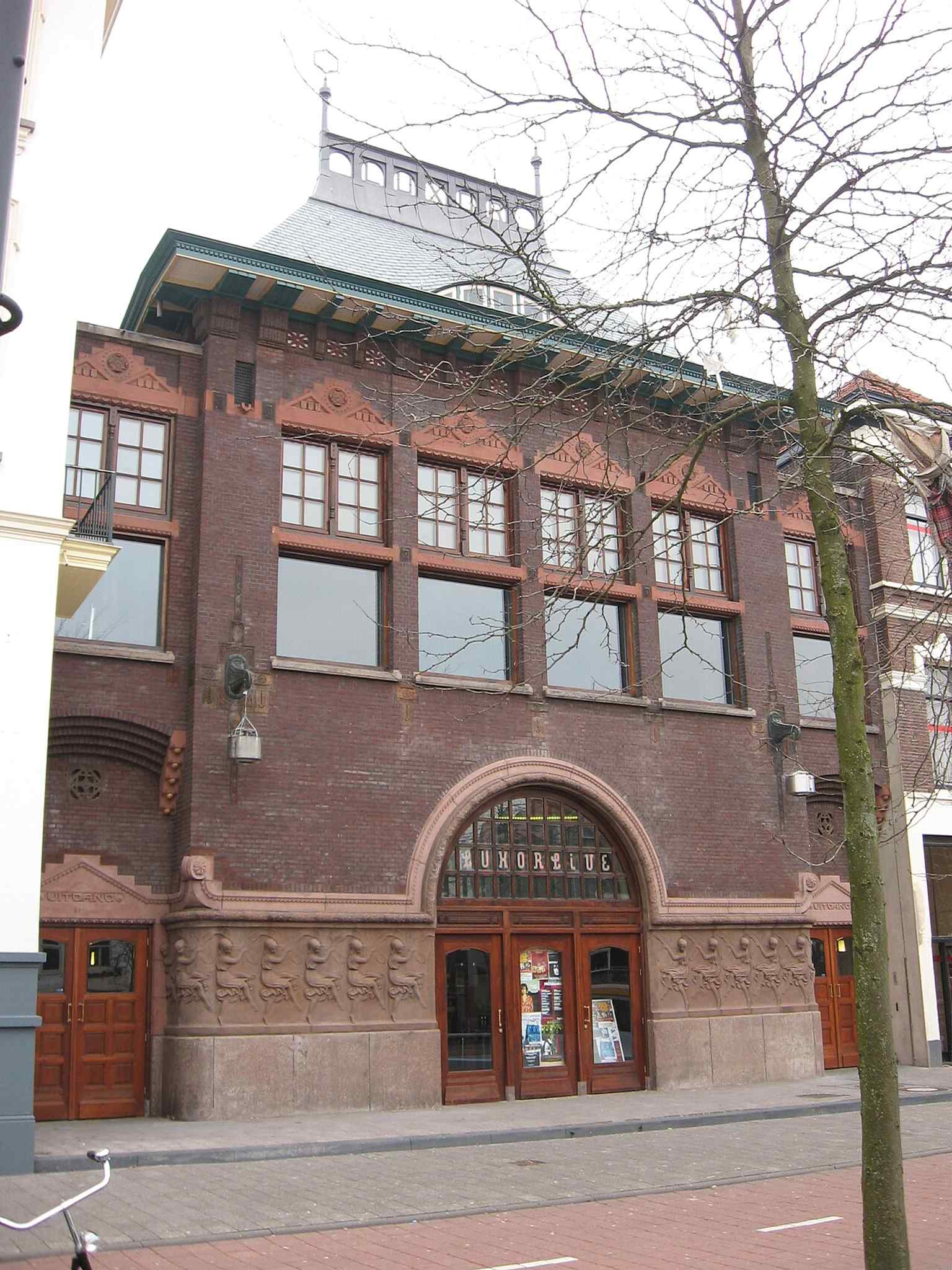
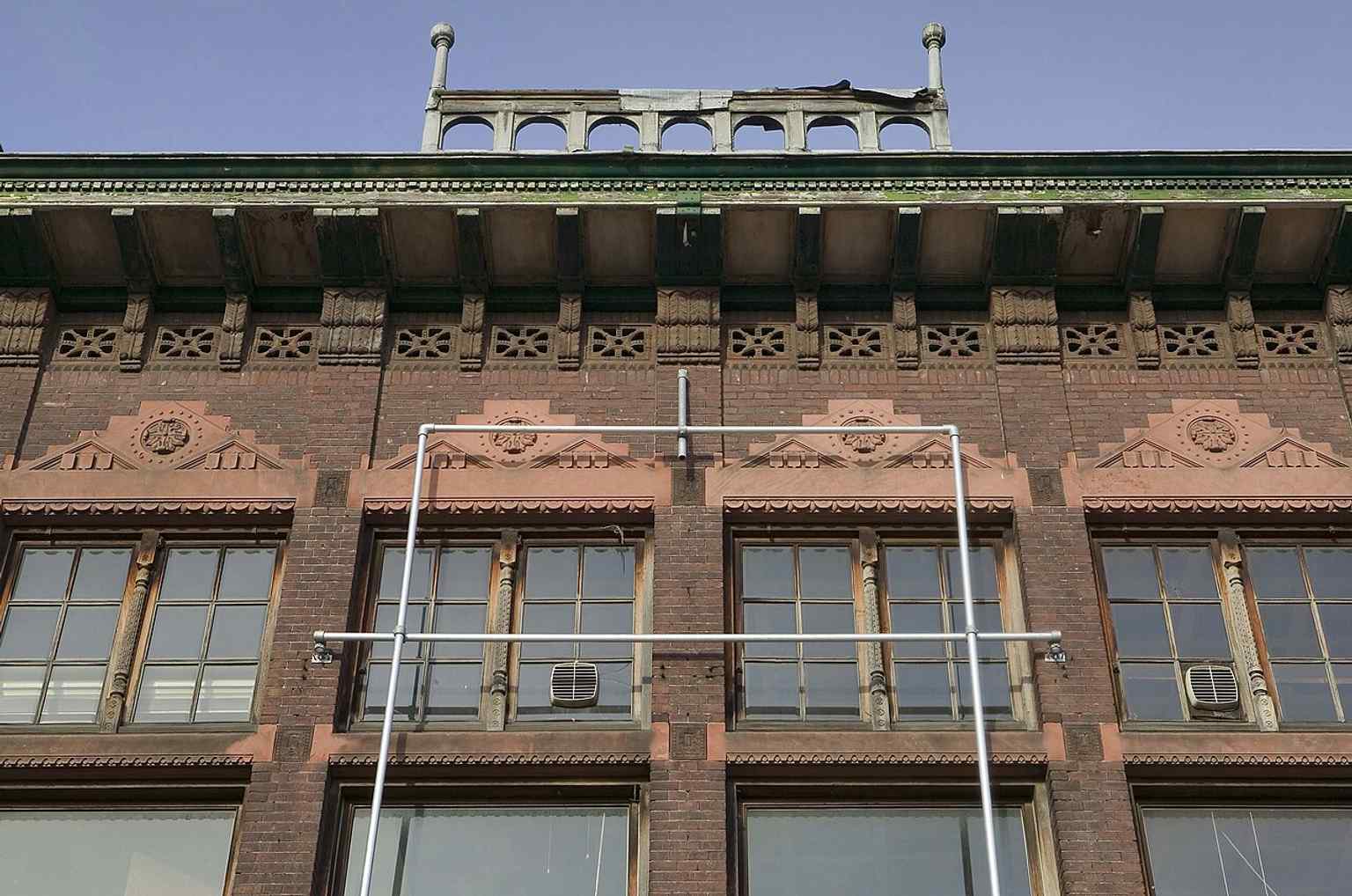
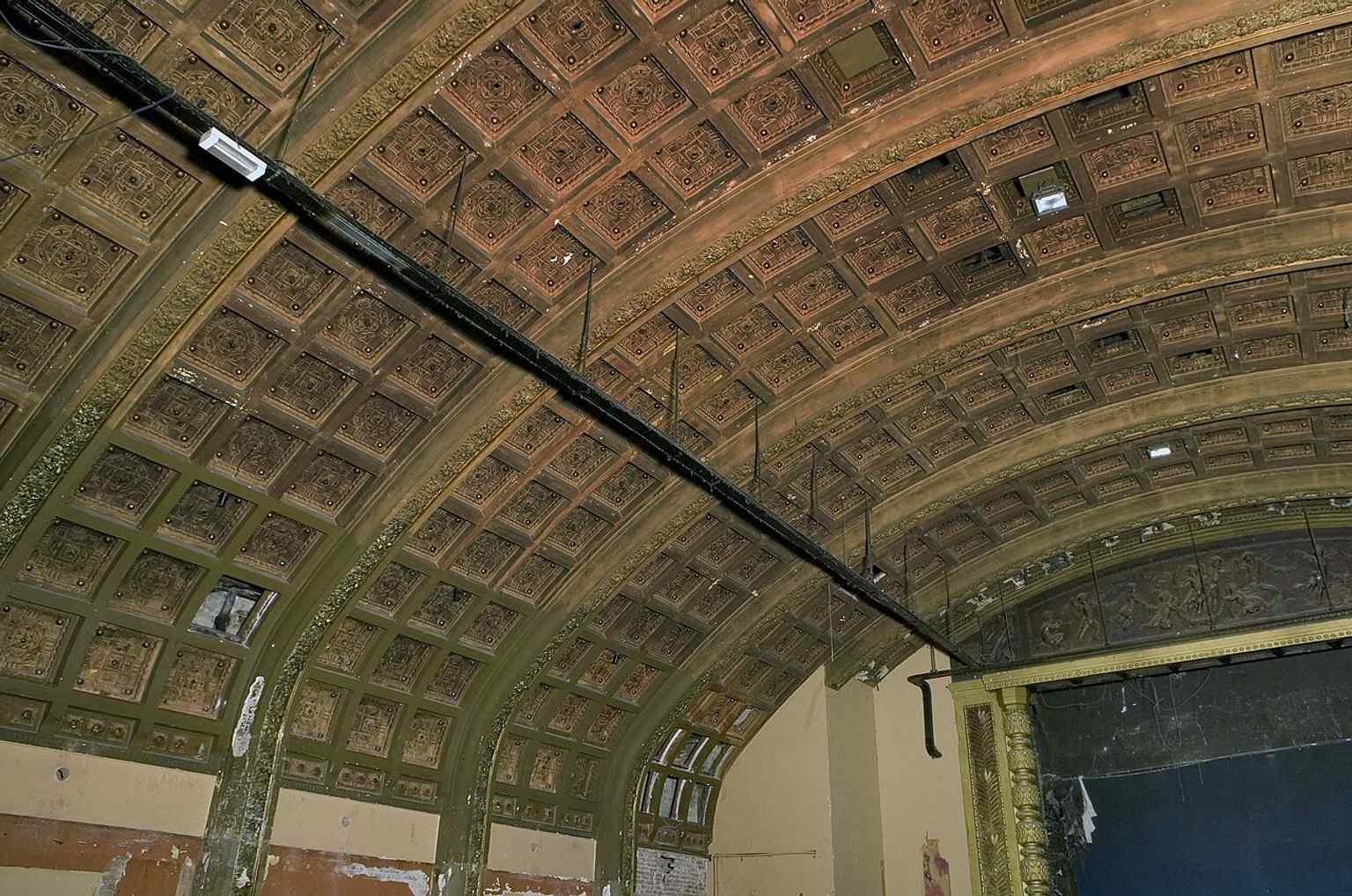
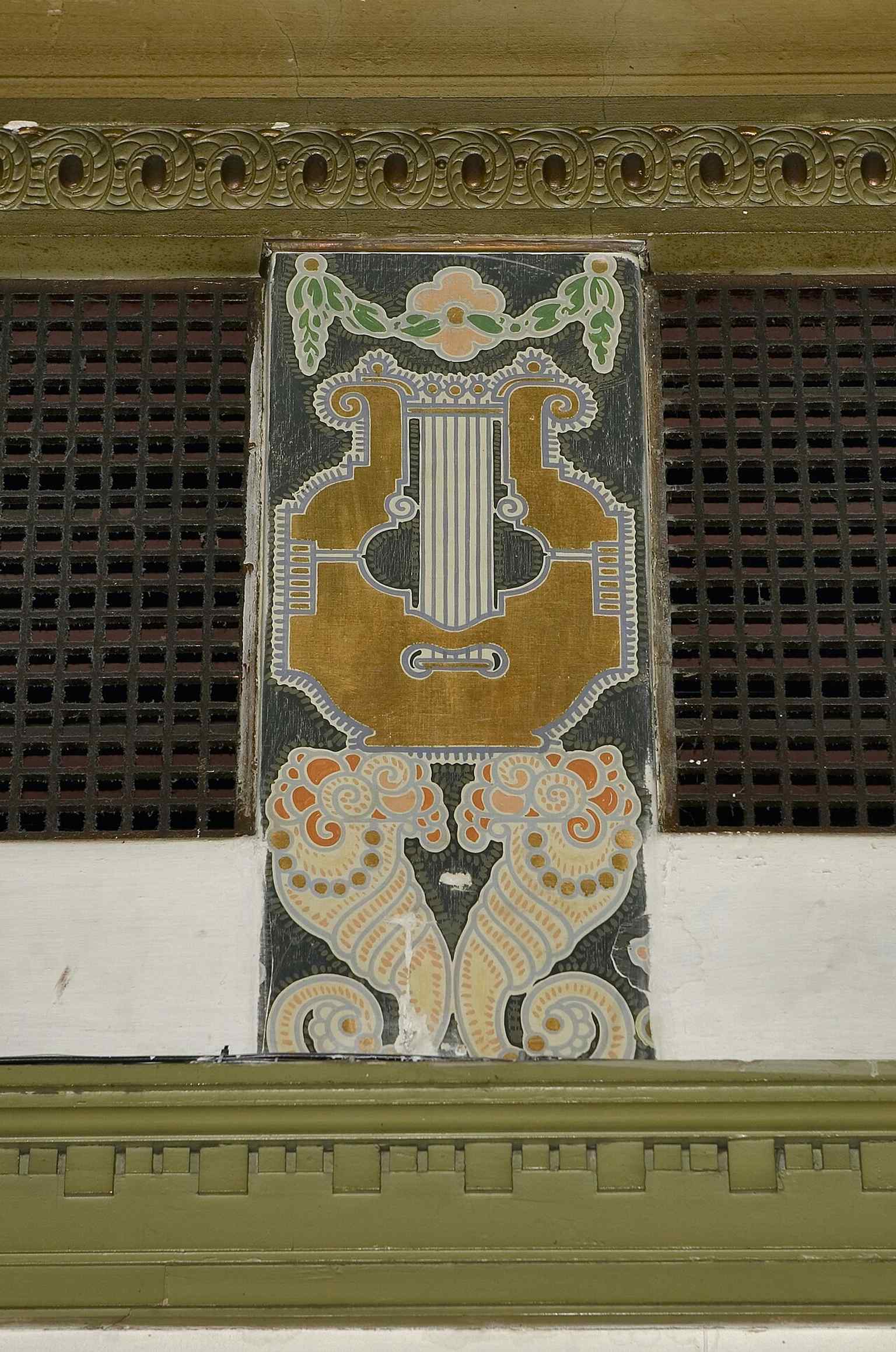
In nineteen fifteen, Frans van Laeken wanted more than a simple entertainment hall. He wanted glamour. He wanted Arnhem to feel modern. So he turned to Arnhem architect Willem Diehl, and on the twenty-sixth of May, nineteen fifteen, Luxor opened as the city’s first cinema, and one of the country’s early movie houses. That mattered. Going to the movies was still new, still thrilling, and this building leaned into that excitement with real confidence: the latest lighting, a fresh-air system that worked like early air conditioning, and richly decorated ceramic details by W. C. Brouwer.
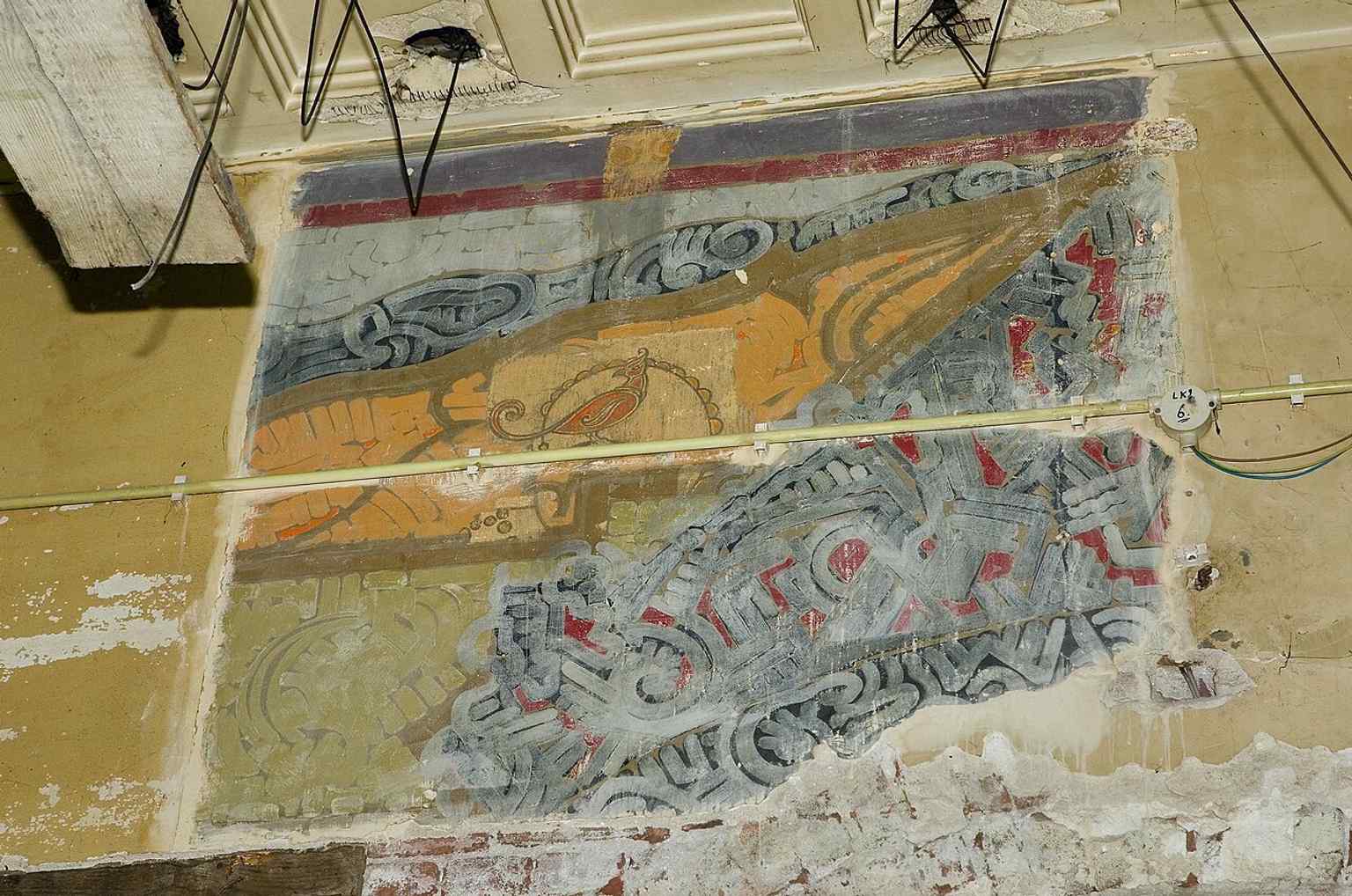
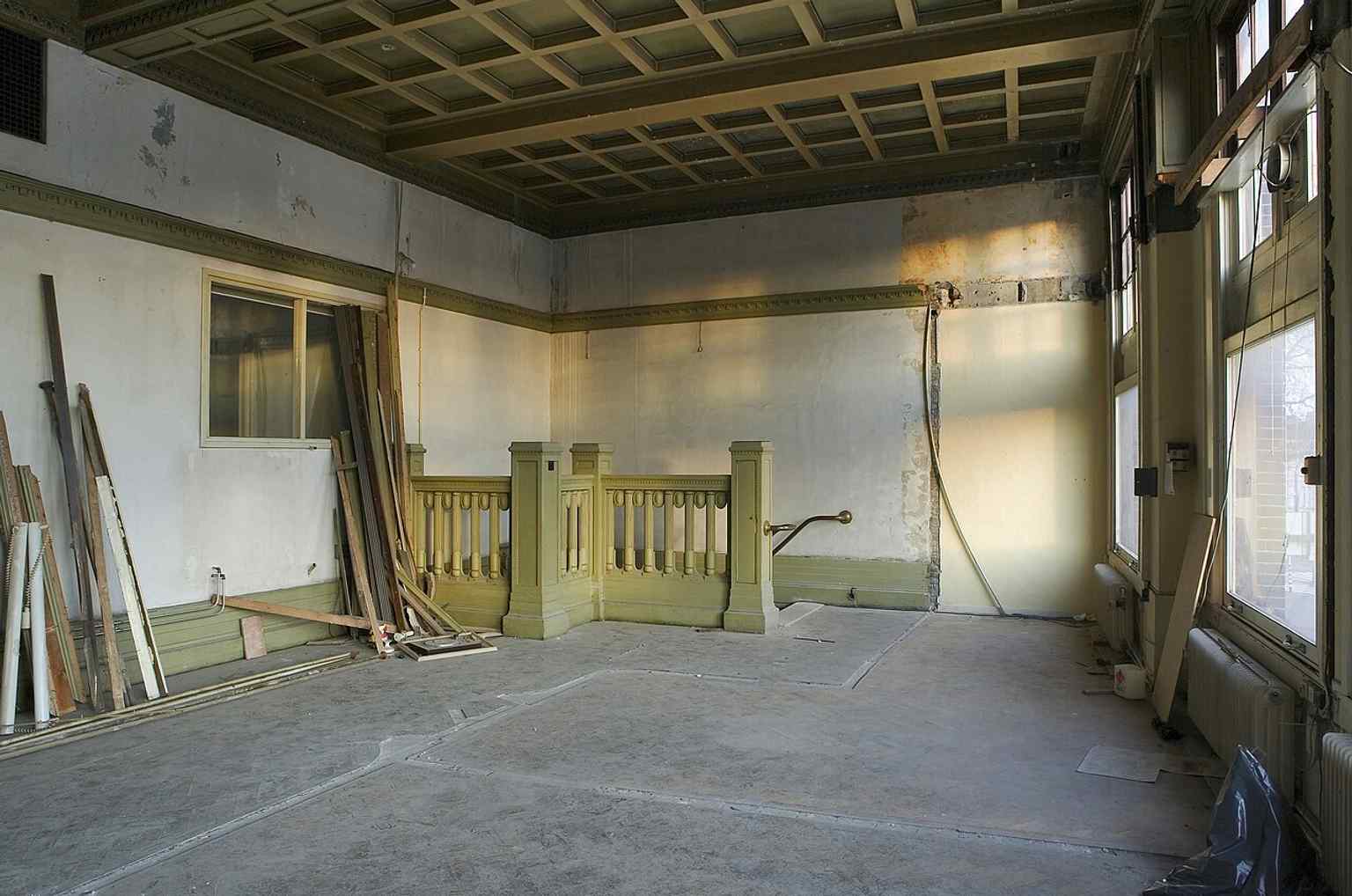
If you look at the image on your screen, you can see one of the surviving interior paintings that hints at that early luxury. It was not a modest place. Arnhem wanted spectacle, and Luxor gave it a polished, urban kind of magic.
Locals still pass along a lovely little prestige story here: the film-theater magnate Tuschinski is said to have come to Arnhem just to see Luxor with his own eyes. Whether you treat that as legend or memory, it tells you how exceptional this place felt in its first years.
Then the building changed with the city. In the nineteen seventies, cinema audiences fell away. The place deteriorated. Demolition plans hovered nearby. Instead, Luxor found another life, first as a club and venue for events, even fight galas. But the nightclub years turned hard. In nineteen ninety-seven, someone fired shots at a doorman. Bulletproof glass prevented any deaths, the city revoked its late-night license, and after the scandal and the damage, Luxor B-V went bankrupt in February two thousand.
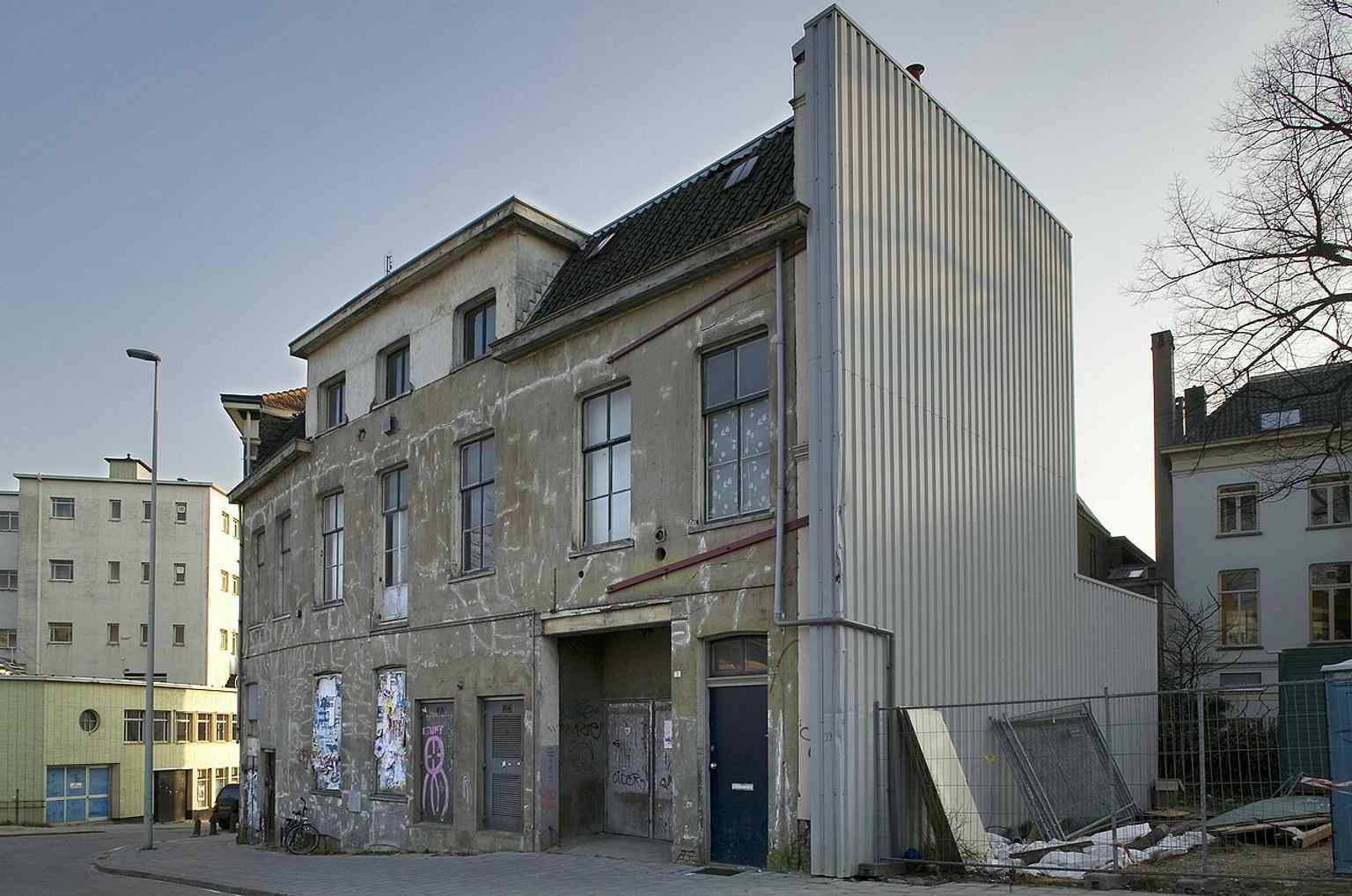
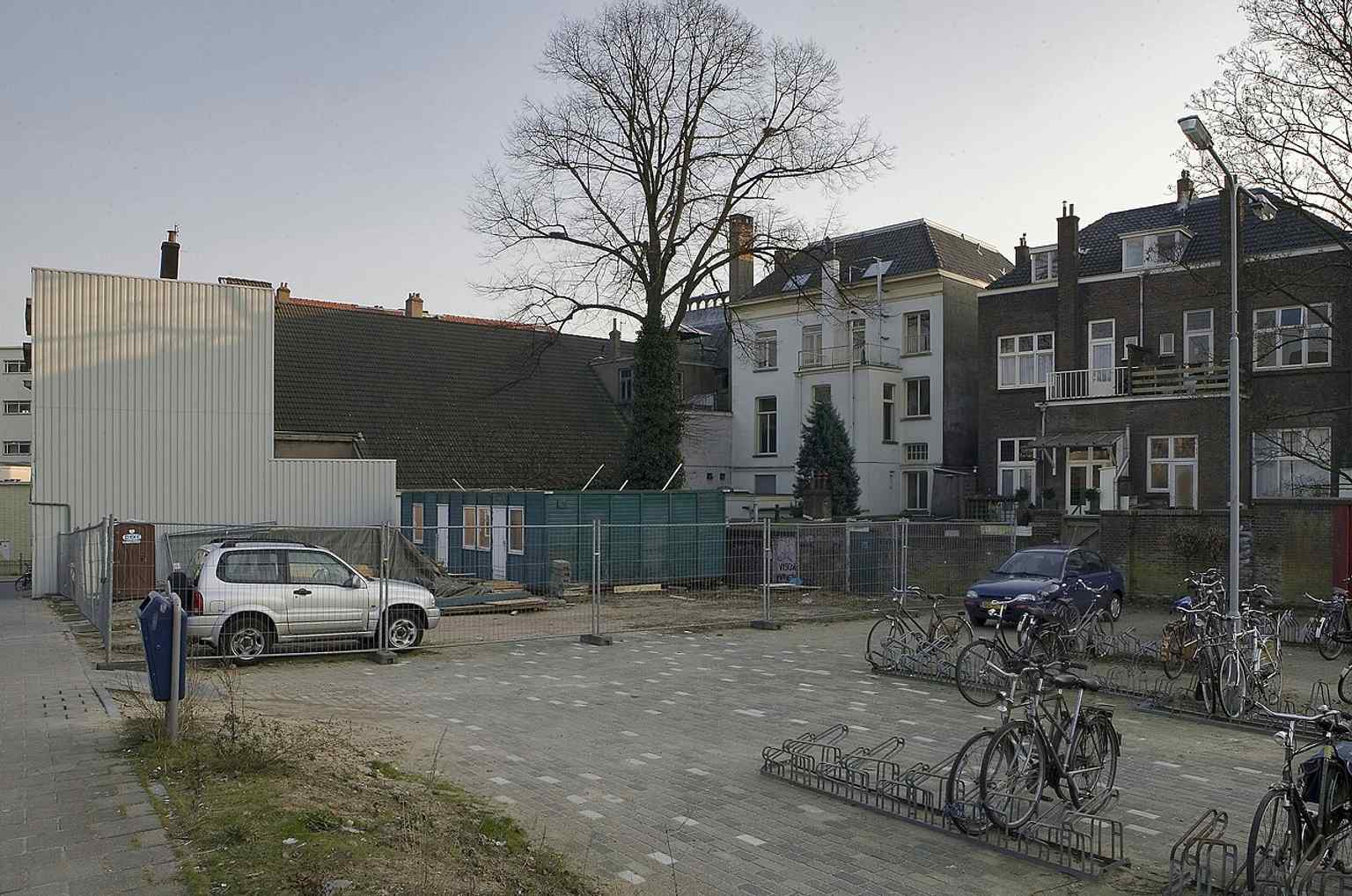
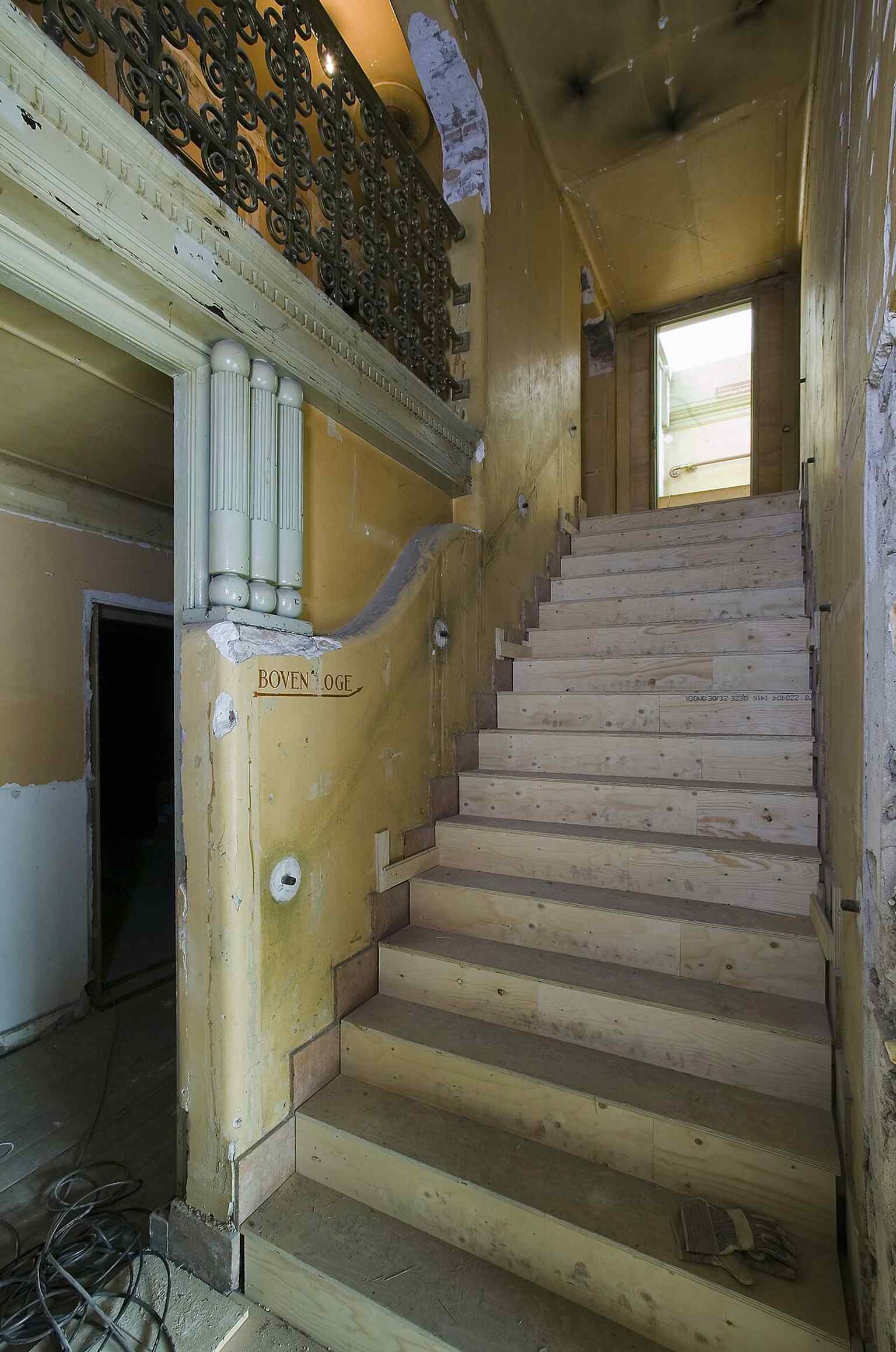
Arnhem could have let the story end there. It did not. The municipality bought the building in December two thousand one, and in two thousand six a major renovation began under Architectenbureau Fritz. They carved rehearsal rooms into the basement, added a balcony to the main hall, built a second skin inside for lighting and air systems, and extended the complex behind the old cinema so it could work beside the renewed station area. Luxor Live officially reopened on the fifth of September, two thousand eight.
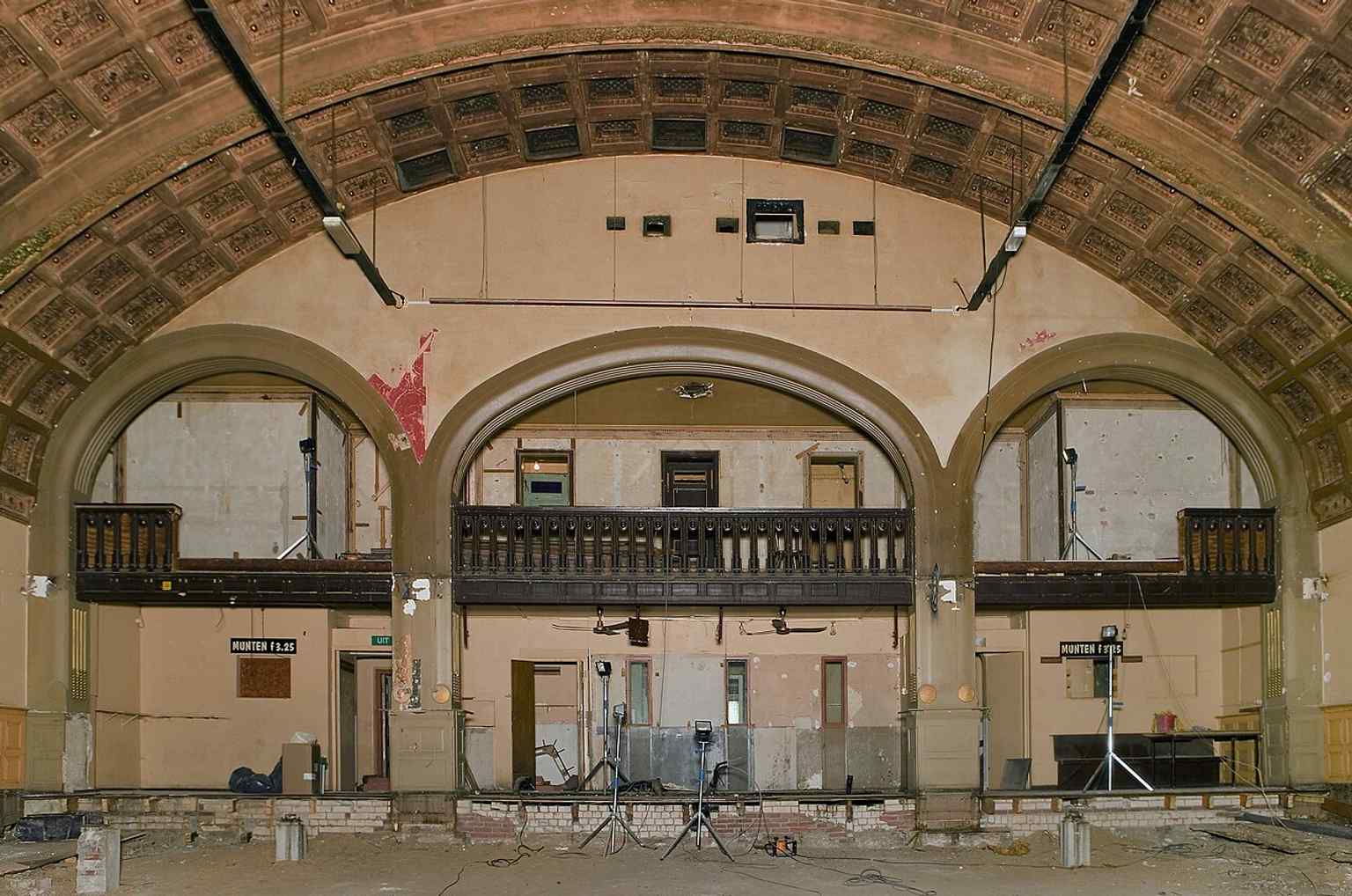
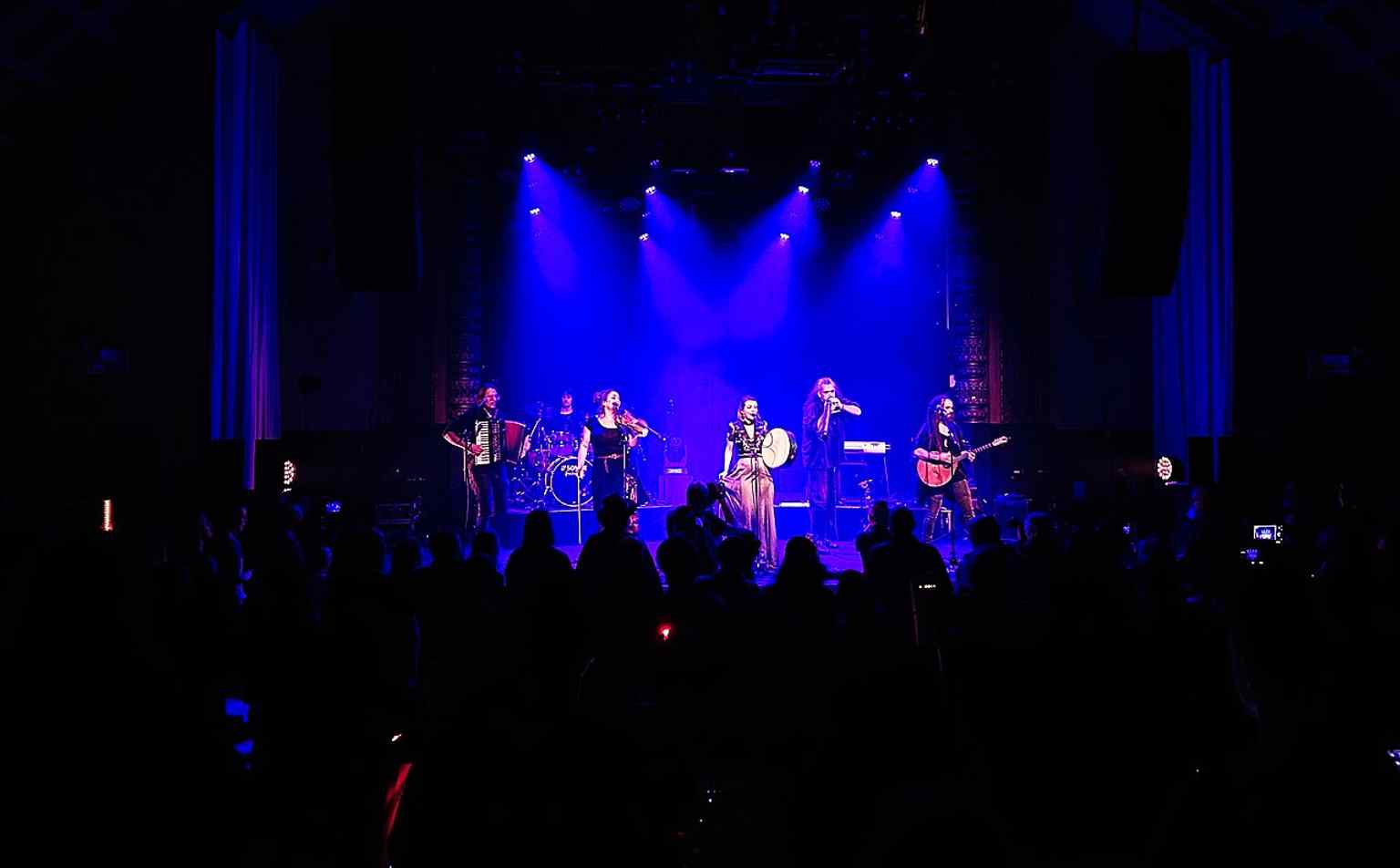
One more image is worth a glance: from the stage, you can see how the old cinema now holds a concert crowd instead.
From here, the story widens. In about four minutes at Willemsplein, we step from indoor spectacle into the bigger city outside, where entry, movement, and control once shaped daily life. If you want to return when the building is in full voice, Luxor generally opens from eight P-M, closing around two A-M on weekdays and four A-M from Friday through Sunday.






.jpg)