
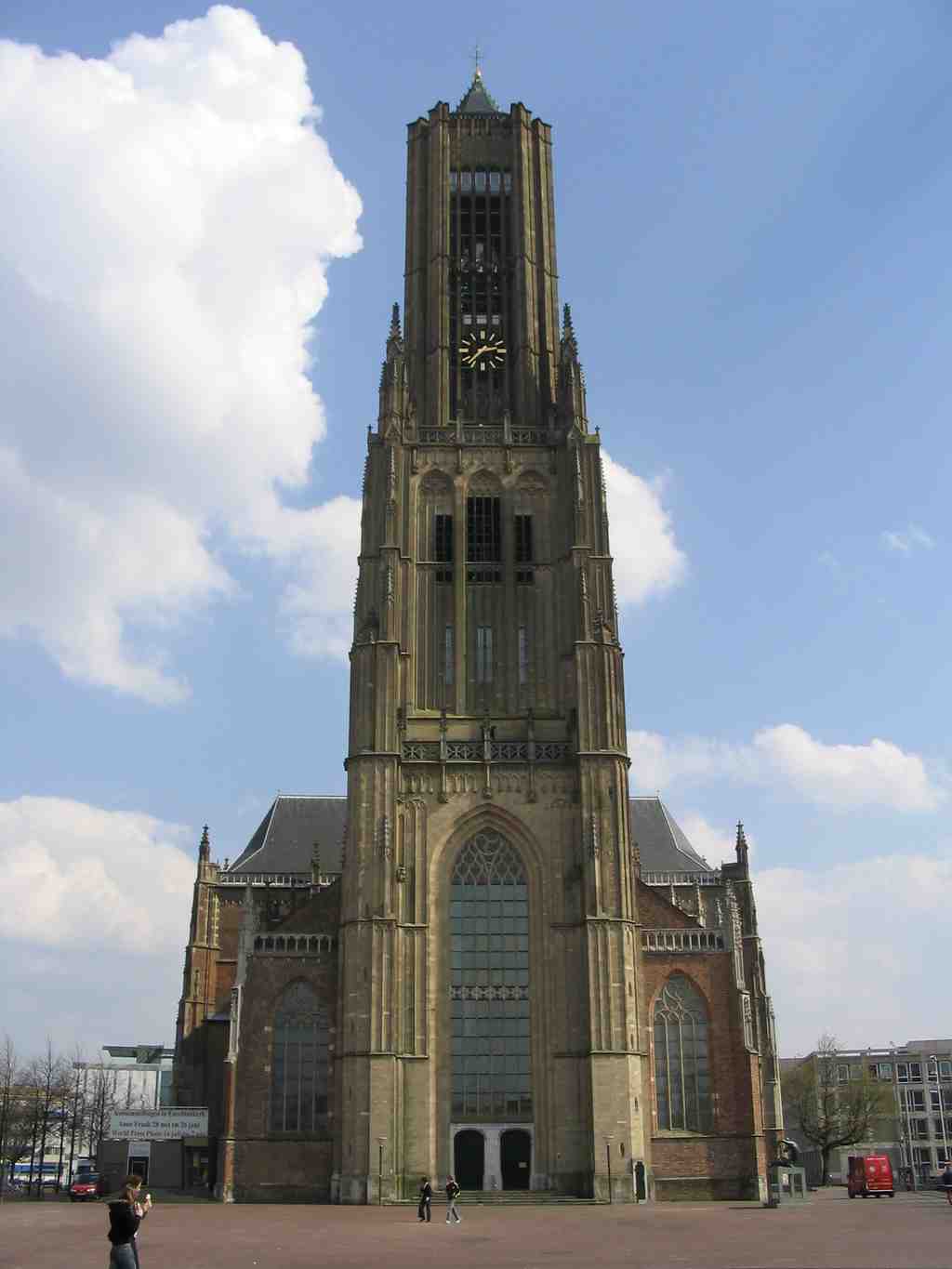
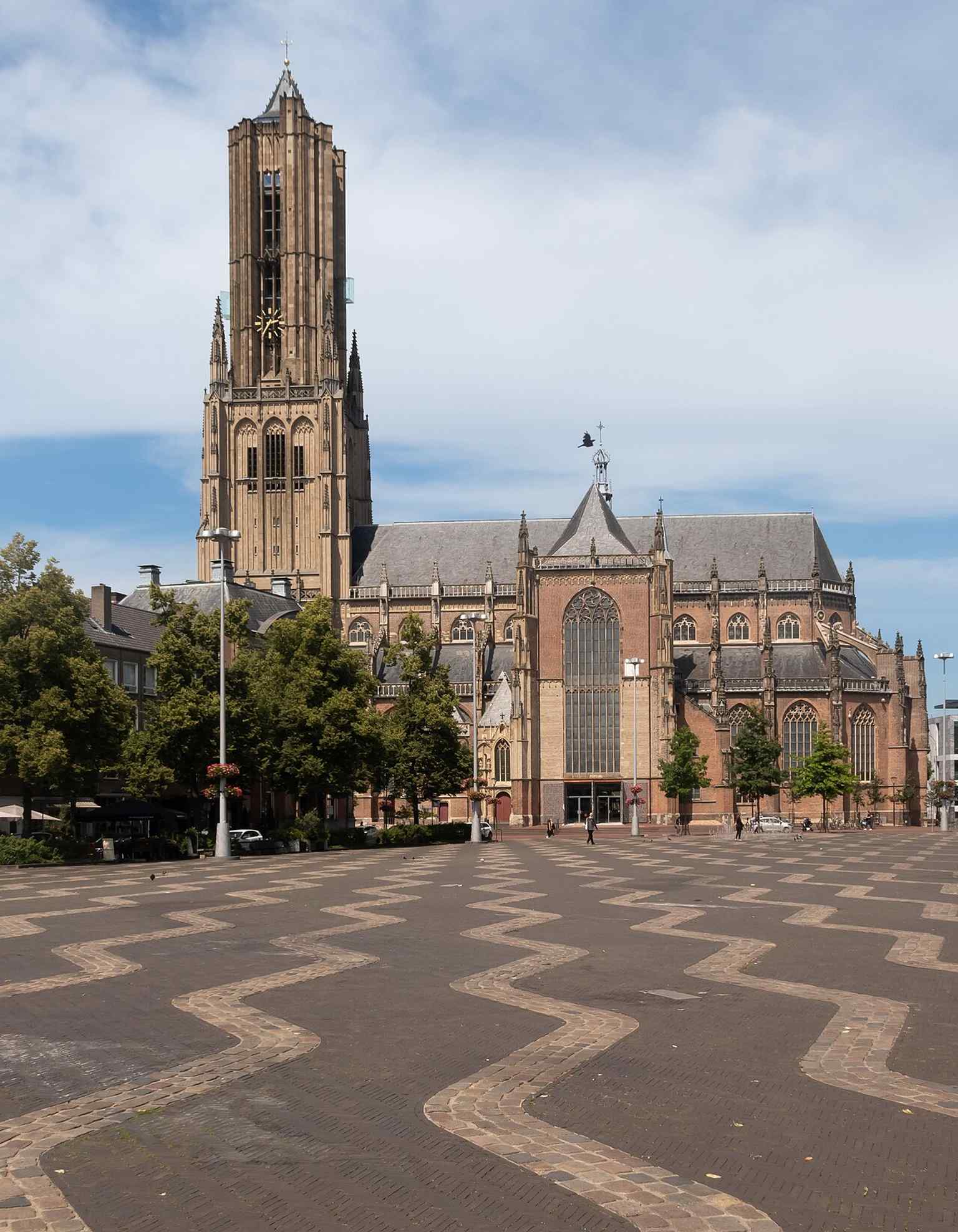
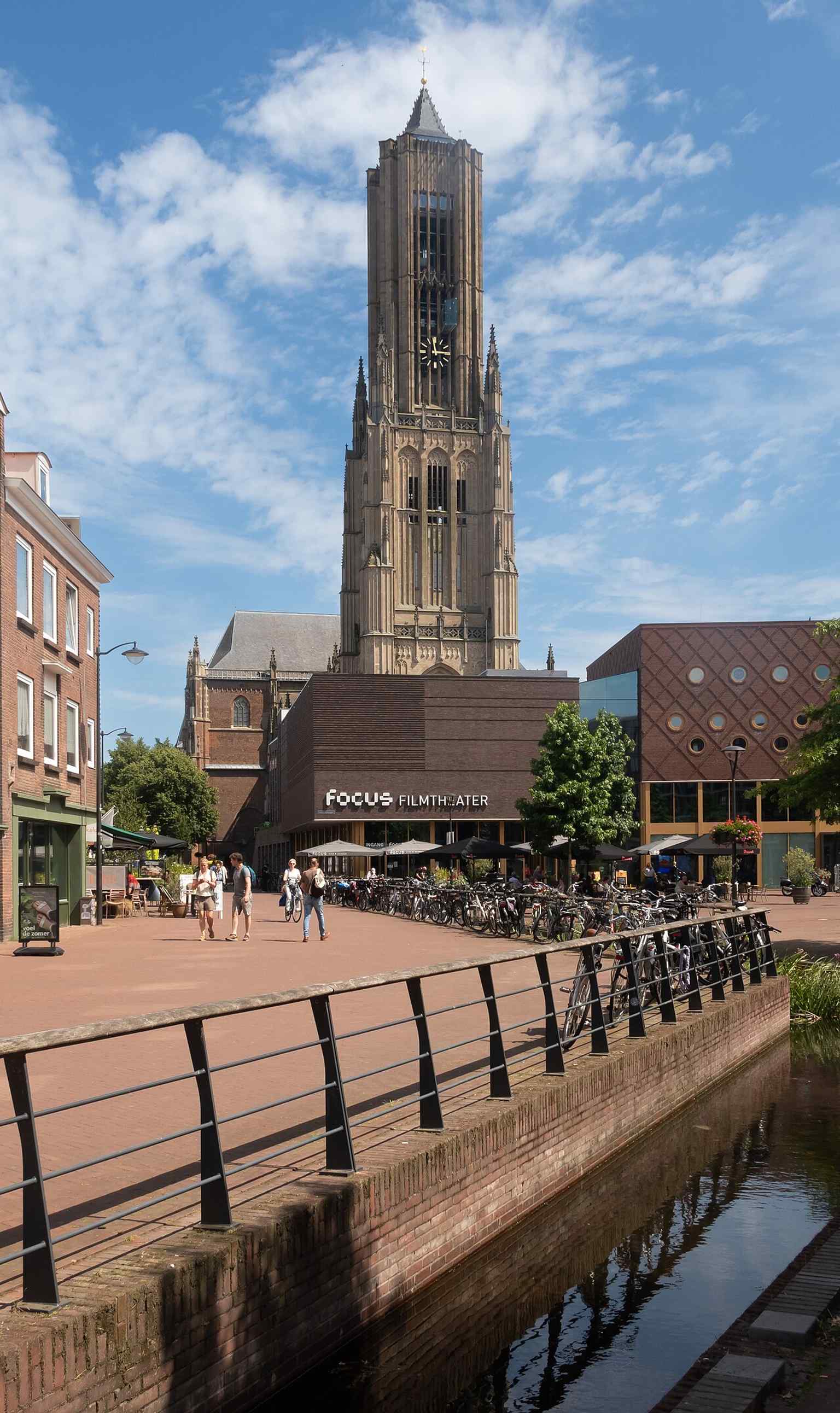
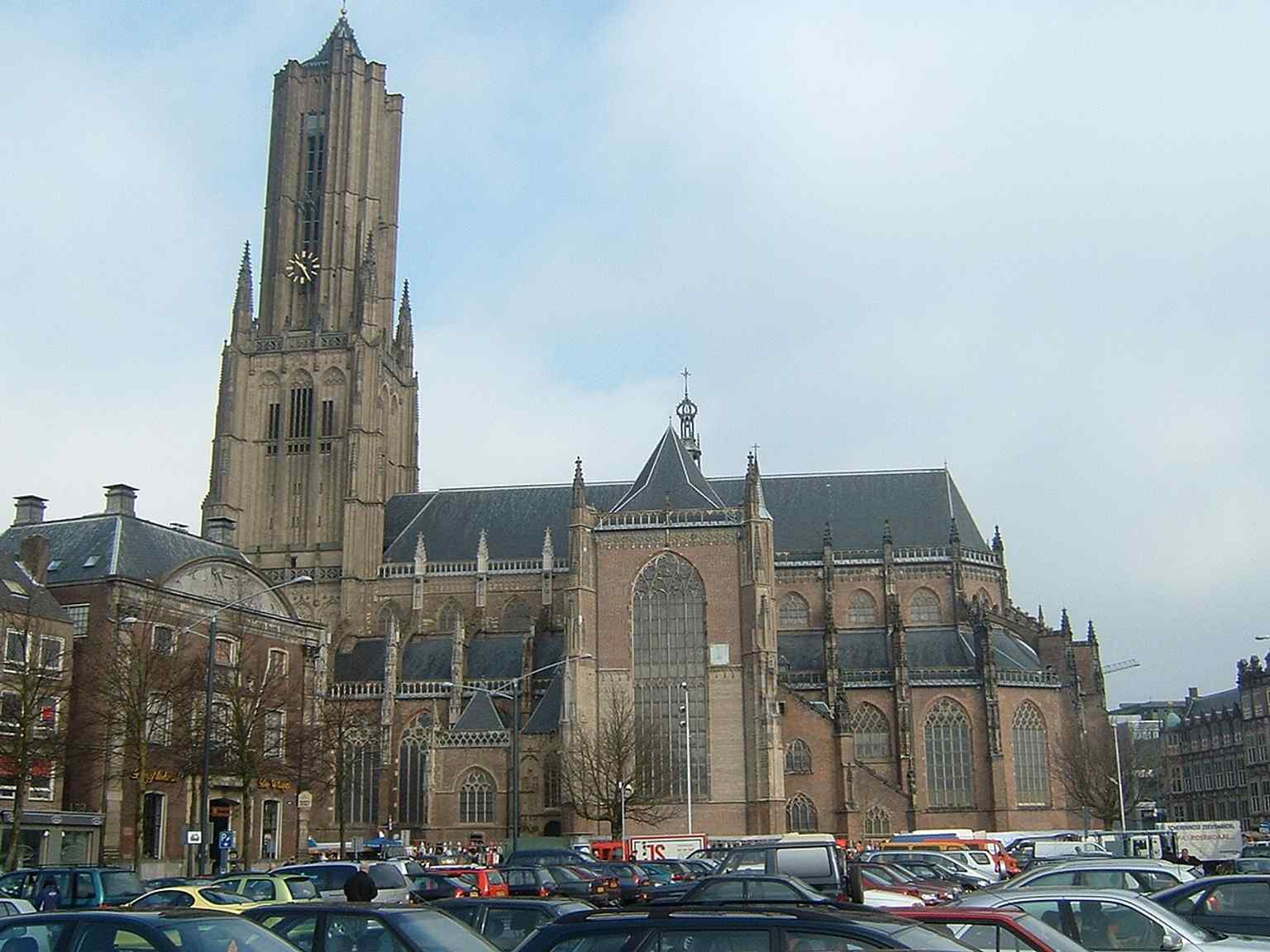
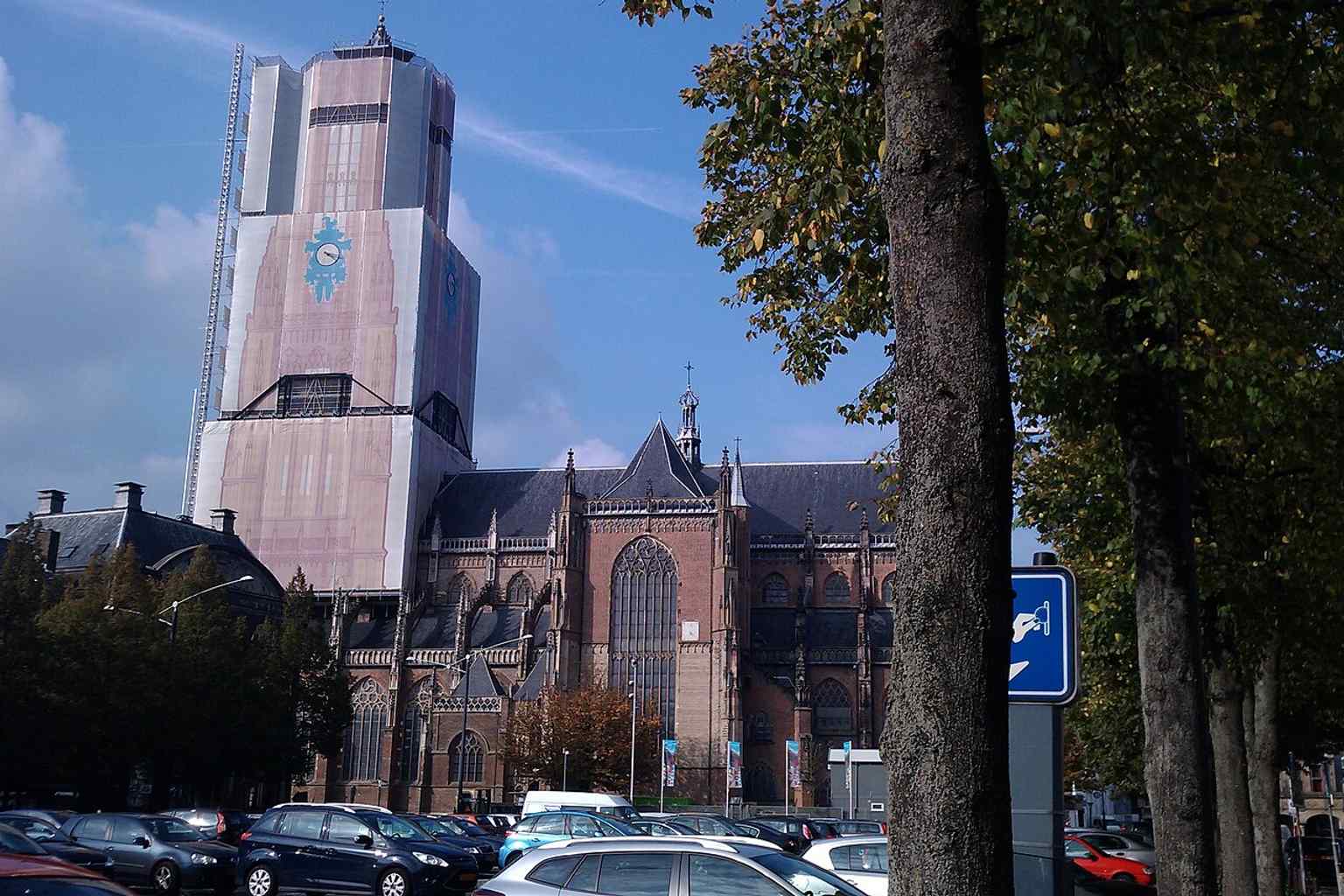
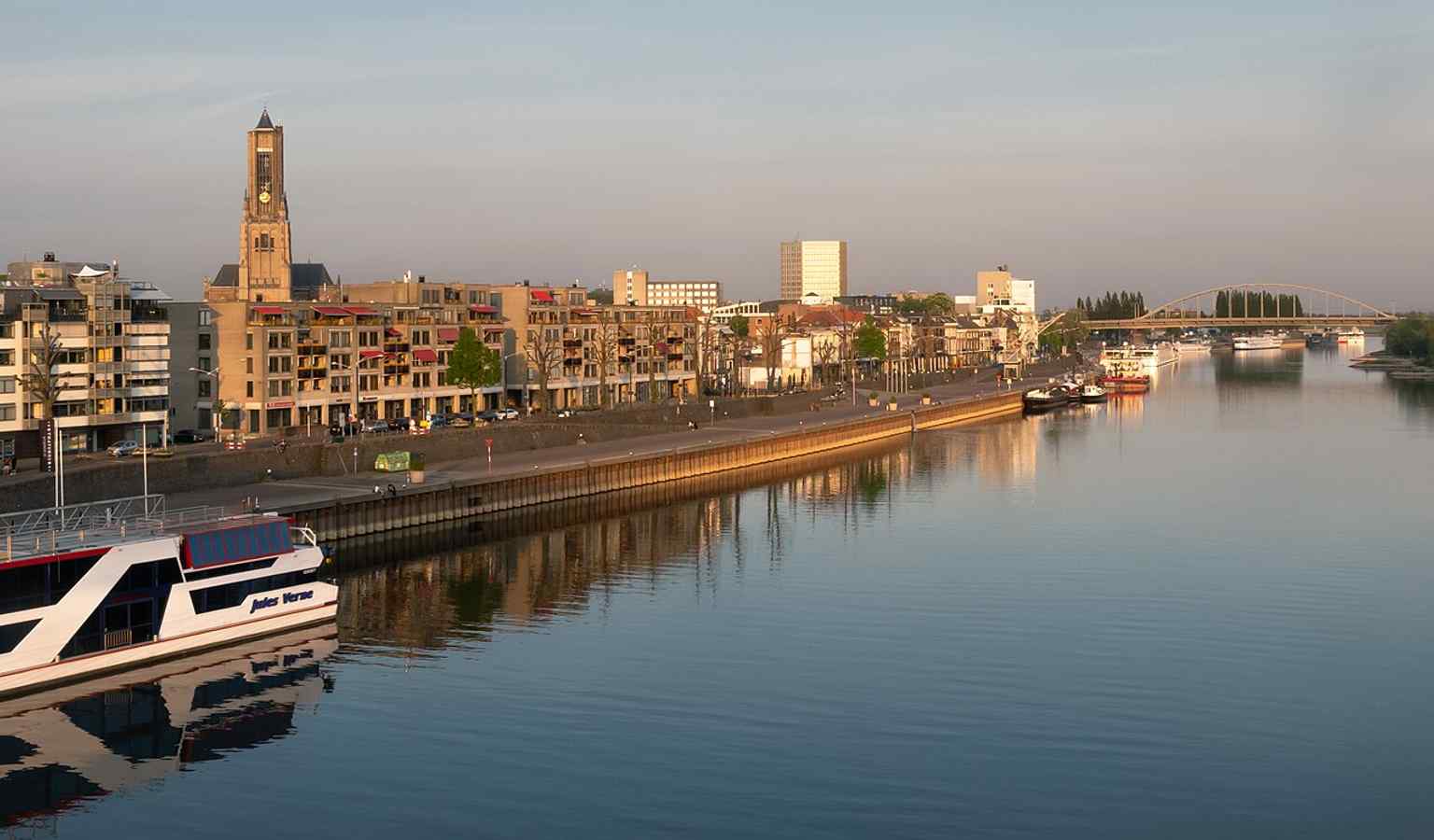
On your left rises a pale stone Gothic church with a long cross-shaped body, a towering square spire, and a striking glass lift climbing through the tower.
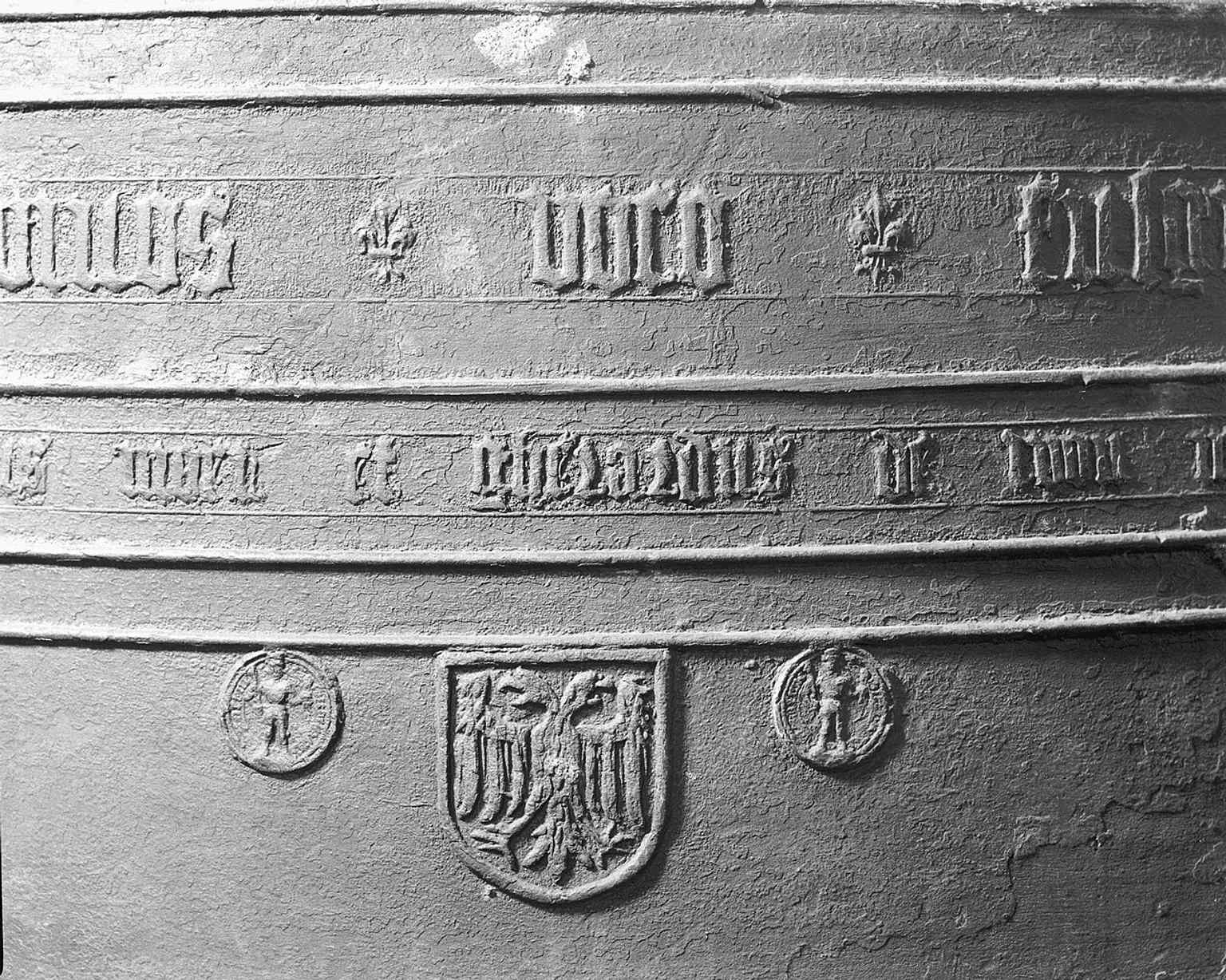
This is Sint-Eusebius, the great church of Arnhem... not just a place of worship, but the city’s public memory in stone. For centuries it stood at the center of faith, civic pride, power, and mourning. Its very name came with a relic tradition: in fourteen fifty-three, Arnhem received relics said to include the skull and tongue of the martyr Eusebius, a Christian killed around the year one ninety after he converted a Roman senator. And locals know there was devotion in that gift, yes... but also strategy. Relics drew pilgrims, pilgrims filled the church, and a fuller church strengthened Arnhem’s standing.
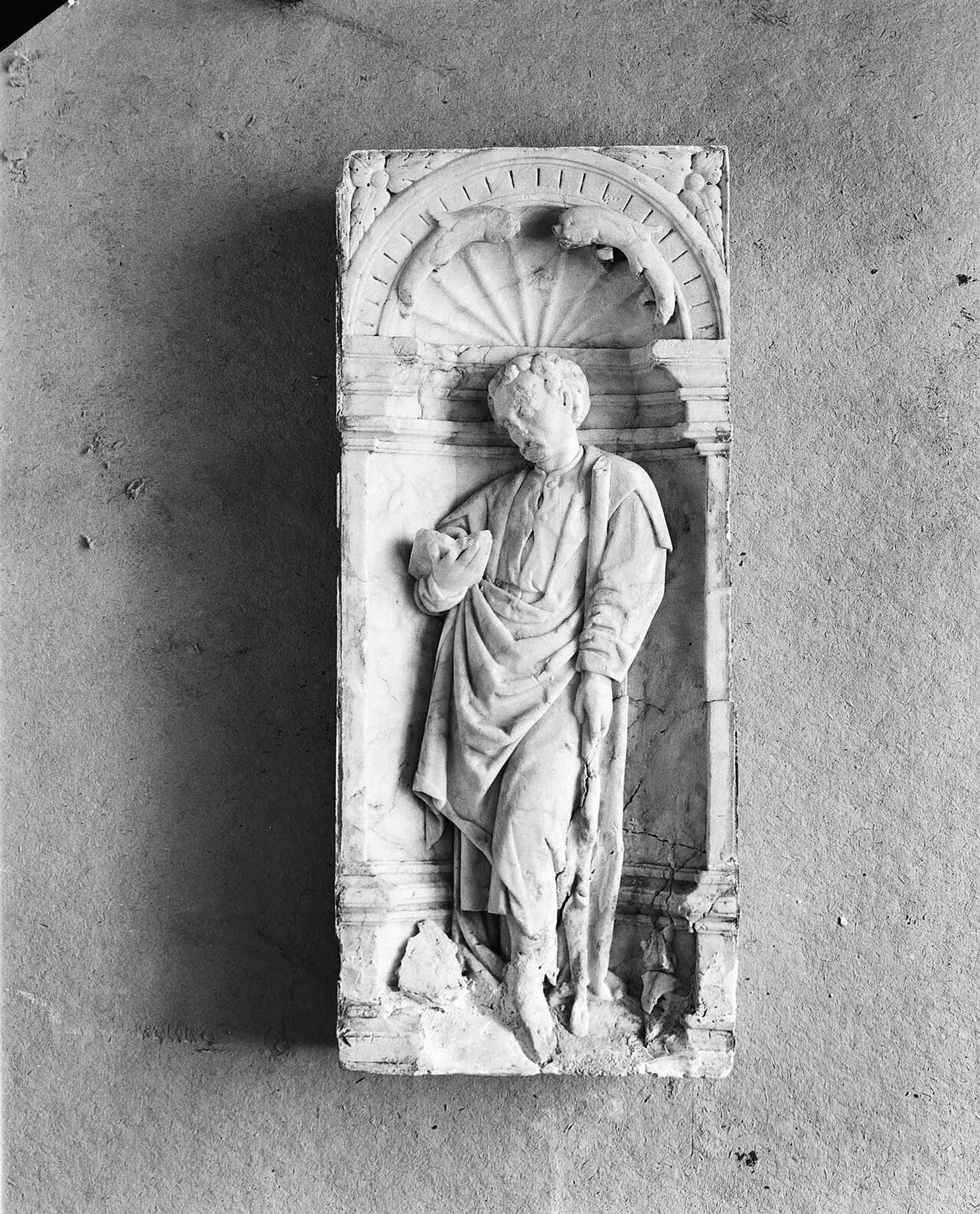
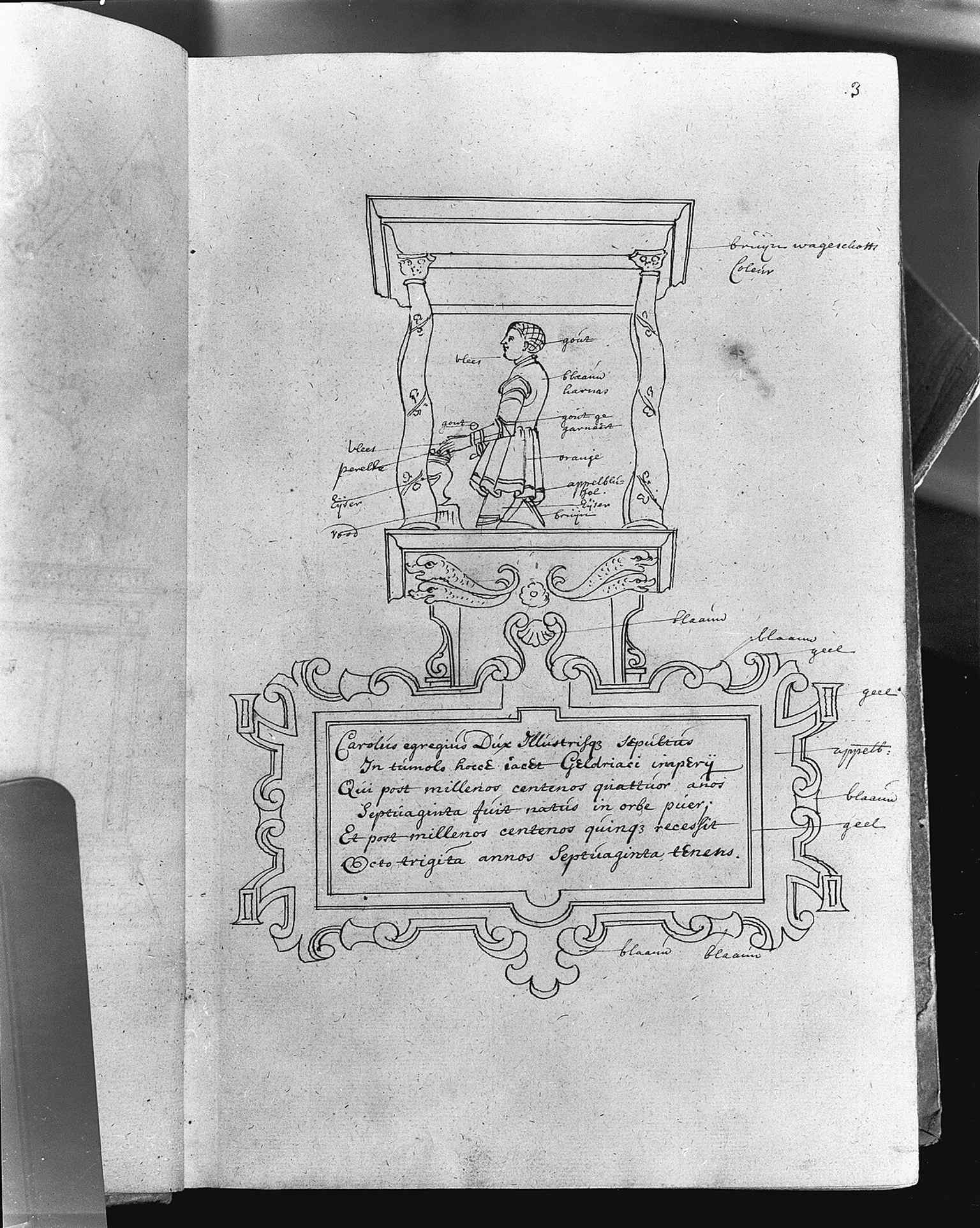
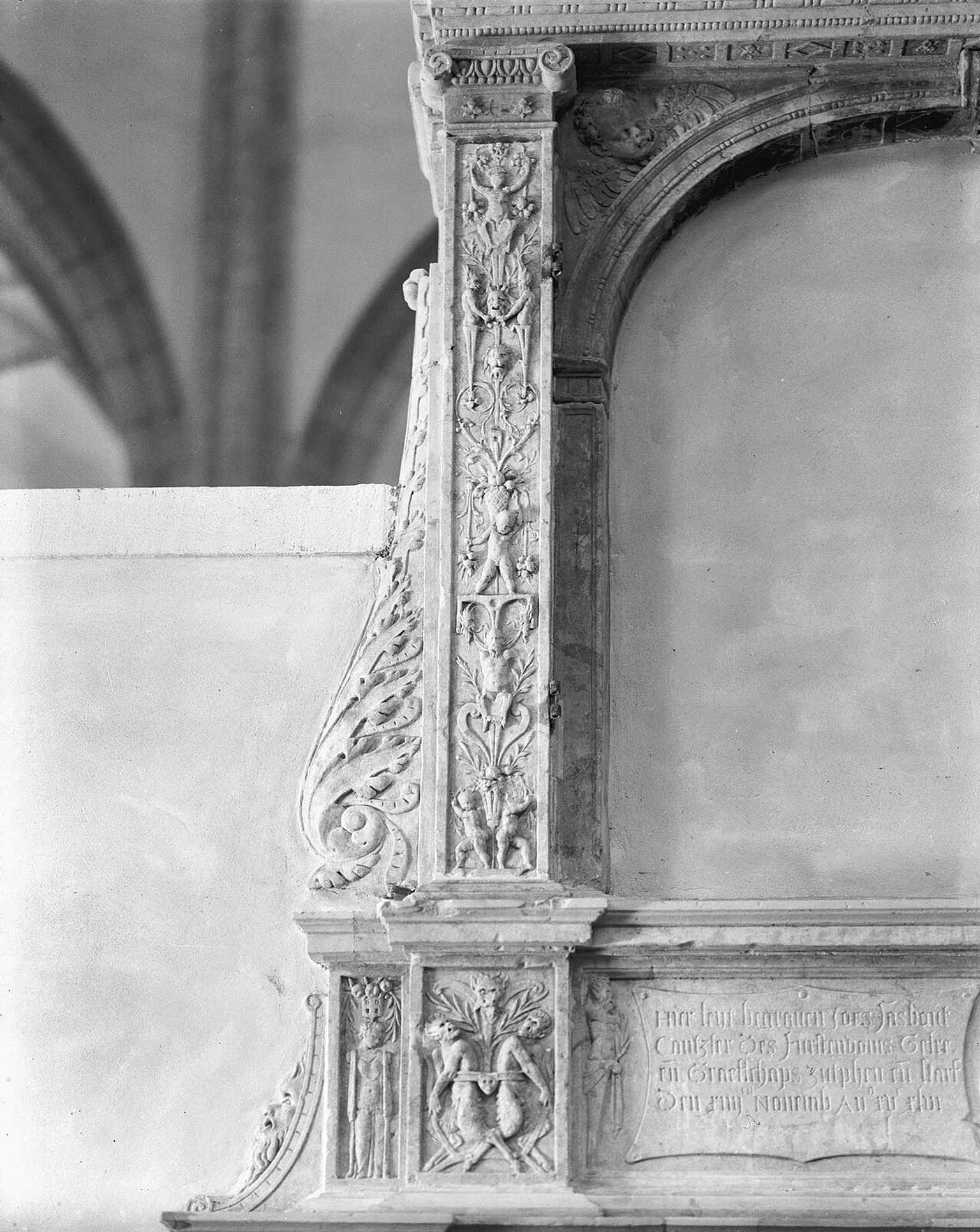
That mix of belief and ambition shaped everything here. City leaders wanted a church grander than old Saint Martin’s, so in fourteen fifty-two they began this late Gothic giant, a style of pointed arches and soaring height meant to lift the eye and impress the heart. Money troubles slowed the work for more than a century, but one man drove its prestige forward: Karel van Egmond, Duke of Guelders. He made Arnhem part of a wider European power world, and when he died in fifteen thirty-eight, the city honored him here with a black marble tomb covered in white alabaster reliefs and a figure in armor above it. If you glance at your phone, there’s a beautiful close view of that tomb detail in the app.
Then came the first wound. In sixteen thirty-three, lightning struck the little Angelus turret, and fire raced through the wooden roof. Painter Herman Breckerveld captured Arnhem’s people running with ladders, barrels, and buckets, because in those days citizens themselves had to fight a city fire. You can almost feel the panic... a whole town trying to save its heart with their bare hands.
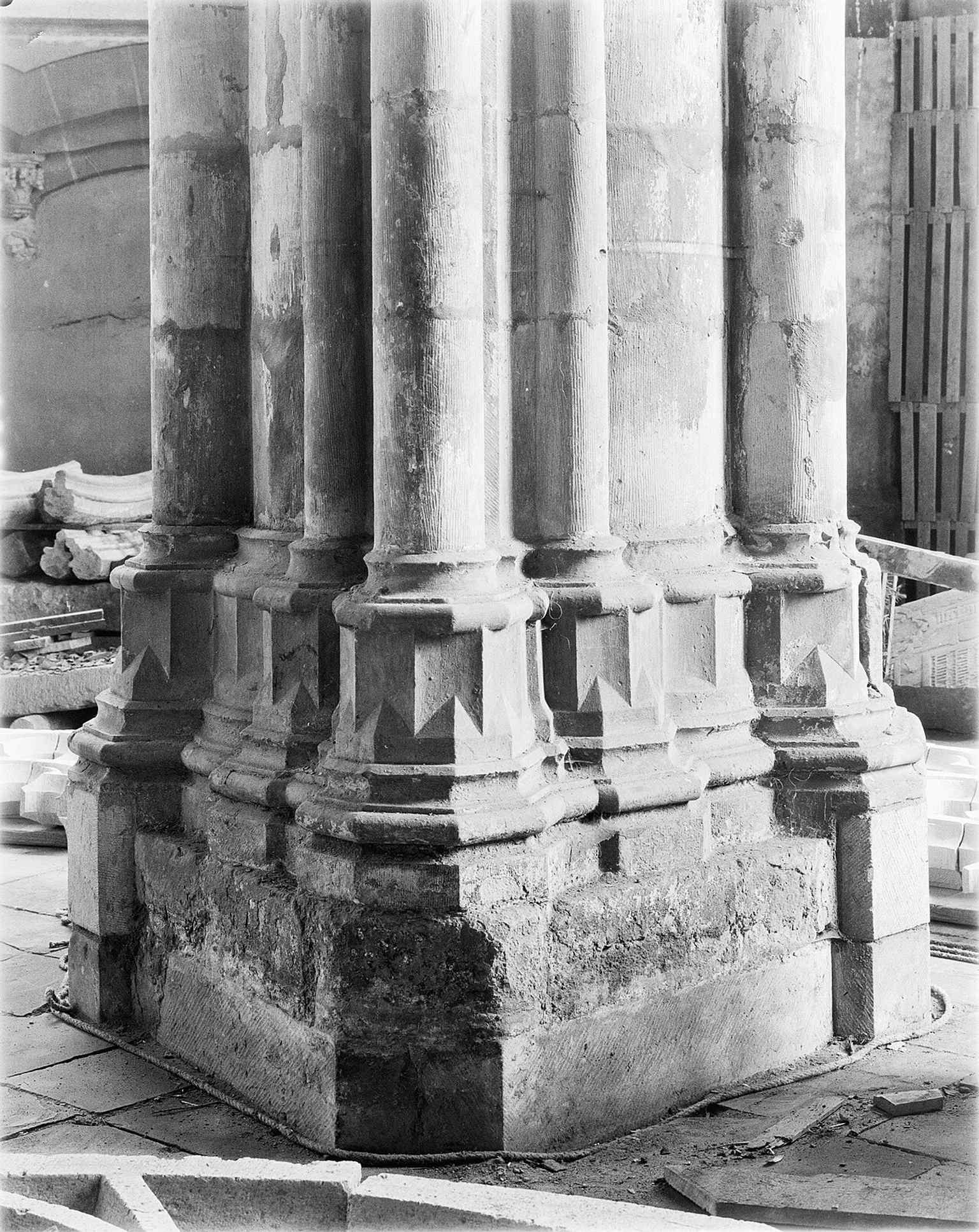
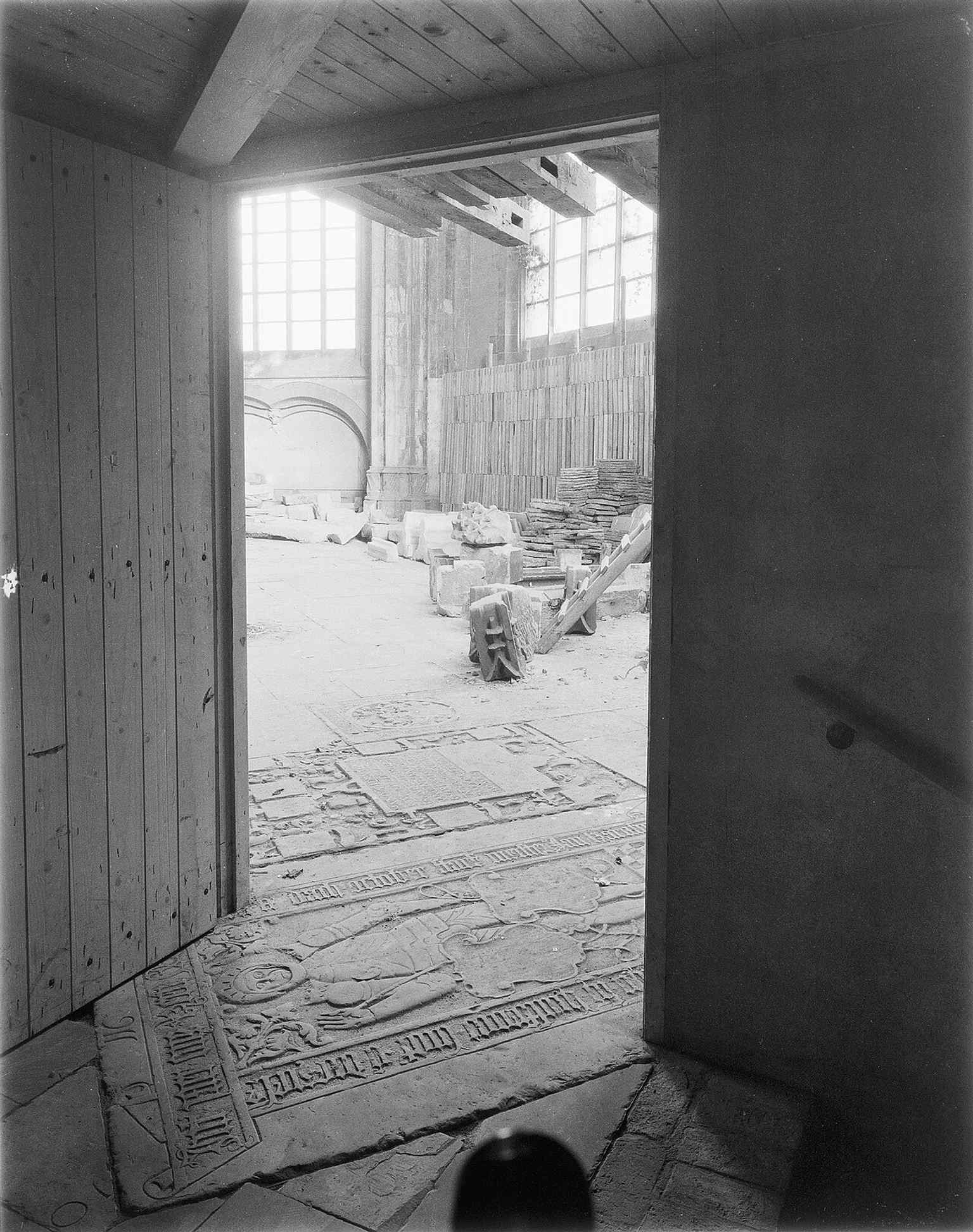
But the deepest wound came in September nineteen forty-four. During the fighting in September nineteen forty-four, this church stood in the line of fire. Flames consumed the roofs and wooden interior. The tower, shattered but still standing, rose above the ruins like a broken witness. Then winter damage brought more collapse. Here is the twist in Arnhem’s story: this church was not only a symbol people defended or rebuilt. For a time after the fighting, the square outside became a collection point for captured British soldiers, while German troops piled confiscated equipment against the wall. Sacred ground became a place of captivity.
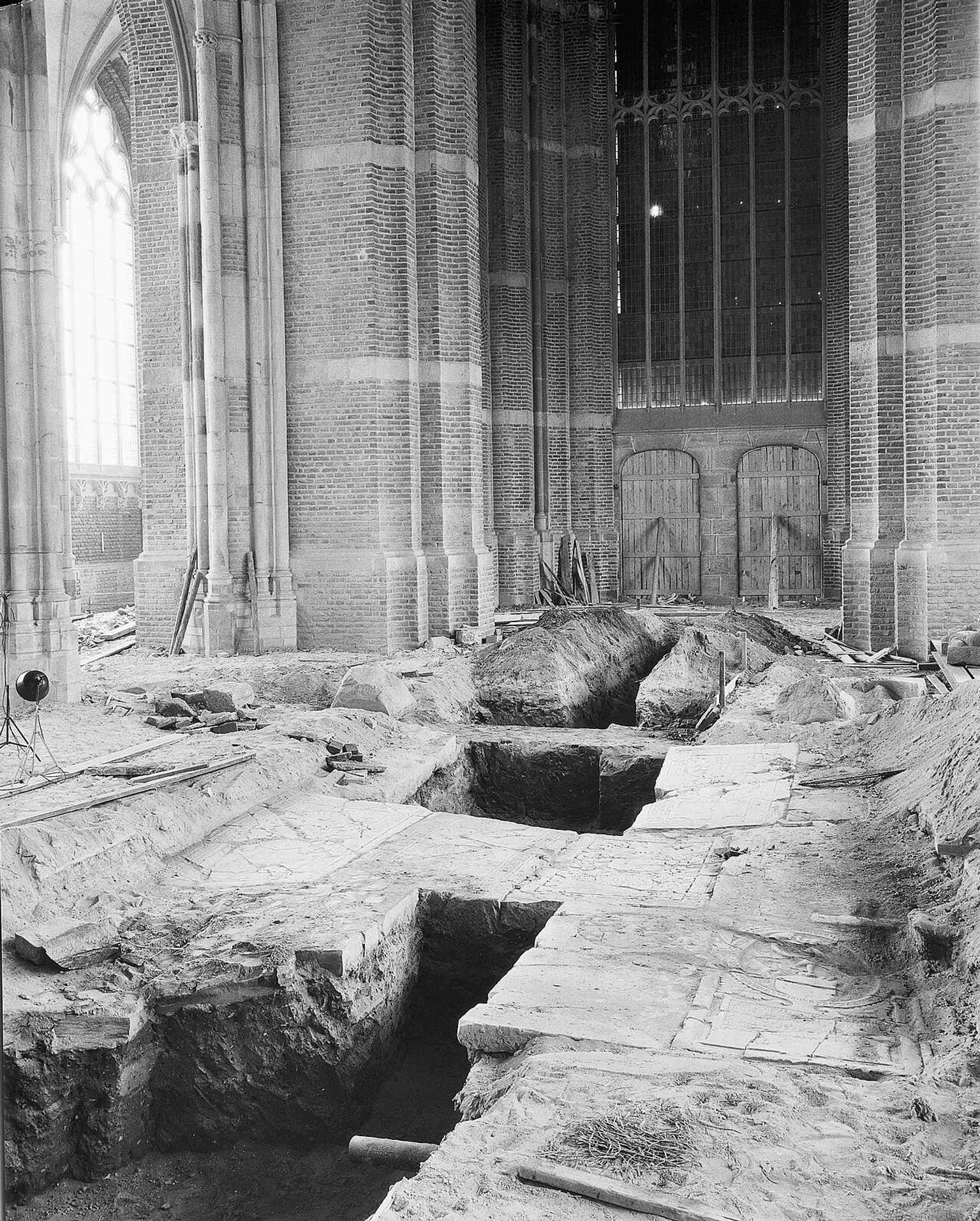
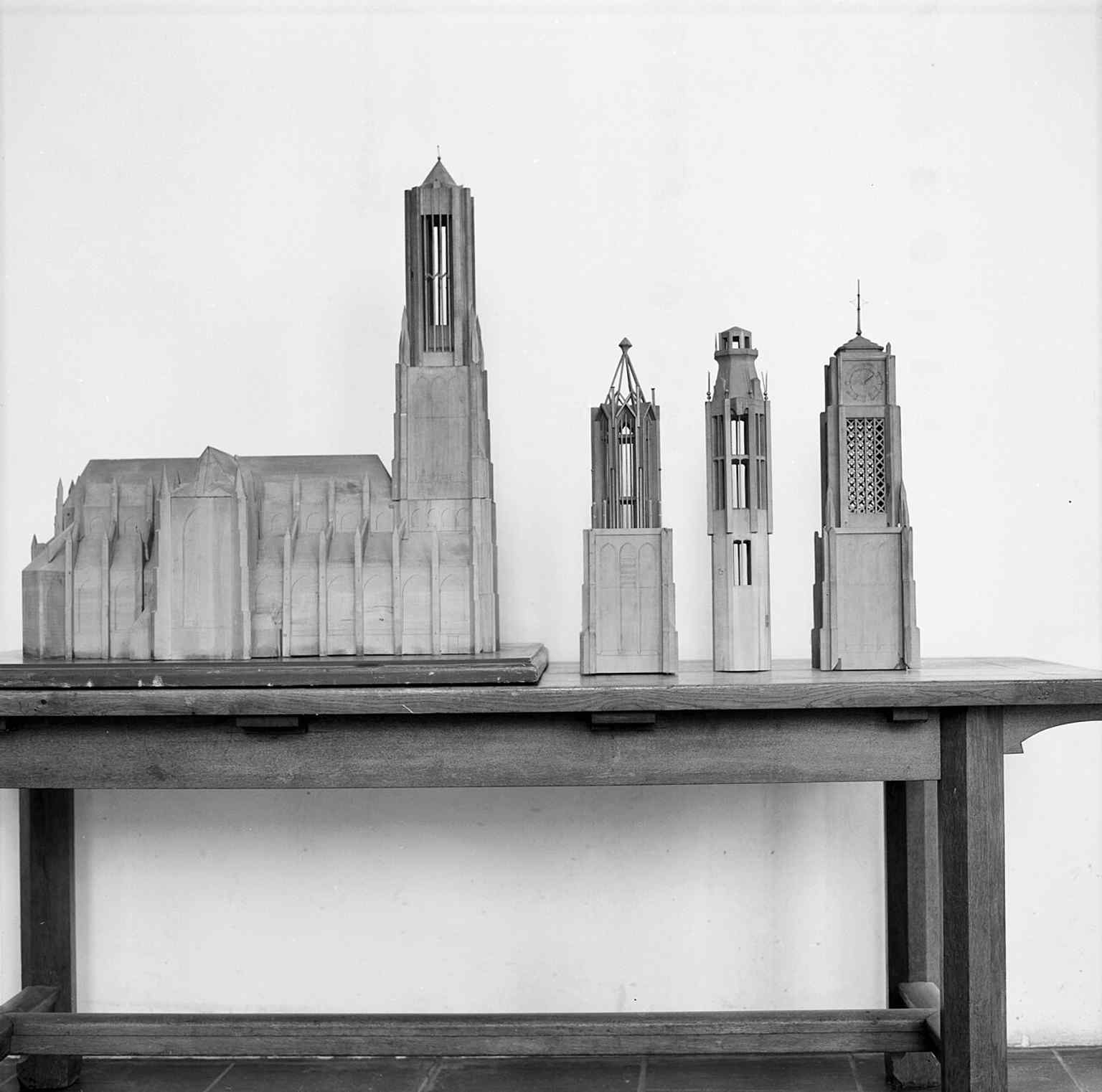
And still, Arnhem chose not to let the story end as rubble. After the war, people rebuilt the church between nineteen forty-seven and nineteen sixty-four, turning loss into a national symbol of recovery. Take a look at the before-and-after image when you like; seventy years tell the whole tale in one glance. Today the church still holds occasional services, but it also welcomes exhibitions, concerts, weddings, and visitors riding that glass lift toward the bells and the skyline. The building keeps changing its role without giving up its memory.
If you’d like to return inside later, it’s generally open daily from ten to five. In about two minutes, we’ll walk from sacred prominence to private power at the Devil’s House, where war also left its mark on stone.






%2C%20BEKRONINGEN%20EUSEBIUSTOREN%20-%20Arnhem%20-%2020289690%20-%20RCE.jpg)
