
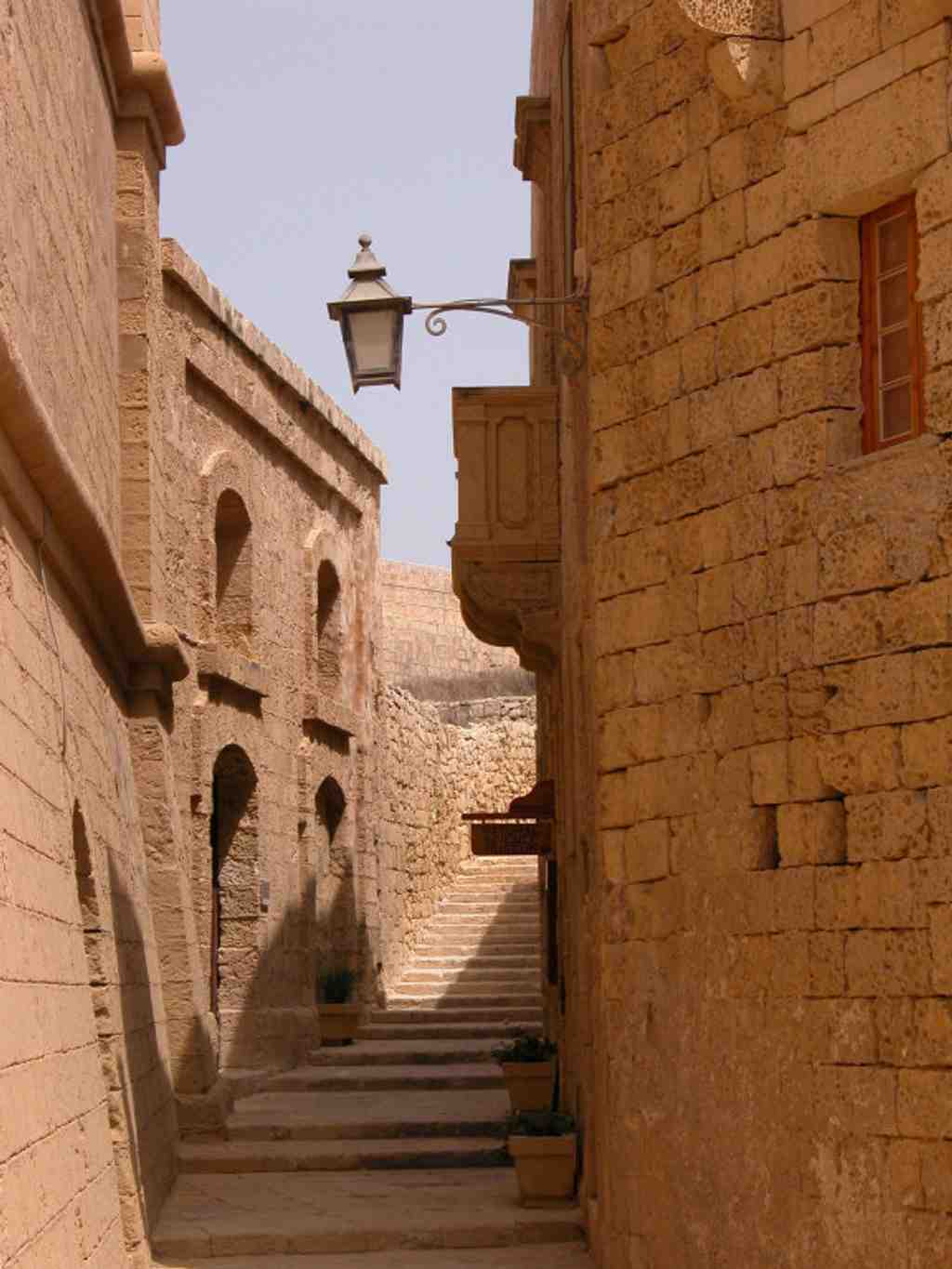
On your right, look for a compact cluster of pale limestone houses with simple rectangular facades and small shuttered windows, joined together into one irregular old Citadel building.
This is the Gozo Nature Museum, open to the public since nineteen ninety-one... though the building itself had several careers before anyone thought of labeling specimens inside glass cases. Part of it began as an inn in fourteen ninety-five, and the rest grew through later centuries into the patchwork house complex you see now. It still feels less like a grand museum and more like a place where people actually lived, ate, worried, and carried on.
One of those witnesses was Thomas MacGill. In eighteen thirty-nine, he wrote a guide for travelers and praised this inn as, an excellent house of entertainment, with clean comfortable beds and reasonably priced dinners. Not the sort of line heritage officers invent later... just a relieved traveler, apparently well fed. Then the twentieth century changed the script. During the Second World War, families sheltered here from aerial bombing. The same rooms that once welcomed guests turned into refuge.
If you glance at your screen, the exterior image helps show that slightly stitched-together character of the place. And inside, the story stretches far beyond human emergencies or human hospitality. The collections move through Gozo’s geology, minerals, marine life, insects, habitats, ecosystems, native plants like the Maltese Rock Centaury, and even human and animal evolution. Some mineral specimens came from Dr Lewis Mizzi, a Gozitan lawyer with a serious enthusiasm for stones... which is one dignified way of describing a splendid obsession. The fossils here come from marine life laid down between thirty-five and five million years ago, alongside stalactites, stalagmites, and even fragments of moonstone.
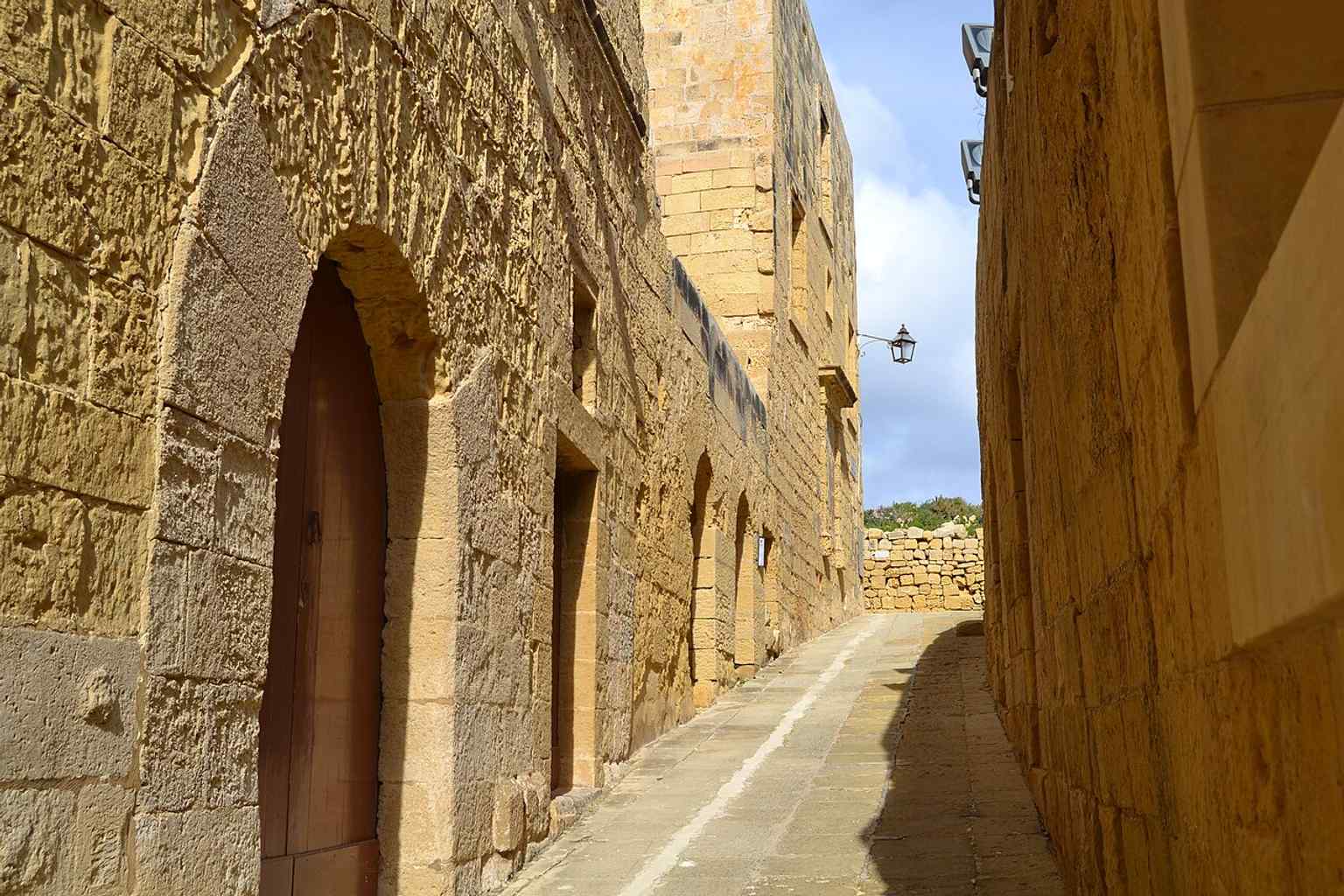
That may be the right ending for Victoria: a hill town where churches, prisons, homes, and shelters keep changing their use, while the island underneath them remembers seas older than any prayer or wall. If you want to go in, the museum is generally open Tuesday through Sunday from nine AM to five PM, and closed on Monday.





