
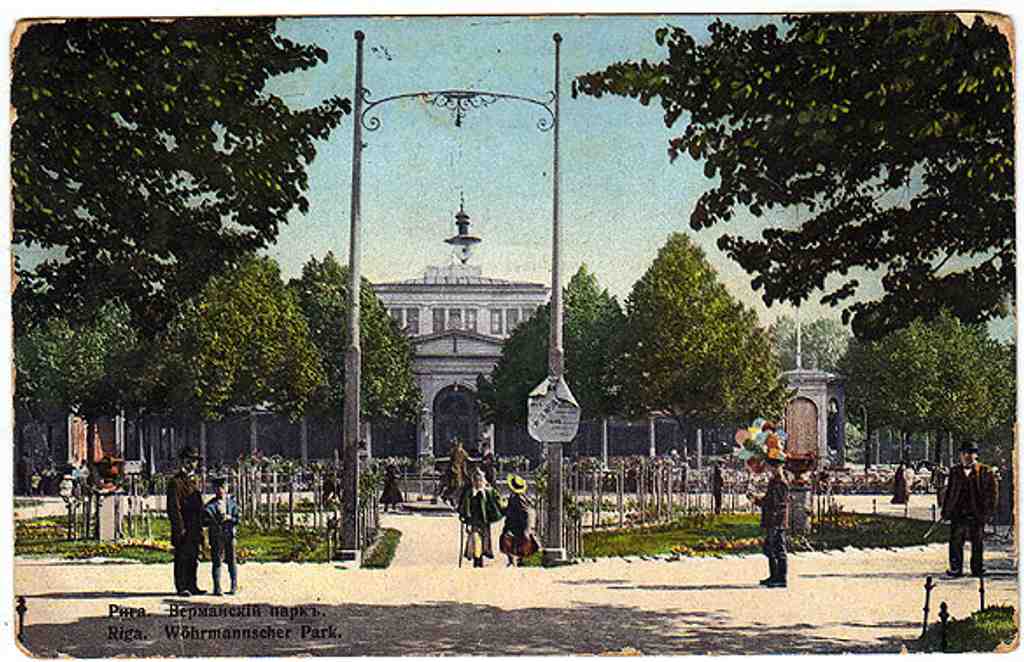
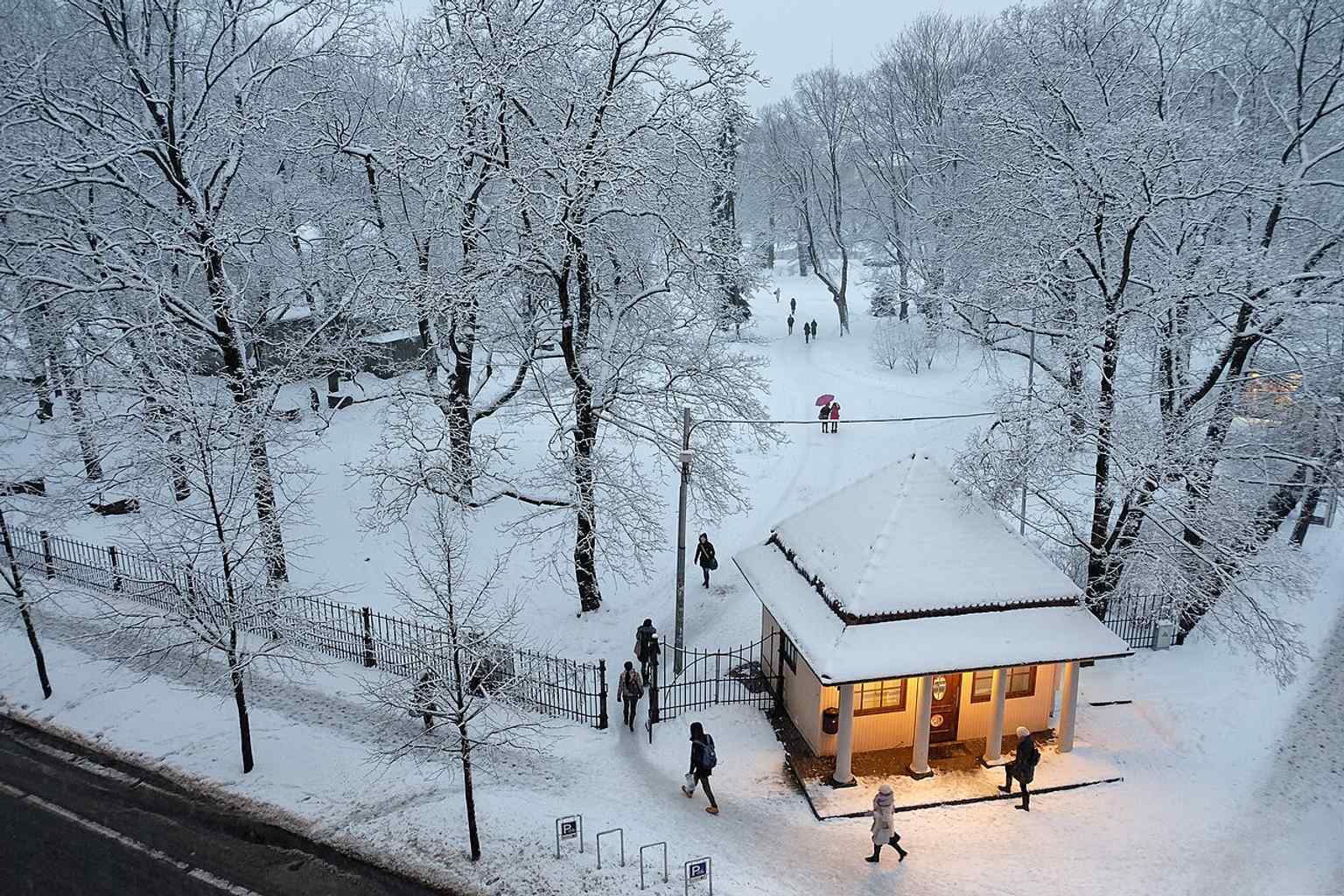
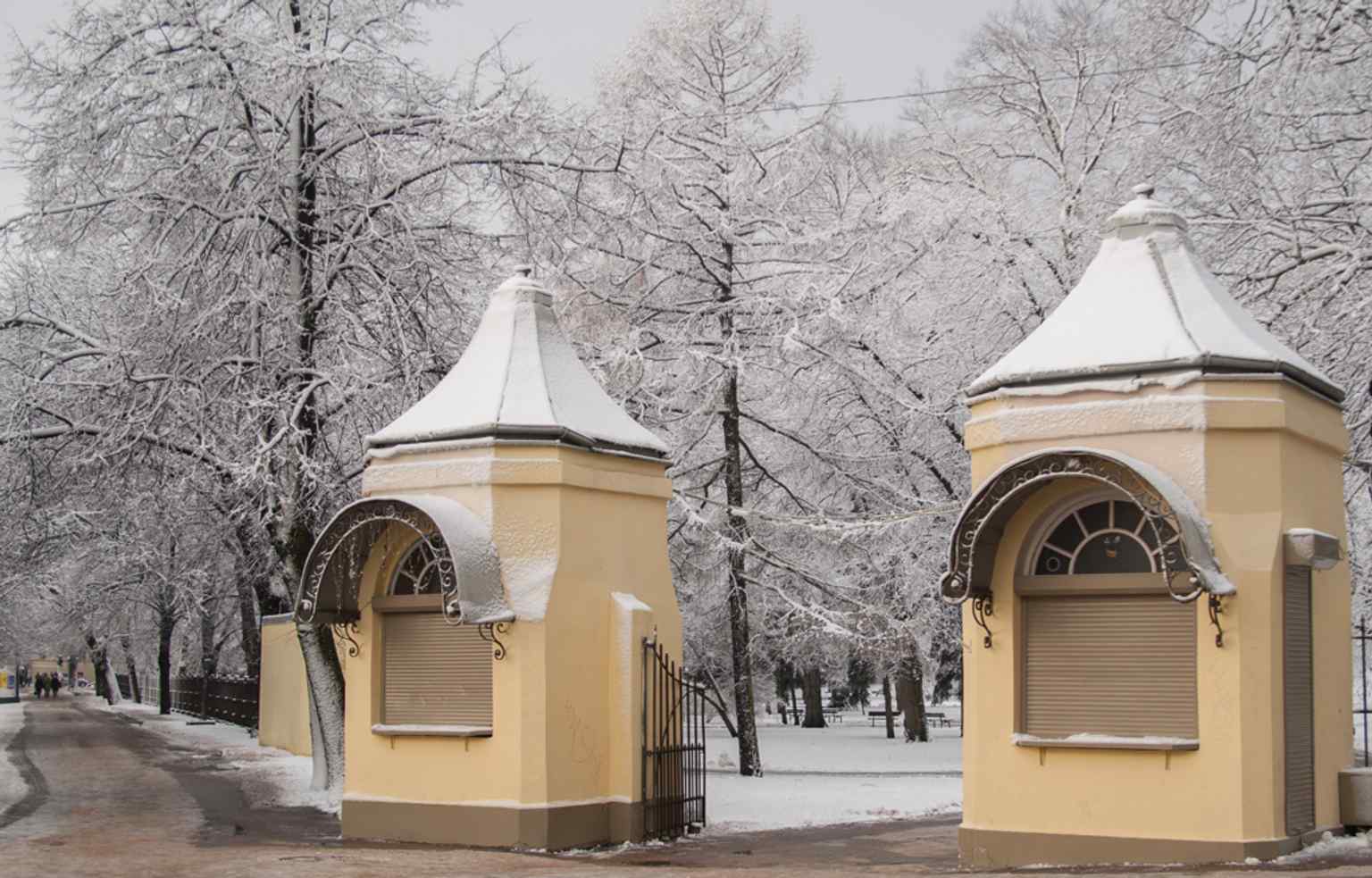
Look for the formal entrance: black wrought-iron gates set between pale stone pillars, marking a broad opening into Riga’s oldest public garden.
Vērmane Garden began in eighteen fourteen as Wöhrmann Park, and it owes its existence to one of Riga’s most painful blunders. In eighteen twelve, Governor General Magnus Gustav von Essen feared Napoleon’s advance and ordered the city’s wooden suburbs burned in a scorched-earth defence - in other words, destroying your own outskirts so an enemy cannot use them. The French army never laid siege to Riga at all. Hundreds of homes disappeared for nothing. When Philip Paulucci replaced von Essen, he inherited ruin, ash, and a city badly in need of healing, so he answered with something unexpectedly humane: a public park.
The land and funding came from Johann Christoph Wöhrmann, the Prussian consul general, and from his mother, Anna Gertrud Wöhrmann. Their family name became Latvian over time, which is how Wöhrmann turned into Vērmane. Anna did more than pay for the garden. In her will, she legally protected this ground for the people of Riga forever, forbidding any private sale or change of purpose. That single act has defended this green space for more than two centuries.
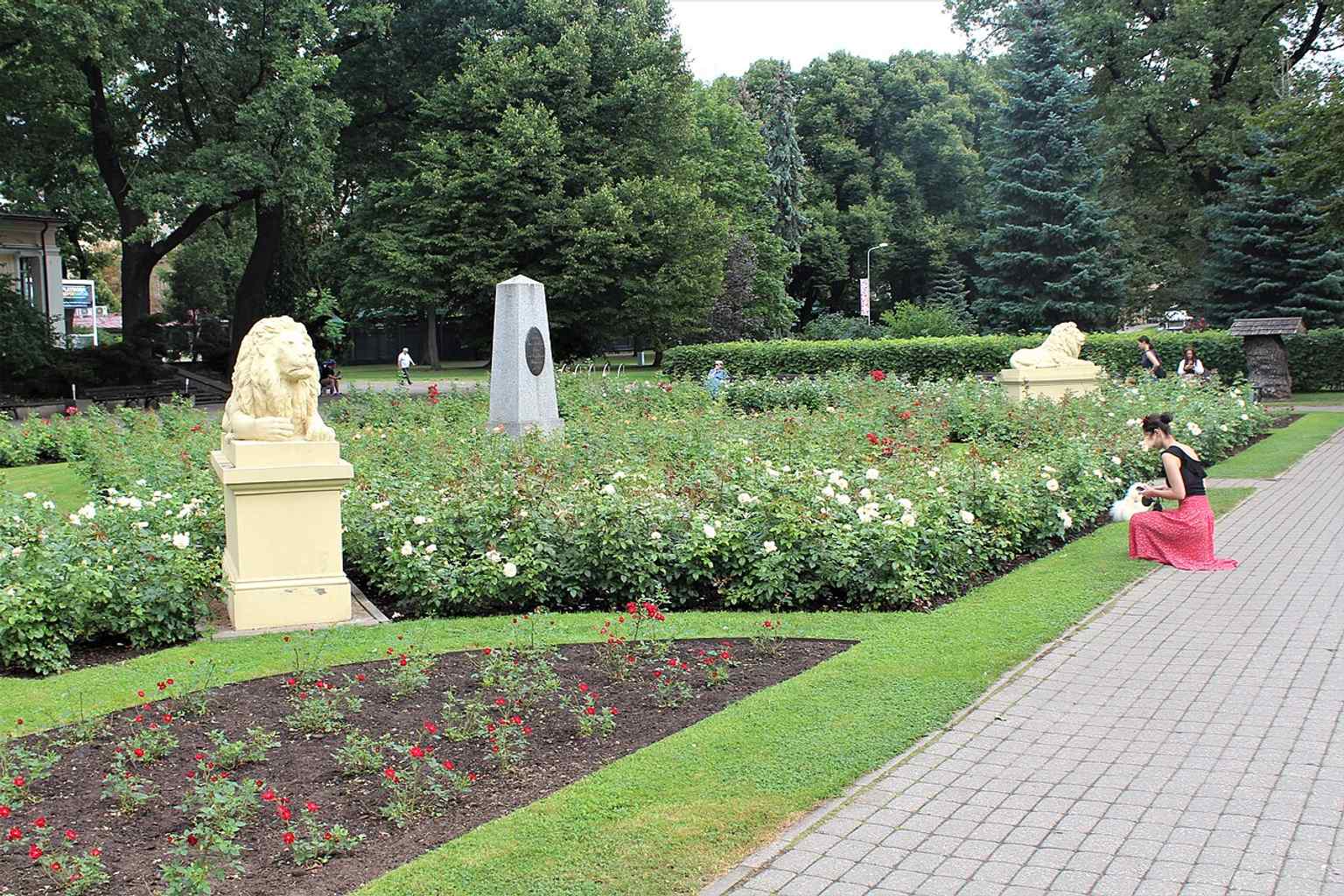
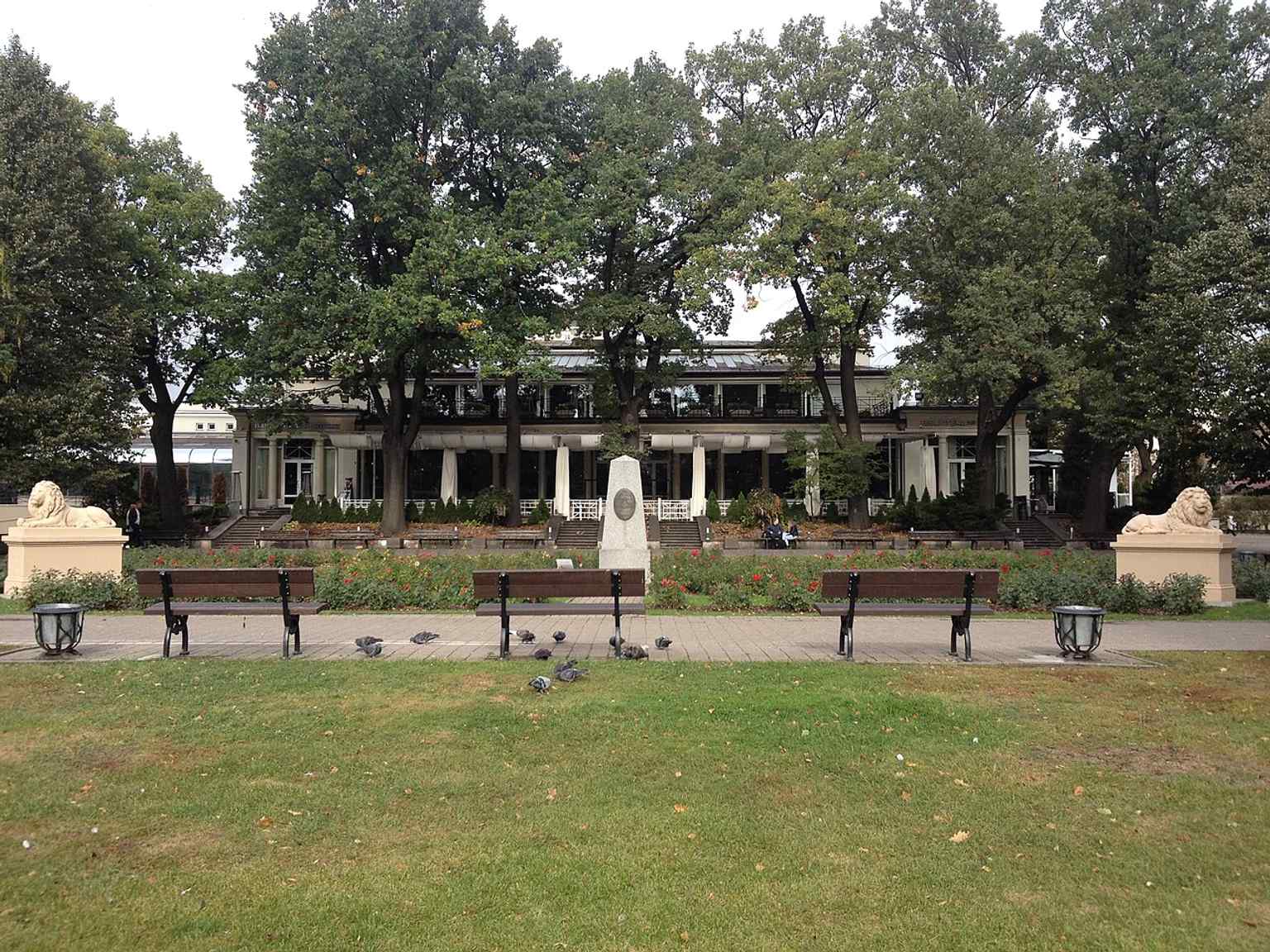
The park opened in eighteen seventeen as a fenced garden of less than one hectare, with exotic trees, a rose garden, and a restaurant. In eighteen twenty-nine, the city raised a granite obelisk to Anna Wöhrmann. Soviet rule later swept it away, but independent Latvia restored it in two thousand.
In eighteen thirty-six, Riga’s chemists and pharmacists opened a mineral water shop in the restaurant. Rather marvellously, that grew into Vērmanītis, one of Riga’s great social venues, and much later the composer Raimonds Pauls reshaped the historic building into Vernisāža, a celebrated place for concerts and balls.
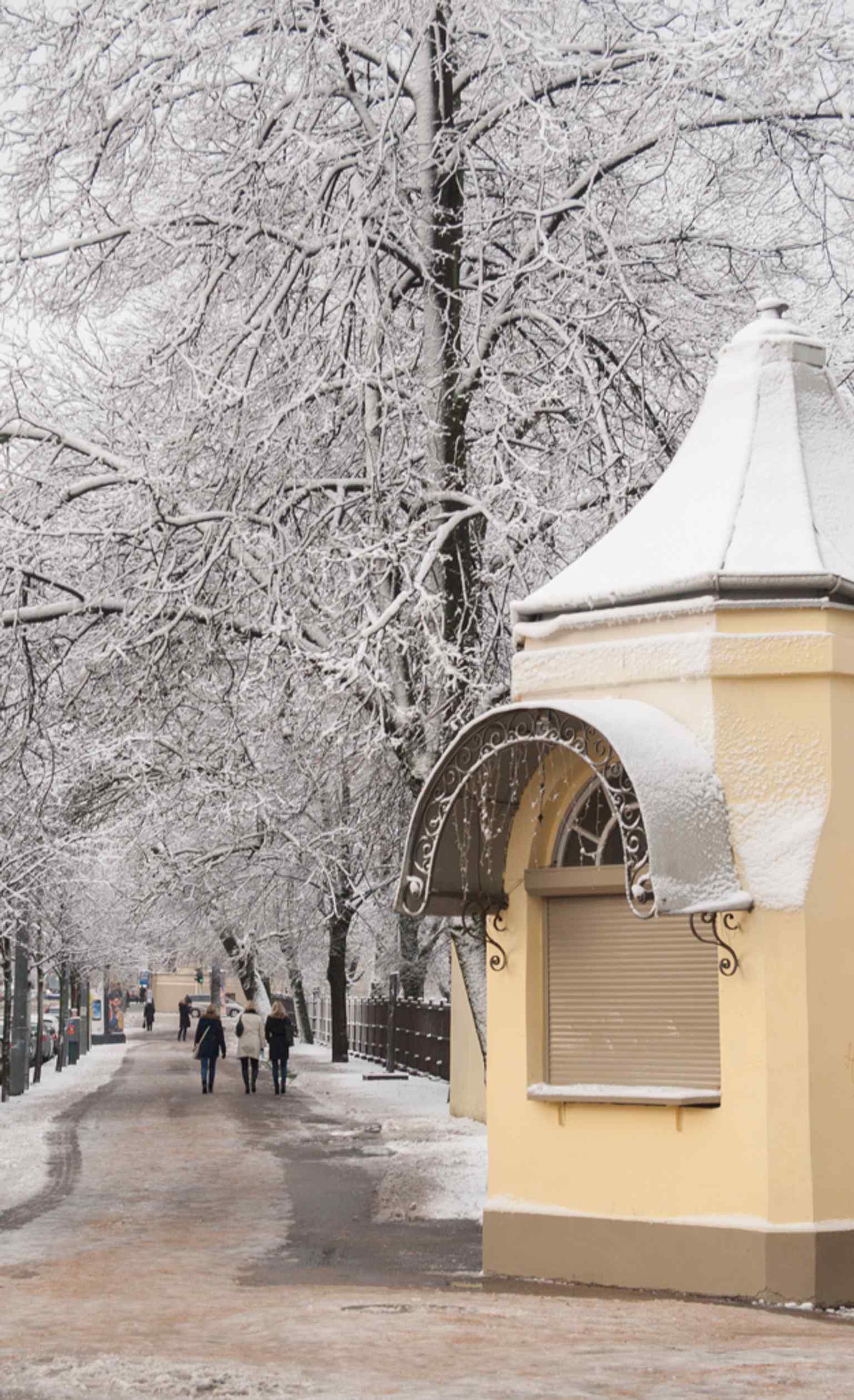
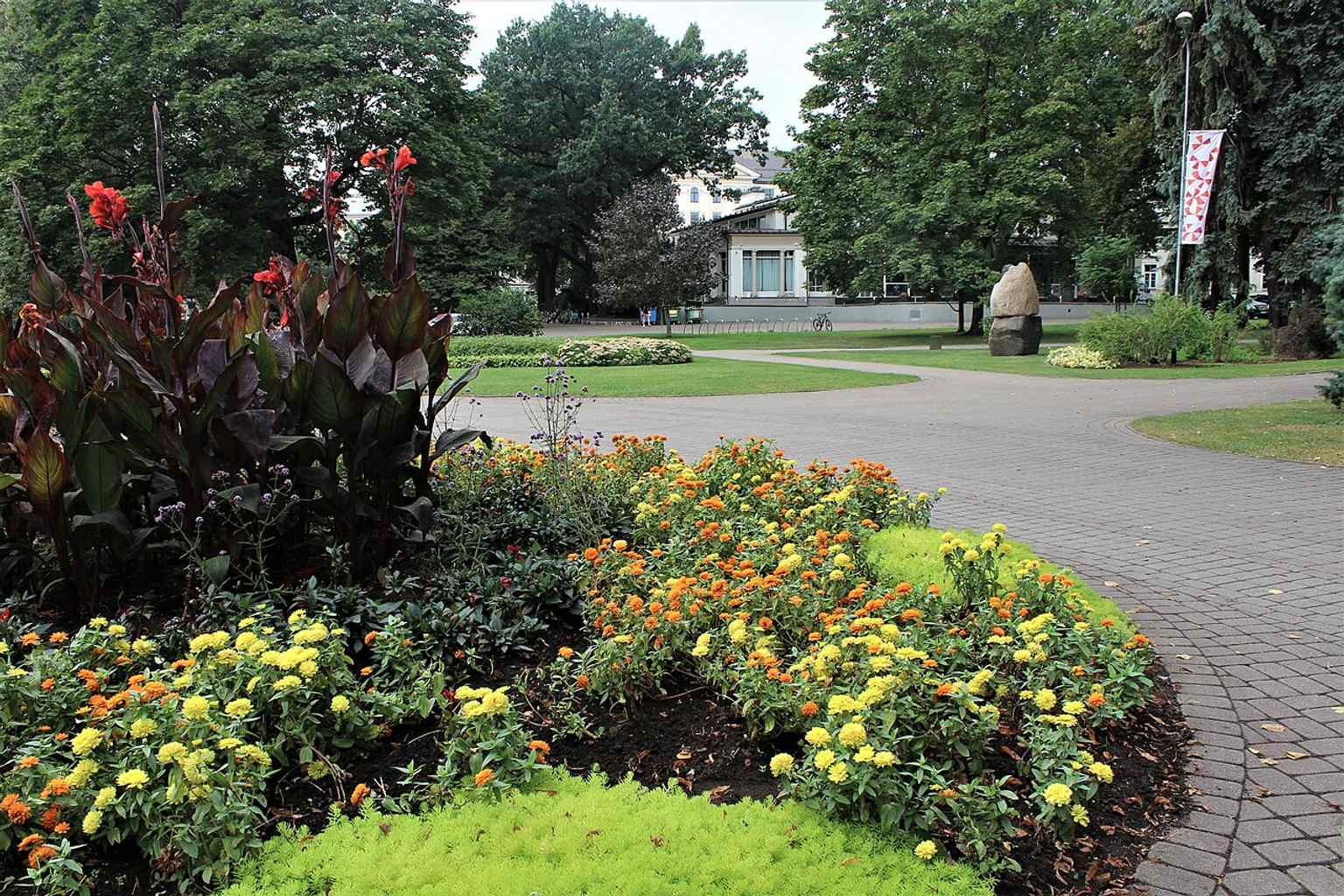
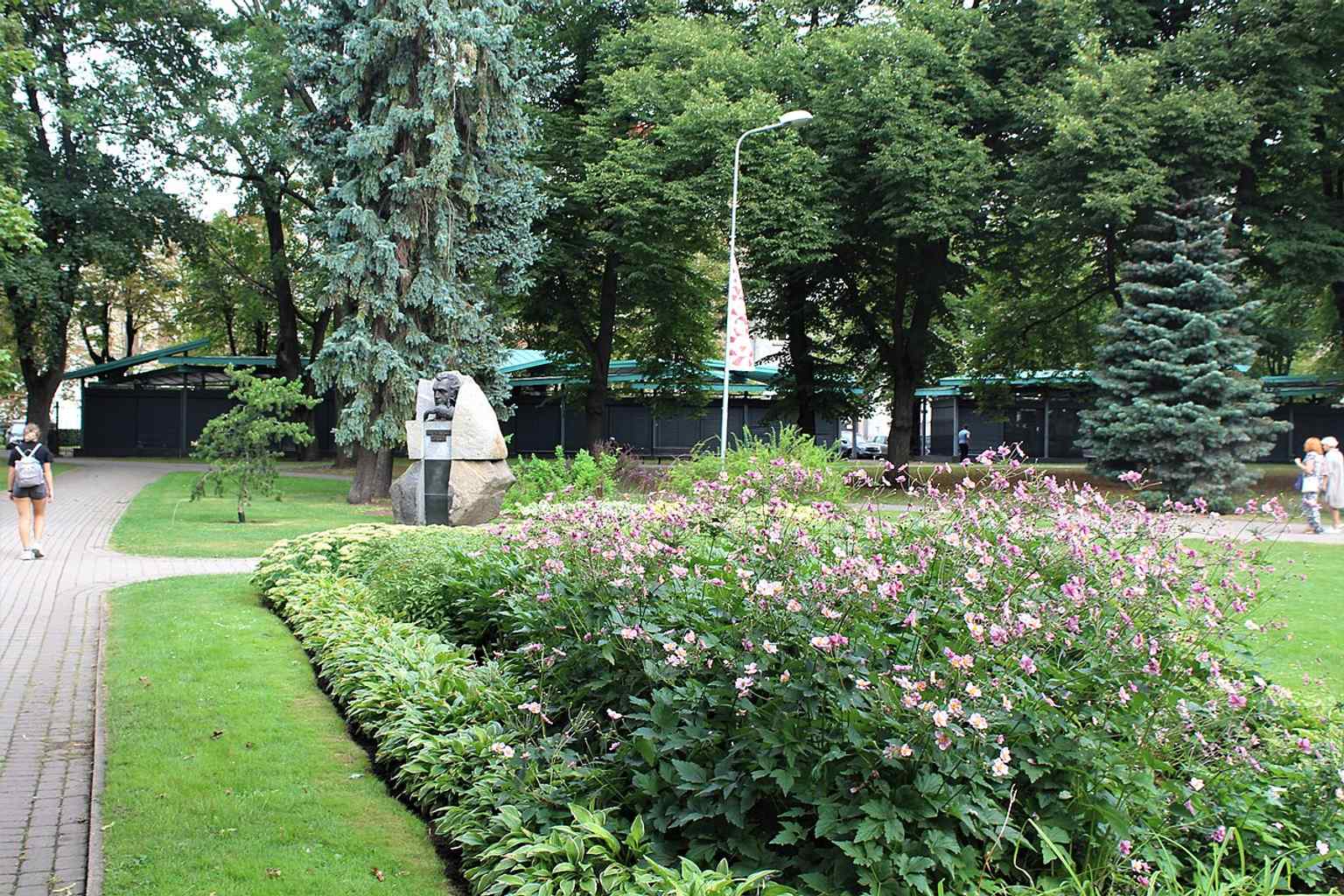
The garden expanded dramatically in eighteen eighty-one, when city parks director Georg Kuphaldt laid out flower parterres - formal patterned beds - and filled the grounds with unusual species, from magnolias and honey locusts to copper beeches. If you fancy a quick comparison, have a look at the before-and-after image in the app; the entrance still feels familiar, even though the city around it has entirely changed. These paths also carry the memory of Riga’s great minds. Wilhelm Ostwald, the Nobel Prize-winning chemist, relaxed here with mineral water; Krišjānis Barons walked here to clear his head while cataloguing Latvian folk songs; and Mikhail Tal, the magician of Riga, sharpened his daring chess style on these benches. In nineteen eighty-eight, this garden became something larger still, hosting mass rallies of the Singing Revolution as thousands demanded Latvia’s sovereignty.
Fittingly, the garden remains open at all hours.
Vērmane Garden shows how a wounded city taught itself to breathe again.
When you are ready, continue on toward the bust of Mikhail Keldysh.






.jpg)
