
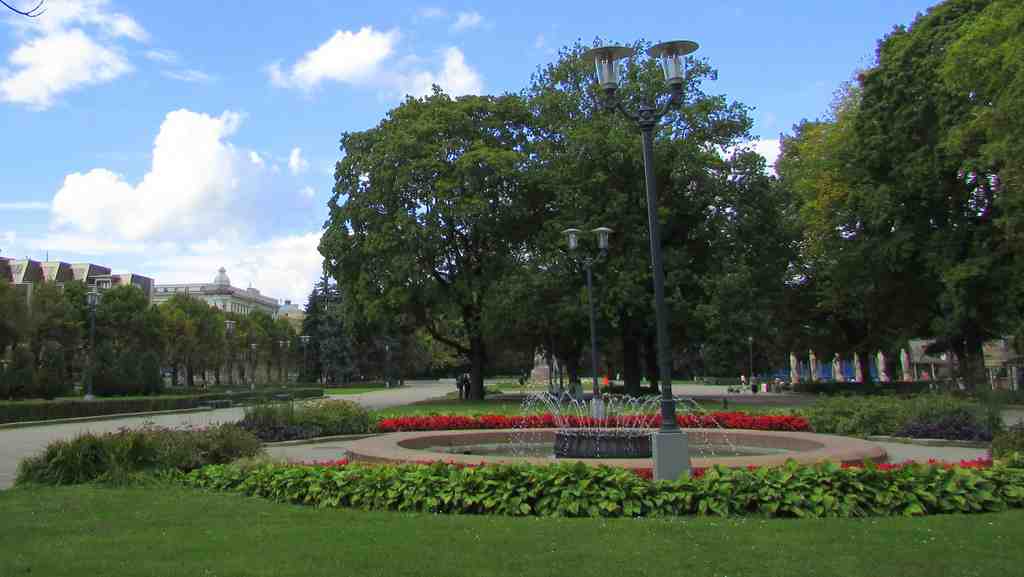
Ahead is a broad rectangular park cut by pale gravel paths and formal lawns, with long straight avenues that still give the Esplanade the disciplined shape of a former parade ground.
The Esplanade began, rather improbably, as a military precaution. In fortress language, an esplanade meant an open strip of land kept clear between defensive walls and the first suburban houses, so that attackers had nowhere to hide. Long before this became a city park, this ground lay outside Riga’s walls as sandy, uneven terrain, marked by low hills. One of them, Kubbe Hill, stood roughly where the Art Academy rises now. Its name may reach back to Kaupo, the Liv leader who allied himself with the German crusaders and accepted Christianity.
That hill worried generals. In sixteen twenty-one, Gustavus Adolphus of Sweden attacked Riga from advantageous high ground, and the lesson lingered. Under Catherine the Great, the inspector of Riga’s fortifications, Major General Ivan Golenishchev-Kutuzov, finally oversaw the leveling of Kubbe Hill in the seventeen eighties. Archaeologists still regret it, because whatever traces of the earliest settlement lay there were carted away with the sand.
This open ground also attracted people the city preferred not to see. Expelled residents built huts near the gates and traded directly with peasants, bypassing the town’s merchants. The magistrates sent in house-breakers in fifteen forty-three to flatten the settlement, and in seventeen seventy-two they demolished the wooden houses again in a single day, this time forbidding any rebuilding. That stern act gave Riga the clear strip that later became one of its best-known public spaces.
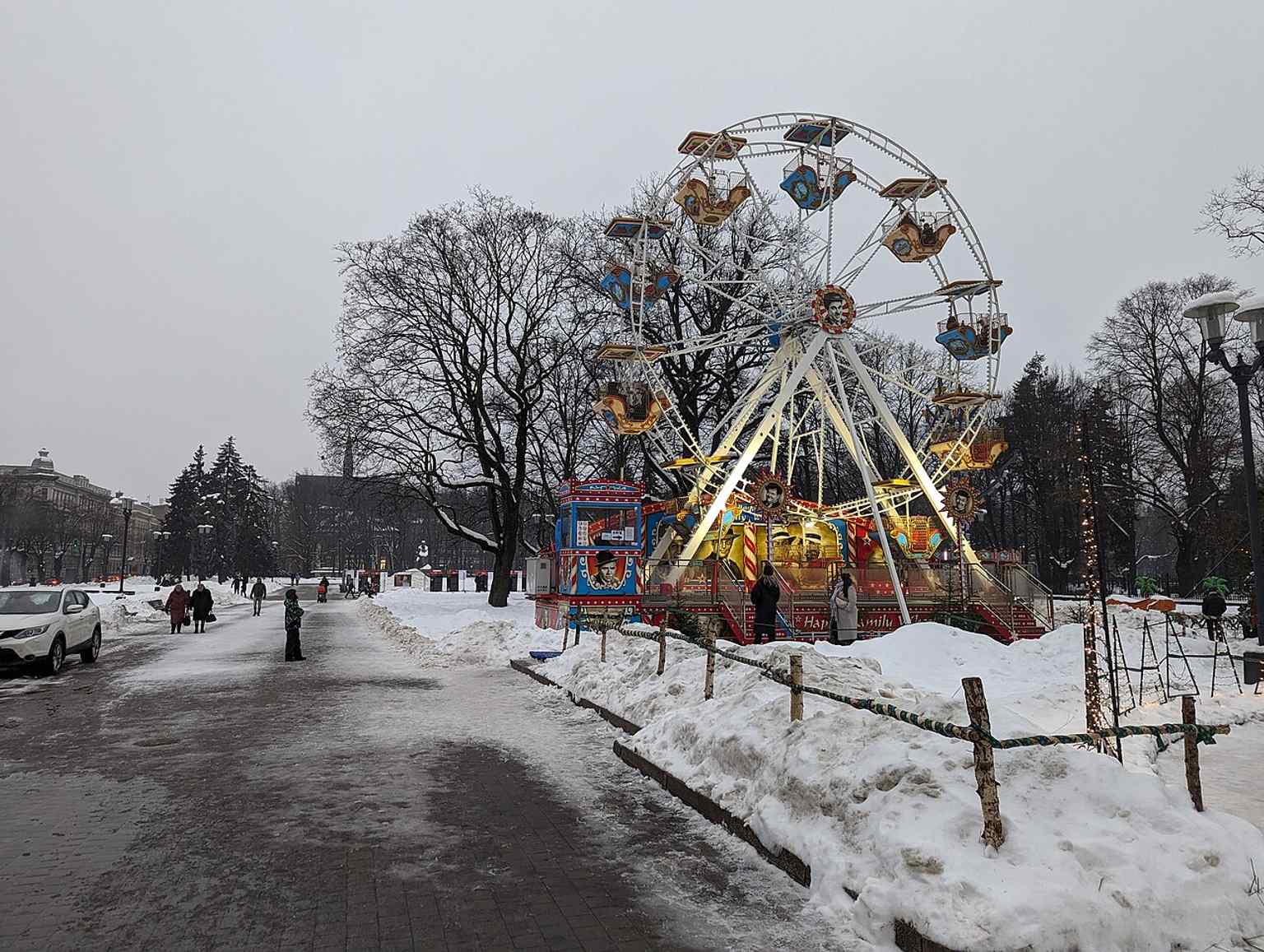
After the panic of eighteen twelve, when a false alarm linked to Napoleon’s campaign led Riga to burn seven hundred and eighty-two buildings and leave six thousand five hundred people homeless, the Esplanade lost some military value but gained a new role as a drill ground. Cavalry trained here, parades thundered across it, and fairs took over when soldiers stood aside. There were even folk celebrations around the old hill, including a greased pole with prizes at the top, which is an admirably honest way of testing ambition.
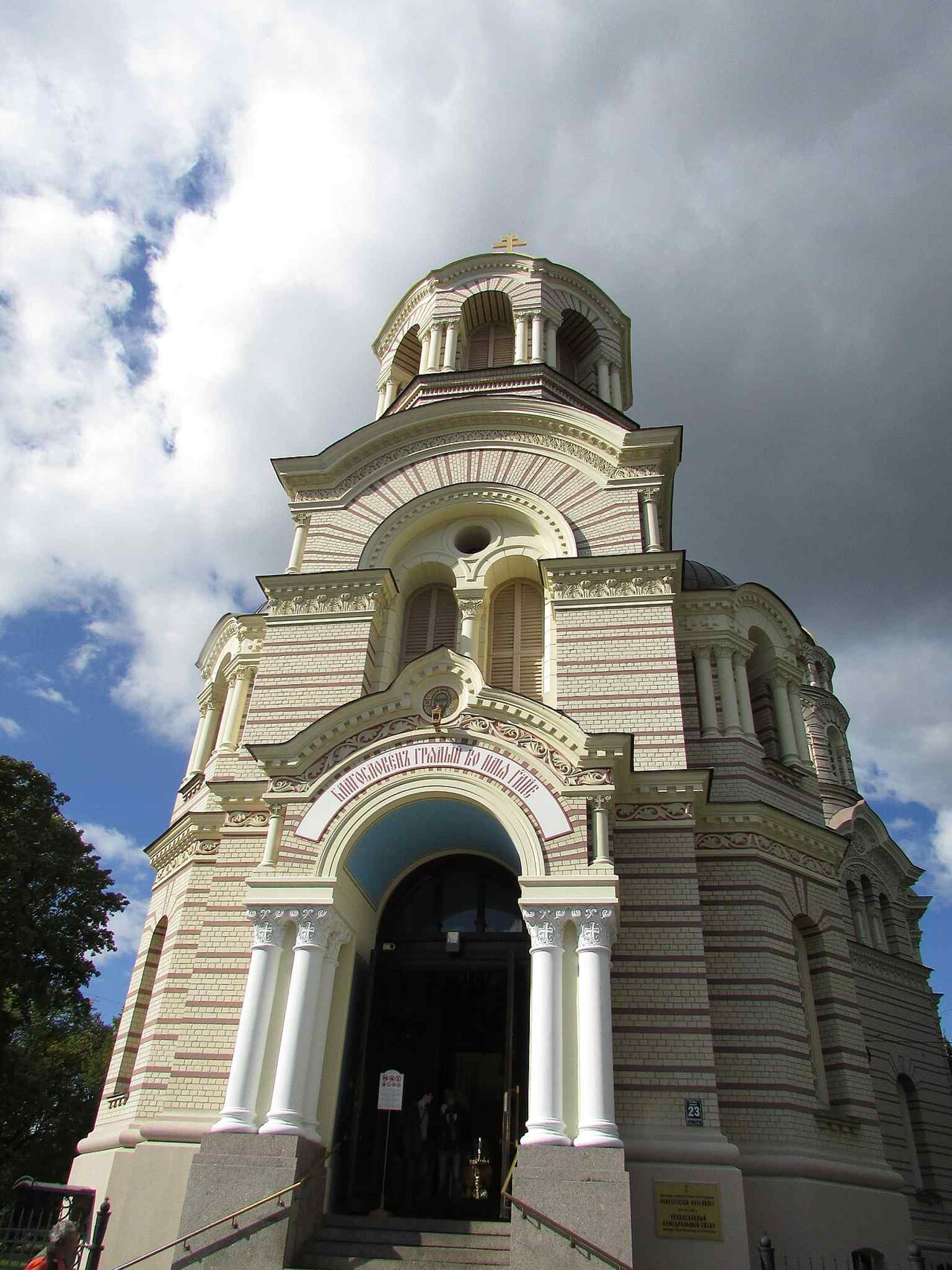
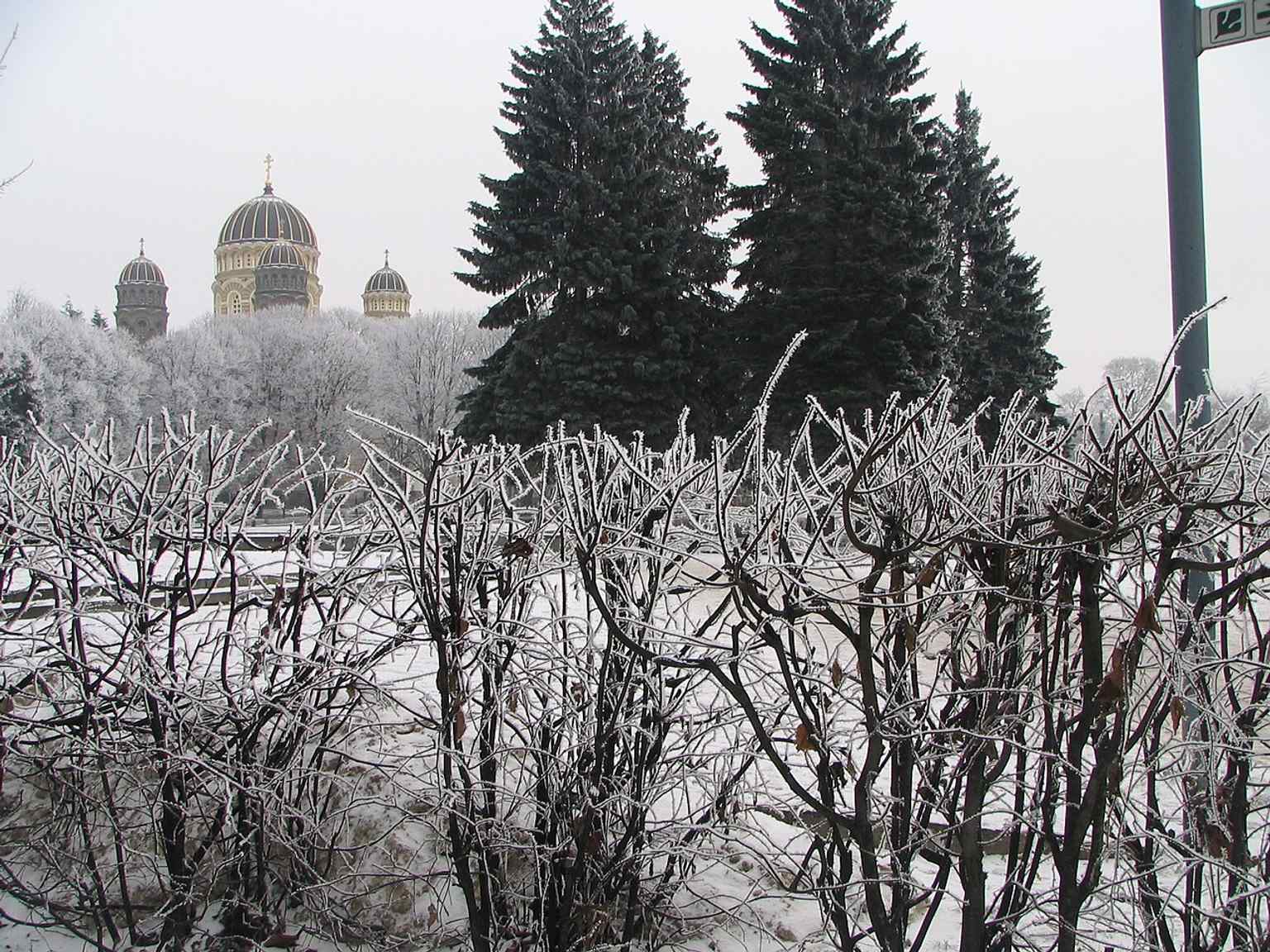
If you glance at the image on your screen, you can see how strongly the cathedral shaped the park’s later identity. In eighteen seventy-five, the city made a rare exception to the no-building rule and allowed the Cathedral of the Nativity of Christ here. Then came the great turning point: the nineteen oh-one exhibition for Riga’s seven hundredth anniversary, spread across forty Art Nouveau pavilions. A visiting imperial minister approved what he saw, and in nineteen oh-two the ban on building here ended. Landscape architect Georg Kuphaldt laid out a formal park, fountains appeared, Mayor George Armitstead approved the school building nearby, and architect Wilhelm Neumann completed the art museum.
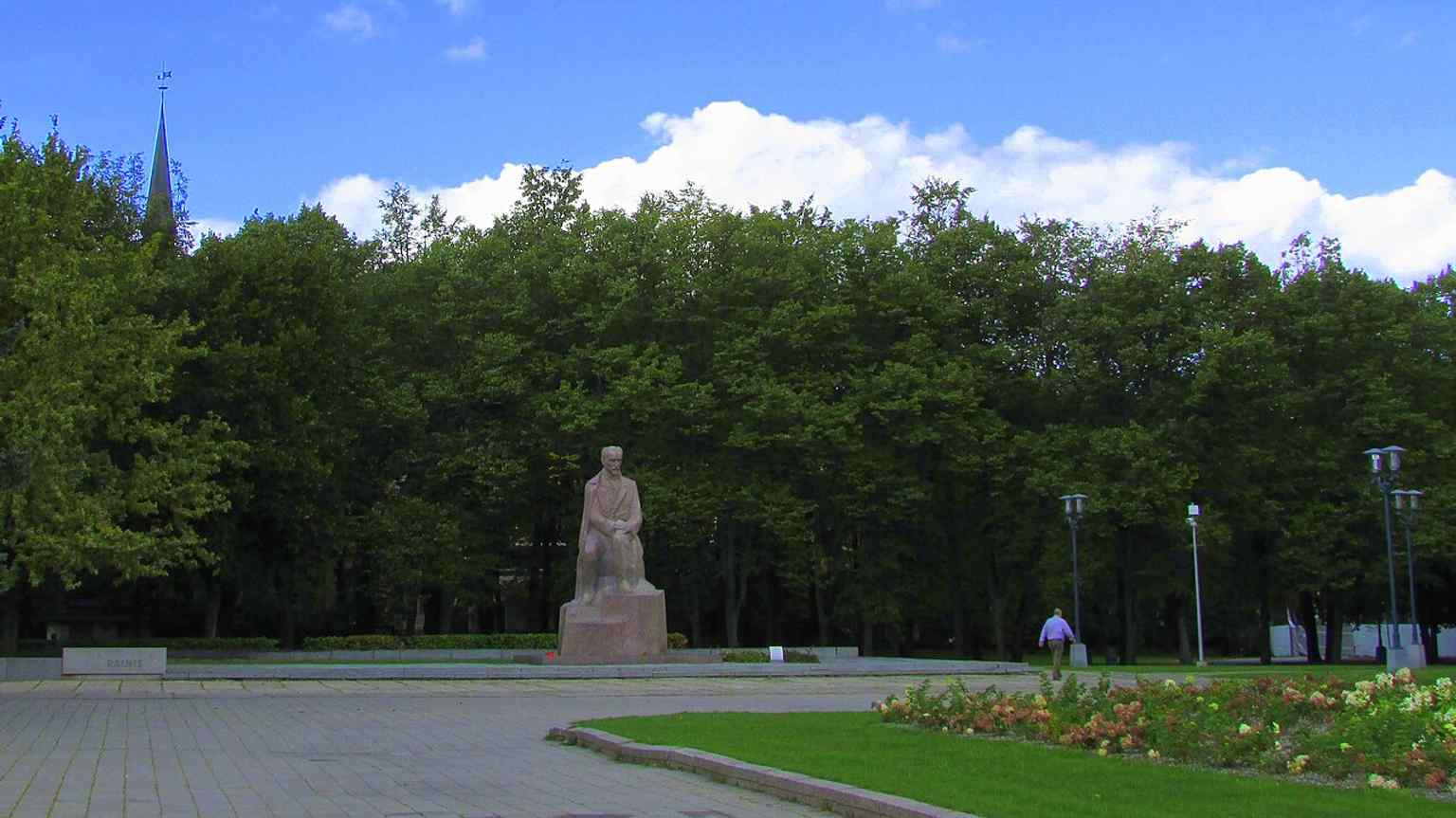
The Esplanade kept changing names as politics changed uniforms. It became Communards Park in nineteen nineteen, after twenty-seven Latvian communards were buried behind the cathedral. It returned to Esplanade in nineteen twenty, later became Unity Square, then Communards Park again in the Soviet years, when architect Karlis Pluksne and garden master Alfred Kapaklis gave it a more regular plan and introduced dozens of unusual tree species, including a rare beech variety and Amur velvet. A Stalin monument was even planned here in the nineteen fifties; after the cult of personality collapsed, the foundation turned into a rose garden instead. In nineteen sixty-five, the granite monument to the poet Rainis took its place in the park’s symbolic life; you can spot it in the app image here.
So this calm green space is really a record of Riga learning, again and again, what public ground should be for.
Fittingly, the Esplanade never really closes; it remains open all day and all night. When you are ready, continue toward the Cathedral of the Nativity of Christ at the park’s edge.






.jpg)
.jpg)

