
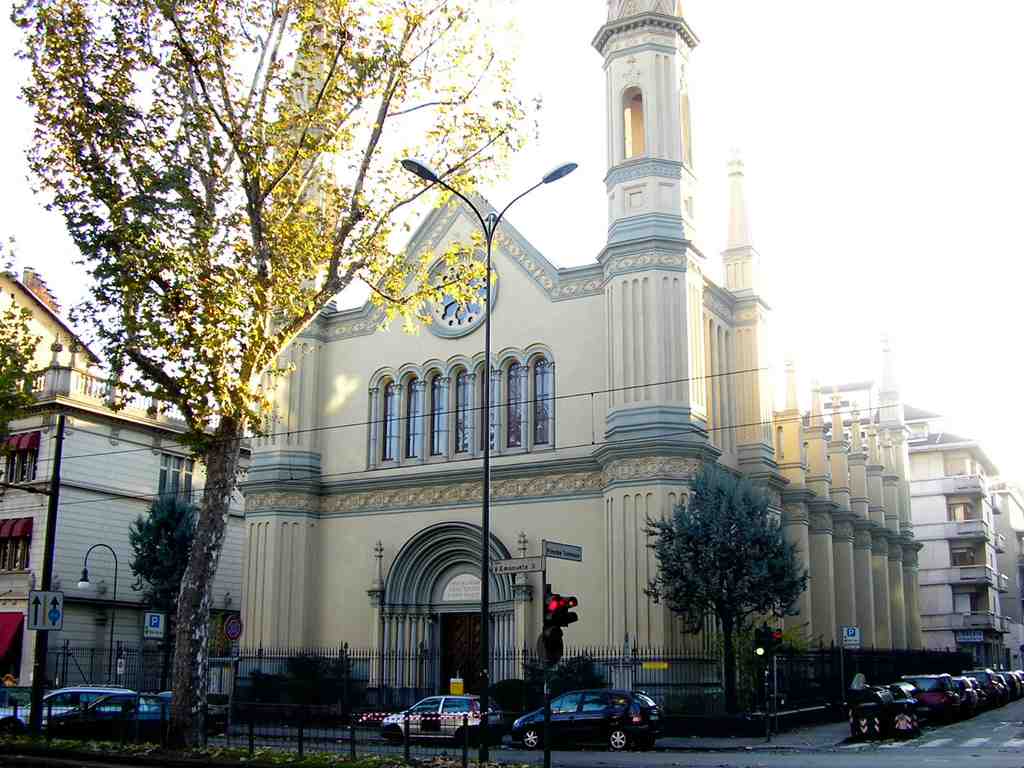
Here stands the Waldensian Temple, an elegant pale stone building defined by a deeply arched entrance and flanked by two slender, octagonal towers reaching upward. For centuries, this beautiful sight would have been completely impossible.
The Waldensians are members of a Christian movement that actually predates the Protestant Reformation, and for hundreds of years, they faced intense persecution. Before 1848, they were strictly forbidden from residing or worshipping openly in Turin. The few who lived here had to quietly attend services inside foreign embassy chapels just to practice their faith.
But the city was beginning to evolve from a rigid center of royal power into a more open, modern community. The breaking point came with the Albertine Statute of 1848, a historic decree that finally granted the Waldensians civil rights and the freedom to worship openly.
And the people who helped build this temple had truly fascinating lives. Take Charles John Beckwith, for example. He was an English general who had lost a leg fighting in the famous Battle of Waterloo. Instead of retiring quietly, he dedicated his entire life, and his personal fortune, to championing the Waldensian cause. He teamed up with Giuseppe Malan, an influential Waldensian banker who personally financed the purchase of this very land. Together, they were out here every single day, overseeing the construction.
However, there was a political catch. The government allowed them to build, but insisted the temple could not look like a traditional Catholic church from the outside. So, the architect, Luigi Formento, cleverly designed an eclectic exterior. He blended those pointed neo-Gothic towers with rounded neo-Romanesque windows, masking its traditional religious nature while giving it a proud, towering dignity. If you look closely at the sides of the building, you might spot a carving of an open Bible resting on a cross, a quiet but firm declaration of their reformed faith to the street below.
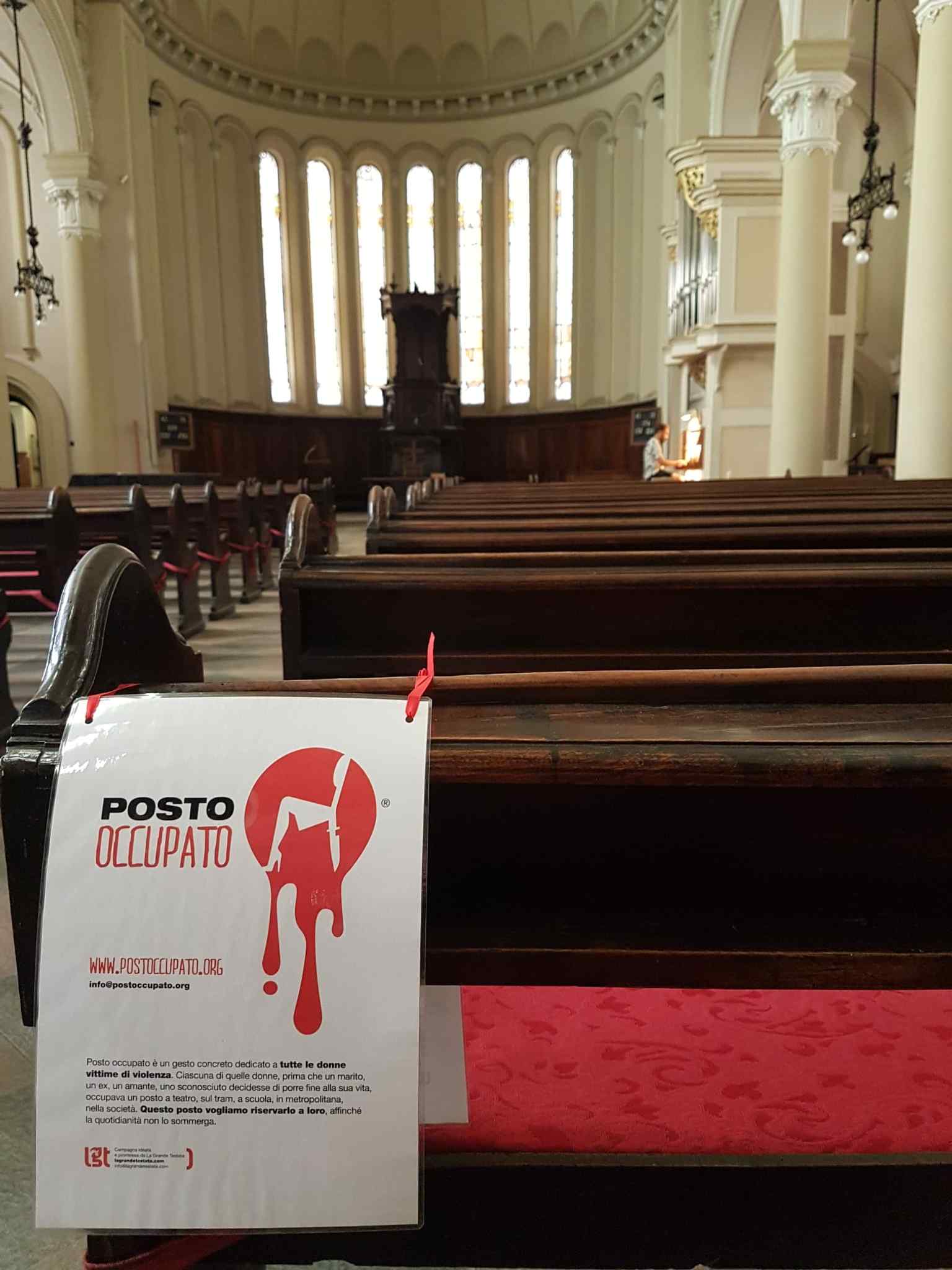
Inside, the space is organized around a soaring central hall, known as the nave, which leads to a remarkably high, two-tiered wooden pulpit. Since there were no microphones in the nineteenth century, this dramatic height allowed the pastor's voice to project clearly to the entire congregation, ensuring the preaching of the Bible remained the absolute center of the service.
Like its neighbors, the temple withstood the trials of the Second World War. Then, in 2015, something truly incredible happened. Pope Francis walked through those doors, becoming the first pontiff in history to visit a Waldensian temple. He formally asked for forgiveness for the centuries of inhuman treatment the Catholic Church had inflicted upon them, marking a profoundly triumphant moment of healing and unity.
That transformative decree of 1848 opened doors for many other communities as well, which leads us perfectly to our next stop. We are going to take a short two-minute walk over to the Synagogue of Turin. And just so you know, the temple opens its doors to the public on Sundays from 11:15 AM to 12:15 PM.





