
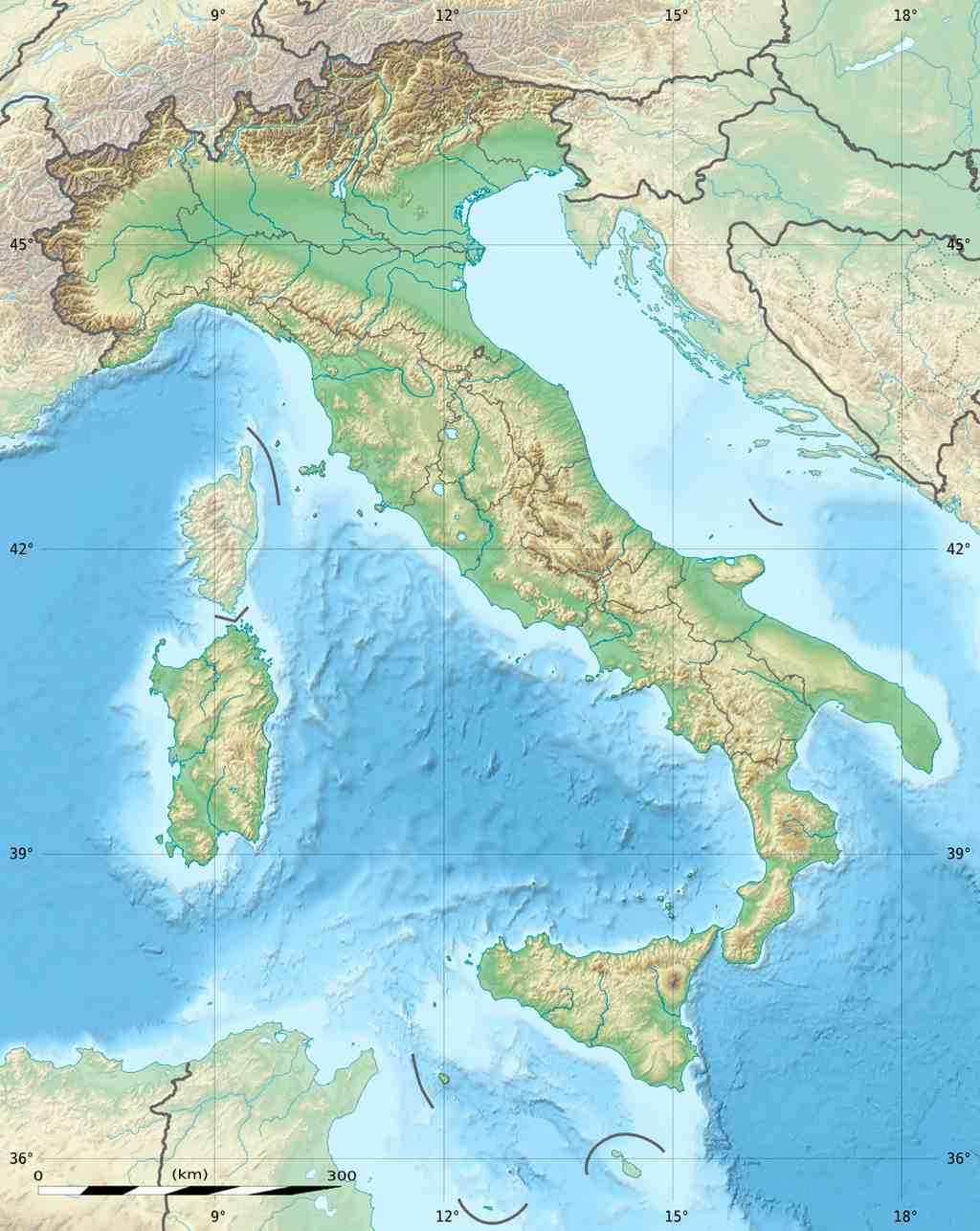
Look for the pale masonry tower with its compact rectangular body and small round dome on top, a modest scientific lookout marked by that little observatory cupola.
This is Pesaro’s reference weather station, but its story is much larger than forecasts. It begins with Luigi Guidi, a man who treated observation as a form of civic duty. Guidi was a patriot as well as a scientific organizer: he joined the revolutionary uprisings of eighteen forty-seven, went to prison for it, served the Roman Republic in eighteen forty-nine, and lived in exile in San Marino. Before anyone gave him an institution, he started with stubborn care, making weather observations first in his own home at Sant’Angelo in Lizzola in eighteen fifty-three, then later at Casa Spada here in Pesaro.
In eighteen sixty, Guidi asked Lorenzo Valerio for help. Valerio was the extraordinary general commissioner for the Marche, one of the officials helping knit this region into a newly unified Italy. He granted twenty thousand lire, a substantial sum at the time, and that support allowed this observatory to begin work in eighteen sixty-one inside the green space of the Orti Giulii. So this little tower belongs to the same century that gave Pesaro new governments, new public institutions, and new ways of imagining service to the common good. Here, disciplined note-taking joined politics, faith, and industry as part of the city’s identity.
The tower itself carried two kinds of attention. At the top sat the specola, meaning the small dome used for astronomical observation. Outside, on the grass, workers placed the meteorological instruments where they could measure the air honestly. If you glance at the image on your screen, that dome helps you read the building at a glance: part watchtower, part laboratory.
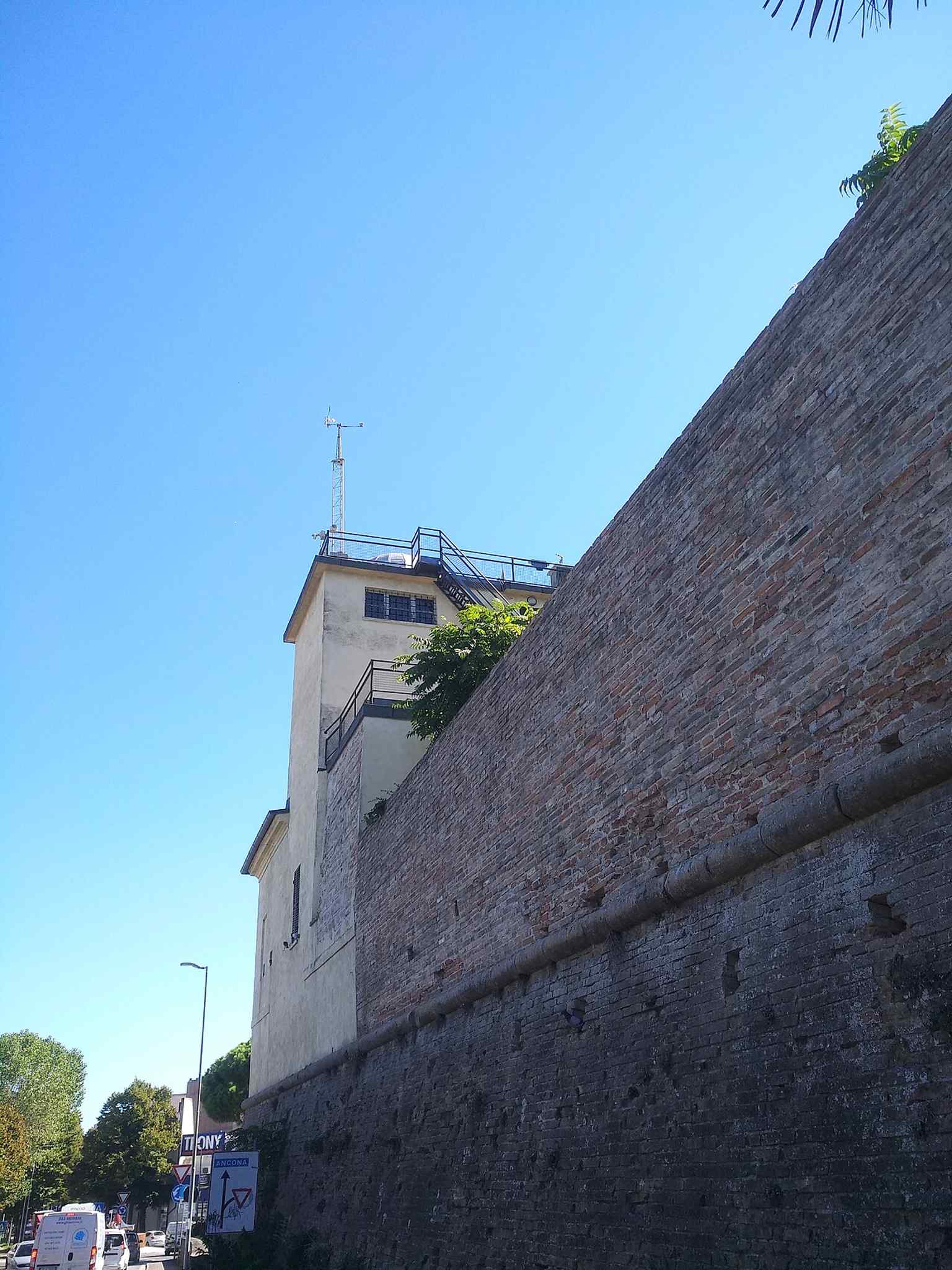
Guidi’s work survived only because others refused to let it die. When he died in eighteen eighty-three, his successor Pio Calvori inherited a structure so fragile it threatened to collapse. The city first refused restoration funds. Calvori fought on and finally secured support in eighteen eighty-five. Years later, even after blindness overtook him, he kept directing the observatory with help from his nephew, Alessandro Procacci.
And Procacci became its quiet hero. During the Second World War, he secretly dismantled almost all the instruments and carried them into the surrounding countryside. His instinct saved the collection. On the twenty-eighth of August, nineteen forty-four, bombing destroyed five rooms of the building and the observatory dome. Only the meteorograph was lost; everything else returned after reconstruction in nineteen forty-seven. Even then, the work restarted slowly, not because the walls were broken, but because the staff lacked simple supplies like lacquered paper and glass pens for the recording instruments. Science can depend on something as humble as a sheet of paper.
Inside, the old registers still survive, and since nineteen eighty-three the Guidi Museum has preserved the instruments themselves. One later director, Tito Alippi, even studied brontides, mysterious atmospheric booms like distant cannon, and installed a microsismograph, a machine for detecting tiny earth tremors. But city traffic eventually shook the instrument so much that modern urban life silenced one of the observatory’s finest tools.
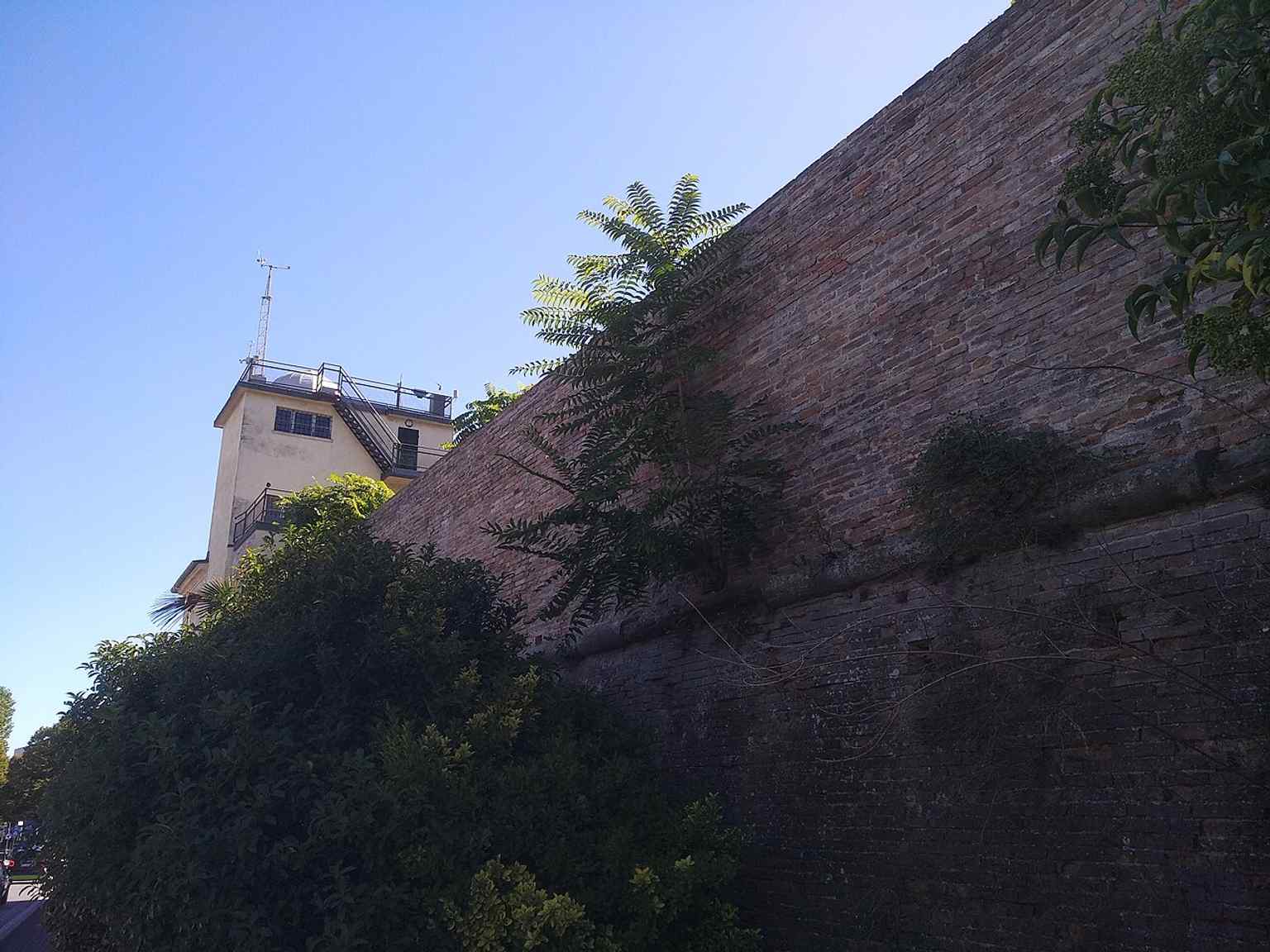
That feels very Pesaro, doesn’t it? Buildings here keep adapting, surviving pressure, and taking on new meanings without losing their earlier soul. In a few minutes, at the Church of San Giovanni Battista, we’ll meet that same pattern again in sacred architecture.






