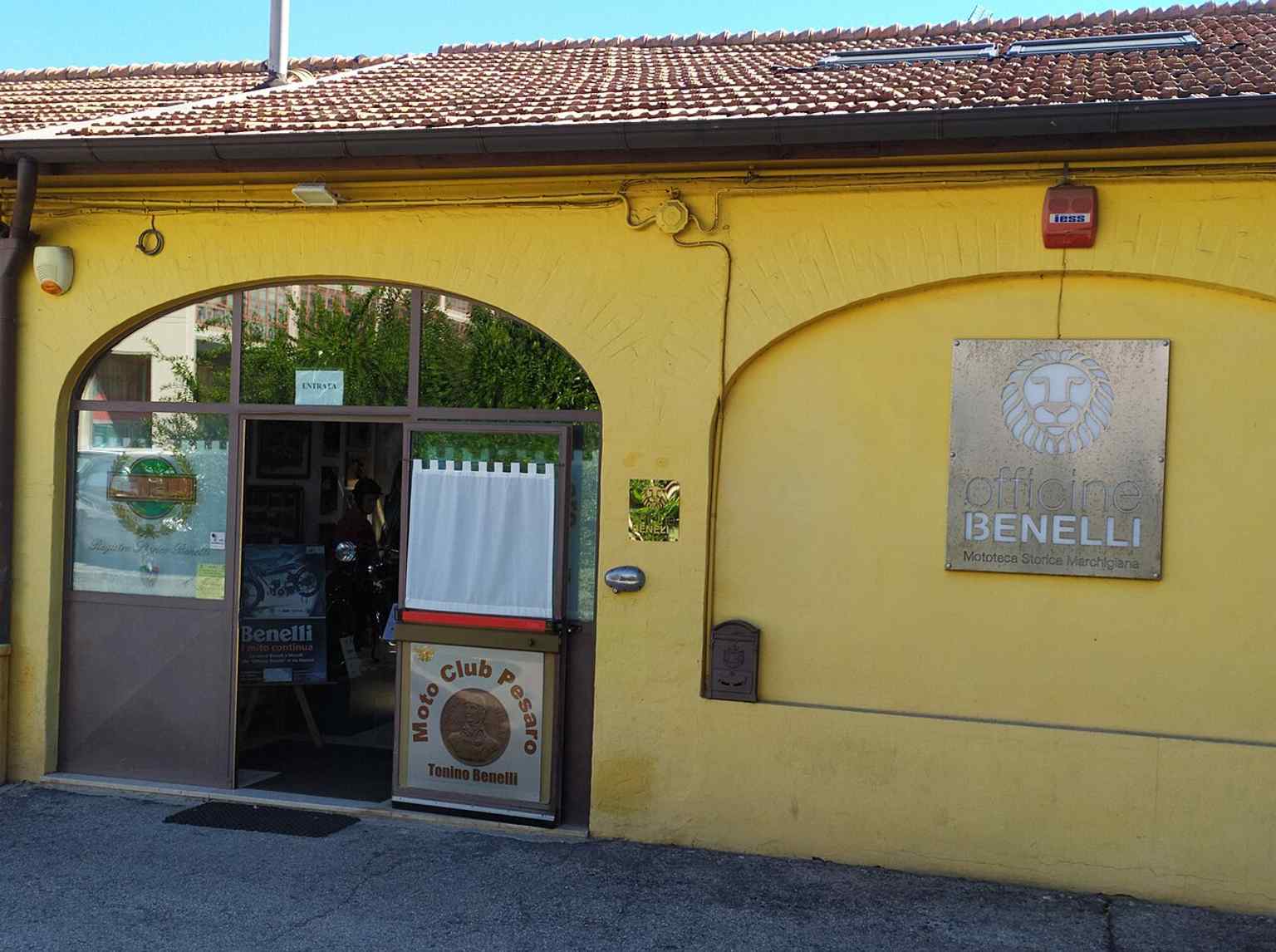
On your left, look for a long restored factory building with pale masonry walls, a low rectangular shape, and the Officine Benelli entrance set into the old industrial facade.
This is the piece of the old Benelli works that Pesaro refused to lose. The original complex spread across roughly thirty-three thousand square meters, but by the late nineteen eighties almost all of it disappeared. Only this former warehouse survived, just over a thousand square meters, and the city restored it carefully. That matters here. Pesaro has a gift for taking what remains and teaching it to speak again.
The Benelli family were practical dreamers, and they gave modern Pesaro one of its clearest identities: try, fail, adjust, try again. Locals cherish the almost awkward beginning. In nineteen nineteen, Benelli had not yet made a true motorcycle. They strapped a tiny seventy-five c-c two-stroke engine onto a bicycle frame... and the frame simply could not handle the stress.
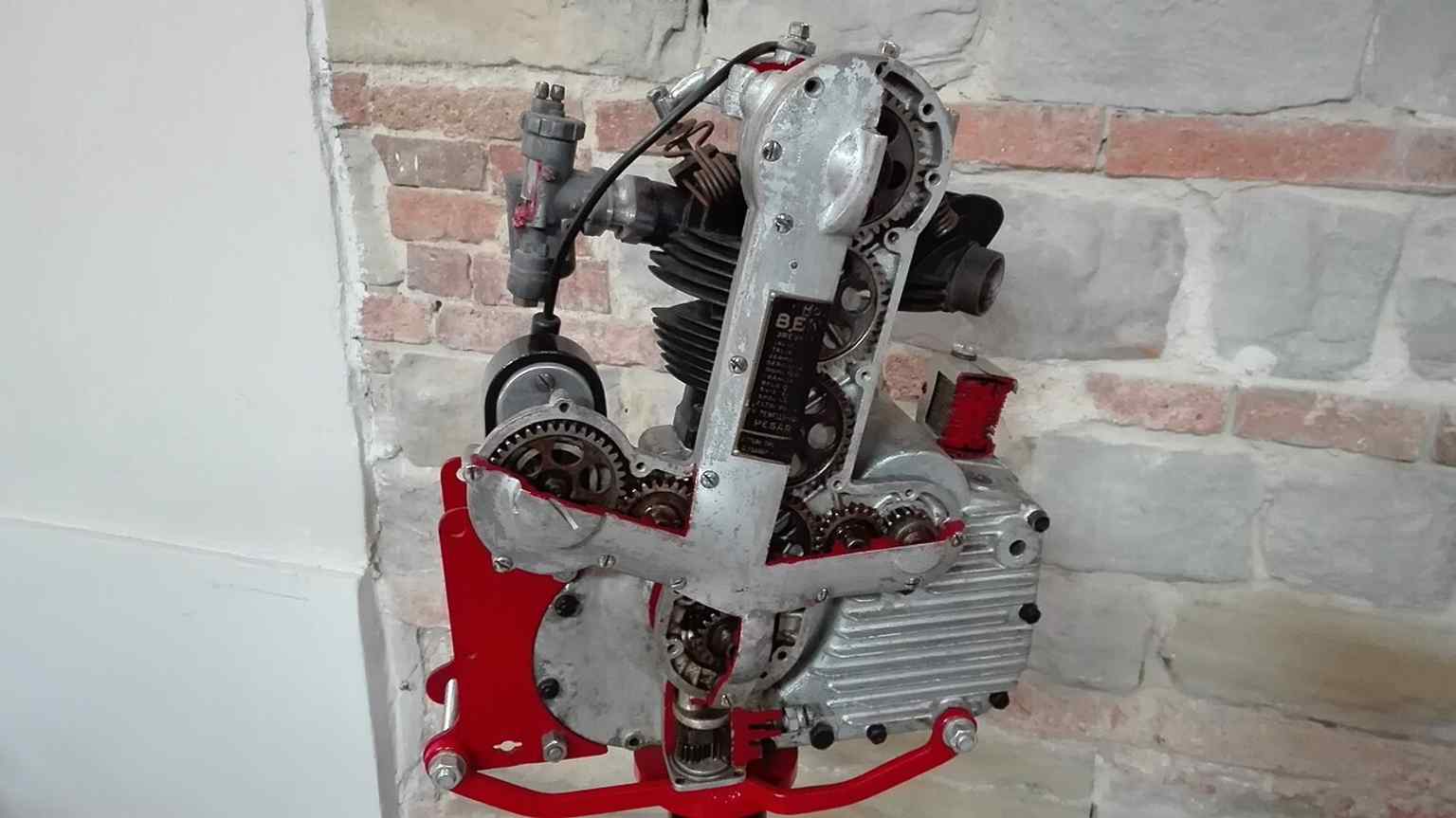
Giuseppe Benelli turned that failure into a breakthrough. In nineteen twenty-six, he designed a one hundred seventy-five c-c four-stroke racer with an overhead camshaft and a distinctive cascade of four gears. That machine became the foundation for Tonino Benelli, who rode it to Italian championships in nineteen twenty-seven, nineteen twenty-eight, nineteen thirty, and nineteen thirty-one.
Then the workshop grew into a force. In nineteen thirty-two, the brothers bought the old Molaroni sawmill sheds here on what became viale Mameli, pushing Pesaro further into its industrial future. By the time riders Alberti and Sandri lined up at the Tripoli Grand Prix in nineteen thirty-five, Benelli was looking far beyond the local market.
War shattered that momentum, but the comeback came on two wheels. The Leoncino helped bring the company back into everyday Italian life, and in nineteen fifty-three Tartarini won the first Motogiro d'Italia on a Benelli, turning that model into a symbol of recovery.
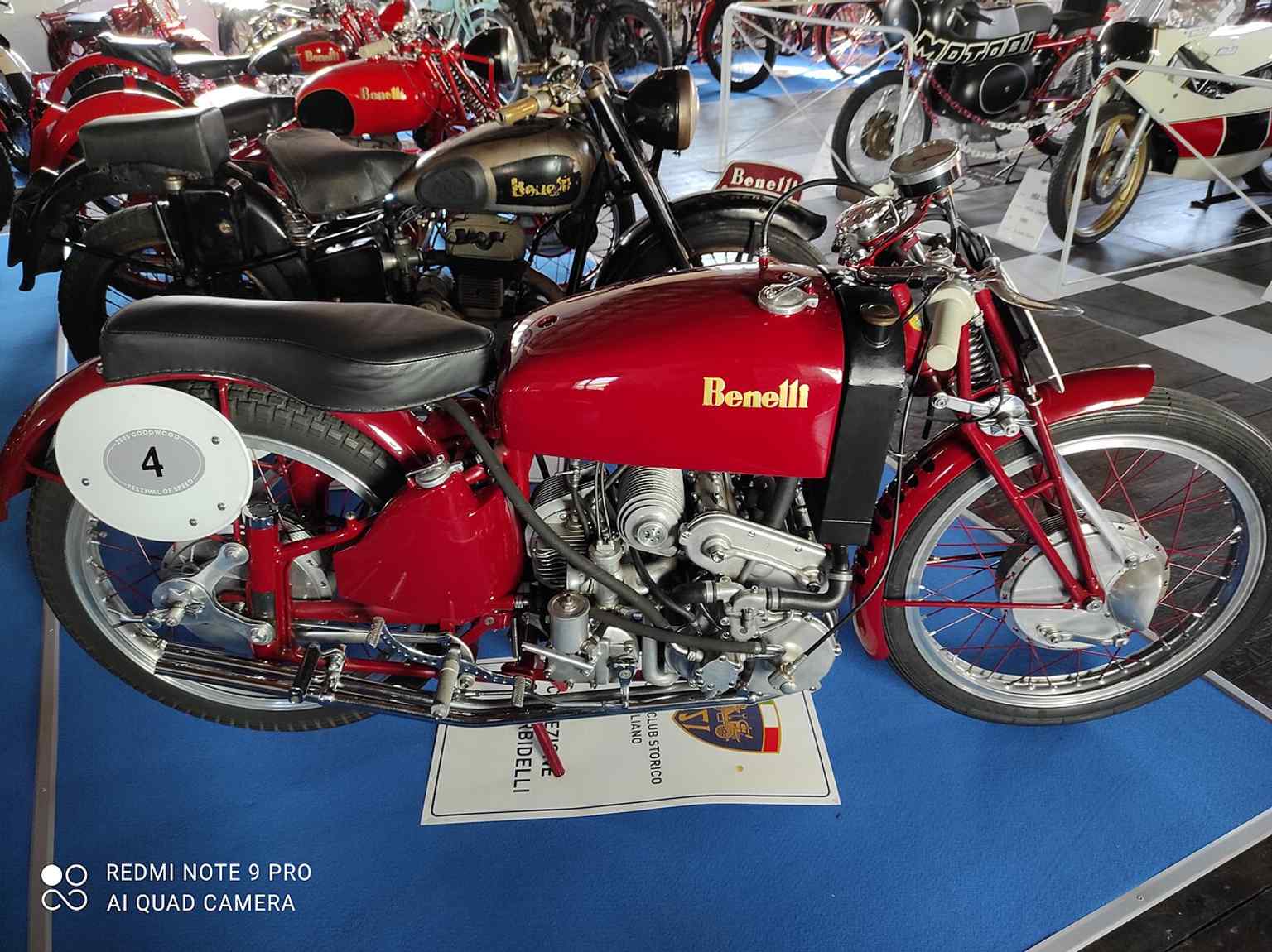
Inside, the museum holds about two hundred motorcycles, many lent by members of the Registro Storico Benelli and the Moto Club Pesaro Tonino Benelli, so it keeps changing like a living garage. One room honors Paolo Prosperi, a founder who spent decades protecting this memory. If you glance at your screen, you can see the De Tomaso-era machines, when Benelli chased huge ambition with four- and six-cylinder bikes. And that close engine view shows the kind of precision Giuseppe loved.
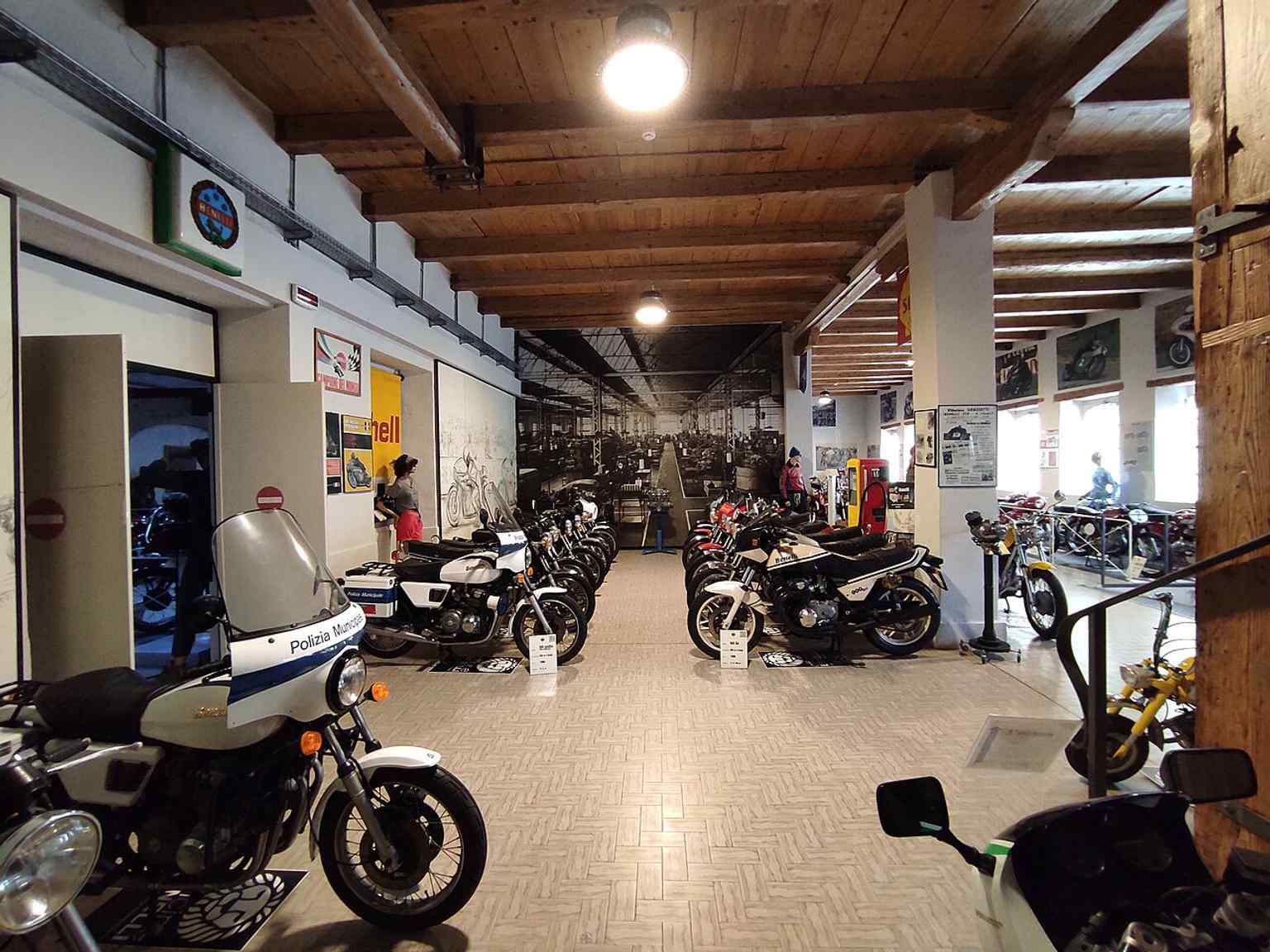
Since two thousand twenty-one, the Morbidelli collection has lived upstairs too, a return home for masterpieces gathered by Pesaro-born collector Giancarlo Morbidelli.
Here, engines become another local music... metal, risk, timing, applause. Next, we trade speed for sky at the Valerio Observatory, about a five-minute walk away. If you want to come back, the museum generally opens Monday through Saturday from nine to one and from four-thirty to seven, and it stays closed on Sunday.