AudaTours logoAudaTours

Stop 14 of 16

Church of Saint Nicholas the Arena

Church of Saint Nicholas the Arena
Church of San Nicolò l'Arena
Church of San Nicolò l'ArenaPhoto: Nicolò Arena, Wikimedia Commons, CC BY-SA 4.0. Cropped & resized.

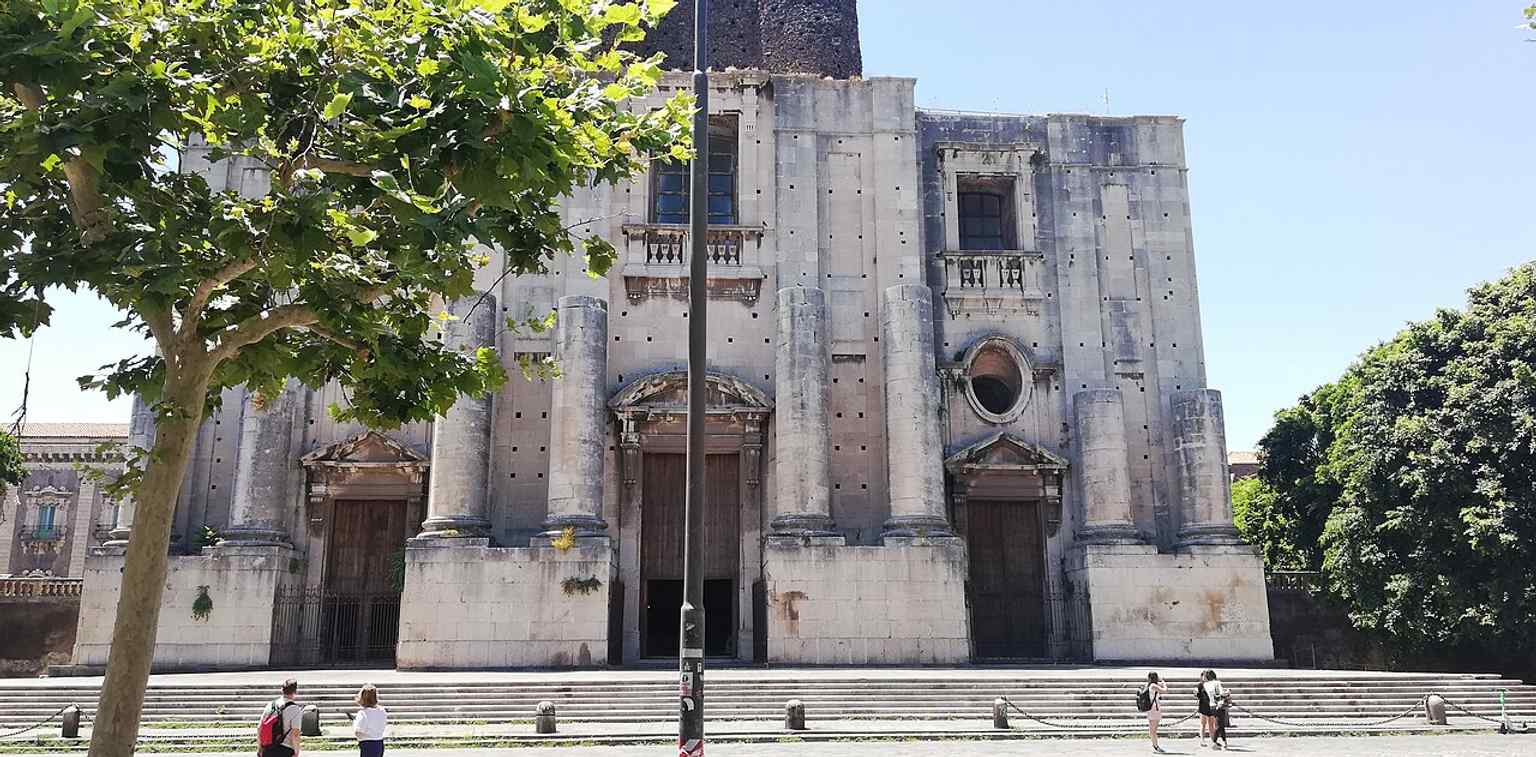
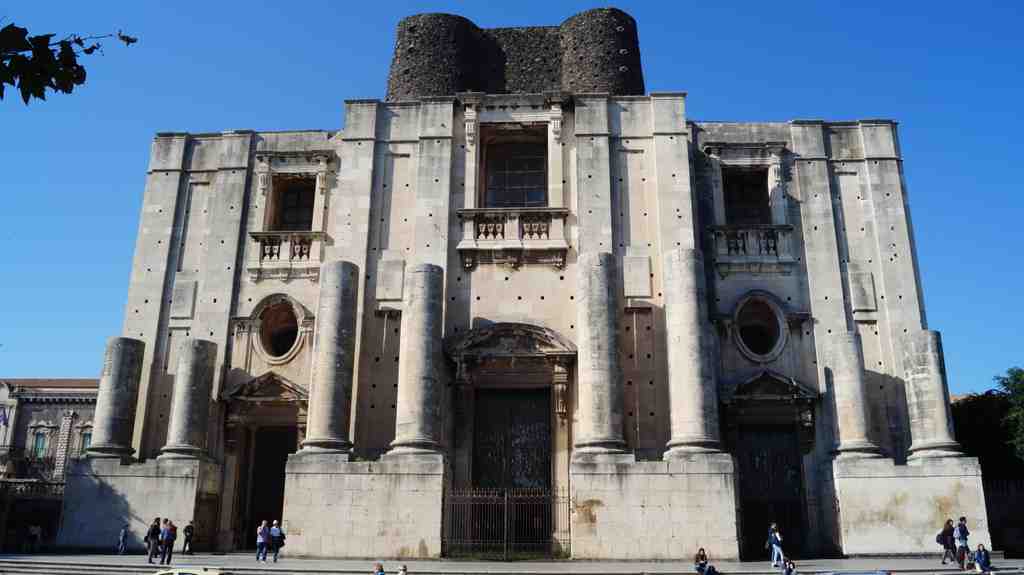
On your left stands a vast pale-stone church with an unfinished front of giant half-height columns, three dark portals, and a broad central window.

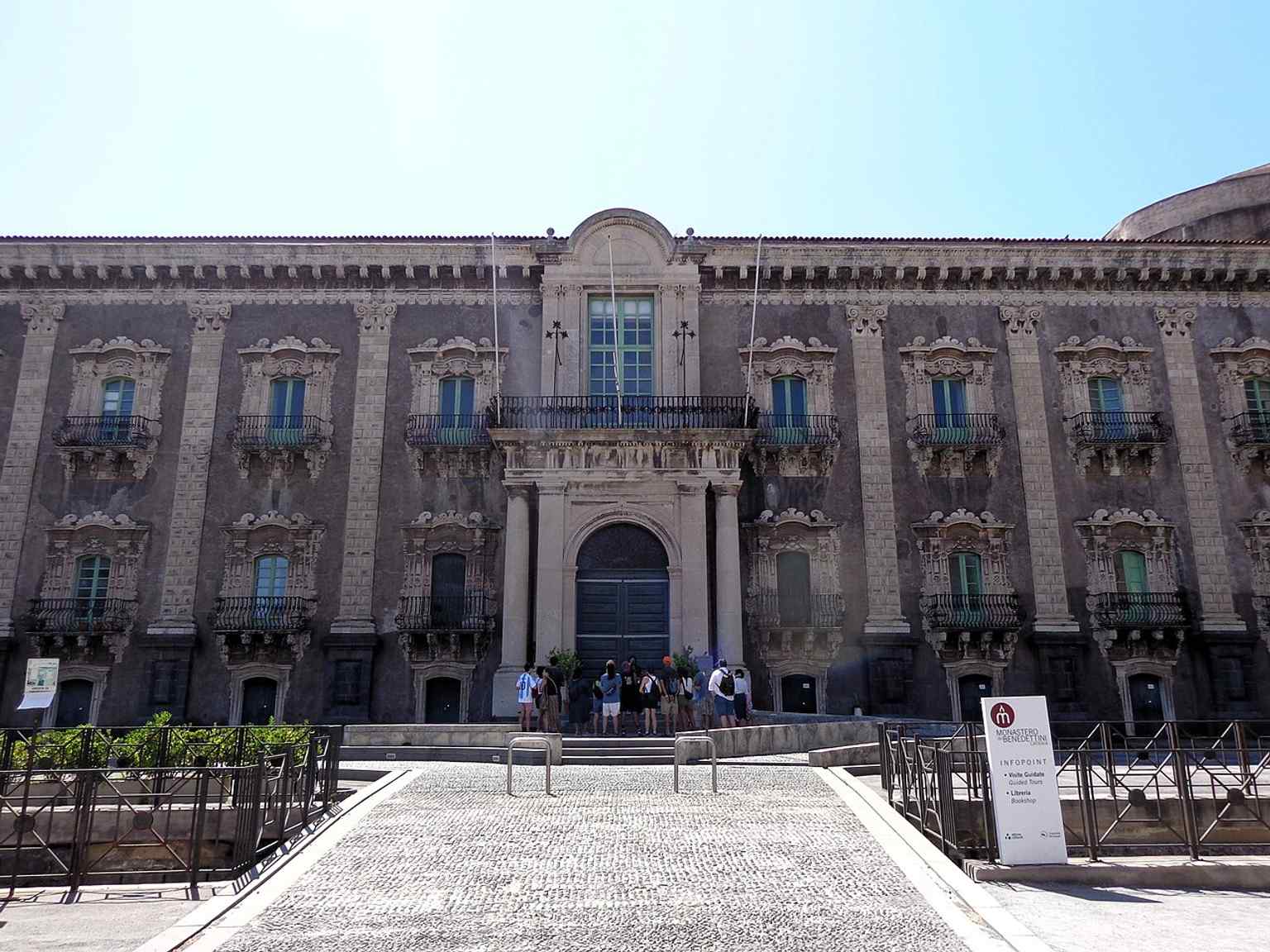
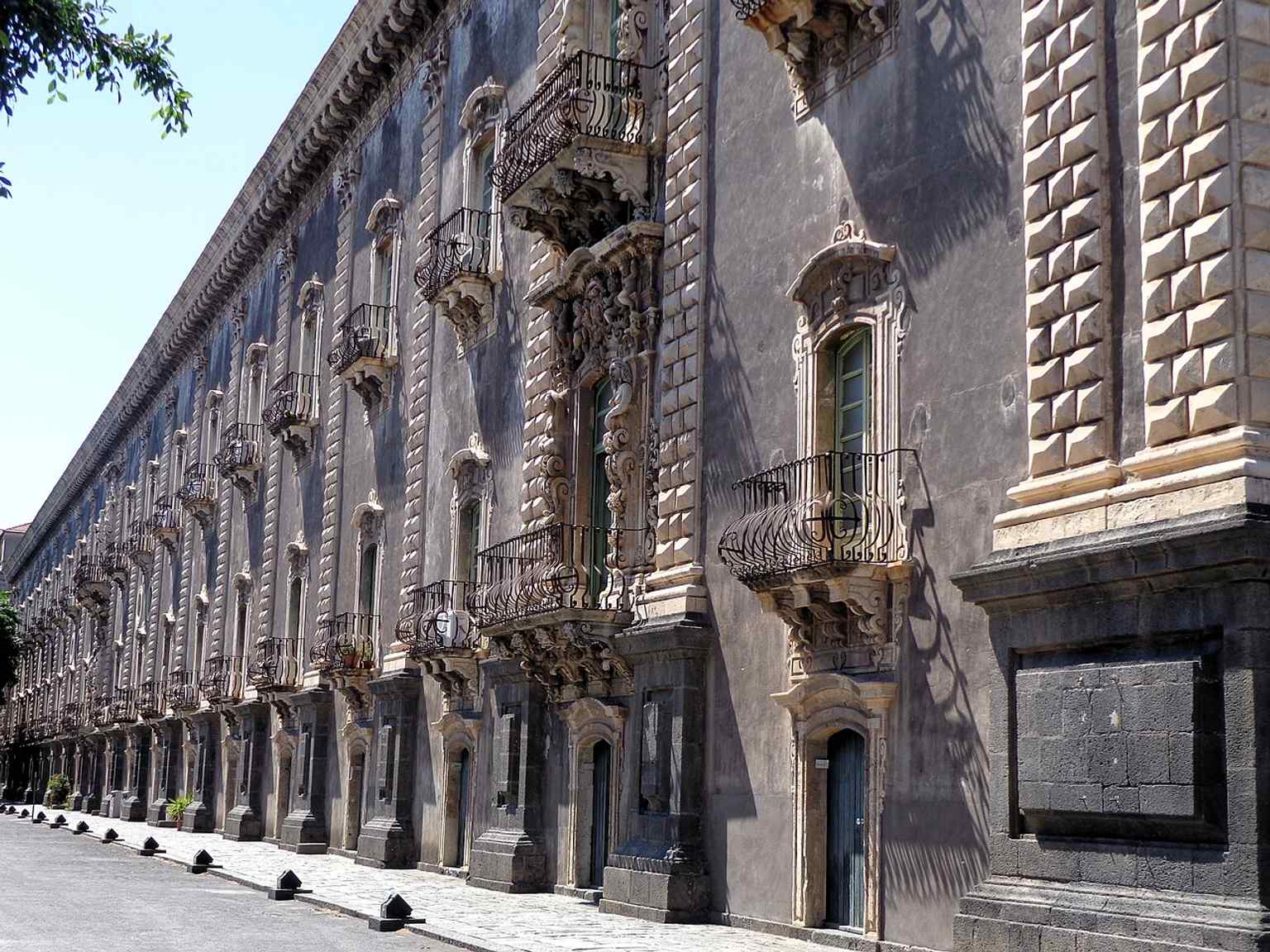
This is San Nicolò l'Arena, the largest church in Sicily. The Benedictines of San Nicolò l'Arena were not simply monks at prayer. They were adaptive builders and preservers who kept shifting their ground when Etna threatened them, carried their learning with them, and eventually changed the scale of Catania. This church and the immense monastery behind it turned this whole district into a world of worship, study, and power.

Their story began at Nicolosi, where an earlier monastery stood on reddish volcanic soil. That is where Arena, or Rena, comes from: the burnt red sand of the place. In the sixteenth century the monks sought greater safety inside Catania’s walls, tired of eruptions and of raiders who made country life dangerous. They opened a city monastery in fifteen seventy-eight.

Then Etna answered again. In sixteen sixty-nine lava overran western Catania, swallowed the Benedictines’ bastion, and destroyed their first city church. The heat baked the ground so fiercely that it returned to that same red sand from which their name had come. So the monks began again, a little farther south. In sixteen eighty-seven the Roman architect Giovanni Battista Contini planned a church on a scale Catania had never seen, with a cross-shaped layout and a dome inspired by Saint Peter’s in Rome.

Then came the earthquake of sixteen ninety-three, and nearly thirty years of argument over whether to rebuild here or move elsewhere. At last the work resumed. One of the men who carried it forward was Stefano Ittar. After structural trouble appeared on the right side, he took over from his father-in-law Francesco Battaglia and, in seventeen eighty, raised the great dome that still commands the city. In the app image, you can see how that dome gathers the entire interior beneath it.
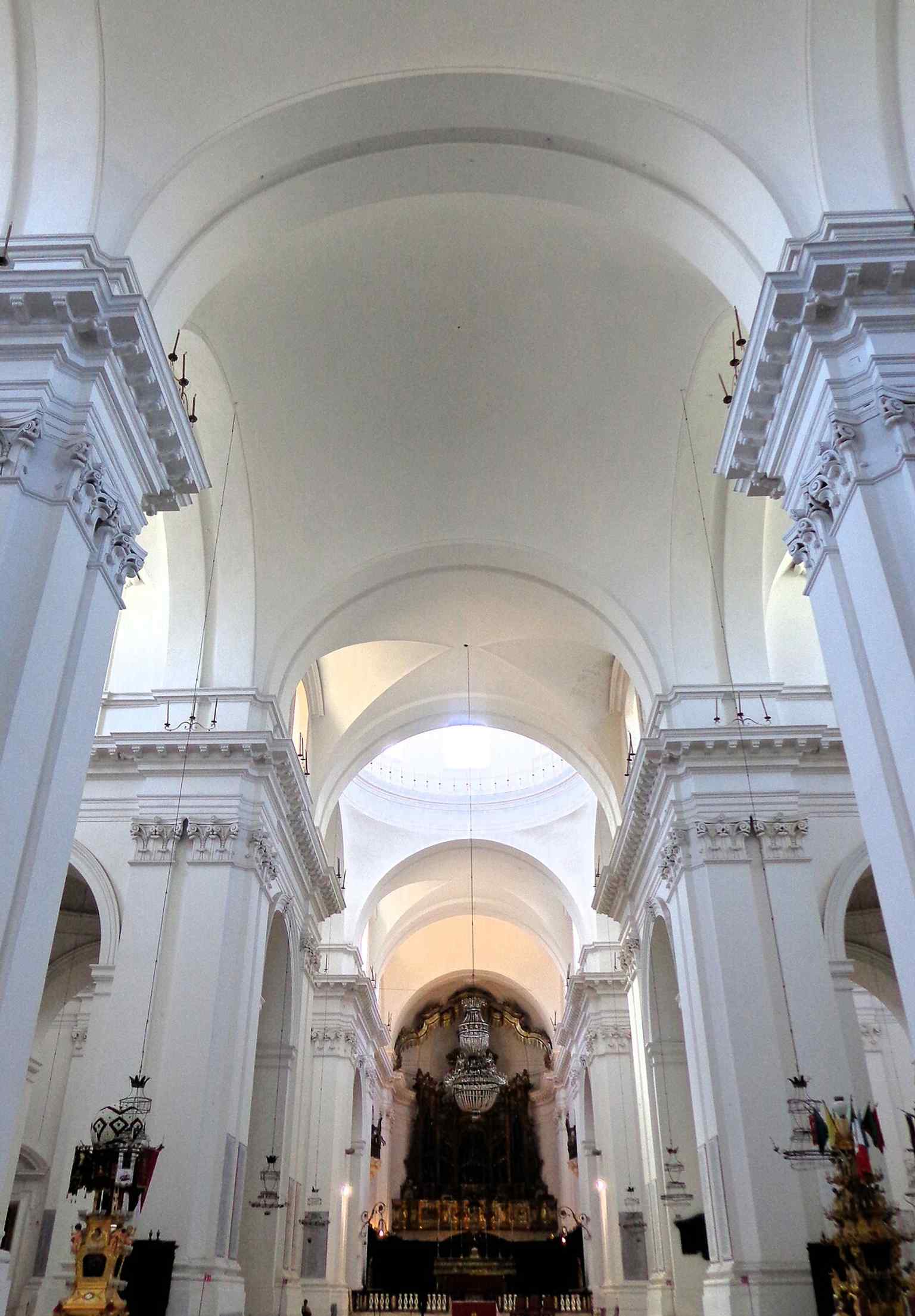
The soaring cupola and central crossing — one of the key features completed by Stefano Ittar and visible from deep inside the church.
The soaring cupola and central crossing — one of the key features completed by Stefano Ittar and visible from deep inside the church.Photo: Effems, Wikimedia Commons, CC BY-SA 4.0. Cropped & resized.

This immensity had a purpose. Every September, crowds came for the feast of the Santo Chiodo, a relic believed to be a nail from Christ’s crucifixion, kept in a glittering reliquary. The monks wanted a church that could hold a multitude and proclaim the strength of their monastery. Yet the unfinished front before you tells a quieter truth. Carmelo Battaglia Santangelo designed this grand facade, but in seventeen ninety-seven the Benedictines fell into a bitter dispute with their stone suppliers. Deliveries stopped, money tightened, and the columns remained cut short. When the Italian state confiscated the complex in eighteen sixty-six, the front stayed unfinished.

Even later, bombing in nineteen forty-three tore through parts of the church, and for decades it stood wounded before restoration slowly brought it back. That is why this place feels so moving near the end of a walk through Catania. It is not merely enormous. It has endured.

Take a moment to measure it with your eyes: the broken-off columns, the long mass of the church, the dome rising behind. Imagine the nerve it took to build something this ambitious in a city that had already taught its builders how fragile plans can be.

And yet the Benedictines did not build only in lava stone. They built with books, copied pages, and stored memory itself. In a couple of minutes, we will follow that quieter inheritance to the combined Civic Library and the A. Ursino Recupero collection. If you plan to go inside here first, the church generally opens every day from nine in the morning until five thirty in the afternoon.
The church’s unfinished Baroque façade on Piazza Dante — its massive columns were never completed after funding disputes and the 1866 confiscation.
The church’s unfinished Baroque façade on Piazza Dante — its massive columns were never completed after funding disputes and the 1866 confiscation.Photo: Cristina Morettini 95, Wikimedia Commons, CC BY-SA 4.0. Cropped & resized.
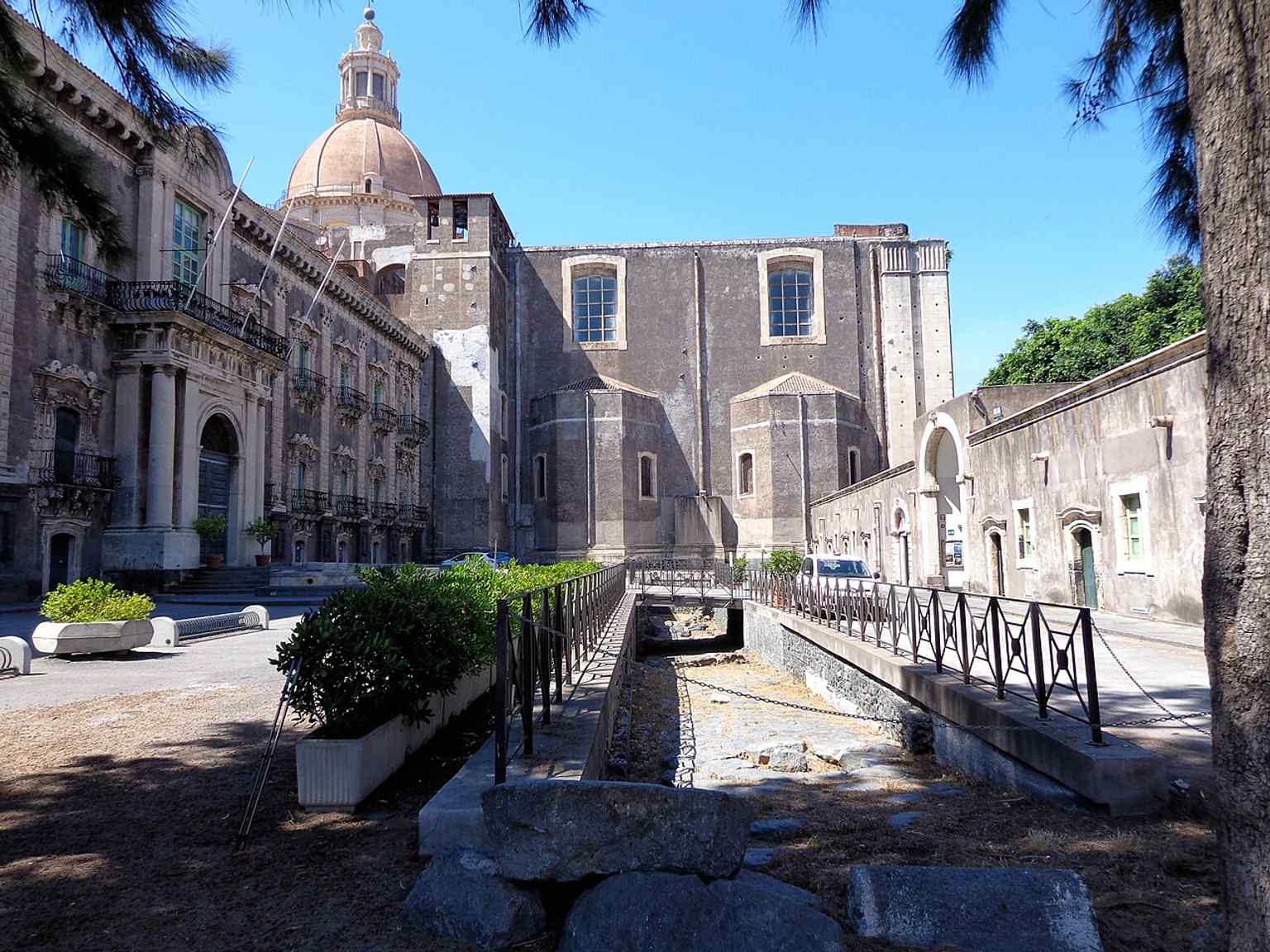
A wider exterior view that emphasizes the monumental scale of the largest church in Sicily, rebuilt after the 1669 Etna eruption.
A wider exterior view that emphasizes the monumental scale of the largest church in Sicily, rebuilt after the 1669 Etna eruption.Photo: Cristina Morettini 95, Wikimedia Commons, CC BY-SA 4.0. Cropped & resized.
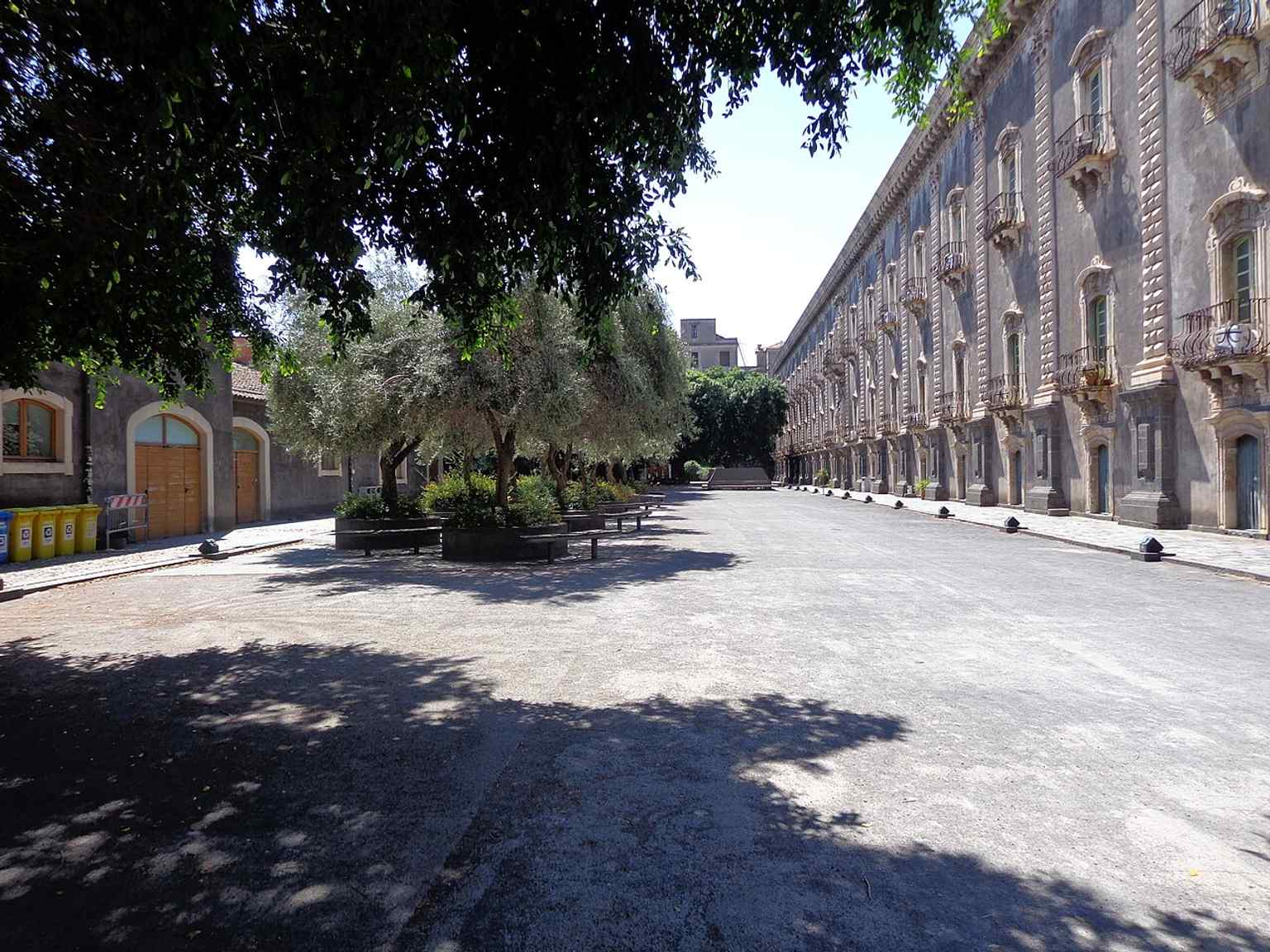
Side exterior masonry showing the enormous length of the building, a reminder that this was designed to hold huge crowds for major feasts like the Santo Chiodo.
Side exterior masonry showing the enormous length of the building, a reminder that this was designed to hold huge crowds for major feasts like the Santo Chiodo.Photo: Effems, Wikimedia Commons, CC BY-SA 4.0. Cropped & resized.
Another façade-angle view highlighting the unfinished front and the contrast between grand ambition and the halted construction.
Another façade-angle view highlighting the unfinished front and the contrast between grand ambition and the halted construction.Photo: Effems, Wikimedia Commons, CC BY-SA 4.0. Cropped & resized.
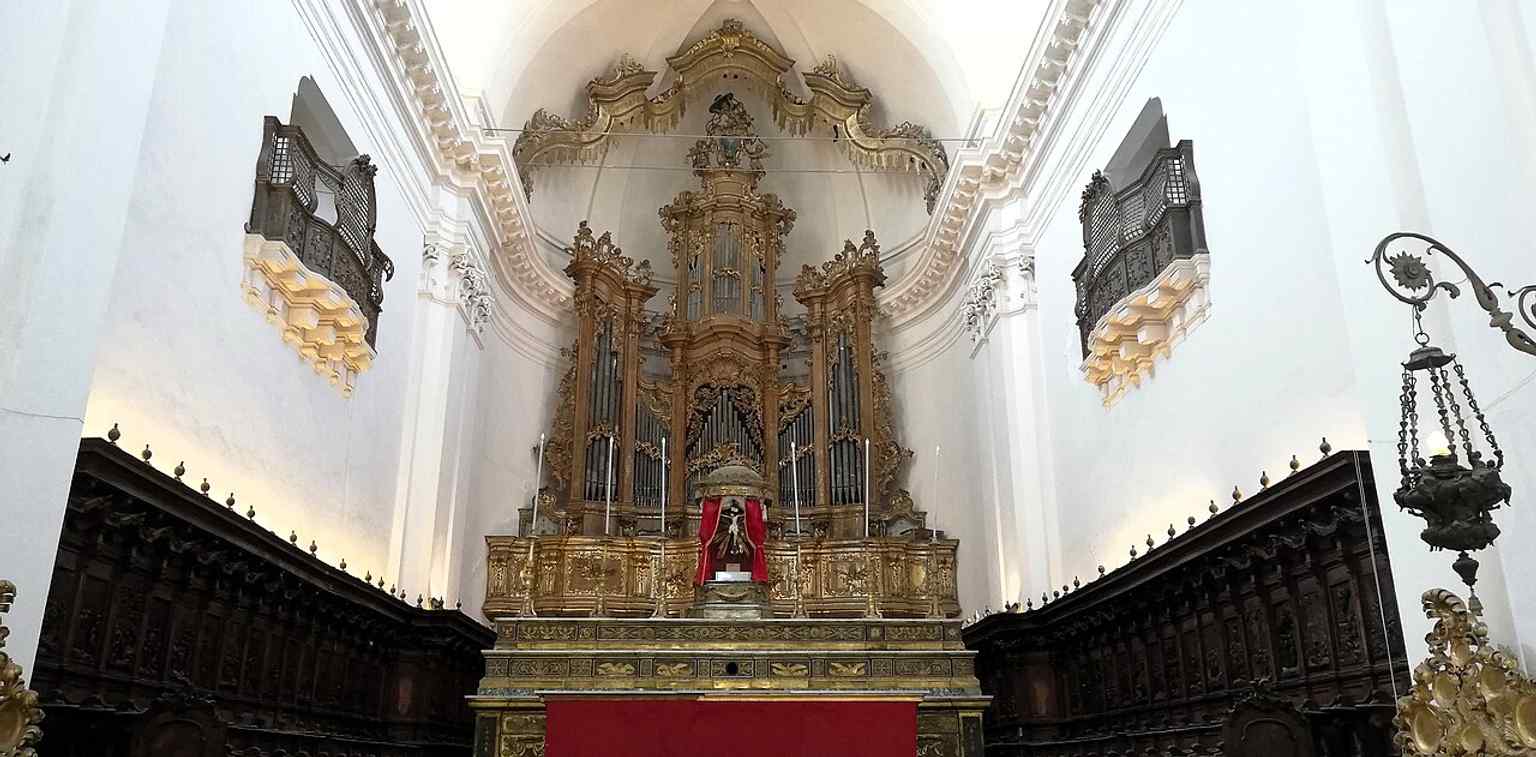
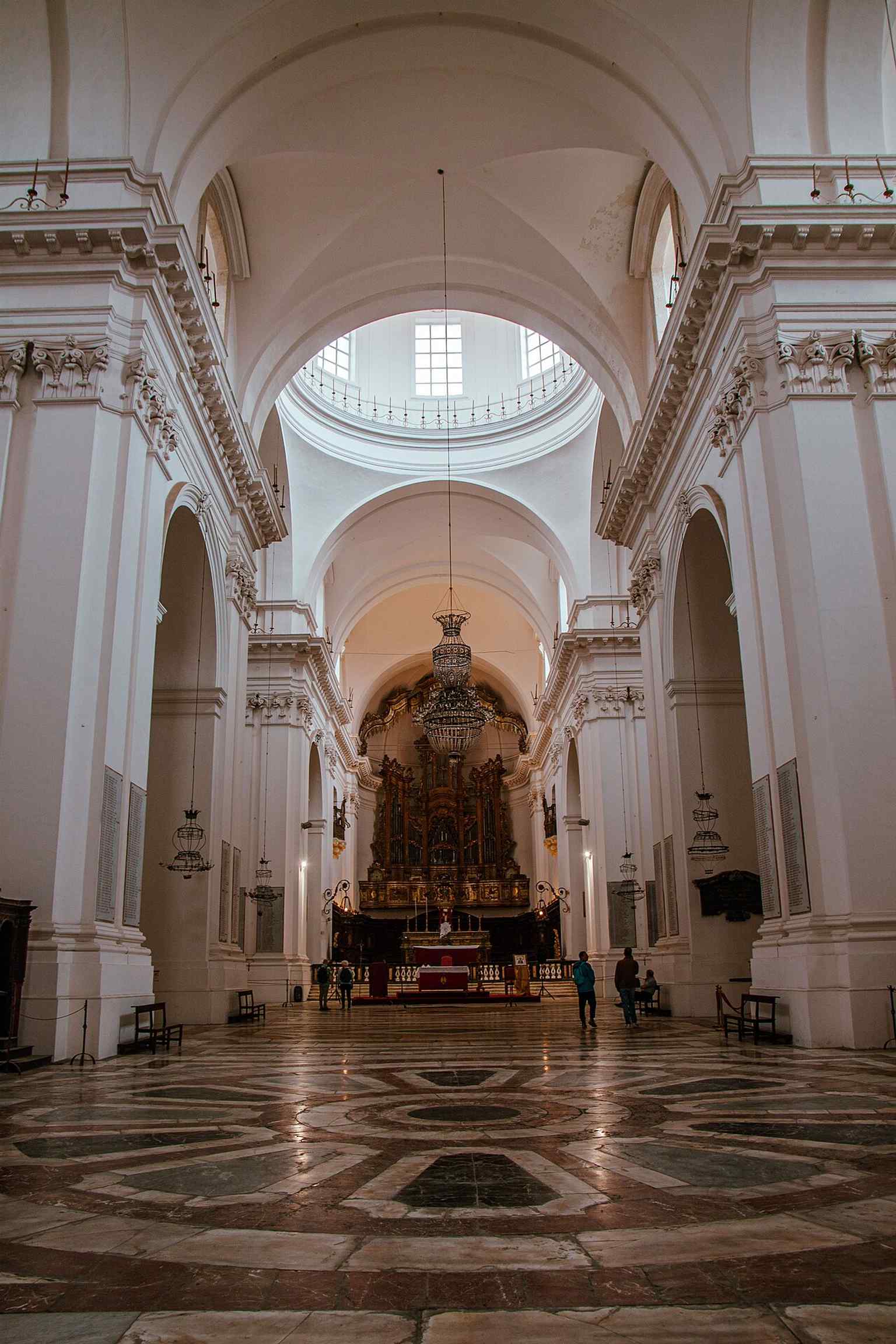
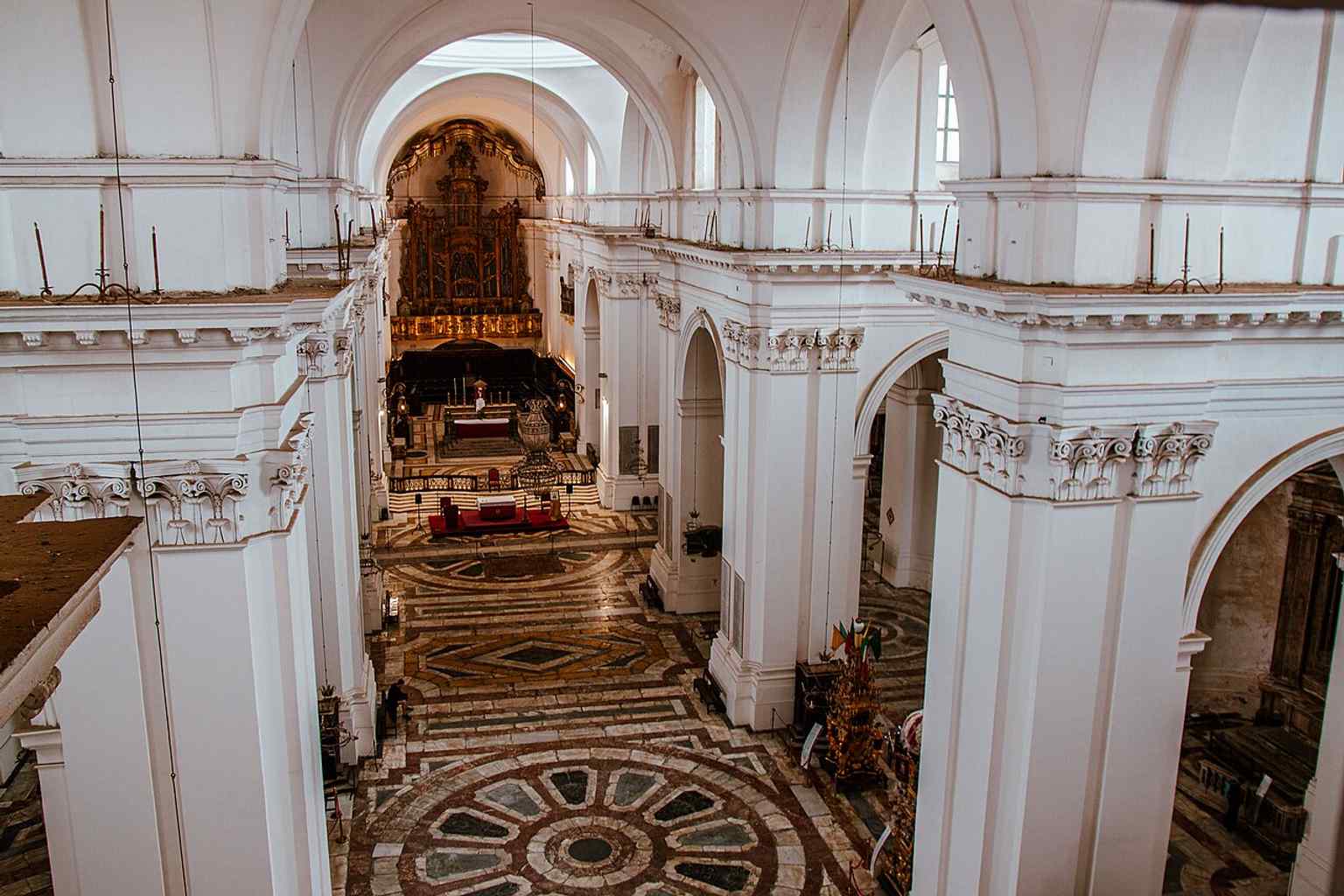
A dramatic look into the nave, where the cross-shaped plan and tall arches create the vast interior space described in the source.
A dramatic look into the nave, where the cross-shaped plan and tall arches create the vast interior space described in the source.Photo: Effems, Wikimedia Commons, CC BY-SA 4.0. Cropped & resized.
A closer interior view that helps convey the marble-lined side chapels and the richly decorated spaces funded by the Benedictines.
A closer interior view that helps convey the marble-lined side chapels and the richly decorated spaces funded by the Benedictines.Photo: Effems, Wikimedia Commons, CC BY-SA 4.0. Cropped & resized.
An interior detail emphasizing the ornate chapels and altar furnishings, part of the church’s celebrated late-Baroque program.
An interior detail emphasizing the ornate chapels and altar furnishings, part of the church’s celebrated late-Baroque program.Photo: Effems, Wikimedia Commons, CC BY-SA 4.0. Cropped & resized.
A closer view of the monumental interior architecture, where pilasters, cornices, and chapel decoration reflect the Roman Baroque influence.
A closer view of the monumental interior architecture, where pilasters, cornices, and chapel decoration reflect the Roman Baroque influence.Photo: Effems, Wikimedia Commons, CC BY-SA 4.0. Cropped & resized.
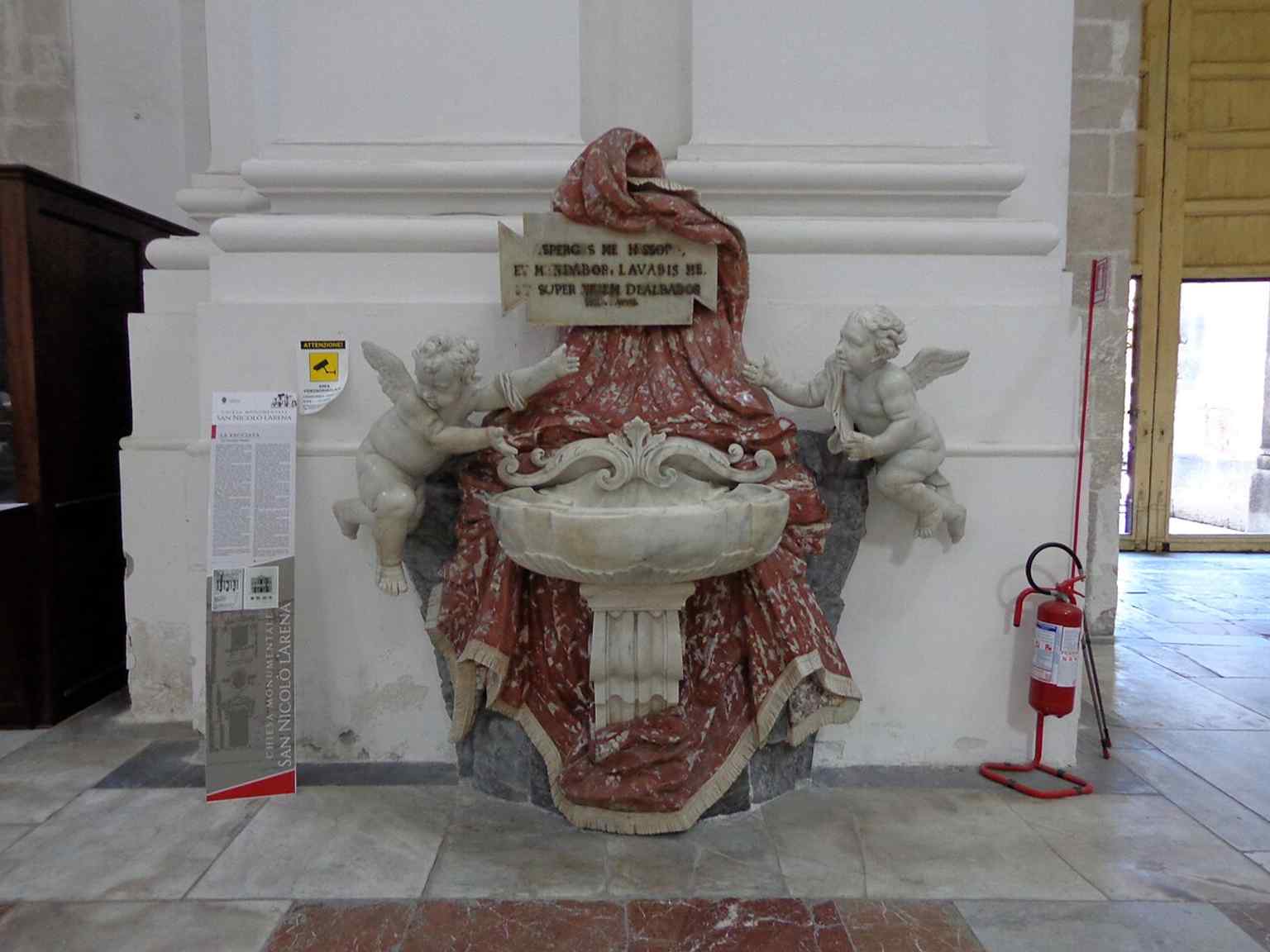
Another richly decorated interior detail, fitting for the source’s emphasis on precious marbles and elaborate chapels.
Another richly decorated interior detail, fitting for the source’s emphasis on precious marbles and elaborate chapels.Photo: Effems, Wikimedia Commons, CC BY-SA 4.0. Cropped & resized.
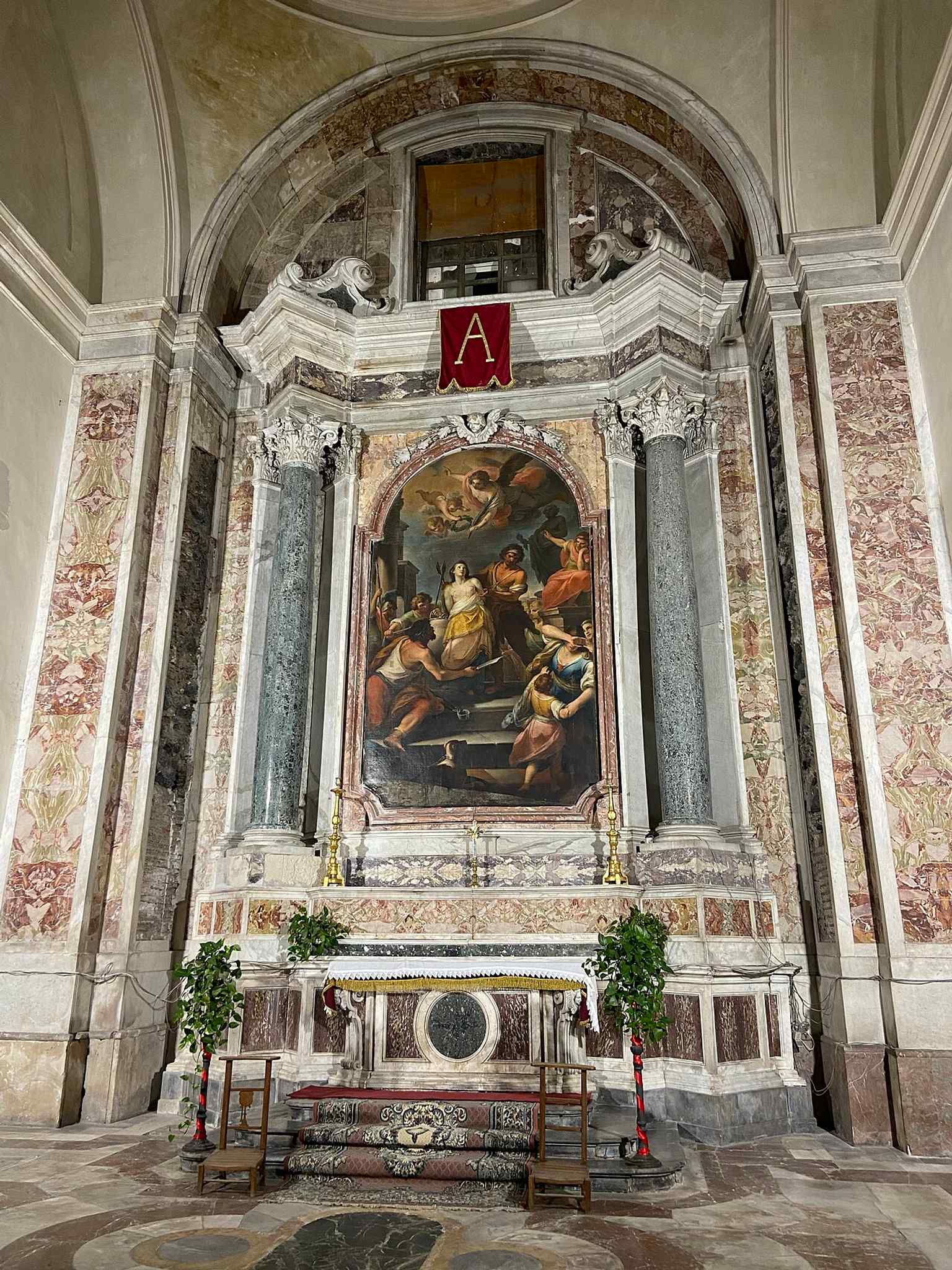
One of the side altars, showing the kind of marble-clad chapels commissioned by the abbots with paintings by major Italian artists.
One of the side altars, showing the kind of marble-clad chapels commissioned by the abbots with paintings by major Italian artists.Photo: RiriRocker05, Wikimedia Commons, CC BY-SA 4.0. Cropped & resized.
arrow_back Back to Catania Audio Tour: Echoes of Empires and Baroque Splendor
Loved by travellers

Thousands of tours started.
Plenty of opinions.

4.8 across the App Store and Google Play. Here's a few we keep coming back to.

starstarstarstarstar
This was a solid way to get to know Brighton without feeling like a tourist. The narration had depth and context, but didn't overdo it.
Christoph
Christoph
Brighton Tour
starstarstarstarstar
Started this tour with a croissant in one hand and zero expectations. The app just vibes with you, no pressure, just you, your headphones, and some cool stories.
download Get the app

Pop your headphones in.
Step outside.

Free to download. Tours in every city. Start in 60 seconds — no account, no card.

Download on the App StoreGet it on Google Play
starstarstarstarstar_half
4.8
AudaTours app icon
headphones
~ 4 min until your first tour starts
public
1,000+ cities worldwide
all_inclusive
AudaTours
Unlimited

Every tour. Every city. One subscription.

3101 tours2271 cities138 countries50+ languages