AudaTours logoAudaTours

Stop 13 of 14

Biblioteche Riunite Civica e A. Ursino Recupero

Biblioteche Riunite Civica e A. Ursino Recupero
Biblioteche riunite Civica and A. Ursino Recovery
Biblioteche riunite Civica and A. Ursino RecoveryPhoto: Rita angela carbonaro, Wikimedia Commons, CC BY-SA 3.0. Cropped & resized.

On your right, look for the long pale-stone monastery wing with its tall rectangular doorway, rows of high windows, and the solemn, oversized scale of the old Benedictine complex.

This final stop feels less like a building and more like a promise Catania kept with its own memory. The Biblioteche Riunite, the combined Civic Library and the A. Ursino Recupero Library, took shape in nineteen thirty-one, when the city joined two great collections under one roof. But their roots reach much deeper... into the life of the Benedictine monastery around you.

The oldest heart of this place began in fifteen seventy-eight, when the monks moved down from Nicolosi on Mount Etna and carried their books with them, along with a relic called the Holy Nail, in a solemn procession into the city. For Benedictines, collecting books was not a hobby. It was part of their calling: to preserve learning, to copy texts by hand, to keep memory alive when memory could so easily vanish.

And vanish it nearly did. In the earthquake of sixteen ninety-three, part of the collection was lost. Yet only fifteen days later, the monks built a wooden shelter for the rescued books and opened a place for surviving scholars to read. I love that image... a wounded city, and in the middle of it, people making room for books.

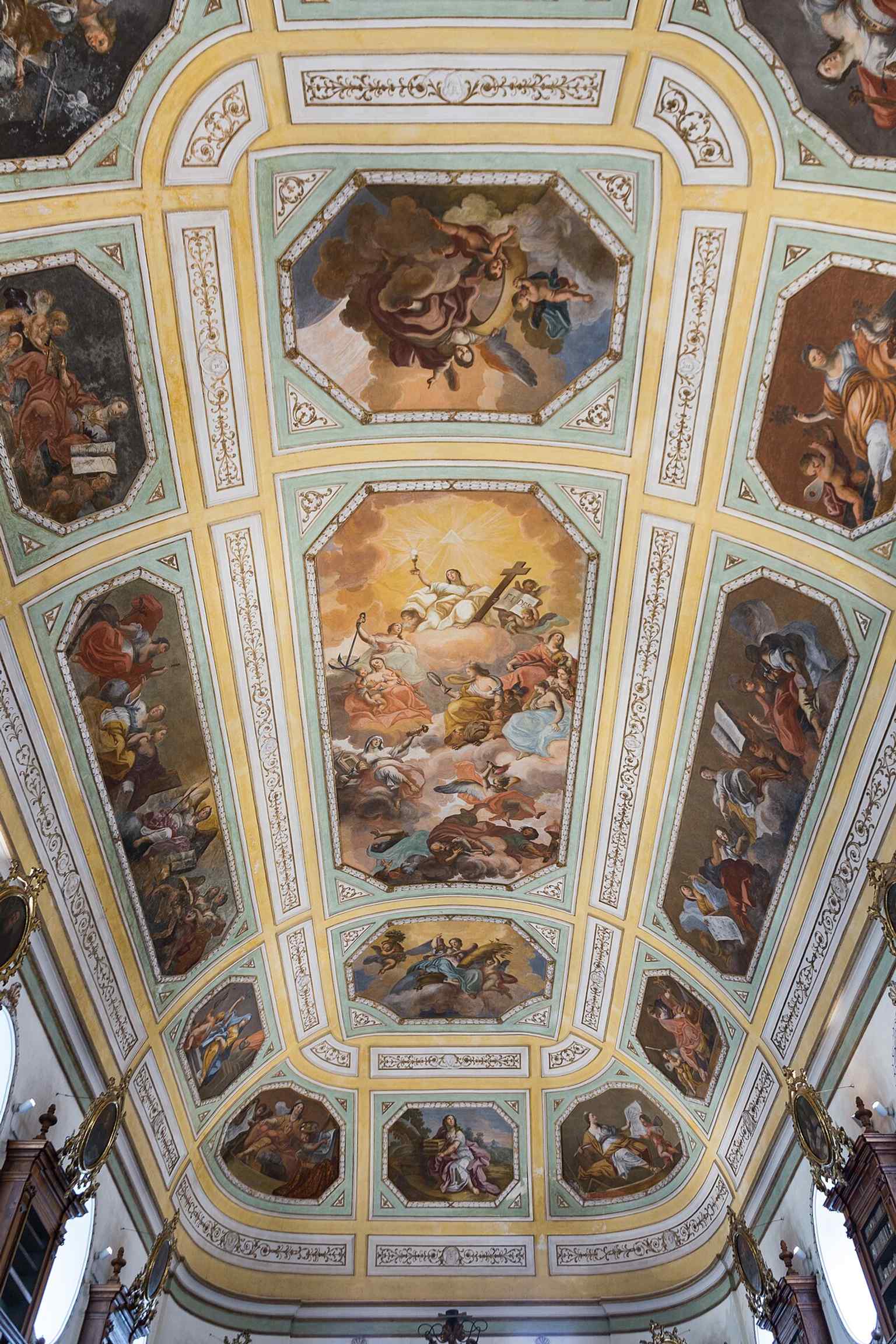
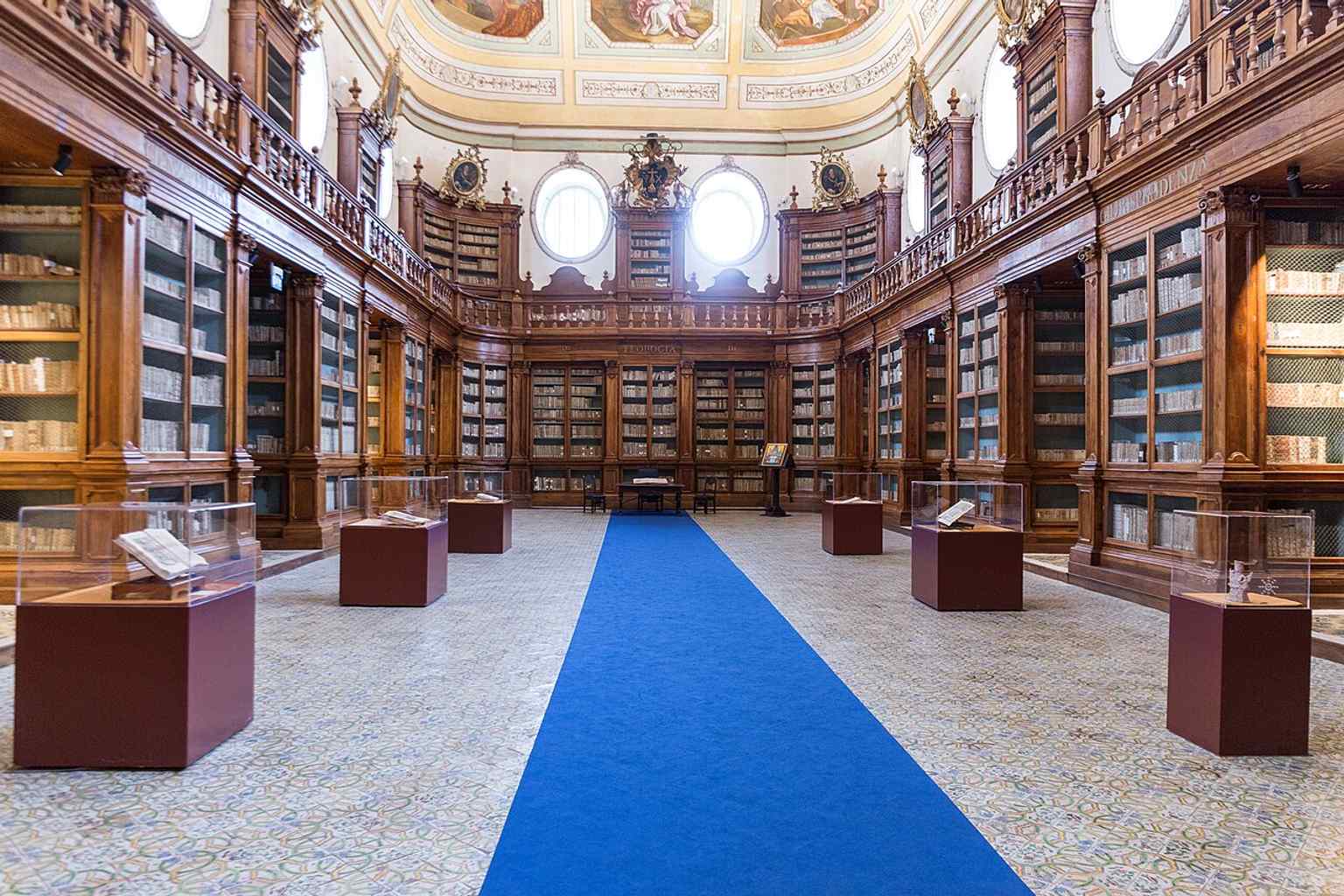
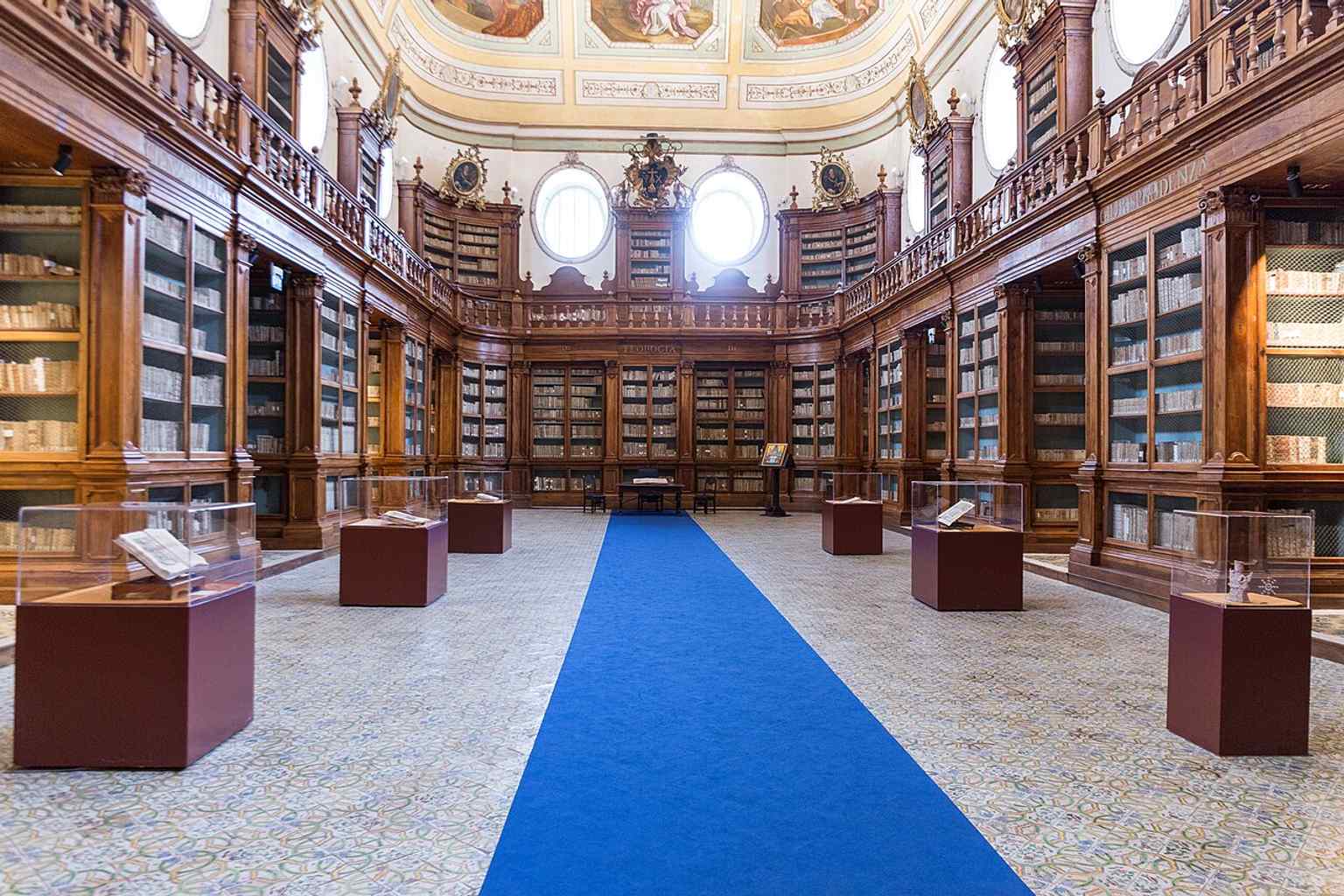
In the eighteenth century, the library grew grand again. The image shows the Sala Vaccarini, the great historic library hall designed by Giovan Battista Vaccarini, with painted ceilings, warm wood shelving, and those graceful curved corners that guide your eye from wall to wall. It is one of the few rooms in the monastery that still keeps its original character almost intact.
The Sala Vaccarini, the historic Benedictine library hall designed by Giovanni Battista Vaccarini and still preserving its original character.
The Sala Vaccarini, the historic Benedictine library hall designed by Giovanni Battista Vaccarini and still preserving its original character.Photo: Pymouss, Wikimedia Commons, CC BY 4.0. Cropped & resized.

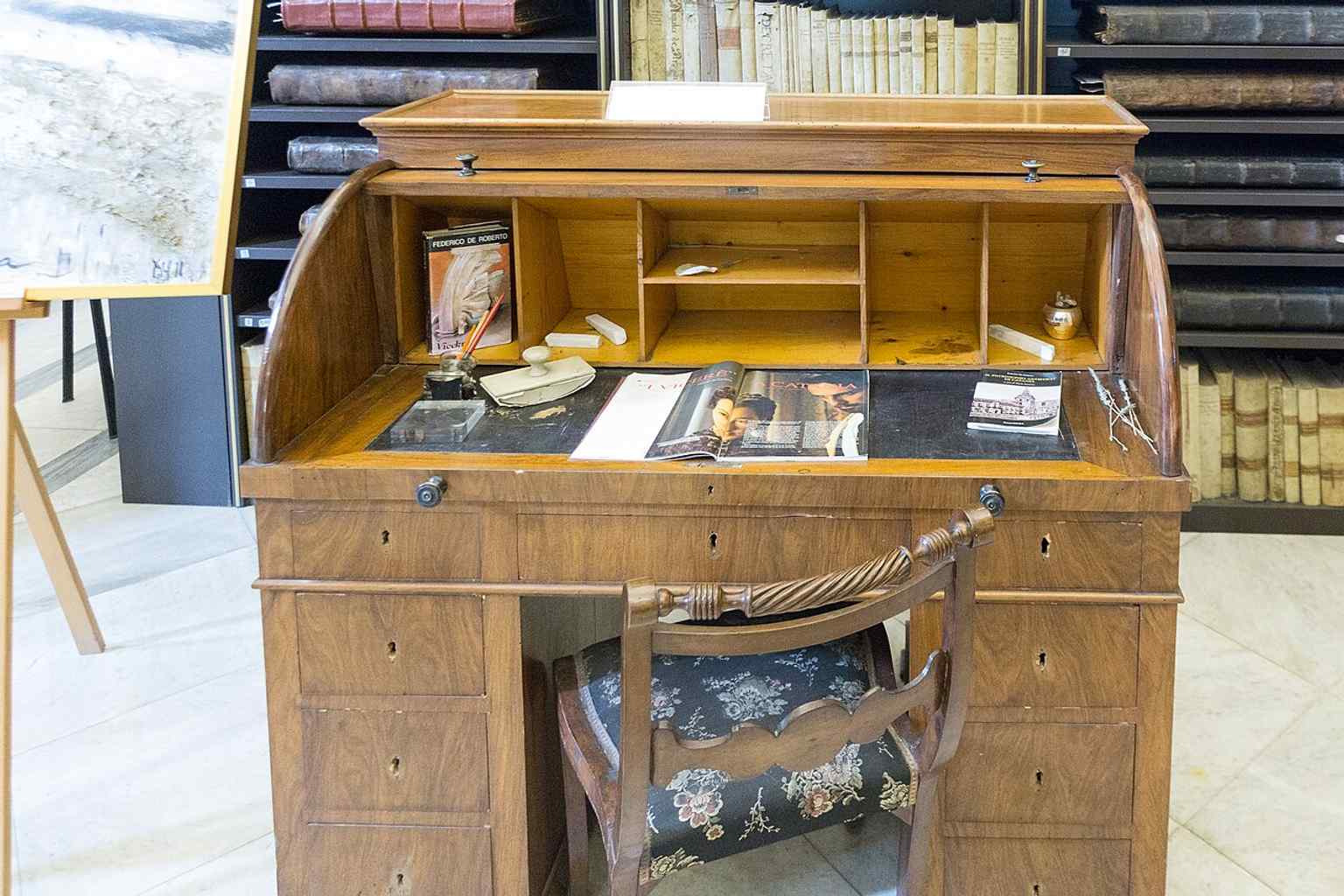
This library also carries the lives of fiercely human people. Federico De Roberto, the novelist who wrote I Viceré, worked here from a small writing desk that still survives in the Sala Guttadauro. He did not treat the job as an honorific title. He wrote letters, pushed the city, demanded funds, and fought to reopen the library after it had remained inaccessible for more than twenty years. If you want a face to go with that stubborn devotion, the app shows his desk.
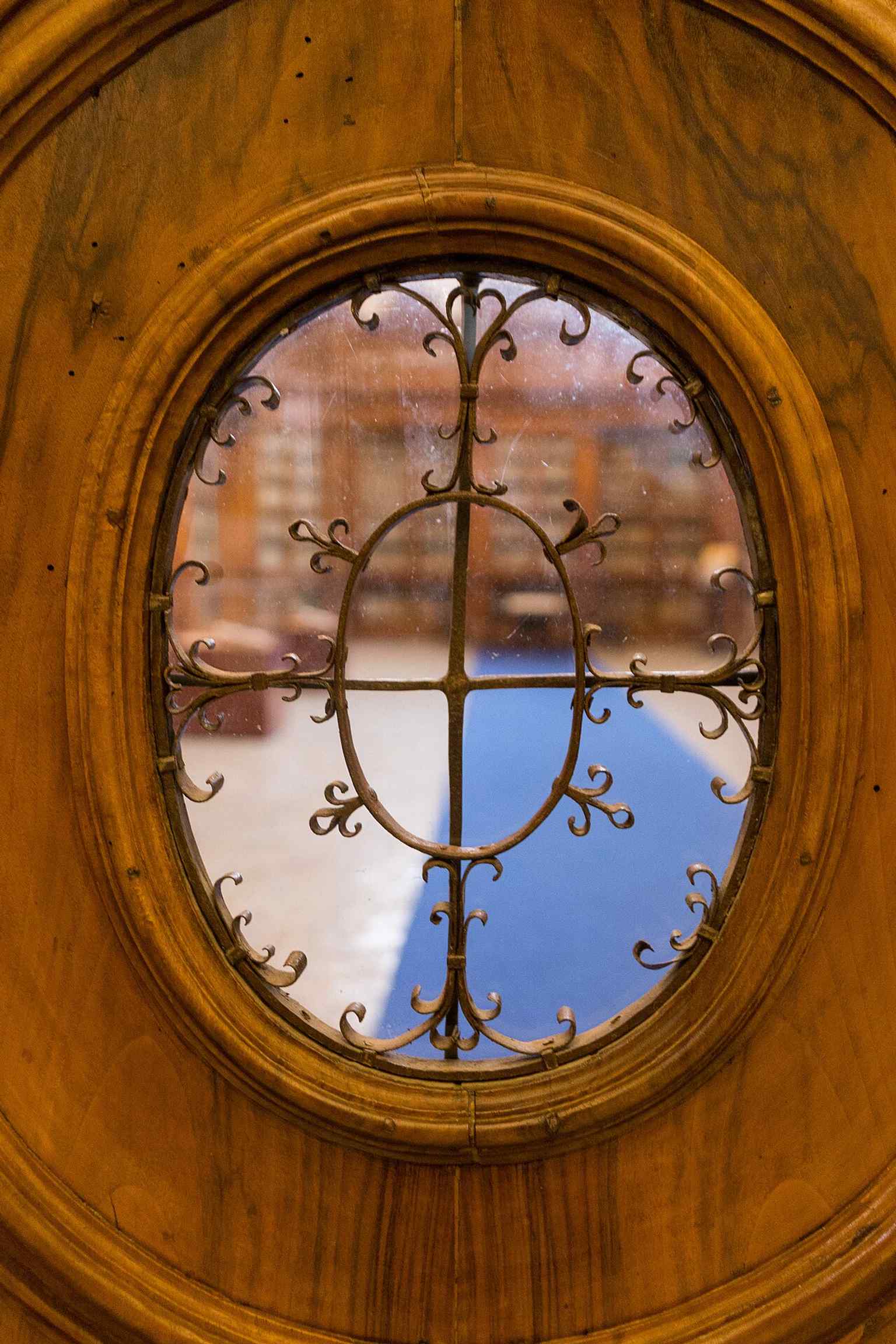
Federico De Roberto’s writing desk, a personal relic tied to his role as honorary librarian and his long campaign to reopen and support the library.
Federico De Roberto’s writing desk, a personal relic tied to his role as honorary librarian and his long campaign to reopen and support the library.Photo: Pymouss, Wikimedia Commons, CC BY 4.0. Cropped & resized.

Then there is the poet Mario Rapisardi. After his death, the city preserved not just his books, but his chair, his desk, his letters, even the private atmosphere of his study. There is a quiet irony here: Rapisardi argued bitterly against the Church, yet his personal library found its permanent home inside a former Benedictine monastery.

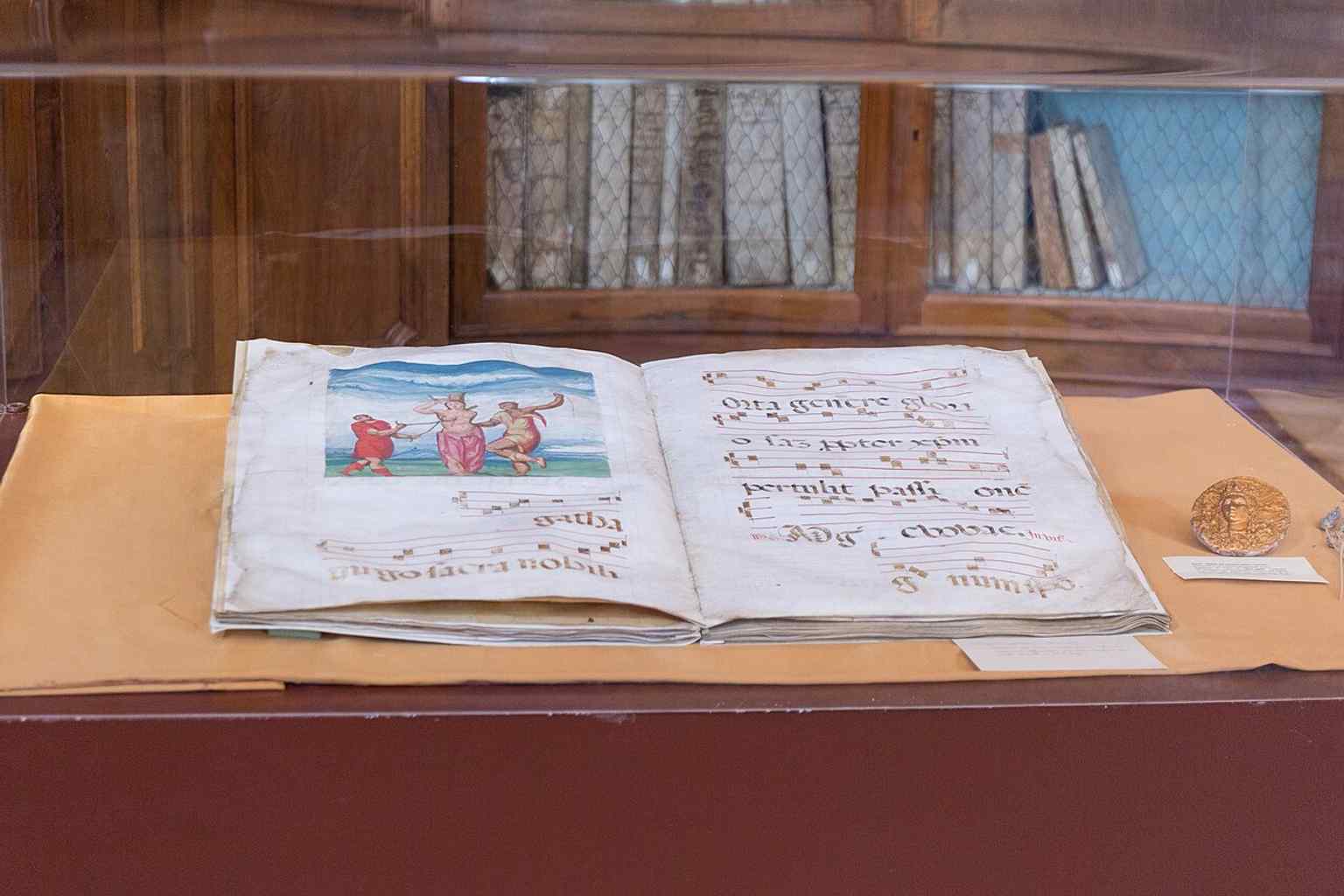
The Ursino Recupero collection added another voice, with Sicilian books, local newspapers, manuscripts, opera librettos, and hundreds of rare sixteenth-century editions. Together, these libraries now hold more than two hundred seventy thousand volumes, including illuminated manuscripts, early printed books from the first age of printing, and even herbals, books of dried or painted plants. Their most precious treasure may be a Latin Bible from the thirteenth or fourteenth century, attributed to Pietro Cavallini, often counted among the most beautiful illuminated Bibles in the world.

And this story did not end in the past. After two thousand nine, when funding nearly collapsed, director Rita Angela Carbonaro kept the library alive almost alone, for years, sometimes without pay, rather than let this inheritance die.

If you want to return inside, the library generally opens Monday through Friday from nine in the morning to noon, and it closes on weekends.
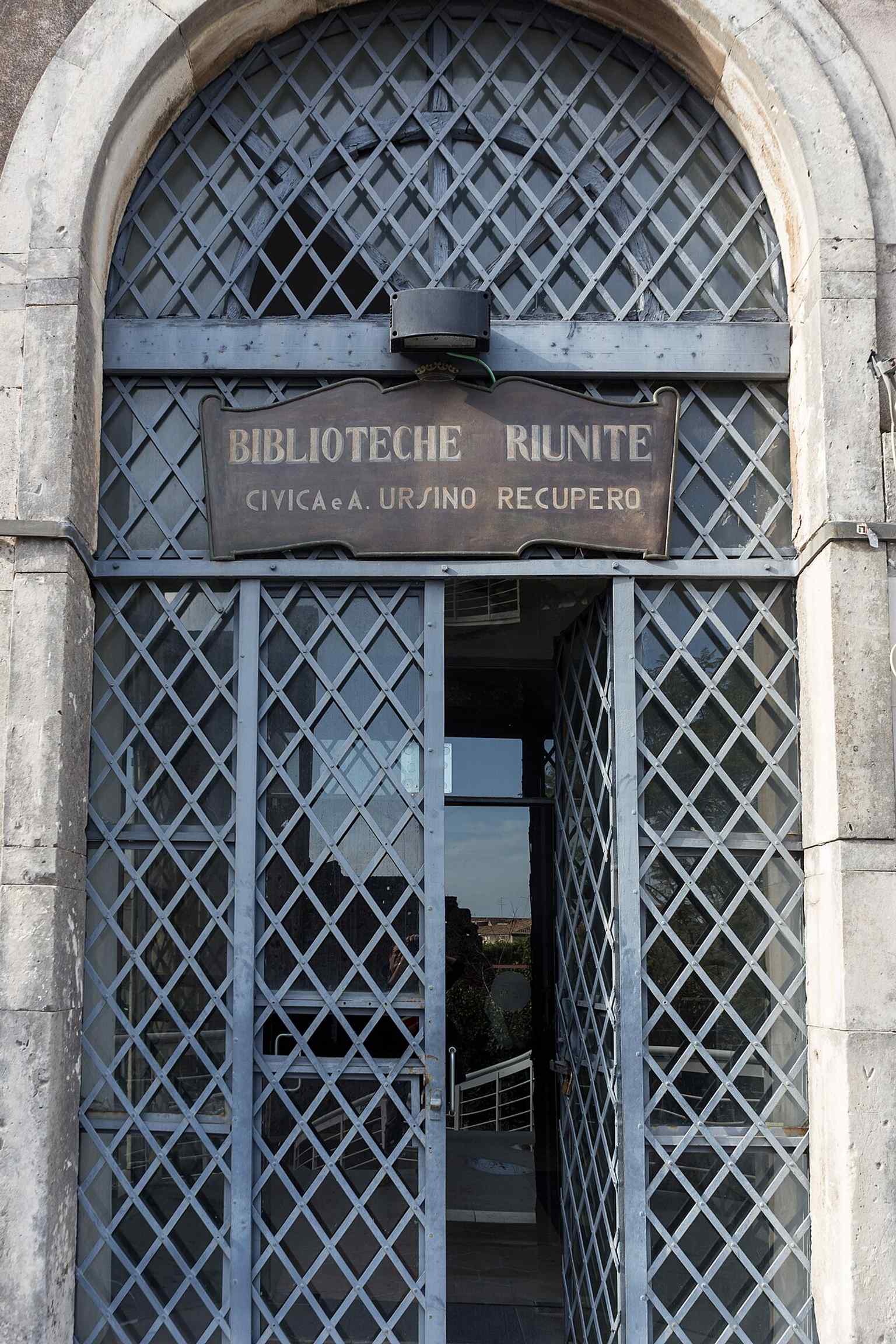
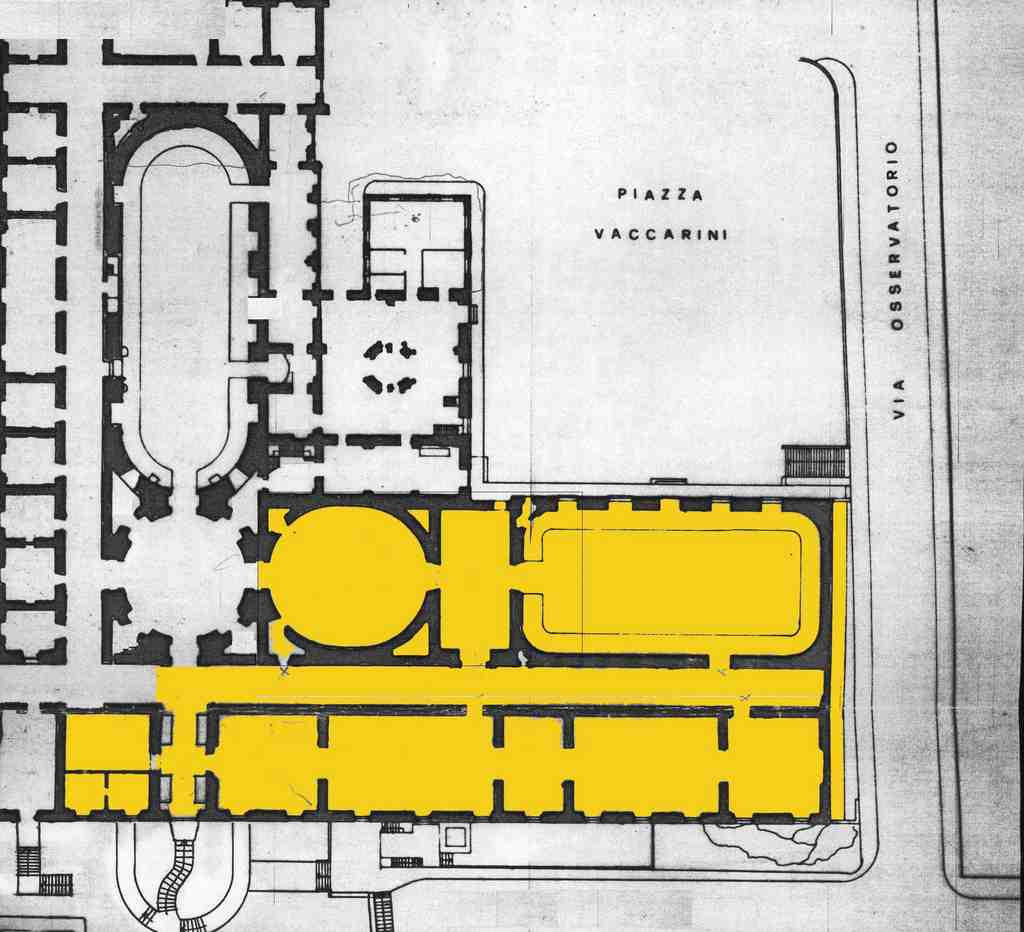
A clear view of the library’s entrance in the former Monastery of San Nicolò l’Arena, where the 1931 merger brought two major collections together under one roof.
A clear view of the library’s entrance in the former Monastery of San Nicolò l’Arena, where the 1931 merger brought two major collections together under one roof.Photo: Pymouss, Wikimedia Commons, CC BY 4.0. Cropped & resized.
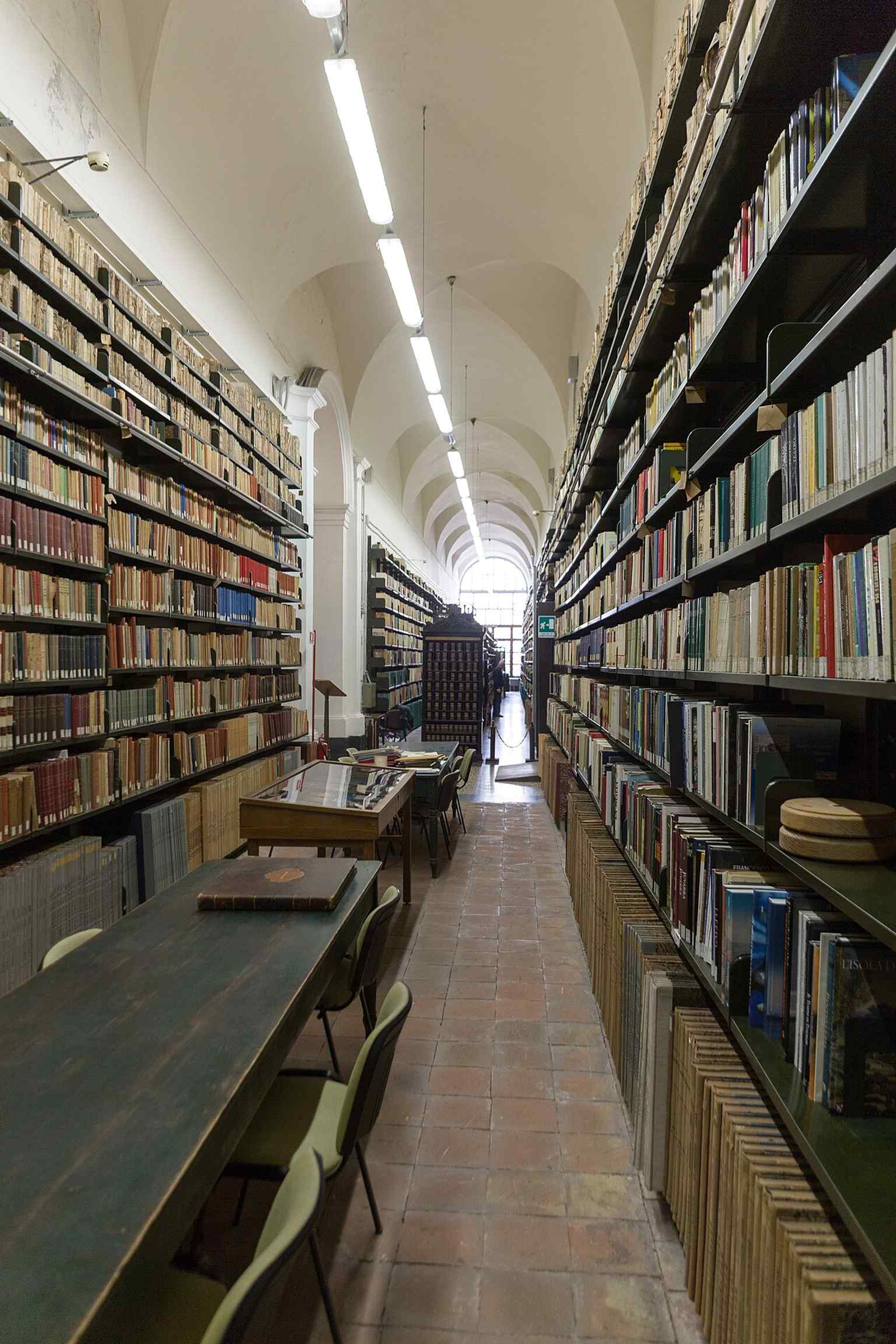
The reading room in active use today, showing the long, light-filled library spaces described in the history of the Benedictine holdings.
The reading room in active use today, showing the long, light-filled library spaces described in the history of the Benedictine holdings.Photo: Pymouss, Wikimedia Commons, CC BY 4.0. Cropped & resized.
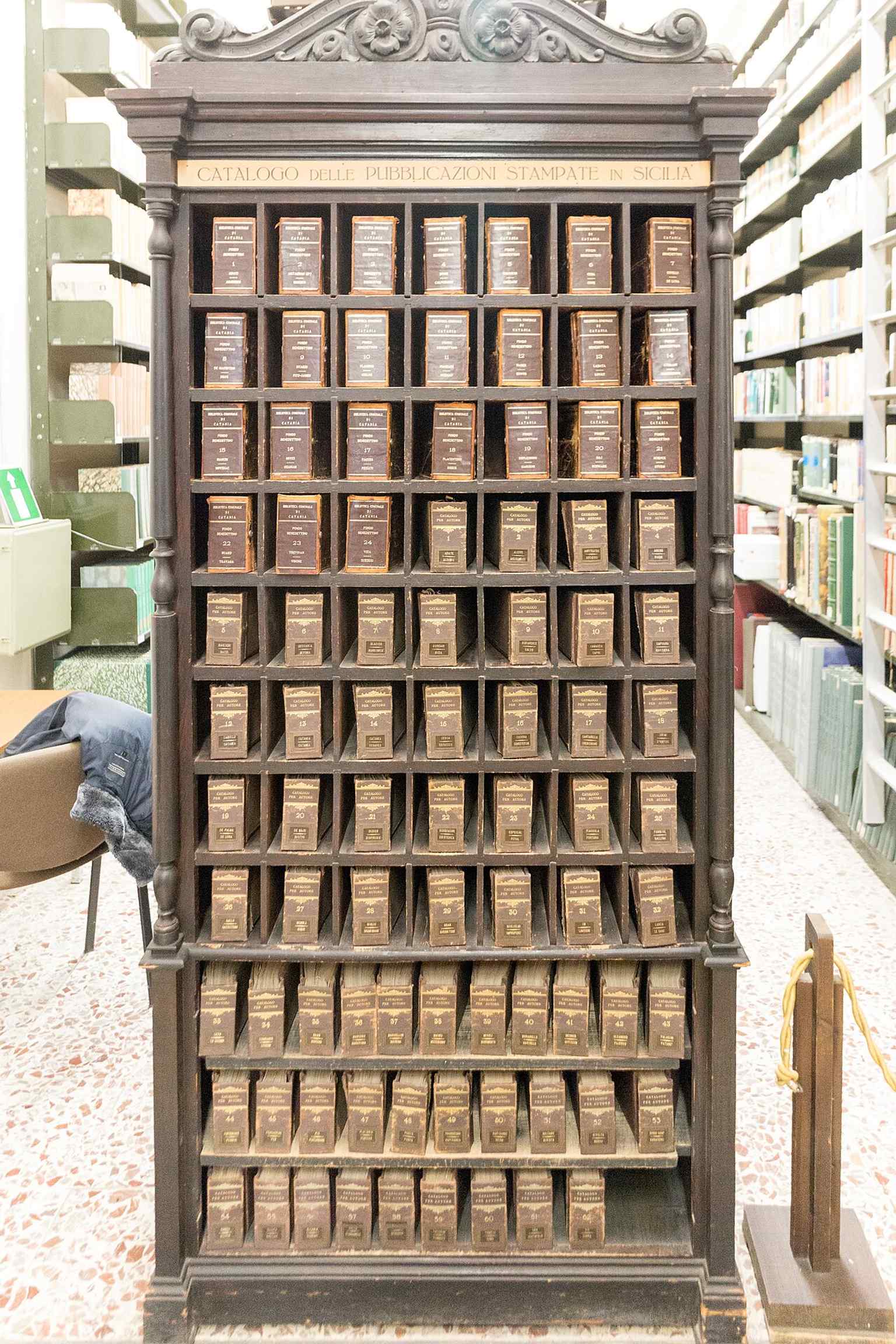
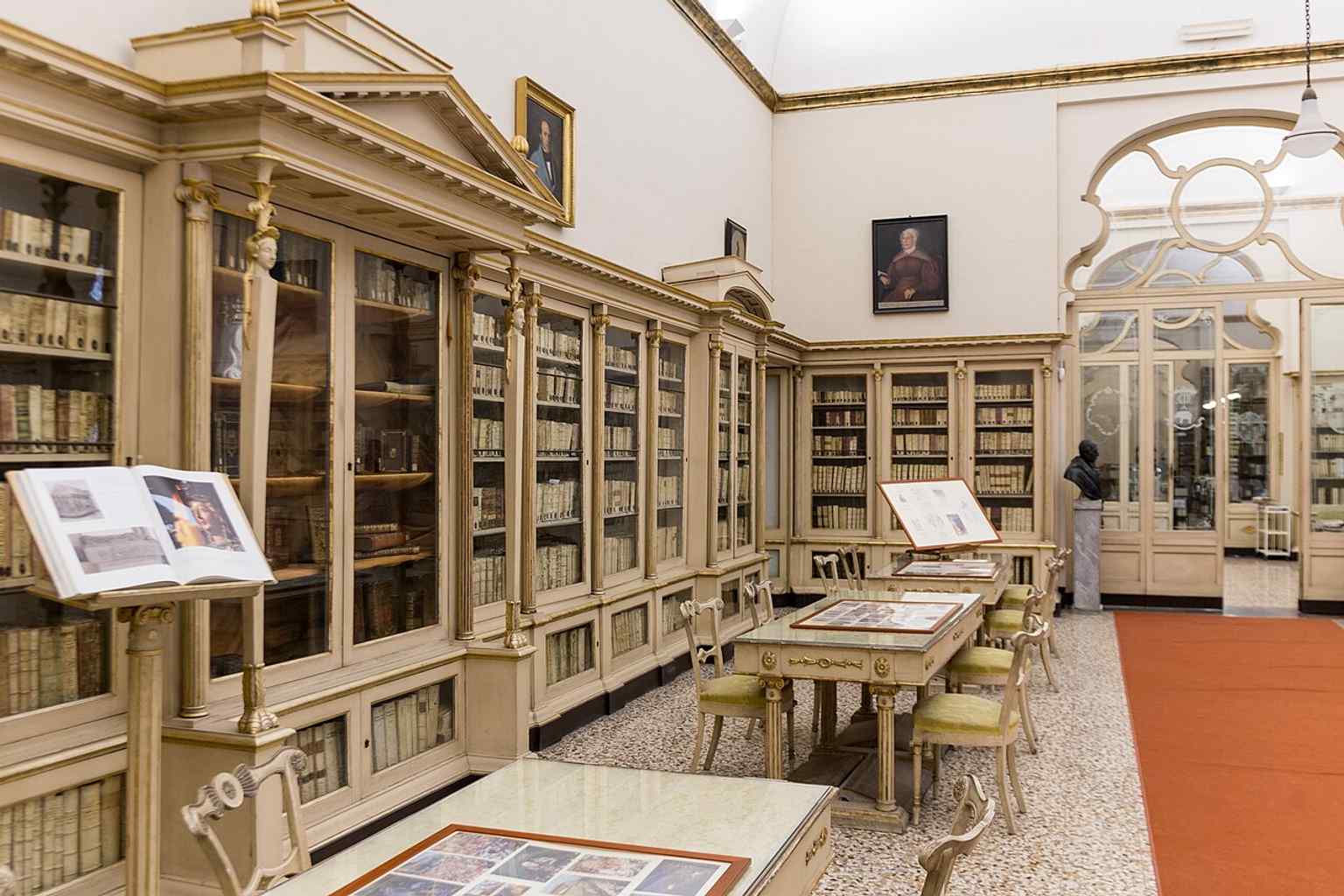
Another reading-room angle with the historic shelving and study tables that keep the old monastic library functioning as a modern public archive.
Another reading-room angle with the historic shelving and study tables that keep the old monastic library functioning as a modern public archive.Photo: Pymouss, Wikimedia Commons, CC BY 4.0. Cropped & resized.
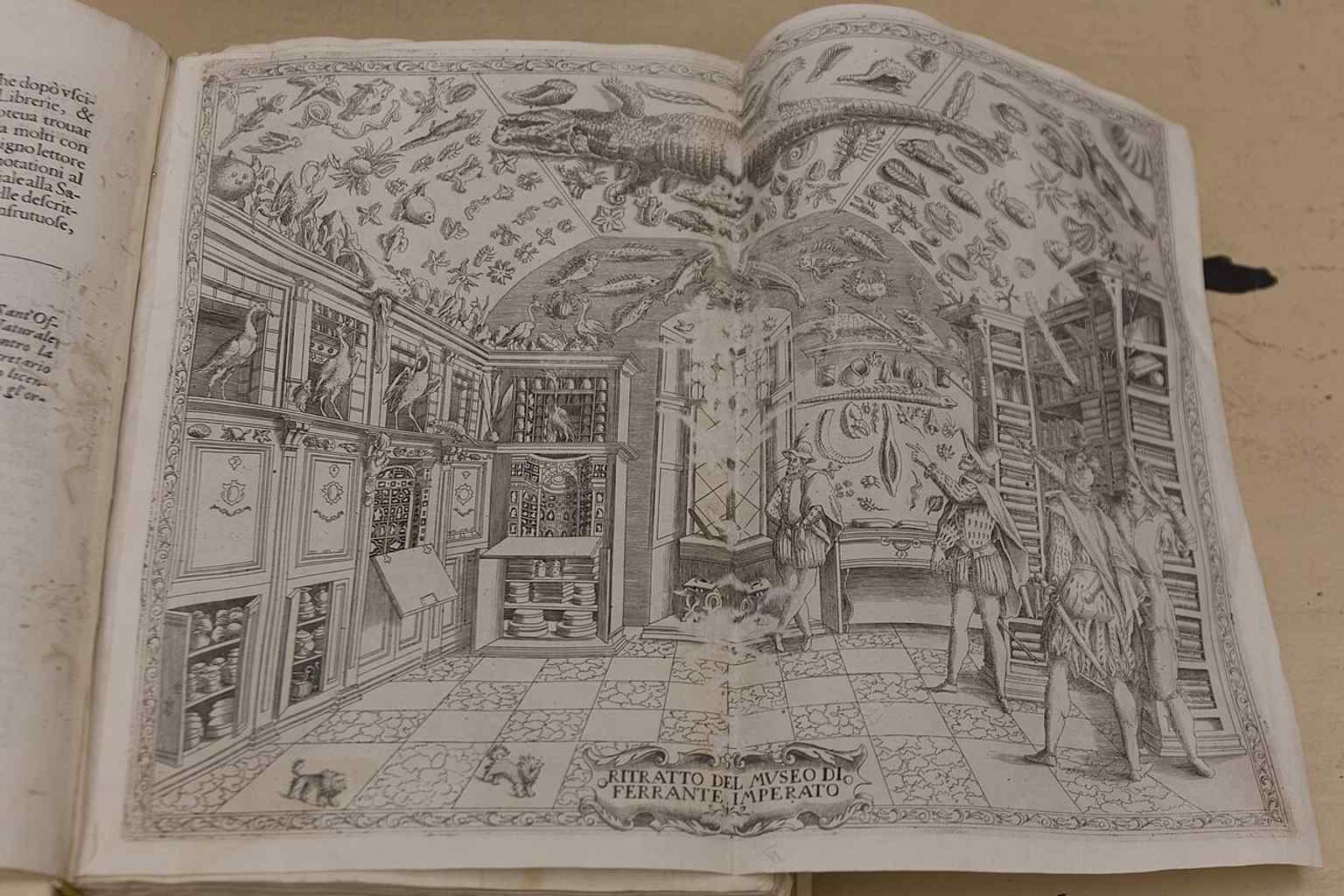
A closer look at the reading room’s book stacks and displays, echoing the library’s rich holdings in natural history and antiquarian studies.
A closer look at the reading room’s book stacks and displays, echoing the library’s rich holdings in natural history and antiquarian studies.Photo: Pymouss, Wikimedia Commons, CC BY 4.0. Cropped & resized.
The Corridoio dell’Elefante, one of the distinctive monastic spaces now part of the library complex.
The Corridoio dell’Elefante, one of the distinctive monastic spaces now part of the library complex.Photo: Pymouss, Wikimedia Commons, CC BY 4.0. Cropped & resized.
A second view of the Corridoio dell’Elefante, linking the library to the wider Benedictine monastery and its monumental interiors.
A second view of the Corridoio dell’Elefante, linking the library to the wider Benedictine monastery and its monumental interiors.Photo: Pymouss, Wikimedia Commons, CC BY 4.0. Cropped & resized.
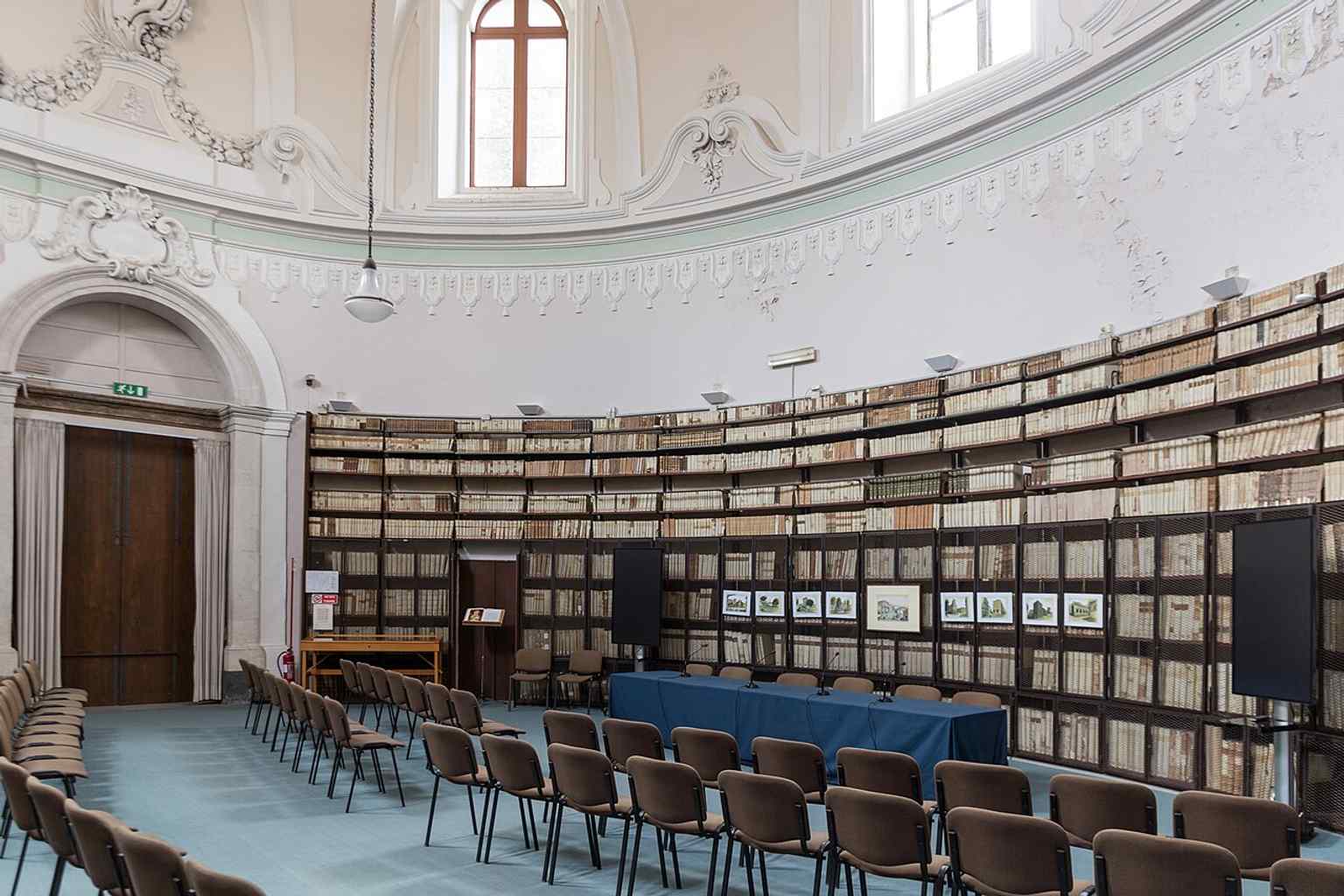
The small refectory, also called the Sala rotonda, one of the original monastery rooms incorporated into the library.
The small refectory, also called the Sala rotonda, one of the original monastery rooms incorporated into the library.Photo: Pymouss, Wikimedia Commons, CC BY 4.0. Cropped & resized.
Another angle on the refectory space, helping show how the former monastic rooms were adapted for library use.
Another angle on the refectory space, helping show how the former monastic rooms were adapted for library use.Photo: Pymouss, Wikimedia Commons, CC BY 4.0. Cropped & resized.
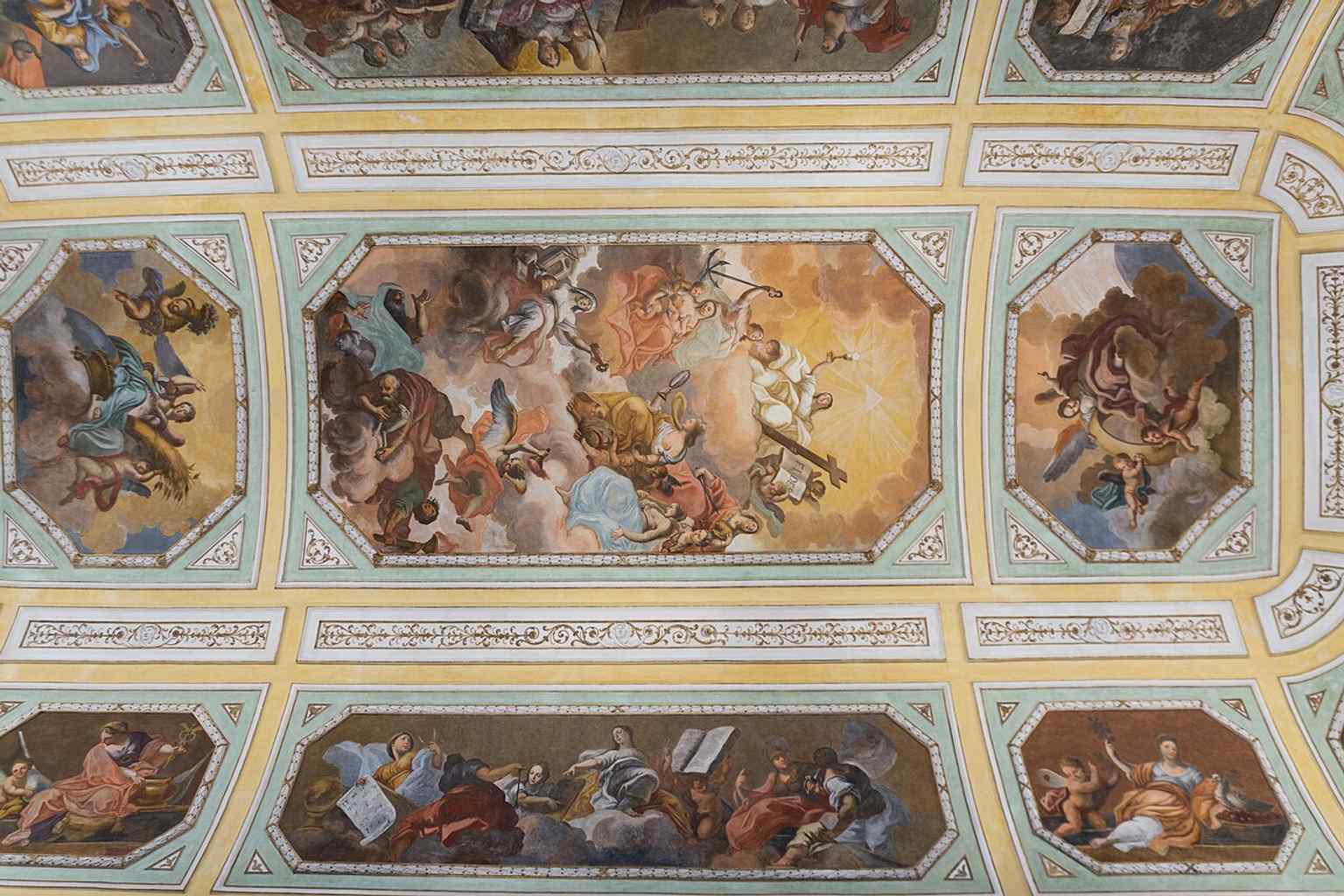
A closer view of the Sala Vaccarini’s ornate architecture, recalling the hall’s painted ceiling, wood shelving, and rare-book collections.
A closer view of the Sala Vaccarini’s ornate architecture, recalling the hall’s painted ceiling, wood shelving, and rare-book collections.Photo: Pymouss, Wikimedia Commons, CC BY 4.0. Cropped & resized.
The monumental Sala Vaccarini from another perspective, emphasizing the curving shelves and the elegance of the eighteenth-century layout.
The monumental Sala Vaccarini from another perspective, emphasizing the curving shelves and the elegance of the eighteenth-century layout.Photo: Pymouss, Wikimedia Commons, CC BY 4.0. Cropped & resized.
A broad view of the Sala Vaccarini that highlights how the old monastic library survives almost intact inside the monastery.
A broad view of the Sala Vaccarini that highlights how the old monastic library survives almost intact inside the monastery.Photo: Pymouss, Wikimedia Commons, CC BY 4.0. Cropped & resized.
An intimate view of the historic book-lined interior, ideal for illustrating the library’s role as a keeper of rare manuscripts and printed treasures.
An intimate view of the historic book-lined interior, ideal for illustrating the library’s role as a keeper of rare manuscripts and printed treasures.Photo: Pymouss, Wikimedia Commons, CC BY 4.0. Cropped & resized.
arrow_back Back to Catania Audio Tour: Legends, Learning and Lava Stones
Loved by travellers

Thousands of tours started.
Plenty of opinions.

4.8 across the App Store and Google Play. Here's a few we keep coming back to.

starstarstarstarstar
This was a solid way to get to know Brighton without feeling like a tourist. The narration had depth and context, but didn't overdo it.
Christoph
Christoph
Brighton Tour
starstarstarstarstar
Started this tour with a croissant in one hand and zero expectations. The app just vibes with you, no pressure, just you, your headphones, and some cool stories.
download Get the app

Pop your headphones in.
Step outside.

Free to download. Tours in every city. Start in 60 seconds — no account, no card.

Download on the App StoreGet it on Google Play
starstarstarstarstar_half
4.8
AudaTours app icon
headphones
~ 4 min until your first tour starts
public
1,000+ cities worldwide
all_inclusive
AudaTours
Unlimited

Every tour. Every city. One subscription.

3101 tours2271 cities138 countries50+ languages