
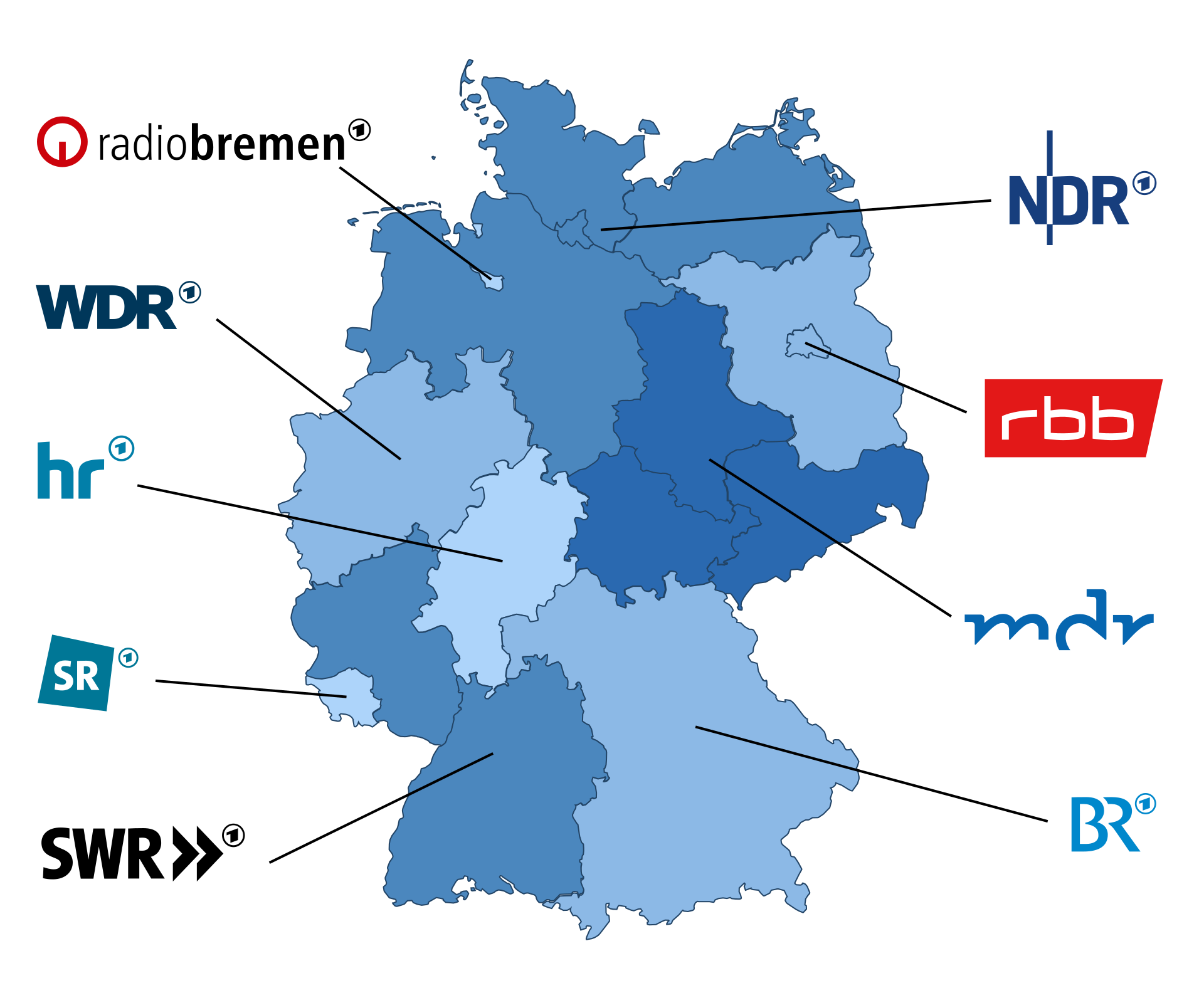
Picture yourself back in 1945. The Second World War has just ended, Bremen is now under American administration, and the city is reeling from change. But what do you do in a city covered in rubble and hungry for hope? If you’re the Americans, you set up a radio station! They rolled in one of their portable broadcasting vans-straight from Normandy to Bremen-and by October 1945, Radio Bremen officially hit the airwaves. You could have heard the very first announcement made in English and German: “This is Radio Bremen on 499 meters... we greet all our listeners.”
But radio in Bremen didn’t start with the Americans. Even in the wild, flapper-filled 1920s, locals had a taste for drama, jazz, and a good news bulletin. In 1924, Bremen launched its "Zwischensender" and by the late 1920s, anyone in town could tune in for live concerts from the town hall, reports from the harbor, or the buzz around the latest transatlantic fliers. The studios were snug, sometimes converted from old ballrooms, with heavy curtains for perfect acoustics and maybe to keep nosy neighbors from catching spoilers from the theater plays being broadcast.
Now fast-forward again-after years of Nazi control and the state’s grip on every microphone, postwar Bremen nearly started from scratch. In a villa on Schwachhauser Heerstraße, a handful of staff and US officers began brainstorming. Their studio? Sometimes just a corner of an old pub. By 1949, Radio Bremen became an official state institution-complete with its own famous “Funkhaus,” a building celebrated for Europe’s most unique acoustics. If you had a violin or a bad singing voice, you could really test the limits here.
But what makes Radio Bremen so special? Well, as the smallest ARD house, it’s got a bit of an underdog spirit. For generations, its programs shaped German culture, launching the likes of the "Rudi Carrell Show," "3nach9," and the iconic “Beat-Club”-the grooviest pop music show this side of the Weser. Legends like Loriot filmed here, and famous TV hosts cut their teeth on Bremen’s airwaves. You could say Radio Bremen was a talent factory before those TV talent contests were cool.
By the 21st century, Radio Bremen was pulling off a technical leap: moving to this sleek new complex in 2007 (so modern, some say the coffee machine needs its own password). The radio and TV teams-once scattered across the city-finally came together, creating what they claimed was “the most modern broadcasting house in Europe.” Everything here is digitally streamlined, and for the first time, the radio, television, and online staffs work side by side. If you listen closely, you can almost hear the faint click of keyboard keys and the whirring of servers-alongside someone desperately searching for the mute button during a live segment.
Of course, being small means always adapting-sometimes painfully. Over the years, Radio Bremen’s budget was cut, programs were merged or scrapped, and the team slimmed down. Yet creativity thrived. The station jumped into the digital age ahead of most others, launching one of Germany’s most wide-reaching web portals. Here you’ll find current news, podcasts, and even livestreams, all catering to a diverse audience from old-school lovers of “Bremen Eins” to the freshest hip-hop with “Bremen Next.”
Radio Bremen isn’t just a broadcaster-it’s a living archive of Bremen’s voice over the past century. It survives by combining stubborn independence (imagine a pirate radio ship, but with more paperwork) and adaptability, evolving through every era: Nazi control, American liberation, the golden radio age, and today’s digital swirl.
Oh, and if you see someone rushing by with a stack of scripts and headphones askew, give them a wave-they’re probably chasing the next big story or urgently looking for better coffee. Welcome to the heart, soul, and static electricity of Bremen’s media world!
To delve deeper into the headquarters and operations, current situation or the legal anchoring, simply drop your query in the chat section and I'll provide more information.




