
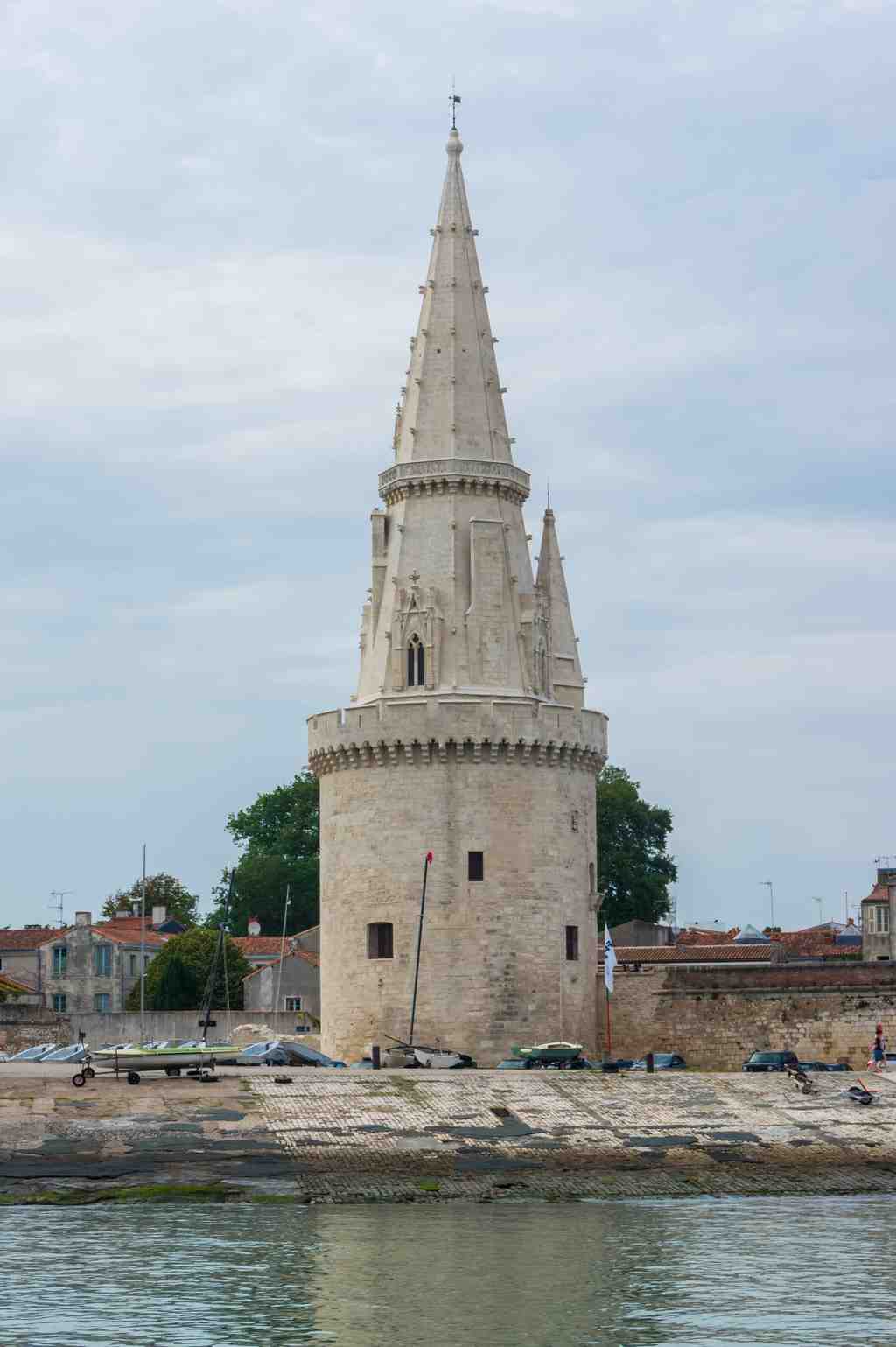
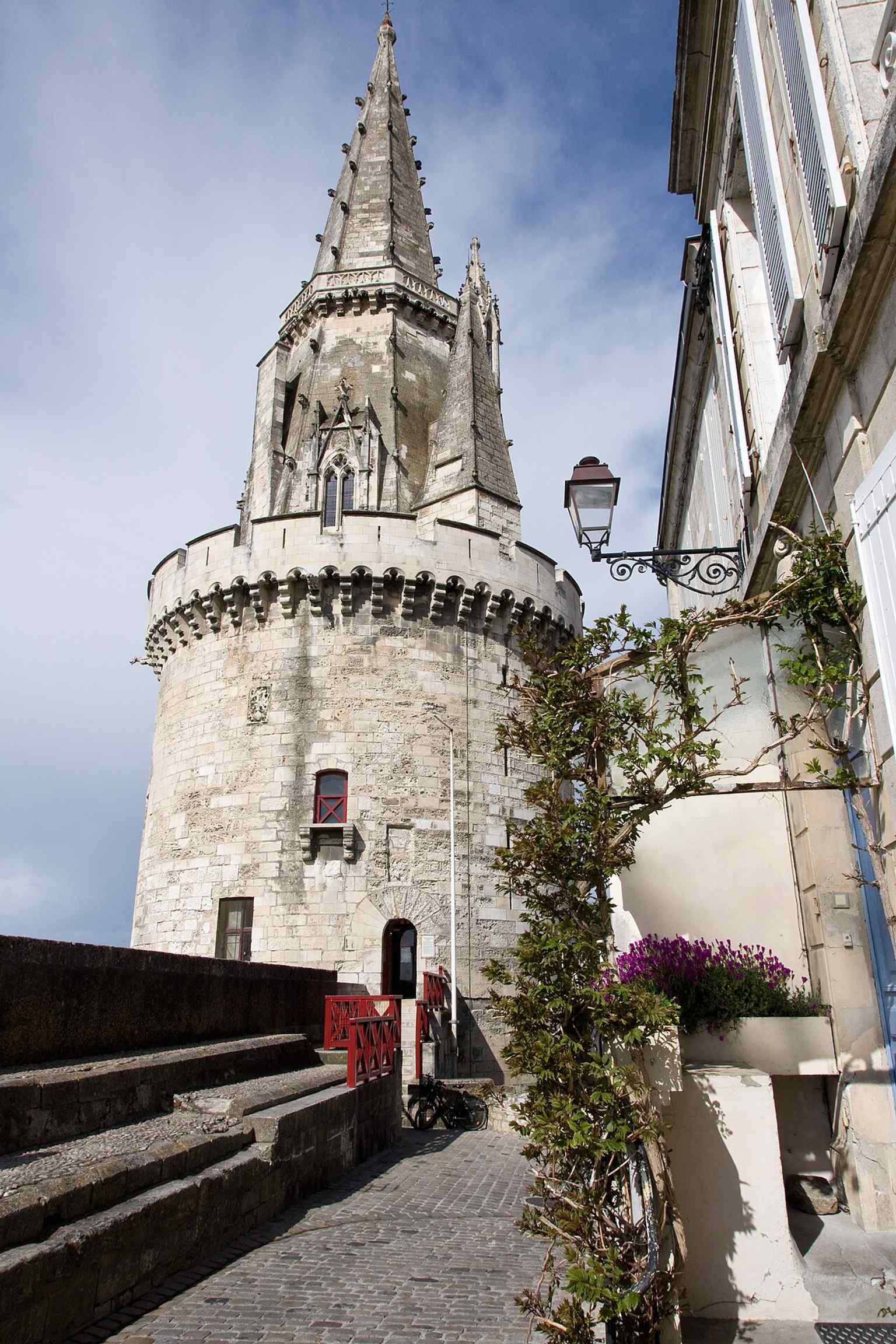
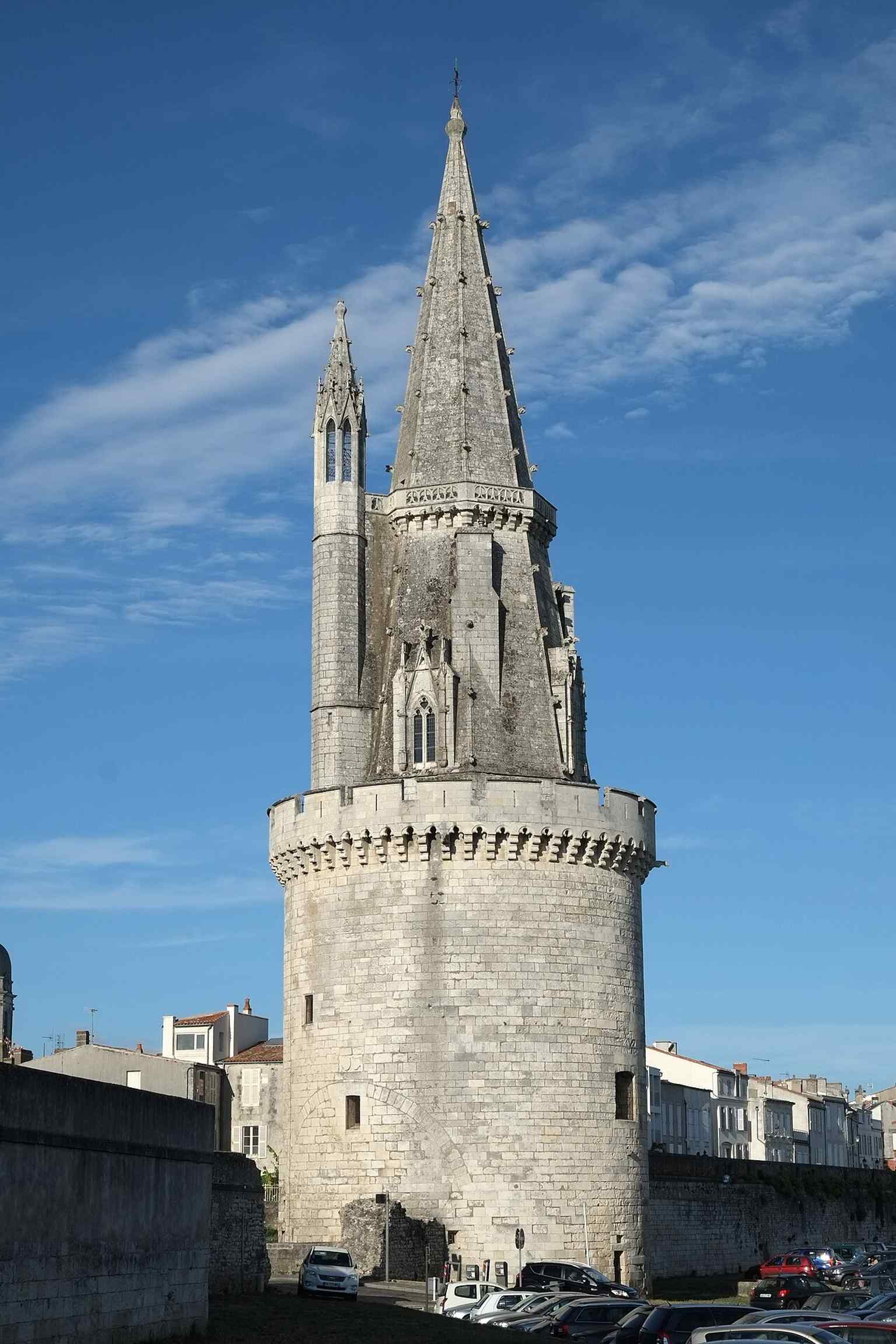
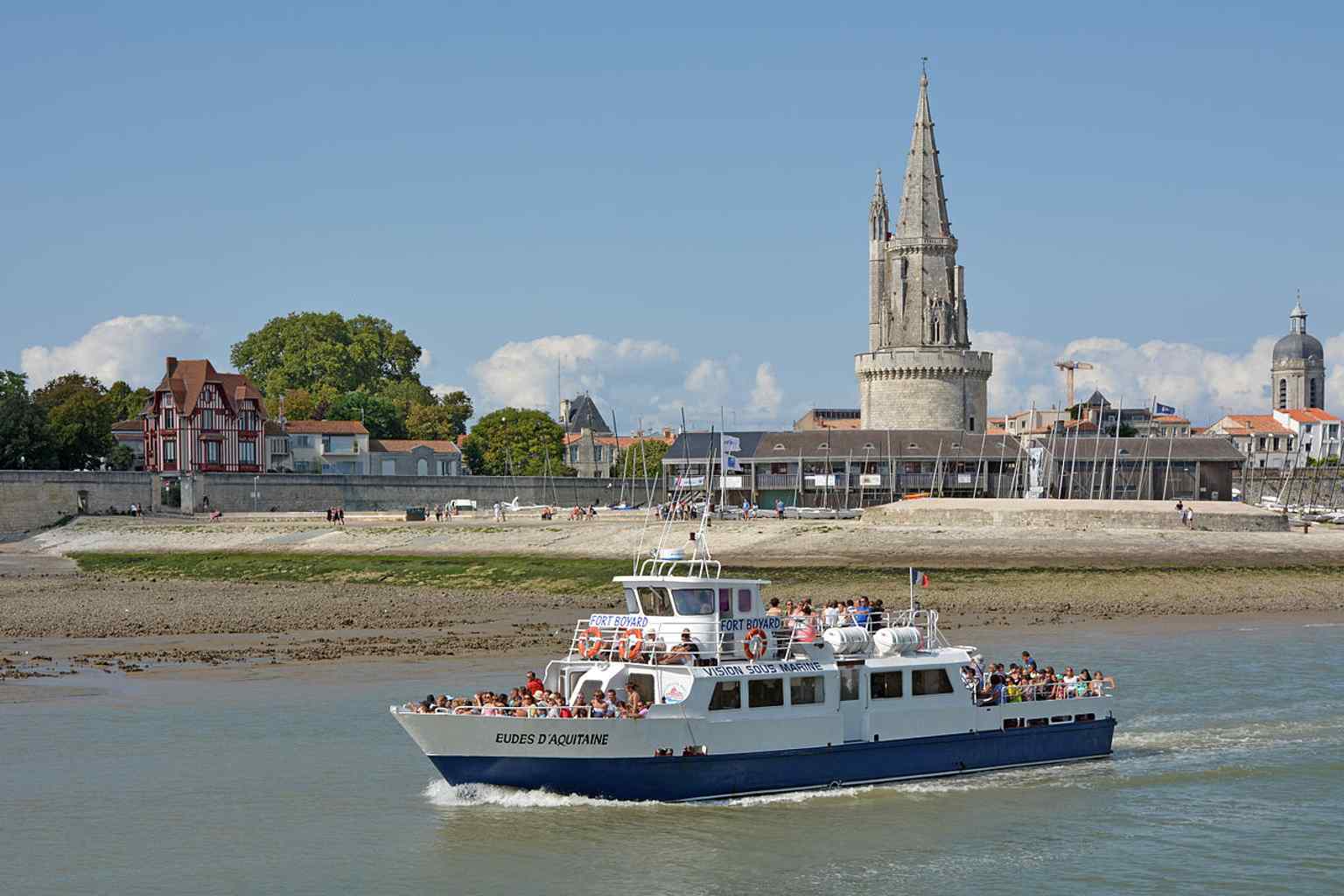
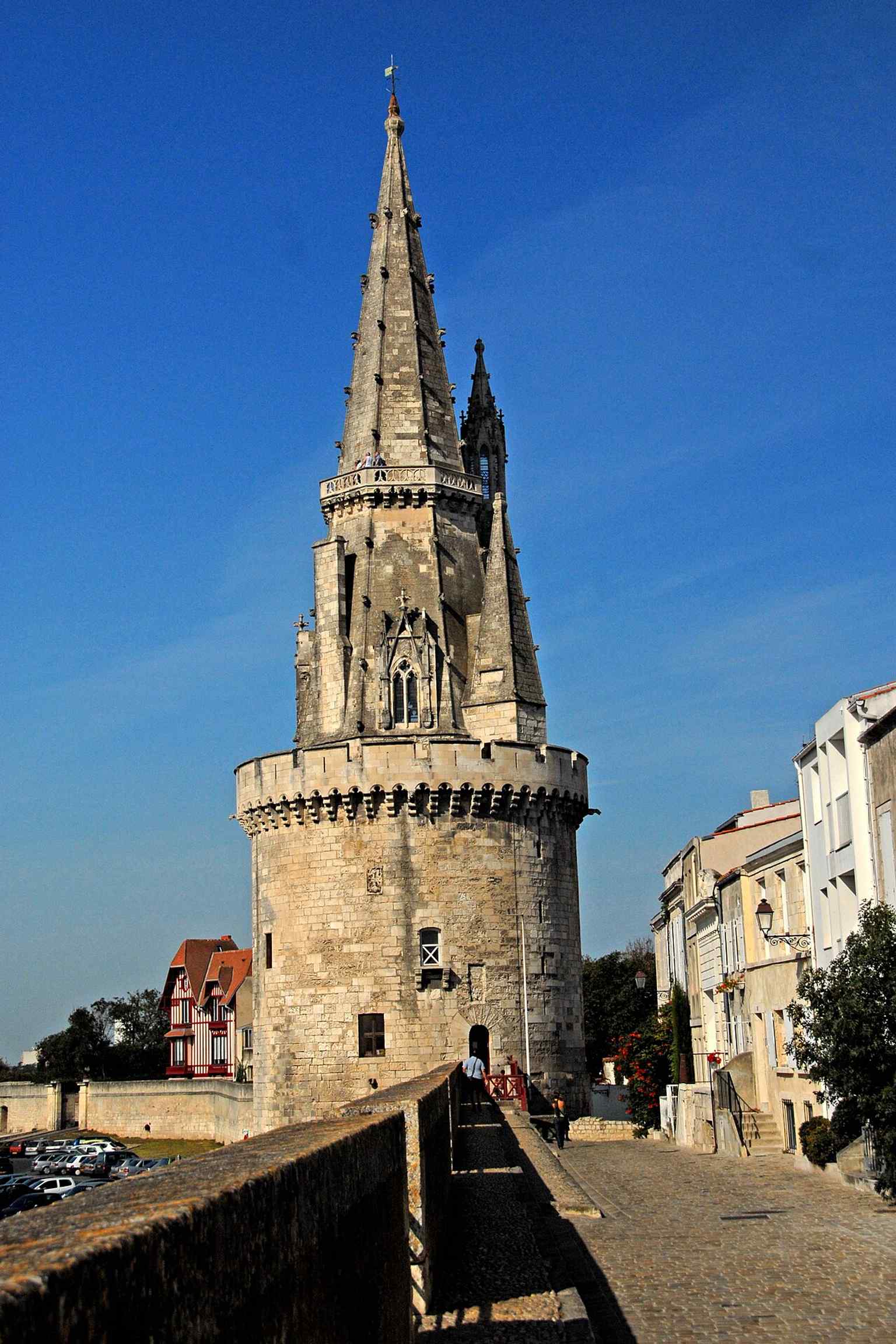
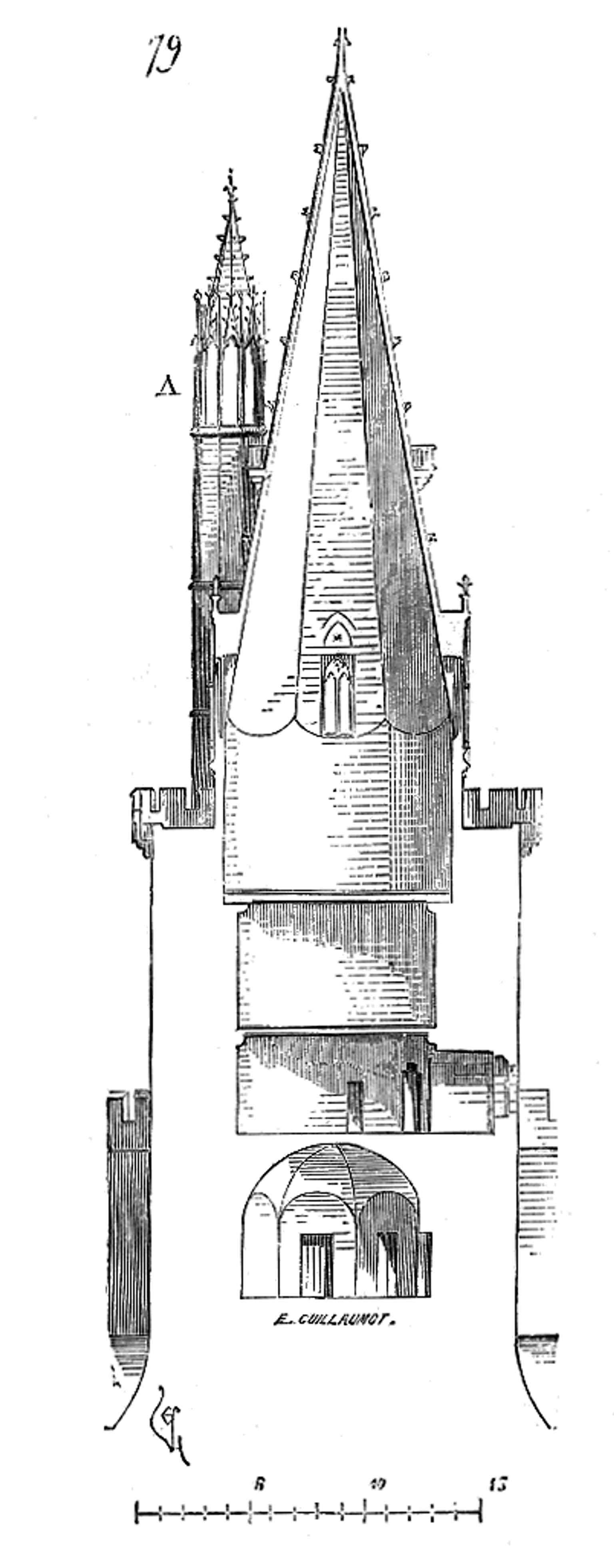
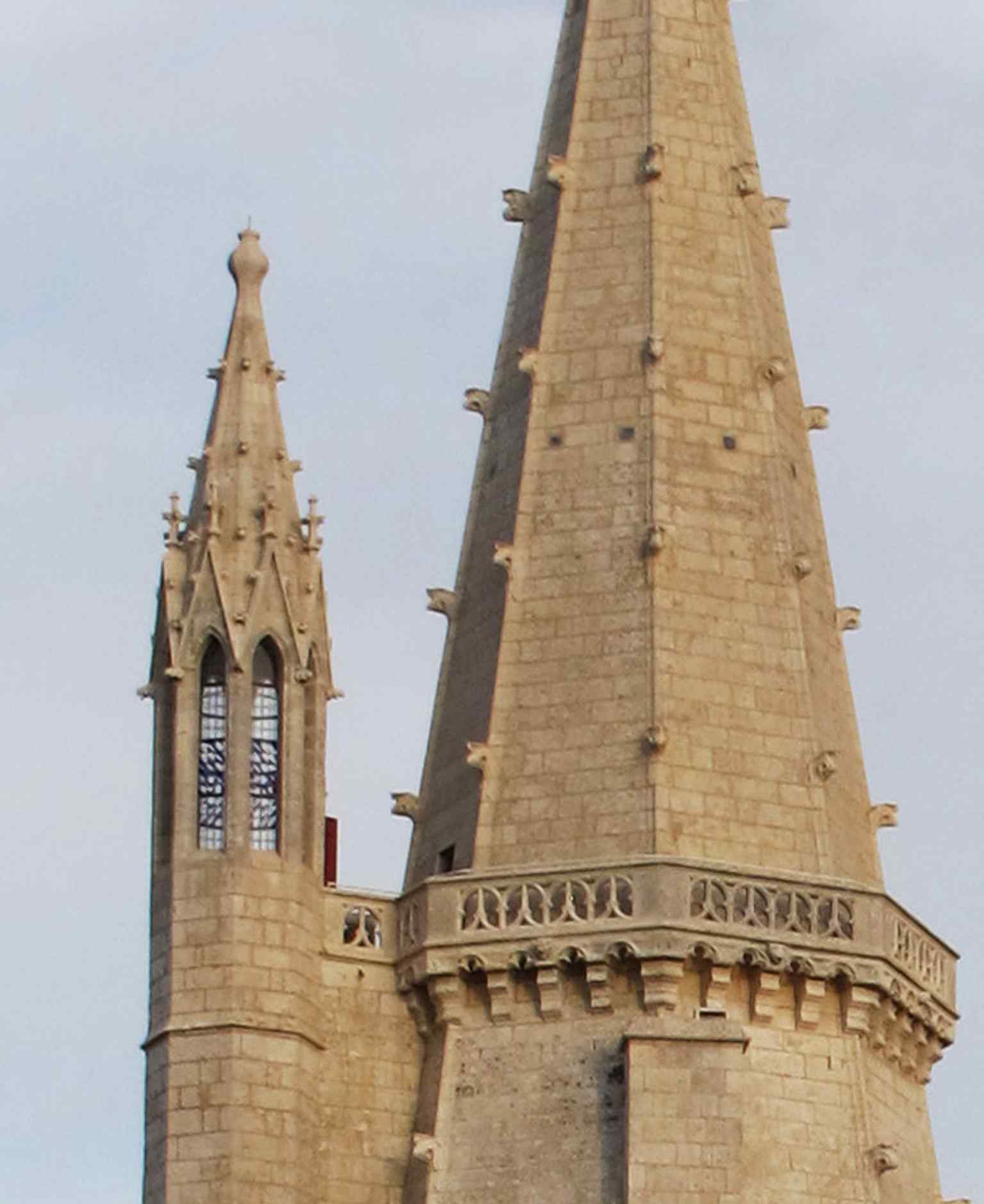
That tall pale-stone tower with a round lower drum, an octagonal Gothic spire, and a small lantern-like crown at the top is the Lantern Tower.
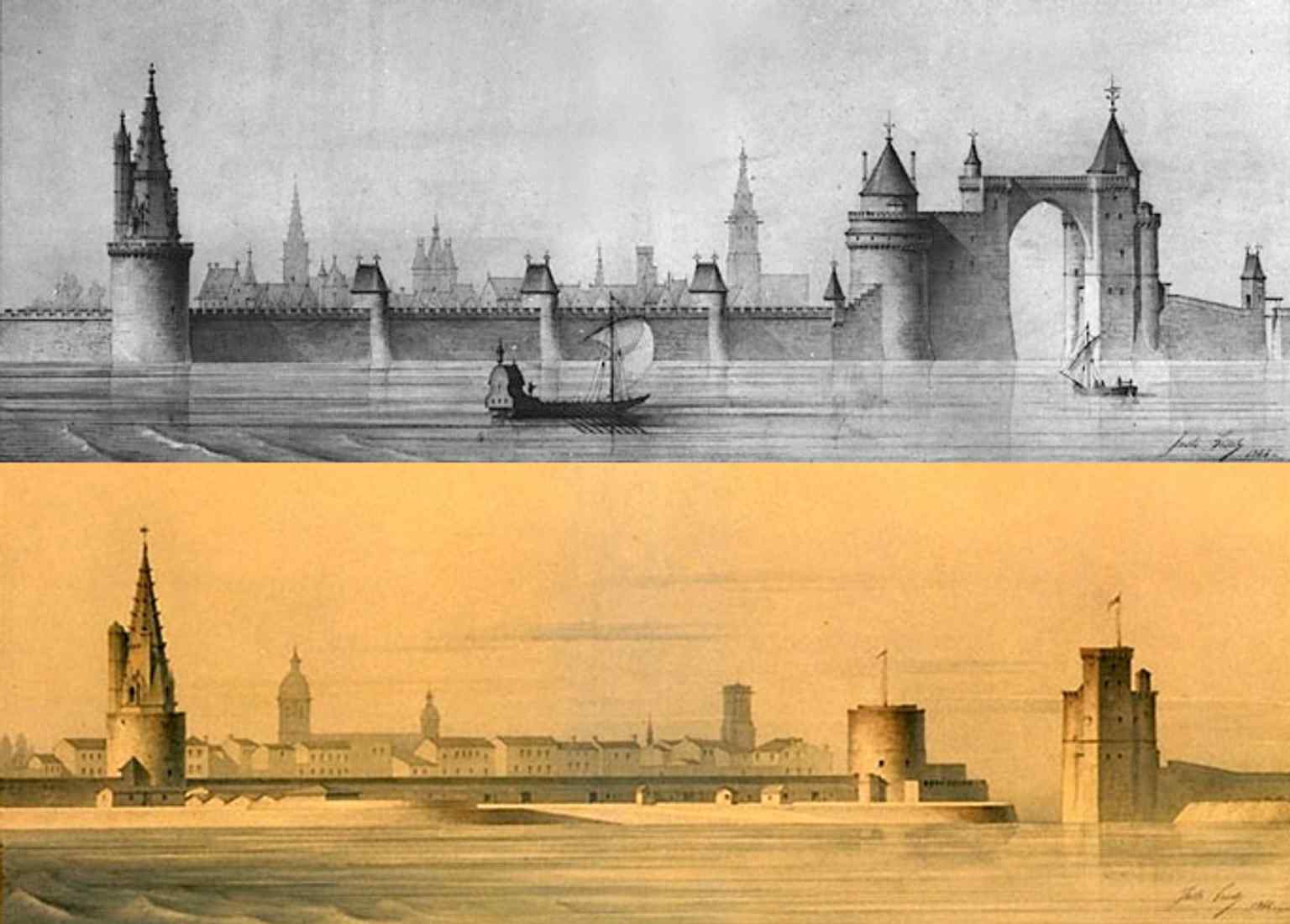
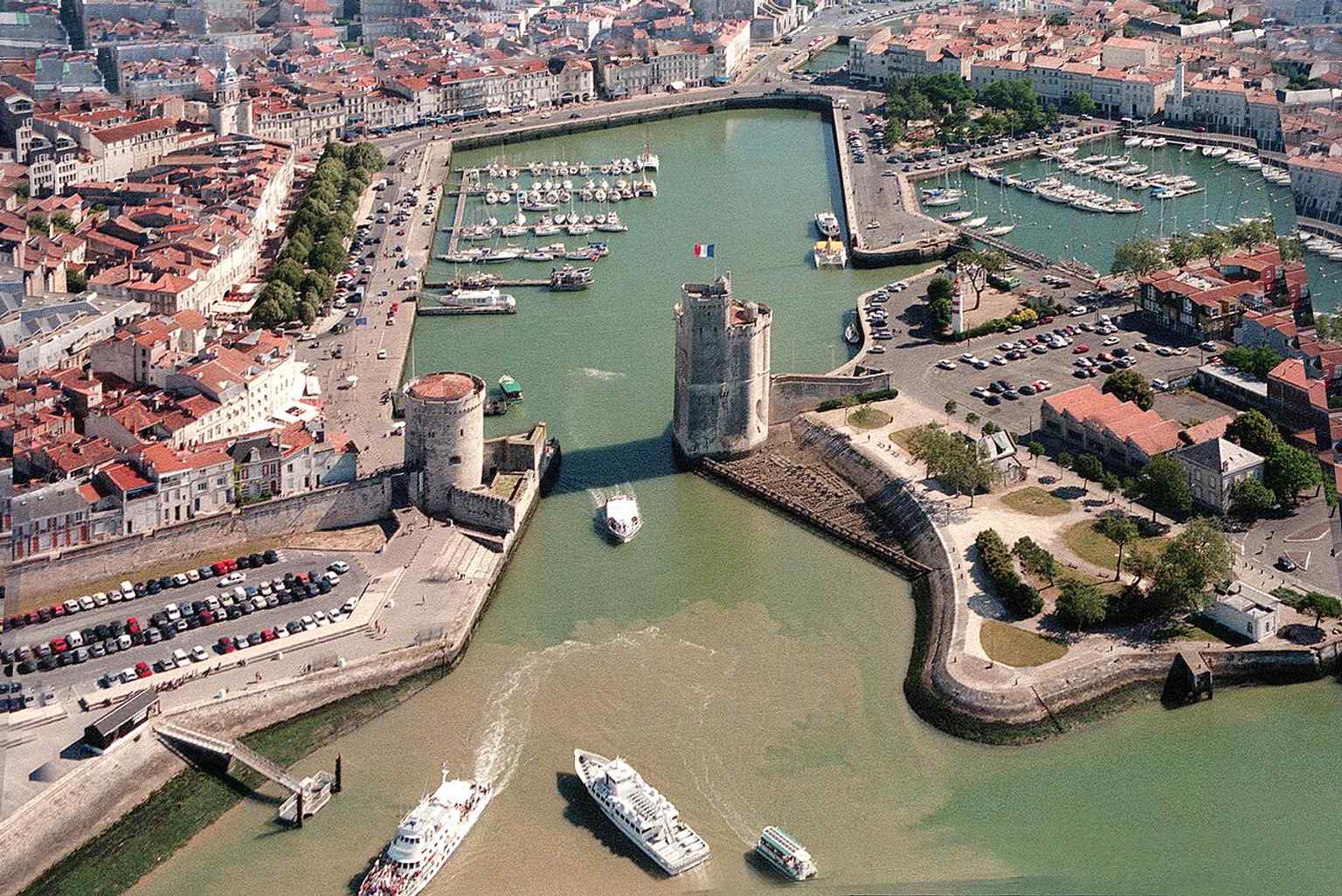
This is one of La Rochelle’s three great harbor towers, but it tells a stranger story than most people expect. It does not simply guard the port you see today. It marks an older shoreline, from a harbor that has largely vanished. Before the Vieux-Port took over, La Rochelle’s primitive port lay farther north, along the Lafond stream, in the defensive world watched by Château Vauclair. In that earlier map of the city, this tower stood right at the water’s edge.
The first version here appears in records as early as twelve oh nine. The tower you see now rose much later, from fourteen forty-five to fourteen sixty-eight, when builders wrapped a new structure around the older one. A mayor named Jehan Mérichon pushed the project through and paid for its completion from his own pocket... which is one way to leave your name in stone. He finished a tower that worked as both lookout and signal: the little lantern above served as a beacon and an amer, a fixed seamark sailors could line up with to navigate.
Now take a good look at the base, then let your eyes climb to that spire. Can you picture the water once pressing much closer, and ships being stopped here before they entered the city’s protection?
Originally, this was the Tour du Garrot. That name came from the lifting gear used to remove or secure ships’ weapons before they could pass inside. La Rochelle welcomed commerce, but it preferred merchants to arrive with fewer cannon.
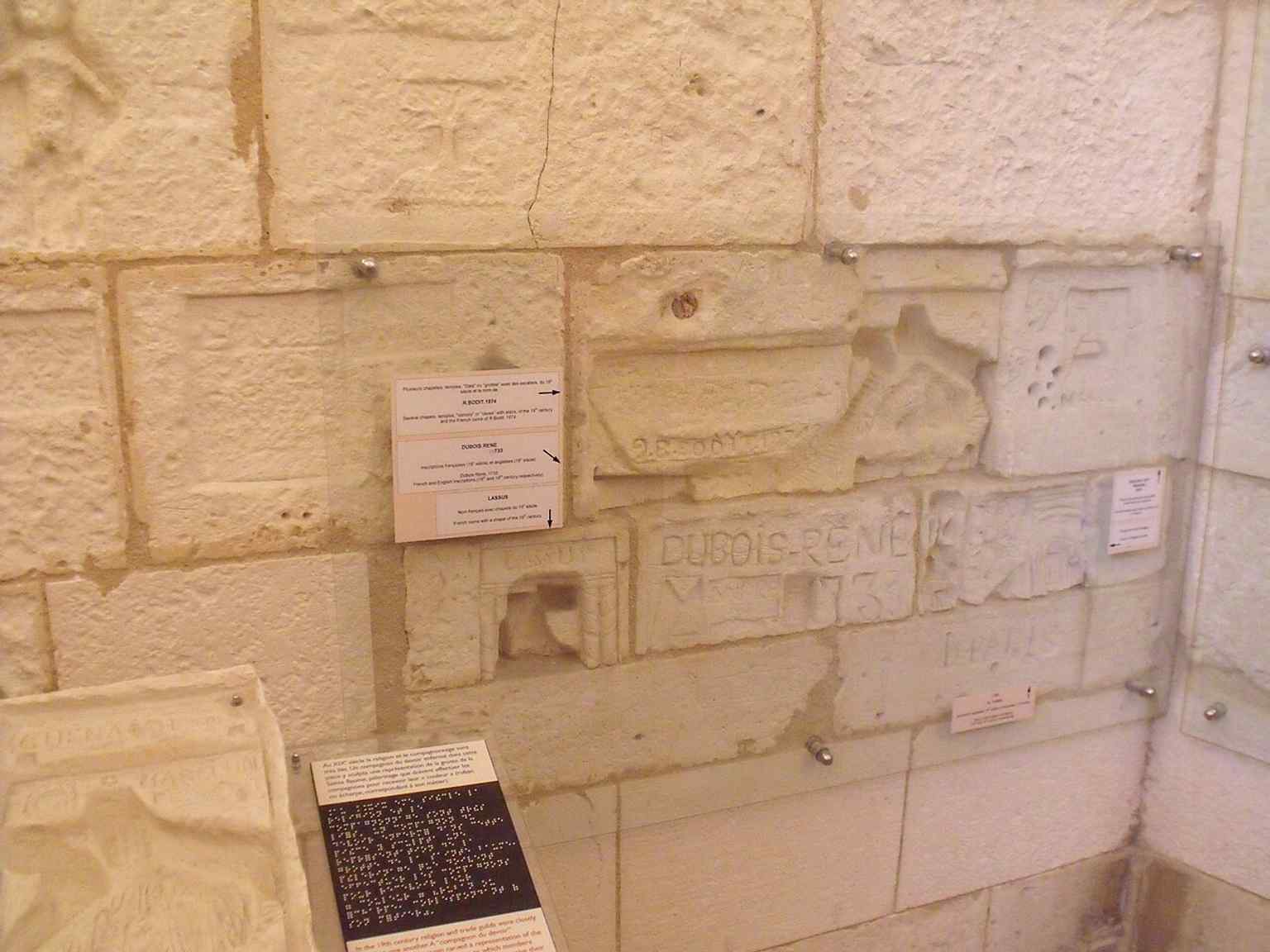
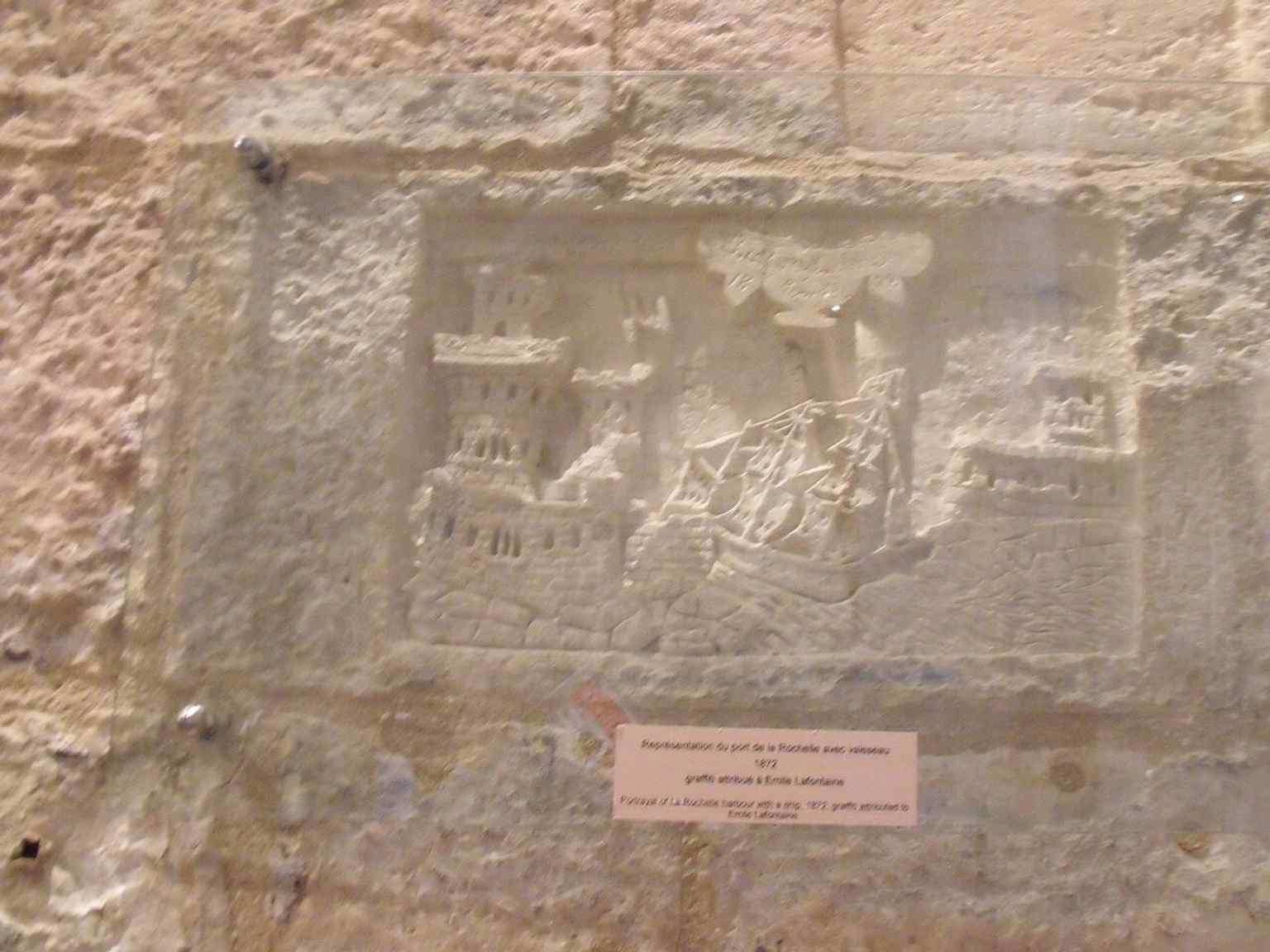
Then the tower kept changing jobs, and each new role left a different kind of scar. In fifteen sixty-eight, imprisoned priests gave it the grim nickname Tour des Prêtres. After the revocation of the Edict of Nantes in sixteen eighty-five, authorities used it to jail Protestants. In seventeen ninety-three, they locked up Vendéen insurgents here too. And inside, prisoners filled the stone with more than six hundred graffitis between the sixteenth and nineteenth centuries: names, prayers, complaints, and ship portraits carved by French, Spanish, Dutch, and English captives. If you look at the graffito image in the app, you’ll see the sort of human record this tower keeps better than any official archive.
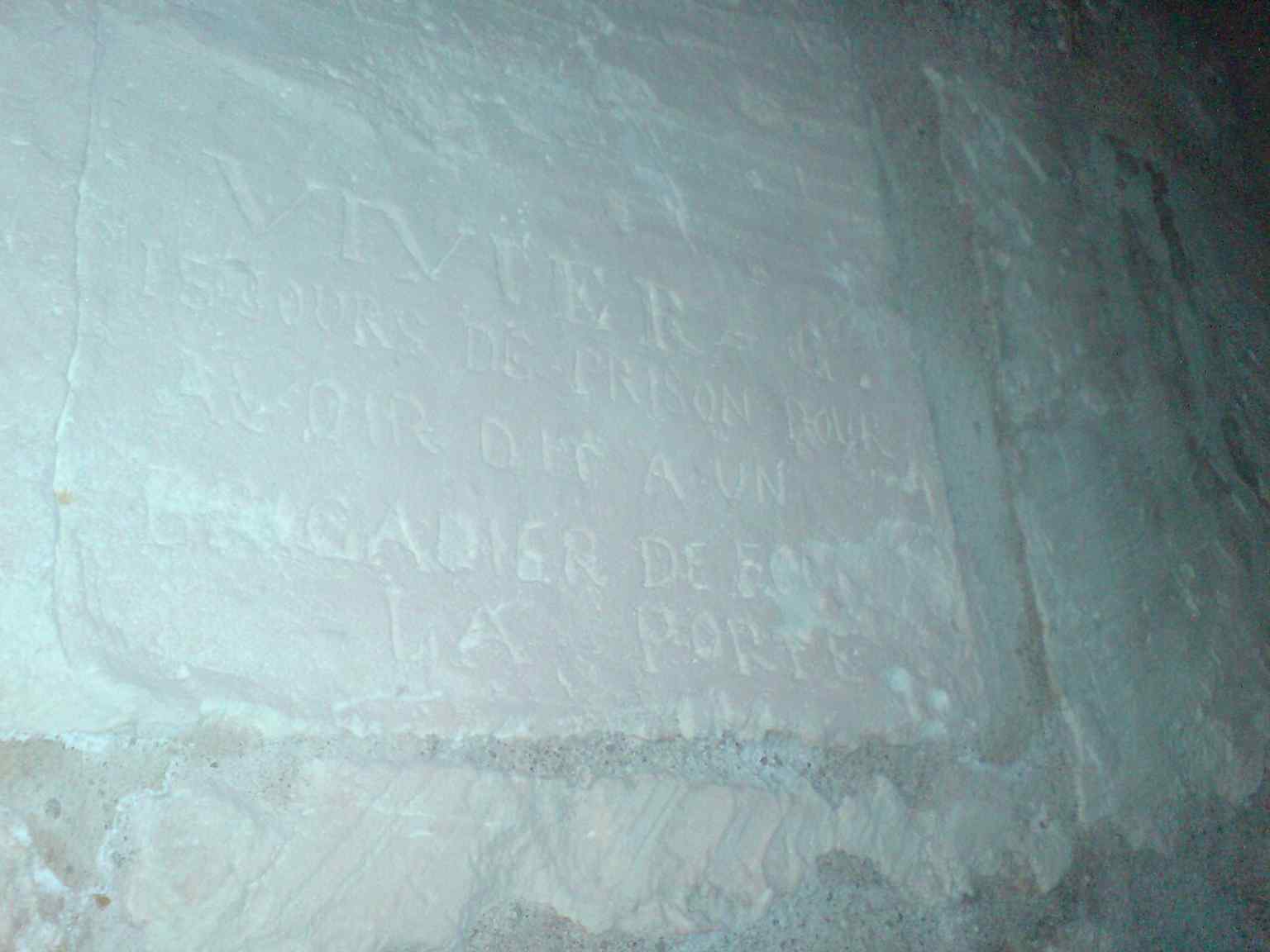
Here’s the part locals quietly enjoy pointing out: when the city’s fortifications were razed in sixteen twenty-nine, this tower survived. Then, in sixteen eighty-nine, engineers folded it into a new line of defenses. That is why it still stands while so much of the medieval seafront is gone. This tower is not just preserved; it adapted.
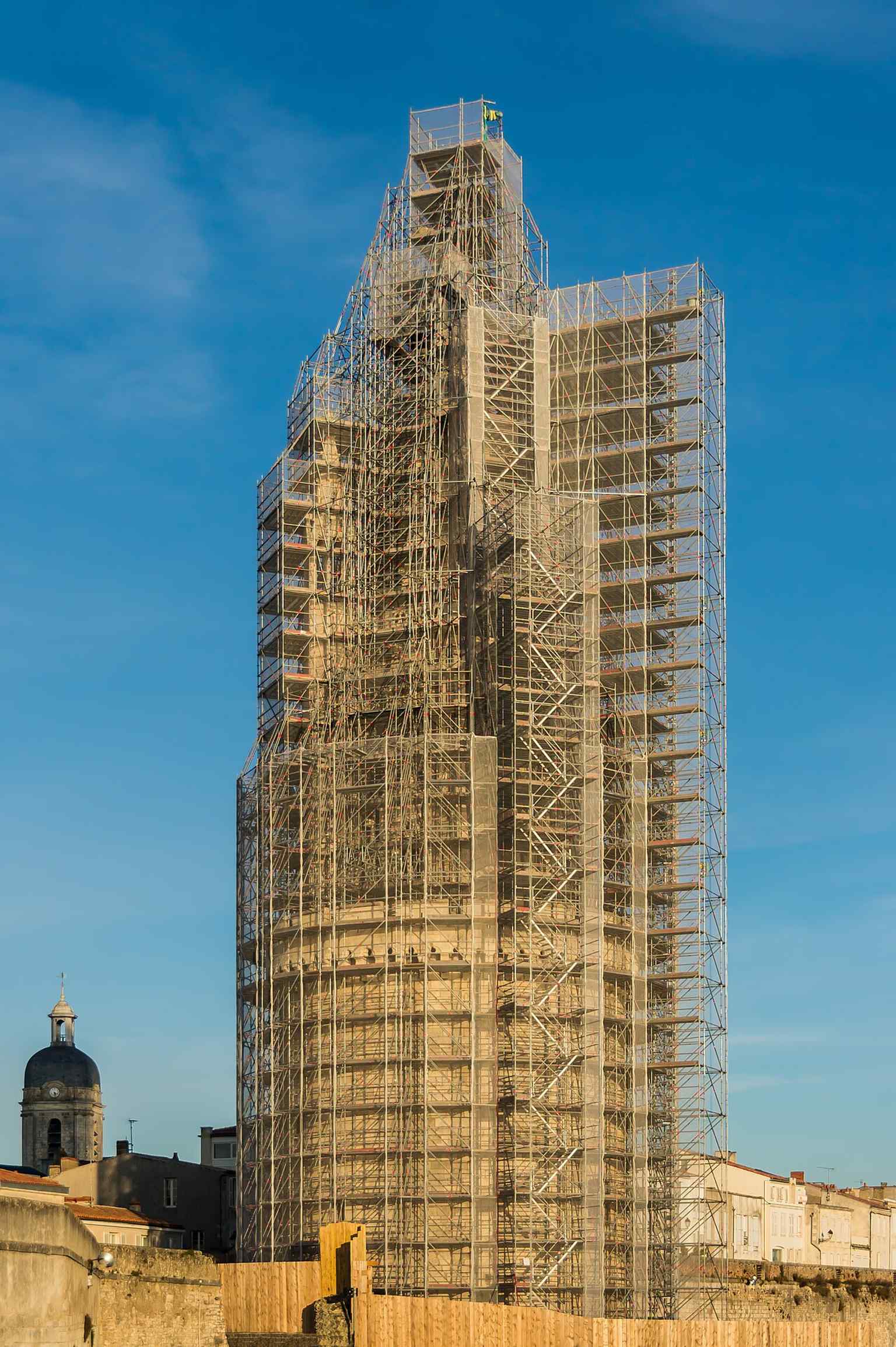
It nearly failed, though. The lantern collapsed in sixteen thirty-two after poor maintenance. Restorers later rebuilt the upper part, especially from nineteen hundred to nineteen fourteen, with Juste Lisch and then Albert Ballu giving it back much of its medieval profile. If you check the before-and-after image, you can catch the tower under scaffolding during the two thousand fifteen restoration. Up near the crown, two recreated gargoyles now honor Cabu and Wolinski, the cartoonists killed in the Charlie Hebdo attack... an unexpectedly modern note on a very old sentinel.
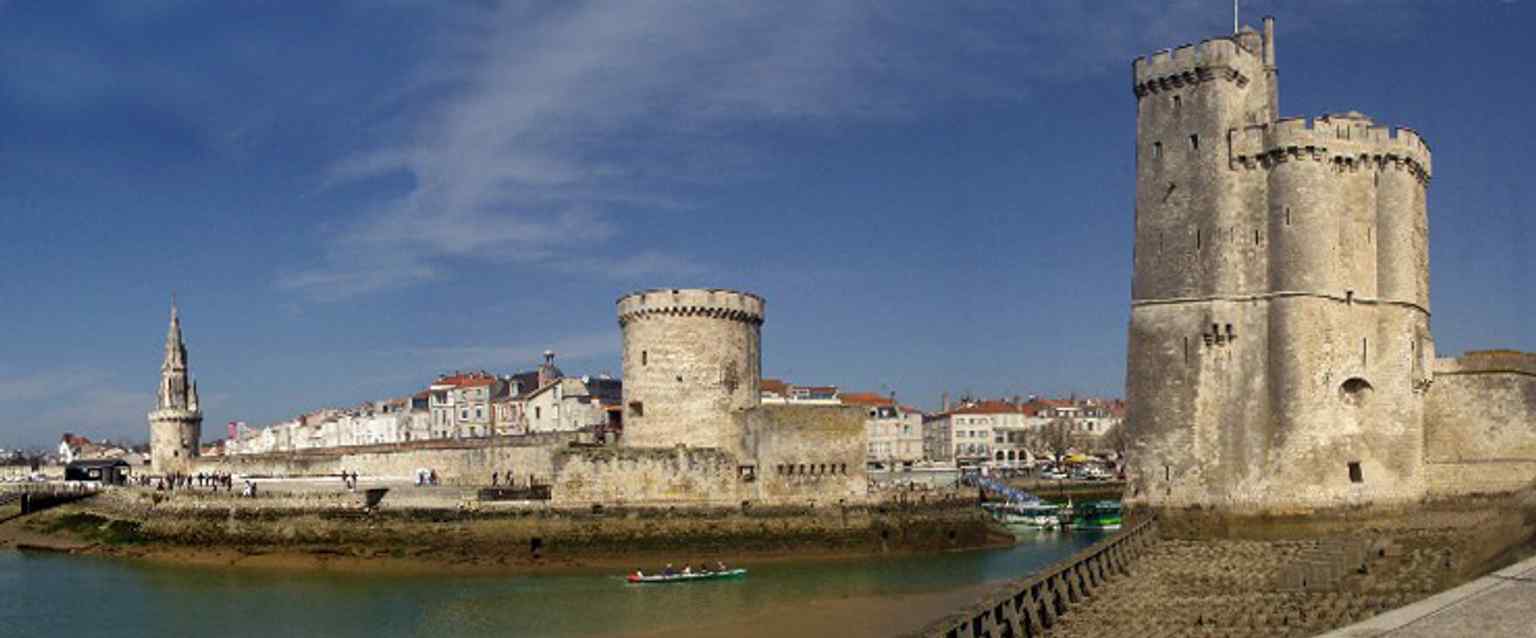
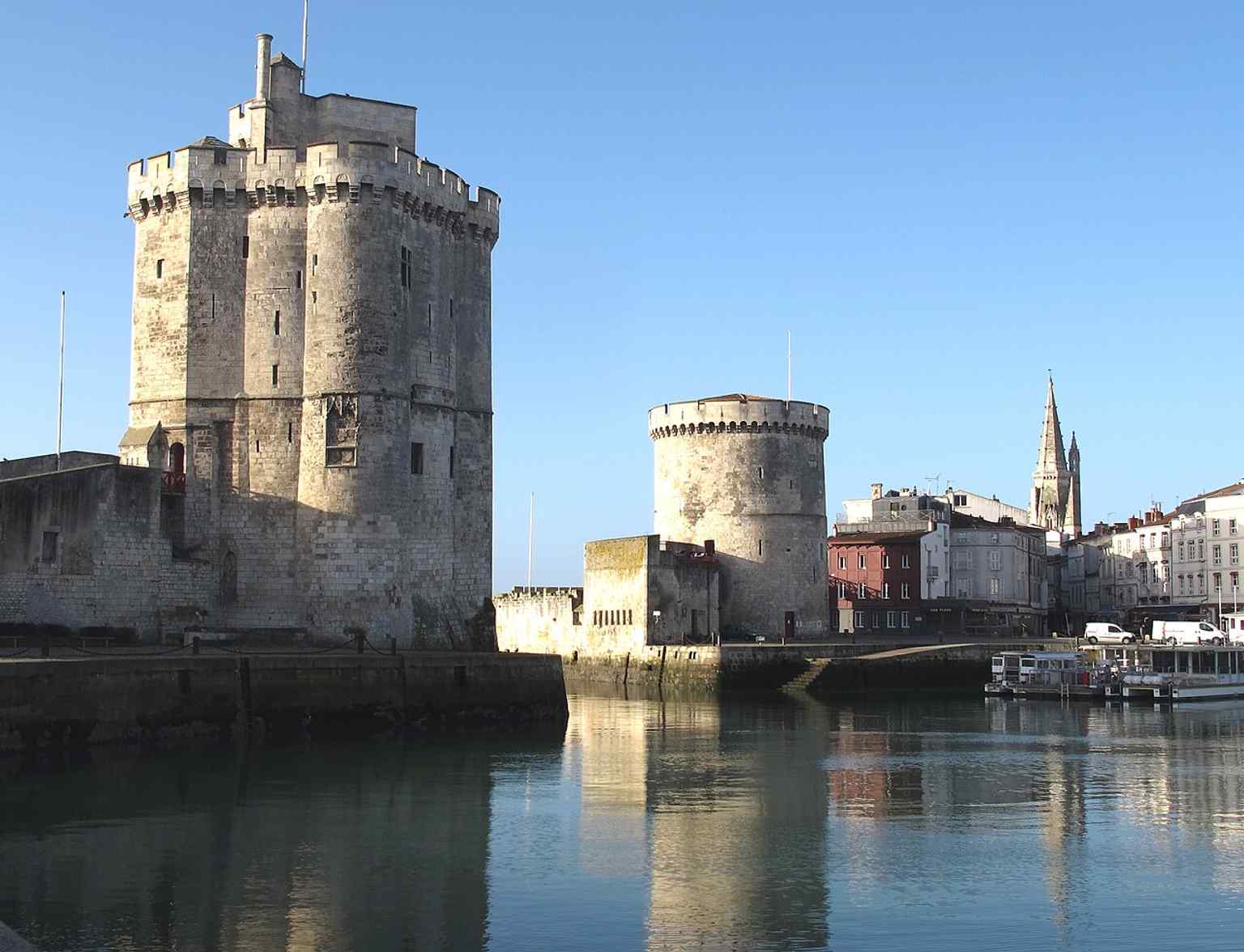
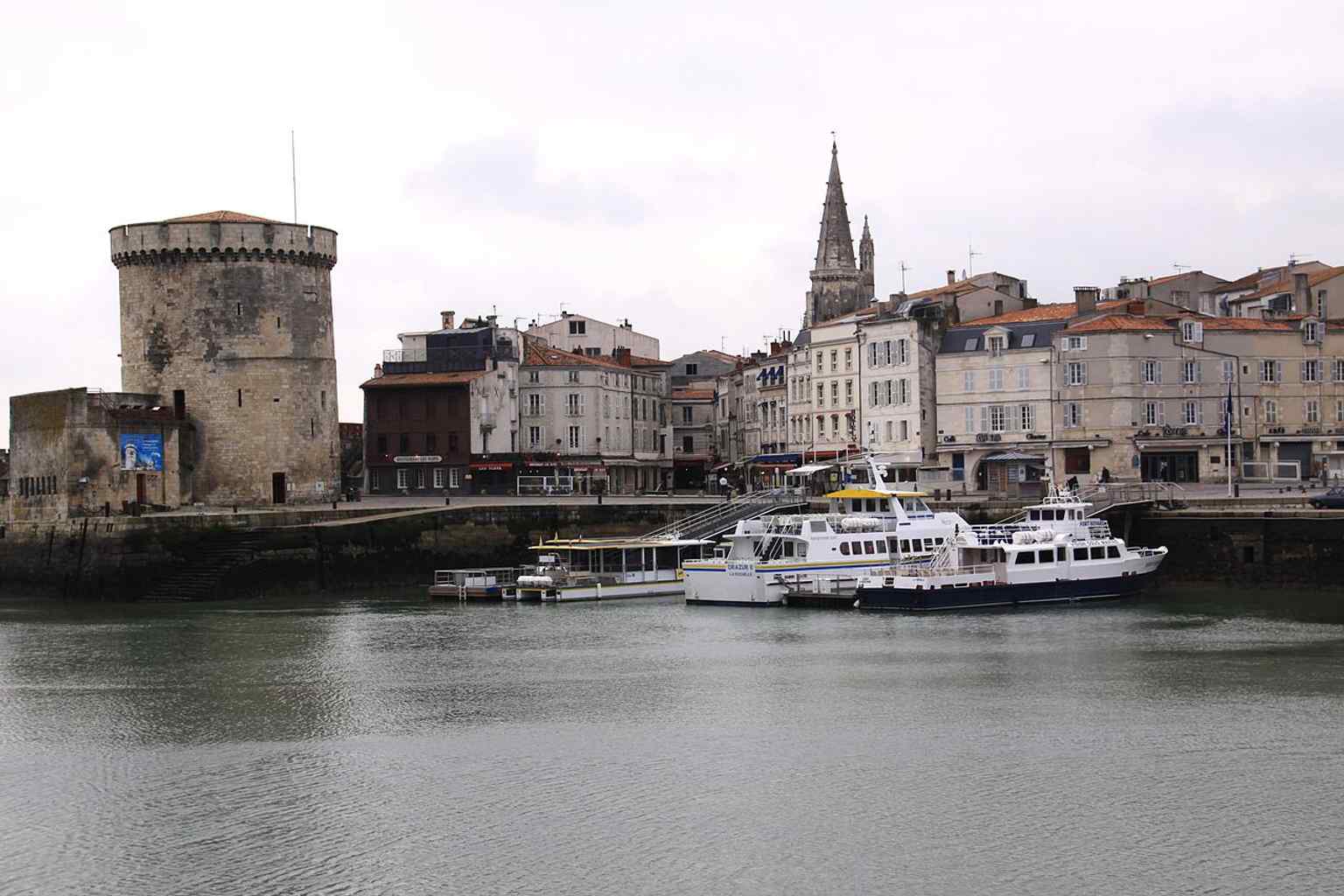
If you want to go inside later, it generally opens every day from ten to twelve forty-five and again from two to six thirty. From here, head on to the Chain Tower, where harbor defense becomes brutally simple: a chain stretched across the water, and no ship argued with that.






.JPG)


-France.JPG)
