
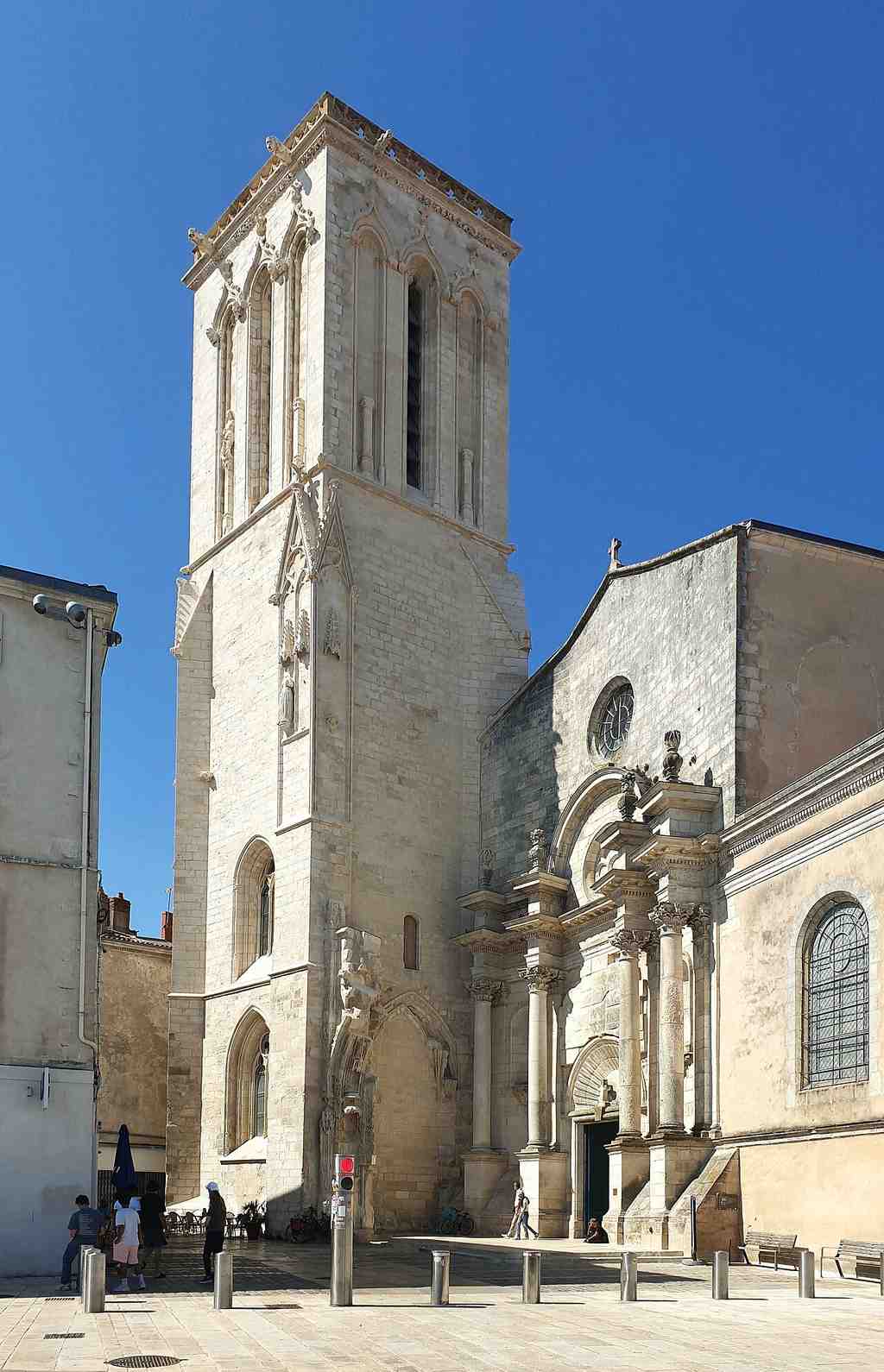
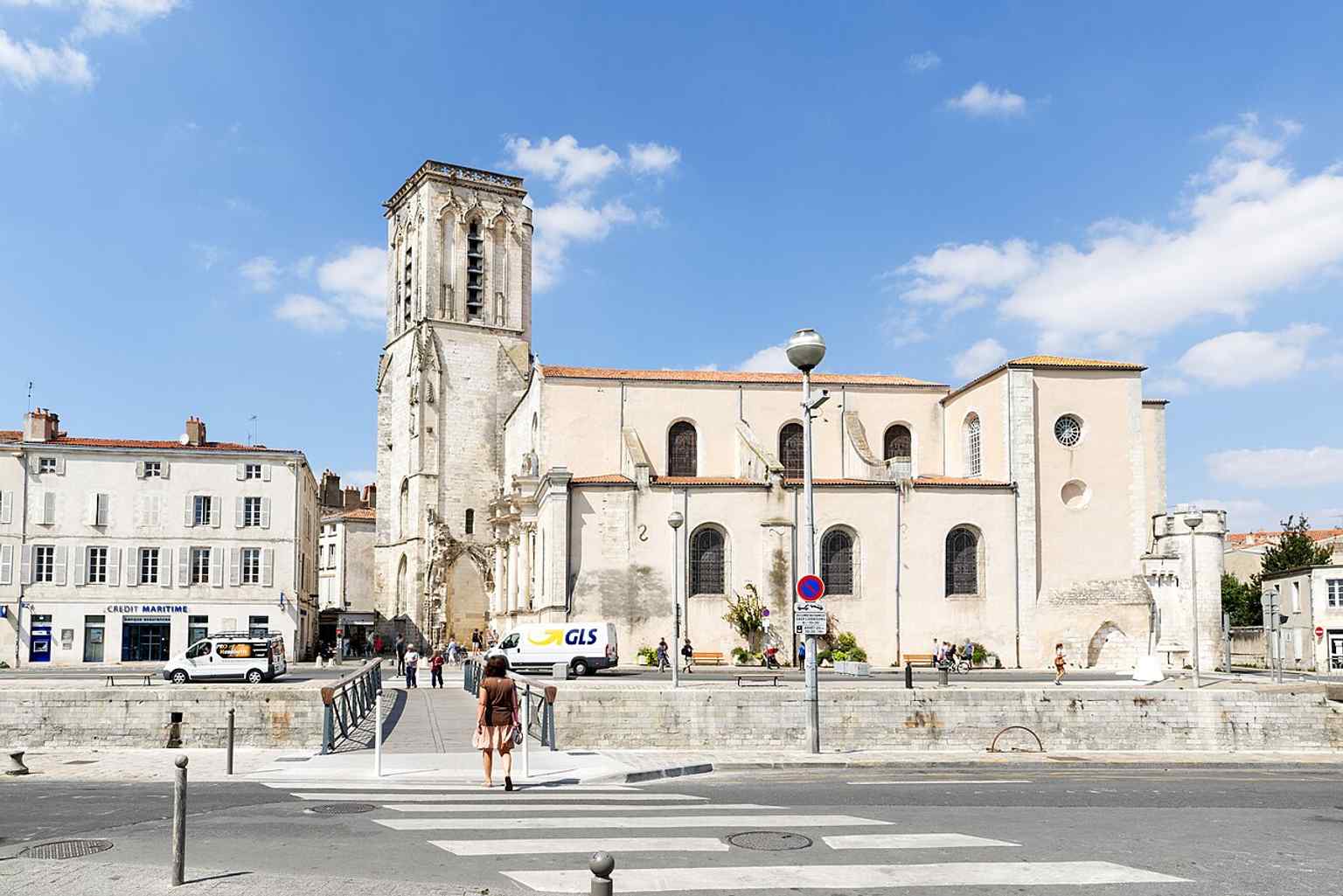
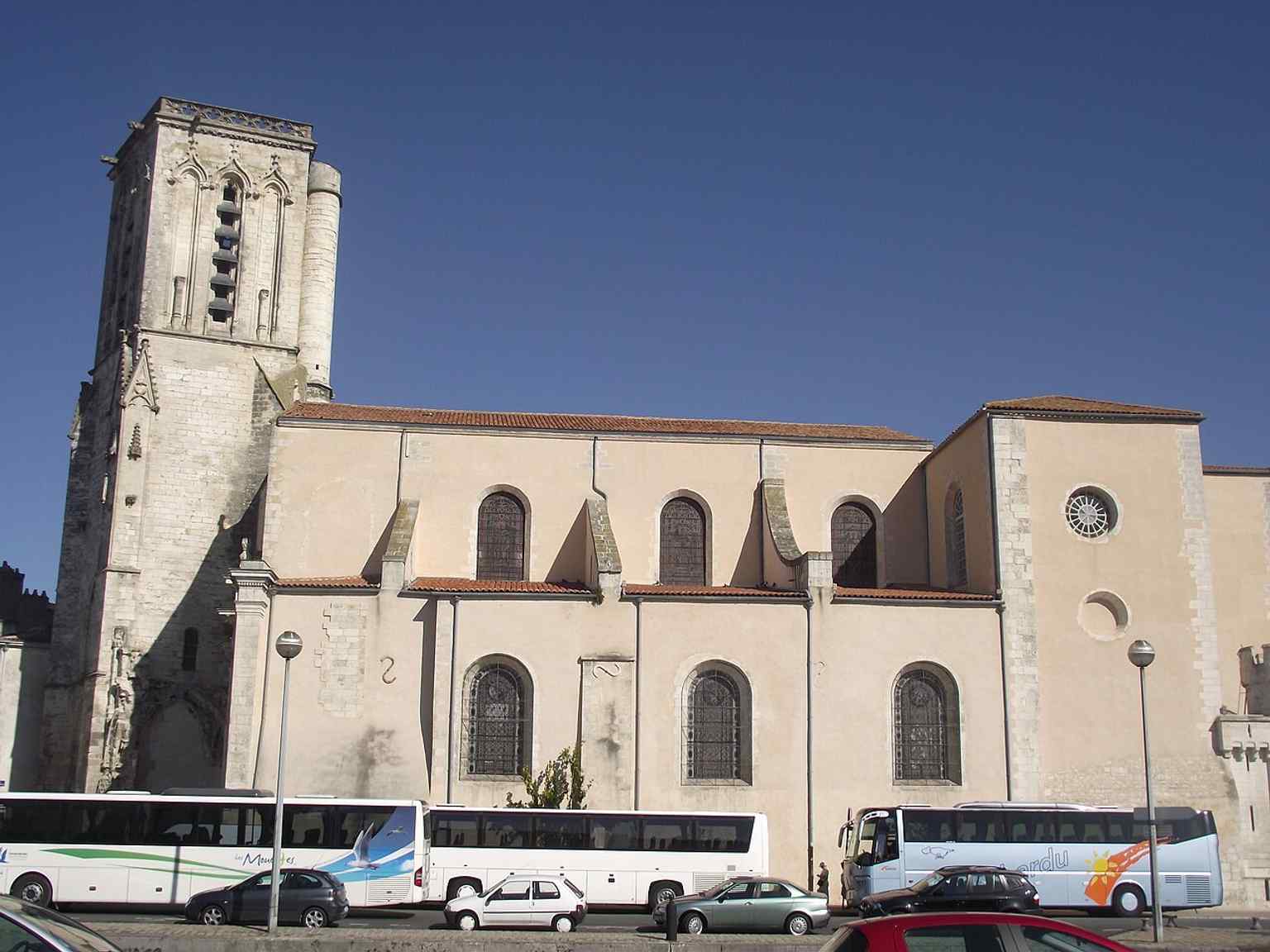
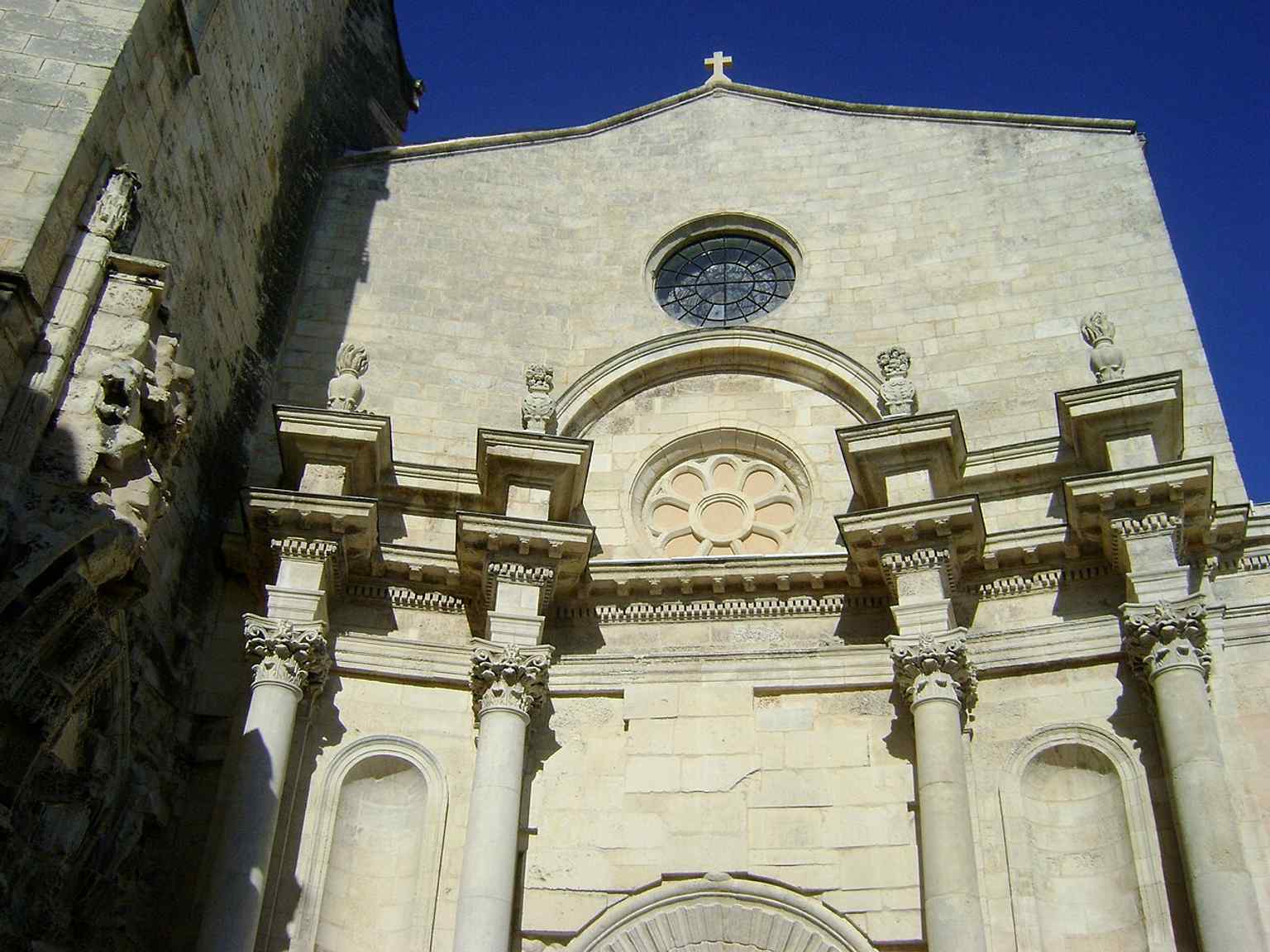
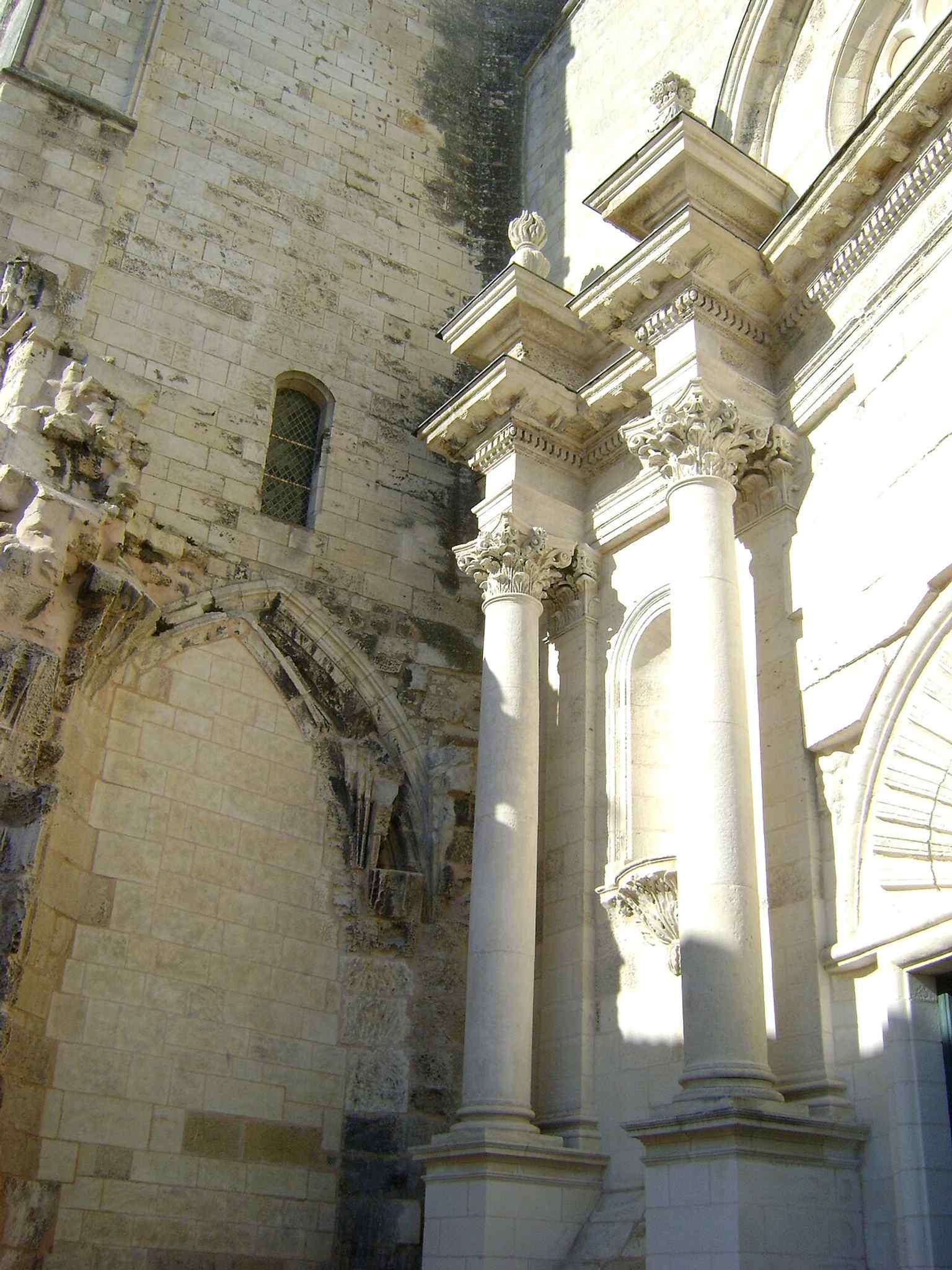
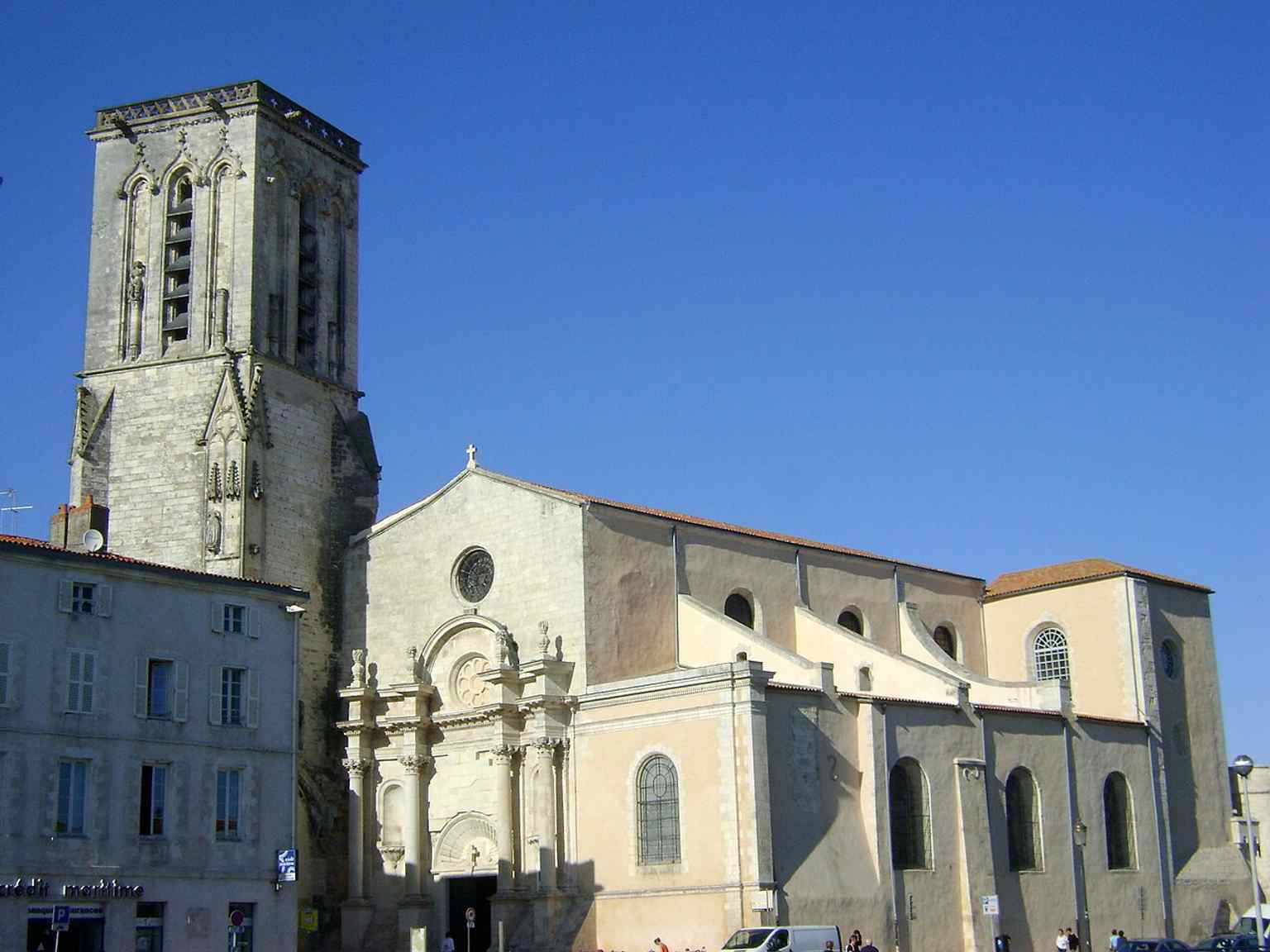
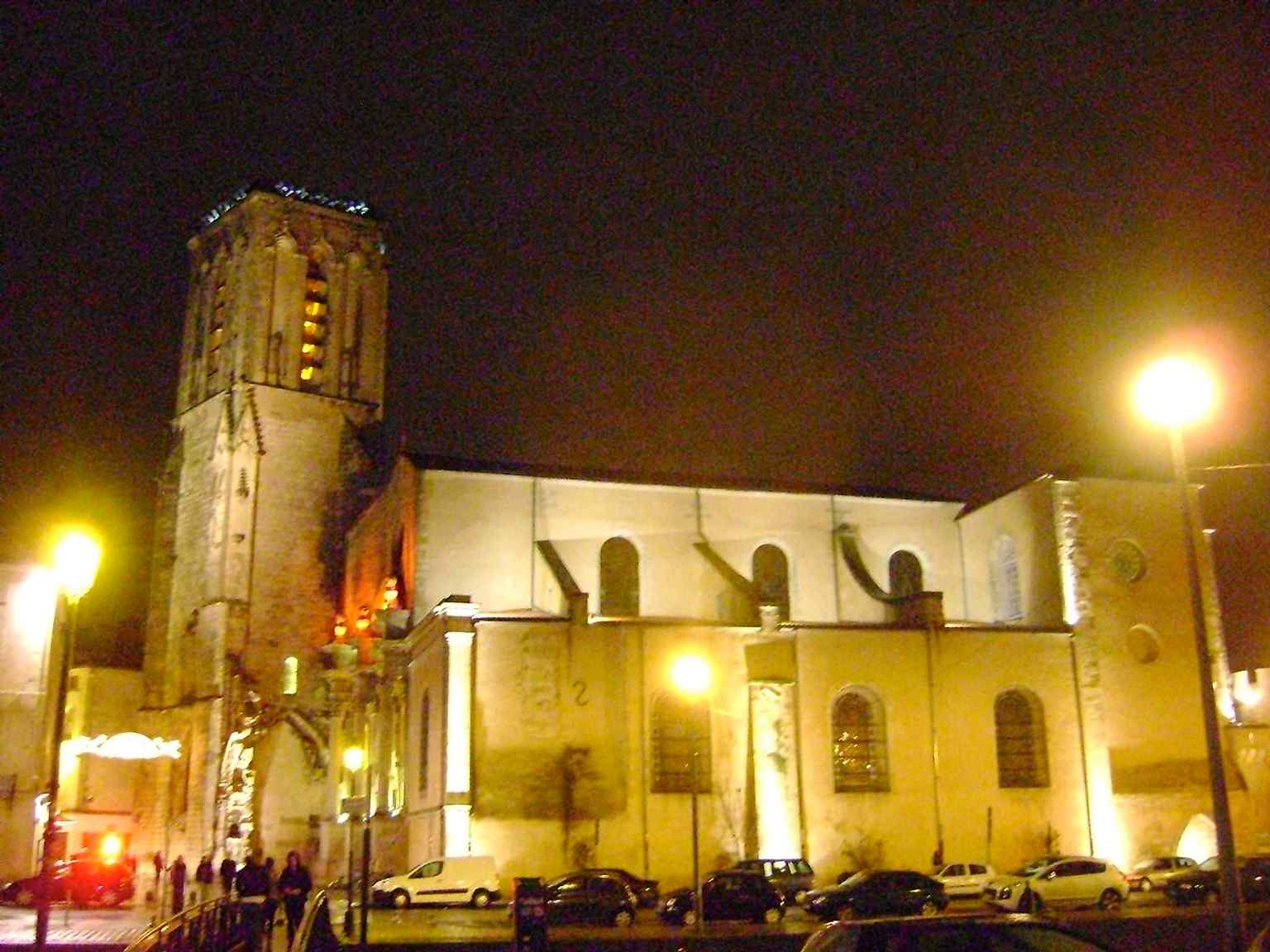
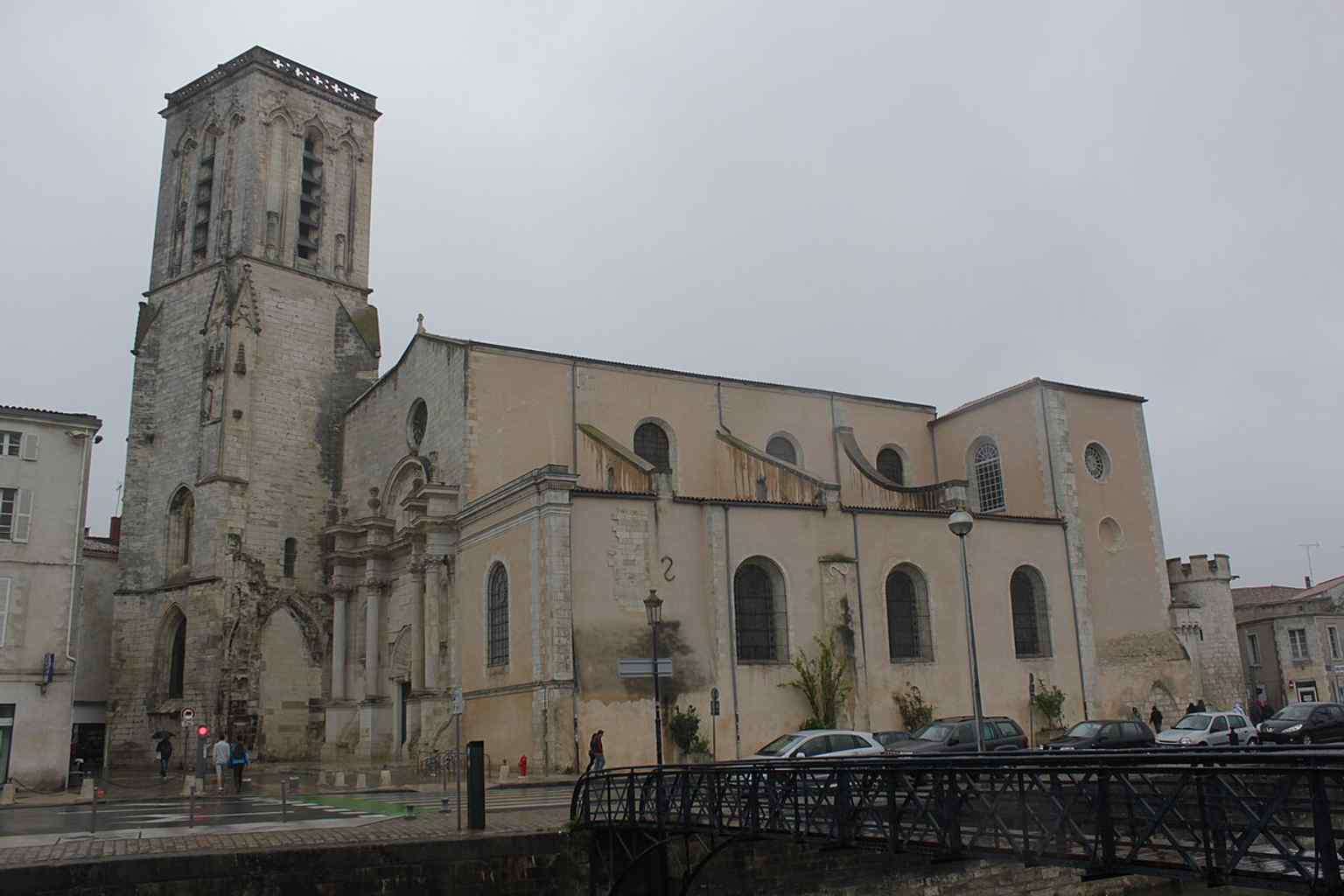
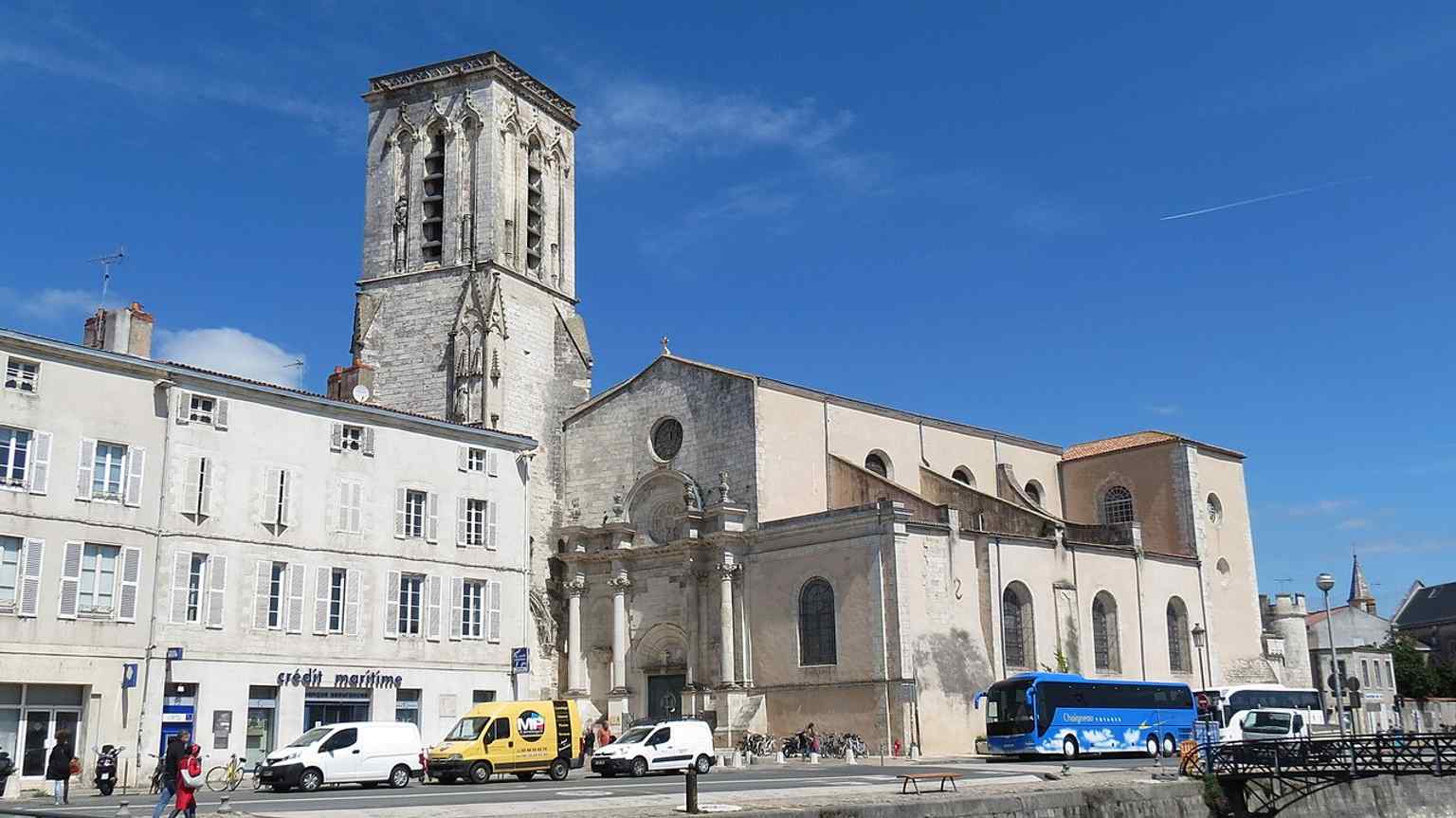
On your right, Saint-Sauveur appears as a pale stone church with a broad classical façade, four Corinthian columns, and a tall Gothic bell tower rising behind it.
Saint-Sauveur looks composed now, but this church has spent centuries being broken, patched, burned, rebuilt, and asked to carry on anyway. Monks from the Île d’Aix founded the first church here in eleven fifty-two after Pope Eugene the Third gave his approval, and it began life under another name: Sainte-Madeleine. In twelve seventeen, Bishop Ponce de Pons made it a parish, which meant this was not just a holy place, but part of the machinery of everyday city life.
That first building did not last. Fire destroyed it in fourteen nineteen. The town rebuilt it in flamboyant Gothic - the late medieval style with curling, flame-like stonework - and finished the porch in fourteen ninety-two. Contemporary writers admired it: lead on the roof, rich sculpture inside, even a colored burial scene carved by Michel Colombe. Near the port, it would have served sailors, traders, families, and people preparing to cross the Atlantic.
This is also where the Catholic-Protestant struggle in La Rochelle starts to feel personal. Before the city became famous for its Protestant identity, places like this anchored a firmly Catholic town. In fifteen sixty-one, Catholics and Protestants here even worked out a practical arrangement: they used the same church at different hours and, split the candle bill. Civilized, efficient... and not built to last.
On the ninth of January, fifteen sixty-eight, Mayor François Pontard raised the revolt against Catholics, jailed priests and opponents, and let crowds sack the churches. Then fear of siege pushed the city further: people needed stone for defenses, so they demolished most of Saint-Sauveur and hauled the rubble off to build the Bastion du Gabut. From that grand church, only the bell tower and bits of portal survived, mostly because the tower made a useful lookout and gun platform. If you glance at the app, image three shows that survivor clearly.
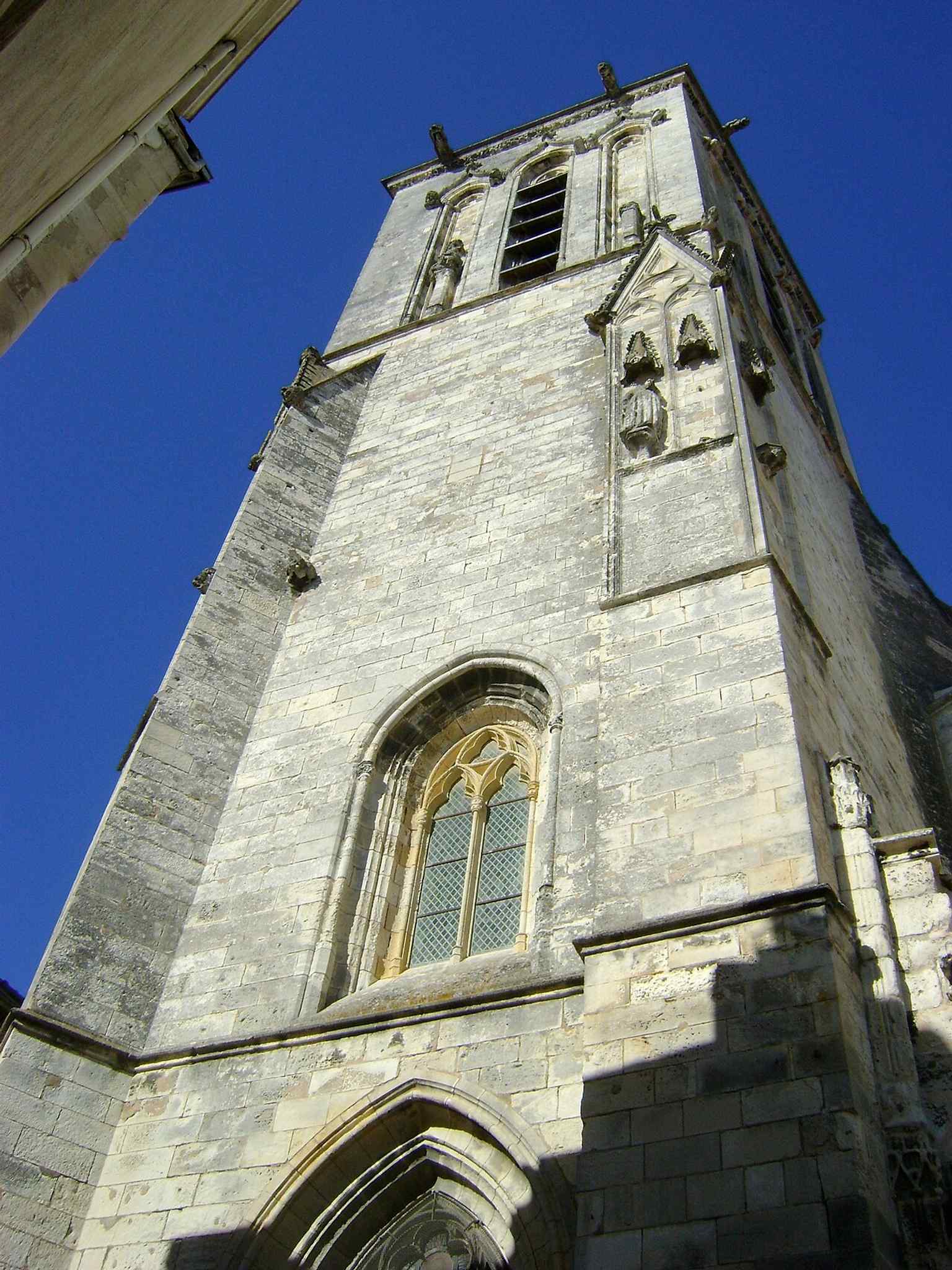
What followed was not one clean restoration, but a long argument with gravity and history. In sixteen thirty-three, with money short, the bishop allowed worship in a makeshift chapel inside the base of the tower. A new church rose from sixteen fifty-two to sixteen seventy-nine, then fire consumed it in seventeen oh five. So the building in front of you is really the fourth Saint-Sauveur, rebuilt from seventeen oh eight to seventeen eighteen, while keeping the entrance façade from sixteen seventy-nine.
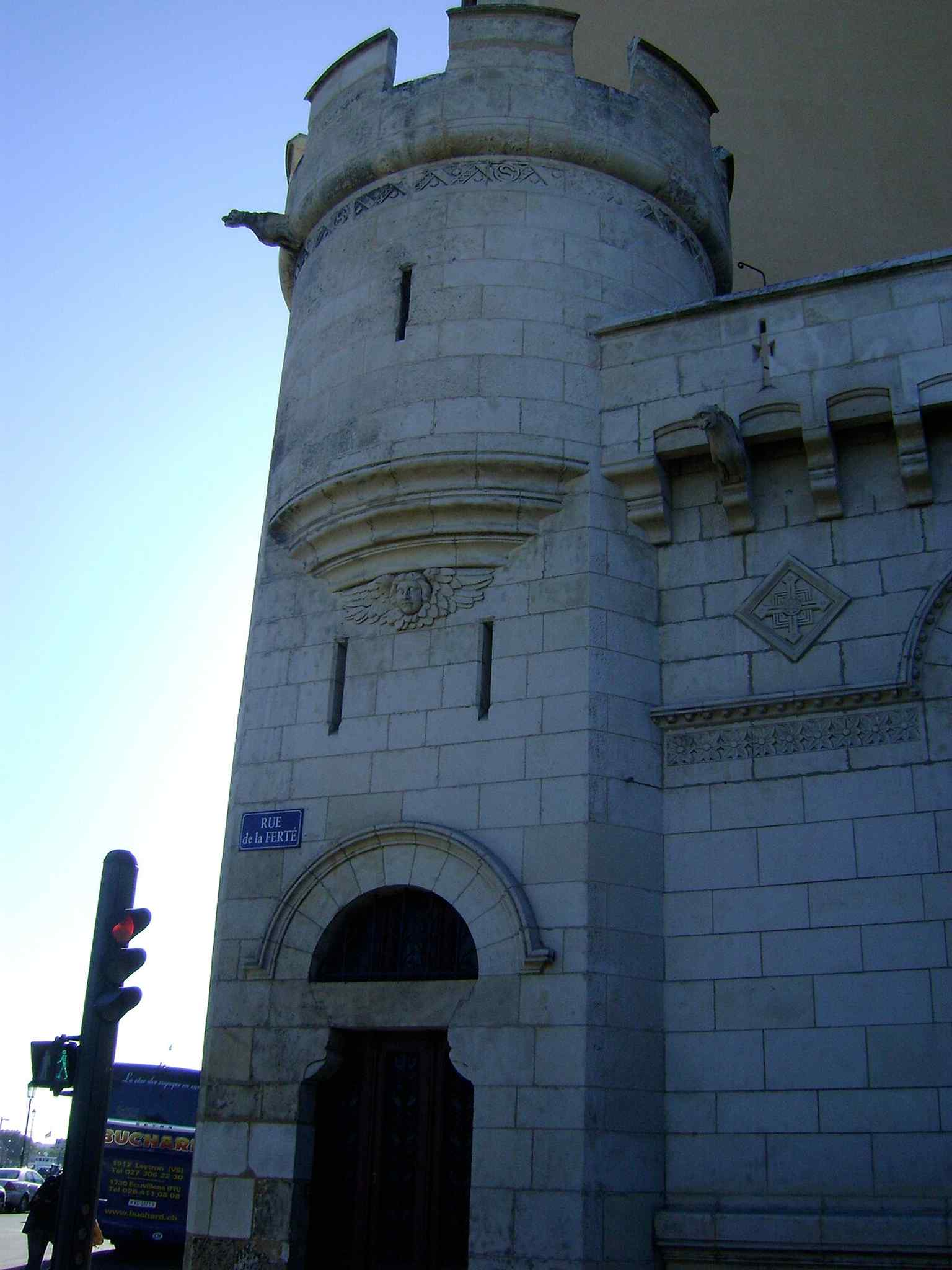
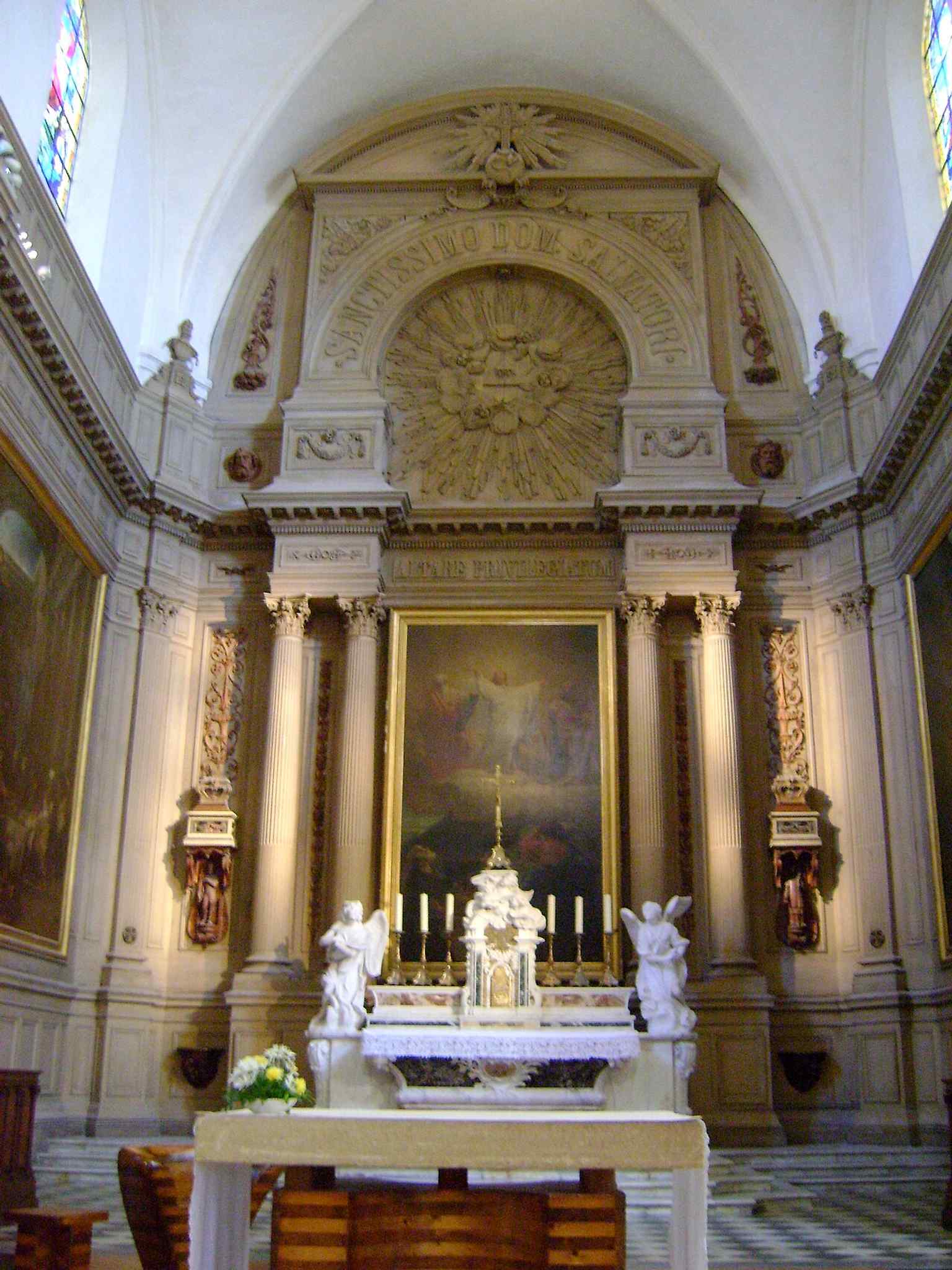
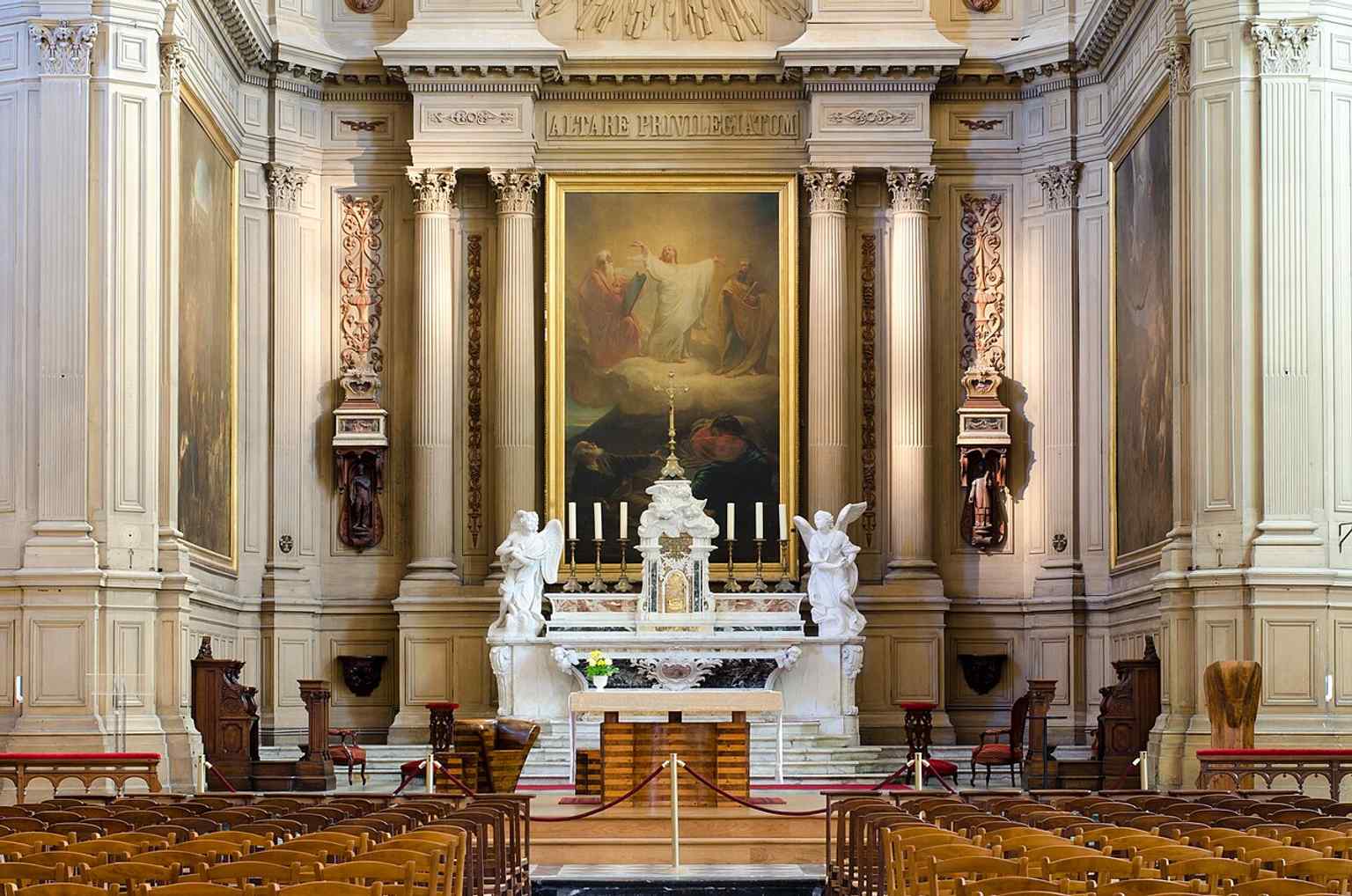
Even the neighboring fabric got recycled. The old Maubec gate became part of the sacristy, and the historian Jaillot lived there and died there in seventeen forty-nine - which is a very La Rochelle arrangement, really: part fortress, part house, part church. During the Revolution, officials closed Saint-Sauveur and turned it into a naval food store. Later, the structure kept shifting and cracking. In nineteen ninety-five, after a falling stone nearly hit the beadle, the city finally launched the massive restoration that reopened the church in two thousand and eight. If you check the interior view on your screen, image eleven gives you the result: a restored central hall, rebuilt vaults, and a church that survived by accepting reinvention.
In a moment, we head to the Protestant temple, where the city’s religious balance tips much more openly. If you want to return inside later, Saint-Sauveur is generally closed on Monday, open Tuesday through Saturday from ten to twelve thirty and two thirty to six, and on Sunday from four to seven.






.jpg)