
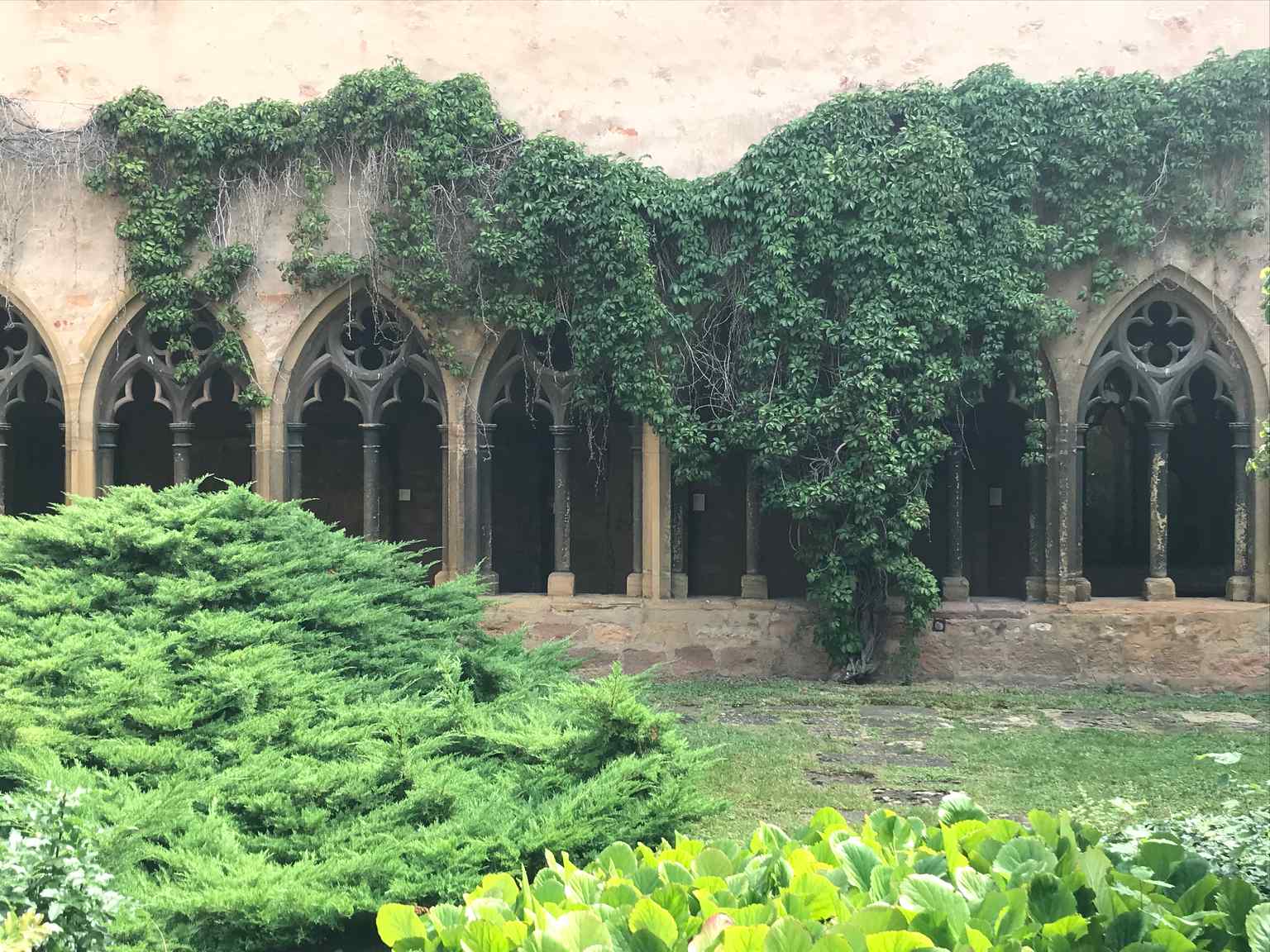
So here we are, just a minute's walk from the monument to Martin Schongauer, and right in front of you is where many of his finest works actually live. If you look to your right from where you are standing to the front left of the main facade, you will see the Unterlinden Museum.
The name Unterlinden translates quite simply to under the linden trees. Long before it was a world renowned museum, this beautiful stone complex was a convent for Dominican nuns, a Catholic religious order focused on preaching and study. The sisters lived here peacefully for centuries until the French Revolution in 1789 forced them out. After their departure, the buildings were left to decay and were eventually repurposed as a rather gloomy military barracks. The entire convent was slowly falling apart and was very nearly demolished to make way for new development.
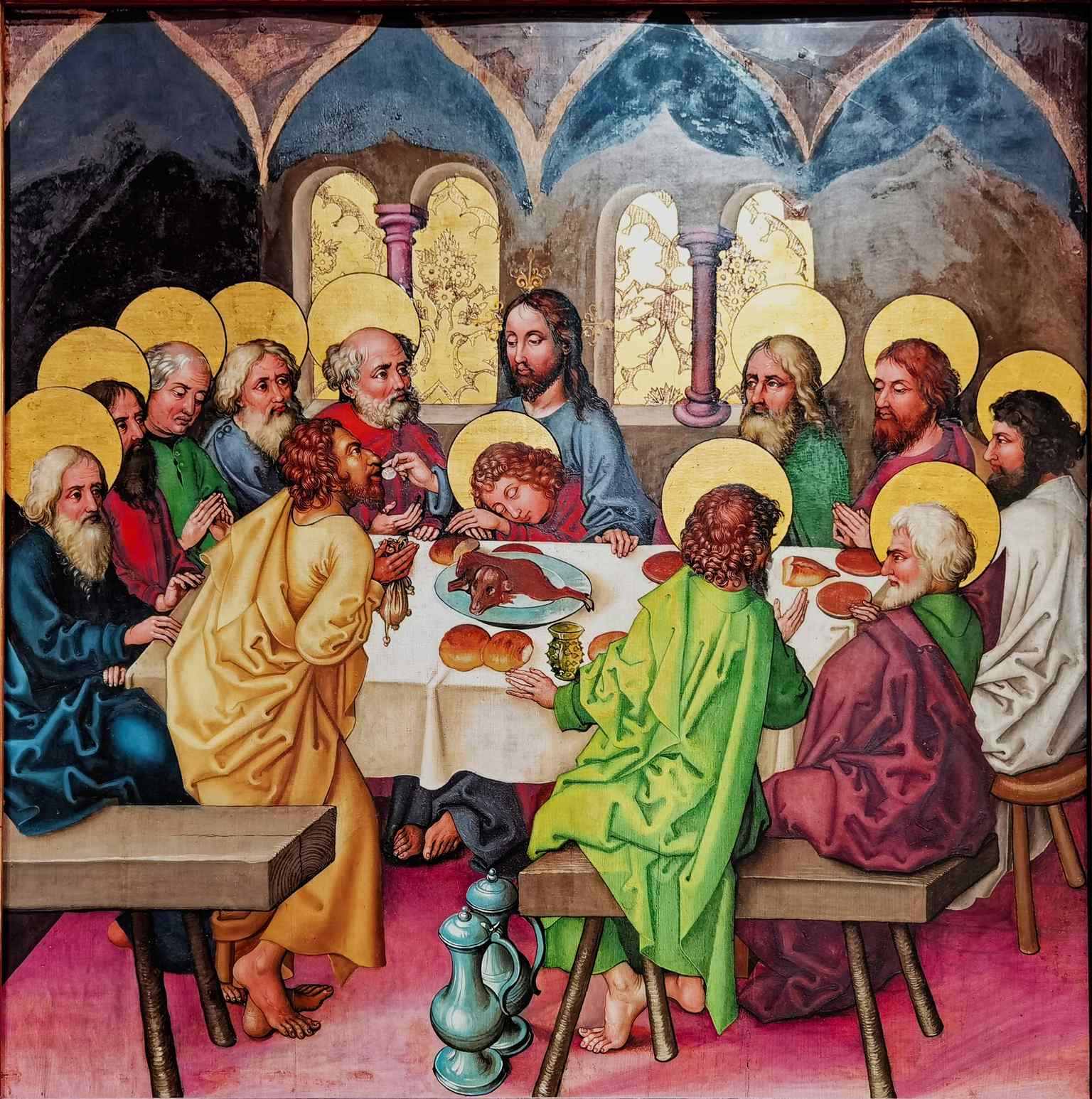
Fortunately, the site was saved in the mid-nineteenth century by a local heritage group called the Schongauer Society. In 1852, they had the clever idea to gather up the massive amounts of art that had been confiscated from local churches and monasteries during the Revolution and store it all in the old convent. By turning these crumbling halls into a sanctuary for regional art, they rescued the medieval architecture from the wrecking ball, and the museum officially opened its doors in 1853.
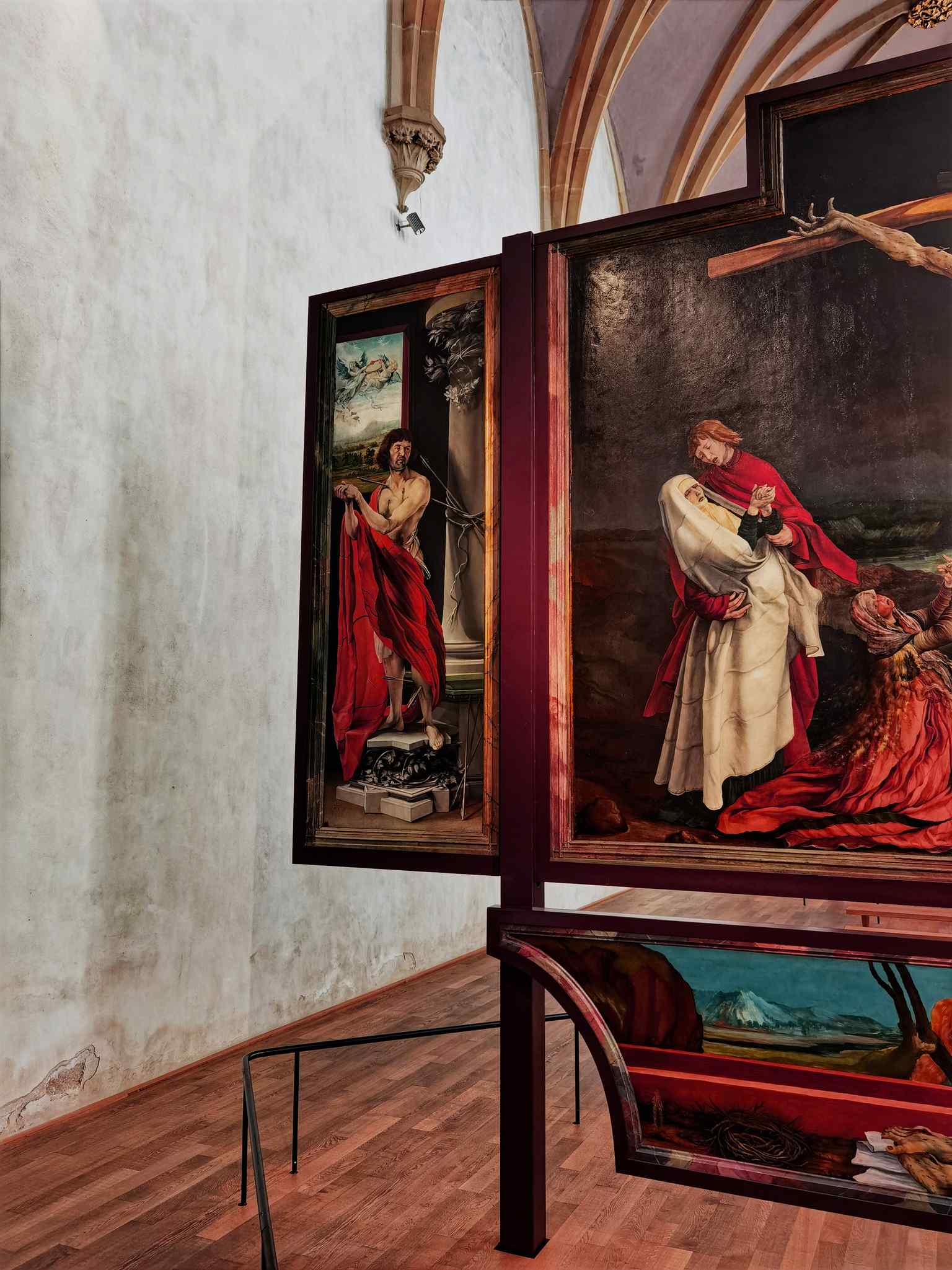
Today, the museum is best known for its incredible collection of Rhenish art, meaning pieces produced in the upper Rhine river region during its golden age. The absolute crown jewel of the collection is housed right inside the former convent church. That is the Issenheim Altarpiece we just discussed, drawing visitors from all over the world to experience its intense emotion and vivid color. You will also find a stunning array of pieces by local master Martin Schongauer, whose engravings, made by carving into copper plates with a sharp steel tool called a burin, were so masterful they were even admired by a young Albrecht Durer.
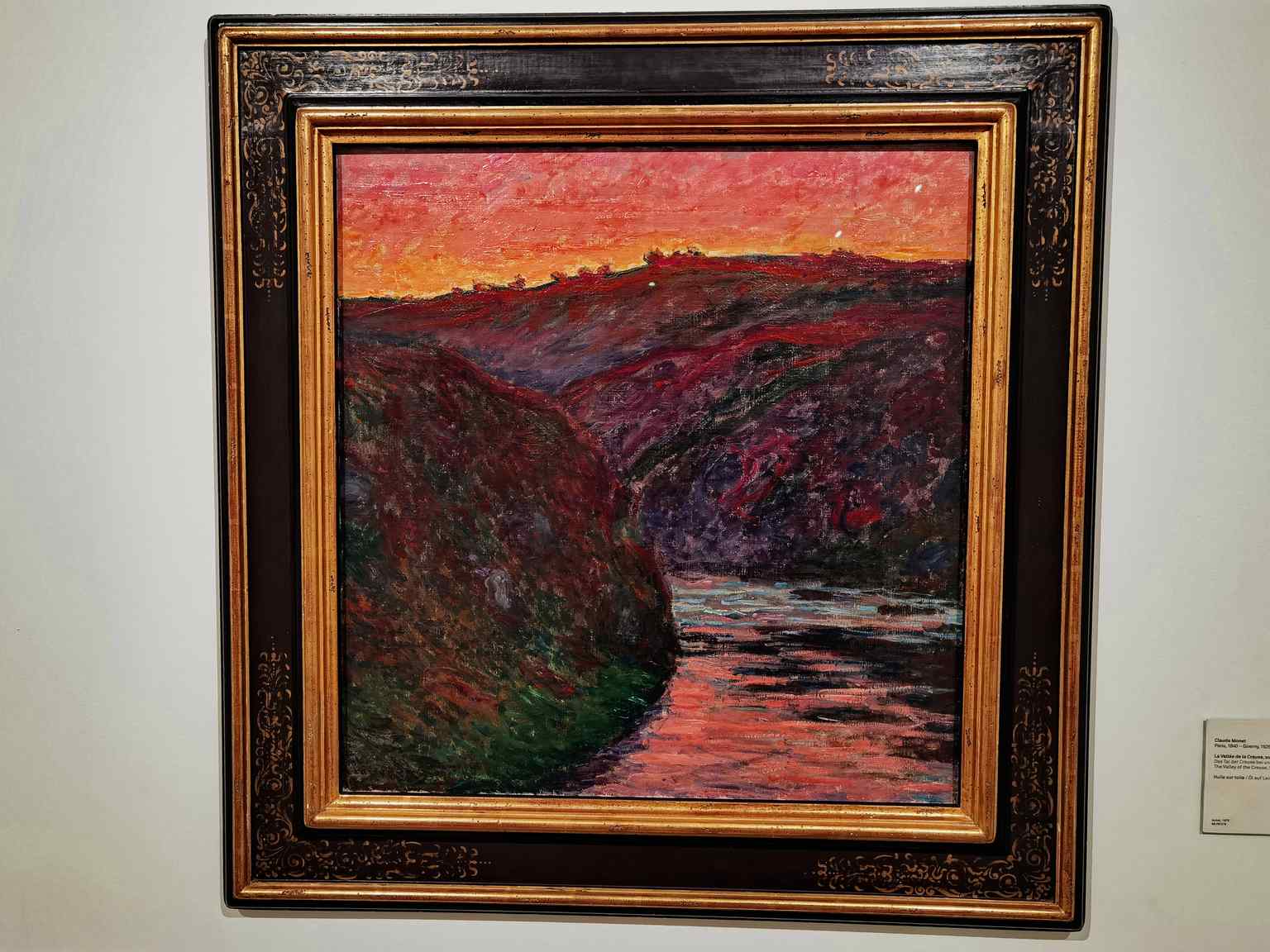
But the museum is not entirely anchored in the past. It also houses modern pieces by Monet, Renoir, and Picasso, as well as a fascinating collection of Japanese sword guards and ancient Chinese ceramics donated by an art dealer named Florine Langweil. In 2015, the museum expanded massively with a forty-four million euro renovation by the famous Swiss architectural firm Herzog and de Meuron, linking the medieval cloister to the town's old municipal baths through an underground gallery.
If you want to step inside to see the altarpiece yourself, the museum is open from nine in the morning to six in the evening every day of the week except Tuesdays. It truly is a remarkable collision of medieval devotion and modern vision. Take a moment to soak this in, and when you are ready, we can head just down the street to our next stop at the Colmar head house.






_%26_Atelier%2C_ca_1480_-_Oil_on_wood_panel_-_The_Last_Supper.jpg)
_-_Crucifixion_02.jpg)
_1889_by_Claude_Monet_(1840-1926)_-_Oil_on_Canvas_01.jpg)